
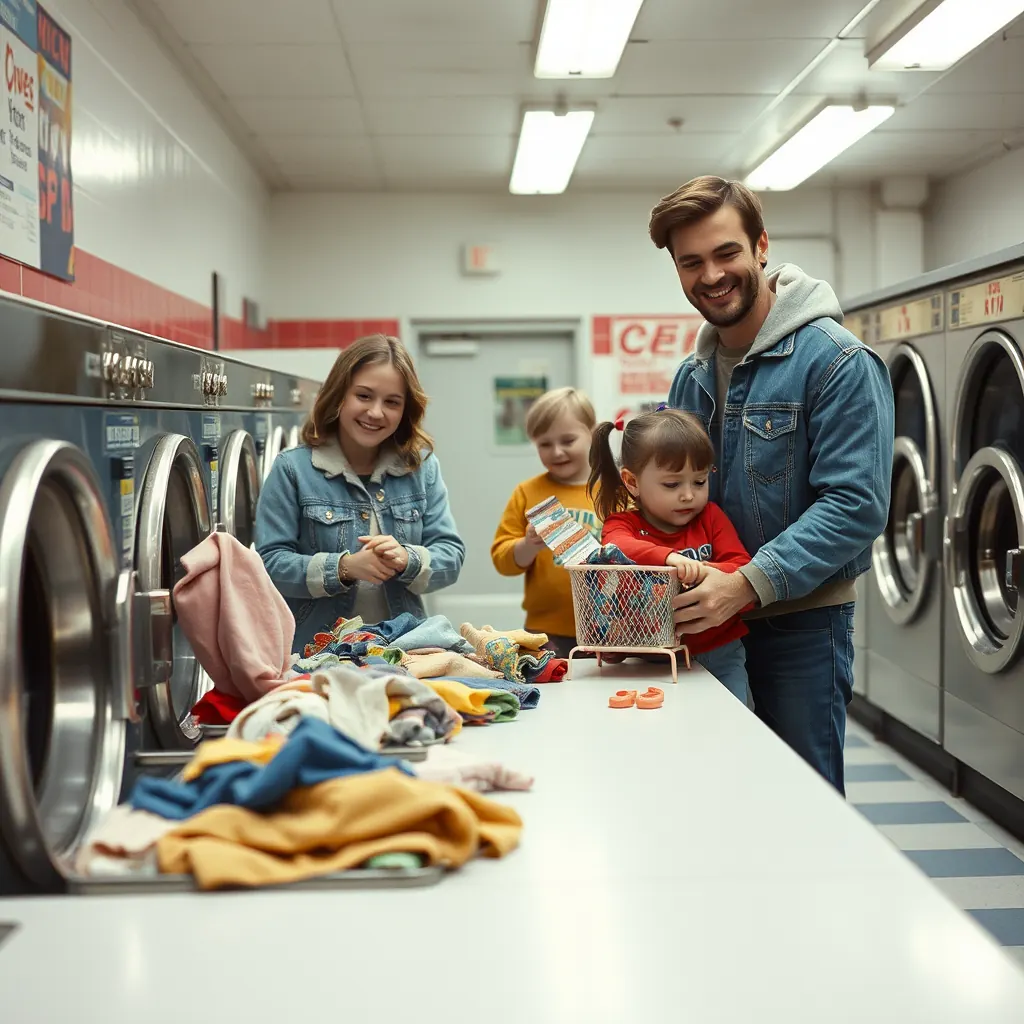
Use efficiency tips with Fresh Spin services
For a Fresh Spin visit, use the self-serve laundromat, bring eligible laundry for drop-off wash-dry-fold, review common service questions in the FAQ, or use the contact page before visiting. This guide is informational and should route readers to verified Fresh Spin service pages.
Laundry steals more time than most people realize, with many households spending 10+ hours a week washing, drying, sorting, folding, and redoing loads that could have been handled right the first time. In 2026, Winner Laundry Efficiency means building a simple system that uses smart sorting, fixed wash days, better machine settings, and newer tools like AI cycles and eco-detergents to save time, cut bills, and make laundry feel manageable.
Key Takeaways
- Use smart sorting to prevent rewashing, fabric damage, and wasted time.
- Stick to a fixed schedule so laundry never turns into a stressful backlog.
- Choose cold water and efficient cycles to reduce energy use fast.
- Improve drying with low heat, clean filters, and better load separation.
- Build lasting habits with folding rules, hampers, and a 30-day reset plan.
Why Winner Laundry Efficiency Matters in 2026
Laundry has a way of spreading into every part of the week. A shirt waits in the washer too long, towels sit in a basket for two days, and socks somehow disappear into a pile that keeps growing. That cycle wastes time, energy, and focus. It also pushes up utility costs because rushed loads often lead to repeat washing, over-drying, or using the wrong settings.
Winner Laundry Efficiency is a practical system for fixing that problem. The idea is simple: sort smarter, wash on a steady rhythm, use your machines well, and finish each load all the way through. Instead of treating laundry like a random chore that interrupts your week, you turn it into a repeatable process. That shift matters because small changes create big savings over time.
Modern tools make this easier than ever. In 2026, many washers can detect load size, estimate soil level, and adjust water use automatically. Auto-dosing systems prevent detergent waste. Eco-detergents clean well in cold water. Newer dryers with moisture sensors help stop over-drying before it damages fabrics or runs up the bill. As noted in Love2Laundry, laundry trends in 2026 are moving strongly toward smart appliances, lower waste, and simpler routines.
This article breaks the system into clear parts so you can improve one habit at a time. You do not need a full appliance upgrade or a giant laundry room. A few baskets, a schedule, and better settings can change the entire routine.
The 80/20 Fix: Sort Smarter and Save Time
Sorting is where laundry either gets easier or starts going wrong. A rushed, messy sort creates color transfer, fabric wear, poor washing results, and extra loads later. A simple sort handles most of those problems before they happen. That is why it works like an 80/20 fix: one small step solves a large share of the chaos.
Many people either under-sort or over-sort. Under-sorting causes damage. Over-sorting creates too many tiny loads and wastes hours. The better method is to sort just enough to protect clothes and keep loads efficient. You want a system that takes seconds, not one that turns every wash into a major project.
Start with the core categories most households actually need. For many people, these groups are enough:
- Whites for light shirts, socks, and items that dull easily
- Darks for black, navy, and rich colors that may bleed
- Pastels or bright colors that need gentler mixing
- Delicates for thin fabrics, activewear, and items with stretch
- Heavy items like towels, jeans, and hoodies
That setup is already strong, but there is a faster modern method too. Many efficient homes now sort by weight and soil level instead of color alone. Towels and jeans dry at a similar pace, so grouping them can reduce drying time and improve overall flow. Light shirts and thinner fabrics also perform better together because they wash and dry more evenly.
The key is to choose one sorting logic and stick to it. If your biggest issue is color bleeding, make color the priority. If your main problem is slow drying and poor load balance, sort by fabric weight. Households with kids, gym clothes, uniforms, or service jobs may also add a “heavily soiled” basket for dirtier items.
A great rule to adopt is the Golden Laundry Rule: only clothes placed in designated baskets get washed. That sounds basic, but it changes everything. It stops random floor clothes, chair piles, and half-clean items from entering the cycle by mistake. It also creates a clear boundary that keeps the system clean.
For shared homes, assign baskets by person. One basket per household member removes the question of who owns what. If you have enough space, a 3- to 5-basket setup works well. You might have one for whites, one for darks, one for delicates, one for towels, and one personal basket for overflow. The exact layout matters less than consistency.
Stain treatment is another area where speed pays off. The longer a stain sits, the harder it is to remove. Keep a multi-function stain product close to the hamper or laundry area and treat spots right away. A quick spray on coffee, sauce, sweat marks, or makeup can save a shirt from permanent damage. This one habit sharply reduces the need for rewashing.
If you use a local service sometimes, your sorting system still matters. Bringing clearly separated items to a wash and fold service can make handoff easier and help you keep the same household routine even on busy weeks.
Build a Laundry Schedule That Stops Backlogs
Laundry gets stressful when it becomes a binge activity. You wait too long, then lose half a day washing five loads in a row. That pattern drains energy and makes folding feel impossible. A fixed schedule works better because it keeps laundry moving in small, predictable steps.
Consistency beats intensity here. Two planned wash days are often enough for a one- or two-person home. A larger household may need three or four touchpoints across the week. The point is to stop treating laundry like an emergency.
A simple rhythm often looks like this:
- Midweek load for work clothes, basics, and gym wear
- Weekend load for towels, bedding, and overflow items
- Daily micro-sorting when changing clothes
Daily micro-sorting matters more than people think. Dropping worn clothes directly into the right basket takes seconds. Doing that each day prevents the giant mixed pile that wastes time later. It also helps you notice whether you are running low on essentials like socks, underwear, or workout gear.
Some schedules work better for specific lifestyles. Students, shift workers, and people with unpredictable hours may prefer smaller, more frequent loads. That can be a smart move. A short load every other day often feels easier than a marathon session on Sunday night. Small loads can also reduce stress if your washer is shared or if your building has limited machine access.
Load strategy matters just as much as timing. Full loads usually give the best return on water and energy. Running a washer half empty again and again drives up utility use without saving much effort. Still, a “full load” does not mean packed tight. Leave about a hand’s width at the top so clothes can move freely. Proper agitation is what actually gets items clean.
Overloading is a common mistake because it looks efficient on the surface. In practice, it prevents detergent from distributing well, traps dirt, strains the machine, and leaves damp sections after the spin cycle. That leads to repeat washing or longer drying times. A packed washer is often slower and more expensive than two well-sized loads.
Mixing item sizes improves wash performance too. Combining smaller pieces with medium items helps create better movement in the drum. If you wash only one giant blanket or several oversized towels together, items may clump and clean unevenly. Balance keeps the machine working as it should.
If you rely on public machines, a steady schedule matters even more. Planning trips to a self-serve laundromat during lower-traffic times can save waiting time and make your whole routine faster.
Load Optimization: Get Cleaner Clothes with Less Effort
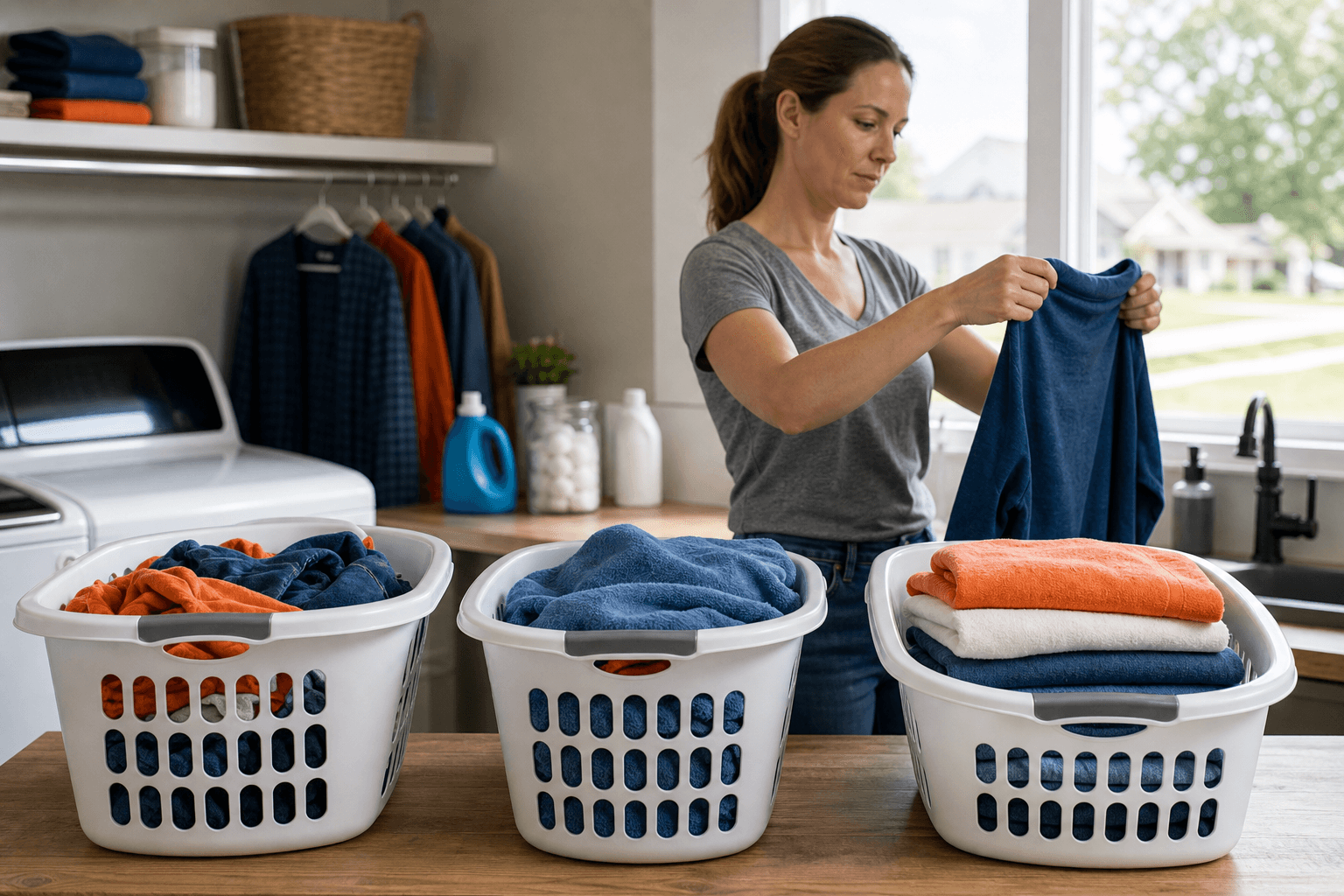
Many laundry problems come from poor load building rather than weak detergent or bad machines. A smart load is balanced, appropriately sized, and grouped by wash needs. Once you understand that, you stop guessing and start getting repeatable results.
Think of each load as a team of fabrics that need the same care. Heavy towels want stronger agitation and longer drying. Stretch fabrics and thin tops need gentler handling. Whites often benefit from a separate wash to stay bright. Your goal is to combine items that thrive under the same conditions.
Here are a few strong combinations that save time:
- Towels and jeans for similar weight and drying time
- T-shirts and pajamas for moderate soil and easy drying
- Workout clothes washed together on cool settings
- Sheets and pillowcases grouped for easier folding and storage
Avoid mixing lint-heavy items with lint-attracting fabrics. Towels can cover black shirts in fuzz. Fleece can cling to athletic wear. Those pairings make clean clothes look messy and may force extra drying or rewashing. In the same way, keep rough items with zippers or hooks away from soft knits or delicates unless they are secured in garment bags.
Before each load starts, do a quick three-part check:
- Pockets emptied
- Zippers closed
- Inside-out for printed or dark clothes
This tiny check protects both clothes and machine performance. Tissues become lint explosions. Loose coins can damage the drum. Open zippers snag other garments. Turning clothes inside out reduces fading and friction on visible fabric surfaces, especially on black items, graphic tees, and denim.
Water level settings also matter if your machine allows manual adjustment. Smaller loads should use less water. Larger loads need enough room for movement. If your washer is smart, it may handle this automatically. If not, matching water level to load size prevents waste while keeping wash quality high.
One helpful trick is to pre-plan your next load while folding the current one. If you notice only a few white items remain, wait until the basket fills instead of forcing an inefficient cycle. That habit cuts down on fragmented washing and keeps your system efficient.
Machine Mastery: Settings That Cut Energy Use Fast
The machine settings you choose affect cost, clothing life, and total laundry time more than most people realize. One switch from hot to cold water can make a major difference. One extra spin can cut dryer time. One smart cycle choice can save half an hour without reducing cleaning quality.
Cold water should be the default for most everyday loads. According to the article brief, using cold water can reduce energy use by up to 50%. That matters because heating water is one of the biggest energy demands in laundry. Modern detergents are built to work well at lower temperatures, so warm or hot water is often unnecessary unless you are dealing with heavy soil, grease, or specific sanitation needs.
Quick cycles are another easy win. Many daily loads do not need a long, aggressive wash. A roughly 30-minute cycle is often enough for lightly worn clothes, office wear, and basic household laundry. Reserve heavy-duty settings for muddy items, deeply stained fabrics, or heavily used towels. Running every load on the strongest option wastes both time and energy.
Loading technique matters too. Distribute items evenly around the drum so the machine spins smoothly. An unbalanced load can create noise, poor cleaning, uneven moisture levels, and machine wear. Front-load and top-load washers both benefit from balanced placement, especially with heavy items like jeans or towels.
Extra spin cycles can be a hidden hero. If your machine offers a stronger or additional spin, use it for thicker loads. Spinning out more water before drying shortens dryer time and helps large items finish more evenly. This is one of the best ways to improve total efficiency without buying anything new.
Detergent use is another area where more is not better. Too much detergent can leave residue on fabrics, trap odor, and force extra rinsing. In high-efficiency machines, overuse is especially common. Follow the dosing guide, then adjust slightly based on load size and soil level. If you have access to an auto-dosing machine, that feature can reduce waste and help every load stay consistent.
Machine care should be part of the routine. A washer that smells musty or has buildup inside will not offer fresh results. Clean the machine monthly with vinegar to reduce residue and odor. Wipe door seals if you use a front-loader. Leave the washer door open after use so moisture can escape. Dryers need even simpler maintenance: clean the lint filter after every load to keep airflow strong and drying times short.
If you are ready for an upgrade, 2026 offers strong options. ENERGY STAR front-loaders with moisture sensors, high-spin performance, and auto-dosing features can cut waste over the long term. Love2Laundry highlights that smart and sustainable laundry trends are gaining speed in 2026, and these features fit directly into that shift. A high-spin, low-water machine often pays you back through lower bills and faster routine completion.
Drying Habits That Save Energy and Protect Clothes
Drying can quietly become the most expensive part of the laundry process. It is also where fabric damage often happens. Shirts shrink, elastic weakens, prints crack, and towels come out overcooked because the dryer ran too long or at too high a temperature. Better drying habits fix all of that at once.
Start with a basic rule: dry similar fabrics together. Heavy and light items should usually be separated. A load with bath towels, thin T-shirts, and athletic shorts dries unevenly. The towels stay damp while the lighter pieces overdry. That means more dryer time and more wear.
Low heat or eco mode is a strong everyday option. It protects fibers and uses less energy than high heat. Many people choose high heat for speed, but that can backfire if clothes shrink, wrinkle badly, or need replacement sooner. Lower heat with good airflow is usually the better long-term play.
Airflow matters more than many users think. A clean lint filter helps the dryer move warm air properly. Without that airflow, the machine works harder and takes longer. Make filter cleaning automatic after every load. It takes seconds and supports both safety and efficiency.
Dryer balls are one of the easiest upgrades for faster drying. Wool dryer balls help separate fabrics so hot air reaches more surface area. A dry towel added to a wet load for the first part of the cycle can also help absorb moisture and speed things up. The article brief notes that these moves can reduce drying time by up to 20%.
Do not ignore the power of the spin cycle. Better drying starts in the washer. If heavy items leave the machine soaked, the dryer has to do all the hard work. More water removal before drying means less heat, less time, and lower cost after.
For the best energy savings, air-dry when possible. Hanging shirts, delicates, athletic wear, and lightweight items can drop dryer use sharply. Air-drying also extends garment life because fabrics face less heat stress. If space is limited, use foldable racks, shower rods, or hangers on door frames. Even partial air-drying helps.
Many homes do well with a hybrid method. Run a short dryer cycle to soften and de-wrinkle, then finish on a rack. That approach balances convenience with lower energy use. It also works well for jeans, hoodies, and casual wear that can feel stiff if fully air-dried from the start.
Wash Smarter with Better Products in 2026
Detergent choices have improved a lot in recent years. In 2026, you can clean effectively with less product, lower temperatures, and fewer separate steps. That makes laundry faster and cheaper while also reducing clutter in the laundry area.
Cold-water detergents are now strong enough for most everyday clothing. That supports the shift away from hot washes and helps lower utility use. Eco-friendly detergents are also easier to find, which is helpful if you want fewer harsh ingredients and less packaging waste. According to the article brief, eco-detergents are a major part of current laundry efficiency habits.
Skip chlorine bleach unless you truly need it. It can be rough on fibers, harsh on colors, and unnecessary for many loads. For brightening and odor control, gentler alternatives often work well. If a product can clean, soften, and treat stains in one step, it may simplify your process and reduce the number of bottles you use each week.
Multi-function products fit well with the Winner Laundry Efficiency mindset because they remove decisions. Fewer products mean faster prep, fewer mistakes, and less cabinet clutter. This is especially useful in small apartments or shared homes where laundry space is limited.
Zero-waste detergent pods and wool dryer balls also match current habits around lower waste. Love2Laundry points to these sustainable options as part of 2026 laundry trends. If you want to make your routine more eco-aware without changing everything, start there. Those swaps are simple and usually easy to maintain.
Whatever product you choose, use the right amount. Too much detergent leads to buildup and dull fabric feel. Too little can leave odor behind. If your water is hard or your clothes are heavily soiled, slight adjustments make sense, but random pouring usually causes more problems than it solves. Measure at first until you know what your machine needs.
Finish Strong: Folding, Storage, and Keeping Laundry Done
Washing and drying clothes is only part of the job. Laundry feels endless because many people stop at the basket stage. Clean clothes pile up on beds, chairs, and couches, then wrinkle and mix with dirty items. A strong finishing system keeps the routine complete.
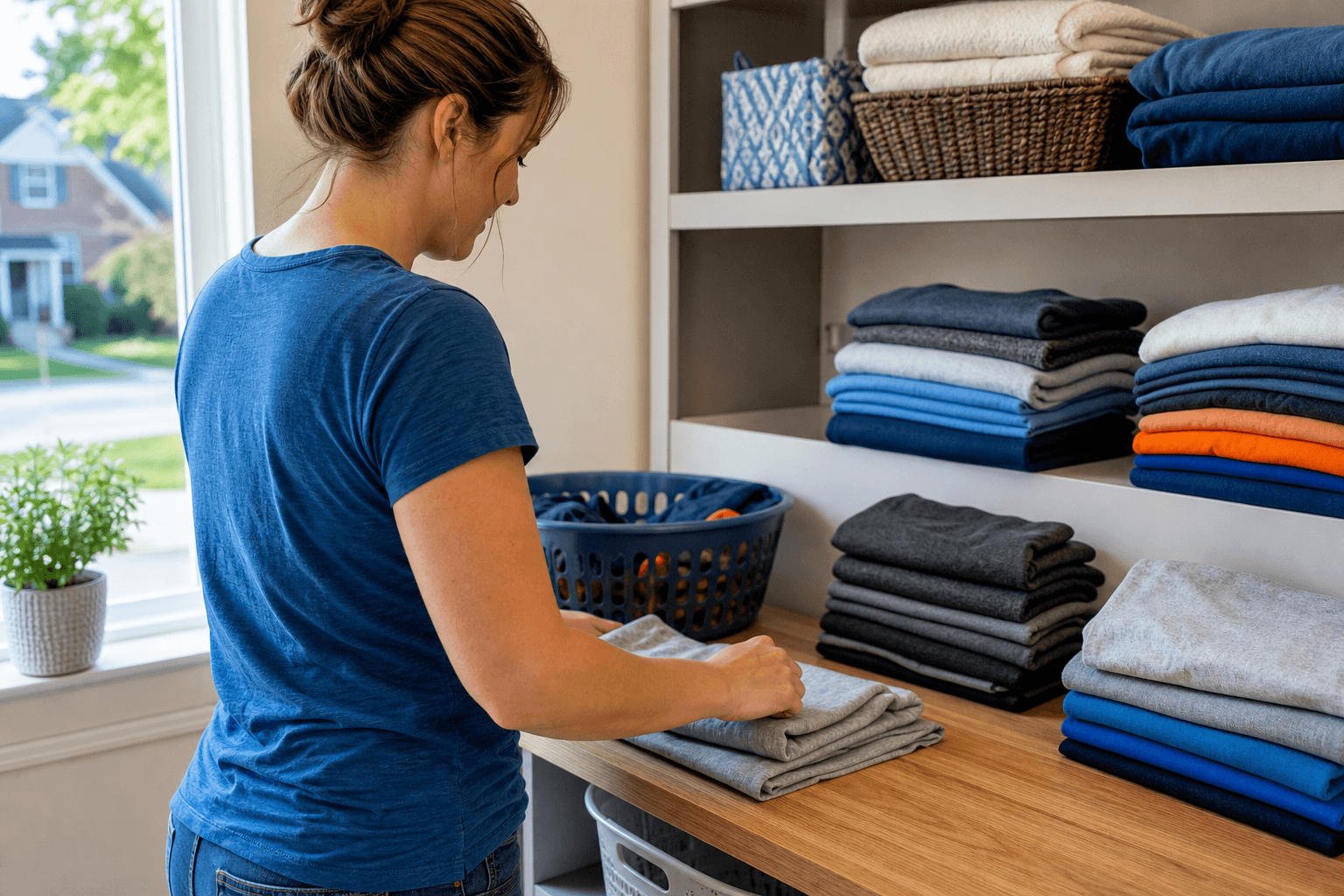
The best rule is simple: fold or hang clothes while they are still slightly damp or just finished drying. At that point, wrinkles release more easily and items hold their shape better. Waiting too long usually means more wrinkles, more clutter, and a lower chance that the load ever gets fully put away.
Storage methods matter because easy access supports better habits. Vertical stacking helps you see every item in a drawer without digging through a pile. KonMari-style folding works especially well for shirts because each piece stands upright and stays visible. Socks and underwear can be rolled or grouped compactly to save space and speed up dressing.
Try this simple finishing sequence after every load:
- Hang wrinkle-prone items first
- Fold basics like shirts and pants next
- Sort small items into drawers or bins
- Return empty baskets right away
That last step matters. Empty baskets should go back to their usual spots so the next round of sorting happens smoothly. A missing hamper can break the whole system by inviting clothes onto the floor or furniture. Place hampers in bedrooms, bathrooms, or wherever people usually change. Convenience supports compliance.
One household rule can make a huge difference: no floor laundry. Once clothes hit the floor, the system gets messy fast. Clean items get mixed with dirty ones. Stains and dust build up. Sorting takes longer. A simple rule against floor piles protects the rest of your process.
Shared spaces benefit from labels too. Label baskets for whites, darks, towels, delicates, or by household member. Visual cues reduce confusion and help everyone participate. Laundry becomes easier when each person knows exactly where their items belong.
What’s New in 2026: Tech and Trends That Actually Help
Laundry tech has moved past gimmicks and into features that save real time. In 2026, the most useful improvements focus on load detection, reduced waste, better moisture control, and easier scheduling. These tools do not replace good habits, but they make good habits easier to maintain.
AI-powered washers are one of the biggest shifts. These machines can detect load size and sometimes fabric needs, then adjust water levels and cycle settings automatically. That helps prevent both over-washing and under-washing. If you tend to guess or rush, smart sensing can keep results more consistent.
Auto-dosing systems are another strong upgrade. Instead of pouring detergent every time, the machine releases the right amount based on the cycle and load. That lowers waste, cuts residue, and removes one more decision from the process. For busy households, that convenience adds up quickly.
Moisture sensors in dryers also matter. Rather than running a full timed cycle whether clothes are dry or not, the dryer can stop when it detects the right moisture level. That protects fabrics and avoids wasted energy. It also reduces the common habit of forgetting a load on high heat for too long.
Sustainability trends continue to shape laundry habits. Eco-machines use less water and less electricity. Detergent formats are getting cleaner and lower waste. Wool dryer balls and reusable tools are replacing many single-use products. These changes are practical because they lower ongoing costs while cutting unnecessary consumption.
Commercial laundry spaces have inspired some smart home habits too. Vertical storage systems save space in small laundry corners. App-based scheduling for shared machines helps avoid wait times. If you live in an apartment or use communal washers, these habits can make the whole process feel more organized.
Future-proofing your routine does not mean buying everything at once. Start with the upgrades that fix your biggest problem. If you over-dry clothes, prioritize a better dryer or moisture sensor feature. If detergent use is inconsistent, choose an auto-dosing washer or pre-measured pods. If utility bills are high, look for a high-spin, low-water machine first.
If you want more ideas for upgrading household routines, checking practical guides on laundry blog tips can help you compare habits and decide which changes fit your space and schedule.
Costly Laundry Mistakes to Stop Making Right Now
Even a decent laundry routine can waste time if a few bad habits stay in place. Most people are making at least one of these mistakes without realizing how much it costs them in extra loads, higher bills, or damaged clothes.
The first mistake is over-sorting. Breaking clothes into too many tiny categories creates more loads than necessary and stretches the routine across the week. The second is overloading. Stuffing the machine too full stops proper agitation and leaves clothes less clean. Those habits may seem opposite, but both create inefficiency.
Another major mistake is defaulting to hot water. Hot water still has a place for select items, but using it for every load drives up energy use and can fade or shrink fabrics faster. Cold water works for most daily needs, especially with newer detergents.
Ignoring care labels is another expensive move. Labels are there for a reason. They tell you if a fabric should avoid heat, heavy spin, or machine drying. Following those instructions helps clothes last longer and prevents the frustration of ruined favorites.
Over-drying is extremely common. Timed drying on high heat is rough on elastic, prints, and softer fibers. It also wastes electricity once the load is already dry. Moisture sensors, shorter cycles, and regular filter cleaning all help fix that issue.
Neglecting the lint filter slows drying and can become a safety problem. Make cleaning the filter part of the unload process every single time. That habit is fast, free, and highly effective.
Some quick troubleshooting can also save a load. If colors bleed, rewash the affected items quickly before the dye sets. If detergent residue appears, run a rinse or use less detergent next time. If odors remain after washing, check whether the load was overloaded, sat too long in the machine, or needed a stronger spin and better drying flow.
Keeping a simple stain-treatment reference near the laundry area helps too. You do not need a giant chart. A short list for grease, sweat, food, ink, and makeup is enough. Fast treatment beats heroic cleaning attempts later.
Your 30-Day Winner Laundry Reset Plan
Changing every laundry habit in one day usually fails. A 30-day reset works better because it gives each part of the system time to settle in. Over four weeks, you build a routine that feels natural instead of forced.
Week 1 is all about sorting. Set up your baskets and choose your categories. Keep the system simple enough that everyone in the home can follow it without asking questions. Add a stain product nearby and start treating marks immediately.
Focus on these actions in week 1:
- Create a 3- to 5-basket sorting setup
- Assign baskets by category or person
- Place hampers where clothes usually pile up
- Start the no-floor-laundry rule
Week 2 is the scheduling phase. Pick your wash days and decide whether your life fits fixed larger loads or smaller frequent ones. Add daily micro-sorting at the end of the day or when changing clothes. This week is about rhythm more than perfection.
Your week 2 checklist should include:
- Choose two or three wash windows
- Set a reminder on your phone
- Match load size to your machine capacity
- Avoid last-minute binge washing
Week 3 shifts attention to machine settings and maintenance. Default to cold water for most loads. Test quick cycles for everyday clothing. Use extra spin for heavier items. Clean the washer with vinegar and commit to cleaning the dryer lint filter after every use.
Here is the week 3 focus:
- Switch most loads to cold water
- Use quick wash where it fits
- Clean the machine and filter
- Check detergent amounts
Week 4 completes the system with drying and finishing habits. Separate heavy and light items before drying. Try dryer balls or a dry towel. Fold or hang clothes right away. Organize drawers with vertical stacks so putting clothes away becomes easier.
Use this final week to lock in:
- Separate loads for better drying
- Add dryer balls or partial air-drying
- Fold immediately after drying
- Store items so they stay visible
Track your results as you go. Measure how many hours you spend on laundry each week. Compare your energy bill if possible. Notice whether clothes last longer, baskets stay emptier, and stress drops. Those are the real signs that your system is working.
By day 30, you should have a repeatable routine built on sorting, scheduling, machine skill, and better finish habits. From there, refine what needs work. Keep what saves time. Drop what feels unnecessary. Winner Laundry Efficiency is not about perfection. It is about building a system that fits your life and keeps laundry from taking over your week.