
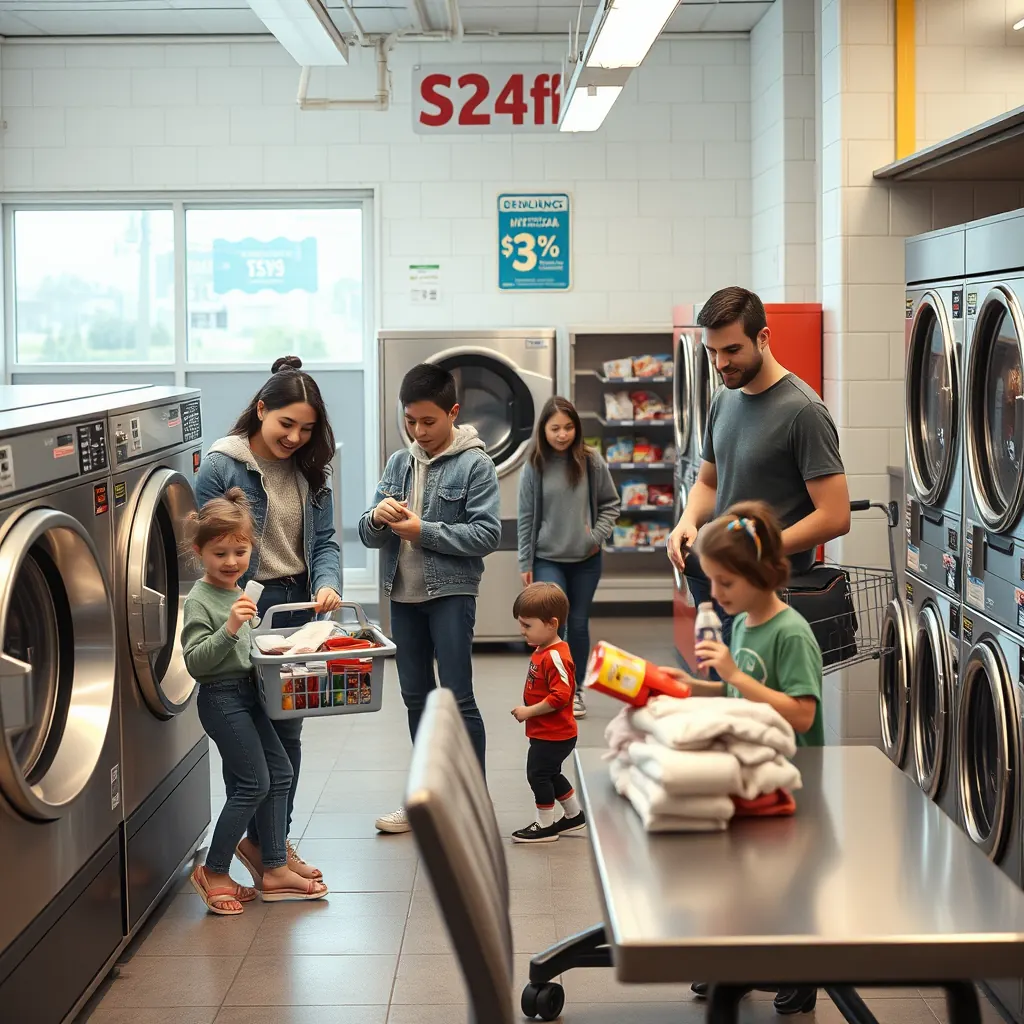
Most clothes lose color, shape, and softness because of washing mistakes, not because they were worn out, and a few smarter habits can change that fast. If you learn to read care labels, sort with purpose, use the right detergent and cycle, and dry with less heat, you can get cleaner clothes, fewer laundry disasters, and a wardrobe that lasts much longer.
Key Takeaways
- Read care labels before every load to protect fabric and avoid shrinkage.
- Sort by color, weight, and texture to prevent fading, lint, and fabric damage.
- Use the right amount of detergent and match the correct cycle to the load.
- Treat stains fast, ideally within 15–30 minutes, for much better results.
- Dry with appropriate heat and avoid overloading to extend garment life and keep clothes fresh.
Laundry Done Right Starts With a Few Core Habits
Laundry feels simple until a favorite shirt shrinks, black jeans fade after two washes, or a white tee comes out dingy. The truth is that most fabric damage happens during the wash and dry process, which means better habits can make an immediate difference.
Five rules do most of the heavy lifting. Read the label. Sort properly. Avoid overloading. Use the correct detergent. Choose the right cycle. Those steps sound basic, yet they solve the majority of common laundry problems before they start.
Better laundry habits give you more than fresh-smelling clothes. You get brighter whites, richer darks, fewer stretched collars, less pilling, and a lower chance of setting stains permanently. Over time, that also means spending less money replacing clothes that wore out too soon.
A good routine does not require expert-level knowledge or expensive products. It requires consistency. Once you know what each fabric needs and what your machine can do, laundry becomes a repeatable system instead of a guessing game.
Read Before You Wash: How to Decode Fabric Labels
Care labels quietly tell you almost everything you need to know. They guide water temperature, drying method, ironing heat, and whether bleach is safe. Ignoring them is one of the fastest ways to ruin fabric and shorten a garment’s life.
Start with the wash symbol. A tub icon usually tells you if the item can be machine washed and at what temperature. Cooler water settings are often safest for color retention and shrink-prone items. Hotter settings work better for heavy soils and some whites, but they can be rough on sensitive fabrics.
Bleach symbols matter too. A plain triangle usually means bleach is allowed. A crossed-out triangle means skip it. Using bleach on the wrong item can weaken fibers, strip color, or leave uneven marks that cannot be fixed.
Drying icons are just as important. A square with a circle usually refers to tumble drying, and the dots indicate heat level. Fewer dots mean lower heat. More dots mean higher heat. A crossed-out symbol means the dryer is off-limits, which is often the case for garments that shrink, warp, or lose elasticity easily.
Ironing symbols help prevent scorching and shine marks. Low heat works for delicate synthetics. Medium heat often suits blends. High heat is usually reserved for sturdier natural fibers like cotton or linen, though you should still check the label before pressing anything.
Fabric type changes everything. Cotton can usually handle more agitation, though it may shrink if exposed to high heat. Synthetics dry quickly and resist wrinkles, but they can hold odor and suffer from heat damage. Wool needs extra care because it can felt, shrink, and lose shape. Delicates such as lace, silk-like fabrics, and fine knits need gentle washing and low-stress drying.
Once you start reading labels consistently, your laundry decisions become easier. You stop guessing whether something can go in the dryer or whether hot water is safe. That one habit alone protects color, shape, and texture better than almost anything else.
Sorting Isn’t Optional: Build Better Loads From the Start
Sorting is the foundation of every successful load. Throwing everything together may save a few minutes, but it increases the chance of bleeding, fading, lint transfer, friction damage, and uneven cleaning. Good sorting protects clothes before the cycle even begins.
Color comes first. Keep whites and lights together so they stay bright instead of turning gray or pink. Separate brights because they are more likely to release dye, especially when new. Wash darks together to preserve depth and reduce visible fading. Isolate delicates so they do not get roughed up by heavier items.
Texture and weight matter just as much as color. Towels, jeans, and sweatshirts create more friction than lightweight shirts or underwear. That extra rubbing can stretch seams, rough up softer fibers, and wear down thinner fabric much faster. If you have ever wondered why a soft tee starts looking tired early, washing it with rougher items is often part of the reason.
Lint is another reason to sort carefully. Flannel, chenille, and some towels shed fibers that cling to darker or smoother garments. That leaves black clothing covered in fuzz and makes loads look messy even after washing. Keeping lint-shedders apart from lint-attracting pieces saves time and frustration.
Before starting a load, make a quick pre-wash check. These small steps prevent a surprising amount of damage:
- Empty pockets to avoid stains, paper residue, and machine damage.
- Zip zippers and fasten buttons that may snag other items.
- Turn dark clothes inside out to protect color and surface finish.
- Flip printed garments inside out to reduce cracking and abrasion.
- Check for tissues, receipts, coins, and lip balm before washing.
Sorting does take a little effort, but the payoff is immediate. Loads wash more evenly, colors stay cleaner, and fabrics come out looking less worn. A strong laundry routine always starts before the water runs.
Stains Don’t Wait: Treat Spots Before They Set
Stains reward speed. If you let grease, grass, blood, or food sit for hours or days, the chance of a full removal drops fast. Waiting until laundry day can turn a small spill into a permanent mark, especially after heat exposure.
Different stains behave in different ways. Grease clings to fibers and often survives a regular cycle unless it is pre-treated. Grass stains can sink deep into fabric, especially on knees, cuffs, and athletic wear. Blood needs quick attention and generally responds best before it dries fully into the material.
The sweet spot for most stain treatment is 15–30 minutes before washing. That gives the product or detergent enough time to loosen the stain without drying into the fabric. You do not need an elaborate process for most everyday spots. A targeted pre-treatment step often improves results dramatically.
Use enough product to cover the stain without soaking the whole item. Work gently, especially on delicates. Rubbing too hard can spread the stain or weaken the fibers around it. Then wash using a cycle and temperature that fit both the garment and the stain type.
Check the stain before drying. Heat can lock in whatever remains, making removal much harder later. If the mark is still there, treat it again and rewash instead of sending it into the dryer. That one check can save a shirt, pair of pants, or favorite hoodie.
Detergent Mistakes That Ruin Clothes
More detergent does not mean cleaner clothes. In many cases, it does the opposite. Too much soap creates excess residue that traps dirt, leaves fabrics stiff, and builds up inside the washer. Over time, that buildup can make clothes feel less fresh and wear fibers down faster.
Residue is a common hidden problem. If loads come out feeling slippery, stiff, or oddly heavy, the issue may be overdosing. Extra detergent may not rinse out fully, especially in cold cycles, short cycles, or packed loads. That leftover film catches body oils and odor instead of removing them.
Using the right detergent matters too. Everyday liquid detergent works well for many loads, but some fabrics respond better to formulas made for delicates, dark colors, or sensitive fibers. Picking a product that fits the load gives you better cleaning with less risk of fading or damage.
Pods are convenient, but they work best when used correctly. They should go into the drum before clothes so they dissolve properly. Stuffing a full load on top of a pod can block water flow and leave streaks or sticky residue. Liquid detergent offers more flexibility for stain treatment and dose control, especially for smaller or lightly soiled loads.
Follow the dosage guide on the detergent packaging and adjust based on load size and soil level. That sounds obvious, but many people pour by habit instead of measurement. A normal load usually needs less detergent than people assume, especially with high-efficiency machines.
If you suspect buildup, run a few lighter loads with the proper amount and avoid adding extra products. Clothes often come out cleaner once the washer and fibers stop holding old residue. Smart detergent use protects color, preserves texture, and improves rinse performance.
Choosing the Right Wash Cycle and Temperature Every Time
Wash cycles are not random buttons. Each one controls agitation, spin speed, and wash time in a way that suits certain kinds of clothing. Matching the cycle to the load protects fabric while also improving cleaning.
Normal or colors cycles handle most everyday wear. T-shirts, socks, casual tops, and many mixed cotton items do well here. This setting offers a solid balance of cleaning power and practicality for regular laundry.
Permanent press is useful for wrinkle-prone pieces and many synthetic blends. It usually uses a gentler wash action or a cooler-down period that helps reduce wrinkles. If dress shirts, work tops, or poly-cotton items often come out creased, this cycle can help.
Delicate cycles are made for fragile garments. Lingerie, light knits, fine blouses, and other sensitive items benefit from lower agitation and a softer spin. Pairing this cycle with a mesh bag adds another layer of protection.
Heavy-duty cycles serve towels, bedding, jeans, and heavily soiled items. These loads need stronger agitation and often longer wash times to lift dirt, sweat, and oils properly. Heavy items should also have room to move, which is why load size matters so much on this setting.
Temperature choices matter just as much as cycle selection. Cold water is the safest all-around option for preventing fading, shrinking, and dye bleeding. It is especially useful for darks, bright colors, and garments that lose shape easily.
Warm water gives a balanced clean for mixed loads and many everyday items. It helps dissolve detergent well and can handle moderate dirt without exposing clothes to the stress of high heat. For many homes, warm is a strong middle ground.
Hot water, around 130°F, is best for deep cleaning, sanitizing, and tackling heavy soils. It can lift significantly more stains in the right situations, which makes it helpful for whites, towels, bedding, and dirty work clothes. Still, hot water can fade colors, set some stains, and shrink certain fabrics, so it should be used with purpose rather than by default.
A good rule is simple. Use the coolest water that still gets the job done. Then increase temperature only when the fabric allows it and the soil level calls for it. That approach keeps clothes cleaner without exposing them to unnecessary stress.
Loading the Machine: Small Changes With Big Payoff
How you load the washer affects cleaning more than many people realize. Overloading is one of the most common laundry mistakes, and it hurts both wash performance and fabric care. Clothes need room to move so water and detergent can reach every surface.
If the drum is packed tight, dirt cannot rinse out well and detergent may stay trapped in the fabric. Heavy items also bunch up, which creates uneven washing and extra strain on the machine. A crowded load can leave clothes smelling less fresh even if the cycle ran for a full hour.
Balance matters too. Spread items around the drum instead of dumping everything in one clump. This helps the machine spin more evenly and reduces stress on internal parts. It also prevents one heavy item from wrapping around lighter pieces and limiting agitation.
Mixing item sizes can improve wash action. A load made of only large sheets or only bulky sweatshirts may not move well. Combining medium and small pieces with larger items can improve circulation and cleaning, as long as the fabrics belong in the same wash category.
The goal is a full load with breathing room, not a stuffed drum. If you have to push clothes down hard to shut the door or lid, the load is too big. Slightly smaller loads often wash better, rinse better, and come out with fewer wrinkles and less wear.
Drying Without Damage: Heat, Air, and Better Timing
Drying is where many clothes lose their shape, softness, and finish. Heat can be useful, but too much of it causes shrinkage, fading, weakened elastic, and surface wear. If you want clothes to last, the dryer deserves as much attention as the washer.
Start with a few pre-dryer habits. Remove clothes from the washer promptly so they do not sit damp and develop mildew or stale odor. Shake garments out before drying to reduce tangling and help wrinkles release more easily. Clean the lint trap every load so air can circulate efficiently and drying times stay reasonable.
Choose drying temperature based on fabric and weight. High heat suits towels, denim, and bedding because these items are dense and built for stronger treatment. Medium heat works well for everyday clothing and many blends. Low heat or air dry settings are safer for delicates, activewear, and shrink-prone garments.
Air drying is one of the best strategies for extending fabric life. It reduces friction, limits shrinkage, and protects elasticity. That matters for leggings, bras, knitwear, and favorite tops that you want to keep in good shape. The trade-off is time, but the preservation benefits are real.
Even if you use the dryer often, you can still lower wear by pulling clothes out slightly damp and letting them finish drying on a rack or hanger. This reduces exposure to heat while also helping with wrinkles. It is a smart move for shirts, dresses, and blended fabrics.
Drying well means balancing speed with preservation. A hotter setting may seem convenient, but repeated high heat takes a visible toll. Using the gentlest effective setting keeps fabric stronger and fit more consistent.
Fabric-Specific Care That Keeps Clothes Looking New
Different fabrics need different treatment. One routine for every load sounds easy, but it usually leads to fading, shrinkage, or rough texture somewhere along the line. Once you divide laundry by fabric needs, clothes hold up much better.
For whites and lights, cleaner water and stronger cleaning can help maintain brightness. Hot water can be useful for deep cleaning certain whites, especially towels, socks, and bedding, as long as the care label allows it. This helps fight dullness and body-oil buildup that make light fabrics look older than they are.
Darks and colors do best in cold water. Cooler temperatures protect vibrancy and reduce bleeding. Turning these garments inside out before washing adds another layer of defense against surface fading, especially for black denim, graphic tees, and dyed cotton basics.
Delicates need low stress from start to finish. Gentle cycles, mesh bags, and mild detergent all help reduce stretching, snagging, and thinning. Specialty detergents can be a good choice for sensitive fibers because they clean without being overly harsh.
Heavy items such as towels, jeans, and bedding should be washed in separate loads. They need more space to move, stronger cycles to clean thoroughly, and often more heat in the dryer to finish properly. Mixing them with lighter garments causes friction damage and slows drying for the whole load.
Think of fabric care as a way of protecting the feel and look you paid for. Cotton should stay soft. Dark colors should stay rich. Delicates should keep their structure. The right washing and drying decisions make that possible over many more wears.
The Most Common Laundry Mistakes and How to Avoid Them
Most laundry disasters come from a short list of repeat mistakes. The good news is that each one is easy to fix once you know what to watch for. Small changes in routine can prevent a lot of damage.
Ignoring care labels is a major issue. People often assume a garment can handle the same cycle as everything else, then wonder why it shrank or lost shape. Reading the tag takes seconds and can save the item.
Overusing detergent is another common mistake. Extra soap leaves buildup, traps dirt, and can make clothes feel stiff or look dull. Measuring the dose instead of eyeballing it solves this quickly.
Overloading the machine reduces cleaning power. Clothes cannot move, rinse, or spin properly in a packed drum. If loads come out unevenly washed or still smell off, the machine may simply be too full.
Letting wet clothes sit is a fast way to create odor and wrinkles. A finished cycle should be handled promptly. If life gets busy, set a timer on your phone so clean laundry does not stay trapped in the washer for hours.
Skipping the lint trap affects both efficiency and safety. Poor airflow makes drying slower and harder on clothes. Cleaning the trap every load keeps the dryer working better and helps garments dry more evenly.
Mixing incompatible fabrics and colors creates several problems at once. Delicates get roughed up, darks fade faster, and whites lose brightness. Better sorting fixes all three.
Ignoring stains until they set is another costly habit. Once a stain goes through heat, your options shrink. Treat first, wash second, and dry only after checking the spot.
Here is a quick recap of the biggest laundry missteps:
- Skipping labels and guessing care instructions
- Using too much detergent
- Packing the washer too full
- Leaving wet clothes sitting too long
- Forgetting the lint trap
- Washing incompatible items together
- Waiting too long to treat stains
Laundry Habits That Protect Your Wardrobe Long-Term
Great laundry care is less about one perfect wash and more about repeating good habits over time. Clothes last longer when they are washed as needed, treated gently, and stored properly after cleaning. Consistency matters more than doing something fancy once in a while.
Start by washing items based on actual wear instead of habit. Some clothing, like underwear, socks, and gym gear, usually needs frequent washing. Other items, like jeans, hoodies, or jackets, may not need a full cycle after every single wear unless they are dirty or sweaty. Washing less often, where appropriate, reduces fiber stress and color loss.
Fast stain treatment protects garments long before the wash starts. Keep a simple stain remover or suitable detergent available so you can act quickly. That one habit prevents a lot of permanent marks and avoids repeated rewashing.
Following garment instructions every time is another long-term win. It is easy to be careful with expensive pieces and careless with basics, but basics make up most wardrobes. Everyday shirts, socks, and pants benefit just as much from correct cycles and temperatures.
Proper folding and storage also matter. Clean clothes thrown in a heap get wrinkled, stretched, and misshapen. Folding knits neatly, hanging wrinkle-prone items, and storing pieces in a dry, clean space helps them keep their finish between wears.
These habits reduce replacement costs in a very real way. A shirt that keeps its fit for two more years, jeans that hold their dark wash, and towels that stay absorbent all save money. Laundry care is really wardrobe care, and every load is a chance to protect what you own.
Build a Repeatable Routine That Fits Your Life
The best laundry system is one you will actually follow. That means keeping the process simple enough to repeat but smart enough to protect your clothes. A routine does not need a dozen products or a color-coded chart on the wall. It just needs a few clear steps.
A practical routine might look like this. Sort by color and fabric weight. Check labels. Empty pockets. Pre-treat visible stains. Add the right amount of detergent. Pick the correct cycle and water temperature. Avoid overloading. Move clothes promptly to the dryer or rack. Clean the lint trap. Fold or hang items soon after drying.
If you live with roommates, family, or a partner, try setting shared rules for common mistakes. One person’s overloaded towel load or forgotten lip balm can affect everyone’s clothing. A simple system for sorting and stain checks keeps things running smoothly.
Your lifestyle can shape the details. If you wear mostly activewear, low heat and air drying may become your default. If you work in food service, healthcare, or a hands-on job, stain treatment and heavier cycles may matter more. If your wardrobe includes lots of dark streetwear or graphic tees, cold washing and inside-out laundering will make a noticeable difference.
The goal is not perfection. The goal is a routine that gives you reliable, repeatable results. Once that happens, laundry becomes faster, easier, and far less frustrating.
From Guesswork to Confidence: Mastering Laundry for Life
Mastering laundry comes down to a few habits that matter most: read labels, sort carefully, treat stains quickly, use the right amount of detergent, choose the correct cycle and temperature, avoid overloading, and dry with intention. Those steps are simple, but together they create a major shift in how clothes look, feel, and last.
Small improvements add up fast. A cold wash for darks preserves color. A mesh bag saves a delicate top. Prompt stain treatment rescues a favorite hoodie. Lower dryer heat helps jeans keep their fit. None of these changes is dramatic on its own, yet the combined effect is easy to see.
Laundry confidence grows through repetition. The more you pay attention to fabric type, soil level, and drying needs, the better your instincts become. After a while, you stop guessing and start making quick choices that protect your wardrobe automatically.
Keep refining your routine based on the clothes you own and the life you live. Some loads need heavy-duty cleaning. Others need a light touch. The more closely your washing and drying habits match your fabrics, the longer your clothes will stay clean, comfortable, and ready to wear.
If you want a reliable reference point for building better laundry habits, you can explore laundry care basics and compare your routine against the essentials. A little consistency goes a long way, and once you build the habit, doing laundry right becomes second nature.