

A spill can turn a relaxed South Main evening into instant panic, especially when a friend bumps the table and sends coffee across a light carpet before anyone can react. The good news is that most stains do not have to become permanent marks if you move fast, avoid common mistakes, and use the right method for the stain and surface in front of you.
Key Takeaways
- Act fast and blot, never rub, to stop stains from spreading deeper.
- Match the cleaning method to the stain type and the surface you are treating.
- Avoid heat on many stains, especially protein and dye marks, because it can set them.
- Keep a simple stain kit ready with vinegar, dish soap, baking soda, and white cloths.
- Call a professional for delicate fabrics, antique rugs, or large stubborn stains.
The Spill That Happens to Everyone in South Main
Picture the scene. A neighbor invites friends over, music is playing, snacks are out, and somebody reaches across the coffee table at the exact wrong moment. One bump later, a mug tips, dark liquid hits a pale rug, and everyone freezes for a second before panic kicks in. The first instinct is usually to scrub hard and hope for the best. That instinct causes a lot of damage.
Rubbing pushes liquid deeper into fibers. It spreads the stain outward. It can rough up carpet piles, weaken fabric threads, and grind pigment into the material. In many homes, that split-second reaction causes more trouble than the spill itself. A stain that could have lifted in ten minutes ends up lingering for months because the wrong move happened first.
That is why a good stain removal routine matters so much. You do not need fancy equipment for every mess. You need a calm process, a few reliable supplies, and enough know-how to tell coffee from grease, blood from ink, and carpet from upholstery. With the right response, most common household marks can be cleaned without replacing rugs, reupholstering chairs, or giving up on your favorite shirt.
South Main homes deal with real-life messes all year. Rainy shoes track in mud. Summer gatherings leave behind BBQ sauce and greasy drips. Pets come back from walks with wet paws and the occasional accident. Busy apartments and shared houses see spills on couches, kitchen stools, bedding, and entry rugs every week. The answer is not perfection. The answer is being ready.
The 3 Rules That Save Almost Any Stain
Before you get into specialty products or advanced tricks, lock in three rules. These are the habits that prevent most stain-removal failures. If you remember nothing else, remember these.
First, act immediately. A fresh spill sits on or near the surface. As time passes, liquid seeps deeper, binds to fibers, and begins to dry. Oils settle in. Dyes attach. Organic material starts to break down and smell. Fast action gives you the best shot at full removal with less effort and less risk.
Second, blot and never rub. Press a white cloth or paper towel into the stain to absorb liquid. Lift straight up. Rotate to a clean area and repeat. This motion pulls the spill out instead of pushing it around. White materials matter because dyed towels can transfer color onto the area you are trying to save.
Third, match the method to the stain and the surface. Coffee on cotton needs a different response than pizza grease on upholstery or blood on a rug. Likewise, what works on tile may damage wool, and what helps with food oil may do almost nothing for tannins. Wrong treatment can lock a stain in place, bleach color, or leave behind a ring that looks worse than the original spot.
One warning belongs with all three rules: keep heat away until the stain is gone. Hot water, heated cleaning tools, and especially dryers can permanently set many stains. Protein stains like blood, dairy, and sweat are famous for this. Dye-based stains can also become much harder to remove after heat exposure. Cold or cool water is the safer starting point in most uncertain situations.
Know Your Enemy: Identify the Stain Before You Treat It
Stain removal gets much easier once you stop seeing every mess as the same problem. A stain is made of something, and that something decides which cleaner can break it up. If you use water on grease, you waste time. If you hit blood with hot water, you make the mark cling. A quick identification step can save fabric and frustration.
Start by asking simple questions. Is the stain oily or watery? Did it come from food, body fluids, plants, ink, or makeup? Is it fresh, sticky, crusted, or dried flat into the fibers? Does it have color that might transfer? This short pause keeps you from guessing badly.
There are four broad categories worth knowing. Most home stains fit one of them, and many messy accidents fall into the fourth group, which is a mix.
Protein Stains: Blood, Dairy, Sweat, and Similar Messes
Protein stains come from organic material such as blood, milk, cheese, sweat, egg, and many pet accidents. These stains react badly to heat. Warm or hot water can make proteins bind more tightly to fibers, which is why cold water should be your first move.
Flush the area with cold water if the material allows it. On clothing, run water through the back of the fabric to push the stain out rather than deeper in. On carpet or upholstery, apply cold water sparingly and blot repeatedly. Keep the area damp, not soaked.
Enzymatic cleaners are especially useful here because enzymes break down the organic matter that causes the stain. They are a strong choice for blood, sweat, dairy spills, and pet-related marks. Let the product sit for the time listed on the label if you are using a commercial enzyme cleaner. Rushing that dwell time often weakens the result.
If a protein stain lingers after initial treatment, hydrogen peroxide can help on some light or colorfast materials. Always do a spot test first because it can lighten certain fabrics. Apply a small amount, watch for bubbling, blot, and rinse if the surface requires it.
Oil and Grease Stains: Food, Makeup, and Pizza Drips
Oil and grease stains behave differently because water alone does little to break them apart. Think pizza drips, salad dressing, body lotion, lipstick, foundation, butter, or cooking splatter. These stains often leave a dark halo even after the visible mess seems gone.
The first step is absorption. Sprinkle baking soda or another absorbent powder over fresh grease and let it sit for several minutes. This helps pull oil upward before you start wet cleaning. Then lift the powder gently without grinding it in.
After that, use a degreasing option such as dish soap or rubbing alcohol, depending on the surface and stain source. Dish soap works well because it is made to cut food oils. Rubbing alcohol can help with certain cosmetic and greasy residues, but test it first. On fabrics, dab the cleaner in and blot. On hard surfaces, wipe with a soft cloth after the grease loosens.
Grease stains often need repeated treatment. One round may remove the shine but leave behind residue. A second pass usually gets the deeper oil. Patience matters more than force here.
Tannin Stains: Coffee, Tea, Wine, and Grass
Tannin stains include coffee, tea, wine, and some plant-based marks like grass. These stains can bond quickly with fibers, which is why speed helps so much. If you have ever watched coffee fade halfway out and then reappear after drying, you have seen tannins hold on.
Mild acids like white vinegar can help loosen these stains. A vinegar solution is a classic home fix for coffee and tea because it cuts residue without being too harsh on many washable materials. Still, use enough to treat the stain without flooding the area.
Grass can be tricky because it sometimes combines plant pigment with dirt and protein from the ground. That means a grass stain may respond to vinegar and still need another step if it is stubborn. Washable fabrics should stay in cold water treatment until the mark lifts. Heat can make green or brown residue much harder to remove.
Wine follows the same urgency rule. Blot the spill, avoid scrubbing, and start treatment fast. Delay lets color sink into fibers, especially pale rugs and upholstery.
Combination Stains: Real Life Is Messy
The toughest stains in South Main homes are often combination stains. Real messes rarely come in a clean category. Pizza is grease, protein, and dye. A dropped taco can be oil, tomato, dairy, and plant matter at once. Makeup can contain waxes, oils, and pigments. Pet accidents may include protein, bacteria, odor, and dye transfer from surrounding dirt.
These stains need layered treatment. Begin by removing solids carefully with a spoon, dull knife, or scraper. Then address each part of the stain in order. For pizza on carpet, absorb oil first, treat greasy residue with dish soap, and then follow with a vinegar-based step if tomato color remains. Trying one random cleaner on the whole thing may leave half the problem behind.
This layered approach sounds slower, but it usually saves time overall. Instead of repeating the wrong method three times, you solve the stain in parts and protect the surface while doing it.
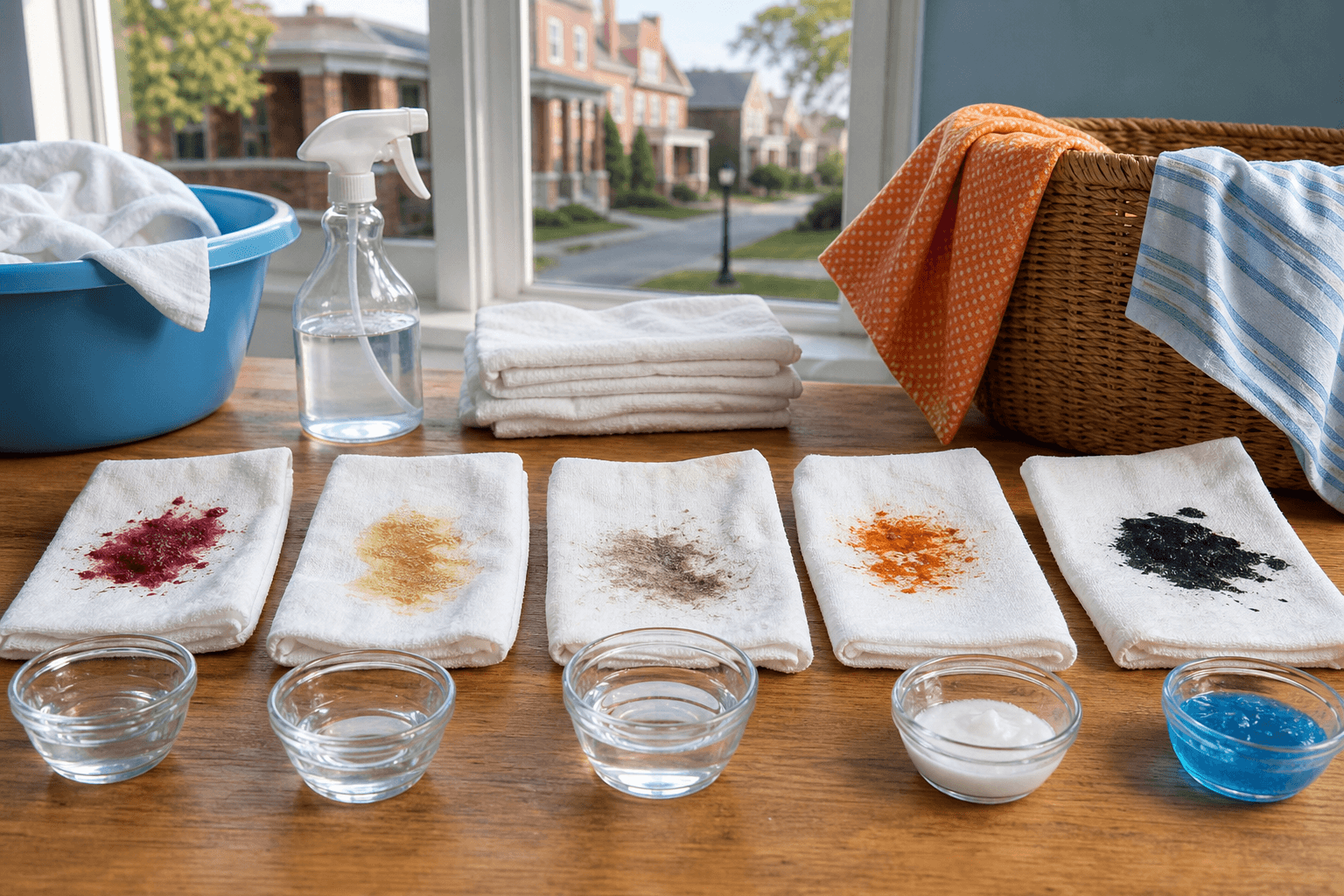
Your South Main Stain-Fighting Kit
A fast response is easier if your supplies are already together. You do not want to search every cabinet while coffee spreads across the rug. Build a small stain kit and keep it in a spot you can reach quickly, such as a kitchen cabinet, laundry shelf, or hallway closet.
A good kit does not need to be expensive. It should cover most common home accidents and work across clothing, carpet, upholstery, and hard surfaces.
Start with a few household basics:
- White vinegar
- Baking soda
- Dish soap
- Hydrogen peroxide
- Rubbing alcohol
These staples handle a wide range of stains. Vinegar helps with tannins and residue. Baking soda absorbs odors and oil. Dish soap cuts grease. Hydrogen peroxide assists with stubborn organic marks on suitable surfaces. Rubbing alcohol works on some inks, dyes, and greasy cosmetic stains.
Next, add targeted products that fill the gaps. An enzymatic cleaner is worth having for blood, sweat, dairy, and pet accidents. A carpet spot remover can help with deep fibers where homemade mixtures are not enough. Choose a product that matches the material in your home, especially if you have wool rugs, delicate upholstery, or specialty fabrics.
Tools matter more than people think. Add the following:
- White cloths or plain paper towels
- Soft brushes
- Spray bottles
- Sponges
- A dull scraper or spoon
White cloths prevent color transfer. Soft brushes help loosen dried residue without roughing up fibers. Spray bottles give you control so you do not soak the area. Sponges help spread cleaner lightly on upholstery and hard surfaces.
Many South Main households also care about what goes into the home and down the drain. Refillable and low-toxicity products fit well with that preference. Local home goods stores and eco-focused shops often carry refill stations, plant-based cleaners, and containers that cut down on plastic waste. That makes it easier to keep a useful stain kit without loading your closet with harsh chemicals.
How to Remove Stains from Clothing and Washable Fabrics
Clothing gets stained constantly because it travels with you. Coffee on a hoodie, mustard on a T-shirt, grass on jeans, sweat on a cap, chocolate on a sleeve. The upside is that washable fabrics are usually easier to treat than carpet or upholstery if you move fast and skip the dryer.
Begin by flushing the stain with cold water. Run water through the back of the fabric when possible. That helps push the stain out of the weave. If the spill is fresh, this step alone can remove a surprising amount.
Then apply detergent or an enzyme pretreatment based on the stain type. For oily food, work a little dish soap or laundry detergent into the area. For blood, dairy, sweat, or pet-related fabric stains, use an enzyme product. Let it sit for several minutes so it can loosen the material before washing.
Wash the item in cold water. This matters. Warm water may be fine later if the stain is gone, but your first wash should stay cold if there is any chance of protein or dye residue. After the wash, inspect the fabric in bright light before drying. If the stain remains, do not put it in the dryer.
If the mark is still visible, soak the fabric in a vinegar solution and repeat the treatment. A simple soak can help with coffee, tea, grass, and lingering odor. Once the stain is fully gone, you can dry the item as usual. If you dry too soon, remaining residue may set and become much harder to remove.
For delicate washable fabrics, use a gentler hand. Dab instead of rubbing. Choose mild cleaners and short soak times. Test any stronger product on an inside seam first. A saved shirt is great, but a faded patch is still damage.
How to Clean Carpets and Rugs Without Making It Worse
Carpets and rugs take some of the hardest hits in busy homes. They catch shoes, pets, dropped snacks, spilled drinks, and party accidents. In South Main, high-traffic rugs near entryways and living rooms often show the most wear, so stain removal has to be effective without grinding dirt deeper into the pile.
Start by blotting up as much excess liquid as possible. Press a clean white cloth into the area and lift. Repeat until the cloth stops picking up much moisture. If there are solids, scrape them away gently first. Do not mash them into the fibers.
For many common spills, use this simple solution:
- 4 cups water
- 1 tablespoon dish soap
- 1/4 cup white vinegar
Apply the mixture lightly to the stained area. Let it sit for about 5 to 10 minutes. Then blot again with a clean cloth. Work from the outside inward so the stain does not spread. This method is useful for many food and drink spills, especially those with tannins and light grease.
If the stain remains, repeat once before escalating. Some spots need a commercial carpet cleaner made for deeper fibers. Others respond better to professional steam cleaning, especially if the spill dried long ago or covers a larger area. Be careful with wool, antique rugs, and strongly dyed pieces, since vinegar or strong spot removers may affect color or texture.
Drying is also part of the job. After treatment, blot with dry towels and allow airflow over the area. A fan helps. Leaving a carpet pad damp can create odor, mildew, or a returning stain mark from below the surface.
How to Treat Upholstery Safely
Upholstery mistakes get expensive fast. Sofas, dining chairs, headboards, and accent chairs often use fabrics that react badly to too much water. The goal is to clean the stain with the least moisture possible while protecting stuffing, seams, and finish.
First, blot the spill gently. Remove solids with a spoon if needed. Then use a mild soap solution and apply only the foam, not a soaking amount of liquid. Foam lifts surface dirt while reducing the risk of saturating the padding beneath the fabric.
Work in small sections. Dab with a white cloth. Rotate to a clean section often so you do not put the stain back. If the stain begins lifting, keep going slowly. Fast scrubbing can fuzz the fabric or spread the mark.
Dry the piece thoroughly after treatment. Open windows, run a fan, or use indirect airflow. Mildew can develop if moisture remains trapped in the cushion or frame. That issue often smells worse than the original stain.
Leather needs extra care. Use suds only and avoid saturating it completely. Too much moisture can stain, stiffen, or warp leather surfaces. Follow with a leather-safe conditioner if the material seems dry after cleaning.
How to Remove Stains from Hard Surfaces
Counters, floors, tile, and sealed hard surfaces are usually simpler to clean, but you still need the right order. Start by scraping away solids gently with a plastic scraper, spoon, or cloth-wrapped edge. Avoid scratching the finish.
Next, clean with soapy water. This removes food residue, dirt, and oils from many surfaces. After that, follow with white vinegar if there is lingering residue or a dull film from drinks, sauces, or tracked-in grime. Vinegar can also help cut odor on tile and some sealed floors, though you should always check manufacturer guidance on natural stone.
Wipe dry after cleaning. A dry finish prevents streaks and keeps residue from collecting dust. Hard surfaces may look easier than fabric, but cleaning them carelessly can still leave sticky spots that attract more dirt by the next day.
South Main’s Most Common Stains and Exactly How to Beat Them
Certain stains show up again and again in local homes. Food deliveries, coffee runs, porch hangouts, pet walks, and rainy weather all leave their mark. Here are practical ways to treat the stains many South Main residents know too well.
Coffee Stains
Coffee is one of the most common carpet and clothing stains because it splashes easily and dries darker than it first appears. Blot the spill immediately. Then apply a vinegar soak or vinegar-based solution for about 15 minutes. On washable items, follow with an enzyme wash if needed. On carpets, blot after the solution sits and repeat if the stain lightens but does not fully disappear.
Do not use heat too early. A quick toss into the dryer after “mostly clean” often locks in the light brown ring people end up noticing later.
Pizza and Grease Drips
Pizza stains are classic combination stains. Remove any solids first. Sprinkle baking soda to absorb fresh grease if needed. Then apply dish soap or rubbing alcohol carefully to the greasy area. Blot, rinse lightly, and assess whether tomato dye remains. If it does, use a mild vinegar step after the oil is reduced.
Trying to clean a pizza spot with water alone usually smears oil and leaves a dark patch behind.
Mustard and Chocolate
Mustard and chocolate can stain fast, especially on fabric and carpet. Start with cold water and use an enzyme cleaner. Chocolate often contains fat and protein, while mustard can include strong pigment. Lift solids first, then treat. Washable fabrics should stay out of the dryer until you are sure the stain is gone.
Grass Stains
Grass marks need quick attention, especially on pants, socks, and kids’ clothes. Try a vinegar-water scrub with a soft brush, then wash cold. If the stain remains, repeat before drying. Grass can act stubborn because it contains plant pigment that grips fibers.
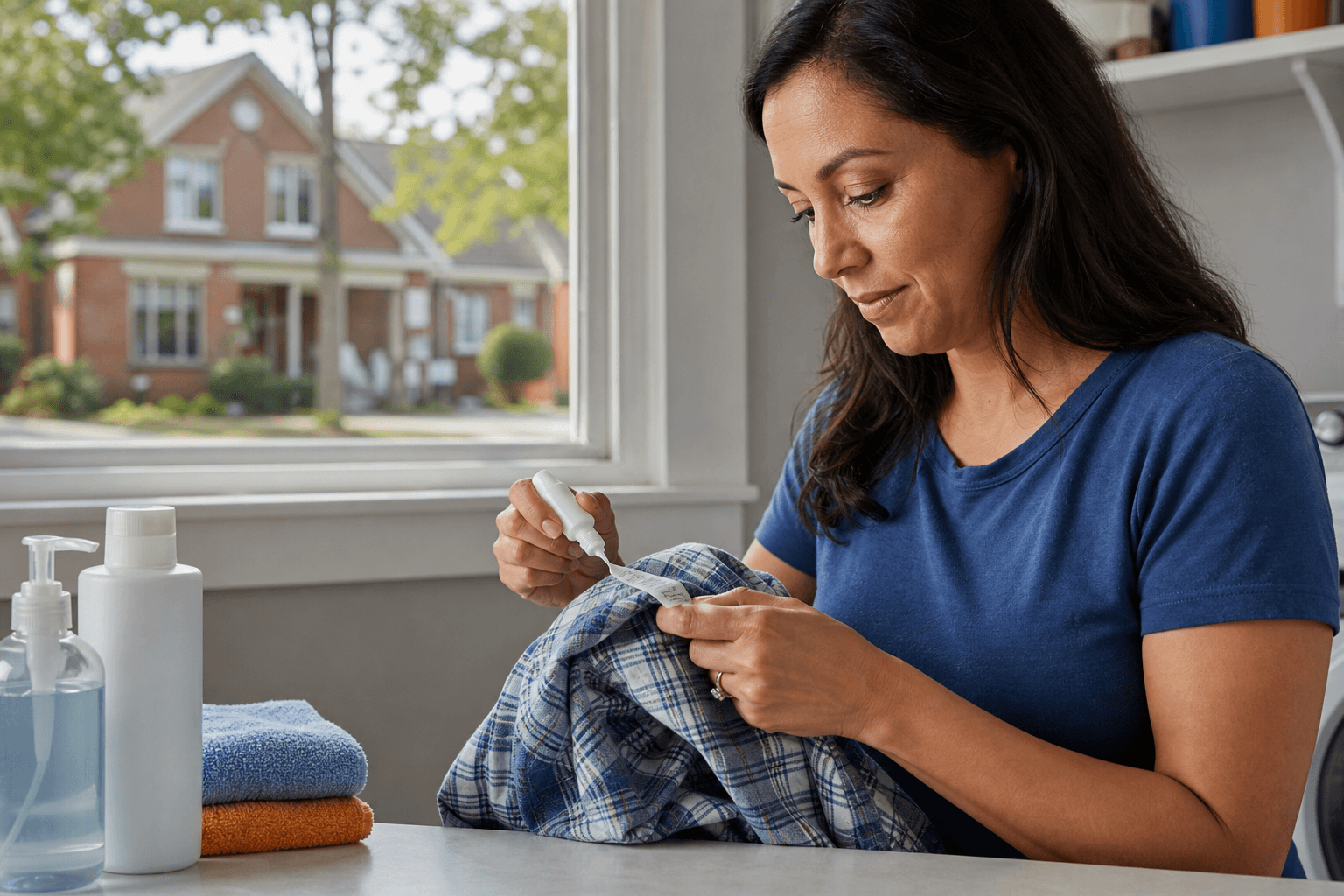
Blood and Other Protein Stains
Blood should be flushed with cold water right away. Follow with an enzyme pretreat. For stubborn spots on appropriate fabrics, hydrogen peroxide may help. Test first, blot carefully, and rinse as needed. The biggest mistake is using warm or hot water in a rush, which can set the stain quickly.
Oil and Grease
For general oil and grease, absorb first with baking soda or a similar powder. Let it sit long enough to draw up the residue. Then move to a solvent or degreaser such as rubbing alcohol or dish soap. Blot and repeat. This two-step approach works much better than flooding the area with water from the start.
Ink and Dye Mishaps
Ink spreads fast, so control matters. Dab with rubbing alcohol from the outer edge inward. Replace your cloth often so you do not redeposit the dye. Work slowly and keep the stained area from bleeding into clean fabric. Ink usually rewards patience more than pressure.
When Basic Methods Fail: Advanced Stain Removal Tactics
Some stains survive the usual first response. That does not always mean the item is ruined. It means you need a more controlled approach. Advanced stain removal focuses on reducing damage while increasing precision.
Begin with physical techniques. If the stain has dried into a crust or sticky layer, scrape the residue away before adding liquid. This prevents you from dissolving the top layer and spreading it deeper. For gum, waxy food, or sticky substances, freezing can help. Harden the material first, then lift it off in pieces before treating what remains.
Controlled flushing is another strong tactic. Instead of soaking the whole area, direct a small amount of cleaner or cold water exactly where you need it and blot immediately. This is useful on upholstery, carpet edges, and detailed fabric surfaces where broad wetting creates rings.
Chemical strategies come next. Enzymes help with organic stains. Oxidizing agents or mild bleaching products can help with some deep-set color stains, but these require caution. Always test first on a hidden area to check for discoloration. A cleaner that removes the stain but strips the dye is not a success.
Repeated treatment can work if done gently. There is a major difference between three careful rounds and one harsh attack. Space out applications, blot in between, and allow time for the chemistry to work. According to Consumer Reports, a stain-specific approach matters, and matching the product to the spill gives better odds of real removal than relying on one universal cleaner for everything.
Knowing When to Call a Professional
There is a point where home cleaning stops being the smart move. Calling a professional can save money if the item is valuable or the risk of damage is high. This is especially true for antique rugs, delicate upholstery, heirloom fabrics, silk, wool, and anything with unstable dyes.
Large-area stains also deserve caution. If a whole section of carpet is soaked with wine, pet waste, or muddy runoff, the problem may be deeper than the surface fibers. Pad contamination, odor, and mold risk can continue even if the top looks better for a day.
Repeatedly treated spots are another warning sign. If you have already applied several products and the stain remains, stop adding chemicals. Layering random cleaners can set stains, bleach fabric, or create residue that traps dirt. A professional has extraction tools, fabric knowledge, and stronger products that work in a more controlled way.
Living in South Main: Stain Challenges You Will Recognize
Local homes see patterns. Stains often reflect the way people actually live here. Rainy days bring mud into entryways and hall runners. Summer gatherings leave BBQ grease, sauce, and drink spills on patio cushions and living room rugs. Pet owners deal with wet paw prints, accidents after park outings, and odors that need more than surface cleaning.
That is why baking soda and enzyme solutions are popular local go-tos. They work well for pet-related issues, food grease, and everyday smells without requiring a cabinet full of aggressive chemicals. Many households also prefer eco-conscious cleaning choices, which fits the broader South Main interest in refillable bottles, lower-toxicity products, and reusable cloths instead of disposable wipes for every mess.
Shared spaces add another layer. Apartments and townhomes often have compact living areas where one spill hits multiple surfaces at once. A tipped drink may land on a sofa, area rug, and wood floor in seconds. Keeping your kit nearby matters even more in that kind of layout.
Stop Stains Before They Start
The easiest stain to remove is the one that never gets a chance to settle. Prevention does not mean wrapping your whole home in plastic. It means reducing risk in smart, realistic ways that fit normal life.
Keep a quick-response kit in the kitchen and another in the living area if spills happen often. Seconds count, and having to run upstairs for supplies wastes them. Add washable covers or throws to high-use furniture. These can go straight into the wash after parties, movie nights, or pet naps.
Fabric protectors can help carpets and upholstery resist spills long enough for you to blot them away. They are not magic shields, but they buy you time. Pair that with regular vacuuming and maintenance, which removes grit that can grind stains deeper when someone steps on a fresh spill.
Entry mats are another simple fix. They catch rain, dirt, and mud before those messes hit your rugs. If you host often, move drinks off shaky side tables and use trays during gatherings. A little setup can prevent a lot of cleanup.
Costly Mistakes That Make Stains Permanent
Plenty of stains become permanent because of what happens after the spill, not because of the spill itself. A few mistakes show up again and again.
The first is using hot water on protein stains. Blood, dairy, sweat, and many body-based stains react badly to heat. Cold water is the safer move until the stain is gone.
The second is scrubbing aggressively. It feels productive, but it spreads the mess, roughs up fibers, and drives color deeper. Blotting wins almost every time.
A third mistake is over-saturating upholstery. Water that sinks into padding can cause odor, mildew, or browning as it dries. Less moisture gives you more control.
Another common error is skipping the spot test on colored or delicate fabrics. Even familiar cleaners like vinegar, peroxide, or alcohol can affect dyes and finishes. Test first, especially on vintage items or anything expensive.
One more mistake deserves mention: drying washable items before the stain is fully gone. A dryer can seal in residue that looked faint while wet. Always inspect after washing and repeat treatment if needed.
Build a Stain Routine That Works for Real Life
Good stain removal is less about luck and more about habit. If you know the three basic rules, identify the stain type, and keep the right supplies nearby, you can handle most spills without panic. That matters in busy homes where accidents are part of everyday life.
Make your routine simple. Keep white cloths ready. Restock vinegar, dish soap, and baking soda before they run out. Replace empty spray bottles. Check that your enzyme cleaner is still useful. A prepared home feels calmer because small messes never become big emergencies.
It also helps to treat stain care as ongoing maintenance instead of crisis response. Vacuum often. Clean entry mats. Rotate washable throws. Pay attention to small spots before they darken and settle. This steady approach keeps surfaces in better shape and saves money over time.
Keep Your Home Ready for Real Life
Stains are part of having friends over, eating on the couch sometimes, living with pets, and making a home feel active instead of frozen. The formula is simple: speed, good technique, and the correct solution give you the best chance of success. That is true whether you are lifting coffee from a rug, blood from a shirt, grease from a barstool, or muddy paw prints from the entryway.
Build your stain kit, learn the basic categories, and trust blotting over scrubbing. If a mess is too large, too delicate, or too stubborn, bring in a pro before more damage happens. And if you have your own South Main stain story or a trick that saved a favorite chair, share it with friends and neighbors. Smart cleaning habits spread fast, and every spotless recovery starts with knowing what to do in the first minute.