

Sugar Creek life moves fast, which is exactly why a laundry routine built on one morning wash, one midday switch, and one 10-minute evening fold can keep clothes clean without eating your whole weekend. Instead of letting “Mount Dirtyclothes” take over a bedroom chair or hallway floor, this daily system fits commute-heavy schedules, cuts rewashing, and turns laundry into a small habit you can actually keep.
Key Takeaways
- A daily laundry touchpoint beats long, exhausting weekend catch-up sessions.
- The three anchors are simple: morning wash, midday switch, and evening fold.
- Following smart wash frequency keeps clothes fresh and reduces wear.
- Small fabric-care habits protect clothes and improve machine efficiency.
- Laundry services can be a smart backup when your routine breaks or loads get bulky.
Why the Sugar Creek Daily Laundry System Works
Laundry gets out of control for one simple reason: people wait too long to deal with it. A single missed day turns into two, then five, and soon the pile feels bigger than the time or energy you have left after work, class, errands, or family plans. The fix is not a giant deep-clean day. The fix is a small, repeatable system that asks for minutes instead of hours.
This approach works especially well for Sugar Creek households because many daily schedules already follow a clear pattern. You wake up, get ready, leave the house, come back, and reset for tomorrow. Laundry can attach itself to that rhythm without demanding a huge block of free time. One load in the morning starts the cycle. One quick transfer before leaving keeps things moving. One short fold at night finishes the job before clutter takes over. That pattern creates consistency, and consistency beats motivation every time.
Another reason this system sticks is that it removes decision fatigue. You do not stand in front of a pile wondering what to wash first. You do not lose a whole Saturday sorting six mixed baskets. You simply handle what is ready that day. As long as you keep touching laundry in short bursts, it never has the chance to become a problem. That is the whole power of the 10-minute rule.
Young adults often assume laundry has to be either perfect or postponed. That mindset causes most of the stress. Daily laundry is not about creating a flawless home routine with color-coded labels and endless products. It is about building a practical flow that works even on rushed mornings and tired evenings. If you can press a washer button before breakfast and fold for ten minutes after dinner, you can keep laundry done.
The 10-Minute Rule That Stops Pileups
The core idea is simple: laundry never piles up if you touch it every day for a few minutes. That sounds almost too basic, yet it solves the biggest issue most homes face. Piles grow because laundry sits at each stage. Dirty clothes wait to be washed. Wet clothes wait to be dried. Clean clothes wait to be folded. Every pause creates more friction. The 10-minute rule breaks that pattern by making each step part of the same day.
Here are the three anchors that make the system work:
- Morning: Start a load right after waking up.
- Midday: Switch it to the dryer before leaving or during a midday break.
- Evening: Fold and put it away that same day.
Each anchor is short enough to fit real life. The washer runs on its own, so your morning effort is just loading clothes, adding detergent, and pressing start. The midday reset takes about 30 seconds. The evening finish is the only part that asks for active time, and even then, the target is just ten minutes. That short window matters because it feels doable on almost any day. A task that takes ten minutes is easy to start. A task that feels endless gets pushed off.
Just as important, the 10-minute rule changes how you think about laundry. Folding is no longer optional. Putting clothes away is no longer tomorrow’s problem. Instead, a load is only finished when it is stored and ready to wear. That mindset cuts clutter, reduces wrinkles, and prevents the annoying cycle of rewashing forgotten clothes. Once you adopt that rule, your home starts feeling more ordered without much extra effort.
For people with commute-heavy routines, this method fits the day better than a giant catch-up block. You are already moving through transition points: waking up, leaving home, coming back. Laundry slips into those moments. That is why the system feels less like a chore and more like a habit.
Your Morning Kickoff: Start Before the Day Starts
The morning step does most of the heavy lifting because it gets the cycle moving before distractions pile up. If you wait until after dinner, laundry competes with everything else: traffic, workouts, homework, social plans, cooking, and pure exhaustion. Starting before the day fully begins changes the entire flow. You press start, then the machine handles the next hour while you move on with your morning.
To make this easy, reduce friction the night before. Gather stray socks from the living room. Pull towels out of bathrooms. Drop everything into pre-sorted baskets or a central hamper system. A hallway basket or stairwell drop zone works well because people naturally pass it. Instead of clothes getting scattered around bedrooms, they move into one visible place. That setup makes the morning load almost automatic.
Pre-sorting also helps you run full, efficient loads. You do not want to wash three T-shirts and a single towel unless there is a specific reason. Full loads use water and energy more wisely, but they still need to be balanced. Mixing small and large items helps the machine agitate clothes more evenly. A balanced load washes better and creates less strain on your machine. That means the morning goal is not to wash everything you own. It is to wash one efficient load that makes sense.
Cold water should be your default unless the care label says otherwise. According to American Cleaning Institute, laundry basics start with understanding labels and choosing the right settings. Cold water is generally safer for many fabrics, helps protect color, and uses less energy. That single setting can reduce damage over time while keeping your routine simple. Fewer decisions in the morning lead to better follow-through.
If mornings are chaotic, strip the process down even further. Keep detergent next to the washer. Set out the basket at night. Make sure the drum is empty before bed. Then your morning routine becomes four fast actions:
- Grab the basket.
- Load the washer.
- Add detergent.
- Press start.
That is it. Once this step feels automatic, laundry stops being a huge weekly project and becomes a normal part of getting ready for the day. The best routines are the ones that ask for the least mental effort.
The Midday Reset: The 30-Second Switch That Matters
Most laundry systems fail in the middle. Clothes get washed, then stay damp in the machine for hours. That delay causes odor, wrinkles, and sometimes mildew. In the worst cases, people run the wash again because the load sat too long. That wastes time, water, detergent, and patience. The midday switch solves this with one of the shortest tasks in your whole routine.
Before leaving home, or during a midday break if you work nearby, move the clothes from washer to dryer. This takes about 30 seconds. It is a tiny action, but it protects the whole system. A washed load that reaches the dryer on time is much easier to finish at night. A damp load that sits becomes tomorrow’s problem. That is why this step deserves more attention than people usually give it. It keeps momentum alive.
Attach the switch to something you already do. Maybe it comes right before brushing your teeth one last time before heading out. Maybe it happens after you pack your bag, feed your pet, or grab your keys. Habit stacking works because it removes the need to remember from scratch. You piggyback one task onto another. Soon, the dryer switch feels like part of leaving the house rather than an extra chore.
If your schedule keeps you away all day, the same principle still applies. Set yourself up for success with cycle timing, smaller loads, or evening-only washing on certain days. The goal is still to avoid the dead zone where clean clothes sit forgotten. If that happens often, your routine needs a slight adjustment, not a total overhaul. Systems improve through small changes, and the midday reset is one of the most effective tweaks you can make.
For shared households, assign this step to the person who leaves last. That one decision eliminates confusion. Nobody wonders who is supposed to move the load. Clear ownership beats vague assumptions. Even a casual household runs more smoothly when one person handles one specific task.
The Evening Finish: The Anti-Pile Habit
The evening fold is where the battle is won or lost. Clean clothes seem harmless when they sit in a basket, but that delay creates a new kind of mess. Wrinkles set in. Baskets clog up bedrooms. You start fishing out one shirt at a time, and before long, “clean” and “dirty” become hard to tell apart. That is how laundry remains mentally unfinished even after it has been washed and dried.
The fix is simple: treat folding as part of the wash cycle, not as a separate chore you might do later. Set a ten-minute timer if you need one. Most daily loads can be folded and put away in that window, especially if you are handling one small load instead of a mountain of mixed fabrics. This short deadline keeps the task from expanding in your mind. Ten minutes feels manageable. A basket left until “later” usually turns into two days of avoidance.
Keep your folding area easy to use. A couch, bed, or cleared table is fine. The real key is putting the clothes away immediately after folding. Stacks on furniture are just cleaner-looking piles. Finished laundry belongs in drawers, closets, or shelves. Once it lands there, the cycle is complete. That final step protects your room from clutter and your clothes from unnecessary wrinkling.
If folding is the part you hate most, simplify what you do. T-shirts can be folded fast. Socks can be matched in batches. Towels can be stacked without overthinking it. You do not need a picture-perfect closet to have an effective routine. You need a system that is fast enough to repeat. Speed matters more than style here. The anti-pile habit depends on completion, not perfection.
Households that struggle with this step often do better with a rule: no finished load goes unfolded. Put that sentence somewhere visible if needed. It sounds basic, but rules help remove bargaining. You stop asking yourself whether you feel like folding tonight. You already know the answer. The answer is yes, because the load is not done until it is away.
How Often You Should Really Wash Everyday Clothes
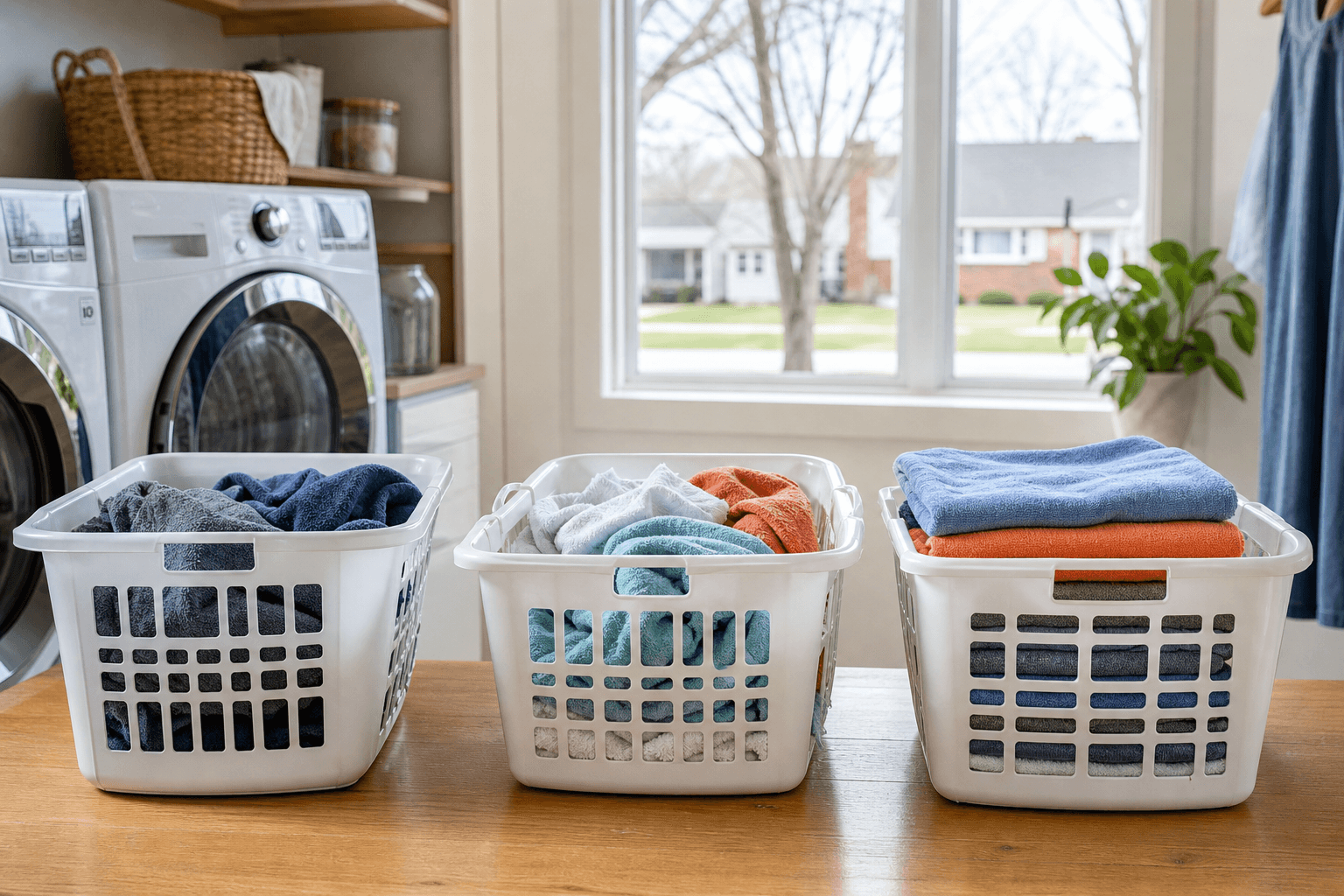
Many people overwash clothes out of habit, not need. Others wear items too long and then wonder why drawers smell stale. The better approach is to follow a simple frequency guide based on fabric type, sweat level, and direct skin contact. Doing this keeps clothes fresh while reducing unnecessary wear. Fewer extra cycles mean longer garment life and lower utility use. That is a win for both your closet and your budget.
For everyday wear, some items need washing after each use because they sit close to the skin and trap sweat. Underwear, socks, and T-shirts belong in this category. They should go straight into the hamper after one wear. Skipping that step makes odors harder to remove later, especially in warm weather or after long workdays.
Jeans are different. Most pairs do not need washing after every wear unless they are visibly dirty or hold odor. A good rule is every three wears. That gives the fabric a break and helps preserve fit and color. Bras can usually go every two to three wears, especially if you rotate them and give them rest days between uses. Rotation matters because elastic needs time to recover. That small habit helps bras keep their shape and support.
Suits and other structured pieces often last several wears before cleaning. A general guide is every three to five wears before dry cleaning, unless stains or sweat show up earlier. Over-cleaning formal wear can be rough on fabric and expensive. Let visible condition and smell guide you instead of automatically washing after every use. Smart frequency creates a more sustainable routine.
Use this quick reference as a starting point:
- After each wear: underwear, socks, T-shirts
- Every 2–3 wears: bras
- Every 3 wears: jeans
- Every 3–5 wears: suits before dry cleaning
These guidelines keep clothing fresh without turning your washer into a constant emergency station. Once you stop overwashing, your daily system becomes easier to maintain. Smaller, smarter loads feel much more manageable.
Workwear, Activewear, and Special Fabrics
Different types of clothing need different care, and this is where many routines get messy. A dress shirt worn in an office all day does not always need the same treatment as leggings worn for a workout. Fabric, movement, temperature, and sweat all matter. Knowing the difference keeps you from washing high-maintenance items too often or letting odor cling to the pieces that actually need immediate care.
Dress shirts and slacks can usually handle a few wears unless they are visibly dirty or exposed to sweat, spills, or strong odors. Office settings often create less strain on clothes than outdoor jobs or long social events. That means you can inspect these items before tossing them into the wash. If the collar is clean, the fabric still feels fresh, and there are no spots, you may be able to wear them again. This habit helps preserve shape and reduces unnecessary washing.
Activewear is the opposite. Leggings, tights, sports pieces, and swimsuits should be washed after each use. These items trap sweat, body oils, and bacteria quickly. Letting them sit can make smells stick around, especially with synthetic fabrics. Rinsing and washing them promptly helps maintain both freshness and fabric life. Waiting too long with these garments often turns a simple wash into a stubborn odor problem.
Special fabrics need faster attention when stains or risk factors are involved. Whites should be cleaned quickly because marks set more easily. Silks should be handled with care and washed or treated right away if stained. Anything with a visible spill deserves immediate action. The longer a stain sits, the harder it becomes to remove. Fast response beats aggressive rewashing later. That one habit can save your favorite shirt from permanent damage.
If you have a mix of workwear and gym gear in one basket, sort with purpose before starting the machine. Separate sweat-heavy items from office pieces when possible. Keep delicate fabrics away from harsh agitation. Pairing the right clothes together helps each load clean better and protects fabric quality. Good sorting is less about perfection and more about preventing obvious mistakes.
Bed and Bath Laundry Timing Most People Get Wrong
Clothing usually gets most of the attention, but bed and bath items often create hidden laundry issues. Sheets stay on too long. Towels never fully dry. Blankets get ignored until they smell dusty. These items can make a home feel less clean even when everything else looks fine. A solid routine keeps them fresh without crowding your daily clothing loads.
Sheets should generally be washed every two weeks. That schedule works for many people and keeps sweat, skin cells, and daily buildup from collecting too much. If you sleep hot, share a bed, or have allergies, you may choose to wash them more often. Still, every two weeks is a strong baseline for most households. Fresh sheets make a room feel instantly more comfortable.
Towels need more attention than many people realize. A useful rule is every three to five uses, but there is one condition that matters a lot: they must air-dry fully between uses. A towel bunched on the floor or hanging in a damp bathroom corner will develop odor much faster. Spreading towels out properly after showering is part of the laundry system, even if it does not feel like laundry in the moment. Drying habits shape towel freshness.
Blankets can usually be refreshed monthly unless they get heavy use from pets, spills, or constant couch time. This monthly schedule is enough for many homes and prevents bulky wash days from sneaking up on you. If you rotate blanket cleaning through the month instead of piling it onto one weekend, the task feels much lighter. Spacing out larger items is one of the easiest ways to protect your routine.
A simple timing guide helps keep these items on track:
- Sheets: every 2 weeks
- Towels: every 3–5 uses
- Blankets: monthly refresh
Once these pieces have a schedule, your laundry stops feeling random. Predictability reduces stress. You always know what is due next, and that keeps your home feeling cleaner with very little extra effort.
Fabric Care Basics That Save Your Clothes
If you want clothes to last, start with the label. According to American Cleaning Institute, understanding care symbols is a basic step in proper laundry. Those small icons tell you about water temperature, cycle type, drying limits, and more. Ignoring them might seem faster, but it often leads to shrinking, fading, or fabric damage that could have been avoided. Reading the label takes seconds and saves money in the long run.
Cold water is a smart default for most daily loads. It is gentler on many fabrics and more energy-efficient than hotter settings. Unless you are dealing with a specific fabric need or heavy soil, cold water keeps the process simple and safe. That one default setting reduces decision fatigue and makes your routine easier to repeat. Good laundry habits work best when they feel simple.
Load size matters too. Bigger is not always better. Cramming the washer prevents clothes from moving freely, which means dirt and detergent cannot circulate as well. On the other hand, washing tiny random loads can waste water and time. Aim for full, balanced loads that give items room to move. Mixing small and large pieces improves agitation and creates more even cleaning. A balanced drum supports better results.
Lint control is another basic that people forget until black clothes come out covered in fuzz. New towels, fuzzy sweaters, and other lint producers should stay away from lint magnets like dark knits and smooth fabrics. Separating those items protects the look of your clothes and cuts down on annoying cleanup after drying. Small sorting choices can have a big effect on the final finish.
Gentle cycles are worth using for delicates and knits. Faster is not always better when fabric structure is on the line. If an item feels fragile, stretchy, or finely woven, give it a gentler cycle and lower stress. You do not need to baby every garment, but the right cycle can make the difference between long-lasting shape and a sweater that looks worn out after three washes. Fabric care is really about making smart, consistent choices.
Machine Habits That Extend Clothing Life
Your washer and dryer have a bigger effect on clothing life than many people realize. Good machine habits protect fabrics, improve cleaning, and help your appliances run better over time. The best part is that most of these habits take almost no extra time. Small steps done regularly matter more than occasional big cleanouts.
Start with the lint trap. Clean it regularly, ideally after every dryer cycle. A packed lint screen slows airflow, makes drying less efficient, and can leave clothes hotter than necessary for longer periods. That extra heat stresses fabric and wastes energy. Cleaning the trap is one of the easiest ways to improve dryer performance and keep clothes in better shape.
Next, avoid turning every load into a heavy-duty event. Delicates, knits, and soft fabrics benefit from gentler wash settings. Strong agitation can stretch fibers, twist garments, and wear down texture faster than expected. Save the more aggressive cycles for the loads that truly need them. Matching the cycle to the load gives you better care without much extra thought. Smart settings help clothes stay wearable longer.
Quarterly machine refreshes should also become part of your long-term routine. Washing machines need occasional cleaning so residue, buildup, and odor do not transfer onto clothes. You do not have to obsess over it, but a seasonal check keeps performance more reliable. Add this task to your calendar every few months and treat it like any other home reset. Preventive care is easier than fixing lingering machine smells.
Pay attention to balance and overloading too. A stuffed washer strains the machine and leaves clothes less clean. An overloaded dryer traps moisture and can make heat less even. Both situations create more wear and more frustration. Giving each load the right amount of space protects fabrics and reduces the risk of needing another round. Better machine habits lead to cleaner clothes with less stress.
Why Micro-Loads Beat Marathon Laundry Days
Weekend laundry marathons look productive, but they often create a cycle of dread. You spend hours sorting, washing, drying, folding, and putting away huge piles that built up all week. The process takes over your day, drains your energy, and still leaves room for clean clothes to sit unfinished. That is why so many people avoid it until the pile becomes impossible. Micro-loads solve the same problem with far less friction.
One small load each day prevents backlog before it starts. Instead of facing six mixed baskets on Sunday, you deal with one manageable category at a time. This works especially well for families, roommates, or anyone juggling work, school, and activities. Daily action spreads the labor across the week, which keeps your schedule from getting hijacked by one giant chore block. Smaller loads are easier to start and easier to finish.
Micro-loads also help you keep up with real-life demand. Maybe Monday is towels, Tuesday is everyday wear, Wednesday is workout gear, and Thursday is sheets. You do not need a rigid chart unless that helps you. What matters is that you are moving laundry through the system steadily. That constant movement keeps the home calmer and the routine more predictable. Predictable chores feel less heavy.
Another advantage is flexibility. If life gets busy one day, you have only missed one small load, not an entire mountain of laundry plans. You can catch up quickly without giving up a whole evening or weekend. That resilience is a huge part of why daily systems last longer than big event-style routines. They bend more easily when life gets messy. A flexible routine is a lasting routine.
If you need bigger-capacity options sometimes, using a self-serve laundromat can help with oversized catch-up loads or bulky items. The key is to keep those trips occasional instead of letting them become the main plan. Daily micro-loads should carry most of the work, while larger wash sessions stay a backup for special situations.
The Nightly Reset That Makes Mornings Easy
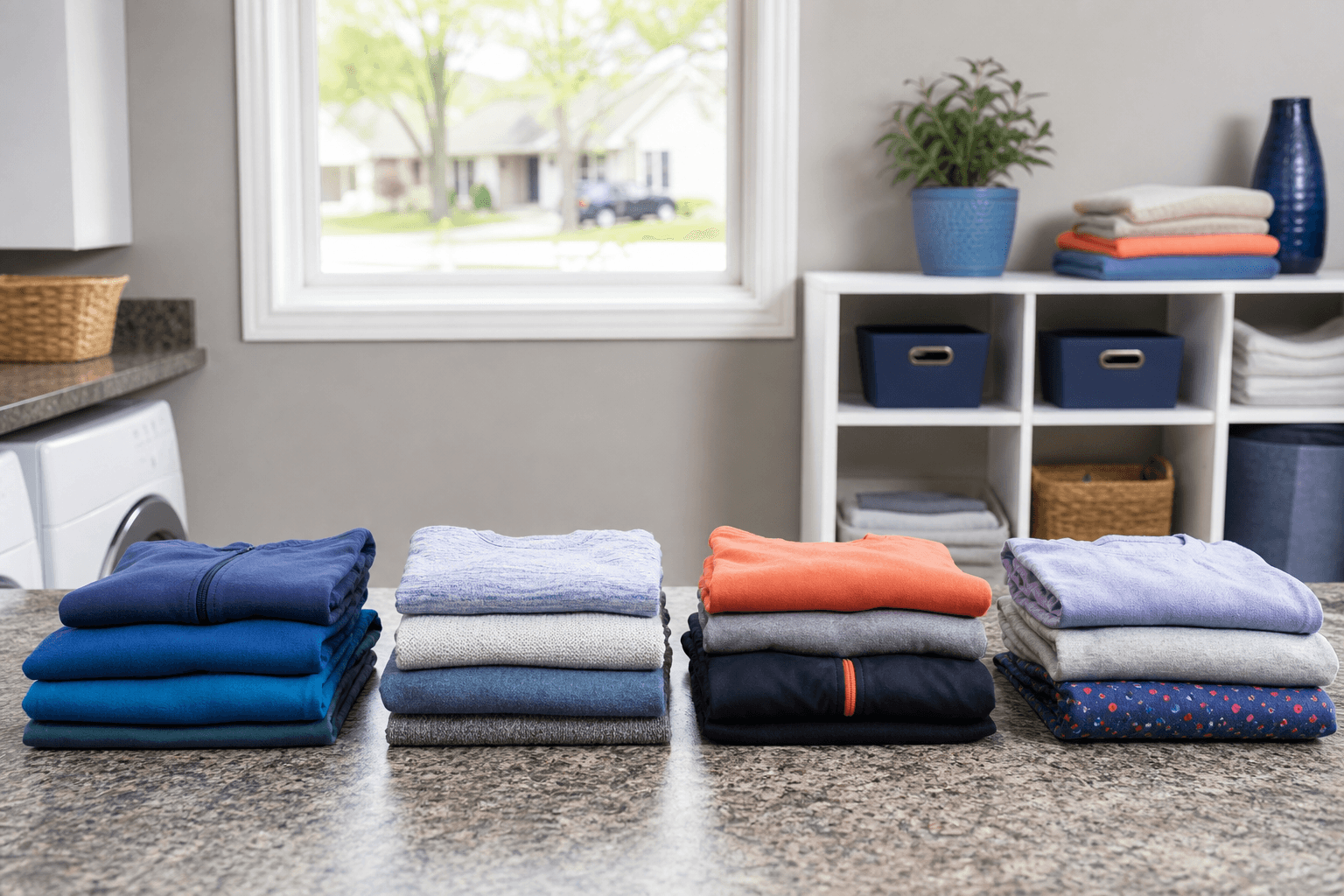
Morning laundry is much easier when the setup happens the night before. A quick evening sweep keeps random socks, shirts, and towels from hiding across the house. More importantly, it removes the tiny obstacles that make morning routines fall apart. If the basket is ready, detergent is nearby, and the washer is empty, starting a load feels almost automatic.
This nightly reset does not need to become a major cleaning session. Walk through the main laundry zones. Check bathrooms for towels. Check bedrooms for clothes on chairs or floors. Check common spaces for hoodies or stray socks. Drop everything into the right basket or central hamper. In a few minutes, you have turned tomorrow’s first task into a one-button start. That kind of preparation builds real momentum.
Shared homes benefit even more from this step. Everyone contributes to the reset by bringing their items to the drop zone. That simple habit stops one person from doing a scavenger hunt every morning. It also creates visibility. When everyone sees the basket filling, laundry feels like a household system instead of invisible labor handled by one tired person. Visible systems encourage better participation.
If you struggle with consistency, set a fixed trigger for the reset. Do it after dinner. Do it before showering. Do it when you plug in your phone for the night. Routine sticks best when it attaches to an action you already do every day. The less thinking required, the more likely the habit survives busy weeks. Good systems survive because they are easy to repeat.
Once your nightly reset becomes normal, mornings stop feeling rushed. You do not hunt for items, sort on the fly, or skip the load because you ran out of time. A few minutes at night creates a much smoother start the next day. That is a strong trade for very little effort.
Energy and Cost Savings Without Sacrificing Cleanliness
A daily laundry routine sounds like it could cost more, but it often saves money when done well. The key is efficiency. You are not running random half-empty cycles out of panic. You are washing full, balanced loads on a steady schedule and avoiding preventable mistakes like rewashing mildew-smelling clothes. Better habits reduce waste, and reduced waste lowers both energy use and utility costs over time.
Cold water should stay your first choice for many loads. It uses less energy than hot settings and is safer for many everyday fabrics. American Cleaning Institute points out that laundry basics include choosing proper settings, and cold water is one of the easiest good defaults to adopt. You keep things simple, protect clothing, and save on energy without sacrificing everyday cleanliness.
Only running full loads is another strong habit. A full load uses machine capacity well, but remember that full does not mean stuffed. Clothes still need room to move. Efficient loading gives you good washing performance without adding extra cycles. That matters because every unnecessary cycle costs water, detergent, electricity, and fabric life. Efficiency starts with smarter loading.
Reducing overwashing saves more than many people expect. Washing jeans after every wear, dry cleaning suits too often, or treating lightly used workwear like gym clothes adds up fast. Following simple wear guidelines cuts down on detergent use, machine wear, and fading. Your clothes stay in better condition, and your laundry routine becomes more manageable. Washing less often, when appropriate, is one of the easiest forms of savings.
Drying habits matter too. A clean lint trap improves airflow and drying speed. Prompt transfer from washer to dryer avoids damp odors that trigger rewashing. Smaller daily loads can also make folding faster, which means fewer wrinkles and less temptation to throw items back in for a fluff cycle. Every avoided repeat cycle is saved time and saved money.
The Most Common Laundry Mistake: The Folding Delay Trap
If there is one mistake that quietly wrecks laundry systems, it is the folding delay trap. Clothes get cleaned successfully, then sit in baskets for hours or days. People tell themselves they will fold later, but later rarely comes at the right moment. Meanwhile, wrinkles settle in, bedrooms get cluttered, and the basket stays occupied so new loads cannot move forward. This delay creates traffic in your entire system.
The fix is fast but requires a mindset shift. Folding is not an optional afterthought. It is part of the laundry cycle. A load is unfinished until it is folded and put away. Once you adopt that rule, you stop separating washing from completion. That one change can reduce visual clutter more than almost any detergent, basket, or storage upgrade. Mental framing shapes real behavior.
Use a timer if folding feels bigger than it is. Ten minutes is enough for most daily loads. Start with the easiest items first, like towels or T-shirts, to build momentum. Then move to smaller pieces like socks or underwear. Progress comes quickly once you begin, and the basket empties faster than expected. Delay makes the task feel huge. Action makes it feel short.
If you live with others, state the rule clearly: no finished load goes unfolded. This standard helps everyone understand what “done” means. It also prevents one person from moving everyone else’s clean laundry from place to place without actually finishing it. Rules can sound strict, but they often make home life easier because expectations stay clear.
A simple folding station can also help. Keep hangers nearby for shirts and slacks. Store socks and underwear in easy-to-reach drawers. Make the path from dryer to storage as short as possible. Convenience increases follow-through. The less effort required after drying, the less likely clothes are to stall in a basket of fake completion.
When It Makes Sense to Outsource Laundry in Sugar Creek
Even the best home routine will hit rough weeks. Maybe work gets intense. Maybe finals pile up. Maybe your family has nonstop activities, or your washer breaks at the worst possible time. Outsourcing laundry in those moments is not failure. It is a useful backup that keeps clothes moving without letting your whole system collapse. Smart routines include backup plans because real life is never perfectly predictable.
Many laundry services in Sugar Creek areas offer pickup and delivery, often with 24 to 72 hour turnaround, app-based scheduling, wash-and-fold for everyday items, and dry cleaning for specialty pieces. Some providers even let you bag items without detailed sorting, which removes one more barrier on busy weeks. That convenience can be a lifesaver when your schedule has no room for even the 10-minute fold.
Outsourcing works best in a few situations. Large households with constant laundry volume often benefit from outside help during extra busy periods. Bulky items like duvets and blankets are also great candidates because they take up so much machine space at home. Professional wear that needs dry cleaning can fit naturally into a service plan too. The goal is to use help strategically, not to abandon your home system entirely. Backup support should protect your routine, not replace it.
If you want help with everyday clothing, a wash and fold service can handle basic laundry during overloaded weeks. That option is especially helpful after travel, during apartment move-ins, or during any stretch when your schedule is packed from morning to night. It buys you time without letting dirty clothes spiral into an apartment-wide problem.
Before booking, it helps to review common service details, turnaround expectations, and handling questions through the FAQ page. Knowing how a service works lets you choose backup help with more confidence and fewer surprises. Good outsourcing should feel simple, clear, and useful when you need extra support.
Long-Term Habits That Keep Laundry Effortless
Daily routines work best when they connect to a few long-term habits. These bigger rhythms keep your closet, bedding, and machines from drifting into neglect while still keeping weekly effort low. Instead of waiting until a coat smells musty or the washer starts looking questionable, you build simple seasonal care into the year. That kind of structure makes laundry feel lighter because fewer issues become last-minute emergencies.
Coats should usually be cleaned one to two times per season, depending on wear. Heavy items like blankets need a monthly refresh or cleaning as needed. These pieces often get ignored because they are large or less visible than daily clothing, but they affect how clean your home feels. Spacing them out across the month makes the work feel easier and prevents giant seasonal catch-up sessions. Planned care is much more manageable than delayed care.
Machine maintenance belongs on this list too. A quarterly washer refresh keeps residue and odor from building up. Dryers need lint-trap attention every cycle and occasional broader checks as part of regular home care. These habits protect both your clothes and your appliances. Better maintenance means fewer weird smells, better cleaning, and less frustration over time. A healthy machine supports a healthier routine.
Shared households should also think in terms of roles. One person gathers. One person switches. One person folds. Even light participation can cut backlog fast. Laundry gets overwhelming when one person carries the full burden while everyone else keeps contributing to the pile. A shared system creates accountability and makes success easier to sustain. Division of labor brings more balance.
Sustainability becomes easier too when habits are smart. Wash less often by following wear guidelines. Use eco-friendly detergents if they fit your needs. Sort better so you avoid unnecessary repeat cycles. None of these steps require a total lifestyle change. They just ask for better choices at the right moments. Small habits repeated over time create the biggest results.
The Simple System to Start Today
You do not need a total home reset to make laundry easier. Start with one morning load tomorrow. That single action proves the system can fit into your day without taking it over. Then commit to the ten-minute evening fold so the load actually gets finished. These two steps alone can change the feel of your whole week. Small action creates fast relief.
Next, set up one support habit tonight. Use a central hamper, pre-sort a basket, or do a quick room sweep before bed. Remove as much friction as possible from tomorrow morning. Laundry systems fail when every step has a barrier. They succeed when the path is obvious and easy. Your goal is not to become a laundry expert overnight. Your goal is to make the next load simple.
After that, follow the frequency guide instead of washing everything by instinct. Everyday basics need frequent cleaning, but jeans, suits, and some workwear can go longer. Sheets, towels, and blankets also need their own rhythm. This keeps clothes fresher, protects fabrics, and cuts unnecessary loads. Better timing creates better flow.
Use outside help when needed, especially for bulky pieces, dry cleaning, or overloaded weeks. Services work best as backup, not default. Your daily system should handle most routine loads, while outside support catches you when life gets crowded. That balance keeps laundry practical, flexible, and far less stressful. A good routine leaves room for real life and still gets the clothes done.
Stick with the basic rule that makes everything else work: no finished load goes unfolded. If you follow that, along with the morning start and midday switch, laundry stays under control. No piles. No panic. Just a clean, steady system that fits Sugar Creek life and keeps your clothes ready for the next day. That is what real mastery looks like.