
For many Maywood parents, laundry is less a household chore and more a weekly avalanche of school uniforms, sports gear, towels, and mystery socks that seem to multiply overnight. The good news is that a simple system built around smart hampers, quick sorting, steady routines, and shared family effort can cut stress fast and turn laundry from a last-minute panic into something your home can actually manage.
Key Takeaways
- Strategic hampers in the right spots stop piles before they grow.
- Pre-sorting by category saves time and speeds up every load.
- Smaller loads are easier to finish and often clean better.
- Family roles help parents avoid carrying the whole job alone.
- Local services can rescue busy weeks and bulky items.
The Real Reason Laundry Feels Out of Control
Most family laundry problems do not start in the washer. They start with friction. A shirt gets dropped on the floor because the hamper is too far away. Wet towels pile up because nobody knows where they belong. Clean clothes sit in baskets because folding feels like a second job after the wash is done. Soon, a normal week becomes a giant heap that feels impossible to catch up on.
That chaos is familiar in busy homes with school pickups, work shifts, after-school clubs, and weekend sports. One forgotten uniform can turn an ordinary Tuesday night into a full-blown panic. A single missed load on Sunday can create a backlog that rolls into the entire week. Laundry feels endless because the system around it is loose, not because your family is failing.
The fastest fix is to stop treating laundry like a giant event that happens once in a while. Instead, treat it like a flow. Dirty clothes need a clear place to land. Loads need a predictable rhythm. Clean items need to move out of baskets before they become wrinkled mountain ranges on chairs and beds. Once each step has a place, the whole task feels lighter.
Small changes bring immediate relief. Adding one extra hamper in the bathroom can cut floor piles in half. Running a small weekday load can prevent a six-load weekend crash. Giving each child a basic job can keep the process moving without constant reminders. Families often think they need a huge reset, but a few smart choices can change the feel of laundry almost right away.
Stop the Pile Before It Starts: Build a Smarter Hamper System
If you want less laundry stress, start with your hampers. They are the front door of the whole process. When dirty clothes do not have an easy landing spot, they end up on the floor, mixed with clean items, stuffed in sports bags, or forgotten in bathrooms. A better hamper setup removes those daily points of resistance.
Placement matters more than most people think. Put hampers where laundry actually happens, not where you wish it happened. Bedrooms are obvious, but bathrooms, mudrooms, and other high-traffic spots matter too. Kids change after sports in one area, shower in another, and toss pajamas in a third. A single central basket often cannot keep up with real family habits.
Choose containers that work with the way children move. Open-top or lid-free options are often easier for kids to use because they remove one extra step. A hamper with a heavy lid may look neater, but if a child avoids it, that design is creating a problem. Breathable mesh or ventilated sides also help with odor, especially when damp towels or sweaty clothes get tossed in after school or practice.
Size matters as well. Tiny bins fill too quickly and encourage overflow. Massive hampers can hide the problem until a huge load builds up. A medium-size hamper in each key area often works best because it keeps volume visible without turning every laundry day into a giant catch-up session.
Many families get the best results by using a simple setup like this:
- A bedroom hamper for everyday clothes
- A bathroom hamper for towels and pajamas
- A small bin near the entry for sports gear or muddy items
- A mesh bag on a hook for socks, underwear, or delicates
This kind of setup cuts clutter before it starts. It also reduces the number of times parents have to walk around collecting random piles. A system should make the right choice feel easy. If the household can drop clothes in the correct place without thinking, the rest of the laundry cycle gets simpler.
Pre-Sort Without Thinking: Color-Coding, Labels, and Zones
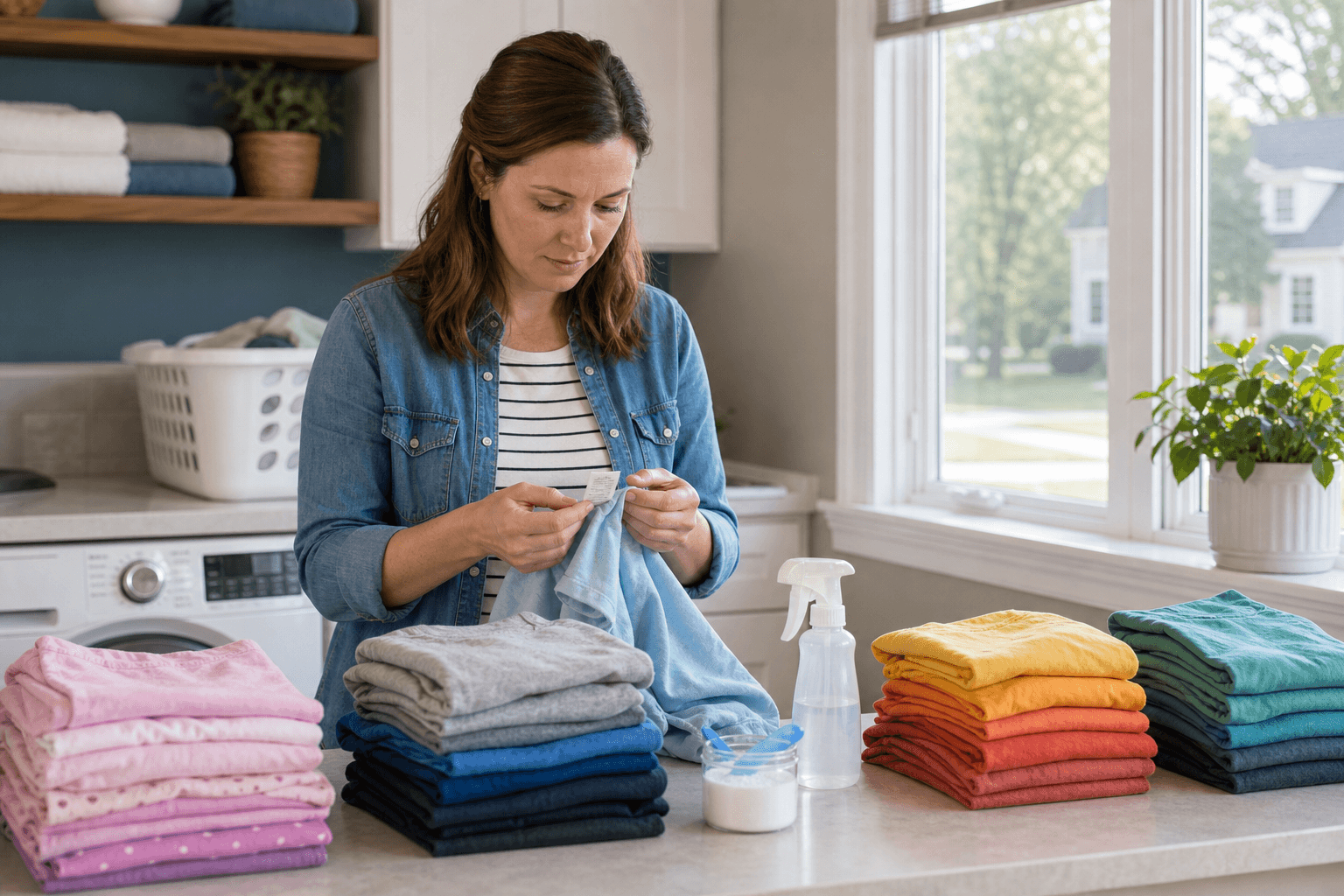
Sorting is one of the most annoying parts of laundry because it often happens after the pile has already become huge. The better move is to sort before wash day. That means using bins or divided hampers that guide people into making fast, low-effort choices at the moment they take clothes off.
Color-coded hampers are a strong option for families with young kids. One bin for lights, another for darks, and another for towels can remove the guesswork. Labels also help. Even a basic system with printed tags or simple icons can make sorting feel automatic. Children are more likely to help when the task is obvious and visual.
Still, sorting by person is not always the most efficient plan. A lot of families assume each child needs a personal laundry stream from start to finish. That sounds organized, but it often creates half-full loads and extra washer cycles. A better method is zone-based sorting by category. Grouping by fabric type, color, temperature, or purpose often gives better wash results and saves time.
For example, a household may use zones like these:
- Lights and whites
- Darks and denim
- Towels and bedding
- Uniforms and school clothes
- Delicates and air-dry items
This system works because the machine cares about fabric and wash settings, not ownership. Towels need a different cycle from delicates. Sports uniforms should not tumble with bedding. White socks should not be trapped in a mixed load with dark leggings and fuzzy sweatshirts. Sorting by care needs helps clothes last longer and makes each load more purposeful.
Divided hampers are especially useful in hallways, laundry corners, or shared bedrooms. They let the family sort items as they go without needing a separate sorting session later. If space is tight, stackable bins or hanging bags can create the same effect. The key is to keep the setup visible and easy to reach.
Small items need their own plan too. Mesh laundry bags solve a surprising number of problems. Socks vanish less often. Underwear stays together. Baby clothes avoid tangling with larger garments. Delicates get extra protection. Zippered bags are also useful for sports accessories and small pieces that tend to get lost in the machine. Just avoid overfilling them so water and detergent can still move through the fabric. Hang those bags on hooks or rods so they stay accessible.
Turn Laundry Into a Routine, Not a Crisis
Laundry becomes stressful when it waits for a crisis. A routine changes that. Instead of asking, “When will I ever get through all this?” you build a plan that answers the question before the pile forms. The goal is not perfection. The goal is a repeatable rhythm that fits your real week.
Start by matching laundry categories to specific days. This cuts decision fatigue and keeps important items from sneaking up on you. Towels on Monday, uniforms midweek, bedding on the weekend, and dark everyday clothes on another evening can turn a giant task into smaller, expected blocks. Families in Maywood often need that kind of structure because school schedules, work hours, and local activities can make weekends feel just as packed as weekdays.
There are two main styles that work well. Some homes prefer one to three smaller weekday loads. Others like a larger wash day with one or two backup loads during the week. Neither option is universally best. The right choice depends on family size, machine access, and how much clean-clothes buffer you like to keep in the house.
Smaller daily or near-daily loads offer several advantages. They are easier to fold. They rarely create that “I’ve been washing clothes for six hours” feeling. They also help parents notice shortages before they become emergencies. If uniforms always wash on Wednesday, Friday-morning panic becomes much less likely.
A weekly flow works best when every person knows the pattern. Post it on the fridge, keep it in a family note app, or write it on a small whiteboard near the laundry area. Visible systems beat verbal reminders because they reduce repeated mental work. Laundry should not live only in one parent’s head.
Here is a simple weekly model families can adapt:
- Monday: towels and bath mats
- Tuesday: dark everyday clothes
- Wednesday: uniforms and sports gear
- Thursday: lights and whites
- Friday: catch-up load
- Weekend: bedding, delicates, bulky items
That schedule is just a starting point. Shift it around school practice days, work demands, or machine availability. A routine should support family life, not force everyone into a rigid plan that breaks after one busy afternoon. Keep it flexible, but keep it consistent.
The Four Stages That Keep Laundry Moving
Many people think laundry is one task, but it is really four connected stages. Trouble begins when the chain breaks. A family may be good at washing but bad at folding. Or the washer runs, but damp clothes sit overnight because nobody moves them to the dryer. Knowing the four stages helps you spot where your backlog is actually forming.
Stage one is getting dirty laundry into the washer. This sounds obvious, yet poor sorting and scattered hampers often delay the start. If family members already separate clothes into the right bins, this stage becomes fast. You grab a category, check pockets, add detergent, and begin. The easier the launch, the more likely a parent will run a load even on a busy day.
Stage two is the transfer. Clothes need to move promptly to the dryer or drying rack. Letting wet laundry sit too long creates odor and wrinkles. Give garments a quick shake before drying. That simple move can reduce drying time and help prevent twisted, hard-to-fold clumps. If you air-dry certain items, set up a clear space for that process so delicate pieces do not end up draped across random chairs.
Stage three is folding and sorting right after drying. This is the step families skip most often, and it is where clean laundry quietly turns back into clutter. A basket full of dry clothes feels less urgent than a pile of dirty ones, but delay here creates wrinkles, confusion, and duplicate work later. Fold while clothes are still warm if possible. The task usually goes faster, and items look better.
Stage four is distribution and put-away. Each person should have a basket, shelf, or room destination that makes this final step easy. Clean clothes that remain in shared baskets tend to get reshuffled over and over. That wastes time and turns “done” laundry into a recurring task. The final move should happen without delay so clean items return to use and storage right away.
Families can keep these stages moving with a few simple habits:
- Set a phone timer for washer and dryer cycles
- Fold one load before starting another when possible
- Give each child a personal basket for finished clothes
- Use a “touch-it-once” approach for sorting and folding
The biggest lesson is clear. Laundry feels endless when it stalls in one stage and creates spillover for the next. It feels manageable when every load keeps moving. Focus on flow, and the pile shrinks.
Why Smaller, Faster Loads Usually Win
Marathon laundry days sound efficient. In real life, they often create fatigue, clutter, and half-finished baskets. Smaller loads usually work better because they are easier to start and easier to finish. A parent can handle one quick load after dinner with much less resistance than facing seven loads on a Sunday afternoon.
Smaller loads also tend to clean more thoroughly. Clothes have more room to move. Detergent distributes better. Rinsing improves. Heavy overstuffed washes often leave residue, trapped odor, or damp pockets that extend drying time. A loosely filled machine usually performs with greater consistency.
Another benefit is mental. Finishing one load creates momentum. It is easier to fold a moderate batch than a giant mountain of mixed items. Quick loads also make it simpler to separate fabric types. Lightweight shirts can run together on a shorter cycle, while towels get a different setting. That saves time and protects materials.
Use less detergent when doing quick or lightly soiled loads. Too much soap can cling to fabric and leave buildup. Pre-measured options like pods or strips can help simplify the process, especially for teens learning to run the washer. Just keep them stored safely away from young children. A simple system should still protect safety.
If your household resists smaller loads because it feels like “more laundry,” reframe the goal. The point is to reduce total stress, not to create a dramatic wash day. A sequence of short, completed loads usually beats a giant pile that dominates the whole home. Laundry should fit around life, not take over the weekend.
Wash and Dry Like a Pro Without Making It Complicated
Good laundry results come from a few repeatable habits, not from complicated tricks. Start with basic prep. Turn garments inside out to reduce fading and pilling, especially for graphic tees, school shirts, leggings, and activewear. Zip zippers, fasten buttons, and tie drawstrings before washing. Those small steps help prevent snags and stretching. They also protect other clothes in the same load.
Separate items by color, fabric, and soil level. Heavily soiled clothes need their own wash. Muddy sports uniforms should not share a cycle with lightly worn tops. Greasy kitchen towels should not tumble with pajamas. This kind of separation may sound like extra effort, but it actually produces more reliable results and reduces rewash cycles.
Water temperature matters too. Hot water works well for towels, whites, and sheets. Warm water suits many everyday pieces like jeans and tees. Cold water is often best for darks, delicates, and synthetic fabrics. A simple temperature plan makes laundry feel much less random. Instead of guessing, you match the cycle to the fabric.
Drying deserves just as much attention as washing. Over-drying can wear out elastic, shrink certain items, and make clothes feel rough. Match dryer settings to fabric type. Use lower heat for delicates and activewear. Keep loads loose and balanced so air can move freely. Better airflow improves performance and reduces extra cycle time.
Dryer balls are one of the easiest upgrades for busy families. Wool or silicone versions can help reduce drying time and static. They also keep loads moving inside the drum, which improves air circulation. Over time, reusable dryer balls can cut costs compared with disposable products. Small tools often create long-term savings.
Keep these wash-and-dry basics in mind:
- Turn clothes inside out before washing
- Close zippers and tie strings
- Separate heavily soiled items
- Use the right water temperature
- Do not pack the dryer too tightly
- Add dryer balls for faster drying
The goal is not to become a laundry expert overnight. It is to build a dependable method that protects your clothes and saves time. Families need systems they can repeat on tired evenings, rushed mornings, and busy weekends. Simple beats fancy every time.
Handle Stains and Kid-Level Messes Before They Take Over
Children produce a special category of laundry chaos. Food spills, grass marks, mud, mystery sticky spots, and sports odors can turn a regular wash into a whole project. The trick is to treat messes fast, before they settle into the fabric. A few minutes early can save a favorite shirt from becoming a permanent casualty.
Keep dish soap or a stain remover in an easy-to-reach spot near the laundry area. As soon as a stain appears, apply treatment before the item goes into the hamper if possible. Waiting until wash day makes it easier to forget where the marks are. Heat can also set stains, so check the garment before drying. Once a stained item goes through a hot dryer cycle, removal gets much harder.
A designated treatment bag helps a lot. If a shirt needs special care, place it in that bag instead of tossing it into the normal pile. That creates a visual reminder that this item needs attention. It also keeps stained pieces from disappearing into mixed loads and coming back out still marked. Families with young kids often find this one habit surprisingly effective.
Different messes call for different timing, but the basic approach stays the same. Act quickly, separate problem items, and avoid letting them bake in the dryer. Grass stains, food spills, and mud from sports are common troublemakers. A little speed beats a lot of scrubbing later. Speed is your best advantage.
Bulky and special items need their own plan as well. Towels and bedding can usually wash together on hot cycles. Delicates should be separated and air-dried if needed. Sports uniforms and gear benefit from cold water and mesh bags, especially if they have straps, elastic, or smaller pieces that can twist around other clothes. Treating these categories with some care helps them last longer and smell fresher.
Make Laundry a Family System Instead of a One-Parent Job
One of the biggest reasons laundry feels endless is that one adult ends up carrying every part of it. That setup breaks down fast in busy homes. A better system spreads the work across the whole family in age-appropriate ways. Laundry is a life skill, and even small children can join the process. Shared responsibility builds ownership.
Toddlers can drop dirty clothes into hampers. That may sound basic, but it builds the habit that clothes belong in a specific place. Young kids can sort lights and darks, match socks, or fold simple pieces like washcloths and towels. Older kids and teens can learn to run the washer, move loads, fold, and put their own clothes away independently.
The key is to make the system visible and easy. If every step requires opening hard lids, reading long instructions, or remembering a complicated sequence, kids will need constant help. Keep baskets open, labels simple, and tools accessible. The easier the process feels, the more likely family members will actually use it. Remove extra steps, and compliance often improves.
Personal baskets can help each child manage clean clothes. Once a load is folded and sorted, items go straight into that child’s basket for distribution. This prevents arguments over whose shirt is whose and reduces the reshuffling that happens when one giant basket holds everyone’s clothes. Clear ownership creates cleaner handoffs and less confusion.
Try assigning roles like these:
- Toddlers: put dirty clothes in the hamper
- Young kids: sort colors and fold towels
- Tweens: move loads and match socks
- Teens: run full loads and put everything away
Consistency matters more than occasional huge cleanups. A child who puts pajamas in the hamper every night is helping the system. A teen who washes one sports load each week is helping the system. Over time, these habits reduce pressure on parents and make laundry feel like a normal household routine instead of a rescue mission.
Use Local Help When Laundry Gets Too Big
Sometimes the best laundry strategy is admitting that this week is too full for the usual plan. Illness, travel, work deadlines, sports tournaments, broken appliances, and seasonal bedding can all overwhelm a home system. That is where local help becomes a smart move, not a failure. Outsourcing a few loads can act like a reset button.
For Maywood families, laundromats can be especially useful during overflow weeks or when bulky items pile up. According to Blue Sky Laundromat in Maywood, the location offers 40+ machines, self-service, and wash-and-fold options. That range makes it practical for families who need to handle multiple loads quickly or catch up on items that are hard to wash efficiently at home, such as comforters, extra towels, or large batches of school clothes.
A laundromat visit can also save the week if your home machine is small or temporarily out of service. Instead of letting laundry expand into every bedroom, you can use larger machines to process more at once. Parents with packed schedules often benefit from the speed of handling several loads in parallel. During especially hectic periods, wash-and-fold service can free up hours that would otherwise disappear into sorting and folding.
Dry cleaners are another useful option for specialty garments. Formalwear, delicate fabrics, and items with specific care needs are easy to damage in a standard family wash cycle. Letting professionals handle those pieces protects your clothes and removes guesswork. It also saves you from sacrificing time on garments that require extra attention.
The key is to use outside help strategically. You do not need to outsource every week. Instead, think of it as a practical tool for catching up, protecting special items, or surviving a month that is unusually busy. A smart family system includes backup options, and local services are part of that plan.
Avoid the Laundry Mistakes That Waste Time, Money, and Energy
Some laundry problems come from simple habits that quietly create more work. Overloading the washer is one of the biggest. Stuffing in extra clothes may seem efficient, but it often leads to weaker cleaning, poor rinsing, and longer drying times. That means more energy, more wrinkles, and sometimes a full rewash. Respect the machine’s limits.
Another common mistake is touching the same pile too many times. Dirty clothes move from floor to chair, chair to hamper, hamper to sorting pile, sorting pile to basket, basket to washer. Clean clothes then sit in a dryer, move to a couch, then shift to a bedroom floor before finally getting folded. The “touch-it-once” rule cuts this waste. Sort and process items with purpose so they move forward instead of circling the house.
Washing by room or category can also simplify decisions. If the bathroom hamper holds towels and bath items, that entire group can wash together. If the sports bin holds uniforms and practice gear, you already know what cycle those items need. Less guessing means less delay. Simpler categories create quicker starts.
Energy savings come from smart choices, too. Cold water cycles can often clean everyday clothes well while using less energy. Dryer balls help cut drying time and reduce static without disposable products. Reusable mesh bags protect small items and help prevent losses that lead to replacement costs. These are not dramatic hacks. They are steady savers that add up over time.
Try to avoid these common errors:
- Overfilling the washer or dryer
- Leaving wet clothes sitting too long
- Ignoring care needs for fabric type
- Reshuffling the same piles repeatedly
- Using more detergent than the load needs
Good laundry habits do not need to feel strict. They simply remove waste. Less rewashing, fewer lost socks, and faster finishing all create a home that feels calmer. Saving energy and preserving clothes is a nice bonus, but the biggest win is often reduced stress.
Start Small and Build a Laundry System That Lasts
The best laundry routine is the one your family will actually keep using. That usually means starting small. Add a pre-sorted hamper. Pick two laundry days. Give each child a basket. Set one rule about moving clean clothes out of the dryer on the same day. Tiny changes can shift the whole system because they reduce friction at the points where piles usually begin.
Resist the urge to overhaul everything at once. A giant reorganization project often looks exciting for one weekend and then fades. Sustainable progress usually comes from one or two changes that fit your household right now. If uniforms are always the problem, solve uniforms first. If towels pile up in the bathroom, fix that zone first. Focus on the source of the biggest bottleneck.
Remember the winning formula from this guide: strategic hampers, simple sorting, consistent scheduling, and shared responsibility. Add smart wash habits and a backup plan for overflow weeks, and you have a system that can support real family life in Maywood. Laundry may never become fun, but it can become far less chaotic.
What matters most is momentum. One clear hamper, one weekly routine, or one shared family job can start a chain reaction that makes every future load easier. Parents do not need a perfect home to get better results. They need a repeatable system that works on normal days, rushed days, and messy kid days. Start with one change this week, and let that small win carry the rest.