
Introduction
Laundry feels endless because the time drain rarely comes from one big task; it comes from re-sorting, overloaded machines, delayed folding, and small pauses that stretch a simple load into an all-day event. A faster routine starts by cutting friction at every stage—sorting, washing, drying, and putting clothes away—so your system works whether you live alone, share an apartment, manage a family schedule, or rely on a laundromat.
Key Takeaways
- Build a weekly rhythm so laundry never turns into a giant catch-up session.
- Use a multi-hamper setup to sort before wash day and remove extra steps.
- Choose the right cycle and load size to speed washing and drying without hurting results.
- Dry, fold, and put clothes away right away to avoid wrinkles and repeat work.
- Support your routine with timers, simple supplies, and clean machines for steady results.
Why Laundry Takes So Much Longer Than It Should
Most people assume laundry takes forever because there are too many clothes. In reality, the bigger issue is friction. Friction shows up every time you stop to sort a pile, hunt for detergent, rewash a musty load, or iron clothes that sat in a basket too long.
Small delays are what make laundry feel endless. A five-minute pause after the washer ends can turn into an hour. One overloaded dryer can add another cycle. A basket of clean shirts left overnight becomes a wrinkled pile that now needs more attention.
The fastest way to cut laundry time in half is to treat it like a system instead of a random chore. That means reducing steps, making choices in advance, and setting up your space so clothes move in one clear direction: wear, hamper, washer, dryer, fold, put away.
Three time-wasters tend to cause the most trouble. First, people re-sort laundry on wash day because everything lands in one mixed hamper. Second, they cram machines full to save one load, then lose that time in longer drying and weaker cleaning. Third, they leave clean clothes sitting, which creates wrinkles, clutter, and extra effort later.
Set a Weekly Laundry Rhythm That Prevents Pile-Ups
A reliable schedule beats motivation every time. If you wait until you “have time,” laundry usually expands until it steals half a weekend. A set rhythm keeps the workload light and predictable.
Choose laundry days that match your real life. If weekdays are packed, run one or two small loads on weeknights and finish towels or bedding on Saturday. If you work from home, start a load in the morning and switch it during lunch. The goal is to place laundry next to habits you already have instead of treating it like a separate event.
Consistency cuts decision fatigue. You stop asking, “Should I do laundry today?” because the answer is already built into your week. That matters more than it seems. Every repeated decision drains energy, and laundry gets delayed because it asks for many small choices in a row.
Frequent, lighter loads often save more time than giant catch-up sessions. A huge wash day sounds efficient, but it creates backups at every stage. Hampers overflow. Dryers get crowded. Folding turns into an hour-long chore. Smaller loads keep the flow moving and make the whole process easier to finish in one pass.
Try a simple structure if you need a starting point. This kind of rhythm works for many lifestyles:
- Monday: everyday clothes
- Wednesday: gym wear, socks, underwear
- Friday: delicates or work clothes
- Weekend: towels and bedding
You do not need a perfect schedule. You need one that is easy enough to repeat. That is what makes it sustainable.
Use a Multi-Hamper Setup to Remove Sorting from Wash Day
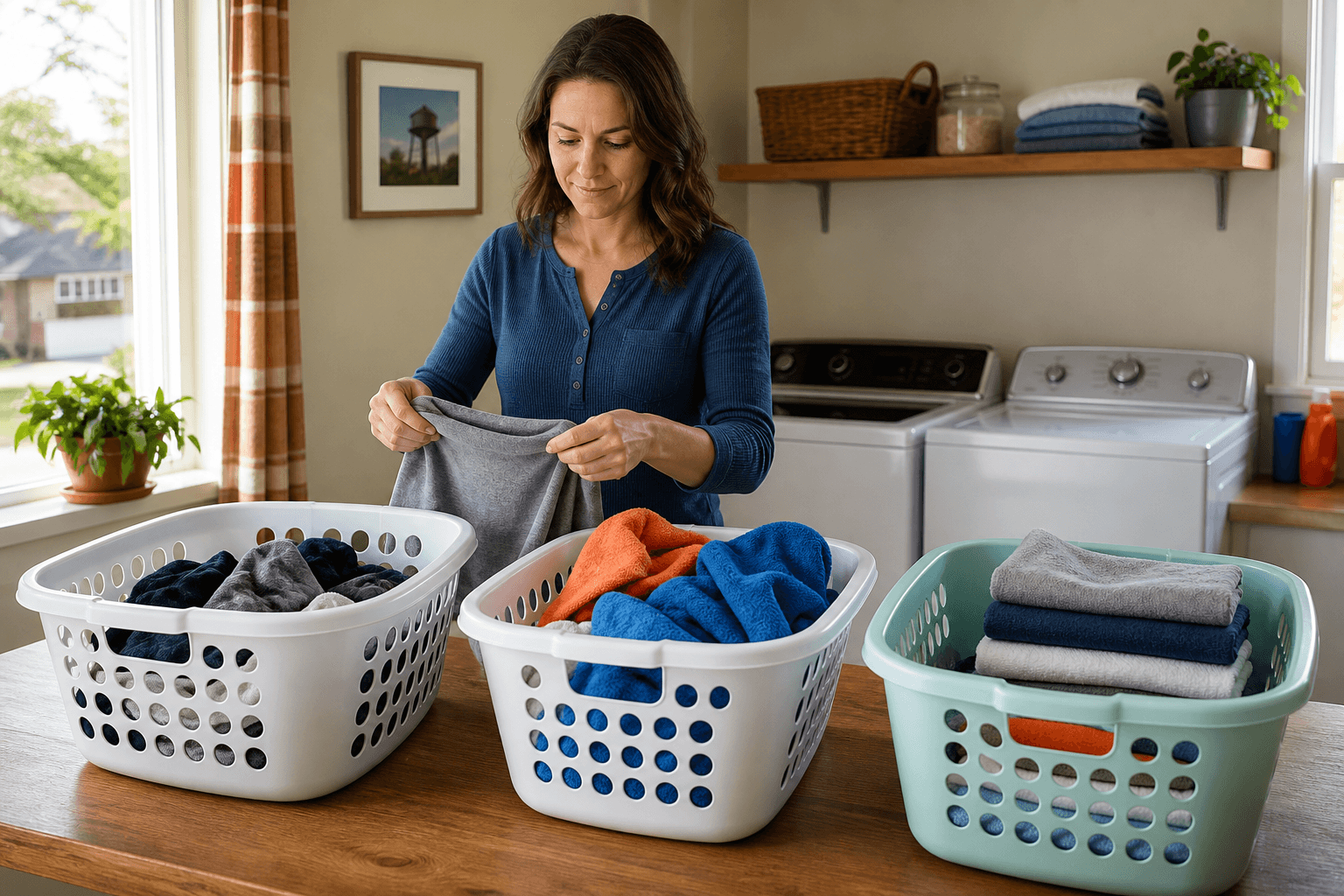
Sorting on laundry day wastes a surprising amount of time. You dump out one big hamper, separate colors, pull out delicates, and realize towels got mixed in with shirts. That is avoidable. A multi-hamper system shifts the work earlier, when it takes almost no effort.
Set up separate bins or sections for categories you actually use. Color sorting matters in some homes, but fabric weight and soil level are often more useful for speed. Heavy items dry slower than light clothing. Delicates need a different cycle than workout gear. Sorting by care needs prevents bad pairings that slow the full routine.
Good labels make the system easier to follow. Keep the categories simple. For example:
- Everyday wear
- Heavy items like towels and sweatshirts
- Delicates and air-dry pieces
- Heavily soiled items
Placement matters too. Put hampers where clothes come off, not where you wish people would carry them. Bedrooms, bathrooms, and closet corners work better than a distant laundry area. If you live with roommates, a partner, or family, the system has to be obvious enough that everyone can use it without asking questions.
The payoff is immediate. On wash day, clothes go straight from hamper to washer. There is no floor pile, no second round of sorting, and much less chance of washing a fragile top with rough towels. That one change can make your laundry routine feel far more automatic.
Create a Handle-Immediately Zone for Stains and Delicates
Some clothes need fast attention. If they get buried in a hamper, they come back to cause trouble later. A small handle-immediately zone keeps those problem items from disrupting the rest of your routine.
This area does not need much space. A basket, shelf, or small bin near the laundry area is enough. Use it for delicate fabrics, items with stains, workout clothes that should not sit too long, or anything you need again soon. That keeps them visible and separate from the main flow.
Pre-treat stains as soon as clothes come off whenever possible. Fresh stains are easier to remove than set-in ones. A quick treatment now can prevent a second wash later, which saves far more time than the minute spent applying stain remover. Keep your stain spray, cloth, and any gentle detergent in one place so the process feels easy.
Fragile fabrics benefit from separation too. Lace, silk-like materials, thin knits, and special-care pieces can get damaged in a mixed load. Once damaged, they create more laundry work, more replacement shopping, and more stress before an event or workday. A clear holding zone helps you protect them without thinking about it each time.
This setup also reduces last-minute emergencies. If you suddenly need a favorite shirt for tomorrow, you will know whether it is clean, stained, or waiting for a safe wash. That kind of visibility turns laundry from reactive to controlled.
Choose Wash Cycles Based on Real Need
Many people lose time by using long cycles for everything. That feels safer, but it often gives no real benefit. Modern detergents can clean lightly worn clothes well in a shorter wash, so there is no reason to run a heavy cycle for a T-shirt worn to class or a hoodie used for a short errand.
Quick wash settings are one of the easiest ways to save time. A roughly 30-minute cycle can work well for lightly soiled everyday items, especially if the load is the right size. Reserve heavy-duty or extended cycles for muddy clothes, sweaty sports gear, or anything with visible dirt and odor that needs more action.
Fabric type matters as much as dirt level. Towels, jeans, delicates, and performance wear all respond better to different settings. Matching the cycle to the actual item prevents overwashing, which can wear out fabric and still fail to improve cleaning.
Use a simple decision rule if you want to move faster:
- Quick wash: lightly worn basics
- Normal cycle: standard mixed clothing
- Heavy-duty: very dirty or thick fabrics
- Delicate cycle: fragile items and light knits
The benefit goes beyond the washer. Shorter cycles feed the dryer earlier, reduce pile-ups, and make it easier to finish laundry the same day. Once you stop treating every load like a maximum-clean situation, your whole routine gets faster.
Get Load Size Right to Speed Both Washing and Drying
Overloading machines looks efficient because you run fewer loads. In practice, it often slows everything down. Crammed clothes cannot move freely, detergent does not spread as well, and rinsing becomes less effective. Then the dryer has to work harder because thick, tightly packed fabric holds more moisture.
A helpful rule is to fill the drum while leaving about a hand’s width at the top. That gives clothes room to circulate. You still get a full load, but you avoid the slowdown that comes from stuffing the machine edge to edge.
Bulky items need special handling. Blankets, hoodies, towels, and comforters trap water and block airflow. If you wash them with lighter clothing, the whole load gets dragged into a slower drying cycle. Wash bulky pieces separately whenever you can. They clean better, dry faster, and stop stealing time from your regular clothes.
Smaller, more frequent loads can reduce total turnaround time. This sounds backward at first, yet it works because each load moves through the system without backups. Washing a moderate load that dries in one cycle is often quicker than wrestling one giant load through a slow wash and two long drying rounds.
If your current habit is to pack machines as full as possible, try reducing one load by just 15 to 20 percent for a week. Pay attention to wash results, drying time, and how easily items come out ready to fold. Most people notice a strong difference right away.
Use Water Temperature and Water Level With Purpose
Water settings affect speed, fabric care, and results. A random choice can lead to color bleeding, wear, or repeated washing. A smart choice keeps the load moving smoothly without creating more work later.
Cold water works well for many everyday clothes. It helps protect color, reduces shrinking risk, and is gentle on common fabrics. Warm water can be useful for items that need a bit more cleaning power, while hot water should be saved for loads that truly call for it, such as some towels or heavily soiled items that can handle the heat.
Water level matters too. If your machine lets you adjust it, match it to the size of the load. Too much water can reduce efficiency, while too little may limit cleaning. The best setting is the one that fits the drum contents without excess. This keeps the wash cycle more efficient and supports better rinsing.
Think of these choices as prevention. The right temperature protects dark clothes from fading. The right level prevents weak washing on one side and waste on the other. Small setting choices remove hidden causes of re-washing, stretching, and fabric damage.
Cut Drying Time With Better Airflow and Smarter Habits
Drying is often the longest part of the laundry process. That makes it the best place to recover time. Most drying delays come from one issue: poor airflow. Heavy, wet fabrics packed too close together do not release moisture quickly, so the machine keeps running while the center of the load stays damp.
The easiest fix is to treat drying as its own step, not as the automatic follow-up to washing. Shake out clothes before moving them to the dryer. Untangle sleeves and pant legs. Separate large items that wrapped around smaller ones. Those few seconds improve airflow enough to make the whole load dry more evenly.
Another simple shift is to stop trying to dry mixed-weight loads all at once. Thin shirts, thick towels, and heavy sweatshirts do not finish at the same time. If they are all together, you either stop early and hang some pieces, or keep going until the light items are over-dried. Splitting by fabric weight creates a much faster finish.
Drying smart also protects your clothes. Less over-drying means fewer wrinkles, less heat wear, and better shape retention. That means less ironing, less frustration, and clothes that stay in good condition longer.
Use the Towel Trick to Speed Up Dryer Loads
One of the simplest tricks for faster drying is adding a dry bath towel at the start of the cycle. Early in the drying process, the towel absorbs some of the extra moisture from the wet clothes, which helps the whole load move through the damp stage more quickly.
For best results, remove the dry towel after about 15 to 20 minutes. If you leave it in too long, it can stop helping once it becomes damp itself. Taking it out at the right time lets the rest of the load continue drying with better balance and air movement.
The article brief notes that this method can lead to up to about 20% faster drying time. That is a meaningful difference, especially if you do several loads each week. Even saving ten minutes per load adds up fast across clothing, towels, bedding, and workout wear.
This tip works best on medium-size loads where airflow is already decent. If the dryer is packed too tightly, a towel cannot fix the deeper issue. Pair this trick with proper load size and separated heavy items to get the biggest time savings.
Split Dryer Loads for Faster Results at Home or at the Laundromat
People often try to save money or effort by placing one large wet load into a single dryer. That can backfire. A crowded dryer takes longer, heats less evenly, and usually needs another cycle. Splitting a heavy load across two dryers can lower total drying time by a wide margin.
At home, this may mean running one dryer load while hanging a few pieces to finish naturally. At a laundromat, it may mean paying for two machines instead of one to finish earlier. If your time matters more than squeezing every item into one drum, this choice is often worth it.
Heavy fabrics are the biggest reason to divide loads. Towels, jeans, hoodies, and sheets all trap water differently. A dryer packed with dense items creates poor circulation, and air cannot move where it needs to. Splitting them gives each batch more room and improves overall efficiency.
If you use a laundromat, this approach can shorten the full visit by a lot. The article brief highlights that running multiple machines at once, then drying and folding in parallel, can help you finish in about two hours. That kind of strategy turns laundry from an all-afternoon task into a more controlled block of time.
Air-Dry Strategically Instead of Automatically
Air-drying can save time, but only if you use it with purpose. Hanging every wet item across chairs and doorknobs usually creates clutter and delays. Strategic air-drying, on the other hand, removes bottlenecks from your dryer and protects fabrics that do better with less heat.
Use foldable racks if space is tight. They are easy to open for a load and store away afterward. Place them near airflow from a fan, open window, or vented room. If you have outdoor space, sunlight and moving air can help small or medium garments dry quickly.
Heavier items should be positioned to help evaporation. Spread them out fully and avoid doubling thick fabric over itself. Lighter items can often finish on a rack while dense items go through the dryer, which helps you reduce total machine load and move everything along faster.
The smartest approach is often hybrid drying. Run a short machine cycle to remove most moisture, then hang selected items to finish. This works especially well for activewear, delicates, and pieces that wrinkle or shrink easily. You cut dryer time while still keeping the routine practical.
Fold Immediately to Prevent Wrinkles and Repeat Work
The dryer is not the finish line. Laundry stays incomplete until clothes are folded or hung and put away. Leaving clean clothes in a basket is one of the biggest reasons people feel like laundry is never truly done.
Folding right away saves time in several ways. First, it reduces wrinkles, so you avoid ironing or re-fluffing garments later. Second, it keeps the basket free for the next load. Third, it stops clean clothes from blending into room clutter, where they become harder to sort and store.
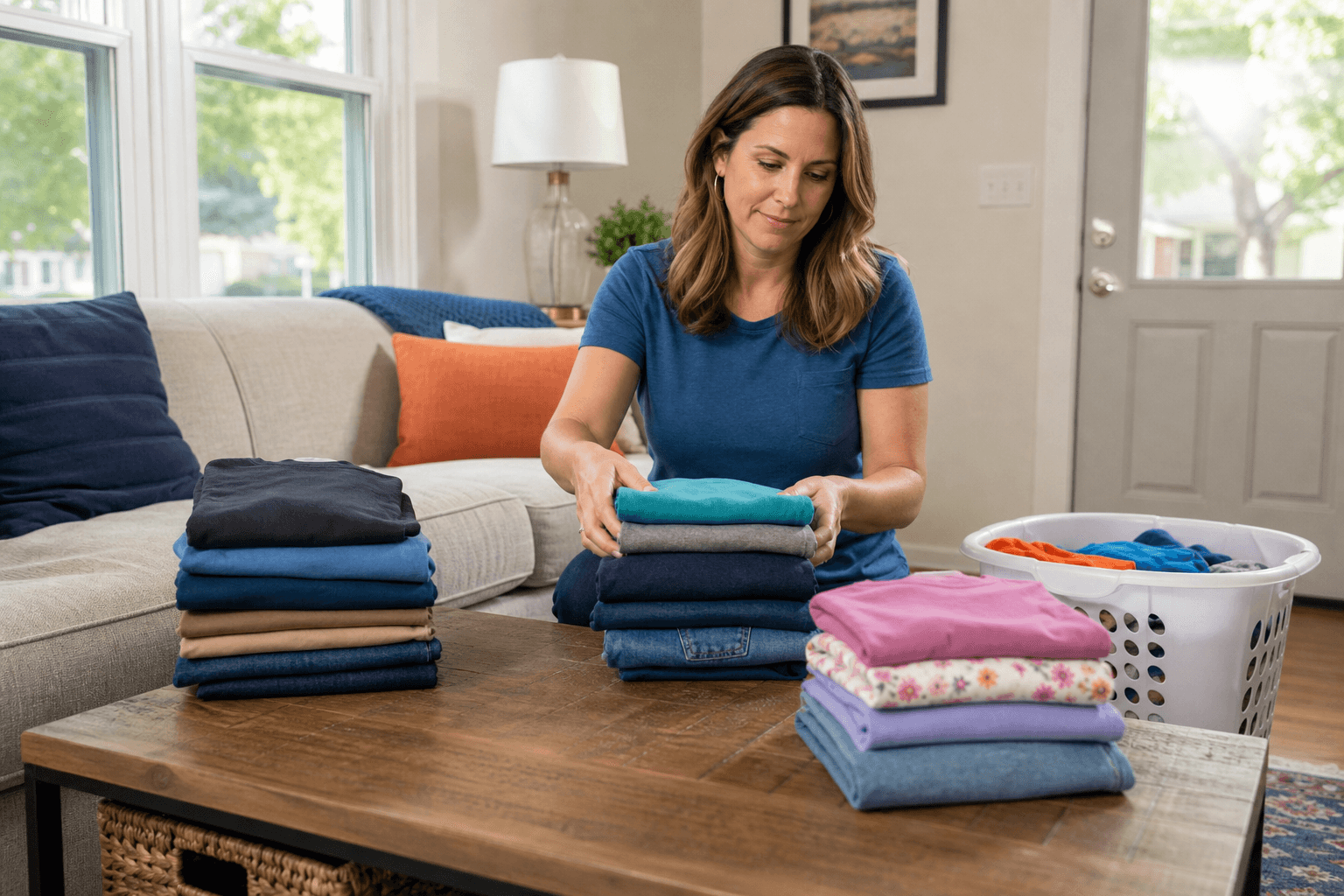
Make the first few minutes after drying count. Pull out hanging items first. Then group the rest by type: shirts, pants, socks, underwear, towels. Once categories are formed, folding becomes repetitive and much faster. You do not have to think about each piece from scratch.
This habit matters most for young adults with busy schedules. If you leave a clean load untouched because you need to head out, that basket may sit for two days. Then you are choosing between digging through it for one shirt or spending extra time fixing the whole pile. Immediate folding prevents that small delay from becoming a larger problem.
Create a Dedicated Folding Station That Makes the Process Automatic
A folding station sounds fancy, but it can be very simple. You just need a clean, flat surface that is always ready for the task. That might be a bed, a cleared table, a counter, or the top of a dryer. What matters is consistency.
Having a set place removes one more pause from the routine. You are less likely to drop clean clothes on a chair or leave them in a basket if you already know where they go next. This turns folding into a regular step rather than a decision.
Sorting baskets can help here. As items come out of the dryer, place them into quick groups: one basket for each room, one for hanging items, one for towels, or one per person. That way, folding and putting away become easier because everything is already partially organized.
Keep the area free from random clutter. If the folding surface is usually buried under mail, shopping bags, or electronics, you create friction again. Laundry systems work best when each stage has a clear home and requires as little setup as possible.
Put Clothes Away Right Away to Eliminate Clean Laundry Clutter
Clean laundry clutter wastes time twice. First, it makes your room feel disorganized. Second, it forces you to search through piles later when you need something. Putting clothes away right after folding ends the cycle cleanly and keeps your storage system usable.
Think of drawers and closets as part of the laundry workflow, not separate spaces. If they are too stuffed to take in a new load, you will delay putting things away. That is a sign your storage setup needs attention. Remove clothes you no longer wear, simplify categories, and create enough space for fresh items to land quickly.
Fast storage works best with simple rules. Keep pajamas in one drawer, work or class basics in another, socks and underwear in one easy-access spot, and daily shirts grouped together. A clear layout means less searching and less temptation to leave folded clothes sitting in a basket.
This final step also protects future mornings. If your clothes are already where they belong, getting dressed is faster, outfit choices are easier, and you avoid the stress of realizing your favorite top is buried in last week’s “clean” pile. That is how a quick laundry routine supports your whole week.
Use Timers and Batching to Keep Loads Moving
Forgetting a load in the washer is one of the easiest ways to lose time. Wet clothes sit, smell musty, and sometimes need to be washed again. A simple phone timer removes that risk almost completely.
Set reminders for every stage: washer done, dryer done, air-dry check, fold time. These alerts let you walk away without mentally tracking the machine. That matters on busy days because laundry works best when it fits around your life rather than demanding constant attention.
Batching also helps. Instead of starting random loads whenever you remember, run them in a planned sequence. For example, wash everyday clothes first, then delicates, then towels. While one load dries, another can wash. This keeps machines working in a steady rhythm without dead time.
Think of batching like meal prep. You are grouping similar tasks to reduce setup and decision time. One trip to the laundry area can cover detergent, loading, and stain treatment for several loads. The process feels smoother because you are staying in one mode instead of switching back and forth all day.
Simple Upgrades That Save Time Every Week
You do not need a full laundry room makeover to speed things up. A few practical tools can improve the process right away. The best upgrades are the ones that reduce repeated movement, repeated measuring, and repeated guessing.
Start with your supplies. Pre-measured detergent pods or strips save time because you do not need to pour and measure each time. Keep detergent, stain remover, dryer balls, mesh bags, and a small cloth or brush together in one bin or shelf. Searching for tools slows the whole routine more than people realize.
Dryer balls are another useful addition. They help separate fabric in the dryer, improve airflow, and can reduce wrinkles with almost no extra effort. That means shorter drying and easier folding in one step.
If you do laundry often, high-capacity or smart machines can make a big difference. Bigger drums mean fewer loads per week. App alerts and scheduling features can tell you when a load is done or let you run it at a time that matches your day better. Letting machines fit your schedule creates real convenience, especially if your routine changes often.
Master Laundromat Laundry With a Faster System
Laundromat laundry can feel slow because every delay happens in public and on a timer. Yet it can also be very efficient if you arrive prepared. The key is to do most of the thinking and sorting at home so your time there is focused on machine use, drying, and folding.
The article brief notes several smart laundromat habits. One is avoiding peak hours. Busy mornings often mean waiting for open washers or dryers. Afternoons or evenings can be less crowded, which helps you start right away and keep your loads moving with fewer interruptions.
Another big advantage comes from arriving fully pre-sorted. If your clothes are already separated by type or care need, you can load machines immediately instead of opening bags and creating piles on-site. This protects fabrics and saves several minutes at the busiest part of the visit.
Running multiple machines at once is often the best time-saving move at a laundromat. Washing several loads in parallel, then drying and folding as each one finishes, helps condense the trip into a tighter block. According to the article brief, that parallel approach can help you finish in around two hours.
Bring your own supplies as well. That gives you detergent you trust, avoids searching for vending machines, and can save money compared with buying single-use products on-site. If you hit a week where your schedule is overloaded, wash-and-fold service can also be a valid option. Paying more may be worth it when your time is especially limited.
Turn Laundry Time Into Useful Time
Laundry gets easier when it stops being your only activity. Most of the process is waiting, which means you can pair it with tasks that fit in short windows. The trick is to choose jobs that can be paused easily when the machine needs attention.
Use wash and dry cycles to clean your room, prep meals, answer messages, study, or reset your week. Starting a load before cooking dinner or before a work session can make the machine time feel nearly free. You are already home and active, so switching loads becomes one small interruption instead of a full event.
Micro-habits work better than marathon sessions. Rather than blocking out an entire afternoon, spend five to ten minutes at each stage: load, switch, fold, put away. This style is easier to repeat and feels less draining. Timers support it because they keep you moving without constant checking.
Planning laundry around your week also prevents those stressful moments before work, class, or a trip when you realize all your useful clothes are dirty. A scheduled system gives you ready options and cuts the mental load that comes from last-minute outfit emergencies.
Keep Your Machines Running Efficiently
Fast routines depend on appliances that work well. If your washer smells, your dryer runs hot but leaves clothes damp, or lint and buildup are slowing airflow, laundry will keep taking longer than it should.
Run a monthly cleaning cycle to keep machines in good shape. The article brief recommends vinegar and bicarbonate for this maintenance step. Cleaning helps prevent buildup that can reduce washing and drying performance over time. Better machine condition means better results and fewer repeat cycles.
Dryers need attention too. Clean the lint filter after every load. If drying times are still long, the venting may need deeper cleaning. Restricted airflow is one of the biggest reasons drying drags on. Fixing that issue can save time every single week.
Your laundry zone should also stay organized. Keep detergent, stain products, mesh bags, and folding baskets in one place. The less you walk back and forth or search through cabinets, the easier it is to keep momentum from one step to the next.
Reduce Laundry Work Before It Starts
The fastest load is the one you never have to do. Reducing laundry at the source does not mean wearing dirty clothes longer than you should. It means choosing clothes and habits that create less extra care.
Low-maintenance fabrics can make a major difference. Wrinkle-resistant basics, easy-care activewear, and items that do well in normal cycles reduce ironing, hand-washing, and special sorting. If your closet is full of pieces that need unusual treatment, your routine will always take more effort.
Stain treatment is another area where speed matters. Deal with stains right away, using the proper method for the fabric. Quick action prevents stains from setting and reduces the chance of re-washing. That protects both your time and your clothes.
You can also cut laundry volume by rethinking what gets washed after each wear. Outer layers worn briefly may not need instant washing unless they are dirty or sweaty. Towels can follow a regular cycle instead of a one-use habit in many households. The point is to wash based on real use and hygiene needs, not pure habit.
Build a Laundry Routine That Matches Your Lifestyle
The best laundry system is the one you can keep using. A student in a shared apartment, a young professional with long workdays, and a parent managing multiple people all need different rhythms. What stays the same is the goal: remove friction and keep the flow simple.
If you live alone, aim for two to three small sessions per week instead of one giant wash day. If you share space, label hampers clearly and assign responsibilities so clothes do not pile up in confusion. If you use a laundromat, prep at home and compress the trip with parallel machines and folding on-site.
For very busy weeks, scale the routine down instead of abandoning it. Wash essentials first: underwear, socks, workwear, gym gear. Delay low-priority items like spare linens if needed. A flexible system is easier to maintain than one that breaks the moment life gets busy.
Focus on consistency over perfection. Missing your planned day once is fine. What matters is returning to the system quickly so the backlog never gets out of control. Laundry becomes manageable when it stops depending on mood and starts relying on repeatable habits.
Make the System Stick for the Long Term
Long-term laundry success comes from combining smart habits, useful tools, and a layout that fits your space. No single trick will fix everything on its own. The real change happens when your hamper setup, wash schedule, drying strategy, folding station, and storage all support each other.
Start with the biggest wins first. Set laundry days. Sort before wash day. Stop overloading machines. Fold right away. Add timers. Those few shifts create a faster routine almost immediately. Then add smaller upgrades like dryer balls, pre-measured detergent, or a better folding setup as needed.
Pay attention to where your routine still slows down. If you keep forgetting to switch loads, improve your reminders. If folding feels annoying, make the station easier to access. If clean clothes are always sitting out, clear space in drawers and closets. The goal is not perfection. The goal is a routine that feels easy enough to repeat without a lot of mental effort.
Once your system is in place, laundry stops feeling endless. Clothes move through each stage with less delay, less stress, and far fewer wasted steps. That means cleaner spaces, ready-to-wear outfits, and more time back in your week for everything else you would rather be doing.