
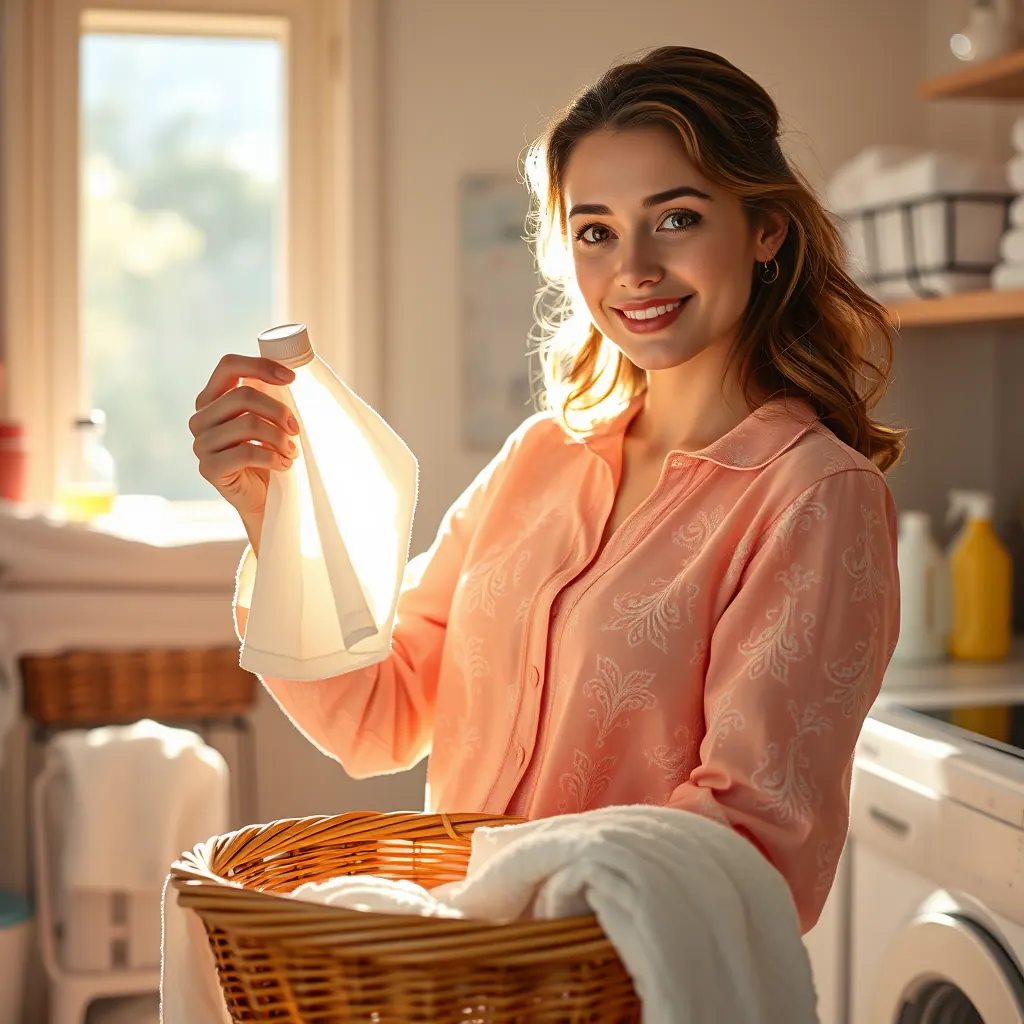
Laundry gets frustrating fast when piles keep growing, odors hang on after washing, and static turns clean clothes into a daily annoyance. The good news is that many of those problems come from old habits that fail under real wash conditions, and a few Procter & Gamble-tested changes can make laundry faster, cleaner, and far less stressful.
Key Takeaways
- Common laundry myths waste time, while tested product-and-process fixes work better.
- Downy Rinse & Refresh handles lingering odors more effectively than vinegar.
- Bounce dryer sheets reduce static, while wool balls do not provide real anti-static control.
- Smaller, well-sorted loads improve cleaning and cut down on rewashing.
- Simple habits before washing and drying help clothes last longer and feel more predictable.
Why Laundry Feels Like a Never-Ending Fight
Most people do not hate laundry because the task itself is hard. They hate it because the same problems keep showing up. A shirt comes out of the washer and still smells strange. A sweater leaves the dryer full of static. A favorite pair of black jeans starts to fade after just a few wash days. Soon, the routine feels like a cycle of washing, rewashing, and hoping for a better result next time.
That frustration usually has a simple cause. Many people still rely on tips passed around online or repeated by family members for years. Some of those tricks sound smart because they are cheap, easy, or natural. Yet they often break down during actual wash conditions, where water volume, detergent chemistry, agitation, and heat all affect the result. In other words, laundry fails less because you are careless and more because your system is outdated.
The better approach is to stop treating laundry like a guessing game. A process built around tested methods cuts down on odor, static, fading, stiffness, and wasted time. Once you use the right products at the right stage and stop overloading the machine, laundry becomes much more predictable. That consistency matters because a repeatable system saves energy and helps your clothes stay in good shape longer.
Another reason laundry feels overwhelming is that mistakes tend to stack up. Overfill the washer, and detergent cannot spread evenly. Leave a stain untreated, and it sets in deeper. Dry fabrics too long, and they come out stiff and worn. A single bad habit can create three new problems. On the other hand, a few smart changes create a chain reaction in the opposite direction. Better prep leads to cleaner washing. Better washing leads to easier drying. Better drying means fewer wrinkles and less damage.
The Biggest Laundry Myths Holding You Back
Laundry myths stay popular because they seem harmless. If a trick does not work perfectly, people assume laundry is just unpredictable. That belief keeps bad advice alive. The truth is simpler: some hacks fail because they do not address the actual issue. If you want consistent results, it helps to know which ideas deserve to be dropped immediately.
Three myths cause a huge amount of wasted effort. First, vinegar is often treated like the answer for stubborn odors. Second, wool dryer balls get praised as a fix for static cling. Third, many people think larger loads save time because they reduce the total number of wash cycles. Each idea sounds efficient. Each one also creates weak or incomplete results in normal laundry use.
Procter & Gamble’s tested approach points in a different direction. Odor removal needs a product that actually works under laundry conditions across fabrics. Static needs anti-static help in the dryer, not a passive object rolling around with clothes. Cleaning needs enough room for water, detergent, and motion to do their jobs. Once you understand that, the myths stop sounding clever and start looking like shortcuts that backfire.
Here is the fast snapshot before we break each one down:
- Vinegar for odors: weak in real wash conditions; use Downy Rinse & Refresh.
- Wool dryer balls for static: no real anti-static action; use Bounce dryer sheets.
- Overloading the washer: leads to poor cleaning and more rewashing; use smaller loads.
Why Vinegar Falls Short on Odors
Vinegar has become the internet’s favorite laundry miracle. People pour it into rinse cycles hoping it will strip buildup, erase gym-clothes smell, and leave fabrics fresh. The problem is that vinegar is simply not strong enough to handle stubborn odor issues under real laundry conditions. Once diluted in a machine full of water and fabric, its effect becomes too limited to solve the deeper problem.
Odor in clothing often sticks around because it gets trapped in fibers, especially athletic wear, synthetic fabrics, towels, and clothes that sat damp too long. Those odors need more than a trendy hack. They need a rinse-stage solution made to remove odor at the point where leftover residues and smells remain. That is why relying on vinegar often leaves clothes smelling slightly better for a short time but far from fully fresh.
The stronger option from the brief is Downy Rinse & Refresh. It is built to eliminate odors safely across fabrics, which matters if your laundry includes everything from workout gear to everyday basics. Instead of hoping a pantry staple can do professional-level work, you use a product made for the actual wash environment. That shift sounds small, but it changes results in a way you can notice right away.
A lot of people keep using vinegar because they confuse “popular” with “effective.” Popular advice spreads fast, especially if it sounds cheap and simple. Effective advice survives repeated use across many loads, many fabric types, and many odor problems. Those are two different standards. If you want fewer rewashes and cleaner-smelling clothes right out of the machine, odor control needs to move from folklore to function.
What to Use Instead for Fresh-Smelling Clothes
Replacing vinegar with the right rinse-stage product is one of the easiest upgrades you can make. Downy Rinse & Refresh gives odor removal a direct role in your routine rather than leaving it to chance. That matters most for loads that tend to trap smells, such as activewear, socks, towels, uniforms, and synthetic tops. With the right product in the right step, the wash cycle finishes the job instead of leaving behind a stale reminder of the last wear.
Using it well starts with consistency. If you wait until laundry smells terrible, you are already behind. A better plan is to include odor-fighting support in your regular setup for the items that need it most. That steady approach helps stop buildup before it becomes difficult to remove. Small routine choices almost always beat dramatic rescue attempts later.
Freshness also improves when the rest of your routine supports it. Wash similar items together, avoid stuffing the drum, and move loads to the dryer quickly. Even the best rinse product performs better when fabrics can circulate properly and do not sit damp for hours after washing. Good chemistry and good timing work best together.
If you want a longer-lasting fresh feel, the brief also recommends adding scent beads after detergent. That step supports a more noticeable clean-laundry finish. It does not replace odor removal, though. Think of it this way: eliminate the bad smell first, then build in the fresh scent you actually want. Trying to cover odor without removing it rarely works for long.
Why Wool Dryer Balls Do Not Really Fix Static
Wool dryer balls have become a popular symbol of simple, low-effort laundry care. People like them because they seem reusable, natural, and easy to toss into every load. Yet there is one major limit that gets ignored all the time: wool balls do not contain anti-static agents. That means they may help separate some fabrics in the dryer, but they do not actually solve the electrical cling that makes shirts, dresses, and blankets stick together.
Static forms when fabrics rub together in a dry environment and exchange electrons. The dryer creates ideal conditions for that problem, especially with synthetic materials. Once the moisture level drops too low, cling ramps up fast. A wool ball has no chemical action that counters this. So while it may slightly affect airflow or tumbling, it does not provide the direct static reduction most people are hoping for.
This is why so many loads still come out crackling and clinging, even when people swear by dryer balls. The laundry hack gets credit for being eco-friendly or trendy, but the outfit still sticks to itself. If your goal is softer towels and less cling on everyday clothes, the tool has to match the problem. Static is a specific issue, and vague “dryer help” is not enough.
The brief’s fix is clear: use Bounce dryer sheets. They reduce static and add softness effectively because they are made for that stage of the process. Once again, the pattern is obvious. Laundry improves when you stop expecting a general DIY item to solve a chemistry-based problem and start using a product built for that exact job.
The Better Static Fix: Bounce Dryer Sheets
Static cling can ruin the feel of clean clothes. It makes shirts bunch up, skirts cling awkwardly, and blankets snap when you unfold them. Bounce dryer sheets offer the simple fix because they address the dryer environment directly. Instead of hoping friction alone will behave better, you add a product made to reduce cling while softening the fabric at the same time.
This matters even more during cooler months or in dry indoor spaces, where static becomes a daily issue. Synthetic activewear, lightweight tops, leggings, and blended fabrics can all come out of the dryer charged up and uncomfortable. A dryer sheet gives the load a more controlled finish. The result is easier folding, more comfortable wear, and less irritation when you put clothes on right away.
There is also a practical style benefit. Static makes clothes hang strangely and collect lint faster. If you have ever pulled on a clean outfit only to find it sticking in all the wrong places, you already know how annoying that can be. Reducing cling means your clothes look better with less effort. That is a small quality-of-life upgrade, but it adds up over weeks of laundry.
For best results, pair dryer sheets with another key habit from the brief: avoid over-drying. Clothes that stay in the dryer too long lose too much moisture and become more likely to turn stiff and static-prone. The smartest routine combines the anti-static help of Bounce with drying that stops when fabrics are done, not long after they should have been removed.
Why Overloading the Washer Wastes Time Instead of Saving It
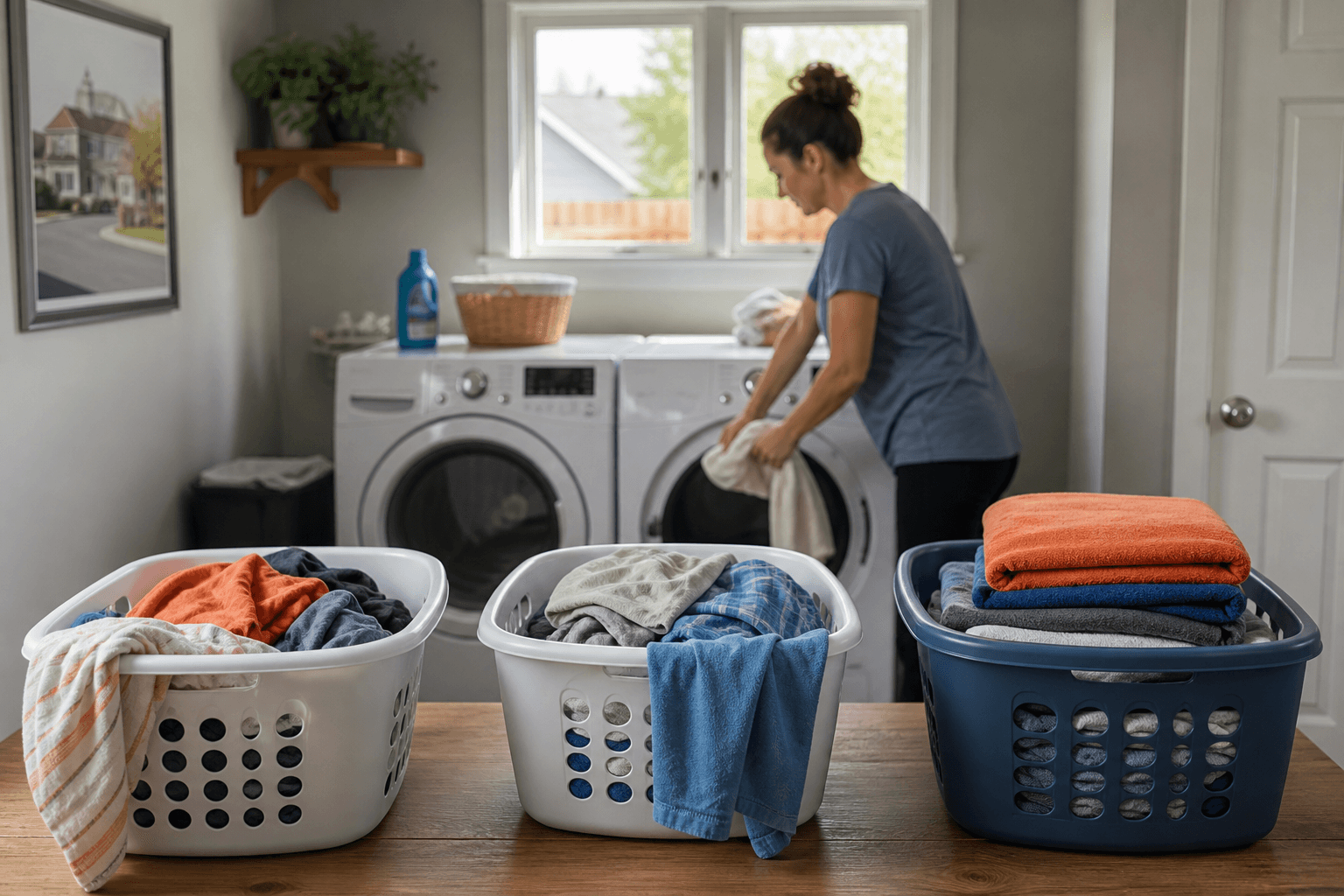
Overloading a washer looks efficient. One giant load seems better than two medium ones, especially when you are tired or behind on chores. In practice, it causes poor agitation, uneven cleaning, and more rewashing. Clothes need enough room to move so water and detergent can spread through the load. Pack the drum too tightly, and everything from stain removal to odor control gets weaker.
The hidden cost is huge. A stuffed machine often sends you right back to square one because some items still smell off, detergent residue lingers, or dirt remains trapped in heavier fabrics. That means another wash cycle, more water, more time, and more frustration. What looked like a shortcut ends up stretching your laundry day longer.
Fabric wear is another issue. Overloaded loads increase friction in all the wrong ways. Clothes rub against each other without cleaning properly. Zippers press into softer fabrics. Heavier items can twist lighter ones into knots. Over time, that extra stress can lead to fading, stretching, and damage that makes clothes look older faster.
Smaller, properly spaced loads clean better and save time overall because they finish the job the first time. That is the key mindset shift. Efficiency is not about stuffing in as much as possible. Efficiency is about getting a clean, wearable result without rewashing. Once you focus on first-pass success, load size becomes much easier to manage.
Build a Frictionless Sorting System Before Laundry Starts
The best laundry hack often happens before the machine is even turned on. If your sorting setup is chaotic, every wash day starts with a pile on the floor and a bunch of decisions you do not want to make. A frictionless system removes that mental drag. Instead of sorting from scratch each time, you build sorting into daily life so loads are already halfway organized.
One of the easiest ideas from the brief is using color-coded hampers for whites, darks, and pastels. This keeps obvious dye-transfer risks apart from the start. It also speeds up wash day because you are not digging through a mixed pile to pull out one red shirt that somehow ended up with white socks. Visual separation makes the process faster for everyone in the home.
Mesh bags for delicates are another smart move. Bras, lightweight tops, socks, and small fragile items are easy to lose or damage in mixed loads. Put them in mesh bags as soon as they go into the hamper, and you cut down on snags, stretching, and missing pieces later. This is one of those habits that feels minor at first but saves a surprising amount of annoyance.
The brief also recommends one basket per family member with a simple rule: only full baskets get washed. That keeps random half-loads from taking over your schedule. It sets a clear trigger for action, which makes laundry feel more automatic. If you live alone, you can adapt the same idea by using separate baskets for categories like daily wear, towels, and workout gear. The goal is simple: create a system that makes sorting feel automatic instead of exhausting.
Prep Clothes the Right Way to Prevent Damage and Fading
Good washing starts with a minute or two of prep. That short step can protect color, reduce wear, and make loads come out cleaner. Skipping prep usually does not ruin clothes in one cycle, but repeated neglect adds up. Darks fade faster, zippers snag nearby fabrics, and stains sink deeper while they wait for attention.
A strong first habit is turning dark garments inside out. This protects the visible surface from friction during the wash and helps preserve the look of jeans, black tees, dark sweatshirts, and other color-rich pieces. If you have ever noticed knees whitening, black fabric going chalky, or printed designs looking worn too soon, this single move helps reduce that damage.
Zipping garments before washing is another easy win. Open zippers can scrape softer fabrics and create snags. Closing them helps protect the rest of the load and can also help garments keep their shape better in the wash. It is a small preparation step, but it prevents a very common source of wear.
Pretreating stains immediately matters even more. Letting a spill sit gives it time to settle deeper into fabric. Whether it is coffee, makeup, grass, sauce, or sweat marks, quick action improves your odds of full removal. You do not need a huge ritual. You just need speed and consistency. If a stain gets handled before wash day, the machine has a much better chance of finishing the job. That is how laundry starts moving from random outcomes to reliable results.
Start Every Load Correctly for Better Cleaning
The beginning of the wash cycle matters more than many people think. If detergent is added in the wrong place or at the wrong time, it cannot distribute as effectively. The brief recommends placing Tide Hygienic Clean Power Pods directly into the drum before clothes. That order helps the detergent dissolve and spread more evenly once the cycle begins.
This is especially useful for busy people who want a quick setup without second-guessing measurements. Pods simplify the process, but placement still matters. Tossing clothes in first and burying the detergent can interfere with distribution. Starting with the pod in the drum creates a cleaner path for the formula to reach the full load.
There is also a consistency benefit. When your detergent step is always the same, you eliminate one more variable from the process. Laundry gets easier when your routine has fixed, repeatable actions: pod first, clothes second, add-ons in their proper stage, and no overstuffing. That kind of structure reduces mistakes even on rushed mornings or late-night loads.
Young adults especially benefit from this kind of setup because laundry often gets squeezed between classes, work shifts, workouts, and social plans. You do not need a complicated system to get solid results. You need a routine that works even when you are tired. Putting Tide Hygienic Clean Power Pods in the drum first is one of those low-effort habits that improves the whole load.
Rethink Load Size and Grouping for Cleaner Clothes
Better laundry often comes down to grouping items more intelligently. Smaller, more frequent loads improve detergent distribution and help the washer clean evenly. That does not mean you need to wash one shirt at a time. It means avoiding oversized mixed loads where heavy fabrics trap water and lighter items get lost in the middle.
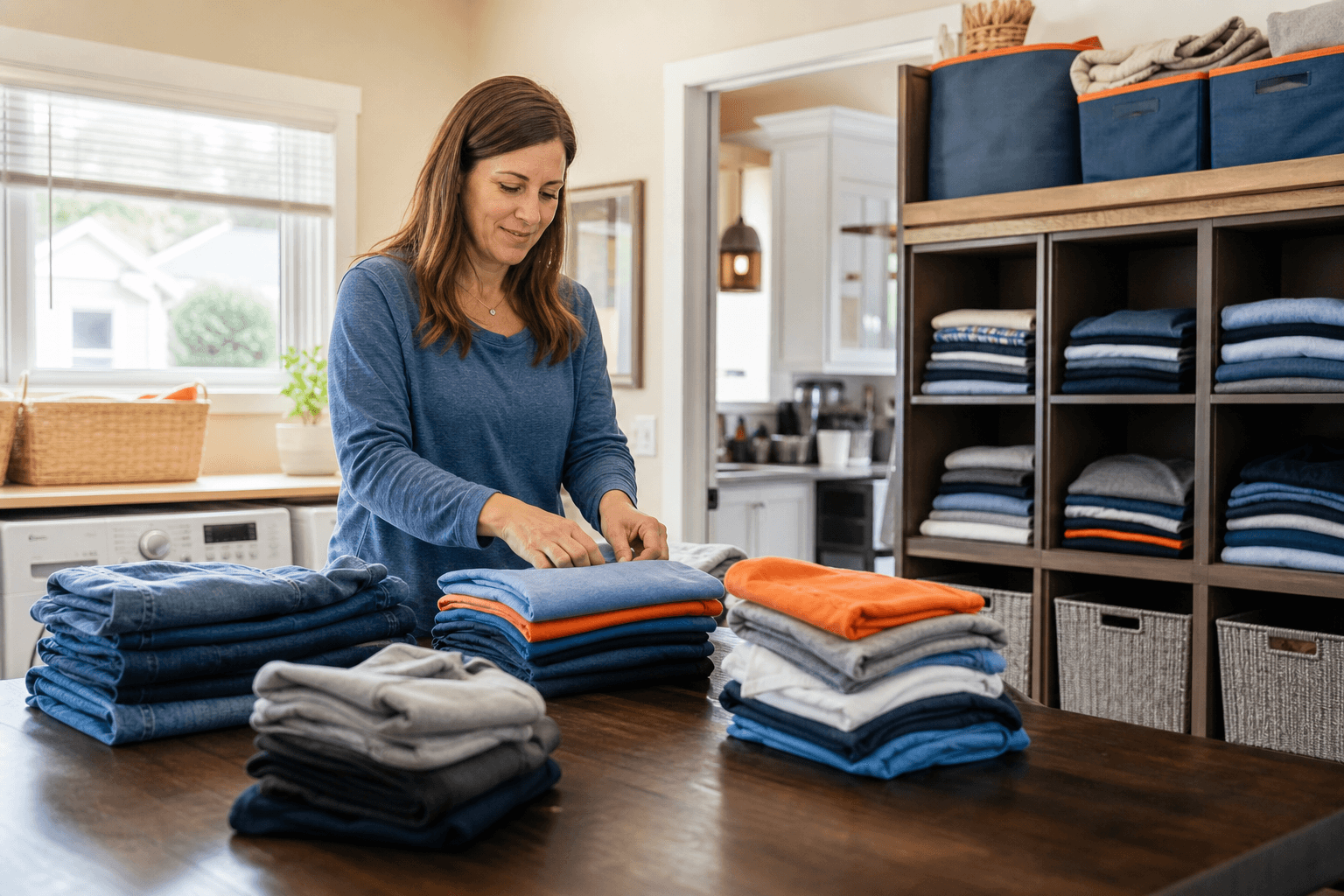
The brief recommends separating by fabric weight. That means keeping jeans and towels apart from lightweight shirts or delicate everyday tops. This matters because heavy items absorb more water, move differently during agitation, and take longer to rinse and dry. Mixing them with lighter fabrics creates uneven treatment across the load. Some pieces get overworked, while others barely get cleaned well enough.
Grouping by weight also helps during drying. If everything in one load has similar thickness, you are less likely to overdry half the load while waiting for the thickest item to finish. That protects fabric quality and cuts down on stiffness and wrinkle buildup. In other words, smarter grouping does more than help the washer. It improves the full laundry cycle from start to finish.
Here are simple groupings that work well for most homes:
- Towels and bath mats together
- Jeans, hoodies, and thicker casual wear together
- T-shirts, lightweight tops, and daily basics together
- Workout gear together, especially if odor is a concern
- Delicates in mesh bags with similar light items
Once you sort this way a few times, it becomes second nature. The loads feel easier to manage, results improve, and folding gets simpler too because everything in the basket belongs to a similar category.
Use the Right Water Temperature and Cycle Every Time
A lot of laundry mistakes come from overusing hot water and long cycles. People assume more heat and more time automatically mean cleaner clothes. In reality, those settings can be harder on fabric without offering much extra benefit for most everyday items. The brief recommends cold water as the default for most loads, with hot water reserved for whites.
Cold water helps protect color, reduce fading, and lower the stress clothes experience during washing. It works well for many everyday garments, especially when paired with the right detergent setup and proper load size. This makes it a smart default for people who want clothing to stay looking newer longer. If you wear a lot of dark basics, graphic tees, leggings, or casual tops, cold water is especially helpful.
Hot water still has its place, but it should be used more selectively. Whites are the main category highlighted in the brief. Keeping that setting focused prevents unnecessary wear on items that would do just fine in cooler water. Treating hot cycles like a special-use tool rather than your standard option is an easy way to improve clothing life.
The brief also points out that 30-minute quick cycles work for most everyday laundry unless heavily soiled. That can be a game changer for busy schedules. Many daily loads do not need a marathon wash. If clothes are worn once, not visibly dirty, and sorted correctly, a shorter cycle can clean them well while saving time. The key is matching the cycle to the actual condition of the clothes instead of assuming every load is a deep-clean emergency.
Boost Freshness and Softness with the Right Add-Ons
Once the basics are handled, add-ons can make laundry feel noticeably better. The brief recommends adding scent beads after detergent for lasting freshness. This is where many people get the clean-laundry vibe they want, especially for bedding, hoodies, towels, and everyday basics. A good scent finish makes opening the dryer or closet feel better, and it helps clothes keep that just-washed feeling longer.
Timing matters here. Add scent beads after detergent so each product enters the process in the right order. That kind of sequence helps your routine stay consistent and keeps performance from becoming hit-or-miss. Random product use is one reason laundry results feel uneven. A simple order makes the process easier to repeat successfully.
The brief also recommends pairing with Downy products for softness and enhanced odor control. This works especially well for loads that need both comfort and freshness, such as towels, bedding, or heavily worn casual clothes. Softness is not just a luxury feature. It changes how clothes feel on your skin, how towels perform after drying, and how easy fabrics are to fold and store.
Still, add-ons should support a good routine rather than cover up a bad one. If clothes are overloaded, left wet too long, or dried too aggressively, no extra fragrance will fully save the load. Think of these products as enhancers after you have already fixed the core process. That is how you get laundry that smells fresh, feels soft, and stays wearable without constant troubleshooting.
Drying Done Right: The Stage Where Many Loads Go Wrong
Washing gets most of the attention, but drying is where many good loads get undone. A shirt can come out clean from the washer and still end up stiff, static-filled, wrinkled, or oddly stretched after a bad dryer cycle. If you feel like your laundry is inconsistent, there is a good chance the dryer is where the process slips.
Static and stiffness happen because fabrics tumble together in a hot, drying environment. As moisture disappears, cling builds and fibers can start to feel rougher. Over-drying makes both problems worse. The longer clothes stay in past the point of being dry, the more they risk losing softness and shape. That is why people often mistake a dryer problem for a detergent problem.
The simple fix from the brief has two parts. First, use Bounce dryer sheets to reduce static and soften fabrics effectively. Second, avoid over-drying so clothes do not become unnecessarily stiff or worn. These steps work together. One addresses cling directly. The other protects moisture balance and fabric quality.
Drying well also means paying attention to what is in the load. Heavy towels and lightweight tops should not usually be dried together if you want even results. Fabric grouping matters here just as much as it does in the wash. Once drying becomes intentional instead of automatic, your clothes start coming out looking and feeling much more finished.
How to Avoid Over-Drying and Keep Clothes Looking Better
Over-drying is one of the easiest laundry mistakes to miss because it feels harmless. Clothes are dry, so what is the problem? The issue is that extra dryer time can wear out fibers, increase wrinkles, fade color, and make fabric feel rougher. Over weeks and months, that unnecessary heat adds visible damage that makes everyday clothes age faster.
A better habit is to remove clothes soon after they are dry. That sounds obvious, but it makes a real difference. Fabrics keep more of their natural feel, wrinkle less in the basket, and avoid the harsh finish that comes from too much tumbling. If your machine has moisture-sensing settings, use them. If it does not, shorten your dry time slightly and check the load before adding more minutes.
This is especially important for blended fabrics, stretchy basics, activewear, and items you wear often. Repeated high heat can shorten the life of elastics and reduce the shape recovery that keeps clothes comfortable. Towels can also become rougher than needed when they stay in too long. Dry enough is the goal. Extra dry is usually just extra damage.
Pair this habit with proper grouping and Bounce dryer sheets, and you solve several issues at once. Static drops, softness improves, wrinkles go down, and clothes look less worn over time. Laundry often gets easier when you stop treating dryer time like an afterthought and start treating it as part of your care routine.
The Compounding Effect of Small Laundry Changes
One of the best things about laundry is that small changes stack fast. You do not need a perfect routine overnight. A few smart upgrades create better results almost immediately, and those better results make the next load easier too. Once odors come out the first time, you stop rewashing. Once static is handled, folding becomes less annoying. Once darks are turned inside out and not overdried, they stay presentable longer.
That compounding effect saves time in ways people often overlook. Fewer rewashes means fewer total loads. Better sorting means quicker decisions. Smarter grouping means easier drying and folding. Even a one-minute prep step can save ten minutes of frustration later. The point is not that every load becomes magical. The point is that laundry stops feeling chaotic.
There is also a financial upside. Clothes that fade less, stretch less, and wear down more slowly do not need replacing as often. Towels stay softer. Workout gear smells fresher. Basics hold their shape longer. These improvements matter because laundry is one of those household routines that quietly affects how long your stuff lasts.
Most importantly, your relationship with the chore changes. Laundry becomes predictable instead of frustrating. That might sound small, but predictability is what makes a routine manageable. You stop experimenting with random internet tricks and start trusting a process that works. That shift is what turns laundry from a recurring headache into a system you can actually live with.
A Simple P&G-Inspired Laundry Routine You Can Actually Follow
If all this advice sounds helpful but you want a straightforward version, here is an easy routine built from the brief. It keeps the process simple while using methods that match real laundry problems. You do not need to overthink it. You just need to repeat a few good actions consistently.
Start with your sorting setup. Use separate hampers or baskets for darks, whites, and lighter colors. Keep mesh bags ready for delicates. If possible, create a rule that loads get washed once a basket is full rather than whenever a random pile appears. This cuts back on messy decision-making and helps you stay ahead.
Before washing, prep the clothes. Turn darks inside out, zip garments, and pretreat stains right away. Then place Tide Hygienic Clean Power Pods directly into the drum before adding clothes. Keep loads smaller rather than cramming in everything at once. Group by fabric weight so heavy towels and jeans do not mix with lightweight basics.
During the wash, use cold water as your default and reserve hot water for whites. For most everyday laundry, a 30-minute quick cycle is enough unless the load is heavily soiled. If odor is a concern, use Downy Rinse & Refresh instead of vinegar. Add scent beads after detergent if you want longer-lasting freshness, and pair with Downy products for softness and extra odor support.
At the dryer stage, use Bounce dryer sheets to reduce static and soften fabrics. Do not overdry. Remove clothes once they are dry to protect fabric quality and reduce wrinkles. That is it. No random hacks. No guesswork. Just a short routine built on steps that solve the actual problem.
Why Tested Methods Beat DIY Trial and Error
DIY laundry hacks appeal to people for understandable reasons. They sound cheap, clever, and easy to remember. Yet many solve the wrong problem or solve only part of it. Vinegar may sound like a universal freshener, but it does not handle odor well enough in real machine conditions. Wool dryer balls may look like a smart dryer add-on, but they do not provide anti-static action. A giant overloaded wash may feel efficient, but it often creates more work than it saves.
Tested methods win because they are built for repeatable results. They are meant to work across many fabric types, many loads, and many routine use cases. That matters more than a hack sounding impressive on social media. Laundry is one of the easiest chores to improve when you focus on consistency instead of novelty.
There is also a confidence boost that comes from using a system you can trust. If every load is an experiment, every laundry day feels uncertain. If your steps are based on products and practices made for the job, the process gets calmer. You know what to use for odor. You know what reduces static. You know how to sort and group. That kind of clarity takes a lot of friction out of the task.
The bottom line is simple. Ditch the myths and trust what has been tested. A streamlined routine beats trial and error every time because it gives you results you can repeat. Once that happens, laundry stops feeling like a fight and starts feeling like one less thing you have to worry about.