
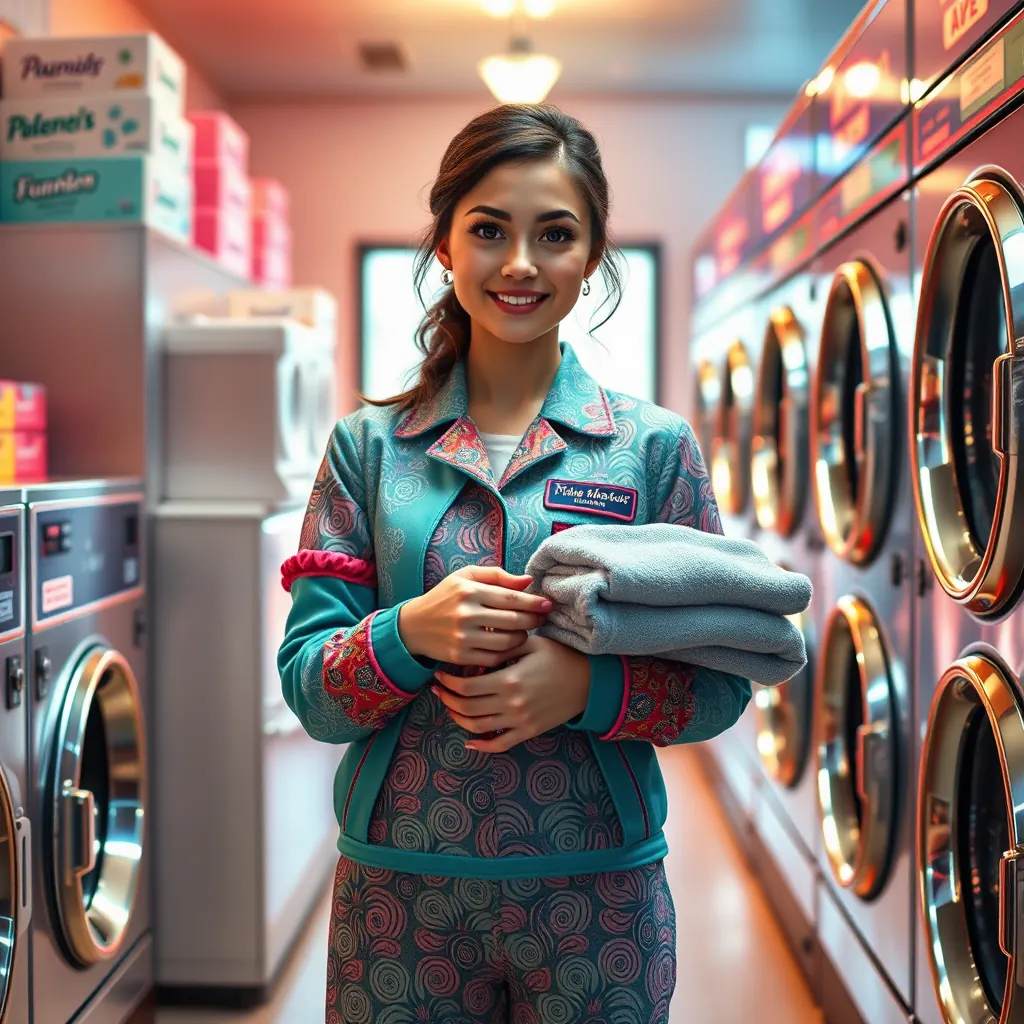
Clean clothes look simple, yet the difference between faded, shrunken laundry and fresh garments that last for years often comes down to a few smart habits and knowing when to use local services in Englewood. A better routine starts with reading care labels, sorting with purpose, choosing the right cycle, and taking advantage of Englewood’s many wash-and-fold and pickup options when life gets busy.
Key Takeaways
- Read care labels before every load to prevent shrinkage and color bleeding.
- Sort by color, fabric, and soil level for cleaner and longer-lasting clothes.
- Use less detergent than you think and avoid overloading the washer.
- Cold water, lower heat, and air drying help protect fabric and save energy.
- Englewood laundry services offer convenience, expert care, and help with bulky or delicate items.
Why Your Laundry Routine Matters More Than You Think
Laundry can feel repetitive, but your weekly routine has a direct effect on how your clothes look, smell, and last over time. A smart system protects color, keeps fibers stronger, and reduces the slow damage caused by heat, rough agitation, and poor product choices.
Bad habits create hidden costs. Shirts shrink after one hot wash. Dark jeans fade before the season ends. Towels get stiff from too much detergent. Then you rewash items that still smell off, replace basics too early, and spend more than you planned. Those small mistakes add up into real waste and extra money spent.
A better approach combines two things. First, learn strong at-home basics so each load gets cleaner with less wear. Second, use local help when your schedule is packed or your laundry pile includes comforters, delicate pieces, or large family loads. That mix gives you more control and more time.
For young adults, this matters even more. Whether you live with roommates, commute, work long shifts, or balance school and a social life, laundry often gets pushed aside until it becomes a huge project. Setting up a repeatable routine turns that stress into a fast, predictable job you can actually stay on top of.
Decode Before You Wash: The Labels That Save Your Clothes
The care label is the most ignored part of clothing, and it is often the reason a favorite item gets ruined. That tiny tag tells you what temperature to use, whether the item can handle machine washing, how to dry it, and if bleach or ironing is safe. Reading it takes seconds and can save a lot of frustration.
Washing symbols matter first. A bucket icon shows if the piece can go in the washer. Numbers or dots indicate water temperature. A hand in the bucket means hand wash. Lines under the bucket usually suggest a gentler cycle. These symbols protect fabric structure and reduce the chance of stretching or twisting.
Drying icons are just as important. A square with a circle inside refers to tumble drying, and dots indicate heat level. More dots mean more heat. A plain square with lines often signals air drying, drip drying, or drying flat. This is crucial for items that lose shape in high heat.
Ironing and bleaching symbols also deserve attention. The iron icon tells you whether ironing is safe and how hot the iron can be. A triangle refers to bleach, while a crossed-out triangle means skip it. Using bleach on the wrong garment can break down fibers and leave permanent blotches, especially on darker or stretchy materials.
Skipping labels leads to common disasters. Cotton tees can shrink. Red socks can turn white loads pink. Knitwear can lose shape. Performance fabrics can trap odors if washed the wrong way. Delicate trim can fray. Those problems usually come from one simple mistake: guessing instead of checking the tag.
A quick cheat sheet can make label reading easier. Keep a screenshot on your phone, tape a small guide near the washer, or save a note that explains the most common symbols. Once you learn the basics, you will move faster and feel much more confident with each load.
Build Your Laundry Toolkit Like a Pro
Good laundry starts before the washer runs. If you keep the right products and a few useful tools nearby, you will clean clothes more effectively and cause less damage. You do not need a huge collection, but you do need the right basics.
Start with detergent. Standard detergents work well for most loads, while eco-friendly formulas can be a strong choice for people who want gentler ingredients and lower environmental impact. The key is matching the detergent to your machine and using the right amount. More soap does not mean cleaner clothes. It often leaves behind residue.
Stain removers are another must. A targeted product helps break down oil, sweat, food, makeup, and dirt before washing. Pretreating gives your washer a better chance to fully remove the mark in one cycle. That reduces repeat washing, which means less wear on the garment.
Fabric softeners have a place, but use them with care. They can help some items feel smoother and reduce static, yet they are not ideal for everything. Towels may become less absorbent, and activewear may hold onto buildup. Always think about the fabric before pouring in any softener.
Small tools can improve results in a big way. Here are a few worth keeping on hand:
- Mesh bags for delicates, socks, and small items
- Lint rollers for quick cleanup before or after drying
- Pretreatment sprays for stains that need extra attention
- Drying racks for air-dry pieces
- Color catcher sheets for mixed loads when needed
Mesh bags are especially useful. Bras, underwear, thin tops, and lightweight knits can get twisted or snagged in a regular cycle. Putting them in a bag creates a barrier that helps preserve shape and trim. This is a simple way to protect your most fragile items.
If you are looking for supplies around Englewood, local grocery stores, pharmacies, big-box retailers, and laundry-related businesses usually carry the essentials. Nearby service providers may also stock detergent, stain sprays, dryer aids, and specialty care items. Buying products close to home makes it easier to stay consistent instead of running a load and realizing you are out of something important.
The 5-Step Laundry System That Guarantees Better Results
A strong laundry routine should be easy to repeat. This five-step system helps you clean more effectively, reduce damage, and avoid those random mistakes that leave one shirt perfect and another completely ruined. Once this becomes your habit, laundry feels faster and much more predictable.
Think of the system as a flow. First, sort. Next, prep. Then load the washer correctly. After that, choose the best cycle and temperature. Finally, dry with care. Each step supports the next one, and skipping any of them lowers your final results.
Step 1: Sort with Precision, Not Guesswork
Sorting is where clean loads are won or lost. Tossing everything together may seem efficient, but it often creates color transfer, lint buildup, uneven washing, and damage from mixing rough items with delicate ones. A few extra minutes of sorting saves a lot of trouble.
Color is the first sorting category. Divide clothes into whites, lights, brights, and darks. This helps prevent dye bleeding and keeps colors clearer over time. New items, especially dark denim or bright reds, should be washed separately at first because they often release more dye.
Fabric is the second category. Heavy pieces like towels, jeans, and sweatshirts should stay away from soft delicates like leggings, blouses, lingerie, and lightweight sleepwear. Heavier items create more friction and can stretch or rough up lighter fabrics.
Soil level matters too. A lightly worn shirt does not need the same treatment as gym gear, muddy socks, or kitchen towels. Washing everything together means cleaner items may still come out dull, while dirtier pieces may not get fully clean. Separating by soil level improves efficiency.
A simple sorting routine looks like this:
- Whites: socks, tees, towels, sheets
- Darks: black tops, navy pants, dark denim
- Delicates: bras, thin knits, silky fabrics
- Heavy items: hoodies, towels, jeans
- High-soil: workout wear, stained clothes, cleaning rags
Once you start sorting with purpose, you will notice fewer laundry disasters and more consistent results every week.
Step 2: Prep Clothes for a Deeper Clean
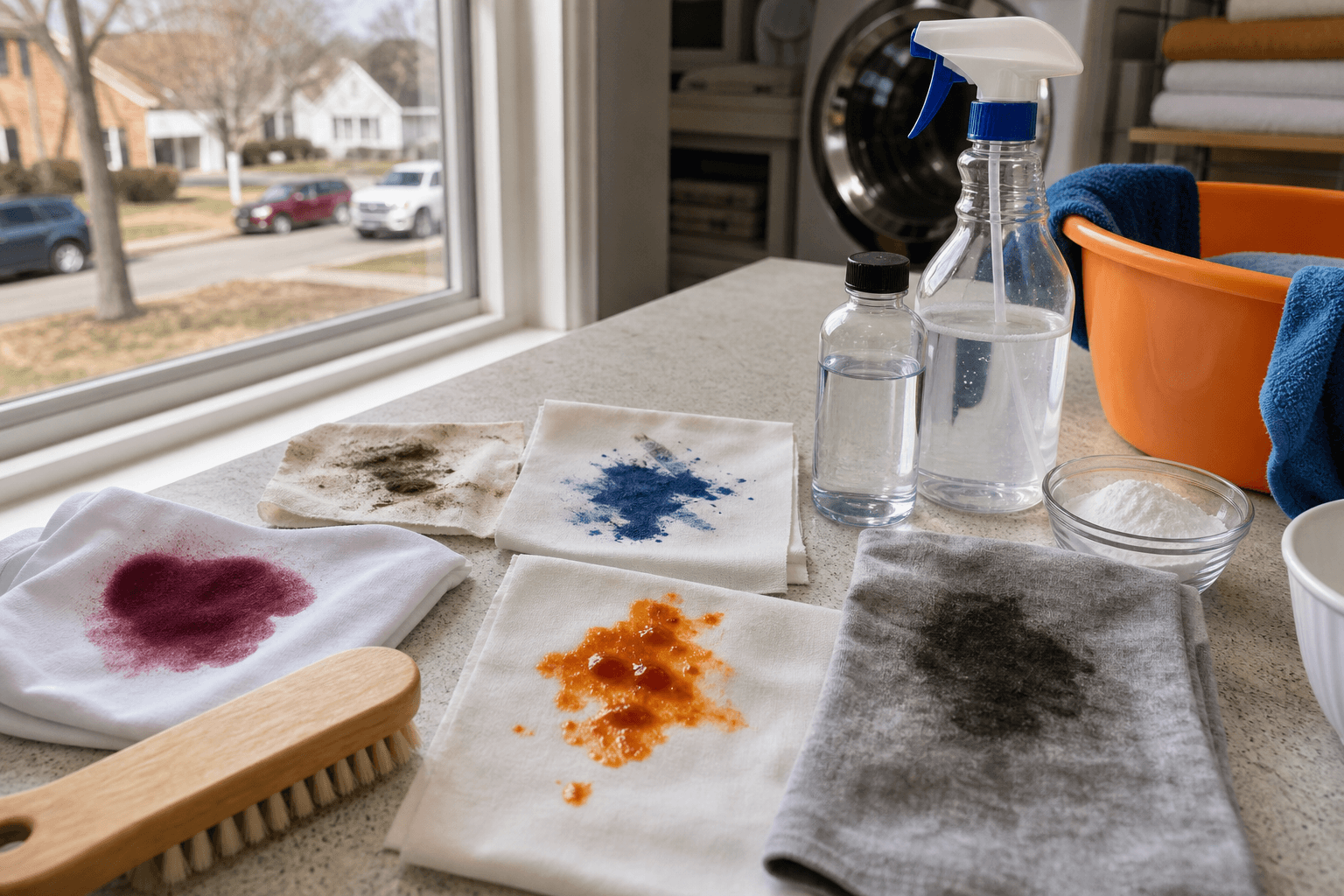
Preparation is easy to ignore, yet it has a huge effect on how well your load turns out. Before clothes hit the washer, do a quick check. Empty pockets, close zippers, fasten hooks, and loosen drawstrings. These small tasks prevent snags, scratches, and damage to both fabrics and the machine.
Turning garments the right way also helps. Jeans and dark shirts often benefit from being turned inside out to reduce fading. Printed tees and items with graphics should also go inside out to protect the surface. On the other hand, heavily stained items may need the stained side more exposed during pretreatment and washing. Think about what the item needs most: color protection or deeper contact with water and detergent.
Stains should be treated as soon as possible. The longer a stain sits, the more likely it is to bond with fibers. Dab, do not rub, if the mess is fresh. Then apply a stain remover matched to the type of stain. Oil, food, sweat, and makeup all respond differently. Immediate pretreatment gives you a much better shot at full removal.
If you are unsure how to handle a stain, start gently. Test any product on a hidden area first. Avoid blasting hot water onto mystery stains, because heat can set many of them. In most cases, cool or cold water is safer during the first cleaning attempt. That extra minute of care can save a favorite item.
Step 3: Load the Washer for Maximum Efficiency
Overloading is one of the biggest laundry mistakes people make. A washer needs space for water, detergent, and movement. If the drum is packed too tightly, clothes cannot circulate well enough to release dirt and absorb detergent evenly. The result is a load that looks washed but does not feel truly clean.
A good rule is to fill the washer without cramming it. Leave enough room for your hand to fit near the top of the load. That space allows items to tumble or agitate properly. You will get better cleaning, better rinsing, and fewer strange detergent streaks on dark clothes.
Balance matters too. Mixing very large items with only a few small ones can throw off the machine, especially during the spin cycle. If you wash a blanket, include several smaller pieces if the care label allows it. Balanced loads help the washer run more smoothly and reduce wear on the appliance.
Detergent dosing is where many people go wrong. Using too much creates excess suds that trap soil and leave residue in fibers. It can also make towels feel stiff and dark clothing look cloudy. In most cases, less is often more. Follow the product instructions and adjust based on load size, soil level, and water hardness.
For people using shared machines or community spaces, smart loading is even more important. A rushed load in a busy setting often leads to overstuffing. If you use a self-serve laundromat, keeping loads sorted and sized correctly helps you finish faster and get stronger results.
Step 4: Choose the Right Cycle Every Time
Washing machines offer several cycles for a reason. Each one changes agitation, spin speed, and sometimes water temperature to match different fabrics and soil levels. Picking the wrong setting can fade color, twist delicate items, or leave heavy loads still dirty. Cycle choice is a big part of fabric care.
The normal cycle works well for everyday cotton items. Think T-shirts, socks, basic pajamas, and casual home clothes. It usually uses faster agitation and works best with cold or warm water, depending on the item and how dirty it is. For most regular laundry, this is your go-to setting.
Permanent press is a smart option for synthetics, blended fabrics, and many jeans. It often uses warm water and a more controlled spin to reduce wrinkles. If your clothes tend to come out creased or slightly stressed from a stronger cycle, this setting may give better results.
Delicates should be reserved for lingerie, silks, thin tops, and pieces that could stretch or snag. It uses gentler motion and usually pairs best with cold water. Adding delicates to mesh bags gives even more protection, especially for straps, lace, and lightweight knits.
Heavy duty is best for towels, sturdy bedding, work clothes, and heavily soiled items. It typically uses stronger agitation and may support hotter water. Hot water can be useful for whites and towels, especially when sanitation matters, but always check the care label first. Heat is effective, yet it can also wear down some fibers.
Temperature strategy matters as much as cycle choice. Cold water works for most loads and helps preserve color while saving energy. Warm water can help with moderate dirt and everyday synthetics. Hot water is best kept for specific cases like white towels or sturdy bedding when the label allows. Using cooler water more often protects clothes and reduces energy use.
Step 5: Dry Without Damage
Drying is where many clothes lose shape, softness, or size. A great wash can still end badly if the dryer is too hot or the load sits for hours after the cycle ends. Smart drying keeps garments looking fresh and cuts down on wrinkles, static, and unnecessary wear.
Start by cleaning the lint trap before every load. This improves airflow, helps clothes dry more evenly, and supports dryer efficiency. It also lowers safety risks. A clogged lint trap makes the machine work harder and can leave your laundry feeling damp or smelling a little stale. Clean airflow means better performance.
Match dryer settings to the fabric. High heat can work for sturdy towels and some cotton basics, but it is rough on athletic wear, stretchy pieces, and many everyday tops. Medium or low settings are often safer than people think. Lower heat may take longer, yet it helps fabrics keep their fit and texture.
Air drying is the best move for many delicates. Bras, knitwear, leggings, silk-like fabrics, and items prone to shrinking all benefit from being dried flat or hung up. Air drying also reduces friction and heat exposure, two major causes of long-term fabric damage.
Remove clothes promptly when the cycle ends. Letting laundry sit in the dryer leads to wrinkles and can create a stale smell if items stay warm and packed together for too long. A quick fold or hang session saves time later and keeps the whole load looking more finished.
Laundry Mistakes That Ruin Clothes and How to Avoid Them
Most laundry problems come from a handful of repeated mistakes. The good news is that each one is easy to fix once you notice it. Better habits lead to cleaner clothes, fewer ruined favorites, and a more efficient weekly routine.
Overloading machines is one of the biggest issues. Crammed loads clean poorly and rinse badly. Clothes come out twisted, detergent remains trapped in fibers, and heavy pieces knock around too hard. The fix is simple: wash slightly smaller loads and give water room to move.
Too much detergent causes trouble as well. Suds may look impressive, but they often leave buildup that attracts more dirt and makes fabrics feel stiff. This is especially common with towels, dark clothing, and synthetic activewear. Measure detergent instead of pouring by guess.
Ignoring care labels leads to preventable damage. Hot water shrinks some cottons. High heat wrecks stretchy fabrics. Bleach breaks down materials that are not built for it. Every time you skip the label, you increase the chance of fading, warping, or early fabric breakdown.
Mixing lint-shedding fabrics with other items is another classic mistake. Towels, fleece, and fuzzy sweatshirts release fibers that cling to dark shirts and smoother materials. Separate these pieces whenever possible. A little sorting goes a long way in reducing visible lint.
Leaving stains untreated is also costly. A quick pretreatment usually beats a second full wash later. If you keep a stain spray near your hamper or washer, you are more likely to use it right away. That habit protects both your clothes and your time.
Pro-Level Laundry Hacks for Better Results
Once you have the basics down, a few extra tricks can improve your routine even more. These are easy habits that help clothes stay cleaner, feel fresher, and last longer without adding much work. Think of them as small moves with big payoff.
Separate fuzzy items to reduce lint transfer. If you know a hoodie or towel sheds, keep it away from black tops, dress pants, and smoother fabrics. This simple habit cuts down on post-dryer cleanup and helps loads come out looking more polished.
Use cold water for most laundry and aim for full loads without overstuffing. That combo saves energy and improves efficiency. Full but properly spaced loads reduce waste while still allowing strong washing action. It is a smart balance between cleanliness and lower utility use.
Try spot cleaning between washes. This idea takes a cue from dry cleaning pros who often treat small areas instead of cleaning the full garment after every wear. If a jacket cuff, shirt collar, or pant leg has a minor mark, clean that spot first. You may avoid a full wash and reduce overall wear.
Another good habit is to rest certain clothes between wears. Jeans, outer layers, and some pajamas do not always need immediate washing if they still smell fresh and look clean. Giving fibers a break can help them recover shape and reduce repeated stress from washing and drying.
If your schedule is packed, building a hybrid system helps. Wash easy basics at home and outsource heavier or time-consuming loads. Many people use a mix of home care and wash and fold support to save time without giving up control of special garments.
When to Skip the Hassle: Englewood Laundry Services That Deliver
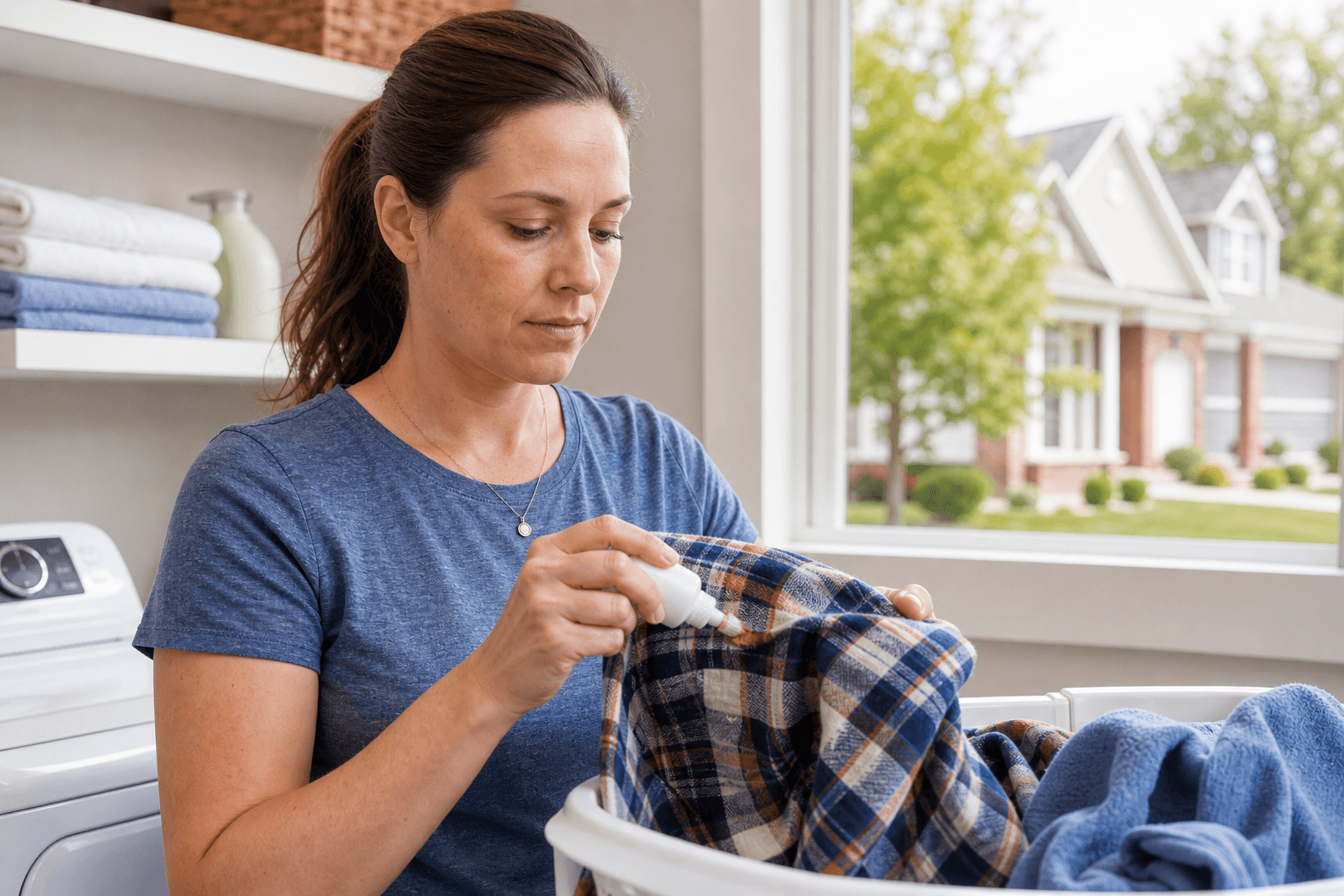
Sometimes the smartest laundry move is letting someone else handle it. Englewood offers a wide range of laundry help, from traditional wash-and-fold shops to pickup and delivery options and eco-conscious cleaners. According to the article brief, there are more than 60 options in the area, with an average rate of about $15.50/hr. That gives residents plenty of choice.
These services are useful for more than convenience. Professional cleaners often deal with fabric care all day, which means they understand washing temperatures, folding methods, stain treatment, and how to handle oversized loads. If you are facing a mountain of towels, guest sheets, or a comforter that barely fits your machine, local help can make a huge difference.
Pickup and delivery services are especially attractive for busy professionals, commuters, and students with packed schedules. Instead of spending a weekend tied to the washer and dryer, you can send out your laundry and get it back clean, folded, and ready to put away. That kind of time savings is a real win.
Families also benefit. A household with kids can generate an incredible amount of laundry in a week, especially if sports, school uniforms, bedding, and towels pile up at once. Outsourcing part of the load can reduce stress and keep the home running more smoothly.
Delicate fabrics are another reason to go professional. If you are unsure how to wash wool, structured pieces, or items with special trims, trained cleaners can lower the risk of damage. You pay for service, but you may save money by avoiding mistakes that ruin expensive clothes.
Before choosing a provider, ask a few practical questions. Here is a useful checklist:
- Do they offer pickup and delivery?
- How do they handle delicates and special instructions?
- Are detergents or scent-free options available?
- What is the turnaround time?
- Can they process bulky household items?
If you are comparing service options or want quick answers before booking, a helpful laundry FAQ page can give you a better sense of what to expect from professional care.
Who Benefits Most from Professional Laundry Help
Professional laundry is a strong fit for people with limited time, limited machine access, or loads that are simply too big to handle well at home. The point is not to give up on your own routine. It is to use outside help where it adds the most value.
Busy professionals often get the biggest benefit. Long workdays, commutes, and weekend obligations can make laundry feel like a chore that never ends. A service that picks up, cleans, and returns folded clothing can free up several hours every week. That is time you can spend resting, studying, exercising, or doing anything more interesting.
Families gain from consistency. Instead of racing through multiple loads late at night, they can send out part of the weekly pile and stay ahead of the mess. Bulk items like towels, sheets, and kids’ clothes are perfect candidates for this kind of support.
Apartment residents and shared-laundry users also benefit. If access to washers is limited or machines are often full, local services remove the hassle of waiting, carrying, and timing your day around laundry room availability. That convenience matters a lot in a busy weekly schedule.
People with specialty items should also consider outside help. Comforters, table linens, wool coats, and delicate dresses often require more space or expertise than a basic home setup can offer. Using a service for those pieces can extend their life and improve final results.
Next-Level Fabric Care for Longer-Lasting Wardrobes
One of the best ways to make clothes last longer is to stop washing some of them so often. Overwashing breaks down fibers, fades color, and wears out elastic faster than many people realize. Learning how often items truly need washing can improve garment life and reduce your total laundry load.
Underwear and socks should be washed after every wear. They collect sweat, skin oils, and bacteria quickly, so frequent cleaning is necessary. These are everyday hygiene essentials, and they should stay at the top of your laundry priority list.
Jeans and pajamas usually do not need washing after every single use. In many cases, every two to three wears is enough, assuming they still look and smell clean. This protects dye, shape, and fabric strength. Denim especially benefits from less frequent washing.
Sheets should generally be washed every two weeks. If you sweat heavily, eat in bed, share the bed with pets, or deal with allergies, you may want to wash them more often. Clean bedding supports comfort and keeps your sleep space feeling fresh.
Wool often needs even less washing. The article brief suggests dry cleaning after several wears. Wool fibers can release odors well and often recover nicely between uses if aired out. Frequent washing can stress the structure and lead to unwanted shrinkage.
Synthetics also benefit from fewer washes when possible. These materials can wear down with repeated cycles, and reducing frequency helps preserve their shape. Spot cleaning, airing out, and wearing an undershirt can help stretch the time between full washes while still keeping things clean.
To reduce wear over time, focus on three habits:
- Lower heat in the dryer
- Air drying for sensitive items
- Spot cleaning between full washes
These small changes protect fabric integrity and keep your wardrobe looking newer for longer. If you spend good money on basics, denim, or statement pieces, smarter care is one of the easiest ways to get more from every purchase.
Eco-Friendly Laundry Habits for Englewood Households
Laundry uses water, electricity, and cleaning products every single week, so even small changes can reduce waste in a meaningful way. Eco-friendly habits also tend to be gentler on clothes, which means sustainability and fabric care often work well together.
Cold water washing is one of the easiest upgrades. Most everyday loads get clean just fine in cold water, especially with modern detergents. Using colder temperatures helps save energy and reduces color fading. It is a simple shift with long-term benefits.
Running full loads is another smart move. You use the machine more efficiently when you wait until there is enough laundry to justify a cycle, as long as you do not overload it. This cuts water and energy use while keeping your weekly routine more efficient.
Eco-friendly detergents can also support a greener system. Many people prefer them for ingredient reasons, lower fragrance levels, or reduced environmental impact. If you choose one, make sure it still works well for your machine type and the fabrics you wash most often.
Air drying is another strong option. Hanging clothes to dry lowers energy use and reduces heat damage. Even if you cannot air dry every load, doing it for delicates, athletic wear, and lightweight basics can make a real difference over time.
Efficient machines, whether at home or through local services, also play a role. If you use professional laundry support, asking about machine efficiency or eco-conscious practices can help align your routine with your values while still keeping clothes in great shape.
Create a Simple Laundry Routine You Can Actually Keep
The best laundry system is the one you will follow every week. A perfect setup on paper means nothing if you ignore it when life gets busy. Keep your routine realistic, repeatable, and easy to maintain. That is how clean clothes become a habit instead of a last-minute panic.
Start by assigning laundry categories to specific days or times. You might wash clothes midweek, towels on Friday, and bedding every other Sunday. A light schedule prevents giant pileups and makes each load feel more manageable.
Next, keep supplies visible. Store detergent, stain spray, mesh bags, and dryer sheets or wool balls in one easy spot. If you have to hunt for what you need every time, you are more likely to rush and skip important steps. Convenience supports consistency.
Make sorting automatic by using divided hampers or separate baskets. One for whites, one for darks, one for delicates, and one for towels can change everything. Sorting as you go saves time on laundry day and reduces those rushed mistakes that happen when everything is piled in one huge heap.
If you live with roommates or family, create simple ground rules. Ask everyone to empty pockets, turn out sweaty gym clothes, and flag delicate items. Shared habits make the process faster and keep one person from doing all the work.
A checklist can help too. Keep it simple:
- Sort by color, fabric, and soil level
- Pretreat visible stains
- Load the washer without cramming
- Select the right cycle and temperature
- Dry based on fabric needs
Once these steps become routine, laundry stops feeling random. Instead, it becomes a system that protects your clothes, saves time, and gives you a cleaner, more organized week.
Your Simple Laundry Upgrade Plan Starts Now
You do not need a total reset to improve your laundry game. Start with one better habit this week. Read labels before washing. Sort more carefully. Switch most loads to cold water. Clean the lint trap every time. Any one of these changes can lead to cleaner clothes and longer-lasting fabrics.
From there, build your system step by step. Sort smart. Wash correctly. Dry carefully. Use stain treatment early. Avoid overwashing. Lean on Englewood’s local laundry services when your schedule gets packed or when a load needs expert care.
The biggest win is consistency. Clean, fresh clothes should not depend on luck or guesswork. With a simple routine and the right support, you can protect your wardrobe, cut waste, and make laundry feel far less annoying. That is real mastery for everyday life in Englewood.