

On Mount Washington, laundry gets harder fast because your clothes face mud, snow, sweat, and sudden weather swings that can turn a simple wash day into a full planning exercise. A smart routine matters here because remote conditions, limited drying space, and the need to protect expensive hiking gear mean your laundry system has to work harder than it would in a typical home.
Key Takeaways
- Build a weekly system with set laundry days and clear clothing categories.
- Separate technical gear from everyday items to reduce wear and preserve performance.
- Use smaller loads and smart drying habits to handle cold, damp conditions.
- Adjust your routine by season because summer, winter, and shoulder months create very different laundry demands.
- Outsource bulky or high-volume items when weather, water, or time make DIY washing impractical.
Why Laundry Feels Harder on Mount Washington
Laundry on Mount Washington is a different kind of chore. Clothes do not just get lightly worn here. They come back wet from mist, stained with trail mud, packed with sweat, and loaded with grit from long days outside. That means you face heavier, more frequent loads and much more fabric stress than most households.
Weather is the main reason. One day may call for a light base layer and a rain shell. The next can demand thermals, thick socks, gloves, and insulated outerwear. Because your outfit shifts so often, your laundry pile grows in a strange mix of lightweight items and bulky gear. Ordinary wash habits break down fast in that kind of pattern.
Distance also changes the game. Many people in mountain areas have limited machine access, tighter water use, and less room for air drying. A damp jacket hanging in a small space can take far longer to dry than expected. If you wait too long, the backlog becomes frustrating. If you wash everything at once, you waste time, energy, and detergent.
A better system fixes that. With a clear routine, you protect your gear, cut down on wasted effort, and keep your home or lodging space from turning into a pile of half-dry clothing. The goal is simple: make laundry predictable even when the weather is not.
How Mount Washington’s Climate Changes Every Load
Mount Washington forces you to think about laundry through the lens of climate. This is not just a place with cold winters. It is a place where rapid shifts in temperature and conditions affect what you wear, how often you wash, and how long everything takes to dry. A good routine starts with that reality.
Summer can fool people into thinking laundry will be easy. Loads are often lighter, with moisture-wicking shirts, hiking socks, thin layers, and rain shells doing most of the work. Yet those items get dirty fast because warm-weather activity creates a lot of sweat. Quick washes two times per week often make more sense than waiting for one huge load.
Winter creates the opposite problem. Clothing is heavier, denser, and slower to dry. Thermals, insulated pants, fleece, wool socks, gloves, and outer layers can fill a washer quickly. Bulky pieces trap moisture, so they demand more space and more patience. In cold months, your biggest enemy is often the long drying time rather than the wash itself.
Shoulder seasons are the most chaotic. Spring and fall can swing between rain, chill, slush, and mild sun within a short span. One week may include a rain jacket, base layers, and heavy socks in the same basket as everyday clothes. That constant switching means your system needs flexibility. A rigid laundry plan falls apart during these months.
Climate also affects odor and stain buildup. Wet conditions let grime sit deeper in fabric, especially around cuffs, hems, and sock soles. If damp clothing stays crumpled in a hamper or bag, stains set faster and odors become harder to remove. Fast sorting and early treatment matter much more in mountain conditions than people expect.
Seasonal Laundry Demands You Need to Expect
Every season on Mount Washington calls for a different laundry rhythm. Instead of fighting that pattern, work with it. Once you know what kinds of clothes dominate each season, your schedule becomes easier to build and easier to maintain.
During summer, focus on frequent turnover. Activewear, moisture-wicking shirts, lightweight hiking layers, and rain shells should move through the wash quickly. These items usually do not weigh much, so small loads work well. The big win is speed. You can wash, air dry, and reuse many of these pieces before the next trip if you stay consistent.
Winter asks for spacing and patience. Heavy thermals, fleece, wool blends, insulated coats, and gloves demand more room in both washer and dryer. Smaller loads are even more important in cold weather because crowded machines leave fabric wetter for longer. You may need to wash winter items up to three times per week if you are highly active or managing a family’s gear. That sounds like more work, but it actually prevents a huge backlog.
Shoulder seasons require mixed-load strategy. You may have cold-weather layers, rain gear, and casual clothing all in use at once. Rather than sorting only by color, sort by function too. Keep wet-weather items together, everyday basics together, and heavily soiled trail gear in its own bin. That lets you respond to a fast forecast shift without having to sort from scratch every time.
A useful rule helps here. Wash what you need soonest first. If another storm is coming, clean rain gear and base layers before towels or casual shirts. If a clear hiking window appears, prioritize the pieces that must be ready for the next summit day. This kind of priority system keeps you prepared without washing everything all at once.
Protecting Performance Fabrics and Specialty Gear
Outdoor clothing costs more because it does more. A rain shell, thermal base layer, or insulated midlayer is built for moisture control, warmth, and weather resistance. Those features can fade quickly if you toss technical items into a random hot wash with jeans and muddy socks. Gear care is part of your laundry routine, not a separate hobby.
First, separate muddy hiking gear from everyday clothing. Dirt acts like sandpaper in the wash. If trail grit rubs against lighter fabrics, it speeds up wear and can damage smoother synthetic material. A dedicated hamper or bin for outdoor clothes stops that issue before laundry day even begins. This simple move protects your fabrics and makes sorting easier.
Second, read care labels on waterproof and technical items. Those labels are there for a reason. Some shells need cold water. Some base layers need gentle cycles. Certain performance coatings wear down if you use the wrong detergent or too much heat. Improper washing can weaken breathability, reduce water resistance, and shorten the life of gear that is expensive to replace. Label-based care is a basic habit, not an optional extra.
Leather and specialty outerwear need separate treatment. Leather gloves, specialty jackets, and some structured outer layers should not go through a normal wash cycle. They may need spot treatment, careful conditioning, or dry cleaning. If you ignore that, you risk cracking, warping, or shrinking. The cost of proper care is usually much lower than the cost of replacing a ruined item.
Boot liners deserve special attention too. Remove them, air dry them separately, and avoid trapping them inside damp boots. That step cuts odor, helps prevent mildew, and improves drying time. Small gear care moves like this add up over a season.
Build a Weekly Laundry System That Actually Works
The best laundry routine on Mount Washington is repeatable. You need something simple enough to use after a long hike, a work shift, or a rough weather day. Fancy systems usually fail because they ask too much. A clear weekly structure works better because it reduces thinking and builds consistency.
Start with one or two designated laundry days if you live alone or with one other person. Pick days that match your downtime and likely weather windows. For example, you might wash towels and basics early in the week, then clean hiking gear midweek or after a major outing. This rhythm keeps essentials moving without taking over your whole week.
Families and trail groups need rotation. Give each category its own slot. Towels can go on one day. Everyday clothing can go on another. Outdoor gear can have a set evening after a hike or storm. If everyone dumps laundry into a single pile, the process becomes slow and annoying. Rotational systems spread the volume and keep machines available.
For larger properties, lodges, and businesses, structure matters even more. Linens, uniforms, cleaning cloths, and guest items can pile up fast. In those settings, washing everything as needed may seem flexible, but it often creates bottlenecks. A scheduled approach with clear load types saves labor and reduces machine strain.
As noted in The Fox Cleaners, organizing your weekly laundry helps reduce stress and keeps the task manageable. That idea matters even more on Mount Washington, where weather and gear care add extra pressure. A strong system turns laundry from a constant interruption into a predictable part of life.
Make Sorting Easy Before Laundry Day Starts
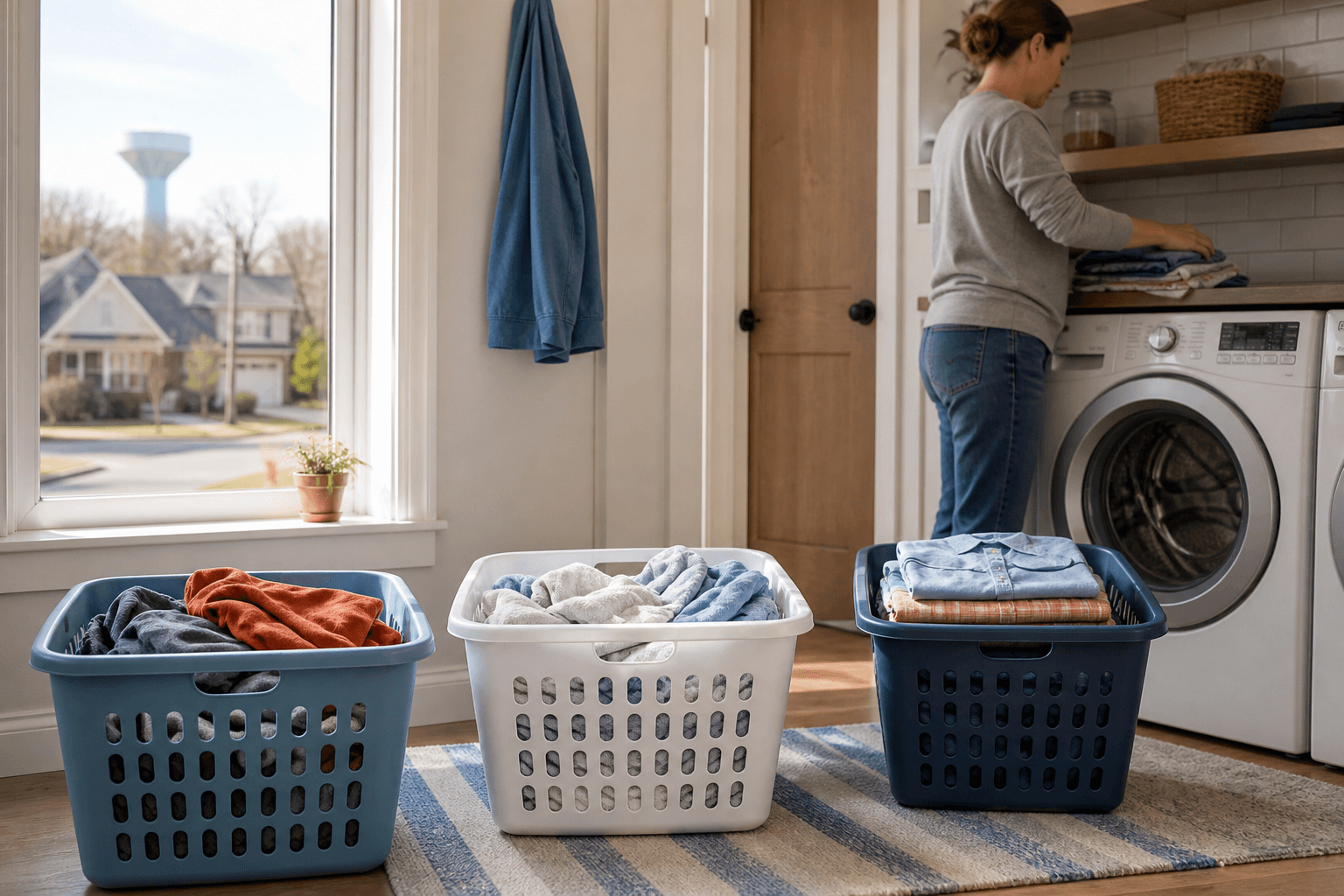
Sorting should happen before you stand in front of the washer. If you wait until laundry day, the whole process feels slower and more annoying. Pre-sorting cuts decision fatigue and keeps mistakes from happening when you are tired or in a rush. Mountain laundry rewards good setup.
A practical hamper system makes a huge difference. Use labeled bins for whites, darks, and heavily soiled items. Add separate bins for outdoor gear and everyday clothing. If your space is small, use stacked hampers or narrow baskets. The point is not perfection. The point is clear separation that prevents muddy socks from landing on clean basics.
Heavily soiled loads deserve their own category. Trail pants, muddy layers, wet socks, and anything with visible grime should never sit mixed with lightly worn clothes. Keeping them separate protects cleaner pieces and lets you decide whether a hot wash or pre-treatment is needed. That one choice improves both efficiency and fabric life.
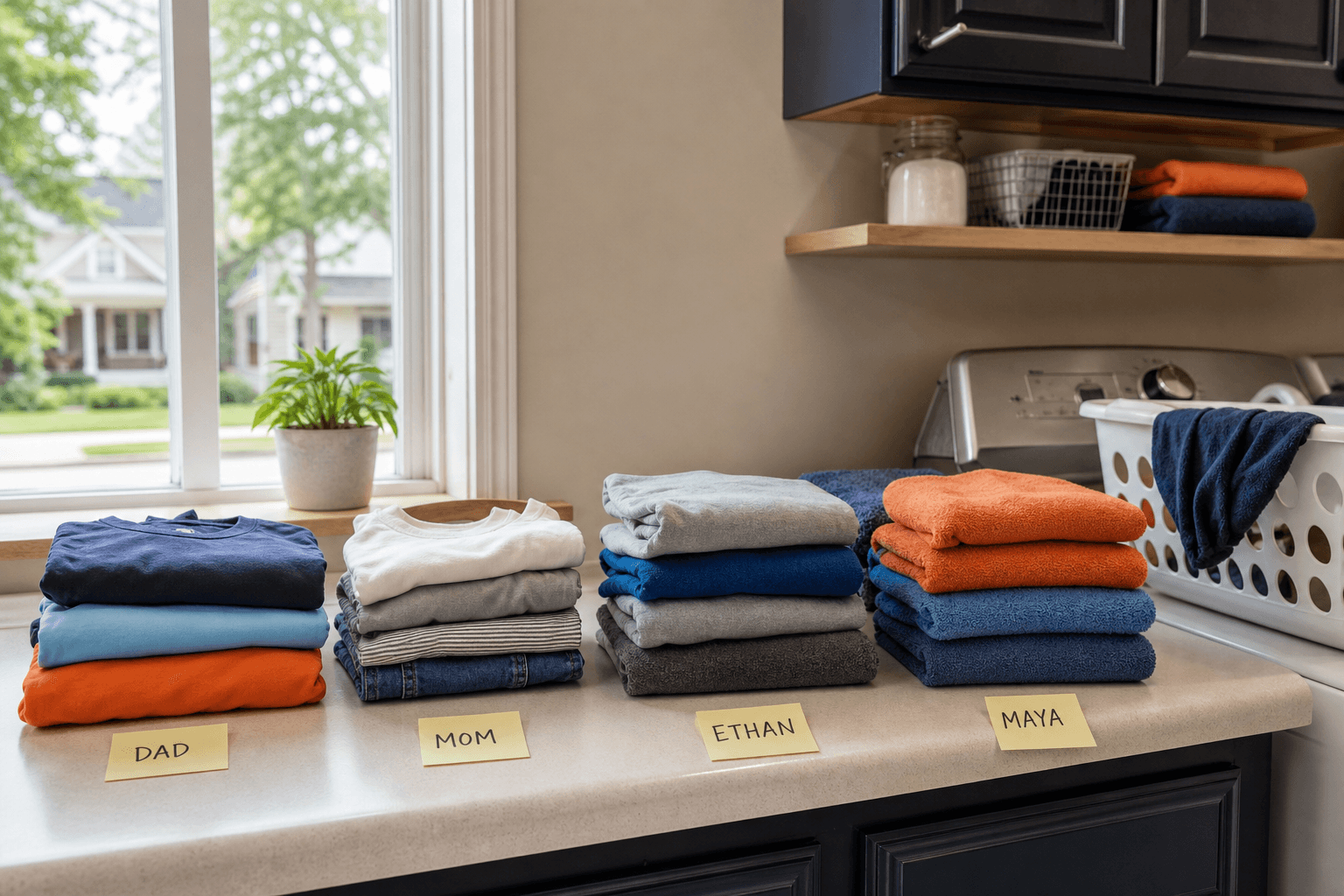
Households with multiple people should assign each person a basket. This avoids lost items, mystery socks, and accidental mix-ups with specialty gear. It also makes folding faster because you do not have to sort clean clothes at the end. Each person gets one place for dirty clothing and one place for clean returns. That creates useful boundaries in a busy home.
If you use a shared machine setup or need backup options during a busy week, it helps to know whether a self-serve laundromat model or another outside option fits your routine. Even when you mostly wash at home, understanding alternate systems can save you during weather delays or high-volume weeks.
Washing Smarter in a Remote Mountain Environment
On Mount Washington, washing smarter matters more than washing more. Remote conditions can limit water, space, time, and energy. So the goal is to get clothes clean with the least strain on your setup and the least damage to your gear. That starts with load size, water temperature, and detergent control.
For everyday clothing, a standard wash at about 90°F works well. It handles routine dirt and sweat without being too harsh on common fabrics. When loads are heavily soiled, you can move up to about 130°F if the fabric allows it. That higher setting helps with mud, grime, and stronger odor. Still, do not use high heat as your default. Too much heat wears fabric down faster.
Cold water is the safer choice for delicates and performance fabrics. Technical shirts, shells, and specialized layers often hold up better when washed cool. Cold cycles also help conserve energy and are useful when you want to avoid stressing waterproof treatments or stretch materials. Always check the care label before assuming a hotter wash is better.
Detergent use should stay controlled. More soap does not mean cleaner clothing. In remote areas, too much detergent wastes resources and can leave residue, especially in dense fabrics and cold-weather items. A smaller measured amount usually works better, especially if you pre-treat stains first. Minimal water and soap use is good for both resources and rinse quality.
Small loads win again here. Overloading the washer leads to poor agitation, trapped dirt, and uneven rinsing. It also makes drying harder later. If clothes do not have room to move, they do not truly get clean. A pair of smaller loads is often more effective than one giant cycle.
How to Dry Clothes Without Damage in Cold, Damp Conditions
Drying is often the hardest part of laundry on Mount Washington. A wash cycle may take under an hour, but cold air, indoor dampness, and thick fabrics can stretch drying time far beyond that. If you want a routine that works, you have to respect the drying stage as much as the wash itself.
Start by avoiding overloaded dryers. Crowded machines slow airflow, trap moisture, and leave heavy items partially wet. That is especially frustrating in cold climates, where the room itself may already make drying slower. Give clothes enough space so warm air can move around each piece. This is one of the easiest fixes for long drying sessions.
Air drying is the safer choice for sensitive items. Rain jackets, shell layers, boot liners, and some technical fabrics should dry naturally unless their labels say otherwise. Hang them with space between pieces so air can circulate. If you dry indoors, use racks near the best airflow in the room. Good spacing matters more than people think. Bunched items can stay damp for hours longer than properly spread garments.
Boot liners should come out right away. A wet liner trapped in a boot dries slowly and can keep the whole boot damp. Removing it speeds drying and helps control odor. Gloves and hats also benefit from open air and room to breathe rather than being tossed into a heap.
Timing helps too. Start loads early in the day whenever possible. That gives clothes more hours to dry before night temperatures dip or indoor humidity rises. If you leave everything for late evening, damp items may still be hanging around the next morning. A laundry routine feels much easier when you work with the day instead of fighting it.
Folding, Packing, and Staying Organized After the Wash
Clean laundry can still create stress if it sits in piles. On Mount Washington, where space can be limited and schedules can shift quickly, post-wash organization matters. Folding and storing clothes right away keeps your routine from breaking at the last step. This is where many people lose their momentum.
Fold clothes as soon as they are dry. That prevents wrinkles and keeps clean items from mixing with gear that still needs attention. A large flat surface makes folding quicker and less annoying. Beds, tables, or cleared counters work well. Speed matters here because delay leads to clutter, and clutter makes the next laundry day feel harder than it really is.
Roll t-shirts and lighter layers for compact storage. This method saves space and makes it easier to see what you actually have. Hang outerwear, shell layers, and insulated pieces so they keep their shape and stay ready for fast use. If you cram bulky layers into tight drawers, they come out wrinkled and harder to grab in a rush.
Pre-packing can be a huge help for hikers and frequent outdoor workers. Label clothing sets for upcoming summit trips, overnight stays, or weather-specific outings. For example, keep one bag for rain conditions and another for cold-weather layering. This reduces last-minute confusion and stops you from washing items you already have ready.
Households that want to cut folding time on busy weeks may benefit from outside support such as a wash and fold service model. Even if you usually handle laundry yourself, understanding how fold-ready systems work can help you structure your own process more efficiently.
Advanced Laundry Tactics for Outdoor Life
Once your basic system is in place, a few advanced habits can save even more time. These are the tricks that matter when you live with boots by the door, weather alerts on your phone, and gear that rotates constantly. They are simple, but they deliver strong results.
Pre-treat mud and sweat stains before the wash. Do not wait for the full cycle to solve everything. Mud should dry slightly if it is thick, then be brushed or knocked off before washing. Sweat-heavy areas like collars, underarms, waistbands, and sock cuffs benefit from quick stain treatment. Early action keeps fabric from holding onto marks and odor.
Break large piles into smaller loads by purpose. One load for base layers. One for towels. One for outerwear. One for everyday basics. This method feels slower at first, but it actually speeds things up because every load washes and dries more evenly. Smaller batches also make it easier to put things away without a huge mountain of clean clothes taking over your room.
Assign each person a laundry basket from start to finish. Dirty clothes go in one space. Clean items return to that same person’s area. This keeps families, couples, and trail groups organized. It also lowers the odds of losing gloves, socks, or technical gear that looks similar from one person to another. Ownership creates clarity.
Keep a simple checklist in your laundry area. Include sort, pre-treat, wash setting, drying method, and storage. This works especially well in shared homes or lodge settings where several people may handle laundry. A visible routine keeps standards clear and protects specialty gear from accidental misuse.
Common Laundry Mistakes That Cost Time and Gear
Some laundry problems come from weather. Others come from habits that seem harmless until they wreck a load or damage expensive gear. Avoiding a few common mistakes will save you money and a lot of frustration. Mountain laundry punishes bad shortcuts.
The first mistake is overloading the washer. People do this to save time, but it usually creates the opposite result. Clothes cannot move properly, dirt stays trapped, and drying takes much longer. In cold conditions, overloaded loads are even worse because fabric leaves the washer too wet and too tightly packed. Give items room to move. That space is a real advantage.
Another mistake is ignoring care labels on technical fabrics. Waterproof shells, insulated layers, and synthetic base layers often need specific treatment. Wrong settings can strip coatings, distort shape, or reduce performance. If you spent good money on outdoor gear, check the label before every unfamiliar wash. That tiny pause protects your investment.
Letting dirty gear sit too long is also a problem. Damp clothing stuffed in a bag or left in a pile makes stains harder to remove and odors harder to clear. Sweat and mud settle deeper the longer they stay there. If full washing is not possible right away, at least air items out and keep them separate from clean clothing.
A final error is treating all fabric the same. Cotton tees, wool socks, rain jackets, and leather gloves do not belong in one random cycle. Sorting by color matters, but sorting by fabric and soil level matters even more in a mountain setting. Better sorting leads to better cleaning and much longer wear.
When to Skip DIY and Use Laundry Services Near Mount Washington
Sometimes the smartest laundry move is letting someone else handle it. That is especially true when weather closes in, drying space runs out, or bulky items overwhelm your home setup. Outsourcing is not a failure. It is a practical tool for protecting your time and your energy.
The Cleaners – Mt Washington is one option worth knowing because it offers fast turnaround, standard and high-temp washes, plus dry cleaning. That combination is useful if you have a mix of everyday items, muddy gear-safe loads, and specialty outerwear that needs separate handling. A service with multiple care options gives you more control over what gets processed where.
Hamperapp is especially useful for commercial needs such as linens and uniforms. If you run a lodge, rental property, café, or guide service, bulk loads can pile up too fast for in-house machines to keep pace. A commercial-focused option helps maintain steady turnover and keeps staff from losing hours to constant washing.
Rinse, mentioned as nearby inspiration in the brief, shows how app-based scheduling and separated loads can make laundry much easier. Evening pickup options and simple scheduling models matter a lot in remote areas where time windows are short. Even if the exact service range varies, the idea is clear: flexible pickup systems reduce physical effort in tough conditions.
Choose services based on your real needs. Residents and hikers should look for pickup reliability during bad weather. Businesses should focus on bulk capacity and consistent turnaround. Budget-conscious households can keep small loads at home and outsource large, heavy, or specialty items. That hybrid approach often delivers the best balance.
Using Tech and Planning Ahead in Remote Conditions
Distance changes how you schedule services. A last-minute laundry decision that might work in town does not always work near Mount Washington. Weather, road conditions, and pickup timing can all affect whether your clothes come back when you need them. Planning ahead is the smart move.
If pickup or delivery is available, schedule early rather than waiting until your hamper is overflowing. Build in extra time for delays caused by storms or remote routing. This matters even more for business users, who cannot afford to run short on linens, uniforms, or towels because a weather shift slowed down service.
Use digital reminders if needed. A simple calendar alert for laundry days, service pickups, or gear-prep evenings can stop a lot of stress before it starts. Technology does not need to be fancy to help. Text reminders, shared notes, and recurring phone alerts are enough to keep a household or small team on track.
Planning also matters for water access. If your setup has limited water or machine availability, know which loads must happen at home and which can wait for outside support. Keep a backup plan for emergency washing, especially after storms or heavy trail use. Good planning turns laundry from a scramble into a controlled routine.
If questions come up about load prep, service expectations, or practical laundry habits, a solid laundry FAQ reference can help you compare your routine with common best practices and make faster decisions.
Seasonal Laundry Playbooks You Can Actually Follow
A seasonal playbook keeps your routine realistic. Instead of reinventing your system every few weeks, use a repeatable pattern for summer, winter, and the shoulder months. These playbooks are flexible enough for real life and structured enough to stop the usual laundry drift.
For summer, aim for light loads twice per week. Focus on activewear, base layers, socks, and rain gear. These items are used often and dry relatively quickly, so frequent smaller loads make sense. If you hike often, wash what you need immediately for the next outing. Summer success comes from turnover, not volume.
For winter, expect heavier loads up to three times per week. Base layers, thermals, wool socks, gloves, and insulated pieces need more room and more drying time. Wash earlier in the day and leave extra time for thick items to finish drying. Consider outsourcing blankets, heavy outerwear, or bulky bedding if your home setup cannot keep up. Winter success comes from spacing.
For shoulder seasons, build a flex plan. Watch forecasts and adjust frequency based on how much cold-weather gear and rain gear is in use. Mix load types carefully so you stay adaptable. Keep one day open for catch-up in case changing weather adds unexpected items to the wash. Shoulder season success comes from adaptation.
A printable routine planner can help tie this together. Create a reusable checklist for sorting, washing, drying, and scheduling. Keep it near the laundry area or on your phone. During busy or unpredictable weeks, a checklist keeps you moving without having to rethink every step.
Laundry Routines for Solo Hikers, Families, and Businesses
One routine does not fit everyone. The best system depends on how many people are involved, what kinds of clothes dominate your loads, and how quickly those items must be ready again. Mount Washington households and businesses each need a slightly different approach.
Solo hikers usually do best with small, frequent loads. Waiting too long creates odor, stain buildup, and a discouraging pile of mixed gear. One or two washes each week often works well, especially if you separate technical clothing from everyday basics. A solo system should be quick and low-friction so you actually stick with it.
Families need order. Rotational schedules, labeled baskets, and category-based wash days are key. Kids’ clothes, towels, outdoor layers, and everyday items can stack up fast, especially in wet weather. The answer is not bigger piles. It is clearer division. When each load has a purpose, laundry feels much more manageable.
Trail groups or shared housing benefit from rules. Assign baskets, set wash windows, and agree on where technical gear should go. Without a shared system, machines get overloaded and valuable clothing ends up washed the wrong way. Even basic group rules can prevent arguments and damaged gear.
Lodges, inns, and outdoor businesses need structure first and flexibility second. High-capacity washing for linens and uniforms requires scheduling, space planning, and often some level of outsourcing. If guest turnover is high, consistent turnaround matters more than trying to handle every single item in-house. Business laundry should support service quality, not compete with it.
From Manual Washing to Modern Laundry Support
Laundry in extreme environments used to demand a lot more physical effort. The shift from labor-heavy manual washing to machine-based systems and app-supported services has changed daily life in a big way. On Mount Washington, that change matters because physical energy is already spent on weather, travel, work, and outdoor demands.
Today, modern services and better home routines reduce strain dramatically. High-temp options help with heavy soil. Dry cleaning protects specialty items. Pickup scheduling saves driving and carrying time. Better sorting systems at home cut waste and stop repeat washing. Every one of these improvements matters more in a mountain environment than in a standard suburban setting.
This shift also changes how people think about laundry. It is no longer just a chore to survive. It is part of gear care, household efficiency, and trip preparation. A clean and organized clothing system makes mornings easier, travel faster, and outdoor life more comfortable. That is a real quality-of-life upgrade.
The key is using the tools available now. A simple schedule, a few bins, smart washing habits, and the right outside support can replace the old cycle of buildup, frustration, and rushed loads. Modern laundry routines save time, and on Mount Washington, saved time is always valuable.
Take Control of Laundry on Mount Washington
The best Mount Washington laundry routine is built on three things: smart scheduling, proper gear care, and enough flexibility to adjust for weather. You do not need a perfect setup from day one. You need a system that keeps your clothing clean, protects expensive outerwear, and fits the rhythm of mountain life. That is how you turn laundry from a constant problem into a manageable habit.
Start small. Add labeled hampers. Separate outdoor gear from everyday clothes. Pick one or two laundry days that match your week. Wash smaller loads. Dry technical items carefully. Outsource bulky or specialty pieces when home washing stops making sense. Those basic changes deliver real progress fast.
Mount Washington will always make laundry harder than average. Mud, snow, damp air, and rapid weather shifts are part of the deal. Yet with a clear plan, those challenges stop feeling overwhelming. A smarter routine saves water, cuts stress, extends clothing life, and keeps you ready for the next hike, storm, shift, or summit run. That is how you conquer laundry in the White Mountains.