
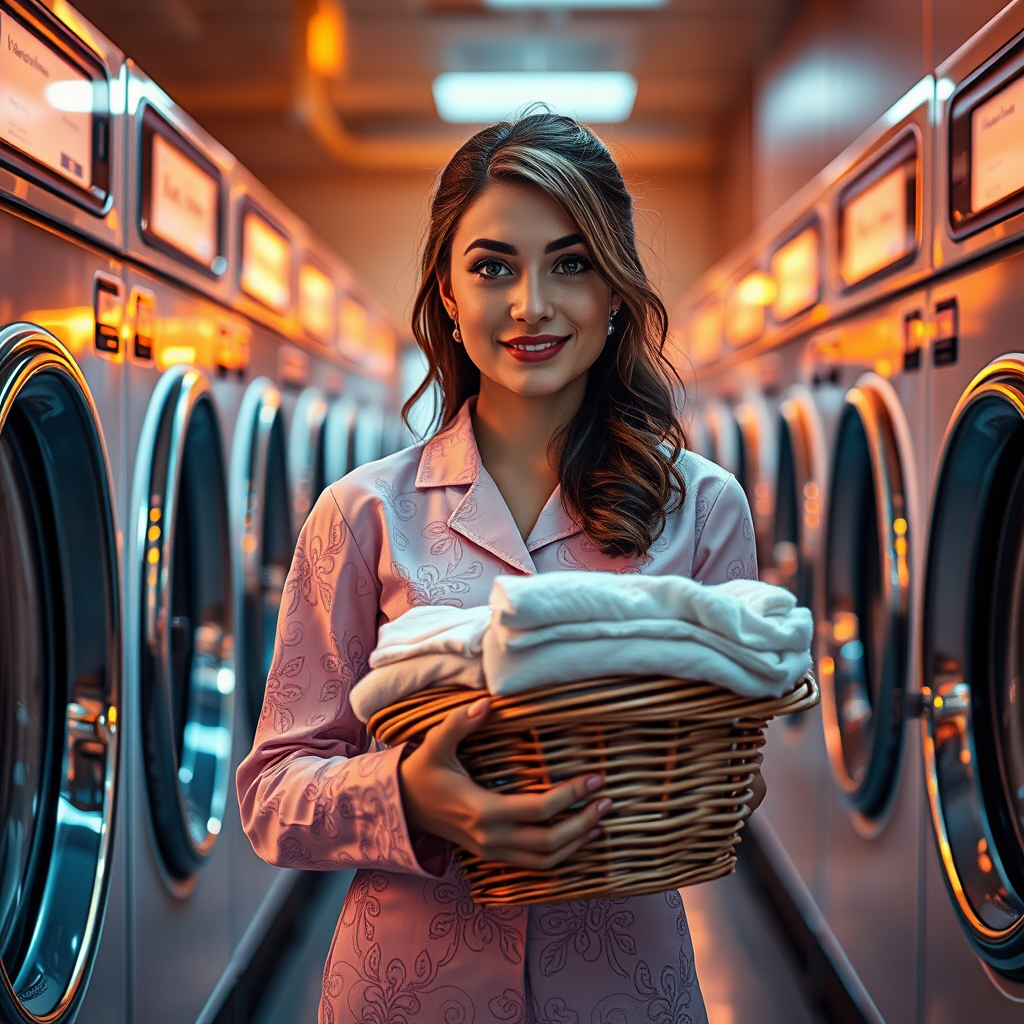
Mastering Laundry at South Main: Your Ultimate Routine Guide for Spotless Clothes and Effortless Efficiency
Overflowing hampers, faded shirts, and that one missing sock can make laundry feel like a weekly ambush, yet the fix usually is not more effort but a better system. At Fresh Spin Laundry, the combination of clean space, modern machines, and a repeatable routine can turn laundry day into a fast, low-stress habit that protects your clothes and gives you back real time.
Key Takeaways
- Build a weekly rhythm that fits your household instead of doing laundry only when it becomes urgent.
- Sort by color, fabric, and soil level before you arrive to save time and avoid damage.
- Treat stains early, choose the right machine size, and use the correct settings for better results.
- Dry with care, fold right away, and avoid common mistakes like overloading and excess detergent.
- Turn laundry into a lasting routine with checklists, shared tasks, and smart habits that improve efficiency.
From Laundry Chaos to a Clean, Repeatable System at Fresh Spin Laundry
Laundry often feels frustrating because the problems stack up fast. Hampers overflow. Dark clothes fade early. Socks disappear. Towels stay damp too long. Then the whole job gets pushed to the weekend, where it eats up hours that could have gone to rest, work, or seeing friends. That cycle creates stress because it treats laundry like a random emergency instead of a repeatable process.
A better way starts with a simple shift in thinking. Laundry is rarely a pure time issue. Most of the trouble comes from poor flow. Clothes are not sorted early. Stains sit too long. Loads are mixed badly. Machines get overloaded. Drying is rushed. Folding gets delayed. Once you fix those steps, the work gets easier even if your schedule stays busy.
Fresh Spin Laundry works well as a solution hub because the setting supports a smoother routine. Modern machines help speed up washing and drying. A clean environment makes it easier to stay focused. Better machine options also let you handle everything from a quick mid-week clothing load to bulky bedding in fewer rounds. If you want a practical starting point, a self-serve laundromat setup gives you the control to build your own efficient rhythm.
The big promise is straightforward. You can create a routine that is easy to repeat, saves time, protects fabrics, and lowers stress. That does not require fancy products or expert-level knowledge. It just means setting a weekly plan, sorting smart, treating stains early, using machines correctly, and finishing with a post-dry routine that keeps clean clothes from becoming a pile on the couch.
Build a Weekly Laundry Rhythm That Actually Sticks
The best laundry routine is the one you can repeat without thinking too hard about it. A small household usually does well with one or two dedicated laundry days each week. That keeps the volume low enough to manage in a single session or split across two shorter visits. A larger family often needs a category-based schedule instead. Towels on one day, kids’ clothes on another, and delicates or uniforms later in the week can keep the workload from exploding.
Start by matching your plan to your real life. If your weekdays are packed, choose one early morning before work and one lighter evening mid-week. If weekends are easier, do the heavy items then and save quick clothing loads for a short weekday stop. The goal is not perfection. The goal is a repeatable rhythm that stops laundry from piling up.
Fresh Spin Laundry becomes especially useful when you use timing strategically. Early mornings and mid-week visits often mean less crowding and better machine availability, which can shorten your full turnaround. Fewer delays matter a lot when you are washing several categories back to back. More open machines also make it easier to separate loads properly instead of cramming everything into whatever is free.
Here is a simple framework you can copy and adjust:
- Monday: Towels and linens, with a hot wash focus
- Wednesday: Everyday clothing on quicker cycles
- Saturday: Bedding, gym wear, delicates, or overflow items
This type of plan works because each day has a clear purpose. You do not waste time staring at a pile and guessing what should go first. You already know. That mental clarity is one of the biggest reasons routines stay consistent.
Helpful tools can make the habit easier to maintain. Multi-bin sorters let you separate whites, darks, and delicates at home before laundry day even starts. Phone reminders can nudge you before hampers overflow. Laundry apps or any machine tracking and scheduling features available at Fresh Spin Laundry can also cut the guesswork. If you need a backup option on extra busy weeks, wash and fold service can keep your routine from collapsing.
According to Good Housekeeping, sorting, choosing the correct water temperature, and using the right cycle all play a major role in getting clothes clean and keeping them in good shape. That supports the idea that a weekly routine is more than a scheduling trick. It helps you make better laundry choices every single time.
Sorting Like a Pro Before You Even Hit the Machines
Sorting is where efficient laundry really begins. Most people stop at separating whites from darks, but a strong sorting system has three layers: color, fabric, and soil level. That extra effort before you leave home can save time on-site and prevent shrinking, fading, lint transfer, and uneven cleaning.
Start with color. Keep whites separate from lights and darks. This simple step lowers the risk of color transfer, especially with newer clothes that may release dye in early washes. Light gray, pale beige, and soft pastels usually belong together. Black, navy, deep red, and dark green should stay in their own group.
Then sort by fabric. Heavy items like jeans, sweatshirts, and towels should not be washed with delicate tops, thin athletic wear, or lingerie. Heavier pieces create friction that wears out finer fabrics faster. Mixed-fabric loads also dry unevenly, which can leave some items overexposed to heat while others are still damp.
The third layer is soil level. Lightly worn office clothes do not need the same treatment as muddy joggers, kitchen towels, or gym gear. Heavily soiled items can spread dirt and odor through the load if they are mixed with cleaner garments. They may also need longer cycles or stain treatment before washing.
Fresh Spin Laundry makes sorting more useful because machine size options let you match loads more accurately. Large-capacity machines are ideal for bedding, comforters, and bulky towel loads. Smaller, focused loads are better for delicates and everyday clothes. Bringing pre-sorted bags or baskets lets you move right into washing without wasting time reorganizing your clothes on-site.
Before the machines start, do a quick prep check. Look at care labels, especially on wool, silk, rayon, synthetics, and decorated items. Turn dark garments and printed shirts inside out to help protect color and surface design. Zip zippers, button buttons, tie drawstrings, and empty every pocket. Coins, tissues, pens, and receipts can ruin a whole load in minutes.
Mesh bags are a quiet game changer. They keep socks together, protect delicates, and reduce stretching on smaller items. If you are tired of losing one sock from every pair, this one move will feel smart immediately.
Hygiene matters too. Pet bedding, heavily contaminated items, or anything with strong odor or visible grime should be kept separate from normal clothing. Gloves can help when handling high-soil loads. That step protects your skin and keeps your other laundry cleaner from the start. A cleaner process always begins with a cleaner sort.
Stain Control and Pre-Wash Tricks That Save Your Clothes
Stains are much easier to remove when you act fast. Oil, sweat, dirt, makeup, and food set deeper into fabric the longer they sit. Treating them before you arrive at Fresh Spin Laundry gives you a big advantage. Even a few minutes of pre-treatment can improve your odds of full removal and help you avoid rewashing later.
For everyday stain control, apply a stain remover directly to the spot as soon as possible. Gently work it in with your fingers or a soft brush, then let it sit while you gather the rest of your load. If you do not have a specialty remover, a small amount of detergent can help on many fresh stains. Keep the stained item separate until wash time so you do not forget which piece needs extra care.
Delicate pieces need a softer approach. A quick hand-washing method works well for bras, thin knits, silk-like tops, or any item that feels risky in a machine. Use cool water and a gentle detergent. Let the item soak briefly, move it through the water without scrubbing, rinse well, then roll it in a towel to remove extra moisture. That towel-roll step protects the fabric better than wringing, which can twist and stretch fibers.
Towels and sheets sometimes need more than a normal wash, especially if they smell stale, feel rough, or seem dingy even after cleaning. A deep-clean method often called laundry stripping can help revive them. Fresh Spin’s large machines are useful here because they give bulky items room to soak and move. Hot water and boosters can help lift buildup, and a long soak followed by a full rinse helps clear out residue. The key is to rinse thoroughly so the fabric finishes clean rather than coated.
Small upgrades can improve comfort in a big way. An extra rinse cycle is a great choice for people with sensitive skin or for loads that tend to trap detergent, like towels and thicker cottons. Fabric softener can add scent and softness, though it should be used with care on certain materials. If softness matters most, use it moderately and check the label on performance wear and absorbent fabrics.
Good Housekeeping emphasizes reading care labels and treating stains promptly, which lines up with this approach. Laundry gets easier when you solve small problems before they become permanent ones. A two-minute pre-wash habit can protect your favorite clothes for much longer.
Mastering Fresh Spin Laundry Machines for Perfect Results
Machine choice affects cleaning more than many people realize. The right washer size gives clothes enough room to move through water and detergent, which helps lift dirt and rinse cleanly. An overloaded washer limits that movement. An underfilled large machine can also be inefficient, especially if you are paying for extra capacity you do not need.
Match the load size to the drum capacity each time. Bulky bedding, comforters, and large towel batches belong in bigger machines. Everyday clothing usually works best in medium loads that leave enough space for items to tumble freely. Delicates should be washed in smaller, lighter batches so they do not get trapped under heavy pieces.
Setting choices matter just as much as size. To keep the process simple, use a few clear rules:
- Cottons and towels: hot water, normal cycle, powder detergent
- Everyday clothing: warm water, permanent press, liquid detergent
- Delicates: cool water, gentle cycle, minimal detergent
These pairings help balance cleaning power with fabric care. Hot water is useful for durable items like towels and many linens. Warm water works well for common clothing because it cleans effectively without being too harsh on color. Cool water protects delicates and many dark garments. Good Housekeeping supports choosing wash settings based on fabric type and color, which is why this simplified system works so well.
Loading habits also matter. Shake out loose dirt before putting items into the washer. Spread pieces evenly around the drum instead of dumping a tangled mass into one side. If a machine surface looks wet, dusty, or slightly grimy, wipe it down first. That quick check keeps your clean clothes from touching leftover residue.
Efficiency grows when you stop overusing detergent. More soap does not mean cleaner clothes. In many cases, it creates residue, traps odor, and leaves fabrics feeling stiff. Measure detergent based on load size and product directions. If your clothes still feel filmy after washing, you are probably using too much. The cleanest result often comes from a more balanced amount.
Quick cycles are another easy win. Lightly soiled loads, such as office wear or clothes worn for only a few hours, often do fine on shorter settings. That saves time and reduces wear on fabrics. Use longer cycles for heavy sweat, visible dirt, or fuller loads. Smart machine use is about matching the cycle to the real condition of the clothes, not just choosing the default every time.
Dry Faster, Safer, and Smarter
Drying is where a lot of clothing damage happens. Too much heat can shrink cotton, weaken elastic, fade colors, and make fabrics feel rough. A better drying routine protects your clothes while still getting the job done quickly. Once you understand the basic dryer settings, the whole process gets easier.
Use low heat for delicates, activewear, and anything with stretch. Higher heat works better for durable items like towels, thicker cottons, and some bedding. Air drying is still the safest pick for certain garments, especially pieces with lace, elastic, or printed surfaces that crack under repeated heat exposure.
At Fresh Spin Laundry, one habit should happen before every drying cycle: clean the lint trap. It improves airflow, speeds up drying, and reduces strain on the machine. Better airflow also means less time spent over-drying clothes that were already done ten minutes earlier.
Lower heat often gives better long-term results even if the cycle runs a bit longer. Clothes usually come out in better shape, with less shrinkage and fewer heat marks. That tradeoff is worth it if you want your favorite hoodie or black jeans to stay wearable for more than one season. Line drying, when possible, adds another layer of fabric care and can leave clothes feeling naturally fresh.
The post-dry routine is where efficiency compounds. Fold items immediately to prevent wrinkles. Sort them into storage categories right away, such as tops, bottoms, undergarments, towels, and bedding. This saves time later because you do not have to dig through a mixed pile at home.
Permanent press items need special timing. Remove them promptly once the cycle ends to avoid creasing. If you leave them sitting in a hot dryer or bunched in a basket, wrinkles set in fast. That means more steaming or ironing later, which adds another avoidable step to your week.
Quick ironing shortcuts help too. Smooth garments by hand as you fold them. Hang wrinkle-prone shirts as soon as you get home. For lightly wrinkled pieces, a short steam in the bathroom or a quick refresh in the dryer can do enough without a full ironing session. Drying smarter is really about reducing future work while protecting quality.
Avoid the Costly Mistakes Most People Still Make
Many laundry problems come from a handful of repeat mistakes. The first is overloading machines. Stuffing in too many clothes prevents proper agitation, limits rinsing, and leaves items less clean than expected. It also increases friction and can wear fabrics down faster. If your clothes come out twisted, heavy, or still dirty in spots, the load was probably too full.
Ignoring care labels is another expensive habit. One hot cycle can shrink a favorite shirt, warp a sweater, or ruin the finish on decorated clothing. Labels are easy to overlook, especially when you are in a rush, but they give direct instructions on how a garment should be washed and dried. A ten-second glance can save a lot of money.
Skipping sorting remains one of the biggest causes of color transfer and uneven care. White tees washed with dark jeans may come out gray. Delicates mixed with towels can pill or stretch. Heavy and light items also dry at different speeds, which leads to extra heat exposure for some pieces. Sorting sounds basic because it is basic, but it works.
Too much detergent is another common issue. Excess soap leaves residue on fabric, traps odor, and can make towels less absorbent. It may also create a stiff or sticky feel after drying. If you keep adding more detergent because clothes do not smell fully clean, you may actually be making the problem worse.
Fresh Spin Laundry helps reduce these issues by offering better machines and enough space to handle loads with more control. Roomier setups make sorting easier. Cleaner machines support cleaner results. Better capacity options mean you do not have to force a comforter into a washer that is too small or combine mismatched items just to finish faster. Good systems reduce mistakes because they make the right choice easier.
Next-Level Laundry Habits for Efficiency and Sustainability
Once your basic routine is working, a few simple upgrades can make it more efficient and more eco-friendly. Start with cold water washes whenever the fabric and soil level allow it. Many everyday items clean well in cold water, especially lightly worn clothing and dark colors. That saves energy and can also help preserve dyes and reduce shrinkage.
Air drying is another smart move. Even partial air drying helps lower energy use and can extend the life of sensitive garments. You do not have to line dry everything to see a benefit. Leting a few items finish naturally after a shorter dryer cycle can still reduce heat damage and save money over time.
Concentrated detergents are worth considering too. They often require less product per load, which means less waste, easier storage, and fewer heavy containers to carry. The key is using the right amount. Concentration helps most when paired with correct measuring, not guesswork.
Strong home organization also speeds up your laundry flow. Labeled hampers make pre-sorting automatic. A dedicated supply zone for detergent, mesh bags, stain remover, and dryer sheets cuts down on last-minute searching. If your laundry area is cluttered, every step feels slower. A clear space supports a quicker routine.
Good laundromat hygiene matters as well. Wipe machines before use if needed. Check drums for leftover tissues, pens, or stray items from previous loads. Report any issue you notice so the environment stays high quality for everyone. Shared spaces stay cleaner when customers help maintain basic standards.
If you want fewer surprises before a trip, checking common laundry questions can help you plan around machine use, timing, and service details. Small preparation steps like that make the whole experience more smooth.
Turning Laundry Into a Long-Term System, Not a Chore
A strong routine lasts because it is easy to track. You do not need a complicated spreadsheet. A simple checklist on your phone or a paper log near your hamper can keep the process steady. Mark the day, note what was washed, and track anything that needs special care next time. That tiny bit of structure prevents skipped loads and forgotten items.
Seasonal adjustments help too. Winter may bring more towels, heavier layers, and thicker bedding. Summer often means more workout clothes, lighter fabrics, and sweat-related washes. Changing your rhythm with the season keeps the routine realistic instead of forcing one schedule to fit every month of the year.
Shared responsibility makes a huge difference in households with roommates, partners, or kids. Assign tasks by person and keep them simple. One person sorts. Another handles folding. Someone else checks supplies or puts away towels. Kids can match socks, carry light loads, or learn how to separate colors. Small reward systems can help younger family members stay involved and see laundry as part of normal life instead of a punishment.
Consistency also means paying attention to your laundry environment. Clean lint traps after use. Stay aware of machine performance. If a washer seems off or a dryer is taking too long, report it. That helps maintain a better experience at Fresh Spin Laundry and protects your clothes from poor machine performance. Good habits keep the whole system reliable.
Over time, laundry becomes easier because the decisions shrink. You already know your days. You already know your sorting setup. You already know which items need low heat, extra rinse, or stain treatment. That is the real goal: reducing friction until clean clothes are simply part of your week instead of a stressful event.
Start Your First Perfect Laundry Week at Fresh Spin Laundry
The full system is simple: schedule, sort, treat, wash, dry, and maintain. Each step supports the next one. A weekly plan prevents overload. Sorting protects fabric and improves cleaning. Stain treatment saves favorite pieces. Better machine choices improve results. Smarter drying cuts wrinkles and damage. Ongoing maintenance keeps the routine easy to repeat.
The payoff is real. You get less stress, clothes that look better longer, and more free time because laundry stops turning into a massive catch-up session. That shift matters for busy students, young professionals, roommates, couples, and families who want cleaner clothes without giving up half the weekend.
Start small this week. Visit Fresh Spin Laundry and try the structured routine with one full load cycle. Pre-sort before you leave. Treat one stain. Choose the right machine size. Use the right water temperature. Fold right after drying. Then repeat it next week. Momentum builds fast when the system actually works.
The best laundry routine is the one you can keep. Build that habit now, and your future self gets cleaner clothes, fewer ruined items, and a weekly task that finally feels easy.