
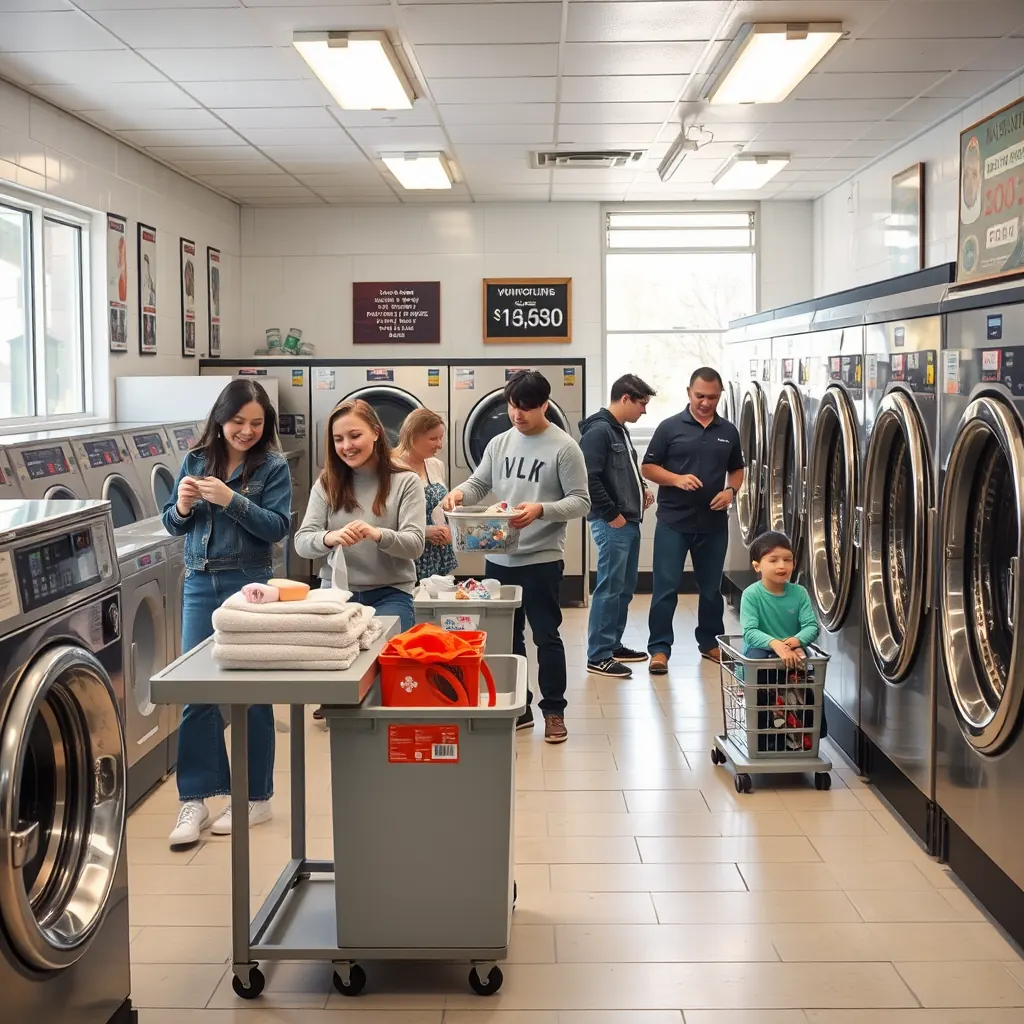
The pile starts small, then somehow turns into a weekend-long chore filled with missed stains, wrinkled shirts, and that one forgotten load that needs a second wash. At South Main, a simple laundry routine built around smart sorting, the right machine settings, and flexible help from Fresh Spin Laundry can turn clean clothes from a constant hassle into an easy part of your week.
Key Takeaways
- Build a set schedule so laundry never turns into an all-day pileup.
- Sort by color, fabric, and soil level for cleaner loads and fewer clothing mistakes.
- Use the right cycle, temperature, and load size to protect fabrics and save time.
- Finish each load fully by drying, folding, and putting items away before backlog starts.
- Fresh Spin Laundry offers self-service, wash-dry-fold, and pickup support for any routine.
The Laundry Problem Everyone Knows—and the System That Actually Fixes It
Laundry has a way of stretching far beyond the washer and dryer. One basket becomes two, clean clothes stay unfolded, socks disappear, and suddenly your free time is gone. For a lot of people, the real issue is not washing itself. The real issue is the lack of a repeatable system.
A good laundry routine removes guesswork. It helps you know when to wash, how to sort, and what settings to use without standing in front of the machine trying to figure it out every single time. That kind of routine cuts down on rewashing forgotten loads, reduces damage from poor cycle choices, and makes the whole process feel lighter.
Fresh Spin Laundry works well as a support hub for that routine because it gives you options that fit different schedules. Some people want total control at a self-service laundromat. Others want to drop everything off and move on with their day. Still others need laundry help that fits work, school, family life, or a packed social calendar. A strong system can include all of those choices.
By the end of this guide, you will have a clear plan for scheduling loads, sorting faster, treating stains, choosing better settings, drying efficiently, and keeping clean clothes from sliding back into a chair pile. The goal is simple: cleaner clothes, less stress, and a routine you can actually keep.
Start Here: Build a Laundry Schedule That Prevents Overwhelm
The easiest way to stay ahead of laundry is to stop treating it like a surprise. Dirty clothes show up every day, so your system should account for that. A regular plan breaks the work into manageable pieces and keeps one missed wash from turning into a mountain of fabric.
A set routine changes everything because it spreads the work across the week. Instead of losing half your Saturday, you handle smaller loads on a rhythm that matches your life. That also means less stress on your washer, less confusion on wash day, and fewer moments where you are digging through a basket for one clean shirt.
Your ideal schedule depends on household size. A smaller household often does well with one or two dedicated laundry days, usually on the weekend or one weekday evening and one weekend slot. Medium households usually benefit from three or four laundry sessions per week. Large families often need daily loads or a category plan where each day handles one type of item, such as towels, kids’ clothes, or bedding.
If your week is packed, choose one of these easy systems and stick with it:
- Daily system: sort and prep clothes at night, wash in the morning, dry later, and fold in the evening.
- Category days: assign one day for clothes, another for towels, and another for sheets.
- Laundromat block: take several sorted loads at once during off-peak hours for quicker turnaround.
What matters most is consistency. Once your household knows the pattern, laundry stops interrupting everything else. It becomes a normal part of the week instead of a recurring emergency.
Homes and Gardens points to the value of having a clear laundry process, and that idea holds up in real life. Structure saves energy because it reduces decisions. A schedule is your first and best move because it creates predictability and keeps your pile from taking over.
Choose a Laundry Routine That Fits Real Life at South Main
A laundry system only works if it fits your actual habits. There is no prize for choosing a schedule that looks good on paper but falls apart by Wednesday. The best routine is the one you can repeat without a struggle.
College students and young professionals often do best with a compact plan. One weekday evening for clothing and one weekend slot for towels and sheets usually covers the basics. That keeps outfits rotating, gym wear under control, and bedding fresh without eating up your free time.
Roommates need a slightly different setup. Shared living works better with assigned days or reserved time blocks. One person’s activewear should not be sitting in the machine when someone else needs to wash work clothes. A shared calendar, even a simple phone note, keeps the peace and makes laundry feel fair.
Families or busier households often need category-based washing. That means one day for dark clothes, one for kids’ items, one for towels, and one for bedding. It may sound like more work at first, but it actually creates flow. Everyone knows what gets washed and when.
If your home setup is limited or your machines are small, Fresh Spin Laundry gives you a smart backup plan. Larger-capacity machines let you finish more in one trip, which makes a weekly or twice-weekly schedule much easier to maintain. That is especially useful after travel, busy work stretches, or sports-heavy weeks.
Keep your routine visible. Put it on the fridge, save it in your phone, or write it near the hamper. A visible schedule acts like a reminder system. Once it becomes habit, laundry starts feeling automatic instead of annoying.
Cut Your Laundry Time in Half by Sorting Smarter
Sorting is where efficient laundry really begins. Tossing everything together may seem faster, but it creates more problems than it solves. Faded darks, dingy whites, lint-covered clothes, and damaged fabrics usually start with poor sorting.
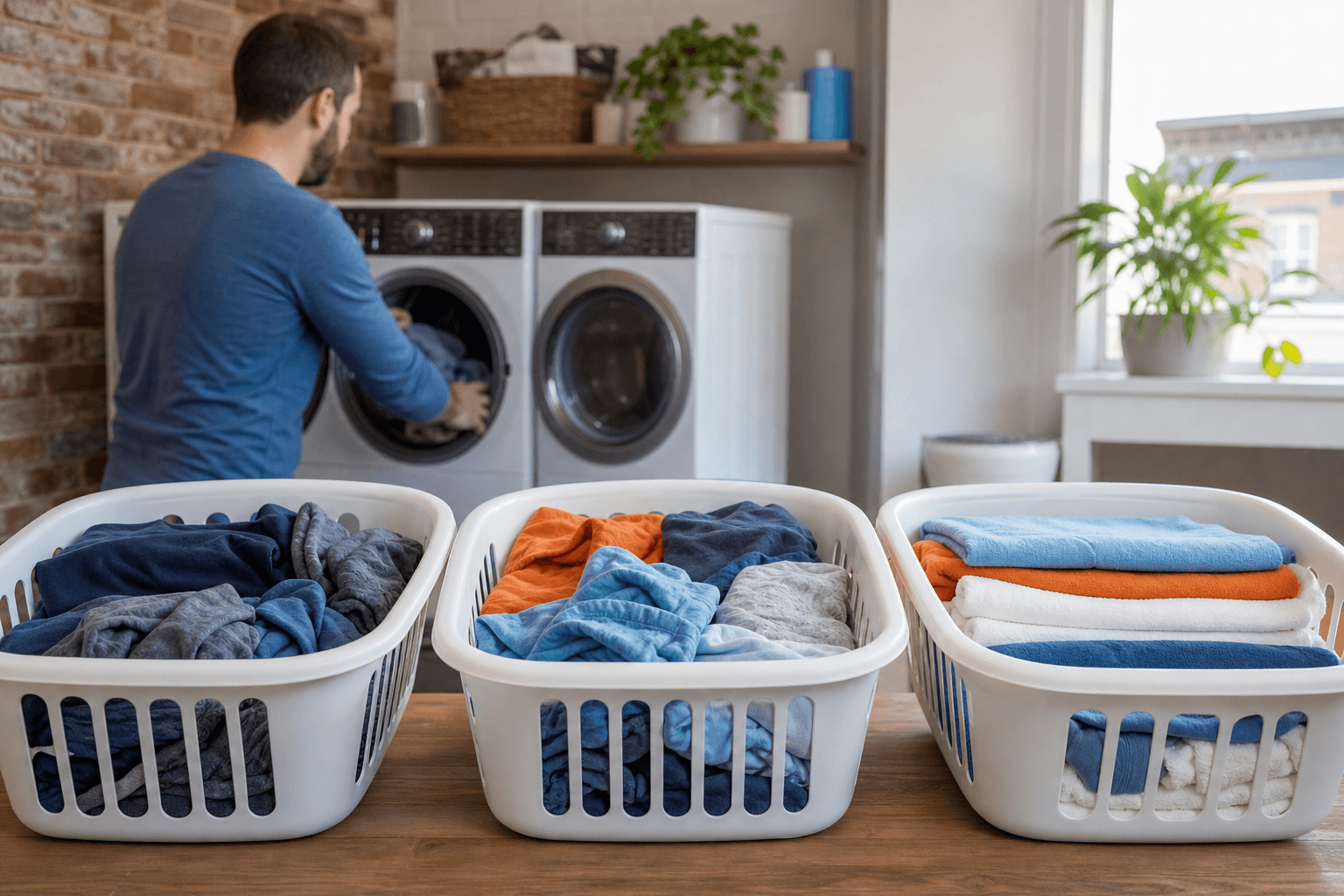
The most useful method is a simple three-way sort. First, separate by color. Keep lights and whites away from dark items to reduce bleeding and dullness. Next, separate by fabric type. Heavy towels and jeans do not belong in the same load as soft tees or delicate tops. Last, sort by soil level. Heavily soiled loads need a different approach than lightly worn everyday clothing.
This method works because it lines up your loads with what the machine can actually do well. Similar fabrics wash more evenly. Clothes with similar dirt levels respond better to the same cycle and detergent amount. Color separation protects the look of your wardrobe over time.
If you want sorting to feel easy, build it into your daily routine instead of leaving it all for wash day. A multi-bin hamper system does the job well. Use one section for darks, one for lights, and one for towels or delicates. If space is tight, use labeled laundry bags or stackable bins.
Pre-sorting also reduces decision fatigue. You do not have to stand there pulling apart a mixed pile while trying to remember what shrinks, what bleeds, and what needs extra care. The hard part is already done, so the wash itself moves much faster.
Before any load starts, do a quick check. Empty pockets. Zip zippers. Fasten hooks. Separate anything with special care instructions. Those tiny steps protect both your clothes and the machine. In laundry, small habits often create the biggest time savings and the best results.
Set Up a No-Effort Sorting System at Home
The trick to sorting consistently is making it harder to avoid than to do. If all dirty clothes go into one giant basket, sorting always becomes a future problem. If your setup asks for almost no effort, sorting happens by default.
Start with the hamper zone. Put bins where clothes naturally come off, such as a bedroom, closet, bathroom, or laundry corner. Label them in a way that makes instant sense. Good labels include darks, lights, towels, delicates, and heavily soiled items. Keep the wording simple so everyone in the household can use it without asking questions.
Next, create a pocket-check habit before clothes even hit the hamper. Receipts, lip balm, tissues, and coins are common troublemakers. A small tray or bowl near the hamper gives those items a place to go. That one addition can prevent stains, paper shreds, and machine issues.
Make a separate spot for clothes that need attention. This can be a mesh bag for delicates, a small bin for stain treatment, or a hanger section for handwash-only items. Once you separate these from the main flow, you lower the chance of accidental damage.
Here is a simple home sorting setup that works for most people:
- Bin 1: dark everyday clothes
- Bin 2: lights and whites
- Bin 3: towels and bedding
- Bin 4: delicates or special-care pieces
- Small basket: stain-treatment items waiting for wash
Keep detergent, stain remover, and mesh bags close to where you sort. That way, prep happens in the same place. Good systems reduce extra steps. Less movement means more consistency, and more consistency means laundry stops building up.
Don’t Wash Yet—Prep Like a Pro for Better Results
Throwing clothes straight into the washer is one of the easiest ways to get disappointing results. A quick prep routine improves cleaning, reduces wear, and helps stains come out before heat sets them deeper. This stage does not need to take long. In most cases, two minutes is enough.
Start by scanning for visible stains. Food, makeup, sweat marks, grass, and oil spots all respond better when treated before the wash. Apply a targeted stain remover and give it a moment to work. If the item is delicate, test a hidden area first.
Then shake out lint, dust, crumbs, or pet hair. Extra debris can cling to other garments and make a clean load feel less than fresh. Turn delicate pieces inside out to protect the outer surface. This is especially useful for leggings, graphic tees, sweaters, and anything with printed or textured details.
Advanced care matters too, especially if you want clothes to last. Some delicate garments are better off handwashed with gentle detergent. Items that still smell stale after normal washing may benefit from laundry stripping to remove buildup. That method is best used selectively, not all the time, but it can restore freshness in towels, workout wear, and fabrics carrying residue.
If you are handling very dirty items, protect yourself and the rest of the load. Bring gloves and stain tools for anything heavily soiled. Keep those items separate from regular clothes until they are ready for their own cycle. This keeps contamination low and improves hygiene and cleaning power.
Prep is what makes laundry feel intentional instead of rushed. Clothes go in with a better chance of coming out truly clean, smelling fresh, and looking like they were cared for the right way.
Master Your Machine: Settings, Cycles, and Products That Actually Matter
A lot of laundry issues come from one simple mistake: using the same settings for everything. Machines offer different cycles for a reason. Once you understand what each one does, you can get cleaner results while keeping fabrics in better condition.
The normal cycle is your standard choice for everyday cotton clothing, basic tees, underwear, and towels. It gives a balanced wash with enough agitation to clean common dirt. Permanent press works better for wrinkle-prone synthetics and mixed fabrics that need a gentler touch. Quick wash is useful for small, lightly worn loads when you need something fast, but it is not ideal for deeply soiled items.
Rinse and spin works well when clothes are already clean enough but need a refresh. Extra rinse helps remove leftover detergent and is especially helpful for people with sensitive skin or for loads that tend to hold residue, such as towels and thicker fabrics.
Water temperature matters just as much. Cold water protects colors, helps prevent shrinkage, and works for most everyday loads. Warm water handles moderate dirt well and can be useful for mixed household laundry. Hot water is best saved for towels, sheets, and oily items that need stronger cleaning. Always check care labels before going hotter.
The products you choose also change the outcome. Match detergent to the load and your skin needs. A gentle formula works best for delicates and sensitive skin. Standard detergents are fine for regular loads. Dryer sheets or dryer balls can reduce static and soften clothes, though some fabrics respond better to one than the other.
Load size is a huge factor. Overloading traps dirt and prevents proper rinsing. Underloading wastes water, energy, and time. At Fresh Spin Laundry, larger machine options make it easier to match machine size to load volume. That means better movement inside the drum and more efficient, more consistent cleaning.
Use the Right Cycle for Every Common Load
Once you know the basic settings, laundry gets much less confusing. Instead of guessing, you can match the load to the cycle with confidence. That lowers fabric stress and improves how clean everything gets.
For everyday clothes, use the normal cycle with cold or warm water depending on how dirty the items are. Cotton shirts, socks, basic pajamas, and many casual pieces fit here. If you have a mixed load of synthetic workwear, blouses, or wrinkle-prone items, permanent press is usually the safer choice.
Activewear deserves special attention. Synthetic performance fabrics can hold odor and detergent residue if they are washed too roughly or with too much product. Wash them in cold water, avoid overloading the drum, and consider an extra rinse if they come out with a lingering smell.
Towels and bedding usually need stronger cleaning. Warm or hot water often works well, especially if the care label allows it. These heavier items need enough room to move, so avoid stuffing too much into one machine. A packed towel load may come out smelling less fresh because water and detergent could not circulate well.
Delicates should go into mesh bags or be washed separately on a gentler cycle. Bras, soft knits, thin tops, and lace-trimmed pieces all benefit from lower agitation. Some items are best handwashed altogether, especially if the label says so.
Use this quick guide as a reliable reference:
- Normal: cotton basics, casual wear, towels
- Permanent press: wrinkle-prone synthetic fabrics
- Quick wash: small, lightly soiled loads
- Rinse and spin: refresh loads without full washing
- Extra rinse: sensitive skin, residue-prone fabrics
Machine confidence builds over time. Once your loads are sorted well, the right setting becomes much easier to choose. That means fewer mistakes and stronger fabric care with less guesswork.
Wash and Dry Without Wasting Time or Energy
Efficiency is about flow. Good laundry habits keep things moving from washer to dryer to folding surface with as little delay as possible. The longer wet clothes sit, the more likely they are to wrinkle or develop a stale smell.
At home, try to run full loads whenever possible, as long as they are not overloaded. Full loads use water and energy more effectively. Once the washer stops, move the clothes to the dryer right away. Waiting even an hour can make a big difference, especially for towels, workout clothes, or heavier fabrics.
Drying settings matter too. Use a lower heat for delicate and synthetic fabrics. Save higher heat for sturdier items like towels if their labels allow it. Taking clothes out while they are still slightly warm can make folding easier and reduce wrinkles. Hang dress shirts, blouses, and wrinkle-prone items as soon as the cycle ends.
If you use Fresh Spin Laundry, think strategically about each visit. Larger machines can help consolidate small loads, but oversized mixed loads can still reduce wash quality. Split bulky bedding or extra-dense loads if needed. Better airflow and movement inside the machine lead to stronger cleaning and drying.
Before you start, wipe machines and check lint traps if needed. Separate heavily soiled, pet-related, or contaminated items from standard clothing. This keeps the rest of your laundry cleaner and supports better hygiene. A few smart choices at the start of each wash session save a lot of frustration later.
Energy-smart laundry is usually better laundry. You save time, lower repeat washes, and put less wear on your clothes. That is the kind of efficiency that actually feels useful in real life.
Make Every Visit to Fresh Spin Laundry Count
If you use a laundromat, your goal should be a smooth, planned visit rather than a random basket dump. Going in with sorted loads, supplies ready, and a clear order of operations makes the whole experience faster and less stressful.
Start by choosing an off-peak time when possible. Fewer people usually means more machine choices and a faster overall session. Bring your clothes already separated by color, fabric, and soil level so you can move right into washing without sorting on-site.
Pack a simple laundry kit. Include detergent, stain remover, dryer sheets or dryer balls, mesh bags, and anything needed for special items. If you are bringing in heavily soiled laundry, include gloves and keep those items bagged separately until wash time.
Use larger-capacity machines wisely. They are great for towels, bedding, and multiple similar loads, but they should still allow room for clothes to move freely. If you are not sure what service setup fits you best, the FAQ can help answer practical questions before your visit.
Stay with the flow once loads begin. Set timers on your phone for wash and dry cycles. Move clothes promptly. Fold what you can on-site so you bring home finished laundry instead of another task. A laundromat trip feels much easier when you leave with everything already handled and ready to wear.
Folding and Storage Habits That Stop the Pile From Coming Back
Clean laundry is not done until it is folded, hung, or put away. This is where many routines break down. People do the washing and drying, then leave baskets full of clean clothes sitting for days. That creates wrinkles, clutter, and the weird problem of having clean clothes but nothing easy to wear.
The best fix is simple: fold or roll clothes right after drying. Warm fabric is easier to smooth out, and the job usually takes less time than expected. Use a flat surface for consistency. A bed, folding table, or clean countertop works well.
Group items by destination as you fold. Put shirts in one stack, pants in another, underwear together, and socks paired immediately. If several people live in the home, sort by person right away. That way no one has to dig through shared baskets later.
Hang wrinkle-prone items as soon as they come out of the dryer. Shirts, dresses, blouses, and slacks all benefit from fast hanging. This lowers ironing needs and keeps your closet looking much more organized. It also helps you see what you actually have available to wear.
For drawers, rolling can save space and improve visibility, especially for tees, leggings, pajamas, and workout clothes. For shelves, neat folded stacks work better. The point is not perfection. The point is creating a storage style that makes clean clothes easy to access and easy to maintain.
When folding becomes part of the routine instead of a separate event, clean laundry stops piling up. That one habit protects all the work you already did and gives your system real staying power.

Build a Daily Habit That Prevents Backlog
The best laundry systems are built on small repeated actions, not giant clean-up sessions. A few minutes each day can stop backlog before it starts. That is much easier than trying to recover after three weeks of ignored baskets.
Begin with a short reset habit. Spend five to ten minutes each evening putting dirty clothes in the right hamper, checking for any urgent items, and folding whatever came out of the dryer that day. This small reset keeps the system moving.
In shared homes, divide the work. One person can sort, another can switch loads, and someone else can fold. Laundry becomes less annoying when it is treated like a shared household rhythm instead of one person’s endless task. Even kids and teens can handle simple jobs like matching socks or putting away towels.
A visual tracker can help too. Use a dry-erase board, a phone checklist, or recurring reminders. Mark off basics like wash, dry, fold, and put away. That may sound simple, but visible progress makes routines easier to keep, especially during busy weeks.
If folding tends to be your weak point, create a non-negotiable rule: no basket sits overnight unless it is empty. That one rule changes a lot. It keeps clothes from wrinkling and prevents the “clean but still in a heap” cycle that makes laundry feel unfinished.
Daily habits are powerful because they keep effort low. Instead of waiting for a giant task, you handle little pieces as they appear. That creates a more manageable and more relaxed laundry life.
Keep Your Machines and Clothes in Top Shape
Good laundry results depend on clean machines. If your washer or dryer is ignored for too long, odors, lint, residue, and reduced performance can start affecting every load. Basic maintenance is easy and worth doing.
Clean your washer every six months with vinegar or a similar machine-safe solution if your machine instructions allow it. This helps remove detergent buildup and stale smells. Wipe seals, dispensers, and any areas where residue tends to collect. A cleaner washer leaves clothes smelling fresher and rinsing better.
The dryer needs more frequent attention. Empty the lint trap after every cycle. Wipe the drum regularly, especially if a load leaves behind lint, debris, or residue. Keeping the lint filter clear improves airflow, shortens drying time, and supports safer machine use.
Your clothes benefit from these habits too. Machines that run clean and efficiently put less unnecessary stress on fabrics. Loads dry more evenly, detergents rinse out better, and stale odors are less likely to hang around in towels and athletic wear.
Fresh Spin Laundry adds another advantage here. Professionally maintained, high-capacity machines can improve consistency and speed, especially for bigger loads or items that challenge home washers and dryers. That means fewer issues caused by weak spin cycles, crowded drums, or older home equipment.
Think of maintenance as part of the laundry routine, not a separate chore. It protects your machine performance and your clothes at the same time.
Fix the Most Common Laundry Mistakes Fast
Even with a good routine, laundry mistakes happen. The key is knowing how to correct them quickly so one bad load does not turn into a larger problem. Most issues come back to sorting, timing, or settings.
If wrinkles keep showing up, start with your drying habits. Permanent press can help for wrinkle-prone fabrics. So can removing clothes promptly and folding or hanging them right away. Letting a full dryer sit untouched is one of the fastest ways to create stubborn creases.
If clothes smell off or feel like they have detergent residue, run an extra rinse cycle. Buildup in towels, activewear, and heavier fabrics can trap odor. Laundry stripping may help in cases where standard washing no longer seems to reset the fabric. Use that method carefully and only when needed.
If colors bleed or dark items fade too fast, improve sorting and lean on cold water more often. Mixed loads with strong dyes are risky, especially in warm or hot water. Sorting by color is still one of the most effective ways to preserve your wardrobe.
Machine trouble can happen too. Start with basic checks like load balance, detergent amount, and cycle choice. If you are washing at Fresh Spin Laundry and need help, staff support can make the process easier. Sometimes a quick question saves a whole load from coming out wrong.
Problems usually become patterns only when you ignore them. Once you spot the cause, the fix is often simple. Better habits create cleaner outcomes and help you avoid wasting time on repeat washes.
Why Fresh Spin Laundry Makes This System Easier
A strong routine is easier to keep when you have flexible support. That is where Fresh Spin Laundry stands out. The goal is not to force every customer into one style of doing laundry. The goal is to offer options that fit real schedules, real homes, and real energy levels.
Self-service is great if you want full control. You can choose your exact settings, handle your loads in your own order, and take advantage of high-efficiency machines that move faster than many home setups. For many South Main residents, that alone can make weekly laundry much easier.
If you want to save even more time, use wash-dry-fold service. Drop off your laundry and skip the sorting, washing, drying, and folding work. This option works well during busy workweeks, after travel, or anytime your schedule feels too packed to deal with several loads yourself.
Fresh Spin Laundry also supports a cleaner experience. It makes sense to sanitize machines before use and keep heavily soiled or pet-related items separate from standard clothing. Those habits help protect both fabric quality and hygiene.
Efficiency matters too. Running full loads, using the right machine size, and air drying when possible are all smart choices for water and energy use. A better system saves effort, but it also makes laundry more practical and more sustainable over time.
Your Simple Action Plan to Take Control Today
If your laundry routine has felt random, frustrating, or stuck in catch-up mode, the fix does not have to be complicated. Start with a few clear actions and build from there. Systems work best when they are easy to repeat.
First, set your weekly laundry schedule. Choose days that match your actual life, not your idealized version of it. If one evening and one weekend block are realistic, start there. If daily mini-loads make more sense, use that instead.
Second, create your sorting setup at home. Use labeled bins, laundry bags, or whatever fits your space. Pre-sort by color, fabric, and soil level so wash day begins with momentum instead of confusion.
Third, complete one full load from wash to fold using the new method. Check pockets, treat stains, choose the correct cycle, move clothes quickly to the dryer, and fold them as soon as they are ready. One complete load done well is better than three half-finished loads sitting around.
Keep your routine focused on four basics: schedule, sort, prep, and proper settings. Those four steps handle most laundry problems before they start. Once that rhythm is in place, clean clothes become much easier to maintain.
If you want extra speed or support, Fresh Spin Laundry can help you keep that momentum going. Whether you prefer self-service, drop-off care, or need answers before your next visit, the right routine plus the right support can make laundry one of the easiest tasks in your week.