
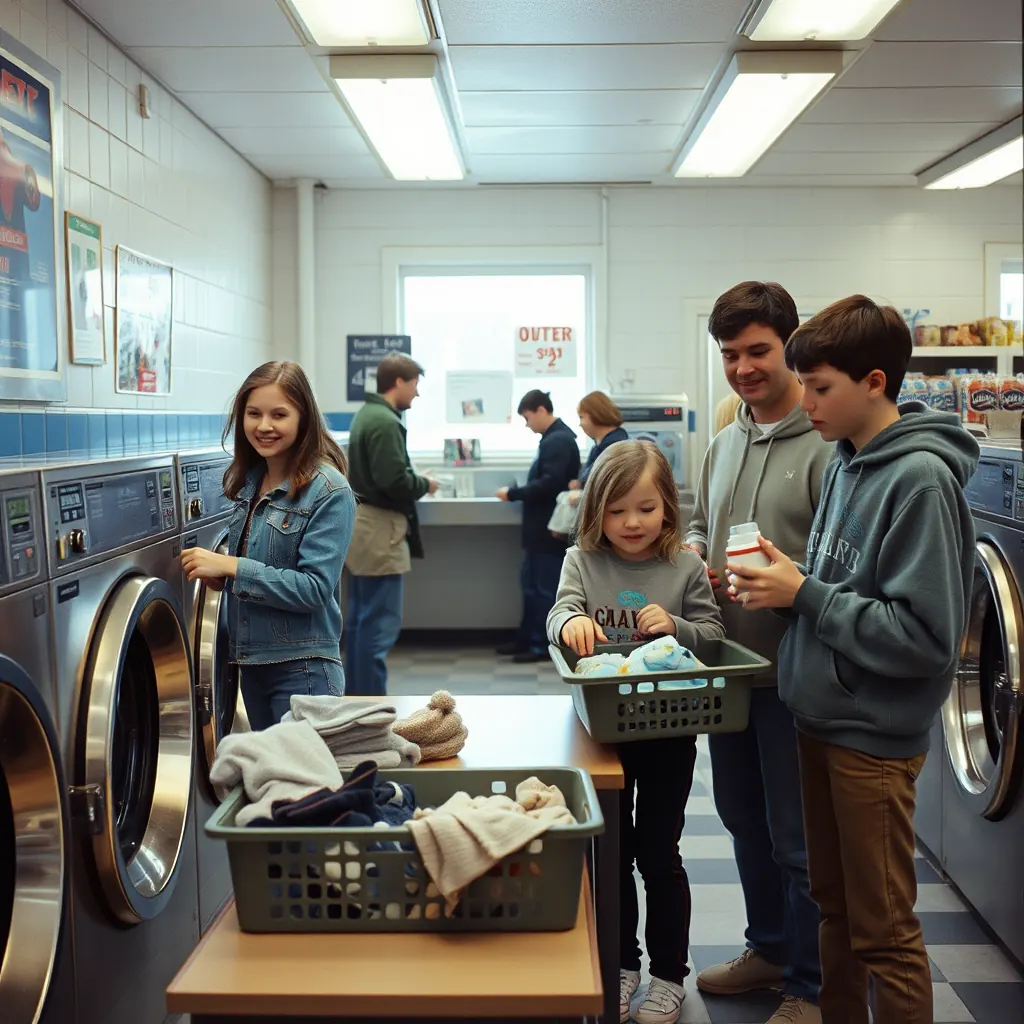
Commercial laundry has shifted fast as customers now expect cashless payments, app-based control, and shorter cycle times, which is exactly why Fresh Spin Laundry stands out as a model built for speed, convenience, and stronger unit economics. By pairing modern operating strategies with the equipment ecosystem of Alliance Laundry Systems, including trusted brands like Speed Queen, UniMac, Huebsch, IPSO, and Primus, operators can build laundromats that serve today’s users while setting up long-term growth.
Key Takeaways
- Fresh Spin Laundry focuses on speed, uptime, and a better digital customer experience.
- Alliance Laundry Systems gives operators access to proven commercial equipment used globally.
- Cashless tools, apps, and touchscreen controls can lift revenue per machine and improve loyalty.
- Wash-and-fold, delivery, and commercial accounts create multiple income streams beyond self-service.
- Efficient machines and ozone-based sanitation help lower costs while supporting a modern brand image.
Why Laundry Operations Are Being Rebuilt Around Speed and Convenience
The laundry business looks very different from what many people remember. Customers used to accept coin machines, longer waits, and limited cycle options. Today, they expect fast service, digital payments, and clear updates on when a load will finish. That shift has changed what counts as a strong laundromat.
Fresh Spin Laundry fits this new demand because its model centers on faster cycles, better machine uptime, and simpler operations. Those three factors matter for both sides of the counter. Customers save time and gain more control. Owners increase machine turns, reduce avoidable service interruptions, and build a more attractive store experience.
Convenience has become a key part of laundry spending. A user who can pay with a phone, check cycle status remotely, and choose specialty settings is more likely to return. A store that cuts friction at every step has a better shot at earning repeat visits. That applies to self-service guests, apartment residents, hotel managers, and families using drop-off service.
Modern laundromats are now part retail space, part service hub, and part technology platform. Fresh Spin Laundry responds to that change by combining commercial-grade equipment with support systems that help owners run cleaner, faster, and more profitable locations. Instead of relying on a single income stream, the model supports self-service, wash-and-fold, pickup and delivery, and larger commercial processing.
How Fresh Spin Laundry Approaches Ownership and Operations
Fresh Spin Laundry is presented as a full-service solution for owners and operators who want more than equipment alone. That matters because machines are only one piece of a successful store. Layout, machine mix, pricing, support, and customer flow all shape performance over time.
A service-driven model helps simplify ownership. New operators often need guidance on choosing washer sizes, dryer capacity, payment systems, and service offerings. Experienced owners may need support for expansion, upgrades, or shifting from coin-based stores to digital systems. Fresh Spin Laundry addresses these needs by focusing on equipment, support, and operating strategy as one connected package.
This structure also works across different laundry environments. Vended laundromats need strong throughput and easy customer use. Multi-housing laundry rooms need reliability and low maintenance. On-premises laundry setups for hotels, restaurants, and healthcare sites need consistent output and sanitation. Fresh Spin Laundry is built to support all three, which gives owners room to diversify.
That flexibility can lower risk. If one revenue stream softens, another may stay strong. A store owner can grow from self-service into drop-off. A property manager can improve resident satisfaction with better shared laundry. A hotel can increase internal processing efficiency with the right machine setup. Each case depends on the same core strengths: speed, durability, and smart operation.
The Alliance Laundry Systems Advantage
One of the strongest parts of the Fresh Spin Laundry model is its alignment with Alliance Laundry Systems. The article brief points to Alliance’s equipment ecosystem, which includes Speed Queen, UniMac, Huebsch, IPSO, and Primus. These brands carry weight because they are widely recognized in commercial laundry and trusted across many market types.
Access to equipment used in over 100 countries gives operators confidence that they are buying into a tested platform rather than an unproven concept. For a laundromat owner, that can affect everything from parts availability to customer trust. Reliable equipment shortens downtime, protects revenue, and supports long-term returns.
Durability matters more in laundry than many first-time owners expect. Commercial machines face heavy, repeated use every day. Breakdowns cost more than repair bills. They also create empty pockets of floor space, frustrate customers, and damage the store’s reputation. Alliance Laundry Systems has built its reputation on performance and longevity, which is a major reason this alignment matters.
Strong manufacturer backing also supports scaling. A single-store operator may start with one neighborhood site, then add locations after building steady cash flow. Multi-location owners need standardization so staff can work across stores and maintenance stays manageable. Alliance brand equipment helps create that consistency, making expansion easier to plan and execute.
How Equipment Speed Turns Into Revenue
In commercial laundry, faster cycles are not just a customer perk. They are a direct business driver. Every minute cut from a wash or dry cycle can increase the number of turns a machine completes in a day. More turns can mean more revenue from the same square footage.
Fresh Spin Laundry emphasizes high-performance washers and dryers built for speed and durability. That combination is important because quick cycles only help if the machines can keep up with sustained demand. A machine that runs fast but fails often will hurt profits. A machine that performs consistently under heavy usage supports a much healthier operation.
Owners should think about throughput in practical terms. A store with reduced cycle times can serve more customers during peak hours without adding more machines. That can lower wait times and improve customer satisfaction. It can also reduce the number of people who leave because the store feels crowded or slow.
Revenue growth from throughput often comes from several small gains working together:
- More turns per machine each day
- Better customer flow during busy periods
- Higher satisfaction from faster completion times
- Less downtime caused by stronger machine reliability
- Improved store reputation that drives repeat traffic
These gains are especially valuable in urban and suburban markets where customers often choose based on speed and ease. In that kind of environment, a machine lineup that finishes faster can become a serious advantage.
Cashless Payments and Touchscreen Control Are Now Core Features
Cashless systems have moved from a nice extra to a central expectation. Many customers no longer carry coins, and many younger users prefer to handle every purchase through a phone or card. Fresh Spin Laundry responds with fully cashless systems that remove the hassle of coin collection, coin jams, and manual handling.
For owners, going cashless can improve both operations and customer experience. It simplifies collection, supports better tracking, and reduces some security concerns linked to cash-heavy businesses. For customers, it shortens the start process and makes the store feel more current. That sense of ease influences whether people come back.
Touchscreen controls add another layer of value. Customers can choose options like extra rinse, temperature control, and specialty settings with a few taps. This creates a more personalized wash experience while also opening the door to premium pricing. A base cycle gets the job done, while upgraded options raise average revenue per load.
Custom settings also support clearer communication. Instead of confusing labels or limited choices, a digital screen can guide customers through options step by step. That lowers mistakes and reduces the need for staff help. As a result, the store can feel more intuitive and less stressful for first-time users.
Many operators now pair this setup with a modern self-service laundromat layout that keeps the guest journey simple from entry to pickup. The cleaner and more digital the experience feels, the stronger the store’s position with younger renters, students, families, and busy workers.
App Integration Changes How Customers Use a Laundromat
App-based laundry tools do more than accept payment. They turn laundry into a trackable service. Customers can start or fund cycles remotely, monitor progress, and receive updates when a load is done. That reduces idle waiting, which is one of the biggest frustrations in the laundromat experience.
App integration also helps operators build customer loyalty. Digital loyalty programs make repeat use easier to reward. Discounts, credits, and promotions can be tied directly to customer behavior. That creates an ongoing relationship rather than a one-time transaction.
Remote visibility can improve store flow as well. A customer who knows exactly when to return is less likely to crowd the seating area or block access to carts and folding tables. The result is a more organized environment, especially during rush periods.
These systems can support several useful features:
- Remote payments through phone-based wallets or saved cards
- Cycle tracking with alerts and status updates
- Loyalty rewards for repeat visits
- Special promotions during slower hours
- Digital records that help owners study usage trends
For a young adult audience in particular, app convenience often feels standard rather than optional. A laundry brand that matches daily digital habits will usually feel easier to trust and easier to use.
Matching the Right Laundry Setup to the Right Environment
Fresh Spin Laundry is not limited to one type of operation. That makes its model useful across several business settings. Each environment has different priorities, but all benefit from reliable equipment and efficient systems.
Vended laundromats focus on public use and direct customer spending. These sites need smart layouts, a strong machine mix, and a smooth customer journey. Washer sizes should match neighborhood needs, from small individual loads to oversized family laundry. Dryers must keep pace so they do not become a bottleneck. In this setting, profitability often depends on floor planning just as much as machine quality.
Multi-housing properties need shared laundry systems that work with minimal disruption. Apartment residents and condo owners expect quick, dependable service and easy payment options. Property managers want fewer complaints and fewer breakdowns. A reliable shared laundry room can support resident retention while reducing management headaches.
On-premises laundry has a different rhythm. Hotels, restaurants, and healthcare operations need dependable processing for linens, uniforms, towels, and related items. Downtime can interfere with guest service, table turnover, or sanitation routines. Here, machine durability and cycle consistency matter a lot. The setup has to support business continuity every day.
Owners and managers should consider a few questions before choosing a configuration:
- What volume of laundry will the site handle each day?
- Which machine sizes best match the typical load mix?
- Will users need app-based payment or account tracking?
- Is the goal self-service revenue, service revenue, or internal processing?
- How much room is available for future expansion?
These choices shape both customer satisfaction and long-term financial performance.
Beyond Self-Service: Why Wash-and-Fold Matters
Self-service remains important, but many modern laundromats grow faster when they add service-based revenue. Wash-and-fold is one of the clearest examples. It meets a basic customer need: people want clean clothes without giving up hours of their week.
The article brief notes a standard pricing range of $1.50 to $3.50 per pound for wash-and-fold. That spread allows owners to adapt based on local demand, turnaround speed, labor costs, and service quality. It also creates room for premium options that increase ticket size without requiring more floor space.
Minimum order thresholds are common because they help cover handling time and labor. A full household load often becomes the baseline, which keeps each transaction worthwhile. That pricing structure also makes it easier for customers to understand the service. They can estimate costs in advance and decide whether to add extras.
Upsells increase the value of each order. Premium detergents, fabric care options, special folding requests, or fragrance-free handling can all appeal to different customer groups. Families may want gentle products for children’s clothing. Professionals may want crisp folding and quicker turnaround. Every added option can increase average order revenue if priced clearly.
Many operators use a dedicated wash and fold service to attract customers who care more about time than price. Once a customer starts using drop-off service regularly, that relationship can become much more stable than occasional self-service visits.
Pickup and Delivery Create Recurring Revenue
Pickup and delivery services have become a major growth lane in laundry. They turn a neighborhood laundromat into a convenience brand. That shift matters because customers often value saved time more than saved effort. If laundry can disappear from their weekly to-do list, many are happy to pay for that relief.
Fresh Spin Laundry’s model supports free or low-cost pickup and delivery, making the service attractive to households that want convenience without premium dry-cleaning prices. Busy professionals, parents, and dual-income families are especially strong targets. These groups often have the willingness to pay for a service that gives them hours back every week.
Subscription-based plans take that idea further. Instead of waiting for one-off orders, operators can build predictable income from recurring monthly service. Subscriptions improve revenue visibility and can strengthen retention because customers build laundry into their routine.
Delivery also widens a store’s market reach. A laundromat limited to walk-in traffic depends heavily on foot access, parking, and local density. Delivery allows the same operation to serve nearby neighborhoods without opening another site. That can be a powerful way to grow revenue with lower overhead than a second brick-and-mortar location.
To make delivery work well, operators usually need a few systems in place:
- Clear scheduling for pickups and drop-offs
- Reliable order labeling and sorting
- Simple digital payment tools
- Defined turnaround options such as standard, next-day, or same-day
- Customer communication through text or app updates
With the right setup, delivery can shift a store from a reactive business into a recurring service brand.
Commercial Accounts Add Stability and Volume
Residential customers are important, but commercial accounts often bring a different kind of value. They can provide high-volume processing and steady contracts that make monthly cash flow more predictable. That stability can help an operator invest with more confidence.
The article brief highlights service opportunities for hotels, spas, gyms, and restaurants. These businesses often need regular processing for towels, linens, uniforms, and tablecloths. Demand tends to repeat on a schedule, which is very different from unpredictable walk-in customer patterns.
Long-term contracts can be a major advantage. A laundromat with commercial accounts gains recurring business that does not depend entirely on weather, seasonality, or weekend traffic. Even a few strong accounts can support machine utilization during off-peak hours and keep staff productive throughout the day.
Commercial processing also affects store planning. Operators may need dedicated machines, specific workflow zones, or scheduling windows that keep bulk loads from interfering with public customers. Done well, this can increase total throughput without hurting the self-service experience.
Several benefits make commercial accounts attractive:
- High volume from recurring orders
- More stable revenue through contracted service
- Better use of daytime and off-peak capacity
- Stronger business relationships in the local market
- Potential for expansion into specialty laundry niches
For owners who want to build something larger than a neighborhood coin store, commercial accounts can be a key step.
Pricing Strategy That Protects Profit While Staying Attractive
Pricing in laundry has to balance two realities. Customers are price aware, and operators must protect margins. A smart strategy avoids racing to the bottom while making the value clear. Fresh Spin Laundry’s model supports that balance by pairing service options with customer-facing convenience and speed.
The brief lists several core benchmarks. Wash-and-fold commonly falls between $1.50 and $3.50 per pound. Bulk bag pricing may cover around 15 pounds per order. Comforters and oversized items are often priced per piece. Rush service can command a premium for quicker turnaround.
Those benchmarks matter because they give owners a structure to work from. Still, prices should reflect local conditions. Geographic location, labor costs, neighborhood income levels, and nearby competition all affect what the market can support. A college-area laundromat may need different pricing than a suburban family-focused operation or a downtown pickup route.
Service speed also shapes pricing power. Standard turnaround should be priced competitively, while next-day and same-day service can justify higher rates. Customers who need speed often care less about a small price increase and more about reliability. That creates a useful premium tier.
Value-added features give operators more room to grow average tickets. Eco-friendly detergents, ozone sanitation, specialty fabric care, and digital convenience all help justify stronger pricing. Customers are more open to paying extra when they understand what makes the service better.
Using Tiered Offers to Increase Average Spend
Tiered pricing works well in laundry because customers have different priorities. Some want the lowest cost. Others want speed, specialty care, or pickup convenience. A single flat offer leaves money on the table because it treats every customer the same.
Fresh Spin Laundry’s technology setup makes it easier to create these tiers. Touchscreen customization allows premium cycle upgrades. Subscription plans create recurring value for regular users. Bundles can combine self-service, drop-off, and delivery in ways that feel flexible rather than rigid.
A simple tiered structure might include:
- Basic self-service at standard machine pricing
- Premium self-service with added cycle features
- Wash-and-fold with standard turnaround
- Rush wash-and-fold at a higher rate
- Pickup and delivery through one-time orders or subscriptions
This structure does two things at once. It keeps an entry-level option available for price-sensitive users while opening premium lanes for customers who care about time or extra care. That kind of ladder often lifts revenue without alienating core users.
Owners should also present prices clearly. Transparency builds trust. If customers understand exactly what they are paying for, they are less likely to resist upgrades and more likely to return. In a service business, clear pricing can be as valuable as a discount.
Smart Machines Do More Than Clean Clothes
Modern commercial laundry equipment is becoming more intelligent, and that changes how stores operate. Fresh Spin Laundry highlights smart machines with customizable cycles, usage tracking, maintenance monitoring, and efficient resource use. These features support both customer satisfaction and owner decision-making.
Customizable cycles increase revenue because they let customers choose a service level that matches their needs. Someone washing gym gear may want a different setup than someone cleaning bedding or delicate clothing. Giving users those options improves the experience while creating premium pricing opportunities.
Data tracking matters just as much. Owners can study which machines are busiest, which settings customers choose most often, and when peak traffic hits. Those insights support better pricing, staffing, and maintenance scheduling. A laundromat that runs on actual usage patterns can operate much more efficiently than one relying on guesswork.
Maintenance data also helps protect uptime. Predictive signals can show when a machine may need attention before a breakdown happens. That is valuable because unexpected outages interrupt revenue and damage customer trust. Preventive service is usually far cheaper than emergency repair plus lost business.
Machine intelligence often helps in three key areas:
- Performance through better cycle control
- Efficiency through lower water and energy use
- Reliability through earlier maintenance action
As stores become more automated, these tools will likely move from competitive extras to standard operating needs.
Financing and Growth Pathways for New and Expanding Operators
Starting or expanding a laundromat can require serious capital. Equipment, buildout, utilities, and launch costs add up quickly. That is why financial tools matter so much in a laundry growth strategy. Fresh Spin Laundry points to funding solutions that can lower the barrier to entry and support expansion.
For new owners, financing can make the difference between entering the market now or waiting years. Structured investment pathways give entrepreneurs a way to start with a realistic plan rather than postponing a strong opportunity. For existing operators, funding can support upgrades that improve speed, increase efficiency, or open new services like delivery and wash-and-fold.
Growth is often strongest when operators think in stages. First comes a reliable base operation. Then come service additions such as drop-off or subscriptions. After that, a second site or route expansion may make sense. A clear financial pathway helps support each stage without overextending resources.
Scalability matters because laundry is well suited to multi-location growth. Once an owner understands staffing, pricing, maintenance, and customer acquisition, those lessons can transfer. Standardized equipment and systems make replication easier. Alliance-backed equipment ecosystems and service-driven support can strengthen that repeatable model.
Operators exploring upgrades or expansion often benefit from staying informed through resources like the Fresh Spin laundry blog, where trends, service ideas, and operating insights can help shape smarter next steps.
Sustainability Can Improve Both Image and Cost Control
Sustainability is no longer just a branding angle. In laundry, it can affect actual operating costs and customer preference. Fresh Spin Laundry highlights ozone systems, efficient machines, and lower chemical usage as part of its edge. These upgrades matter because laundry operations consume large amounts of water, energy, and cleaning inputs.
Ozone systems can reduce chemical dependence while improving sanitation. That makes them useful in settings where hygiene matters a lot, such as hospitality and healthcare. They can also appeal to environmentally aware consumers who prefer lower-impact cleaning methods.
Energy-efficient machines help owners control overhead. Water and utility costs directly affect margins, especially in high-volume stores. Equipment that uses less water and energy per cycle can improve long-term profitability in a way customers may not always see but owners definitely feel.
An eco-friendly position can also support pricing and loyalty. Many customers are willing to support a business that aligns with their values, especially if the service is already convenient and reliable. The key is to connect sustainability with practical benefits, such as sanitation, lower waste, and efficient performance, rather than treating it as a vague label.
Operators should view sustainability as a business tool with several advantages:
- Lower utility and chemical costs
- Improved sanitation potential through ozone use
- Stronger appeal with modern consumers
- A more current and responsible brand image
Competing Against National Brands and Local Stores
The laundry market is crowded in many areas. Operators may face large delivery-focused brands, established neighborhood laundromats, and apartment-based laundry alternatives. To compete well, a store needs more than machines. It needs a clear reason for customers to choose it again and again.
Fresh Spin Laundry stands out through a combination of equipment reliability, speed, technology, and operational support. That integrated approach matters. Some laundromats compete on price alone. Others offer a better-looking store but weak service consistency. A stronger model connects machine performance with digital convenience and dependable execution.
Faster turnaround is a major advantage. Traditional laundromats often lose customers because of slow cycles, broken machines, or awkward payment systems. A store that runs efficiently and communicates clearly will often beat a cheaper but frustrating alternative. Customers remember wasted time.
Transparent pricing builds trust, which supports retention. Digital payment and delivery tools make service easier to repeat. Consistent machine performance improves day-to-day satisfaction. Together, these features create a stronger experience than any one feature alone.
Competition can also be framed positively. If national brands have shown customers they are willing to pay for pickup and delivery, local operators can enter the same demand space with better neighborhood knowledge and a stronger service relationship. A smart local brand can often move faster and adapt more easily than a large chain.
What Real Success Patterns Suggest About Modern Laundry Growth
The article brief points to several success patterns from real implementations. Revenue has increased through customizable machine settings. Customer retention has improved through app-based engagement. New locations and franchise-style setups have shown strong early performance. These patterns are useful because they show what actually tends to move results.
Customizable settings help because they create more customer choice and more premium pricing opportunities. App engagement helps because it keeps the relationship active beyond a single visit. New location success often comes from launching with a modern model from day one instead of trying to patch older systems later.
Franchise-style thinking is especially important. Even if a business is not formally franchised, it can still benefit from repeatable standards. Store layout, machine mix, customer messaging, service menus, and digital tools should be consistent enough to copy across multiple sites. That consistency makes staff training easier and brand identity stronger.
Operators who want to grow should pay attention to the elements that repeat across strong stores:
- Reliable uptime and machine performance
- Fast and simple customer interactions
- Multiple revenue channels instead of one
- Clear pricing and service expectations
- Systems that can scale across locations
Growth usually follows discipline. Stores that combine dependable equipment with easy customer use and service variety are in a better position to expand.
Where Laundry Is Headed Next
The future of laundry points strongly in one direction: greater automation, stronger digital integration, and more service-based revenue. The article brief highlights the continued move to fully cashless environments, growth in pickup and delivery, and the rise of AI-driven cycle optimization and predictive maintenance.
Cashless systems will likely become standard because they simplify payment and support better data tracking. Delivery may keep expanding because people are increasingly willing to outsource routine chores. AI-based tools could help operators optimize cycle settings, improve machine usage, and reduce service interruptions before customers even notice a problem.
These changes also create expansion opportunities. Scalable laundromat models are becoming more attractive to owners and investors who want multi-location growth. Urban and suburban demand continues to rise as households look for efficient alternatives to in-home laundry or seek help managing larger volumes of clothing and household textiles.
Lifestyle changes support this trend. Busy schedules make time-saving services feel essential. Renters may lack access to quality in-unit machines. Families may prefer affordable drop-off or delivery over buying and maintaining home equipment. Commercial segments continue to need outsourced or on-premises processing at reliable standards.
The operators best prepared for this future are those who build around automation, speed, flexibility, and a clear customer experience today rather than waiting for the market to force a change later.
Why Fresh Spin Laundry Makes Sense Right Now
Fresh Spin Laundry stands out because it connects proven commercial equipment with modern customer expectations in a way that feels practical and scalable. That mix is important right now because the laundry business is changing quickly, and stores built around old assumptions are losing ground.
Customers expect faster service, digital payment, easy communication, and more choices. Owners need reliable equipment, better uptime, cost control, and room to grow. Fresh Spin Laundry addresses both sides of that equation. Through its alignment with Alliance Laundry Systems and its focus on technology-driven operations, it gives operators a framework that can compete in today’s market.
The model also supports multiple revenue streams. Self-service remains important, but wash-and-fold, delivery, subscriptions, and commercial accounts create broader earning potential. That kind of diversity can help stabilize income and improve store economics over time.
For operators, this is a strong moment to act because the demand signals are already visible. Customers are showing that they value convenience. Businesses are looking for dependable linen and uniform support. Property managers want better shared laundry experiences. Efficient, modern stores are well positioned to meet all of those needs.
In simple terms, Fresh Spin Laundry offers a smart move for owners who want to build faster, cleaner, and more profitable laundry operations with equipment and systems built for what customers actually want now.