

Great laundry results rarely come from luck. They come from a clear system, the right products, and smart habits, which is exactly why this guide focuses on the Fresh Spin approach and the role Blue Summit Supplies can play in creating cleaner clothes, better hygiene, and less waste in both homes and office laundry rooms.
From enzyme-based stain removers like Zout to HE-compatible detergents, bleach alternatives, and organized restocking plans, a Blue Summit-centered setup helps turn scattered laundry routines into a repeatable process that protects fabrics and saves time.
Key Takeaways
- Blue Summit supplies help create a repeatable laundry system with fewer mistakes and more consistent results.
- Choosing the right detergent, stain remover, and finishing products improves cleaning while protecting fabric life.
- Sorting, dosing, and drying correctly matter just as much as the products you buy for spotless clothes.
- Homes, offices, and shared laundry spaces benefit from smart inventory planning and bulk restocking.
- A balanced setup pairs affordable everyday supplies with specialty products for tough stains and delicate fabrics.
Why Fresh Spin Laundry Relies on Blue Summit for Consistent Results
Laundry feels simple until the results start changing from load to load. One week your whites look bright, your towels feel fresh, and your work shirts come out clean. The next week, stains remain, fabrics feel rough, and the washer smells off. A consistent supply system fixes that problem by removing guesswork from every stage of the laundry routine.
The Fresh Spin approach works because it treats laundry as a repeatable process instead of a random chore. That means choosing products with a clear purpose, keeping them stocked in the right amounts, and using them in a defined order. Blue Summit fits this model well because the brand supports practical supply planning for both home users and larger laundry setups. Instead of buying products one at a time with no structure, users can build a system around reliable cleaning basics and targeted stain care.
Reliable supplies matter for three big reasons. First, they improve stain removal. If you have the right pre-treatment on hand before washing starts, you are more likely to stop stains from setting. Second, they help extend fabric life. Overusing harsh products or using the wrong chemistry for a fabric can weaken fibers, flatten towels, and damage performance gear. Third, they support better hygiene. In homes, that means fresher clothes and cleaner linens. In offices or shared environments, that means a healthier laundry process with fewer supply gaps.
Blue Summit’s value becomes even clearer when you look at how people actually do laundry. Most users do not fail because they do not care. They fail because they run out of a key product, use too much detergent, skip pre-treatment, or mix loads with very different cleaning needs. A good supply strategy keeps the right item ready at the right moment. That is the backbone of the Fresh Spin model.
The Fresh Spin System: Turning Supplies Into a Repeatable Laundry Workflow
A strong laundry routine starts with structure. Without one, even good products can produce uneven results. The Fresh Spin system focuses on building a routine that is easy to repeat, easy to restock, and easy to scale. That matters whether you wash for one apartment, a family household, or a shared office laundry room.
Many common laundry problems come from a lack of control. People pour detergent without measuring. They wash heavily soiled gym wear with lightly worn shirts. They toss delicate fabrics into hot cycles. They use fabric softener on materials that perform better without it. These habits create a cycle of wasted product, fabric damage, and disappointing results.
A structured supply plan helps correct those issues. The goal is simple: match each laundry task with the right product and the right process. That means using a precise detergent format for the machine type, keeping a pre-treatment product near the hamper, storing bleach alternatives separately from specialty care items, and setting basic rules for sorting and drying. Once those pieces are in place, laundry becomes faster and more predictable.
Blue Summit supports this kind of organized routine through a business-first mindset that still works well for households. The article brief highlights a procurement model built around intake, inventory review, and custom supply planning. That idea is useful because it starts with actual usage rather than impulse buying. A household may need smaller quantities and more flexible product types. A busy office laundry room may need bulk detergent, steady stain treatment supplies, and a refill schedule. The logic stays the same in both cases.
Scalability is another key strength. Fresh Spin laundry systems should work across different volumes without becoming harder to manage. Blue Summit products can support small and large operations because users can build around essentials first, then add targeted items as needed. Easy restocking through major retailers also helps keep the system stable. Running out of detergent or stain remover breaks the workflow fast, so reliable access matters more than people think.
Once a routine is standardized, several benefits show up quickly:
- Less waste from overpouring detergent or buying duplicate products
- Better cleaning because each load gets the right treatment
- Faster sorting with clear categories for fabric, color, and soil level
- Lower stress because supplies are easy to find and replace
- Longer-lasting garments, towels, and specialty fabrics
That is what Fresh Spin really means. It is not about owning the most products. It is about using the right ones in a system that makes every load easier to manage.
The Core Supply Kit Every Fresh Spin Laundry Setup Needs
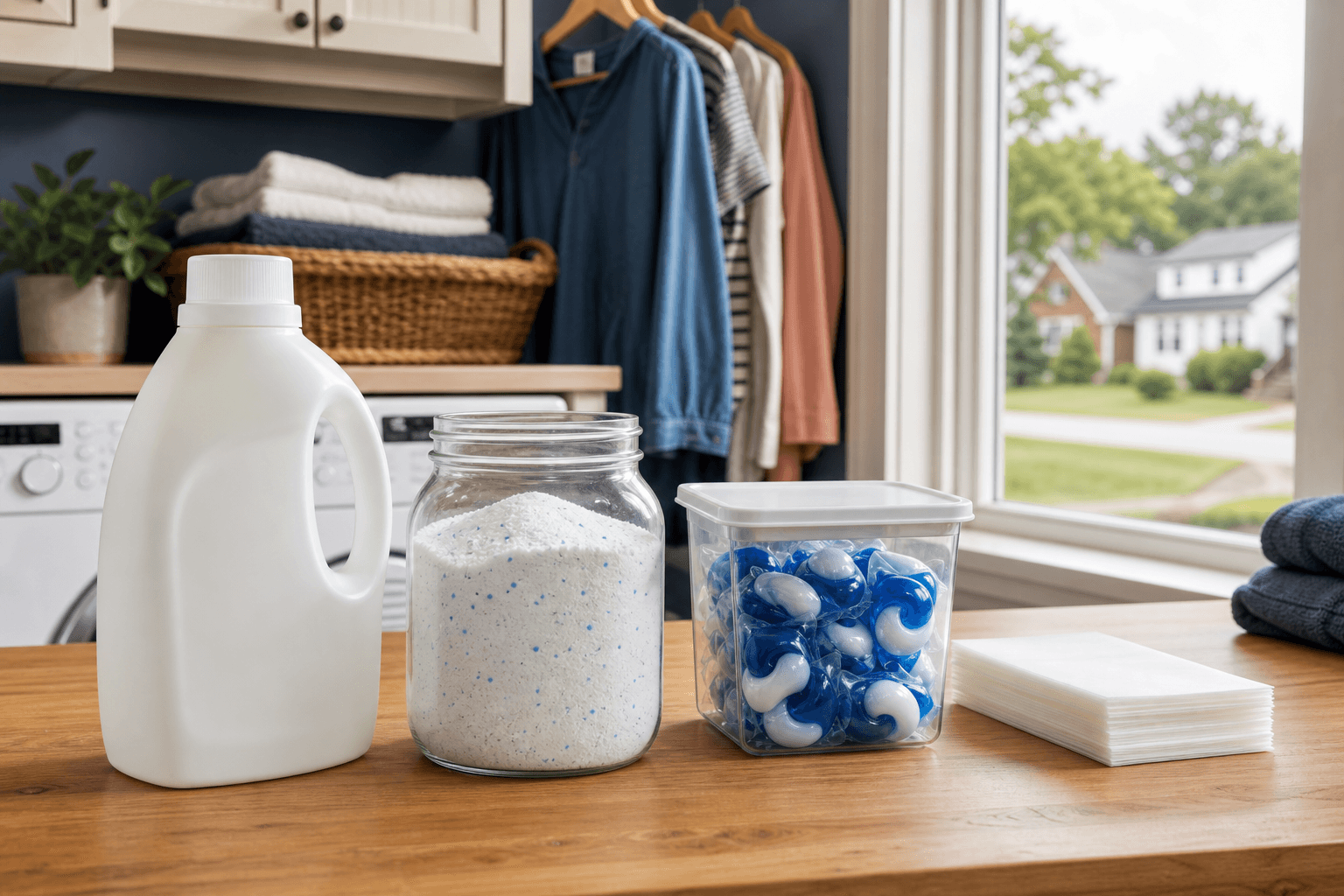
A smart laundry station starts with a core kit. This kit should cover everyday cleaning, stain removal, fabric finishing, and practical storage. You do not need dozens of niche products to get excellent results. You do need a balanced mix of essentials that handle most laundry situations without confusion.
The first category is foundational cleaning products. Liquid detergent is useful for many standard loads and works especially well when you want easy measuring and quick mixing in water. Powder detergent can be a good option for some washing conditions, especially if you want strong everyday cleaning and stable shelf storage. HE-compatible pods and packs add convenience and precision dosing, which is a major advantage for people who tend to overuse liquid detergent. In high-efficiency machines, too much detergent can lead to residue, poor rinsing, and buildup. Pods and packs reduce that risk.
The second category is stain-fighting essentials. A strong laundry setup needs a dedicated pre-treatment step. Enzyme-based removers like Zout are useful because they target many common stain types before the wash cycle starts. This matters for food spills, sweat marks, and other organic stains that often survive a standard wash. Bleach alternatives also belong in a core kit. They help brighten fabrics and support whitening without the same level of fabric stress associated with harsher products. For many users, that means safer brightening and less risk of damaging colored or delicate items.
The third category covers fabric finishing tools. Dryer sheets and fabric softeners can improve feel and reduce static in some loads, though they should be used selectively. Lint rollers and lint removers are also worth keeping nearby. They finish garments after drying, especially dark clothing, office wear, and pet-hair-covered items. A polished look often comes down to small finishing details rather than washing alone.
To make the kit practical, group supplies by purpose. A simple setup might look like this:
- Everyday wash: liquid detergent, powder detergent, or HE pods
- Pre-treatment: enzyme stain remover such as Zout
- Brightening: bleach alternative
- Finishing: dryer sheets, fabric softener, lint roller
- Special care: products reserved for towels, technical fabrics, or down items
Stocking strategy matters just as much as product choice. Fresh Spin setups stay efficient because each product has a place and a refill point. In a household, that may mean one backup detergent, one active stain remover, and a small finishing basket. In an office laundry room, it may mean maintaining larger quantities, posted usage guidance, and a basic inventory check each week. The right amount depends on volume, but the rule is simple: keep enough to avoid interruption, not so much that products sit forgotten for too long.
For households, a reasonable supply plan often includes one primary detergent, one backup format, one stain remover, one brightening product, and one finishing tool. For offices or shared facilities, larger stock levels make sense because usage is less predictable. In those settings, supply labels and clear placement improve efficiency fast.
What’s Inside Your Laundry Products And Why It Matters
Reading a laundry label can feel boring until you realize ingredients directly affect how your clothes look, feel, and last. The Fresh Spin system works better when users understand what key ingredients do and when those ingredients should be used with care. You do not need a chemistry degree. You just need a working sense of what each category contributes to the wash.
One important group is surfactants. These ingredients help loosen dirt and oils from fabric so water can carry them away. If your clothes come out looking dull even after washing, weak cleaning action or poor dosing may be part of the problem. Surfactants do much of the heavy lifting in detergents, especially for everyday body oils, grime, and residue.
Another key group is solvents. These help break down tougher residues that water alone may not remove easily. Think of greasy marks, product buildup, or stubborn messes that cling to fibers. In a balanced detergent formula, solvents support deeper cleaning without requiring users to scrub every stain by hand.
Fragrances and finishing agents also play a role. They add a sense of freshness and can improve the final feel of laundered fabrics. Still, more scent does not always mean better cleaning. In a strong laundry system, fragrance is the finishing touch, not the proof of success. Clean clothes should feel and rinse clean first.
The article brief also highlights two useful functional ingredients: citric acid and sodium bicarbonate. Citric acid is commonly valued for descaling and preservation. That means it can help with mineral-related issues and product stability. Sodium bicarbonate supports pH balance and offers gentle abrasion in appropriate contexts. In practical terms, ingredients like these can support a cleaner wash environment and help manage odors or residue in a more controlled way.
Understanding ingredients also helps you avoid product-fabric mismatches. Harsh chemistry may be too aggressive for technical fabrics, down items, or gear built with special coatings. Performance apparel often needs low-residue cleaning and careful drying. Down products need a different care approach from standard cotton loads. Using the wrong product might clean the item once but shorten its useful life over time. That is a poor trade-off.
Safety and environmental responsibility matter too. The article brief points to environmentally responsible formulation standards, which is an important reminder that cleaning performance and smart product design can work together. A better laundry routine avoids excess product, limits unnecessary chemical stress on fabrics, and uses stronger solutions only where they actually help. That is a more practical form of safety than simply guessing what seems gentle.
Before buying any laundry product, it helps to ask four quick questions:
- What type of soil is this product best at removing?
- Is it safe for the fabric I wash most often?
- Will it leave residue if I use too much?
- Is it meant for everyday use or special treatment only?
Those questions help turn product shopping into a smart system instead of a random collection of bottles and boxes.
The Fresh Spin Step-by-Step Laundry Method
The best laundry supplies still need the right process. Fresh Spin works because it turns washing into a repeatable method. Every step has a purpose. That lowers mistakes, improves results, and makes it easier to teach the system to other people in a household or shared space.
Start with sorting. Separate loads by color, fabric type, and soil level. This one habit prevents many laundry failures before the washer even starts. Darks can bleed into lighter items. Heavy fabrics can rub against delicate ones. Extremely dirty loads can leave lighter laundry looking less clean than it should. A quick sort creates better conditions for the wash cycle to do its job.
Set up a simple pre-treatment station near your hamper or laundry area. Keep your enzyme-based stain remover there so you can treat spots as soon as you notice them. Fast action matters. A stain that sits for days often becomes harder to remove. A station can be very simple: stain remover, a cloth, and a basket for items that need special attention. This keeps pre-treatment from becoming something you forget.
Next comes detergent choice. Pick the format that matches the load and your habits. Liquid detergent is flexible and common. Powder can work well in many standard cleaning scenarios. HE-compatible pods and packs are useful for convenience and accurate dosing. The point is not to pick one forever. The point is to use the one that fits the load and machine best. Precision matters because overuse is one of the biggest laundry mistakes. More detergent does not equal cleaner clothes. It often means more buildup, trapped odor, and rougher rinsing.
Water temperature matters too. Cold water is a good fit for many everyday loads, darker colors, and fabrics you want to protect from shrinking or fading. Warm water can help with moderate soils and common mixed laundry. Hot water should be used more selectively, especially when fabric care labels allow it and hygiene needs call for it. The smartest move is to let fabric type and soil level guide the temperature instead of washing everything the same way.
Load size is another major factor. Overstuffing a machine limits movement, and movement is part of how washing works. Clothes need enough space for water and detergent to circulate. If the drum is packed tight, soils stay trapped and rinsing suffers. Underloading is less harmful, but it can waste water and energy. Aim for a balanced fill that allows items to move freely while still using the machine efficiently.
After washing, drying deserves the same level of attention. Some items should go straight to the dryer. Others last longer if they air dry. Delicate fabrics, performance gear, and items prone to shrinking often benefit from lower heat or no machine drying at all. Heat is useful, but too much can damage elasticity, flatten fibers, and weaken certain materials over time.
Fabric softeners and dryer sheets should also be used with purpose. They can improve softness and reduce static in some loads, but microfiber and performance gear often do better without them. These materials rely on specific surface properties to absorb, wick, or trap particles. Coating them with softening products can reduce their performance. That is why towel care and activewear care often call for a lighter touch.
Specialty care extends fabric life in ways people notice over months, not just one wash. Down and synthetic gear should be cleaned with care, rinsed well, and dried according to their material needs. Towels need a method that keeps them both soft and absorbent. Too much softener can make towels feel nice at first but reduce how well they dry your skin. A cleaner rinse and moderate drying approach often work better.
Here is the Fresh Spin method in a simple order:
- Sort by color, fabric, and soil level
- Pre-treat visible stains before washing
- Measure detergent instead of pouring freely
- Choose the right temperature for the load
- Load the machine with space for movement
- Dry based on fabric needs, not habit alone
- Finish with lint removal or selective softening if needed
That sequence turns laundry into a repeatable skill instead of a weekly gamble.
Scaling the Fresh Spin Model for Offices and Commercial Use
Laundry in a home is one thing. Laundry in an office, shared housing setup, or commercial environment is different. More people use the supplies, fewer people follow the same habits, and stock runs out faster than expected. That is why the Fresh Spin model works well in larger settings. It brings control to a process that can become messy very quickly.
The article brief highlights Blue Summit for business integration through custom inventory systems based on usage patterns. That idea is powerful because commercial laundry problems often come from poor forecasting rather than poor cleaning products. If a workplace runs through pods faster than liquid detergent, inventory should reflect that. If stain remover is always missing, pre-treatment success will drop. A supply system should match real behavior, not ideal behavior.
Bulk purchasing is one of the clearest advantages in high-volume laundry. It usually lowers per-load costs and reduces the number of emergency purchases. That matters in offices, facilities, and shared laundry rooms where consistency affects both cleanliness and budget. The more stable the supply chain, the easier it is to enforce good process habits.
Shared environments also benefit from simplified workflows. If too many product choices are available, users often pick the wrong one or use several at once. A better approach is to limit visible products to the ones needed most often. Clear labels help. So do quick-use instructions posted near the machines. In practice, this means a streamlined station with one main detergent option, one stain remover, one whitening or brightening product, and one finishing solution. Specialty products can be stored separately and used by designated staff or trained users.
Inventory tracking does not need to be complicated. A simple system can include weekly checks, refill thresholds, and a dedicated storage area with labels. Some facilities may use digital spreadsheets or supply management platforms. Others may rely on checklists and reorder points. The exact tool matters less than the habit of reviewing stock before shortages happen.
For offices and facilities, these practices usually improve results fast:
- Track weekly usage by product type
- Set minimum stock levels for essential items
- Separate public-use products from specialty-use products
- Post simple machine and dosing instructions
- Review waste patterns like overuse or duplicate ordering
Blue Summit fits well in this kind of setup because the broader supply model supports scale, planning, and easy restocking. For a young office team, coworking space, salon, fitness studio, or rental property laundry room, that can make the difference between a workable system and constant supply issues.
How Blue Summit Compares in a Fresh Spin Laundry Setup
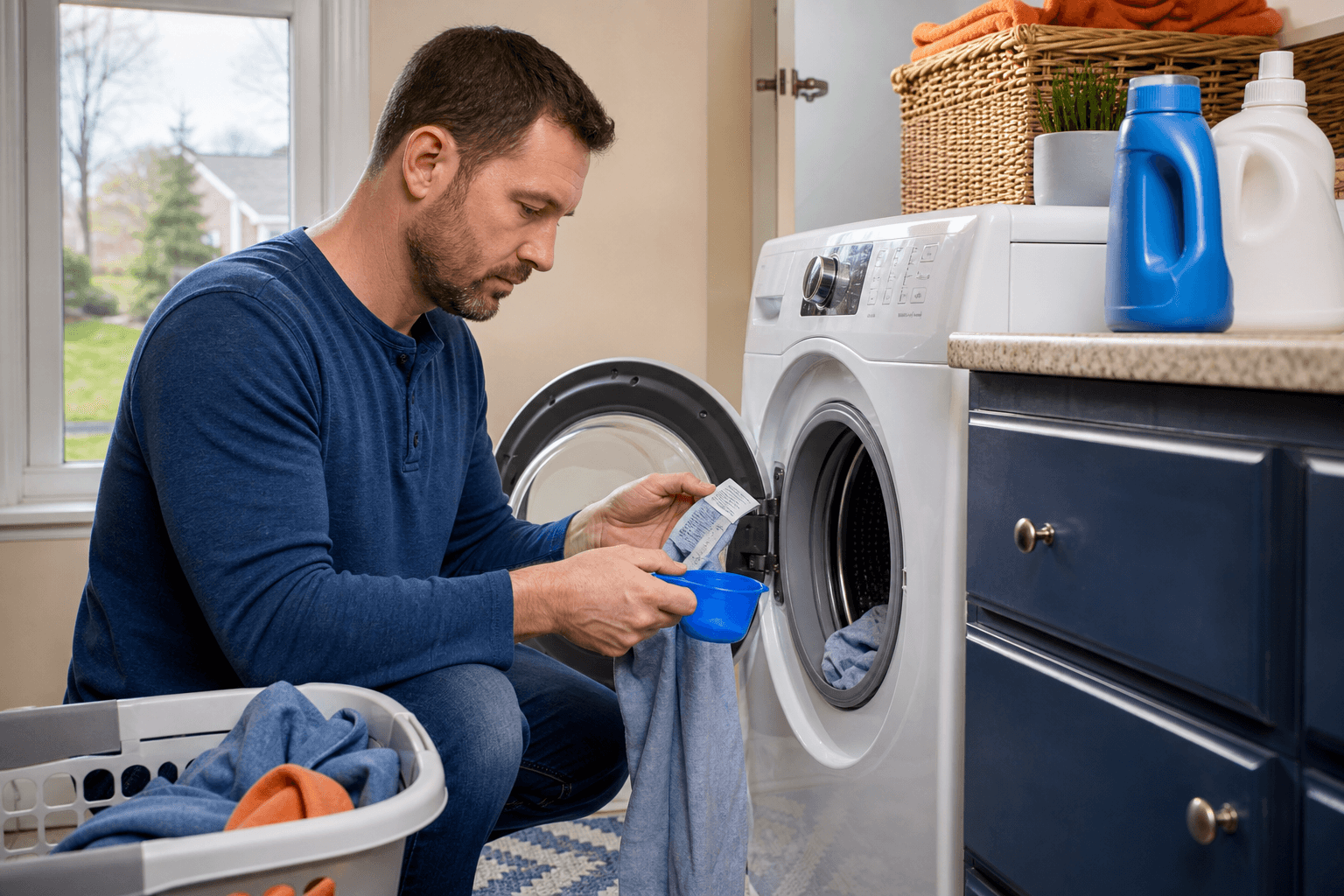
Comparing laundry brands only by shelf appeal misses what actually matters. A strong comparison should look at daily performance, stain removal, bulk value, and how well the products fit into a repeatable system. In the Fresh Spin approach, Blue Summit stands out less because of flashy branding and more because of practical value.
Performance matters first. The article brief points to strong stain removal with enzyme-based solutions and reliable everyday cleaning at a lower bulk cost. That is a useful combination. Many users need products that can handle routine laundry well, then step up for tougher stains with a dedicated pre-treatment item like Zout. This split is smart because it keeps everyday costs lower without giving up problem-solving power.
Name brands may offer premium detergents that go deeper on specific cleaning claims or stronger scent profiles. Some eco-focused brands may appeal more to users with sustainability priorities. Those options can be worthwhile depending on your goals. Still, the best setup often is not about committing to one brand for every task. It is about matching each product to its job while keeping the overall system affordable and easy to maintain.
That is where Blue Summit works well. It can serve as the backbone of the laundry station for daily washing, routine restocking, and organized supply management. Then, if needed, users can add specialty products for specific fabric types or unusual stain issues. This hybrid model is often more effective than buying premium products for every single load.
For example, a smart supply mix might include Blue Summit-centered everyday products, plus one technical-fabric-safe wash for performance gear or one specialty down cleaner for insulated items. This protects your budget while still respecting fabric differences. The result is a cleaner, more realistic laundry system.
Think of brand comparison in three layers:
- Everyday cleaning: value, availability, consistent basic performance
- Targeted treatment: stain removers, whiteners, odor solutions
- Specialty care: technical fabrics, down, delicate items
If one brand covers the first two layers well and stays affordable in bulk, that brand becomes a strong system anchor. Based on the article brief, Blue Summit is well suited for that role. It supports routine washing and organized restocking while leaving room for specialty additions where they actually matter.
Maintenance, Longevity, and Ongoing Optimization
Even a great laundry system can slip if you stop maintaining it. Supplies get misplaced. Detergent starts getting overused again. Machines collect odor and residue. Towels lose absorbency. Shirts look dull faster. Fresh Spin works best when users treat the laundry setup as a living routine that needs occasional review.
One of the easiest ways to keep results consistent is to follow product guides closely. Application instructions exist for a reason. If a detergent calls for a certain dose, use it. If a stain remover needs time to sit before washing, give it that time. Random adjustments may seem small, but they often create the exact problems people blame on the product itself. Better use leads to better performance.
Machine care is another major factor. Washers and dryers need attention if you want clean-smelling laundry and smooth operation. Detergent residue, trapped moisture, and lint buildup can all reduce results over time. Leave the washer door open after loads when possible so moisture can escape. Clean lint traps every cycle. Check detergent drawers and seals for residue. These habits protect both the machine and the clothes going through it.
Fabric maintenance matters too. If clothes start feeling stiff, towels stop drying well, or activewear keeps holding odor, the issue may be product buildup rather than poor washing power. In many cases, lighter detergent dosing, better sorting, and selective use of fabric softeners can improve results. The answer is often less product and more precision.
Storage also affects product life. Keep laundry supplies in a cool, dry place with clear labels and secure lids. Avoid leaving products where moisture, heat, or spills can affect them. Pods and powders especially need sensible storage conditions. If you run a shared laundry room, storage should also reduce confusion. Group similar products together and remove anything expired, damaged, or no longer used.
For long-term fabric care, a few simple rules go a long way:
- Store products away from heat and humidity
- Clean washer seals, drawers, and lint traps often
- Rotate older stock forward so it gets used first
- Review what products are actually helping your routine
- Adjust softener and dryer use for towels and performance gear
Optimization does not mean constantly changing products. It means paying attention to what works, what gets wasted, and where the process slows down. A laundry routine should get easier over time. If it keeps getting messier, the system needs adjustment.
Quick Answers for Common Laundry Challenges
Every laundry routine runs into trouble spots. The good news is that most of them have simple fixes if your supply system is organized. Fresh Spin works because it prepares for these moments with the right tools already in place.
Why does Blue Summit work especially well for office environments? It fits organized restocking, scalable supply planning, and repeatable workflows. Offices need products that are easy to understand, easy to reorder, and dependable in shared use. A stable supply setup reduces waste and keeps laundry stations functional for everyone.
What is the fastest fix for stubborn stains? Act quickly and pre-treat before the item goes into the wash. Use an enzyme-based remover like Zout for targeted care, let it work, and then wash the item using the correct detergent and fabric-safe settings. Heat can set some stains, so check results before high-heat drying.
Why do clothes still smell after washing? Odor often comes from detergent buildup, overloaded machines, poor drying, or washing the wrong items together. Try using less detergent, giving the machine more space, and drying items fully. Performance fabrics may need extra care because they hold sweat and residue differently from cotton.
Why are towels soft but less absorbent? Too much fabric softener is a common reason. Towels need to stay absorbent, and coating the fibers can reduce that ability. Use softening products lightly and focus on a clean rinse and proper drying.
How should you handle technical fabrics and down items? Avoid harsh chemicals and unnecessary softeners. Wash them according to their material needs and dry them with care. Specialty fabrics often perform best with low-residue cleaning and gentler drying conditions.
What about safe disposal and environmentally responsible use? Follow product instructions, avoid overuse, and store items properly so they do not leak or degrade. Responsible use starts with accurate dosing. Wasting less product is better for both your budget and your cleaning system.
Build Your Fresh Spin Laundry System Today
A better laundry routine does not start with buying random new products. It starts with building a clear system. That is the central lesson of this Blue Summit laundry supplies guide. Smarter supplies, organized by purpose and used in the right order, lead to cleaner clothes, better hygiene, less waste, and a smoother weekly routine.
The Fresh Spin model turns laundry from a messy chore into a repeatable process. You sort with intention, pre-treat stains early, measure detergent carefully, choose the right temperature, and dry fabrics based on what they need. Blue Summit supports that approach well because it helps create a dependable product foundation for homes, offices, and high-volume laundry spaces.
The most effective setup is usually simple. Start with a primary detergent, a reliable enzyme-based stain remover like Zout, a bleach alternative, and a few finishing tools. Add specialty items only where they solve a real problem. Organize your storage, track what gets used, and restock before you run out. That is how a laundry station becomes efficient instead of chaotic.
If you want spotless clothes and more efficient cleaning, build around consistency rather than guesswork. A thoughtful Blue Summit-based system can give you that consistency. Once the supplies and process are in place, every load gets easier, faster, and more dependable.