
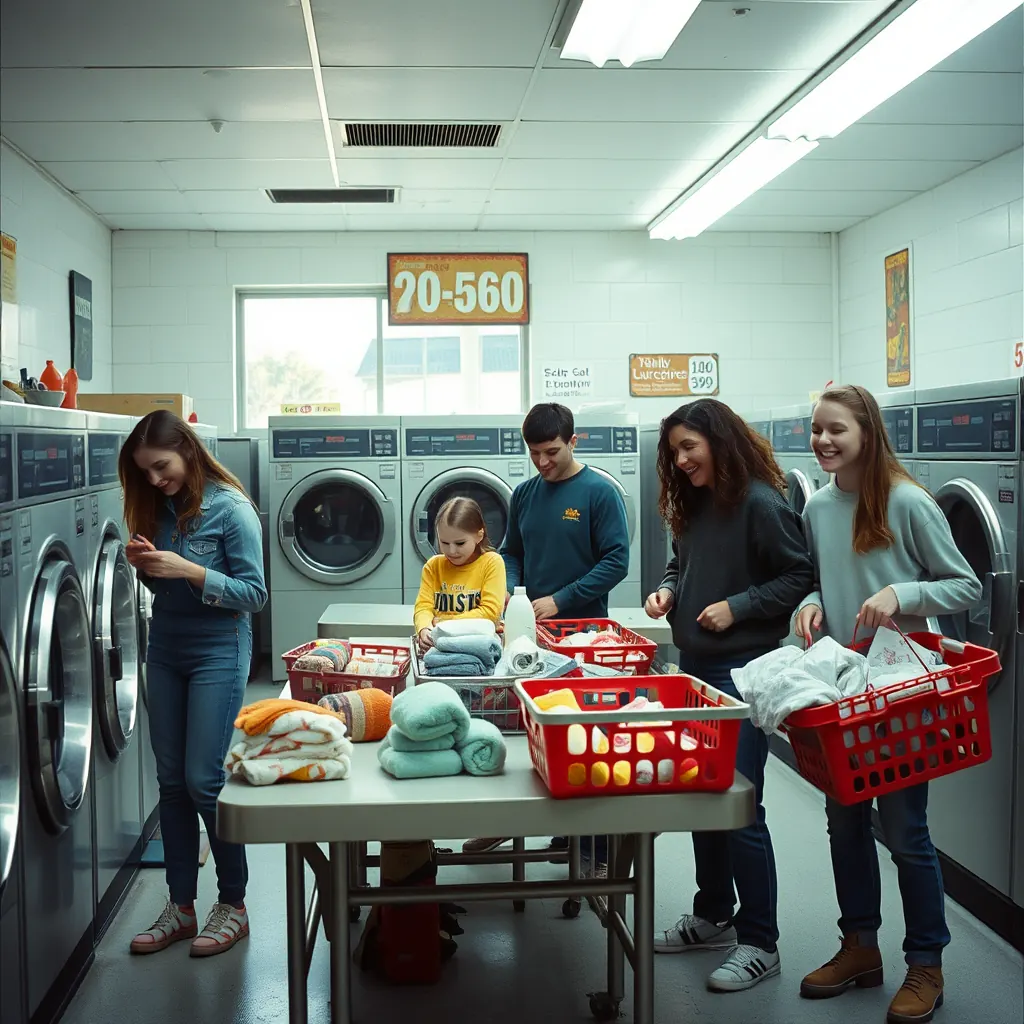
Most households lose 2–4 hours every week to laundry, and that time usually disappears into weekend pileups, missed socks, rewashes, and long folding sessions that seem to stretch forever. North Main Laundry: 15 proven time-saving tips for busy lives brings together the fastest habits from home routines and commercial-style workflows so you can reclaim 1–2 hours each week without lowering your standards.
Key Takeaways
- Build a no-sort setup with labeled hampers to cut wash-day decisions fast.
- Use quick cycles for lightly worn loads to reduce machine time by 15–20 minutes.
- Treat stains early so they do not turn into rewashes later.
- Dry smarter with dryer balls, clean airflow, and separated fabric weights.
- Stack small weekly habits to save 1–2 hours over time.
Why Laundry Steals So Much Time
Laundry feels simple until it starts eating your whole afternoon. A basket here, a damp shirt there, a missing uniform, a towel that still smells off, and suddenly a basic chore turns into a drawn-out cycle of sorting, washing, drying, folding, and hunting for items that should have been easy to find. That is why so many homes fall into the 2–4 hour weekly trap.
Weekend laundry marathons are a major reason this happens. Piles grow all week, then one person tries to fix everything at once. Loads get too big, colors mix by accident, stains sit too long, and dryers run longer because heavy items get packed in with lighter clothes. Each small mistake adds extra minutes, and those minutes pile up just like the laundry.
Missed items also stretch the process. One sock gets left in a bedroom. A gym shirt stays in a backpack. A stained top goes into a regular load instead of getting treated. Then the machine stops, the folding starts, and someone asks where their work clothes are. That stop-and-start pattern kills momentum and makes laundry feel endless.
The good news is that you do not need a huge overhaul to fix it. A few smart shifts across prep, wash settings, drying, and storage can remove friction from every step. If you want a fast win today, start with pre-sorting or switch one light load to a quick cycle. Either move saves time right away.
Tip 1: Build a No-Sort Hamper System
The fastest laundry routine begins before wash day. If clothes land in the right place the first time, you remove one of the biggest time drains in the whole process: standing over a mountain of fabric and deciding what goes where. A color-coded hamper system cuts that decision-making to almost zero.
Set up labeled bins for whites, darks, lights, and delicates. If you have the space, place smaller versions in bedrooms or bathrooms so clothes do not migrate to the floor. Add one more container for urgent items like stained clothes, sweaty gym gear, or anything needed the next day. That extra bin prevents forgotten priority pieces from vanishing into the main pile.
This setup works because it turns sorting into a two-second habit instead of a 30-minute event. Family members can drop clothes directly into the right hamper. You do less guesswork, avoid color mistakes, and move from basket to washer much faster. That is how high-speed laundry systems stay efficient.
If you live with roommates or family, labels matter even more. Try simple wording and clear colors so no one has to ask questions. Once the system feels normal, wash day starts with a full bin already sorted and ready to go. That alone can save 30 minutes or more per load cycle.
Tip 2: Treat Stains the Moment They Happen
Rewashes are one of the biggest hidden time traps in laundry. A shirt comes out with a mark still on it, so it goes back into another cycle. That means extra detergent, more machine time, more drying, and more waiting. The fastest fix is to act on stains right when they happen, while they are still fresh.
Keep stain pens, baking soda, vinegar, or a gentle spot treatment near your hampers. The goal is convenience. If stain care takes too many steps, people skip it. When supplies are within reach, you can dab a spill in less than a minute and stop it from setting into the fabric. Always dab instead of rubbing, since rubbing can spread the stain or push it deeper.
Test any solution on a hidden part of the garment first. That quick check protects delicate fabrics and darker dyes. Then place the item in your urgent bin so it gets attention during the next load. This one habit can prevent up to half of rewashes caused by set-in stains, according to the article brief’s workflow guidance. Less rewashing means less wasted time and less fabric wear.
Stain treatment also lowers stress. You stop worrying about whether the spill ruined a favorite shirt or whether a school uniform will still look bad tomorrow. A 20-second response now can save a full wash-and-dry cycle later.
Tip 3: Create Laundry Zones That Keep Floors Clear
Clutter slows everything down. If laundry sits in random corners, under beds, on bathroom floors, and inside backpacks, your first job becomes collecting the mess instead of washing clothes. A simple zone system keeps laundry moving in one direction and cuts out the last-minute scavenger hunt that makes chores feel chaotic.
Start with three clear areas. First, create drop-off points where dirty clothes go immediately. Second, keep pre-sorted bags or hampers in those spots so categories stay separated. Third, add an “in-progress” basket near the washer or dryer for loads that are mid-cycle, waiting to be folded, or ready to be put away. These zones make the process feel organized without requiring a lot of space.
Each household member should have their own hamper or assigned section. That builds consistency and reduces sorting later. It also makes ownership clear. If someone runs out of socks, you can trace the issue fast instead of digging through a shared mountain of mixed items. Small systems like this save minutes daily, which add up over a week.
A zone-based layout works because it removes hesitation. You always know where clothes belong, what still needs attention, and what is ready for the next step. That keeps your floor clear, your washer area calmer, and your laundry routine a lot smoother.
Tip 4: Replace Weekend Marathons with Small, Frequent Loads
Doing all your laundry in one giant weekend push sounds efficient, but it usually backfires. Oversized piles create long sort times, overloaded machines, more wrinkles, and more folding at the exact moment you are already tired of dealing with clothes. Small, frequent loads are usually much faster and easier to manage.
Instead of waiting for baskets to overflow, run light loads daily or every other day. Focus on gym wear, delicates, underwear, work basics, or kids’ school items. These categories build up quickly and often need fast turnaround. By washing them in smaller batches, you shorten cycles, reduce washer crowding, and make post-wash handling much simpler.
Another benefit is wrinkle control. Clothes that sit crammed in a full hamper for days usually need more attention later. Smaller loads come out less tangled and are easier to fold or hang. That cuts down on ironing and saves time after the dryer stops. The process feels less like a marathon and more like maintenance.
This approach also protects your energy. Rather than losing half your Saturday to laundry, you spread the work across the week in smaller blocks that fit around your schedule. A ten-minute start today can prevent a two-hour pileup later. That is a smart trade for anyone with a busy routine.
Tip 5: Use Quick Wash and Light-Soil Modes Like a Pro
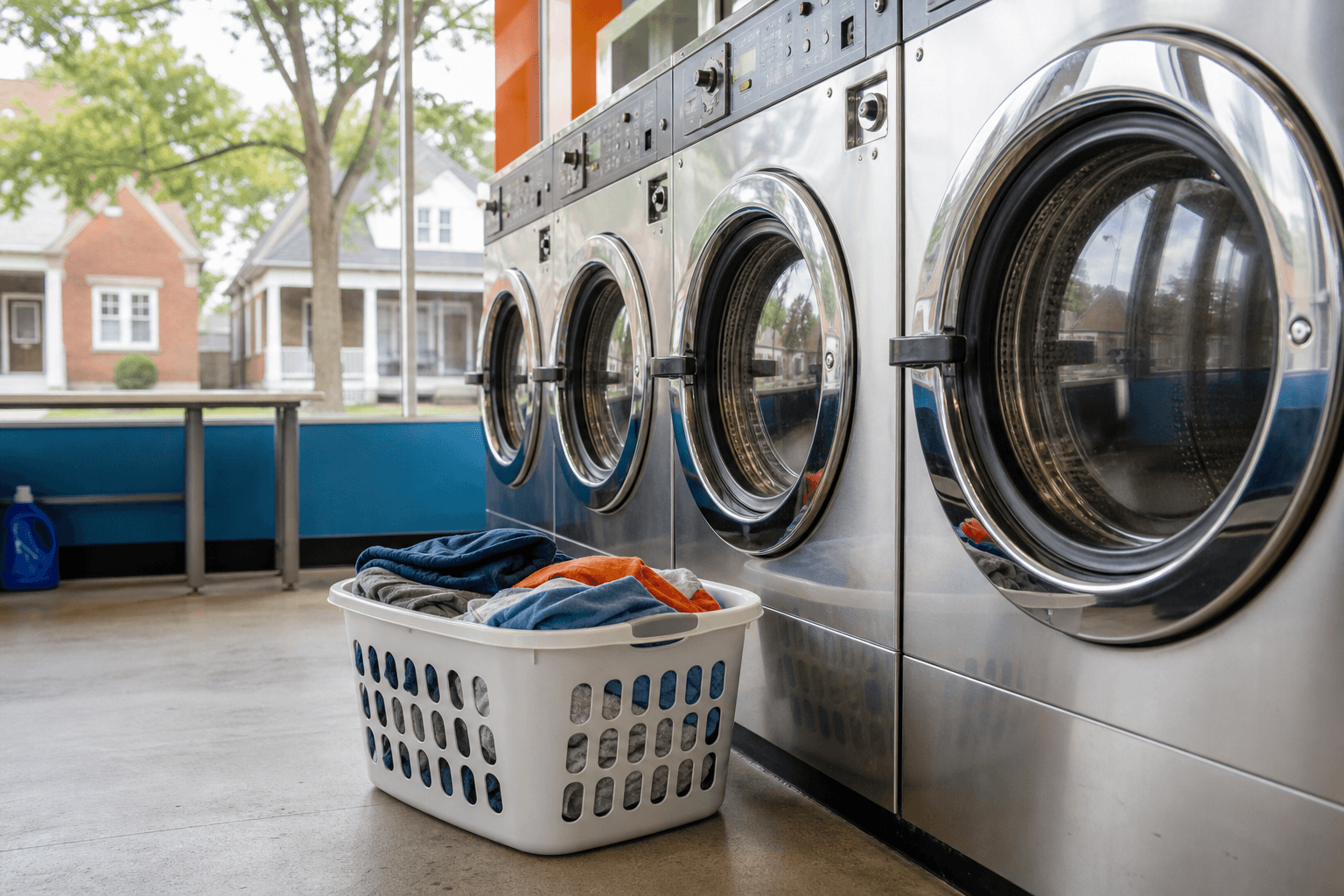
Many people ignore the quick wash button, even though it can be one of the best time-savers on the machine. Lightly worn clothes usually do not need a heavy-duty cycle. T-shirts worn for a few hours, office clothes, pajamas, and everyday basics often come clean on a shorter setting. That is where quick cycles shine.
The article brief notes that quick wash programs often run in the 15–37 minute range. That can save 15–20 minutes per load compared with standard settings. Across several loads a week, that adds up fast. Use these modes for light-soil items and reserve heavy-duty options for muddy clothes, heavily stained fabrics, or thick loads like workwear and towels.
Detergent matters here too. Short cycles usually need less soap. Too much detergent can leave residue, especially in shorter washes, which may force you to rinse again or rewash later. Check your machine guide and keep dosing simple. If your washer has Turbo or Speed features, try them on low-soil loads and see how well they handle your daily basics.
This tip works best if you follow a quick-by-default rule. Start with the faster setting for most everyday laundry, then move to longer cycles only when the load truly needs extra power. That one mindset shift changes laundry from automatic overkill into a more efficient system.
Tip 6: Use Delay Timers and Off-Peak Scheduling
One reason laundry feels so disruptive is that it demands attention at awkward times. You start a load, get distracted, and forget to switch it. Then clothes sit damp, wrinkles set in, and the whole routine slows down. Delay timers solve that by letting your machine work around your schedule instead of the other way around.
Program your washer or dryer to finish when you wake up, get home from work, or return from class. That way the next step is ready when you are available. A load that ends at the perfect time is easier to move quickly, which reduces wrinkles and keeps the whole chain flowing. This is one of the easiest ways to make laundry feel automatic.
Off-peak runs can help too. If your home has time-based energy rates, overnight or lower-demand hours may lower costs while still saving time. Even if rates stay the same, a machine that runs while you are sleeping or out of the house frees up active time for other tasks. Pair that with a phone timer or calendar reminder so you never forget the next switch.
Habit stacking makes this even stronger. Start the washer before dinner. Move the load while coffee brews. Fold during a short show or while catching up on a podcast. Laundry goes faster when it fits naturally into your routine instead of interrupting it at random moments.
Tip 7: Maximize Efficiency with Proper Load Sizing
Bigger loads are not always better. Overstuffing the washer reduces movement, limits water flow, and prevents detergent from reaching every item evenly. That often leads to poor cleaning, longer drying times, and the dreaded second wash. Proper load sizing helps every step run better.
Follow your manufacturer’s guidelines and aim for a full load that still leaves room for fabrics to move. Clothes need space to tumble and rinse well. If the drum is jammed, the machine works harder while your clothes get worse results. It feels like you saved time by cramming more in, but you usually lose it later through damp items, wrinkles, and repeat cycles.
Separate heavy fabrics from lighter ones whenever possible. Towels, jeans, and hoodies hold water longer and dry much slower than shirts or synthetic activewear. Mixed loads create uneven results, where some pieces overdry and others stay damp. Splitting by weight improves both wash action and drying speed, which saves time on both machines.
Good load sizing is one of those habits that does not look dramatic but changes everything. Clothes come out cleaner. Dryers finish faster. Fabrics last longer. Once you start using the right size loads consistently, the whole routine feels more predictable.
Tip 8: Cut Dry Time with Dryer Balls and Better Airflow
The dryer can quietly waste huge chunks of time, especially if airflow is poor or fabrics clump together. A few simple tricks can reduce cycle length by 20 percent or more. The easiest one is adding dryer balls, which help separate clothes and improve warm air circulation.
Wool dryer balls are especially useful because they bounce between layers of fabric and keep items from bunching up. Better spacing means heat reaches more surface area, so clothes dry faster and come out with fewer wrinkles. If you do not have dryer balls yet, you can also place a dry towel in the load for the first 15–20 minutes to absorb early moisture, then remove it.
Airflow matters just as much as what goes inside the drum. Clean the lint trap every single cycle. A clogged filter restricts air, extends drying time, and raises fire risk. Also make sure the vent system is not blocked or packed with lint over time. Good airflow leads to shorter cycles, safer operation, and more consistent results.
These small adjustments stack nicely. Separate heavy fabrics, add dryer balls, clean the filter, and avoid overloading. Suddenly the dryer stops acting like a slow, unpredictable final step and starts working like a quick finish. That saves time and cuts down on unnecessary heat exposure for your clothes.
Tip 9: Set Up a Fold-While-Warm Station
Wrinkles usually happen in the gap between drying and putting clothes away. A clean load sits in the dryer too long, cools down, and turns into a crumpled mess that needs extra smoothing or ironing. The easiest fix is creating a fold-while-warm station right next to the dryer.
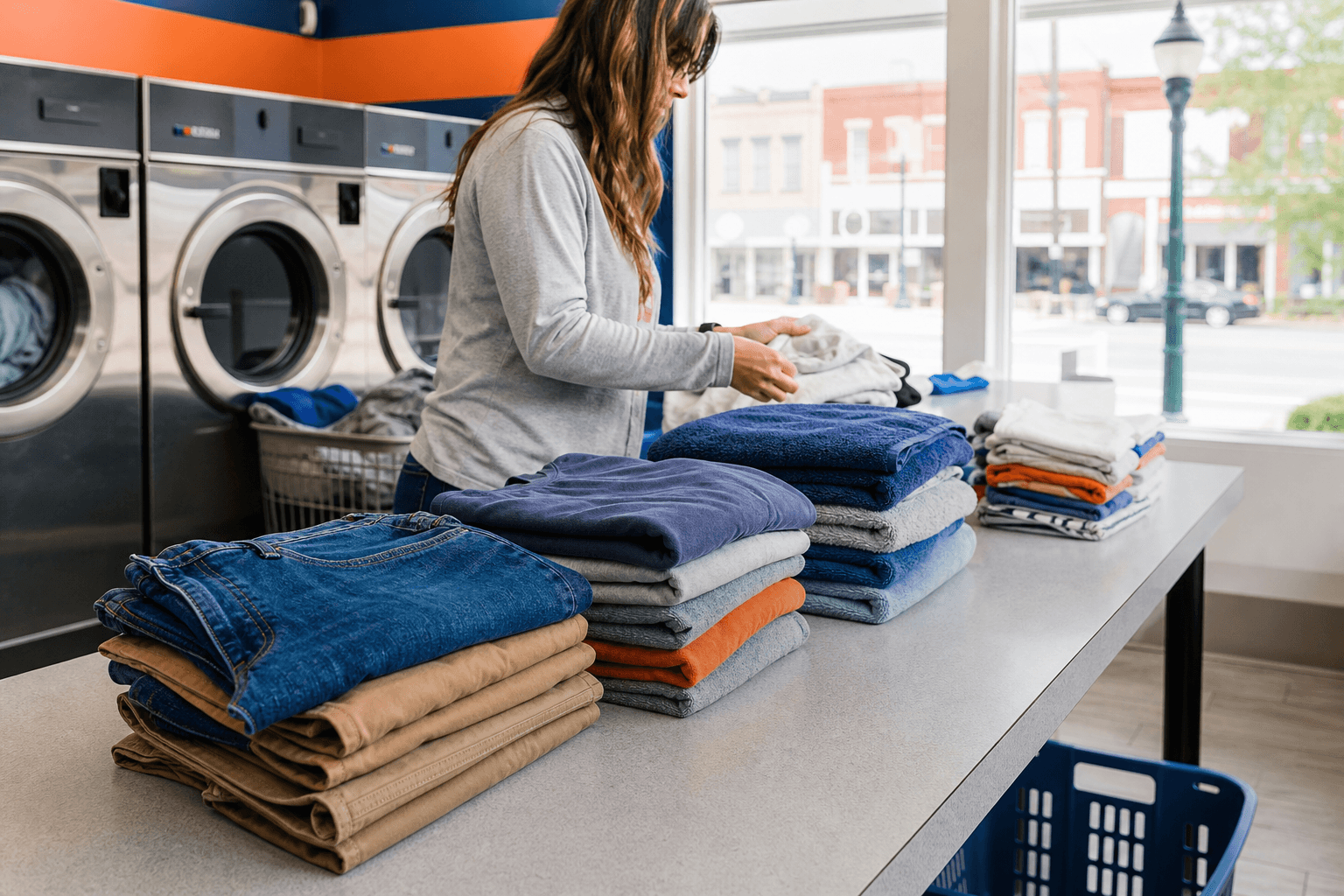
You do not need anything fancy. A clean counter, table, or flat basket top can work. What matters is that the folding surface is close enough that you can move clothes directly from dryer to station without wandering off. Add a timer so you know exactly when the cycle ends. Immediate handling is the secret to fewer wrinkles.
Fold or hang items as soon as they come out warm. Shirts keep their shape better. Pants need less smoothing. Towels stack faster. If socks and underwear tend to vanish into the load, use mesh laundry bags before washing so those items stay contained from start to finish. That saves search time and reduces the little frustrations that slow the whole routine.
This setup mirrors the logic used in high-speed fold stations: keep the next step close, obvious, and easy to start. Once your station is in place, you spend less time ironing and less time staring at a basket you meant to fold three hours ago. The load gets finished while it is still manageable.
Tip 10: Group Items by Drying Time
Mixed drying times cause a lot of inefficiency. Heavy towels, denim, and sweatshirts hold moisture much longer than T-shirts, leggings, and lightweight tops. If they all go in together, lighter items may overdry while heavier pieces stay damp. Then you run another partial cycle, which costs more time and adds extra wear.
Group similar fabrics and thicknesses together. Dry towels with towels, jeans with other heavy items, and lightweight daily clothes in their own load. This improves evenness and lets you choose the right cycle length from the start. Fewer damp surprises means fewer machine restarts and much less guesswork.
Sorting by drying time also helps protect fabric quality. Overdrying can make clothes feel rough, fade colors faster, and weaken fibers. By matching items with similar moisture needs, you shorten the average cycle and improve care at the same time. That is a practical win for anyone trying to move fast without being rough on their wardrobe.
If you hate laundry because it seems full of corrections and second tries, this tip helps a lot. One well-matched dryer load is much easier than one uneven load plus an extra ten or twenty minutes for the leftovers. Better grouping creates a faster, more reliable finish.
Tip 11: Simplify Supplies with Pods and Multi-Function Products
Small delays add up. Measuring detergent, hunting for softener, finding stain remover, and repacking supplies each time you wash can stretch a simple load longer than it should. A simpler product setup reduces decisions and gets each load started with less friction.
Pods are one of the easiest ways to save prep time. You grab one, toss it in, and move on. That removes measuring errors and keeps the laundry area cleaner. If you prefer liquid or powder, keep it in one visible spot and avoid storing half your supplies in another room. Faster access means faster starts.
Multi-function products can also help if they fit your fabric needs. An all-in-one detergent solution cuts down on extra bottles and repeated steps. For people who use a laundromat or travel often, a small laundry go-bag is a smart move. Stock it with detergent, dryer sheets or balls, stain tools, and coins or payment essentials. Then you are always ready to go.
The key here is reducing setup time without lowering quality. Laundry feels easier when your supplies are simple, visible, and consistent. You spend less time preparing and more time actually moving the load through the system. That is how small product choices turn into real time savings.
Tip 12: Schedule Laundry Like a Standing Appointment
If laundry happens “whenever there is time,” it often happens too late. Clothes pile up, urgent items get buried, and you end up doing everything at once. A standing schedule turns laundry from a vague chore into a regular part of the week. That one shift creates more control right away.
Pick set times that match your real life. A midweek load plus a weekend touch-up works well for many households. Others prefer short daily runs for basics and one larger load for towels or bedding. What matters is consistency. Once laundry has a place on the calendar, it stops competing with every other task in your day.
Use alarms to remind yourself to switch loads or fold while warm. App timers can help you batch chores, especially if you like stacking tasks together. Start a load, clean your room, answer messages, prep lunch, or study during the cycle. Laundry becomes easier when the machine handles the waiting and you use that gap for something useful.
This method also cuts decision fatigue. You do not spend mental energy wondering when to start, whether the pile is big enough, or if you should wait another day. The answer is already built into your routine. Scheduled laundry creates a calmer, more predictable week.
Tip 13: Choose Wrinkle-Resistant Fabrics and HE Detergents
Saving time with laundry starts earlier than wash day. The clothes you buy and the products you use can make each load easier from start to finish. Wrinkle-resistant fabrics reduce the amount of post-dry work, which means less hanging, smoothing, or ironing after the machine stops. That is a simple path to less effort.
If you often wear items that need special care, your laundry routine will naturally take longer. Adding more easy-care basics to your closet can reduce that workload. Everyday shirts, work pants, and casual pieces that hold their shape well are much faster to handle after drying. They are easier to fold and easier to wear straight from the basket or hanger.
HE detergents matter too, especially if you use a high-efficiency washer. These formulas create fewer suds and help prevent residue buildup. Too much residue can leave clothes feeling stiff or force extra rinse cycles. A detergent that matches your machine supports cleaner loads and smoother operation over time. Better chemistry leads to more efficient cycles.
Think of this tip as time-saving by prevention. You choose easier fabrics, use the right detergent, and avoid work you would otherwise have to do later. That keeps your routine lighter and helps clothes last longer with fewer cleanup problems after each wash.
Tip 14: Use Commercial-Style Logic at Home
One of the fastest ways to improve your laundry routine is to borrow habits from high-volume systems. Commercial workflows succeed because they remove unnecessary choices, standardize steps, and keep everything moving. You can do the same at home with a few practical rules and see much faster results.
Start with a quick-by-default mindset. Most daily loads are lightly soiled and do not need the longest setting. Make quick or light-soil cycles your first choice, then move to heavy-duty only when clothes are actually dirty enough to require extra time. This keeps your machine from spending 50 minutes on a load that could have been done in half the time.
Next, maintain your equipment. Clean washer seals, filters, and detergent drawers. Check your dryer lint trap every cycle and inspect vent airflow regularly. A machine that is clean and used correctly runs more smoothly, dries faster, and gives more consistent results. Good maintenance is one of the easiest ways to protect performance.
Finally, avoid overload and keep your process in order. Sort before wash day, move loads promptly, and fold right away. These are simple rules, but they work because they reduce wasted movement and wasted machine time. Home laundry gets much easier when you stop treating every load like a unique event and start using a clear system.
Tip 15: Know When to Outsource for Maximum Time Return
Sometimes the fastest laundry tip is to stop doing every load yourself. If your week is packed, your bedding is bulky, or your household is running behind, outsourcing can save hours immediately. This is especially useful during exams, busy work stretches, family events, or any week where time is more valuable than doing every step by hand.
Drop-off wash-and-fold services are ideal for basics, towels, and larger household loads that eat up machine space and folding time. Large-capacity machines can also finish bulky items more efficiently than standard home units. That matters for comforters, blankets, and big family loads that tend to take forever in smaller washers.
Outsourcing also helps if your goal is consistency. Instead of fighting backlog after backlog, you can use outside help to reset the system, then maintain it at home with the habits in this article. It is a practical option, not a luxury move. If buying back time improves your week, the return can be very worth it.
The smartest approach is flexible. Handle smaller daily loads yourself, then outsource during high-pressure weeks or for oversized items. That balance keeps laundry from dominating your schedule while still giving you control over your routine and your budget.
How to Combine These Tips into a Faster Weekly Routine
The biggest gains happen when these tips work together. A no-sort hamper system gets clothes ready before wash day. Quick cycles shorten machine time. Correct load sizing improves cleaning and drying. Dryer balls and fold-while-warm handling reduce post-wash effort. A standing schedule keeps everything from collapsing into a weekend pileup.
Here is one simple example. On Tuesday evening, wash a small load of dark basics using a quick cycle. Move it right into a dryer with wool balls, then fold while warm at a nearby station. On Thursday, wash gym wear and delicates. On Saturday, run towels and bedding separately by weight. This structure spreads work across the week and prevents huge backlogs.
If you want even more efficiency, pair your laundry schedule with other routines. Start a load before studying, meal prep, gaming, or cleaning your room. Set a timer and switch it during a natural break. Laundry feels much smaller when it runs in the background of tasks you already planned to do.
Most people do not need all 15 tips at once. Start with three changes that give immediate relief: pre-sort your hampers, use quick wash for light loads, and add dryer balls. Those alone can create visible progress this week. Once those habits stick, layer in the rest for bigger long-term savings.
The Three Changes That Deliver Instant Results
If you want the shortest path to a better routine, begin with the three highest-impact shifts from this article. First, set up pre-sorted hampers for whites, darks, lights, and delicates. Second, use quick cycles for lightly worn everyday clothes. Third, add dryer balls and keep your lint trap clean to reduce dry time. These are easy wins with a strong payoff.
Together, these changes remove wasted decisions, shrink machine time, and shorten the final drying step. That means cleaner loads with less waiting and less post-dry work. According to the article brief, putting five or more of these tips into practice can save 1–2 hours every week. That is real time you can use for rest, work, school, or anything else that matters more than a pile of laundry.
If you feel stuck, do not try to perfect everything on day one. Pick one tip and use it today. Pre-sort one hamper. Run one quick wash. Fold one load while it is still warm. The goal is steady improvement, not a flawless reset. Small habits create a much faster system over time.
Laundry will probably never become your favorite chore, but it can stop taking over your week. With a smarter setup, quicker cycles, and a few commercial-style habits, North Main Laundry can become less of a time drain and more of a routine you handle with confidence.