
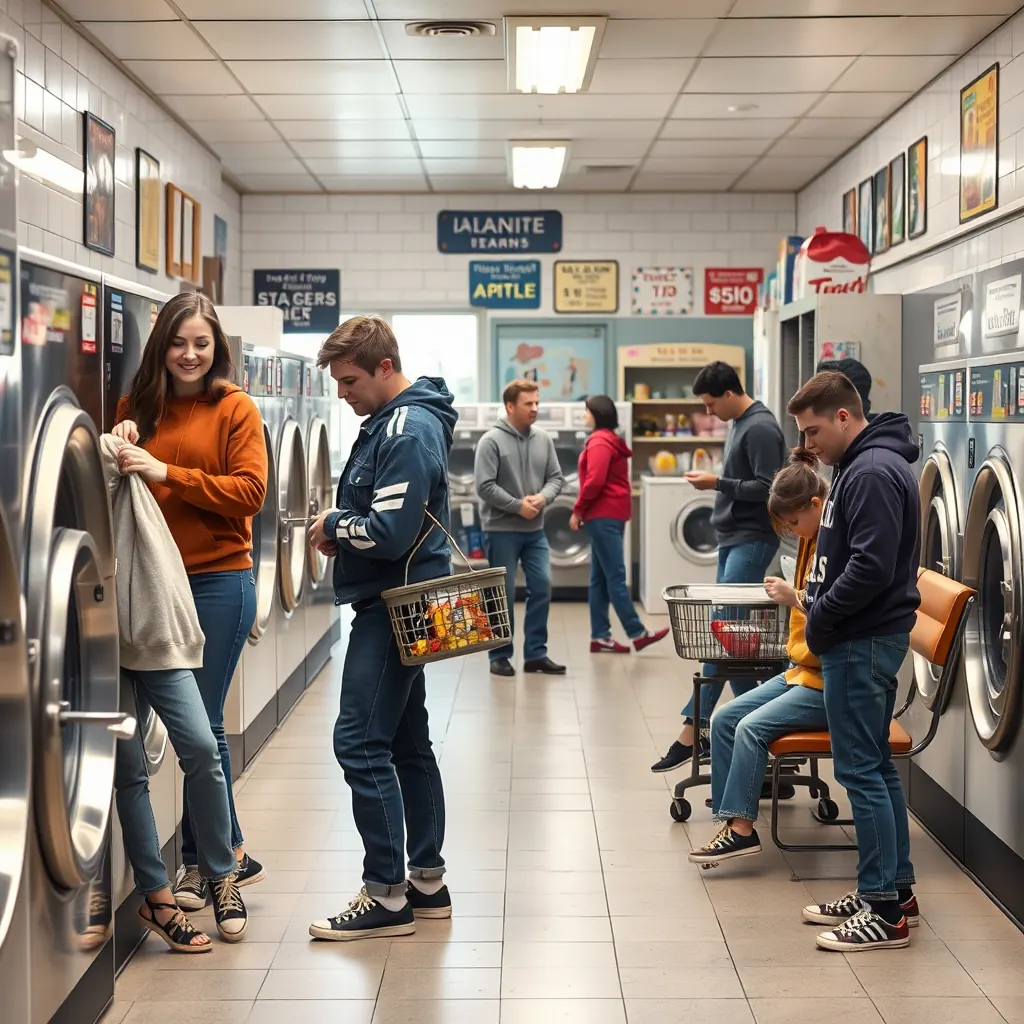
Keeping up with laundry in Mount Washington homes can feel like a weekly reset button, especially for busy households in Independence, MO juggling work, school, sports, and changing seasons. A simple, repeatable routine cuts the pileups, protects your clothes, and makes it much easier to stay on schedule with help from Fresh Spin Laundry when life gets packed.
Key Takeaways
- Small, consistent loads are easier to manage than one huge weekend session.
- Sorting by color, fabric, and soil level prevents common washing mistakes.
- A weekly schedule helps Mount Washington households avoid stress and save time.
- Seasonal changes in Independence, MO affect how often you wash bedding, towels, and outdoor clothes.
- Fresh Spin Laundry can help with bulky items, packed schedules, and overflow loads.
A Smarter Laundry Routine Starts Here—Less Stress, Better Results
A good laundry routine is a repeatable system you can follow without overthinking every load. Instead of waiting until baskets overflow, you wash a few planned categories each week and keep the whole process low-effort.
That shift changes everything. You get fewer giant piles on the floor, fewer rushed mistakes, and clothes that keep their shape and color longer. Laundry stops feeling like a full-day event and starts feeling like a normal part of the week.
Many people think they need a perfect setup to stay on top of laundry. In reality, they need a routine that matches real life. If your work hours are uneven, your kids have sports practice, or your washer space is tight, the best system is the one you can actually repeat.
Fresh Spin Laundry makes that easier for local households by giving you flexible options when home routines fall behind. Some weeks you may need extra machine capacity. Other weeks you may want outside help with folding or bulky bedding. The point is simple: your routine should support your life, not control it.
Why Laundry Feels Hard (And How Mount Washington Households Can Fix It Fast)
Laundry often feels hard because people treat it like a single giant chore instead of a series of small steps. Once loads build up, everything gets mixed together. Whites end up with darks, delicates get washed with towels, and stains sit long enough to set.
Weekend overload is one of the biggest problems. You may start with good intentions on Saturday morning, but five or six mixed loads can take over the whole day. That leads to frustration, half-finished folding, and clean clothes sitting in baskets until midweek.
Another common issue is re-washing. A load may smell musty because it sat wet too long. A shirt may shrink because it went in on the wrong cycle. A favorite top may fade after being washed with rougher fabrics. Those mistakes cost time, energy, and money.
The fastest fix is to stop aiming for big laundry marathons. Smaller loads are easier to sort, easier to wash correctly, and easier to put away. Consistency matters more than perfection. A simple routine done regularly beats an ambitious plan that falls apart every weekend.
Local support can also remove much of the friction. If you are behind on loads, have no in-home machines, or need an easier reset, using a self-serve laundromat can help you catch up quickly without dragging the problem into another week.
A Practical Weekly Laundry Routine That Actually Works
A weekly schedule gives your laundry a clear rhythm. You always know what gets washed and when, which means fewer surprise piles and less mental clutter. For most homes, this kind of routine works better than waiting until every basket is full.
Here is a simple seven-day flow you can adapt:
- Monday: towels and kitchen linens
- Tuesday: work and everyday clothing
- Wednesday: kids’ clothing and school wear
- Thursday: bedding and pillowcases
- Friday: delicates and special-care items
- Saturday: bulky items or catch-up loads
- Sunday: folding, organizing, and reset
This plan works because it separates laundry by use and care needs. Towels need a different wash approach than dress shirts. Bedding takes more space than a normal clothing load. Delicates deserve a slower cycle and closer attention. Breaking categories apart improves cleaning and cuts down on damage.
Household size matters, though. A single adult may only need two or three laundry days each week. Couples often do well with alternating categories or combining shared basics. Families with children usually benefit from daily small loads because school clothes, socks, sports gear, and towels add up fast.
Multigenerational homes often do best with a category-based system instead of a person-based one. That keeps the process simpler and prevents confusion around machine settings. Busy professionals may prefer evening loads split across the week or occasional outsourcing through wash and fold service when the calendar gets packed.
The strongest routine is built around a few real factors. Think about how many people live in your home, how often clothes change during the day, your work and school schedule, and how easy it is to access your washer and dryer. Once you build around those facts, the routine feels more natural and much easier to keep.
The Core Rules of Laundry That Save Time, Money, and Clothes
A few basic rules can improve almost every load you wash. These habits are simple, but they have a big effect on fabric life, machine efficiency, and your weekly stress level.
First, stop waiting for laundry to pile up. Smaller loads reduce sorting errors and are easier on fabrics. They also cut the chance that you will overload the washer or leave clean clothes sitting around because the folding job feels too big.
Next, sort before wash day instead of during wash day. Separate items by color, fabric type, soil level, and care label. If you presort as clothes enter the laundry area, the actual washing part becomes much faster. You also make better choices because you are not rushed while the washer is empty and waiting.
Cycle matching is another core rule. Everyday T-shirts and jeans can handle a regular wash, but delicates need gentler treatment. Towels and sheets benefit from settings that clean heavier fabrics well. Bulky loads like comforters need enough room to move, rinse, and dry properly.
Settings matter every time. Cold water is often a smart choice for darks, bright colors, and many everyday items. Warm water works well for a wide range of loads. Hot water is useful for some whites, towels, or items that need a deeper clean, but it should be used with care. Laundry Care points out in A Beginner’s Guide to Laundry that reading care labels and understanding fabric needs can prevent common damage like shrinking and fading.
Detergent choice also matters. High-efficiency machines need HE detergent, while standard machines may use regular formulas. Too much detergent creates buildup and can leave fabrics feeling stiff or dingy. Too little may leave soil behind. The best routine uses the right amount every time rather than guessing.
Finally, treat stains early. A stain that sits for days is much harder to remove than one treated right away. Even a fast pre-treatment step can save a shirt, pair of jeans, or school uniform from becoming a permanent “home only” outfit.
The Step-by-Step Laundry Workflow Used by Fresh Spin Laundry
A strong routine is easier to follow when you break it into clear steps. This kind of workflow removes decision fatigue and keeps every load moving in the right order.
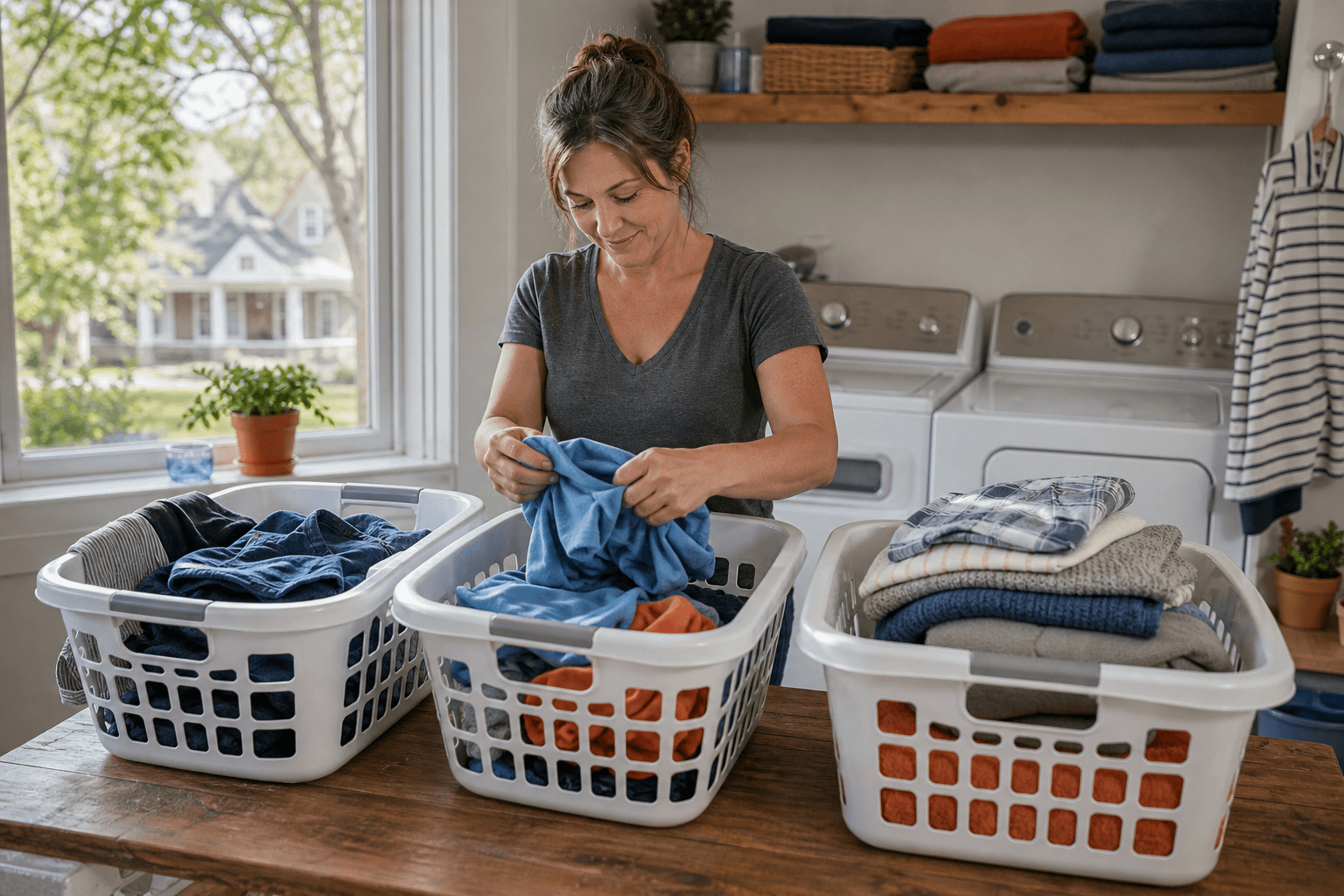
Step one is collection and pre-sorting. Empty hampers on schedule instead of waiting for overflow. Check pockets for paper, coins, tissues, and lip balm. Separate lights, darks, delicates, and heavily soiled items right away. This step protects your machine and saves time later.
Step two is stain treatment. Food, sweat, grass, oil, and makeup are some of the most common trouble spots in household laundry. Acting early helps because stains are easier to lift before they dry deep into fibers. Keep stain remover within reach so you can treat marks as soon as you notice them.
Step three is washing without overloading. Clothes need room to move in the drum so detergent and water can do their job. If a load is packed too tightly, cleaning gets uneven and rinsing suffers. That leaves residue, odors, and extra wrinkling. Use the right amount of detergent and match the cycle to the fabric type.
Step four is drying with fabric life in mind. Separate heavy items from lightweight pieces. Avoid setting every load to maximum heat by default. Overdrying weakens fibers, shrinks some fabrics, and makes clothes look worn faster. Remove items promptly to reduce wrinkles and prevent that stale smell that shows up when laundry sits too long.
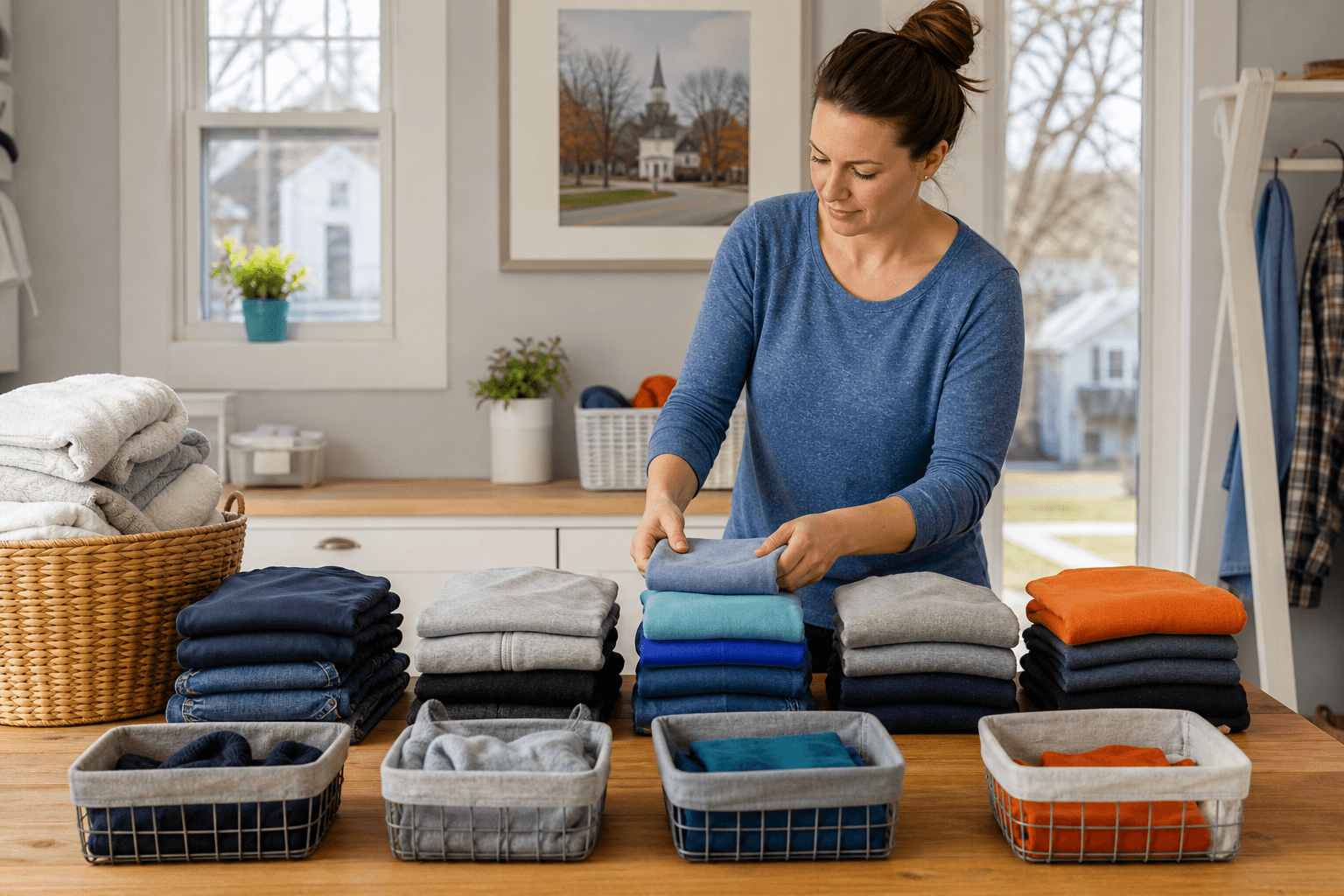
Step five is folding and putting everything away the same day. This is one of the biggest differences between a routine that works and one that slowly falls apart. When clean clothes live in baskets for days, clutter builds fast. Wrinkles increase, matching socks disappear, and the next load starts before the last one is really finished.
Fresh Spin Laundry uses this kind of step-by-step process because it keeps results consistent. For households, that same structure turns laundry from a draining task into a repeatable home system.
Laundry Room Setup Tips for Mount Washington Homes
Your laundry routine gets easier when the space supports it. Even a small laundry area can work well if supplies are easy to reach and every step has a clear place.
Start by organizing the essentials. Keep detergent, stain remover, mesh bags, dryer balls, and lint rollers close to the machines. Labeled bins help separate darks, lights, towels, and delicates before wash day begins. If you have room, add a flat surface for folding. That one change can save time and reduce the chance that clean clothes end up on a chair or bed.
Workflow also matters. Place hampers where dirty clothes naturally collect, such as bedrooms, bathrooms, or closets. Then create a path from hamper to sorting station to washer to dryer to folding area. A smooth path reduces extra steps and makes the process feel easier, especially on busy nights.
Safety should be part of the setup too. Keep walkways clear and improve lighting so missing socks and dropped items are easy to spot. Store products securely and avoid stacking clutter around appliances. If anyone in the home has mobility limits, reduce bending and reaching where possible. Raised storage, front-facing labels, and accessible machines can make daily laundry much less tiring.
Older adults and aging-in-place households benefit from simplified layouts. A few smart changes can prevent strain and make routines more realistic to maintain. Even if your space is basic, a cleaner, brighter setup makes the task feel lighter and more manageable.
How Often You Should Actually Wash Everything
One reason people overdo laundry is uncertainty. They are unsure what truly needs washing after one wear and what can wait. A practical routine becomes easier once you set clear standards for each category.
For everyday clothing, underwear and socks should be washed after every wear. Shirts usually belong in the wash after one wear as well, especially in warm weather or after long workdays. Pants and jeans can often go several wears depending on activity level, spills, and weather. Outerwear usually needs occasional or seasonal cleaning unless it gets dirty faster from heavy use.
Household linens follow a different schedule. Sheets should usually be washed weekly. Towels can often go a few uses before washing, though damp bathrooms and frequent showers may shorten that window. Kitchen towels need frequent washing because they collect moisture, food residue, and everyday messes. Blankets and comforters can be washed seasonally or as needed.
Special categories need closer attention. Gym clothes should be washed after each use because sweat and odor settle quickly into performance fabrics. Kids’ clothing often needs frequent cycles because of spills, playground dirt, and activity changes. Pet bedding should be cleaned regularly to control hair, odor, and dander. Baby items usually need gentle and frequent washing with careful product choices.
Delicates deserve separate care. Lingerie, silk-like fabrics, and special garments often wash best in mesh bags or on gentle cycles. Some pieces should be air-dried or sent out for professional handling. A label check takes seconds and can save expensive items from damage.
Seasonal Laundry in Independence, MO—What Changes and Why It Matters
Laundry needs shift with the seasons, and homes in Independence, MO feel those changes clearly. A routine that works in January may need some adjustment by July.
Spring and summer bring sweat-heavy loads, lighter fabrics, and more outdoor activity. That means more T-shirts, workout clothes, and kids’ play clothes moving through the wash. Grass stains, sunscreen marks, and dust from outdoor events become more common. In these months, frequent smaller loads help keep odor and stains from settling in.
Fall and winter bring a different challenge. Heavier fabrics, layered outfits, blankets, and thicker bedding take up more machine space and need longer drying times. Hoodies, sweaters, jackets, and thermal items may need gentler handling than your summer basics. Bedding often becomes bulkier too, especially once flannel sheets and heavier comforters come out.
Storms and power outages can disrupt home laundry fast. During those times, focus first on essentials like work clothes, undergarments, towels, and bedding. If your drying options are limited, use racks, hangers, and well-ventilated spaces as a backup. For continuity during weather disruptions, outside laundry support can make a big difference, especially for families with kids or households with limited extra linens.
Seasonal planning keeps your routine realistic. Instead of forcing the same pace all year, adjust for sweat, mud, heavy layers, and drying time. That simple shift keeps laundry from becoming overwhelming during the busiest parts of each season.
When It Makes Sense to Use Fresh Spin Laundry
Doing laundry at home works well for many people, but there are times when extra help is the smarter choice. Using a local service is not about giving up on your routine. It is about protecting your time and keeping the system working when life gets intense.
One sign you need help is the lack of in-home machines. Another is overwhelming volume. If you have young children, a packed work schedule, sports uniforms, or guests staying over, your normal setup may not be enough for that week. Mobility limits can also make regular laundry hard to manage safely and comfortably.
Some items are better handled outside the home. Comforters, bulky bedding, specialty fabrics, and large mixed loads can be difficult to wash well in smaller household machines. Work uniforms may need reliable turnaround and more consistent care. Delicates also benefit from extra attention when you do not want to risk shrinkage or wear.
The real value often comes down to time. Think about the hours spent sorting, washing, drying, folding, and putting away. Then compare that with the convenience of getting help during a busy stretch. For many households, the savings in stress and time make the cost feel worthwhile very quickly.
If you are unsure what option fits your situation, check the laundry FAQ for quick answers about services, timing, and practical next steps.
Local Convenience: Where Mount Washington Residents Get Laundry Supplies Fast
A routine stays strong when you keep the right supplies on hand. Running out of detergent or stain remover in the middle of a load can throw off the whole day. A small restocking habit prevents last-minute stress.
Keep a short core list in your laundry area:
- Detergent
- Stain remover
- Dryer balls
- Mesh bags
- Lint rollers
These basics cover most weekly needs. Dryer balls can help with drying efficiency and reduce static. Mesh bags protect delicates and small items. Lint rollers are handy for final touch-ups, especially in homes with pets.
For quick restocking, Mount Washington residents have convenient nearby retail options. Walgreens on S Noland Rd is a useful stop for common laundry supplies when you need something fast. That kind of local convenience matters because routines are easier to keep when replacements are close and easy to grab.
You can also build a backup habit by storing one unopened detergent and one extra stain remover in a cabinet. Once the active bottle runs out, put the item on your shopping list right away. That keeps your laundry flow steady without emergency store trips.
The Most Common Laundry Mistakes and How to Avoid Them
Most laundry problems come from a handful of repeated habits. Fix those habits, and your loads get cleaner, faster, and much easier to manage.
Overloading machines is a major issue. People try to save time by stuffing in one more armful, but the result is usually poor cleaning and extra wrinkles. Clothes need room to move. If they cannot tumble or circulate well, detergent and water cannot reach every area.
Using too much detergent causes trouble too. Extra soap does not guarantee cleaner clothes. Instead, it can leave residue, trap odors, and make fabrics feel stiff. Follow product directions and adjust only when truly necessary for load size and soil level.
Ignoring care labels leads to fading, shrinking, and damaged fibers. Labels tell you how a garment should be washed, dried, and sometimes ironed. Taking a quick look before the first wash is one of the easiest ways to protect your clothes.
Letting wet clothes sit is another common mistake. A load left in the washer too long can develop musty odor and may need to be washed again. Move laundry to the dryer or drying rack promptly. If your schedule is tight, set a phone timer the moment the washer starts.
Overdrying is hard on fabric. It can shrink items, weaken elastic, and make clothes feel rough. Use lower heat when possible and remove items as soon as they are dry. Towels and heavy basics may handle more heat than delicates and athletic wear.
Mixing incompatible items also creates problems. Towels shed lint onto dark clothing. Heavy items can twist up lightweight fabrics. Delicates can snag on zippers or rough seams. A little sorting prevents a lot of frustration.
Skipping stain treatment is a missed chance to save clothes. The longer a stain sits, the harder it becomes to remove. Even a quick pre-treatment can make a huge difference. Forgetting lint trap maintenance is another easy slip. A clean lint trap helps dryers run more efficiently and safely.
Laundry Systems for Different Lifestyles in Mount Washington
No single laundry system works for every home. The smartest routine matches your lifestyle, your space, and the amount of laundry your household creates.
Families with children usually need clear basket systems. You can sort by child or by category, depending on what feels easier to maintain. School uniforms, sports gear, pajamas, and socks move fast through the house, so daily or near-daily loads often work best. A labeled system cuts confusion and helps older kids join the routine.
Seniors and aging-in-place households benefit from simpler setups. Limit the number of categories. Use clear labels and easy-to-reach supplies. Choose steps that reduce strain, such as smaller baskets, folding surfaces at a comfortable height, and laundry days spread across the week instead of packed into one session.
Busy professionals often do best with evening micro-loads. One small load after work is much easier than sacrificing half of Sunday. Prep also matters here. If clothes are pre-sorted in hampers, starting a load takes only a few minutes. During heavy workweeks, outside help can keep your routine from collapsing.
Shared homes and roommates need clear boundaries. Decide who washes on which days, where supplies are stored, and how costs are split for shared products. Set rules for moving finished loads and keeping machines available. A little structure prevents awkward tension and keeps the space fair for everyone.
Each system works best when it feels easy to repeat. Laundry should fit your household’s actual rhythm instead of some ideal version of home life that nobody can sustain.
How to Turn Laundry Into a Habit That Runs Itself
The easiest way to make laundry feel manageable is to treat it like a habit instead of a rescue mission. Once the rhythm becomes automatic, the job takes less energy and fewer reminders.
Start with one or two fixed laundry days if you are building a routine from scratch. Pick days that already match your life. Maybe Tuesday evening works because you are home early. Maybe Saturday morning is better because errands happen later. The goal is to anchor the habit to a reliable part of the week.
Use calendar reminders or phone alarms until the routine feels natural. These prompts remove the need to remember everything on your own. They are especially useful for moving loads from washer to dryer and for making sure folding happens the same day.
Always include folding in the routine. Washing and drying are only part of the job. If clean clothes sit in baskets, laundry still creates visual clutter and daily stress. Finishing the last step is what keeps the system running smoothly.
Adjust the plan monthly if needed. Work schedules shift. Kids start new activities. Seasonal items come in and out. A good routine can change without falling apart. That flexibility is part of what makes it realistic.
Involve the whole household where possible. One person does not need to carry every step alone. Even small contributions matter, like sorting socks, putting away folded clothes, or checking pockets before wash day. Shared effort turns laundry into a normal household habit instead of one person’s endless chore.
Frequently Asked Questions About Laundry Routines
How often should laundry be done in a typical household? Most households do best with small, regular loads during the week. Singles may only need two or three laundry sessions. Families often need daily or near-daily loads to keep things from building up.
What is the best way to sort clothes? Sort by color, fabric type, soil level, and care labels. This prevents dye transfer, protects delicate fabrics, and helps you choose the right cycle for each load.
Should towels and bedding be washed separately? Yes, that is usually the better choice. Towels are heavier and create more lint. Bedding often needs more room to wash and dry well. Keeping them separate improves results and protects lighter fabrics.
How can I manage laundry in a small space? Use labeled bins, compact hampers, and vertical storage for supplies. Keep only the essentials nearby and create a simple flow from dirty clothes to clean storage. Small spaces work well when the routine stays organized.
When should I use a laundry service like Fresh Spin Laundry? Consider it when your schedule is overloaded, your home machines are limited, or you have bulky items and specialty fabrics that are hard to handle at home. It is also a smart option during life transitions, travel weeks, or family busy seasons.
What are must-have laundry supplies? Start with detergent, stain remover, dryer balls, mesh bags, and a lint roller. Those items cover most routine loads and help protect clothes that need gentler care.
Build a Laundry Routine You’ll Actually Keep
The best laundry routine for a Mount Washington home is the one that fits your real life. A simple weekly plan, smaller loads, smart sorting, and same-day folding can cut stress fast while helping your clothes last longer.
Consistency beats perfection every time. You do not need a fancy system or endless free time. You need a routine that makes sense for your household size, schedule, machine access, and seasonal needs in Independence, MO.
Fresh Spin Laundry can make that routine easier to maintain when your week gets crowded, bulky items pile up, or home laundry stops feeling manageable. With the right habits and local support, laundry becomes less of a frustrating chore and more of a steady background system that keeps your home running well.