
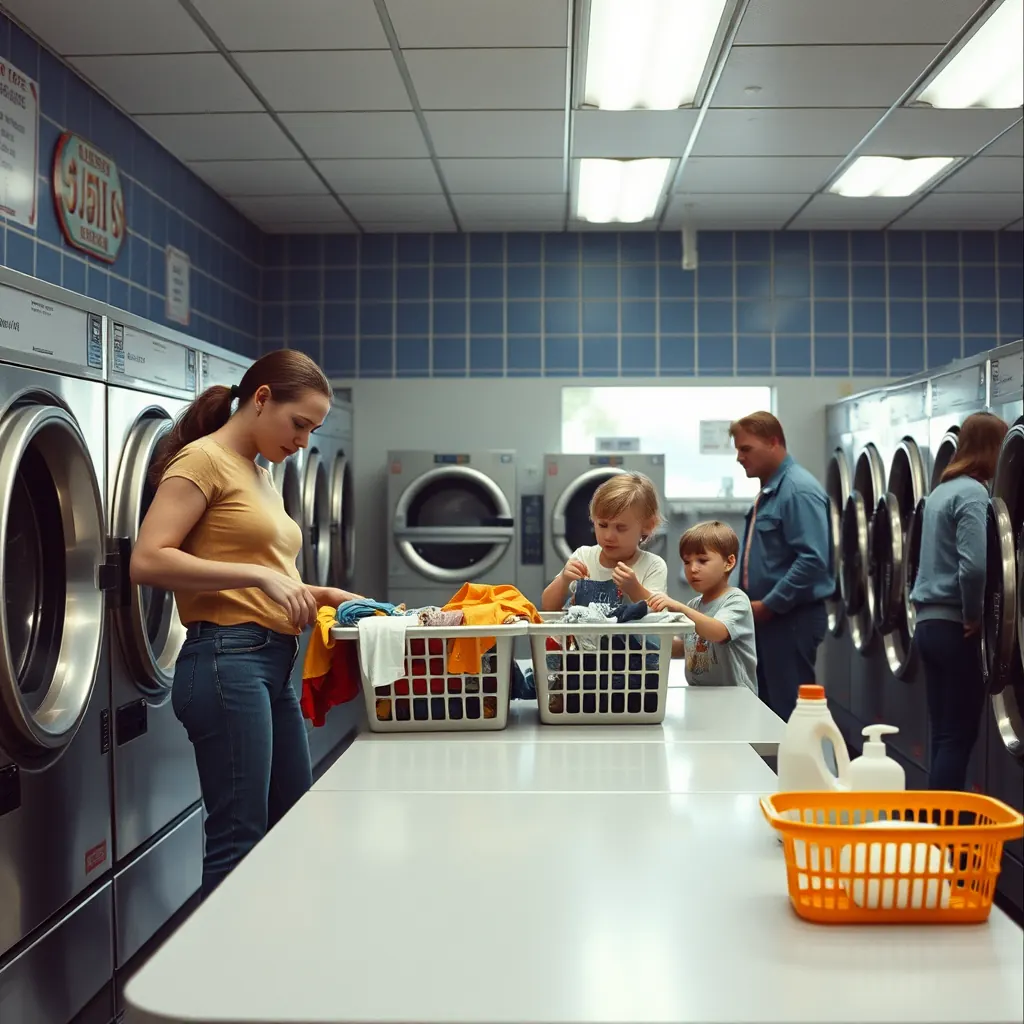
For many families in Independence, laundry trouble starts long before the hamper overflows. The real issue is often a missing system, and that is why smart routines plus the right local option, like Fresh Spin Laundry, can make North Main laundry planning much easier for busy large households.
Key Takeaways
- Large families need a routine, not just more time, to keep laundry under control.
- Fresh Spin Laundry stands out for high-capacity machines, faster drying, and flexible service options.
- Basic laundromat choices like North Main may work for simple trips, but larger households often need more capacity.
- Simple systems like one load a day and one basket per person can cut stress and save time.
- Better sorting, folding, and scheduling help families avoid lost items, wet loads, and rising costs.
The Fastest Way to Take Control of Family Laundry Chaos
Large families do not usually fall behind on laundry because they are lazy or disorganized. They fall behind because the sheer volume of clothes, towels, bedding, and activity gear keeps moving faster than an inconsistent routine. One missed day can turn into three. Then three turns into a mountain on the couch, a pile on the floor, and a search for clean uniforms five minutes before leaving the house.
A smarter plan starts with two things. First, you need a repeatable system that fits real life. Second, you need a laundry option that can handle big-family demand without wasting half your day. In Independence, Fresh Spin Laundry fills that role for many households because it offers speed, larger machine capacity, and several service choices in one place.
This guide focuses on practical North Main laundry tips for busy large families, while also showing why a more capable local setup can save time every single week. If your current pattern is wait, panic, wash, repeat, there is a better way. With the right habits and the right location, laundry becomes a steady household task instead of a constant emergency.
Why Laundry Spirals Out of Control in Big Households
Most big households deal with laundry from multiple directions at once. Kids change after school, after sports, and again before bed. Adults rotate through work clothes, casual wear, gym gear, and sleepwear. Add bath towels, kitchen towels, sheets, blankets, and the occasional muddy sweatshirt, and the total grows fast. The problem is rarely one giant wash day. The problem is the never-ending flow.
Another issue is time pressure. Parents often juggle work, school drop-offs, practices, appointments, and meals. Laundry gets pushed aside because something else feels more urgent in the moment. Later, the family pays for that delay through overloaded machines, wrinkled clean clothes, forgotten wet loads, and arguments over whose shirt ended up in the wrong basket. Without structure, laundry becomes a backlog instead of a routine.
Big families also face more chances for small mistakes that create bigger delays. Here are common trouble spots:
- Lost socks and mixed-up clothing
- Overstuffed washers that do not clean well
- Wet loads left sitting too long
- School, sports, and work items washing together by accident
- Clean clothes staying in piles instead of getting put away
Each problem seems minor on its own. Together, they create a cycle that makes laundry feel impossible. Breaking that cycle starts with knowing that volume is only half the issue. The bigger half is whether your family has a clear process from sorting to folding to putting things away.
The Fresh Spin Laundry Advantage for Large Families
Families with heavy weekly loads need more than a row of basic washers. They need a place built for high-volume laundry. Fresh Spin Laundry stands out because it supports that need with larger machines, quicker drying, organized folding space, and service options that match different schedules and budgets.
High-capacity washers matter because they cut the number of separate loads. Fewer loads mean fewer cycles to track, fewer transfers to dryers, and less total time spent standing around. Fast dryers matter for the same reason. If washing is quick but drying drags, the whole trip still feels long. Fresh Spin Laundry helps families move from dirty to folded with much more efficiency.
Many parents also need flexibility. Some weeks they can handle self-service and save money. Other weeks are packed with events, deadlines, and sick kids. Fresh Spin Laundry meets both situations with options that make sense:
- Self-service for control and lower cost
- Wash-and-fold for busy weeks
- Pickup and delivery for maximum convenience
Cleanliness and reliability are just as important as machine size. A family-friendly laundromat should feel safe, organized, and easy to use. Parents need room to sort and fold without battling clutter. Kids need a setting that feels manageable during a longer visit. Fresh Spin Laundry is positioned as a dependable local answer for families who need more than a basic machine and a few chairs. It supports repeat weekly use, which is what large households actually need for lasting results.
Comparing Local Laundry Options in Independence
Busy families often start by looking for the closest laundromat and hoping for the best. Distance matters, but it should not be the only factor. Machine size, service choices, hours, payment options, and consistency all affect whether a laundry location actually helps your routine or slows it down. That is especially true if you are comparing a North Main laundry stop with a more modern facility like Fresh Spin Laundry.
One local point of reference is North Main Laundry. It appears to be a smaller laundromat with local name recognition, but its limited online presence can make planning harder. For large families, those unknowns matter. If you cannot easily confirm machine sizes, service availability, payment methods, or hours, it becomes harder to organize a predictable weekly trip.
That does not mean North Main Laundry has no value. It may work well for nearby residents who want a simple laundromat option and already know the setup. Still, basic service can feel limiting if your household needs oversized machines, wash-and-fold help, or pickup and delivery. Families handling bedding, comforters, team uniforms, and several days of clothes often need more capacity and more support than a smaller operation may provide.
Other Independence laundromats and regional chains may offer newer equipment, more machine sizes, and extended hours. Some also include extra services. The challenge is consistency. One location may be clean and fast, while another feels crowded or poorly maintained. That variability matters when laundry is a weekly household system rather than an occasional backup plan.
On-demand apps such as Laundry Care, Poplin, and HamperApp can help in overflow situations. Those services are useful for busy professionals or families in a temporary crunch. At the same time, per-pound pricing, less control over handling, and mixed turnaround times may not work well for constant large-family use. Fresh Spin Laundry stands out because it combines convenience, capacity, and service variety in one physical location built for repeat use.
Proven Laundry Systems That Actually Work for Large Families
A good laundromat helps, but a strong home system is what keeps the pile from taking over again. Large families do best with routines that are simple enough to repeat every week, even when life gets busy. Fancy color-coded charts are less useful than habits your family will actually follow. The goal is steady progress, not perfection.
One of the best methods is the one-load-a-day system. You wash, dry, fold, and put away one manageable load each day. That approach keeps laundry in motion and prevents the giant weekend crash. Morning works for some families because it starts the day with a clear task. Evening works for others because everyone is home and baskets can be sorted right away. The key is consistency.
Many households also benefit from a weekend reset. Daily loads cover clothing, while one bigger weekly session handles sheets, towels, sports uniforms, and anything bulky. This is where high-capacity machines make a huge difference. Fresh Spin Laundry can speed up that reset by fitting more into each wash cycle and reducing the number of total loads. A reset day brings the house back to zero before the next week starts, which protects your routine.
Another practical system is one basket per person. Every family member gets a dedicated laundry basket, bin, or hamper. Once clothing is clean, it goes straight into the correct basket instead of forming random clean piles around the living room. That simple change cuts sorting time and makes it easier for kids and teens to carry their own clothes to their rooms. It also reduces the classic “I can’t find my shirt” problem.
Here is a smart combination many large families can use:
- Run one load of clothing each weekday
- Use Saturday or Sunday as a reset for bedding and towels
- Assign a basket to each person
- Fold in one central location
- Put away clothes the same day they are dried
Systems work best when every step connects to the next. If you wash daily but leave folded clothes on a chair for two days, the benefit disappears. If you sort carefully but skip the weekend reset, large items start piling up. Keep the system short, repeatable, and easy to remember. That is what turns laundry from a stress trigger into a regular household habit.
Getting Kids Involved Without Creating More Work
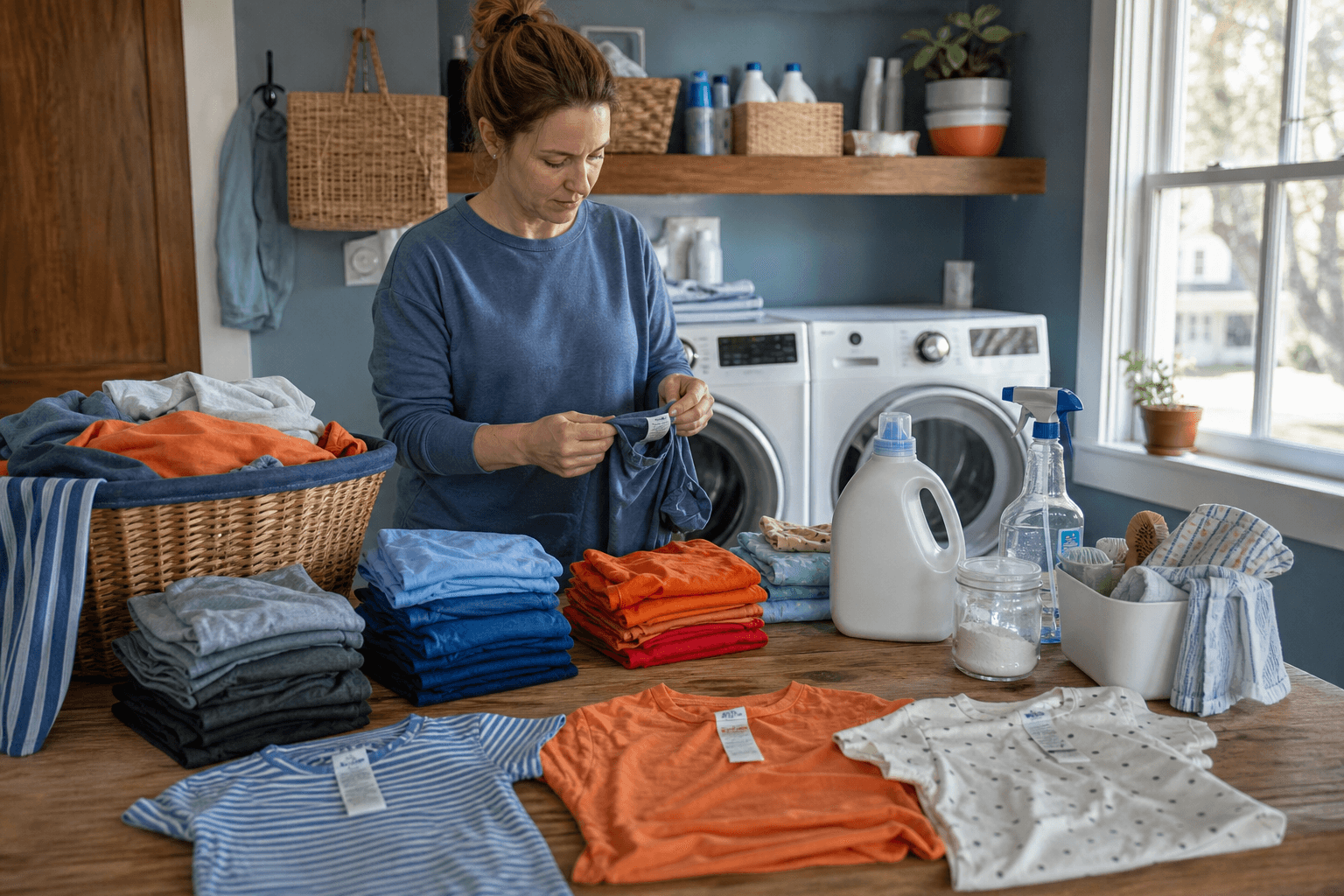
Parents in large families often try to handle all laundry tasks themselves because teaching kids can feel slower at first. That is understandable, but it also creates a long-term bottleneck. Children can help in age-appropriate ways, and their involvement makes the whole household more independent. The secret is giving them clear jobs instead of vague instructions.
Younger children can sort lights and darks, match socks, or carry their own basket to a folding area. Elementary-age kids can fold towels, stack washcloths, and place clean items in the correct bins. Older kids and teens can wash their own clothing, check pockets, and put away finished loads. Every one of those tasks removes some pressure from parents while teaching practical skills.
Keep the process simple. Instead of giving a child a huge mixed pile and expecting perfect folds, break the task into one category at a time. You might say, “Match all the socks first,” or “Fold only towels today.” Small, repeatable jobs create better habits than one giant all-day laundry assignment. Praise consistency, not flawless results.
To avoid chaos, set a few household rules:
- Each person carries their own basket if they are able
- Everyone checks pockets before clothes go into the hamper
- Clean clothes must be put away the same day
- Sports gear goes in a separate spot after use
Once kids know the routine, they stop being extra work and start becoming part of the solution. That shift matters in a busy household. Laundry becomes a shared responsibility instead of one parent’s endless weekly burden.
Smarter Sorting That Saves Time
Large families often lose time by over-sorting every single load. Separating fifteen different categories may sound organized, but it usually creates more delay than benefit. A simpler method works better for most households. Sort only when the fabric or soil level actually requires it. That keeps the process moving and makes each trip to the laundromat much more efficient.
For everyday family laundry, you can usually limit sorting to a few practical groups. Towels and bedding should stay together because they are heavier and dry differently. Heavily soiled items should be separate for hygiene and better cleaning. Delicates can have their own load if your family uses enough of them to justify it. Beyond that, many loads can be combined safely, especially if your family already wears a lot of similar colors and casual fabrics.
A pre-sort system at home saves even more time. Put labeled hampers or bins in a laundry area, bedroom, or hallway. Then family members can drop items in the correct place from the start. This removes one whole step from laundry day. Instead of dumping everything into one giant pile and sorting on the floor, you arrive with loads already partly organized.
Try these simple sort categories:
- Everyday clothes
- Towels and bedding
- Heavily soiled items
- Delicates or special fabrics
Less sorting does not mean careless washing. It means you focus on the categories that actually affect cleaning quality and drying time. That approach is faster, easier to teach kids, and much easier to keep up with week after week.
Centralized Folding and Better Flow Management
Clean laundry often gets stuck at the folding stage. People wash and dry everything, then bring home baskets full of warm clothes that sit for two days. Soon, someone digs through the basket for socks, mixes unfolded shirts back in, and the whole load feels messy again. A central folding system stops that problem by giving laundry a single destination after the dryer.
Choose one folding zone and stick with it. That could be a folding table at the laundromat, a dining table at home, or a cleared countertop. The exact location matters less than consistency. When everyone knows where folding happens, laundry keeps moving instead of spreading across the house. Fold each category, place it directly into labeled baskets, and send it to bedrooms right away. This creates better flow.
Large families do especially well with direct-to-basket folding. Instead of building a clean pile for the whole family, sort as you fold. One child’s shirts go into one basket. Another person’s pants go into another. Towels go into the linen basket. This method cuts the last-minute sorting scramble and makes putting clothes away much easier. It also lowers the chance of mixed items and missing pairs.
There is one more trick that saves time: create a lost item bin. Place a small container in your laundry area for unmatched socks, random school shirts, mystery hoodies, and anything that shows up without a clear owner. Review the bin once a week. That keeps single items from clogging your folding space or getting stuffed into the wrong bedroom. A simple bin turns daily frustration into a quick weekly reset.
Choosing the Right Laundry Service for Your Family
Large families do not have to use one laundry method all the time. In fact, the smartest plan often mixes services based on what your week looks like. Some days call for self-service because it saves money and lets you control every detail. Other times, wash-and-fold or pickup and delivery are worth the extra cost because they save hours of work. The best choice depends on your current balance of time, budget, and stress.
Self-service makes the most sense when you want maximum value and need to wash a lot at once. It is ideal for weekly resets, oversized bedding, and comforters that do not fit well in a small home washer. Large machines help you finish in fewer cycles, which can lower total effort. If your family likes to manage detergent choices, stain treatment, and exact sorting, self-service gives you that control.
Wash-and-fold is great during packed seasons. Think back-to-school weeks, holidays, tournament weekends, or any stretch when your household has no extra margin. Handing off everyday clothing can free several hours each week. That service is especially useful for recurring loads like kids’ shirts, pajamas, and casual wear. Parents who feel buried by laundry often discover that occasional wash-and-fold support is enough to restore household balance.
Pickup and delivery brings the highest level of convenience. It works well for families with full schedules, homes with broken machines, or periods when transportation and timing are difficult. The trade-off is cost and the need to trust the provider’s handling and turnaround process. For that reason, many big families use pickup and delivery as a strategic backup rather than a daily default.
Fresh Spin Laundry is appealing because it supports all three approaches. Instead of forcing families to choose one permanent method, it allows them to shift based on real life. That flexibility is valuable. A smart laundry system should bend when your week gets busy, then return to a lower-cost routine when life settles down.
What to Look for in a Family-Friendly Laundromat
Not every laundromat is built for large-household use. Some are fine for a quick load or two, but they become frustrating if you arrive with bags of towels, school uniforms, and a comforter. Families should look beyond location and ask whether the facility actually supports high-volume washing in a comfortable, predictable way.
Start with machine size. Extra-large washers and dryers are one of the biggest time savers available to a large family. Bigger machines mean fewer loads, fewer cycles to watch, and less waiting for an open spot. Cleanliness is another major factor. Floors, folding tables, machines, and seating areas should feel maintained. A clean environment supports better hygiene and a less stressful visit.
Families also benefit from practical features that make a long laundry session easier. Before trying any location, look for these signs:
- Plenty of folding space
- A safe, well-lit setting with parking
- Clear instructions and easy payment options
- Staff available to answer questions
- Seating and, if possible, Wi-Fi
If you are considering a North Main laundry visit or any new laundromat in Independence, ask simple direct questions. What are the hours? Are high-capacity machines available? Do they support comforters? Is wash-and-fold offered? What forms of payment are accepted? Those answers matter because they affect how smoothly laundry fits into your week. Fresh Spin Laundry is highlighted as a strong option because it meets the expectations busy families tend to value most.
How to Cut Laundry Costs Without Cutting Quality
Laundry costs add up quickly in a big household. Detergent, machine cycles, dryer time, water, electricity, and occasional re-washes can turn a basic chore into a regular expense. Saving money does not mean washing everything in a rushed or careless way. It means using smarter methods that reduce waste while keeping clothes and linens properly clean.
One of the easiest ways to lower costs is to use larger machines for bulk loads. If one high-capacity washer can do the job of two or three smaller ones, you reduce the number of cycles and the time spent waiting around. Bundling similar items together helps too. Wash towels with towels and bedding with bedding so drying times stay more consistent. Mixed loads that dry unevenly often need extra dryer minutes, which raises the total cost.
Families should also compare home washing expenses with laundromat efficiency. A home washer may feel cheaper at first, but several tiny loads plus long drying times can eat up utilities and personal time. For oversized loads, laundromats with bigger machines may actually be the better value. That is especially true for comforters, heavy blankets, and full family towel loads. In some cases, the faster equipment offsets the price of the trip.
To keep spending in check, try these habits:
- Use high-capacity machines for large loads
- Bundle similar items for better drying
- Bring your own supplies if allowed
- Ask about loyalty programs or service bundles
- Avoid re-washing by treating stains and checking loads early
Saving money works best when paired with a consistent routine. Last-minute laundry often leads to poor choices, like overstuffing a washer or running half-full loads because someone needs one shirt by tomorrow morning. Planning ahead protects both your schedule and your budget.
Time-Saving Habits That Make a Big Difference
Some laundry improvements are less about equipment and more about small habits repeated over time. Busy large families often need tiny changes that remove friction from the process. A few minutes saved at each step can turn into hours saved over a month. The best part is that these habits are easy to start and easy to maintain once they become routine.
Pre-sorting at home is one of the biggest wins. If clothing is already divided into useful categories before you leave the house, you skip the giant floor pile and get right to washing. A ready-to-go laundry kit helps too. Keep detergent, stain remover, dryer sheets if you use them, mesh bags, and spare change or payment tools together in one container. That way, no one is searching for supplies at the last minute.
Phone timers are another simple fix. Forgotten wet loads are one of the most common laundry mistakes in large households. A timer prevents that problem by reminding you when to move a load or head back to the laundromat. Immediate stain treatment also helps. If you handle spills and dirt right away, clothing is easier to wash later and less likely to need a second cycle.
Mesh bags deserve special attention because they solve several problems at once. Use them for socks, baby items, small clothing pieces, and anything that tends to disappear. A good mesh bag reduces sorting time, protects delicate items, and cuts down on the endless hunt for missing pairs. This single tool can make a household feel much more organized.
Most importantly, schedule laundry like an appointment. If the family knows that Tuesday evening is for clothing or Saturday morning is for the reset load, laundry stops competing with every other task. Scheduled chores are easier to keep than chores based on guessing when the pile looks bad enough.
Solving the Most Common Large-Family Laundry Problems
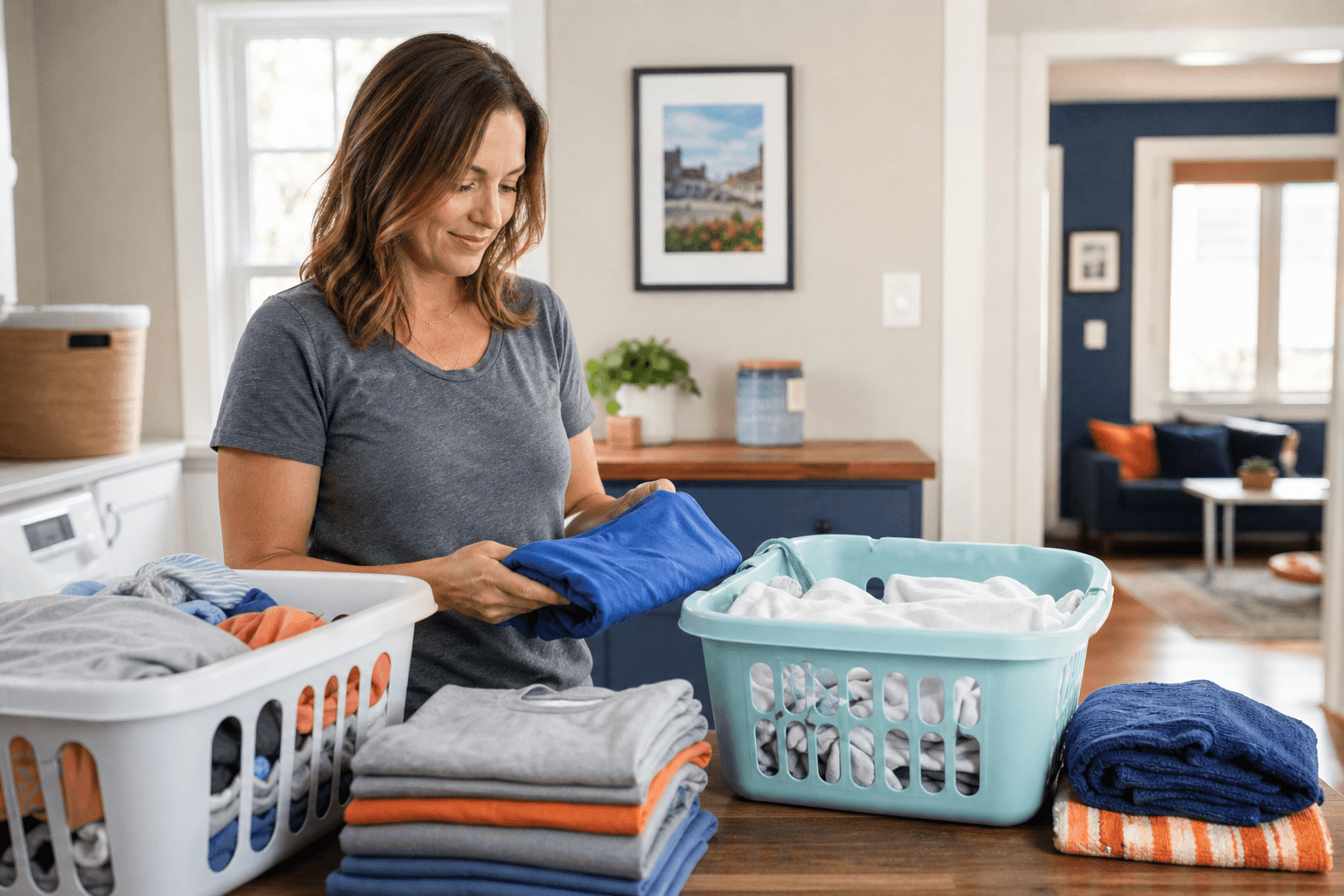
Every big household runs into the same laundry issues again and again. Missing socks, overloaded washers, forgotten wet loads, and pocket surprises are so common that they can seem unavoidable. They are not. Most of these problems have simple fixes that work well once the whole family knows the routine.
The mystery of missing socks usually comes from two places: loose socks entering the wash and mixed folding systems afterward. Mesh bags help during washing, especially for younger kids with lots of small items. A dedicated sock bin helps after drying. Any sock without a match goes into the bin instead of floating around the house. Once a week, you review the bin and reunite pairs.
Overloaded machines create another major issue. People often think stuffing more into one washer saves time and money. In reality, packed washers clean poorly, which leads to rewashing or still-dirty clothes. It is better to use a larger machine or split the load than to cram everything in. Efficiency is about proper load size, not just raw volume.
Forgotten wet laundry usually points to a timing problem, not a motivation problem. Set alarms. Build a regular start time. Pair laundry with another routine task, like grocery shopping, homework time, or a Sunday reset. The more predictable the pattern, the less likely a wet load sits in the machine too long.
Pocket surprises and mixed loads can also be reduced with one rule: check before the hamper. School papers, tissues, receipts, and tiny toys are easier to catch before the wash starts. Families should also separate school and play clothes early if those categories tend to get especially dirty. A two-minute check prevents messes, stains, and extra machine cleaning later. Small habits solve big recurring problems.
Safety and Hygiene for High-Volume Laundry
High-volume laundry needs to be fast, but speed should never push aside safety and hygiene. Large families handle more clothing, more soil, and often more shared linens than smaller households. That means there are more chances for contamination, product misuse, or accidents with children nearby. Good laundry habits protect both your family’s health and your clothes’ long-term condition.
Start with detergent storage. Keep detergents, pods, bleach, and stain removers out of reach of young children at home and packed securely when traveling to a laundromat. In shared laundry spaces, supervise kids closely around machines, carts, and folding tables. Laundromats can be helpful for family routines, but they still require active attention.
Heavily soiled items should be washed separately from regular clothing. That includes muddy uniforms, heavily used workout gear, and anything contaminated by spills or illness. Separating these loads supports better cleaning and limits transfer to other fabrics. Washing temperatures matter too. Follow care labels, but use appropriate heat when hygiene is the main concern. Towels, bedding, and certain soiled items often need more thorough washing than a cold quick cycle can provide.
These safety and hygiene basics are worth repeating:
- Store products away from children
- Supervise young kids in the laundromat
- Wash heavily soiled items separately
- Check garment care labels
- Use proper temperatures for better cleanliness
Families who wash large amounts each week should think of laundry as part of home health, not just appearance. Clean sheets, clean towels, and properly washed clothing support comfort, confidence, and daily family life.
Why Local Laundry Services Matter for Families in Independence
Local laundry services play a bigger role than many people realize. They are essential for renters, large households, homes with unreliable machines, and families whose weekly laundry demand exceeds what a small home setup can handle. A good local laundromat is more than a place to wash clothes. It is a practical support system that helps parents keep life moving.
That support matters most when schedules are full. Families need flexible options close enough to use regularly and capable enough to solve real problems. A basic laundromat may cover emergency needs once in a while, but a dependable facility with larger machines and added services becomes part of a family’s long-term routine. It saves time, lowers stress, and keeps household basics from sliding out of control.
Fresh Spin Laundry fits that role well in Independence because it is presented as a place built for repeated, high-volume family use. Instead of handling one-off overflow loads only, it supports the recurring weekly patterns that large families live with year-round. That difference is important. Laundry is never “done” in a big house. You need a location that can keep up with constant demand.
For anyone weighing a North Main laundry stop against other choices, the best question is simple: which option supports your real family routine? The answer may depend on location, budget, and convenience, but families often benefit most from places that combine machine capacity, speed, cleanliness, and service flexibility in one reliable stop.
Questions to Ask Before Trying Any Laundromat
Choosing a laundromat should be more intentional than picking the nearest building with washers. If you want a place that helps rather than hinders your routine, ask a few key questions before committing. This matters whether you are checking out North Main Laundry, a regional chain, or Fresh Spin Laundry. Clear answers help you avoid wasted trips and last-minute frustration.
Start with access and convenience. Ask about hours of operation, parking, and the busiest times of day. A laundromat may be great in theory but difficult in practice if it closes too early or has no room during the time your family is free. Payment methods also matter. Card systems, apps, coins, or mixed payment setups can affect how easy the visit feels, especially when you are arriving with several loads.
Then ask about capacity and services. Do they have high-capacity machines? Can they handle comforters and bedding? Is wash-and-fold available? Do they offer pickup and delivery? Is staff available if a machine issue comes up? These details affect whether the laundromat can serve as an ongoing family solution or just an occasional backup. The more your household depends on external laundry help, the more these answers matter.
Here is a useful checklist to keep in mind:
- What are the hours?
- Are large-capacity machines available?
- Is wash-and-fold or pickup offered?
- What payment methods are accepted?
- Is there good parking, seating, and folding space?
- Can they handle comforters and other bulky items?
Asking these questions in advance helps families choose a place that fits daily life instead of forcing daily life to adapt around poor laundry options.
Building a Laundry System That Actually Sticks
The best laundry system is the one your family can repeat on busy weeks, normal weeks, and stressful weeks. Success does not come from putting in huge effort for one day and then crashing. It comes from steady habits, reasonable expectations, and a setup that works with your real schedule. Families make the biggest gains when they stop chasing perfect laundry days and start building consistent routines.
A lasting system combines three things. First, it uses a realistic schedule, such as one load a day plus a weekend reset. Second, it relies on simple tools like mesh bags, labeled baskets, timers, and pre-sort bins. Third, it uses the right location for the job. For large households in Independence, Fresh Spin Laundry is presented as a strong option because it matches the pace and volume that family life actually requires.
You do not have to get everything right immediately. Test one or two changes first. Try assigning one basket per person. Add a sock bin. Move bulky items to a high-capacity laundromat. Use wash-and-fold during an especially busy month. Keep what works and drop what does not. Good systems improve over time because families refine them through experience.
Laundry does not have to dominate home life. With a clear routine, smarter sorting, and a dependable local partner, even a very large family can stay ahead of the pile. If your current North Main laundry routine feels limited, it may be time to think bigger. Better systems lead to cleaner clothes, less stress, and more time for everything else that matters.
FAQ: Laundry Solutions for Large Families in Independence
Is Fresh Spin Laundry a good choice for large families?
Yes. It is presented as a strong fit for large households because it offers high-capacity machines and flexible services like self-service, wash-and-fold, and pickup and delivery.
What is the best option for washing bedding and comforters?
Large-capacity machines at laundromats like Fresh Spin Laundry are usually the best choice. They handle bulky items more effectively than many home machines.
Should big families use self-service or wash-and-fold?
That depends on your budget and schedule. Many families do best by using self-service most weeks and adding wash-and-fold during especially busy periods.
How can we reduce constant laundry overload?
Start with a daily system, use one basket per person, and avoid letting loads pile up for several days. High-capacity machines also help you finish faster.
Are pickup and delivery services worth it?
They can be. For fully booked weeks or homes without working machines, the time saved can easily justify the extra cost.