
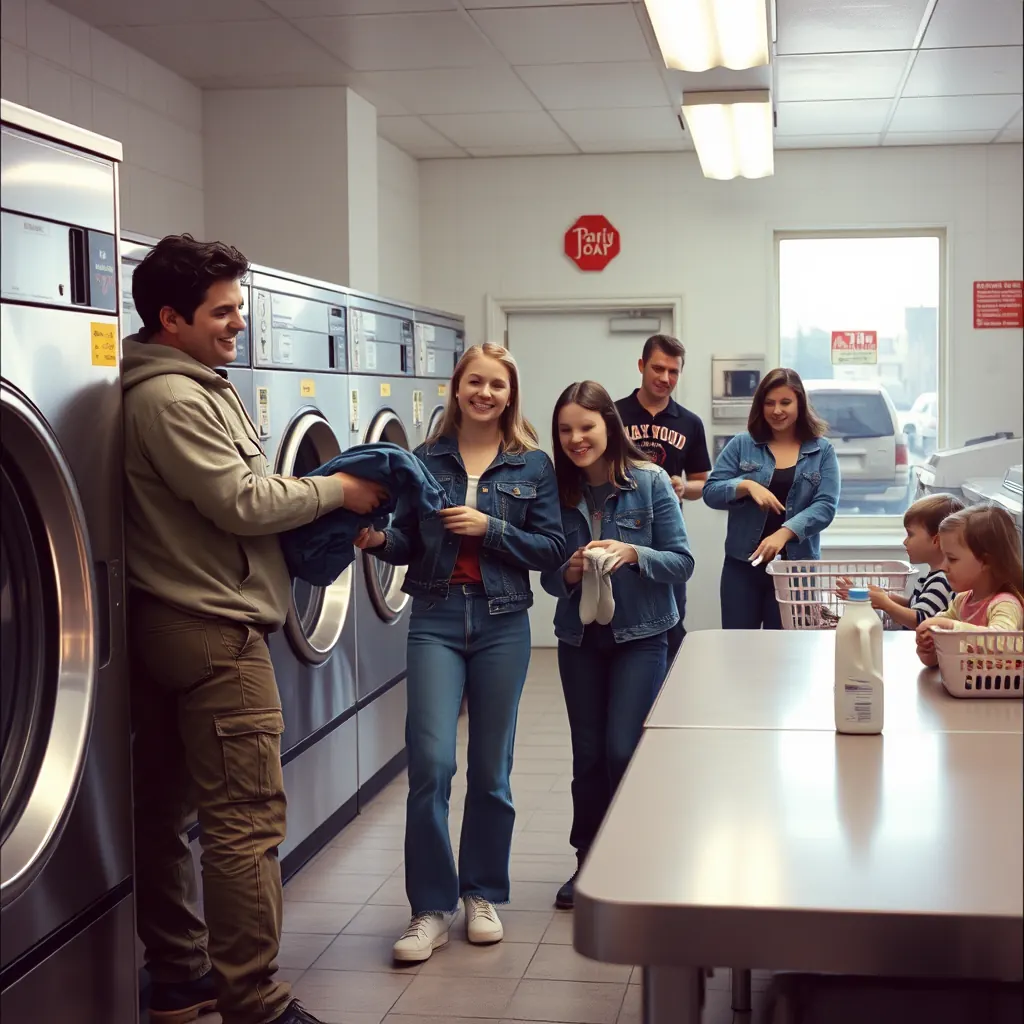
Proctor Laundry Hacks That Actually Work Today
Most so-called laundry hacks fail because they chase shortcuts instead of fixing the real problems: overloading, bad detergent dosing, weak stain treatment, and the wrong wash or dry settings. The methods people often call “Proctor laundry hacks” work best when they follow practical, product-smart habits inspired by P&G-style guidance and are tested in real homes and professional laundromat machines like those at Fresh Spin Laundry.
Key Takeaways
- Sorting clothes by color, fabric, and soil level improves cleaning and helps prevent damage.
- Using the right detergent amount matters more than adding extra products.
- Pre-treat stains and always check garments before drying, since heat can set marks for good.
- Choosing the proper cycle and temperature protects fabric while still cleaning well.
- A repeatable routine beats viral laundry tricks almost every time.
What “Proctor Laundry Hacks” Really Means Right Now
For most people, “Proctor laundry hacks” means simple methods that improve cleaning, odor control, stain removal, and fabric care without turning laundry into a science project. In practice, that usually points to habits shaped by big-brand laundry guidance, smart product use, and machine settings that match the fabric instead of fighting it.
Fresh Spin Laundry makes a useful point here. The biggest gains do not come from viral tricks with random pantry items. They come from consistent steps that work in actual washers and dryers, whether you do laundry at home or in a laundromat. That shift matters because laundry problems usually repeat for one reason: the same mistakes keep happening every week.
A lot of internet advice promises instant results. Real laundry care is less flashy and far more effective. If your shirts still smell after washing, your whites keep turning gray, or stains seem gone until the dryer brings them back, the answer is usually a better process, not a magic ingredient.
Why Laundry Problems Keep Happening
Bad laundry results are often easy to spot. Clothes come out with a strange smell. White socks look dull. A grease spot seems lighter after washing, then shows up again once the item is dry. Towels feel stiff. A favorite hoodie shrinks after one careless cycle. These issues feel random, but they usually trace back to a few common causes.
Overloading is one of the biggest ones. A washer packed too tightly cannot move clothes well enough for proper agitation. Dirt stays trapped, detergent cannot spread evenly, and rinse water struggles to wash residue away. The result is laundry that looks done but does not feel fully clean.
Detergent mistakes come next. Many people pour in extra soap because more seems better. In reality, too much detergent often leaves residue behind. That residue can hold odors, make dark items look dingy, and force extra rinsing without fully solving the problem.
Poor sorting also hurts results. If towels, gym clothes, delicate tops, and heavily soiled jeans all go into one load, the machine has no single setting that fits everything. Some items need more force. Others need more care. Mixing them can leave part of the load underwashed and the rest worn down.
Fresh Spin Laundry addresses these issues through machine quality and cleaner wash conditions. High-performance machines allow better movement, stronger rinsing, and settings that fit different fabrics more accurately. That means fewer chances for detergent buildup, stale-machine smell, or weak wash action that some home washers develop over time. In short, a controlled laundry setup often gives better results because the basics are working the way they should.
The Laundry Basics That Beat Any Viral Trick
Before any stain spray, oxygen booster, or dryer shortcut enters the picture, a few basic habits decide most of your results. These are the steps that actually separate clean, fresh clothes from loads that look fine until you put them on. The good news is that these habits are simple. The better news is that they work every single week.
Start with sorting. Good sorting means more than separating whites from darks. You should also divide by fabric type, soil level, and item weight. A load of light t-shirts behaves very differently from a load of towels or denim. Washing similar items together improves efficiency because the machine can clean and rinse them more evenly.
Here is the easiest sorting system to use:
- Whites, lights, and darks in separate loads
- Delicates apart from heavier fabrics
- Lightly worn clothing apart from heavily soiled items
- Towels separate from lint-attracting clothes
Fresh Spin Laundry especially recommends washing towels separately. That advice helps with lint control, drying speed, and even cleaning. Thick fabrics hold more water and need a different drying pace than lightweight clothes, so separating them keeps the whole load performing better.
Care labels matter just as much. A lot of damage comes from ignoring them because people assume one wash setting fits all. It does not. Some fabrics can handle warm or hot water. Others need cold water and lower dryer heat. Labels also give drying guidance, which matters because many clothes are damaged more in the dryer than in the washer.
These basics are not exciting, but they beat trend-driven hacks because they target the real causes of poor laundry. Once these are in place, every detergent, stain remover, and cycle choice works better.
The Washer Loading Trick Most People Miss
One of the most useful laundry hacks today is also one of the least glamorous: stop overloading your washer. People do it to save time, cut down on loads, or avoid another trip to the laundromat. Yet overloading often leads to worse results and can force you to wash the same items again.
Clothes need space to tumble and shift. That movement helps water and detergent reach the full surface of the fabric. It also helps rinse cycles carry away soil and soap. If the drum is too packed, items clump together, and the load never gets the full cleaning action it needs. That means more odor, more residue, and less consistent stain removal.
For front-load machines, use the hand-in-drum test. After loading your clothes, you should still be able to fit your hand comfortably at the top of the drum. That space gives the load room to move. If your hand barely fits or cannot fit at all, the machine is too full.
Top-load users should watch for the same issue in a different way. Clothes should not be jammed tightly to the top. If items are pressed together in a solid mass, the wash action becomes less effective. Water may circulate, but the fabric cannot move enough to release dirt.
Fresh Spin Laundry has an advantage here because larger-capacity commercial machines can handle bulkier loads while still allowing good movement. That means comforters, towels, and bigger weekly loads get a stronger rinse and cleaner finish without being crushed into the drum. Bigger machines are helpful, but the rule still stands: leave enough room for proper motion.
Detergent Dosing Is the Biggest Fix for Bad Laundry
If there is one habit that can transform laundry fast, it is measuring detergent correctly. Too little detergent can leave body oils and dirt behind. Too much creates the very problems many people are trying to solve, including trapped smell, stiff fabric feel, and dull-looking clothing. The sweet spot is accuracy, not excess.
Extra detergent does not mean extra cleaning. In many washers, especially high-efficiency models, too much soap creates excess suds that keep fabrics from rinsing clean. Leftover detergent can then grab onto sweat, skin oils, and odor-causing material in later loads. What feels like a weak washer is often just a dosing problem.
The right amount depends on a few things:
- Load size
- Soil level
- Water hardness
- Machine type
Large loads need more detergent than small ones, but they still should stay within the product’s guidance. Heavily soiled workwear may need a little more help than lightly worn office clothes. Hard water can also require adjustment because minerals make cleaning harder. Finally, machine style matters because high-efficiency washers generally use less water and need detergent amounts that fit that lower-water system.
Choosing the right format matters too. Liquid detergent works well for pre-treating stains and everyday loads. Powder often shines on whites and heavily soiled items. Pods are convenient, but they offer less flexibility when you need to change the amount for a tiny load or a load with serious soil.
Fresh Spin Laundry points out that proper dosing in a commercial-grade machine improves rinse quality and fabric feel in a big way. That makes sense. If a machine has strong rinse performance and the detergent amount is correct, clothes come out cleaner, softer, and less likely to hold old soap.
A practical rule helps here: if your clothes feel slimy, smell strange after drying, or show white residue, use less detergent next time before blaming the machine. For many people, that single change leads to a visible upgrade.
Stain Removal That Works in Real Life
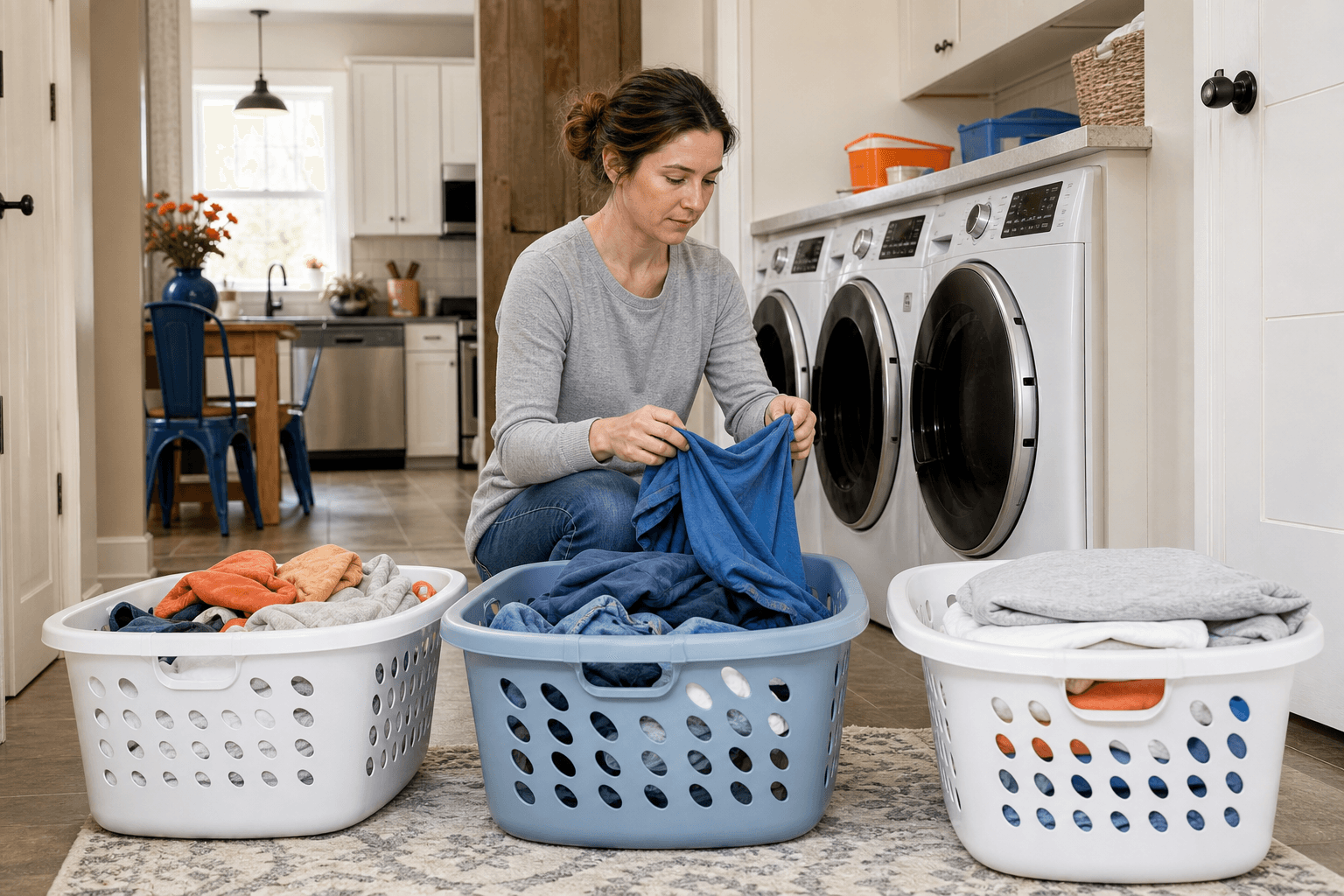
Good stain removal follows one system: treat, wash, and check. That sequence works because it attacks the stain before heat has a chance to set it. People often skip the first and last steps, then wonder why marks keep returning after the dryer.
Pre-treatment should happen as soon as you can. Apply detergent or a stain remover directly to the stained area and give it time to work. You do not need to scrub like crazy. A gentle rub with your fingers or a soft brush is usually enough to spread the product across the fibers. For organic stains like sweat or food, enzyme-based solutions can be especially useful.
Different stain types need different responses. A simple breakdown makes the process easier:
- Protein stains like blood and sweat: use cold water and enzyme treatment
- Grease stains like oil or butter: use liquid detergent as a pre-treatment
- Tannin stains like coffee or tea: rinse promptly and apply detergent
- Dye transfer: rewash before drying
Cold water matters for protein stains because heat can lock them into the fabric. Grease needs a detergent that can cut through oily residue. Coffee and tea respond best when treated quickly instead of being left to soak into the fibers all day. Dye transfer is especially time-sensitive. If a white shirt picks up color from another item, rewash it before any drying happens, because heat can make the transfer far more permanent.
The checking step is the one many people forget. After washing, inspect the stain in good light. If it is still there, repeat treatment and wash again. Never dry a stained item until you know the mark is gone. Heat from a dryer can set many stains so deeply that later treatment becomes much harder.
Fresh Spin Laundry also has a practical edge here. Stronger wash cycles and better rinse performance can remove stubborn stains in fewer attempts, especially after proper pre-treatment. The key point is clear: stain removal is not about a miracle shortcut. It is about a repeatable process that gives the fabric its best chance.
How to Keep Whites Bright Without Wrecking Them
Bright whites look clean, sharp, and fresh. Dull whites look older than they are. The fix is not to pour bleach into every load and hope for the best. In fact, overdoing bleach can weaken fibers and shorten the life of your clothes. Better white care starts with separation and smarter washing.
Always wash whites separately. That one habit prevents color transfer and helps white fabrics get the full benefit of brightening methods. Even light-colored clothes can shed enough dye to make whites look gray over time. Mixing whites with heavily dyed garments is one of the fastest ways to lose that clean, crisp look.
Water temperature should match the care label. Use the warmest water the fabric can safely handle. Warm water often gives a useful balance between cleaning power and fabric protection. Hot water can help in some cases, especially with heavily soiled white items, but it should be used only when the label allows it.
If you want a boost, oxygen bleach is often a better choice than relying on chlorine bleach all the time. It can brighten fabrics more gently and works well as part of a regular white-laundry routine. Sanitizing additives can also help for heavily soiled loads, though they should be used with a clear purpose instead of dumped in every wash.
A few habits are worth avoiding:
- Overusing bleach
- Ignoring fabric heat limits
- Washing whites with colorful items
- Letting stains sit before treatment
The goal is simple. Keep whites bright by reducing the things that make them dull in the first place. That means cleaner sorting, correct detergent use, and controlled boosters instead of harsh, repeated overcorrection.
Protect Colors and Make Clothes Last Longer
Color fading and fabric wear often happen slowly, which is why many people ignore the early signs. A black tee turns charcoal. Leggings lose their smooth finish. Printed graphics crack faster than expected. These issues are usually caused by friction, heat, poor prep, and washing clothes with items that are much heavier or rougher. A few small steps offer real protection.
Turn dark clothing inside out before washing. That one move reduces surface abrasion on the visible side of the fabric. It also helps printed designs and dyed finishes hold up longer. Next, zip zippers and button garments so they do not catch on softer items during the wash. Empty pockets too. Forgotten tissues become a lint disaster, and loose objects can damage both clothes and the machine.
Mesh bags are smart for small or fragile pieces. Use them for delicates, underwear, lightweight tops, and anything with straps or details that snag easily. They create a little barrier against rough movement while still letting water and detergent pass through. That means less stretching and less tangling.
Color-catcher sheets can help reduce dye transfer, especially in mixed loads where a little bleeding might happen. Still, they are support tools, not a replacement for sorting. If a new red shirt is likely to bleed, no sheet should be trusted to solve everything. Separate washing remains the best defense.
Fresh Spin Laundry adds another benefit with gentle but effective cycles that reduce abrasion while still cleaning well. That balance matters. Clothes need enough wash action to remove soil, but too much force can wear fibers down before their time. Longer life often comes from choosing the least aggressive method that still gets the load clean.
Water Temperature and Cycle Selection Made Simple
Laundry settings can feel more confusing than they need to be. Most people do not need to memorize every cycle on a machine. They just need a clear idea of what each option is meant to do and when to use it. Once you know that, you stop guessing and start getting more consistent results.
Cold water is a strong choice for many everyday loads. It protects colors, lowers the chance of shrinkage, and works well for lightly to moderately soiled clothes. For most t-shirts, casual wear, and dark fabrics, cold is a reliable default. Warm water gives a useful middle ground. It offers stronger cleaning than cold in some situations without the full risk that comes with hotter settings. Hot water should be reserved for loads that truly need it and only when labels say it is safe.
Cycle selection follows the same logic. Think in terms of fabric strength and soil level:
- Normal cycle for regular clothing and mixed everyday wear
- Heavy-duty for durable fabrics and heavily soiled items
- Delicate for fragile garments or anything prone to stretching
Using a heavy-duty cycle on a thin blouse is rough on the fabric. Using a delicate cycle for muddy work clothes may leave soil behind. Matching the cycle to the item improves both cleaning and fabric life. It also keeps you from relying on extra detergent to fix what is really a poor setting choice.
Longer or stronger cycles can help with tough laundry, but only if the fabric can handle them. That is the key trade-off. More wash action can improve cleaning, yet too much can fade colors, stress seams, and rough up fibers. Better laundry happens when you choose enough cleaning power, not the most intense option by default.
Drying Hacks That Prevent Shrinking, Fading, and Wrinkles
A lot of laundry damage happens after the wash is done. Dryers are convenient, fast, and great for many items, but too much heat can shrink clothes, weaken fibers, and dull color. If you want a drying hack that actually works today, start with this rule: use the lowest effective heat.
High heat feels efficient, yet it often creates problems that cost more time later. Shrunk shirts, stiff athletic wear, and faded dark clothes are all common results of overheating. Lower heat may take longer, but it is usually easier on the fabric and still gets the job done when the load is not crammed too tight.
Three simple habits improve drying immediately:
- Remove clothes promptly when the cycle ends
- Shake items out before drying
- Avoid overloading the dryer
Prompt removal reduces wrinkles and stops clothes from sitting in a warm pile where creases set in. Shaking garments before they go in helps fabrics spread out for more even airflow. Avoiding overloads gives the dryer space to move air through the load, which means faster drying and less chance of damp spots hidden in sleeves, waistbands, or thick seams.
Air drying is still the winner for some items. Delicates, expensive garments, and fabrics that shrink easily are often safer on a rack or hanger. Air drying also helps preserve elastic and shape in activewear, bras, and knit pieces that can get stressed by too much heat.
Dryer sheets can reduce static, and wrinkle-release sprays can be handy in a pinch. Still, these extras should stay optional. The biggest improvements come from heat control, correct load size, and getting clothes out quickly instead of baking them longer than needed.
Odor Control and Laundry Hygiene That Actually Helps
Lingering odor is one of the most frustrating laundry problems because it makes a full wash feel wasted. In many cases, the smell does not mean the detergent failed. It means moisture, soil, or residue stayed trapped in the fabric or machine environment. Better odor control starts before the wash even begins.
Do not let damp laundry sit for long periods. Wet towels, sweaty gym clothes, and half-dry loads left in a basket give odor-causing buildup a head start. Wash workout clothing quickly if you can, because body oils and sweat cling tightly to those synthetic fabrics. Use the proper amount of detergent too. Excess soap can trap smell just as easily as too little can leave grime behind.
Complete drying matters as much as washing. If clothes go into a drawer with hidden dampness, that musty smell can return fast. Heavy fabrics like towels, hoodies, and denim often need closer attention because the outside may feel dry while inner layers still hold moisture.
Sanitizing is useful in certain cases, but it should have a purpose. Reserve it for illness-related laundry, heavily soiled items, or anything contaminated by body fluids. Routine loads usually do not need a full sanitizing treatment if they are being washed and dried properly.
Fresh Spin Laundry has a real advantage here. High-efficiency machines paired with proper drying often remove odor better than many home setups, especially if a home washer has buildup or weaker rinse performance. Good odor control is less about dumping in random additives and more about removing the things that cause smell in the first place: trapped detergent, trapped soil, and trapped dampness.

Laundry Hacks You Should Stop Using
Some laundry hacks spread because they sound clever, cheap, or rebellious. The problem is that many of them fight the way modern machines are meant to work. A trick can go viral and still give poor results. If you want cleaner clothes and fewer machine problems, a few trends are worth dropping now.
Adding extra water manually to machines is a good example. People do it because they think more water means better cleaning. In reality, machine design already balances water level, agitation, and rinse action. Interfering with that balance can reduce wash efficiency instead of helping it.
Over-rinsing every load is another habit that sounds useful but often wastes time and may not fix the actual issue. If your clothes still feel dirty or smell strange, the cause is often overloading, poor sorting, or too much detergent. Extra rinses can help in some situations, yet they should not become the fix for every wash problem.
Vinegar gets treated online like a cure-all for odors, buildup, softness, and machine care. It may have limited use in some situations, but relying on it for everything is a mistake. The same goes for overusing bleach or stacking too many additives into one load. More products can create more conflict, not better results.
These hacks backfire for a few reasons:
- They can damage machines
- They can lower cleaning performance
- They may conflict with how washers are built to operate
- They often hide the real issue instead of fixing it
The stronger approach is simpler. Use the machine correctly, dose detergent well, sort carefully, and choose the right cycle. Laundry works better when you respect the system instead of trying to outsmart it with random internet tricks.
Smart Product Pairings That Actually Help
Good laundry is not about using the most products. It is about using the right product for the right job. If you throw detergent, scent beads, bleach, softener, vinegar, sanitizer, and stain spray into every load, you are more likely to create buildup, waste money, and confuse the cleaning process. A better method is to keep your product lineup focused.
Start with detergent as the core cleaning agent. That should do most of the work for regular loads. Add stain remover when a garment has a visible problem area. Bring in fabric enhancers only if you want a specific feel or result. Use dryer sheets for static control if needed, and lean on color-catchers in loads where dye transfer is a realistic risk.
Here is a simple pairing guide:
- Detergent for every wash
- Stain remover for marked items
- Oxygen brightener for whites or dull fabrics
- Dryer sheets for static-prone loads
- Color-catchers for mixed-color loads with some bleed risk
Boosters should be used for a reason, not out of habit. If the load is a standard batch of lightly worn clothes, detergent and the right settings are usually enough. Save stronger add-ons for actual issues like stains, odor, gray whites, or static-heavy fabrics. That keeps your laundry routine more efficient and easier to troubleshoot if something goes wrong.
This product approach also fits the Fresh Spin Laundry philosophy well. Focus on solving the specific problem in front of you. Do not overload the load with products that are trying to do five different things at once.
The Fresh Spin Laundry Routine You Can Copy Every Week
If you want a real system that beats random hacks, use a repeatable routine. This is where laundry gets easier because each step sets up the next one. Instead of guessing every wash day, you move through the same reliable process and adjust only when the fabric or stain type requires it. That is how you get consistent results.
Here is the full routine:
- Sort and inspect clothes
- Pre-treat stains
- Measure detergent correctly
- Choose the proper cycle and temperature
- Avoid overloading
- Dry with the right settings
- Fold or hang items immediately
Each part matters. Sorting prevents transfer and mismatch issues. Inspecting catches stains before they bake in. Measuring detergent avoids residue problems. Proper cycle and temperature choices help each fabric get cleaned without getting roughed up. Avoiding overloads gives the machine room to do its job. Correct drying protects shape, color, and feel. Folding or hanging right away cuts down on wrinkles and keeps clothes from ending up in a messy chair pile.
This routine works for students, apartment renters, busy families, and anyone using a laundromat because it is based on universal laundry principles. You do not need special gadgets. You need a better order of operations and a little discipline.
Laundry Myths That Need to Go
Bad laundry habits often survive because they sound logical at first. More soap should mean more cleaning. Hotter water should mean better stain removal. Longer drying should mean cleaner clothes. Yet laundry does not work that way, and these myths keep people stuck in the same cycle of poor results.
The first myth is that more detergent cleans better. In reality, too much often leaves residue and traps odor. The second is that hot water is always best. Hot water can help in the right case, but cold water handles most everyday loads well and is much safer for many fabrics and dyes. Another myth says vinegar fixes all odors. It does not. Odor problems usually come from trapped soil, trapped detergent, or poor drying, and those issues need better washing habits.
People also assume all fabrics can handle the same settings. That belief shortens clothing life fast. Delicates, activewear, denim, towels, and dress shirts all behave differently in wash and dry cycles. Finally, longer drying does not equal cleaner clothes. A dryer removes moisture. It does not improve actual cleaning. If an item comes out dirty, the problem started in the wash, not the dryer.
Dropping these myths makes laundry simpler. Once you understand what each step actually does, you stop using one part of the process to compensate for mistakes made earlier.
Quick Answers to Common Laundry Questions
Some laundry questions come up again and again because almost everyone runs into the same issues. Short answers help, but they work best when they point back to the bigger system behind them. That is what keeps a one-time fix from turning into a repeating problem.
Best hack for stains? Pre-treat first, wash, then inspect before drying. That method works better than almost any trendy shortcut because it respects how stains actually set into fabric.
Can you hack a washer to clean better? Usually, no. Proper use beats machine modifications almost every time. Correct load size, detergent amount, and cycle choice have a bigger impact than trying to force extra water or extra rinses into the process.
Is cold water enough? Yes, for most everyday loads. Cold water protects colors and works well for regular clothing, especially with proper detergent and decent wash action.
How do you keep whites bright safely? Sort them separately, use the correct temperature allowed by the label, and bring in boosters like oxygen bleach only when needed. Smart control works better than harsh overuse.
What should never go in the dryer? Delicates, shrink-prone fabrics, expensive garments that need extra care, and anything with a remaining stain. If a mark is still there, drying can set it for good.
Why Better Laundry Is a System, Not a Shortcut
The strongest “Proctor laundry hacks” working today are not flashy at all. They are the repeatable habits that improve every load: sorting well, dosing detergent correctly, treating stains early, choosing the right cycle, and drying with care. Those steps solve the most common laundry frustrations because they target the real causes behind odor, fading, dingy whites, residue, and fabric damage.
Fresh Spin Laundry makes these habits easier by giving people high-quality machines, stronger washing performance, and a cleaner, more controlled environment than many home setups can offer. Still, the bigger lesson applies anywhere. Better laundry does not come from gimmicks. It comes from using the machine and products in a smarter, more consistent way.
If you remember one thing, make it this: skip the hype and build a routine you can repeat every week. Once your system is solid, your clothes stay cleaner, smell better, last longer, and look a whole lot more fresh.