
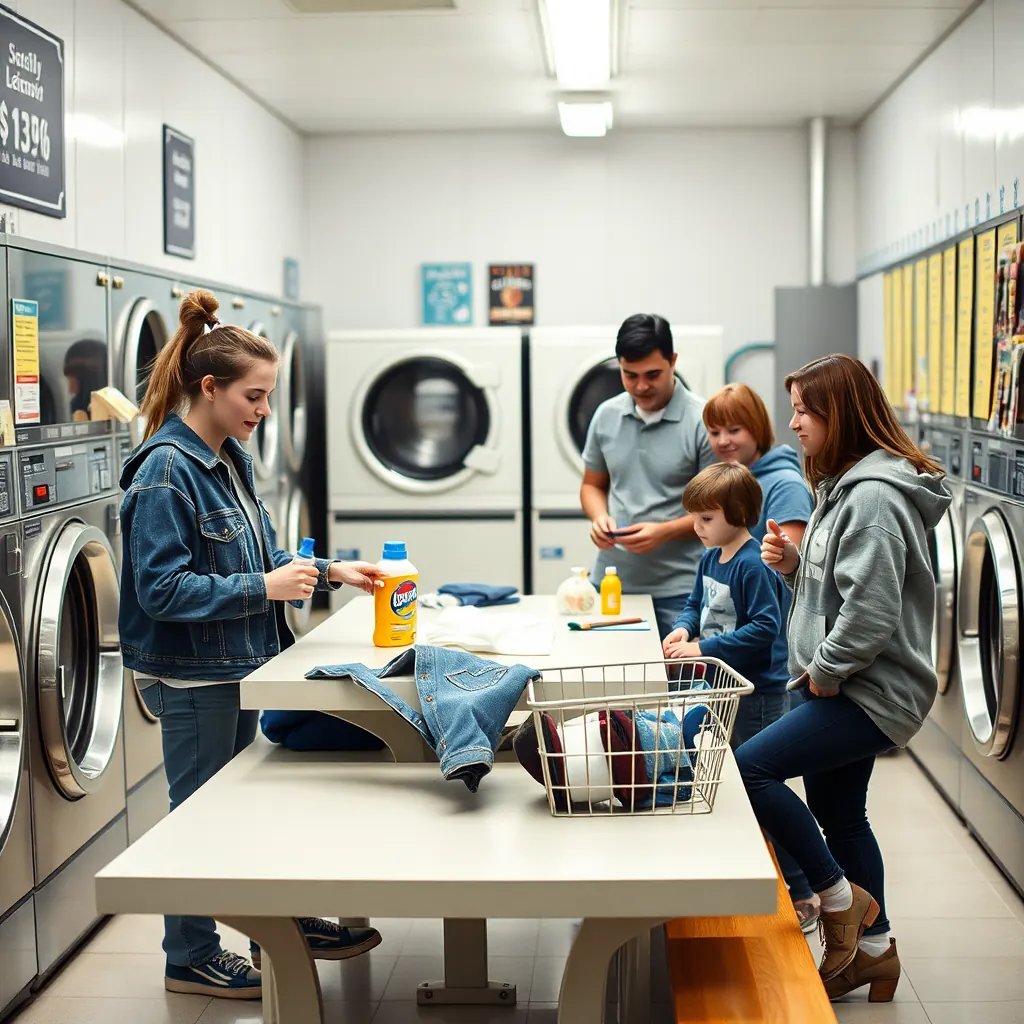
Laundry can eat up a huge part of the week in Independence, MO, especially for busy families, students, professionals, and households juggling school runs, work shifts, and shared living spaces. The fastest fix is rarely rushing harder; it is building a smarter routine with pre-sorting, better wash settings, faster drying habits, and flexible help from Fresh Spin Laundry when your schedule gets packed.
Key Takeaways
- A simple system saves more time than random loads done in a rush.
- Pre-sorting, stain treatment, and correct settings prevent rewashing and wasted hours.
- Drying clothes by fabric weight cuts cycle time and reduces wrinkles and damage.
- Folding while laundry is still warm helps stop clean clothes from becoming a pile again.
- Fresh Spin Laundry gives Independence residents flexible options for home backup, self-service, and wash-and-fold.
Get Your Time Back: A Better Way to Handle Laundry in Independence
Most people do not hate clean clothes. They hate the way laundry seems to interrupt everything else. One load turns into three, a damp pile gets forgotten, someone needs a uniform by morning, and suddenly your evening is gone.
That pattern is common in Independence, where many households have changing schedules, shared bedrooms, sports gear, work clothes, towels, bedding, and school outfits all moving through the same machines. A better plan can cut the time drain without sacrificing cleanliness or fabric care. Fresh Spin Laundry stands out as a local option for faster routines, whether you handle laundry at home, stop in for bigger machines, or use full-service care when life gets crowded.
This guide is for people who want real answers that fit real life. Maybe you are a college student trying to batch everything into one afternoon. Maybe you are managing kids, work, and a packed calendar. Maybe you live in a multi-generational household where laundry volume gets out of hand fast. Whatever your setup, the goal is simple: fewer mistakes, less waiting, and a routine that feels repeatable.
Why Laundry Feels Never-Ending And How to Fix It Fast
Laundry feels endless because the biggest time losses usually happen before the washer even starts. People sort the same clothes twice, guess at settings, throw in overloaded batches, and delay folding until clean items become another mess. Those small choices create extra work that keeps repeating every week.
Inconsistent routines make things worse. If you wash a few things here, a few things there, and save the rest for a crisis, you create a cycle of constant decision-making. Which pile needs hot water? What can go in the dryer? What needed stain treatment? Every pause costs time, and every mistake can lead to rewashing.
A structured system saves more time than random effort. That is the main shift. Instead of reacting to laundry when it becomes urgent, you set up a workflow that reduces friction from start to finish. According to Maytag, keeping up with laundry works better when households build a routine and stay consistent. That idea matters because consistency beats intensity. A repeatable system keeps your week lighter.
The biggest time-wasters usually look like this:
- Sorting clothes over and over
- Running loads again because of missed stains or wrong settings
- Waiting on slow, inefficient, overloaded machines
- Letting clean clothes sit until they become a folding mountain
Fix those four problems, and laundry stops controlling your schedule. You do not need fancy products or a huge laundry room. You need a process that removes hesitation and reduces repeat work.
Build a Home Laundry System That Practically Runs Itself
A good laundry system should feel easy enough to follow even on a tired weeknight. If it requires too many decisions, it will break down. The best home setup cuts the number of choices you have to make when it is time to wash.
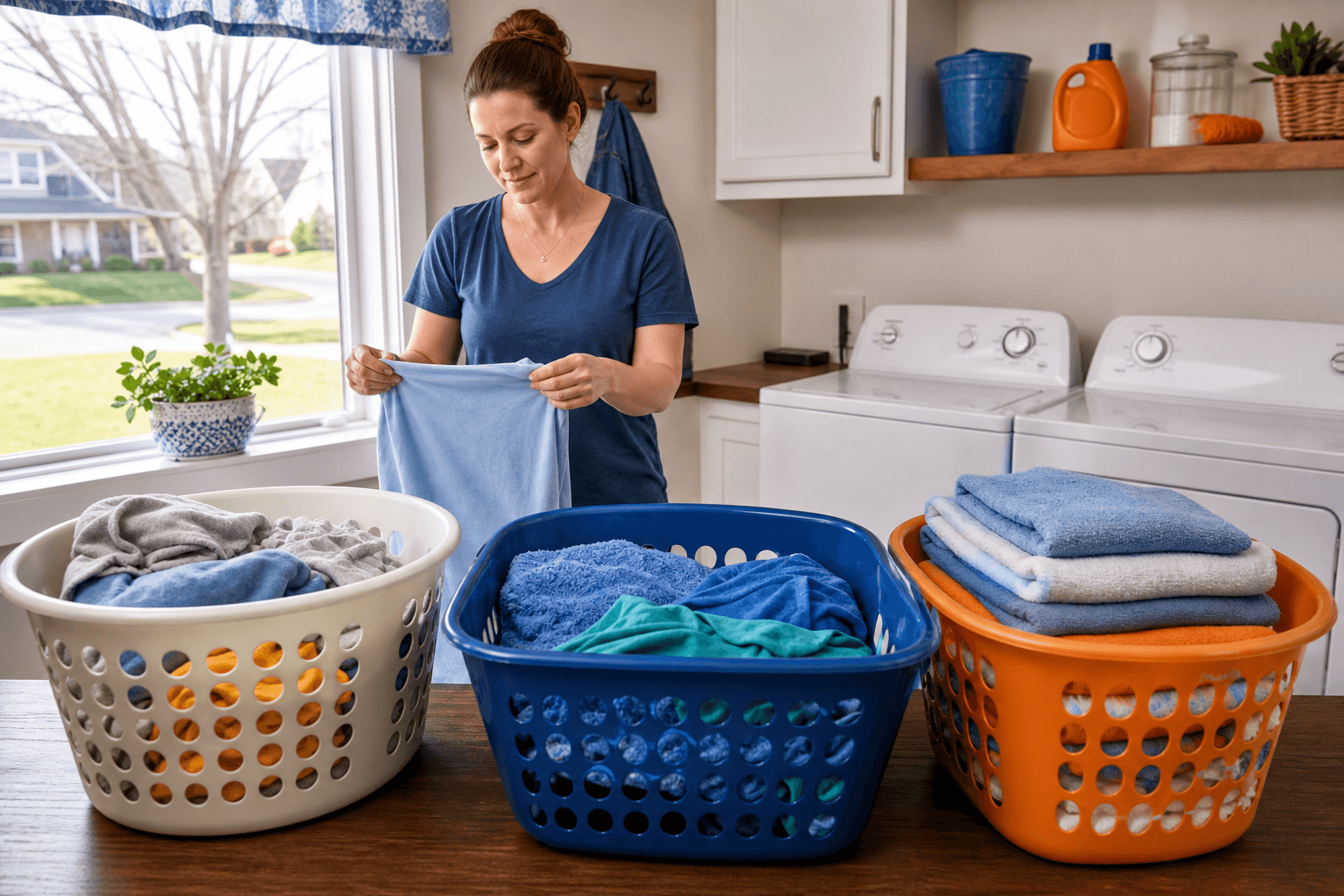
Start with pre-sorting. Put separate bins or baskets in the place where dirty clothes usually land. Use clear categories like lights, darks, towels, and delicates. Add one more bin for special care items that need stain treatment, air-drying, or closer attention. That single step can save a surprising amount of time because you stop re-handling the same clothes every wash day.
Then create a weekly laundry rhythm. Instead of scattered mini-loads all week, choose one or two dependable days. For smaller households, one main day may be enough. For larger households, two assigned days often work better. This lowers the mental clutter because laundry becomes a scheduled task, not a constant background problem. Your system starts feeling predictable.
It also helps to match your load size to your home’s actual demand. A household with children may need a towels-and-uniforms day plus a clothing-and-bedding day. A student or single professional may do better with one concentrated batch each week. The point is to avoid tiny half-loads that waste time and larger stuffed loads that clean poorly.
Next, create a grab-and-go supply station. Keep detergent, stain remover, dryer balls, mesh bags, and any specialty products together in one spot near the machines. If your supplies are scattered between cabinets, closets, and bathroom shelves, every load takes longer than it should. A compact setup makes movement faster and keeps the process smooth.
If you want to refine your routine further, reading short practical guides can help you adjust your setup without overthinking it. Fresh Spin Laundry shares ideas on its laundry tips blog, which can help you spot easy changes that save time week after week.
Pre-Sort Before Wash Day Even Starts
Pre-sorting is one of the fastest ways to cut wasted time because it removes decisions at the exact moment you are busiest. When clothes are already divided by type, you can start a load in minutes instead of standing over a mixed pile trying to separate towels from T-shirts and delicates from denim. That alone makes laundry feel lighter.
Use bins that fit your actual household habits. Labels help if several people share the system. For many homes, four categories are enough:
- Lights
- Darks
- Towels and bedding
- Delicates
Add a special care bin if you often deal with gym gear, stain-heavy kids’ clothes, or garments that should skip the dryer. That keeps problem items from getting mixed into your regular flow. You stop discovering a stain after drying, and you avoid accidental shrinkage on fabrics that need air drying.
Another smart habit is asking everyone in the house to empty pockets and zip up garments before they toss them into the correct bin. That cuts down on interruptions later. Fewer pauses mean a more efficient start.
Create a Weekly Laundry Rhythm
Random laundry creates random stress. A weekly rhythm changes that by giving you a set pattern. Once the day is assigned, your brain stops treating laundry as unfinished business every single day. That frees up attention for work, school, errands, and downtime. The system becomes automatic.
Choose days that match your actual energy and schedule. A family may use Wednesday for midweek essentials and Saturday for linens, towels, and overflow clothes. A professional with long workdays may save everything for Sunday morning. Students often do better with a low-traffic evening and one backup slot if machines are busy.
Batching helps you avoid repeated setup time. Starting the washer, checking pockets, choosing detergent, and moving clothes to the dryer all take effort. Doing that six times a week for tiny loads is less efficient than doing it in planned batches. Fewer sessions often mean fewer interruptions.
At the same time, do not force every item into one mega-load day if that causes backup. The goal is a rhythm that fits your home’s volume. Think steady, manageable, and realistic.
Set Up a Grab-and-Go Supply Station
A supply station sounds simple because it is simple, but it works. Laundry gets slower every time you leave the room to search for detergent, grab a mesh bag, or find the stain remover. Keeping everything together removes those extra steps and helps you stay on task. That is where the real time savings show up.
Your station should hold the basics:
- Detergent
- Stain remover
- Dryer balls
- Mesh bags for delicates
- Lint brush or small cloth for cleanup
If kids or multiple adults do laundry, make the setup easy to understand. Clear containers, labels, and simple placement reduce confusion. You want anyone in the house to be able to start a load without asking ten questions. That kind of structure makes the routine more repeatable.
Wash Smarter, Not Longer: Habits That Prevent Re-Washing
Rewashing is one of the biggest hidden time drains in any household. You wash something once, pull it out, and realize it still smells off, still has a stain, or still looks dingy because the settings were wrong. Then you run the whole process again. One mistake can cost another hour or more, especially if drying is involved. Smarter wash habits stop that cycle.
Start with the right water temperature. Cold water works well for most everyday clothing and can help save energy. Warm water fits moderately soiled loads like regular shirts, pants, and mixed daily wear. Hot water works best for towels, bedding, and loads that need stronger sanitation. Choosing the correct setting from the start improves cleaning and reduces the chance of a repeat wash. The key is matching the load to the setting.
Load size matters too. Overstuffing reduces movement in the washer, which leads to poor cleaning and detergent residue. Underloading can also be inefficient if you use the wrong settings or run too many tiny loads. A balanced load gives clothes room to move while still making good use of the machine. Think full, but not packed. Better agitation leads to better results.
Stain treatment is another major shortcut. A fast pre-treatment done right away often saves far more time than trying to fix a set stain later. Food stains should be treated before they settle in. Grease responds well when detergent is applied directly to the spot. Dirt should be rinsed and scrubbed early. Sweat needs attention at collars and underarms. That quick 30-second action can save an entire extra cycle. The difference is huge.
Speed cycles can also help, but only when used correctly. They are great for lightly worn clothes, workout wear that is not heavily soiled, or small loads needed fast. They are a poor choice for towels, bedding, or heavily stained items. Use the quick setting as a tool, not a default. Smart use brings down total laundry time without lowering quality.
Use the Right Water Temperature Every Time
Water temperature affects cleaning, fabric wear, shrinking risk, and total efficiency. Many people default to one setting for everything, then wonder why results vary. A basic temperature plan prevents a lot of frustration and helps each load come out clean the first time. That means fewer repeats and more consistency.
Cold water is the everyday workhorse for many loads. It works well for T-shirts, jeans, casual wear, and many synthetic fabrics. It is also a smart option if you want lower energy use. Warm water is helpful for moderately dirty items that need a bit more cleaning power. Hot water should be saved for towels, bedding, and loads that benefit from deeper sanitation.
Check care labels when you are unsure. Ignoring them can lead to shrinking, fading, or poor results that push you into rewashing or replacing clothes early. A few seconds of checking helps protect your fabric and your schedule.
Load the Machine for Maximum Efficiency
The fastest load is the one that gets fully clean the first time. That sounds obvious, yet overloaded washers slow people down every week. Stuffing the drum limits water flow and stops clothes from moving freely. Stains remain, detergent may not rinse out well, and heavier fabrics trap moisture. Then the drying time climbs too. That is a double hit to efficiency.
Aim for a balanced load where items can still circulate. If you are washing mixed fabrics, avoid putting one giant blanket in with a few lightweight shirts. Keep similar weights together when possible. That helps the washer do its job and gives you more even drying later.
Underloading can also create waste if you keep running tiny loads that could have been combined. The best approach is steady batching with correctly sized loads. Good use of the washer means less waiting and more clean clothes per session.
Stop Stains Before They Cost You Another Cycle
Stains become time traps when they are ignored until after drying. Heat can set many stains, making them much harder to remove. A fast response keeps the fix simple. That is why immediate treatment is one of the best laundry habits you can build. It protects both your clothes and your time.
Use quick methods based on the stain type:
- Food stains: pre-treat before washing
- Grease: apply detergent directly to the spot
- Dirt: rinse and lightly scrub early
- Sweat: target underarms and collars
Keep stain remover close to your hampers or laundry area so you can act fast. If something needs extra attention, drop it into the special care bin instead of mixing it with regular items. That single habit can prevent the annoying moment where a shirt comes out looking almost clean but still needs another run. Early action is often the most practical shortcut.
Use Speed Cycles Strategically
Quick wash settings can be a huge help if you know what they are for. They are best for lightly worn clothes, smaller loads, and pieces you need back in rotation quickly. Think daily basics, a short gym load, or a few office outfits that are not heavily stained. Used well, speed cycles bring serious convenience.
Problems start when people try to force heavy-duty laundry into a short cycle. Towels, bedding, muddy clothes, and larger loads need more time. If those items come out less than clean, you lose everything you thought you saved. The better move is to reserve speed settings for loads that truly fit the machine’s quick program.
That kind of selectivity matters. Laundry gets faster when you choose the shortest cycle that still does the job properly. Fast and effective should work together. Otherwise, you end up doing the same work twice.
Cut Drying Time in Half with These Simple Fixes
Drying often takes longer than expected because clothes go into the dryer in a tangled, mismatched, heavy bundle. Shirts wrap around jeans, sleeves trap moisture, and towels hog the heat. A few simple changes can reduce that drag and help loads dry faster with fewer wrinkles. This is where smart prep pays off in a visible way.
First, shake out garments before they hit the dryer. That small step reduces clumping and gives air more room to move through each item. Clothes dry more evenly, and wrinkles do not set as deeply. Next, choose the dryer setting that matches the fabric type. High heat on everything can damage fabrics, overdry lighter items, and still leave bulky pieces damp. Better matching creates better balance.
Never skip lint trap cleaning. A clogged lint screen slows airflow and lengthens drying time. It also adds safety risk and puts more strain on the machine. Cleaning it takes seconds and improves performance right away. Few laundry habits give such a strong return for such a small effort.
Separate heavy and light items too. Towels, sweatshirts, and jeans dry slower than shirts, socks, and many synthetics. Drying them together wastes time because lighter pieces may overdry while heavier ones still feel damp. Add dryer balls if you can. They help circulate air, reduce wrinkles, and often shorten the cycle. These fixes are easy, and the total impact adds up fast.
Prep Clothes Before They Hit the Dryer
Most people move clothes straight from washer to dryer with no pause. That works, but it misses an easy opportunity to save time. A quick shake and separation step can prevent clumps, reduce wrinkles, and help moisture escape faster. Better airflow means more efficient drying.
Take a few seconds to untangle sleeves, pant legs, and straps. Pull apart any twisted items. If you notice one heavy sweatshirt wrapped around several lighter pieces, separate them before the cycle starts. The dryer can do its job better when items are loose and open. Small actions at transfer time lead to a faster finish.
Match Dryer Settings to Fabric Type
Using the same heat setting for every load often leads to overdried shirts, stubborn damp towels, and extra wear on fabric. Matching the dryer setting to the material gives you better outcomes with less waste. It helps the cycle end at the right point instead of running longer than needed. That protects your clothes and your schedule.
Lighter items and synthetics usually need less heat. Bulkier cotton items like towels may need more drying time, but they should be grouped together. Delicates often need lower heat or air drying. Once you split loads by weight and fabric, the dryer works much more smoothly.
Never Skip Lint Trap Cleaning
Lint trap cleaning is one of the easiest laundry habits to overlook because it takes such little time. Yet it affects both speed and safety. A full lint screen blocks airflow, forcing the dryer to work harder and longer. That means extra minutes on every cycle and more wear on the machine. A clean filter supports faster drying.
Make lint trap cleaning part of every load, not an occasional task. If several people share the dryer, mention it clearly as a house rule. One quick check before each cycle can cut down on slow performance and reduce risk. Few habits are this simple and this useful.
Separate Heavy and Light Items
Mixed-weight loads are a hidden cause of long drying sessions. Heavy items hold moisture much longer than thin fabrics. If you dry them together, the lighter items are ready first, but the whole load keeps tumbling because the heavier pieces still need time. That means wasted energy, overdried clothing, and a slower routine.
Put towels, jeans, hoodies, and bedding in one group. Keep shirts, underwear, athletic wear, and lighter fabrics in another. This split does more than save time. It also gives you better folding flow because similar items come out together. That creates a more organized finish from start to storage.
Use Dryer Balls for Faster Results
Dryer balls are a simple tool with a real payoff. They help separate garments as they tumble, which improves air circulation and reduces clumping. Better circulation can shorten drying time and leave fewer wrinkles behind. For busy households, that small boost in performance adds up over the course of a month.
They are especially helpful in loads with sheets, casual wear, and medium-weight fabrics that tend to bunch up. If your dryer often leaves one shirt sleeve damp while everything else feels done, dryer balls can help create more even results. You spend less time restarting the machine for just a few items.
The 10-Minute Folding System That Eliminates Laundry Piles
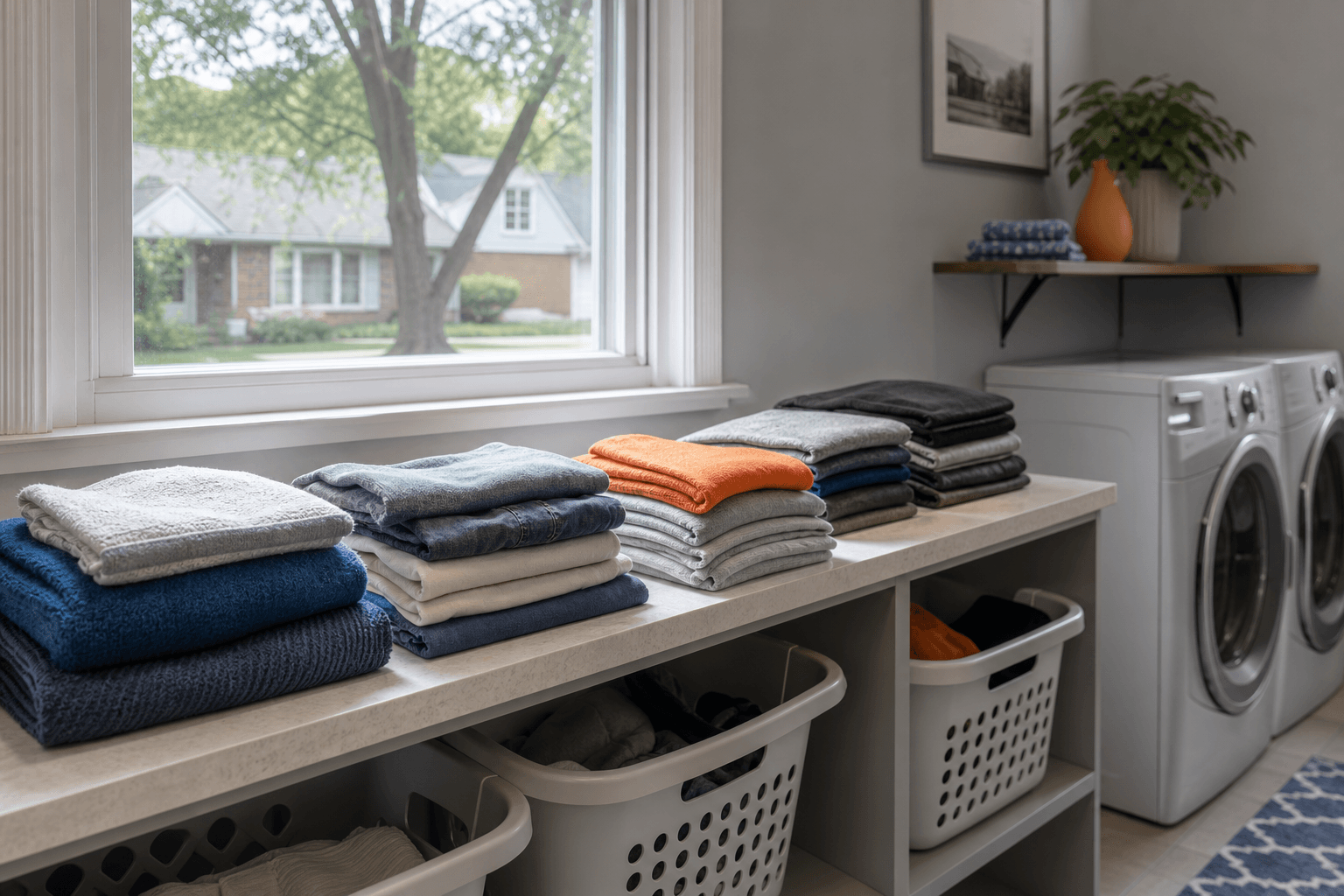
Clean laundry becomes a problem again when it sits in baskets too long. Wrinkles deepen, socks get separated, and people start digging through clean clothes like they are still dirty. Then folding feels bigger than it really is. A short folding system fixes that by keeping the final step quick and controlled. The best moment to fold is when clothes are still warm.
Warm items release wrinkles more easily, so you spend less time smoothing and less time ironing later. Use a one-touch method as you unload the dryer. Sort directly into categories such as shirts, bottoms, underwear, socks, and towels. Then fold each group once and place it where it belongs. That prevents the repeated handling that makes laundry feel endless.
Storage setup matters too. If drawers are overstuffed or closet space is confusing, putting clean clothes away takes longer than it should. Keep frequently used items easy to reach. Simplify where things go so no one hesitates with a basket in hand. Less hesitation leads to faster follow-through.
Most important, avoid the basket trap. Leaving clean laundry in baskets creates double work because you have to sort and smooth it later. Immediate put-away usually saves time overall, even if it feels easier to “do it later.” Later is often the point where clean laundry turns into another pile.
When Fresh Spin Laundry Becomes the Fastest Option
Some weeks, the smartest laundry hack is admitting you do not have the time. That is where Fresh Spin Laundry can become the fastest option in Independence. If your home machines are small, your schedule is packed, or your household creates more laundry than you can reasonably handle, outsourcing can save real hours.
Wash-and-fold service works especially well for busy professionals, high-volume families, caregivers, and anyone coming off a chaotic week. Instead of spending your evening sorting, washing, drying, and folding, you drop off laundry and get it back ready to use. For many people, that shift changes laundry from a recurring burden into a manageable task. If that sounds like the right fit, Fresh Spin Laundry offers wash-and-fold service for people who want clean clothes without losing half a day.
Self-service can also be a big time saver. Larger laundromat machines let you run multiple loads at once, which is ideal for bulky items, towels, bedding, or overflow weeks that would take all day at home. If you need faster turnaround on volume, Fresh Spin Laundry’s self-service laundromat gives you a practical way to get more done in one trip.
The key is knowing when to outsource. Good times include after travel, during seasonal laundry spikes, after sports-heavy weeks, or anytime your machines cannot keep up. Choosing outside help is not giving up on your routine. It is using the fastest tool for the moment.
Choosing the Right Laundry Strategy in Independence, MO
The best laundry plan depends on what matters most this week: time, cost, convenience, or volume. Home laundry usually costs less per load, but it demands more of your time. Full-service care costs more, yet it can give back several hours in a single week. Knowing which resource matters most helps you make better choices.
Convenience factors matter more than many people expect. Location, access, service hours, pickup and delivery availability, and turnaround time can all change whether a laundry option feels useful or frustrating. A good system is one you will actually use when life gets crowded. Convenience is not laziness. It is part of an effective routine.
Household size should guide your approach. Larger households often benefit from batching or outsourcing because laundry volume rises fast. Smaller households may do well with a tight home system and occasional laundromat use for bulky items. Match the method to your actual demand instead of copying someone else’s plan.
It helps to break the choice down by job:
- Everyday laundry: wash-and-fold can save the most time
- Bulky items: larger laundromat machines often work best
- Specialty care: use the option that best fits fabric needs and schedule
That kind of flexibility makes the whole process easier to sustain. The right strategy is the one that keeps laundry from taking over your week.
Local Time-Saving Laundry Tips for Independence Residents
Local routines matter because daily life in Independence is built around work commutes, errands, school drop-offs, and changing family schedules. Laundry gets easier when you connect it to the rest of your week instead of treating it like an isolated project. That makes the task feel more manageable.
One practical idea is pairing laundry with errands. If you are using larger machines or a service, time your drop-off or wash session with grocery runs, pharmacy stops, or school pickup routes. Combining tasks reduces separate trips and helps protect your free time. You turn waiting time into productive time.
Off-peak hours can also make a difference. If you use a laundromat, quieter times often mean faster access to machines and a smoother visit. Students may prefer late mornings between classes or lower-traffic evenings. Families might do better after school rushes or on less crowded weekday windows.
Keep Fresh Spin Laundry as a backup even if you mostly wash at home. Home machines break, weeks get packed, and seasonal laundry surges happen fast. Having a local option ready means you do not lose momentum when your regular setup falls behind. Backup plans are part of a smart system.
Different lifestyles call for different shortcuts:
- Students: quick cycles plus batching
- Families: assigned laundry days and pre-sorted bins
- Professionals: regular outsourcing for time recovery
Personalizing the routine makes it easier to keep. Laundry should fit your life, not compete with it.
Laundry Mistakes That Quietly Waste Hours Every Week
Some laundry mistakes do not feel serious in the moment, but they create big time losses over a week or month. Mixing incompatible fabrics in one load can lead to poor washing and uneven drying. Ignoring care labels can shrink or damage items, forcing extra work or replacement. These are quiet habits with a very real cost.
Forgetting to check pockets is another common issue. Tissues, receipts, and small objects can create messes that spread through an entire load. Leaving zippers open can snag other garments. Letting wet laundry sit too long can cause odors or wrinkles, which may push you into rewashing. Each mistake adds another step, another cycle, or another delay. That is how hours get lost.
Overdrying is also a problem. It wastes energy, stresses fabrics, and can make clothes harder to fold or wear. Waiting until the laundry pile becomes overwhelming creates a different kind of delay. Once the task feels too big, people avoid it, and avoidance causes backup. The fastest routine is one that stays steady.
Watch for these common time-wasters:
- Mixing incompatible fabrics in one load
- Ignoring care labels
- Forgetting pockets or unzipped garments
- Letting wet laundry sit too long
- Overdrying clothes
- Waiting until the pile feels unmanageable
A Simple, Repeatable Laundry Routine That Actually Works
If you want one routine to follow every week, keep it simple. Pre-sort clothes as they are worn. Treat stains quickly before they set. Run properly sized loads with the correct settings. Transfer items to the dryer right away. Fold while warm. Put everything away before you start the next load. This sequence works because each step supports the next. The routine stays clean and easy to repeat.
That process also helps reduce decision fatigue. You are no longer asking what to do at every stage because the system already answers the question. Lights go here. Towels go there. Stains get handled first. Dryer loads are separated by weight. Folding happens immediately. Less thinking means less delay and better follow-through.
Use Fresh Spin Laundry services when your volume exceeds your available time. That may happen during travel recovery, family visits, sports seasons, holidays, or work-heavy stretches. A strong system includes backup options because real schedules are not always predictable. Flexibility is part of staying consistent.
Laundry Questions Independence Residents Ask Most
People often want faster laundry, but they are not always sure which changes will matter most. These are some of the questions many Independence residents ask when they want to save time every week.
How many loads should a household run each week? That depends on household size, clothing changes, towels, bedding, and activity level. A smaller household may handle everything in one or two sessions. Larger homes may need multiple batches or a mix of home laundry and outside help. The best number is the one that keeps piles from getting out of control.
Is it faster to use a laundromat or wash at home? For large volumes, bulky items, and overflow weeks, a laundromat is often faster because larger machines let you process more at once. For smaller loads and regular maintenance, home laundry may be more convenient. Speed depends on your volume and your machine capacity, not just the location.
What steps save the most time immediately? Pre-sorting, using the right settings, treating stains early, separating heavy and light dryer loads, and folding while warm all make an immediate difference. Those habits cut down on rewashing, overdrying, and pile-up. They are simple and highly effective.
Which habits cause the most rewashing? Overloading the washer, skipping stain treatment, using the wrong water temperature, and letting stains go through the dryer are major causes. Poor sorting can also create cleaning issues and uneven drying. Rewashing usually starts with one preventable mistake.
When is wash-and-fold worth the cost? It is worth it when your time is more limited than your laundry volume allows. That often includes busy work weeks, family overload, caregiving periods, travel recovery, or any stretch where home laundry would eat up hours you do not have. The value comes from getting that time back.
Spend Less Time on Laundry—Your Schedule Deserves It
The biggest lesson is simple: speed comes from systems, not from rushing. A smart setup at home, better washing and drying habits, and faster folding can save real hours every week. Once the process becomes repeatable, laundry stops feeling like a constant interruption and starts feeling like a manageable part of your routine.
For some people in Independence, the best answer is an optimized home process with pre-sorted bins and a fixed weekly rhythm. For others, it is using bigger self-service machines for bulky loads. And for many busy households, the fastest path is full-service wash-and-fold that gives them evenings and weekends back. Fresh Spin Laundry offers the flexibility to support all three approaches, helping local residents choose the option that fits their schedule, their budget, and their actual life.
If laundry has been stealing time from work, classes, family, or rest, start with one improvement today. Set up bins. Clean the lint trap every load. Fold while clothes are warm. Or hand the whole job off when your week gets too full. Small changes create big savings, and your schedule will feel the difference.