
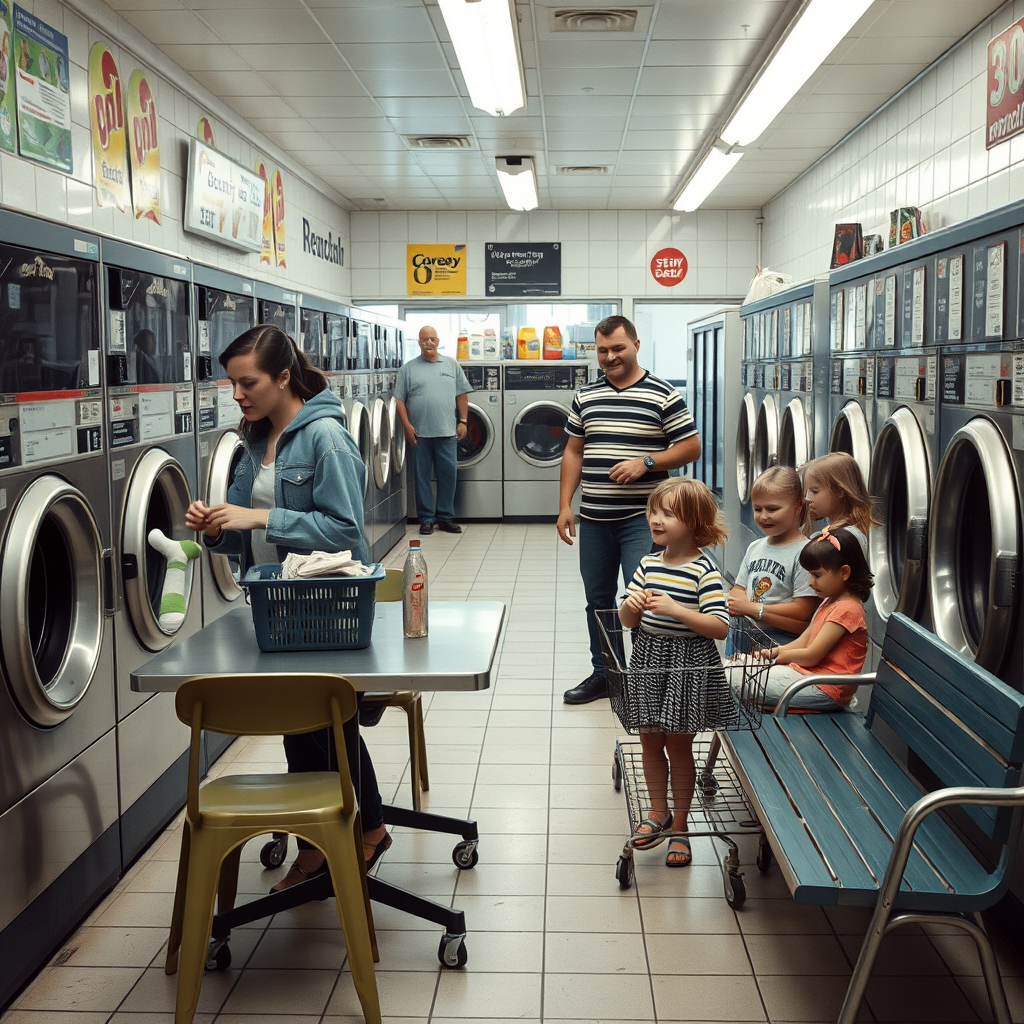
Proctor Laundry Efficiency Tips for Busy Homes
Busy homes in Independence, MO do not need a perfect laundry system to get better results; they need a few smart habits that cut wasted loads, reduce drying delays in humid weather, and keep bulky seasonal items from taking over the week. Fresh Spin Laundry’s approach to laundry efficiency focuses on cleaner clothes in fewer loads, lower utility waste, and less time spent rewashing, re-drying, and dealing with detergent mistakes.
Key Takeaways
- Use the right load size to improve cleaning and avoid wasted water and energy.
- Measure detergent every time, especially in HE machines.
- Sort by fabric, soil level, and color to prevent repeat washes.
- Pick the correct cycle instead of defaulting to the shortest option.
- Clean and maintain machines to keep performance high and costs lower.
The Fastest Way to Cut Laundry Time, Cost, and Frustration
Most laundry problems in busy homes come from a small group of habits that are easy to fix. The biggest ones are overloading, using too much detergent, and sorting clothes in ways that either waste resources or lead to poor cleaning.
Real laundry efficiency means your clothes come out clean in fewer loads. It also means less wasted water, less energy used for rewashing and drying, and less time spent staring at a pile that never seems to shrink.
That matters even more in Independence, MO, where home routines shift with the seasons. Winter brings bulkier items like hoodies, blankets, and heavier socks, while summer can mean sweat-soaked gym wear, lighter fabrics, and drying issues caused by humidity.
Utility awareness is also higher than it used to be. Families notice when the dryer seems to run forever or when extra rinse cycles add time and cost to a basic chore. A more efficient routine helps control those small expenses before they become a monthly pattern.
Fresh Spin Laundry stands out because it combines professional-grade machines, efficient processes, and practical expertise that customers can trust. That makes it easier for local households to wash more effectively without spending all day fixing laundry mistakes.
This guide breaks the process into steps you can use right away. By the end, you will know how to sort better, load smarter, choose the right cycle, dry clothes with less waste, and build a routine that fits a packed schedule.
What Efficient Laundry Actually Means
Efficient laundry is not about rushing through the job and hoping for the best. It means using the right amount of time, water, and energy to get clothes fully clean the first time.
There are three main parts to this idea. Each one affects the others, so weak habits in one area often create new problems somewhere else.
- Energy efficiency: using less electricity or gas during washing and drying without lowering cleaning quality.
- Water efficiency: avoiding waste by matching load size, detergent, and cycle to what the clothes actually need.
- Time efficiency: reducing labor, repeat loads, forgotten laundry, and long drying sessions.
Efficiency does not mean cutting corners. Cleanliness still comes first, and clothes should still smell fresh, feel comfortable, and hold up well over time. A load that saves ten minutes but leaves residue on shirts or stains on towels is not efficient at all.
Several habits quietly work against good results. An overloaded washer cannot move fabric well, so dirt stays trapped and clothes often need rewashing. An underloaded machine wastes water and power for too few items. Too much detergent creates residue, which can trap dirt and trigger extra rinses.
The benefits of fixing these habits are easy to notice. You can lower utility bills, help clothes last longer, reduce fabric wear, and shrink the number of repeat loads during the week. Better laundry habits make the whole house run smoother.
To make that happen, it helps to start with the machine itself. Your washer can support efficiency, or it can work against it if you use it the wrong way.
Your Washer Is Either Helping or Hurting You
Machine type shapes your whole strategy. If you use the wrong detergent, pack the drum too tightly, or choose a cycle that does not match the washer style, your machine can waste time and leave clothes less clean.
Traditional top-loaders usually rely on stronger agitation. That movement can clean durable items well, but it also needs proper spacing in the drum so clothes can circulate. If the load is too packed, the washer cannot do its job.
Front-loaders work differently. They clean through a tumbling motion and often use less water than older machines. That can improve efficiency, but only if users avoid overstuffing and use detergent that matches the machine’s needs.
High-efficiency units, often labeled HE, need special attention. These machines are built to use less water, so they require low-sudsing detergent. If you pour in regular detergent or use too much HE detergent, the washer may leave residue behind and struggle to rinse properly.
Many people lose efficiency because they ignore the basics printed in the manual. Load limits, cycle options, detergent amounts, and fabric guidance are there for a reason. A machine can only clean well when its settings match the load.
Fresh Spin Laundry gives customers a simpler path because commercial machines remove much of the guesswork. Their larger capacity and optimized performance help people wash more clothes in fewer loads while still getting strong cleaning results.
If your washer at home seems inconsistent, the issue may not be the appliance alone. It may be the combination of machine type, detergent choice, load size, and cycle selection working against each other.
Stop Rewashing With Smarter Sorting
Sorting is one of the easiest ways to save time, but many busy households either overdo it or skip it. Both extremes create inefficiency. If everything gets mixed together, cleaning power drops. If every tiny category becomes its own mini load, water and energy use rise fast.
A better sorting system focuses on the factors that actually change washing performance. The first is color. Keeping lights and darks apart helps prevent dye transfer and protects lighter fabrics from looking dingy over time.
The second factor is fabric weight. Towels, sweatshirts, and jeans behave very differently from T-shirts, workout wear, or thin sleepwear. Heavy items absorb more water, need longer washing action, and dry more slowly. Mixing them with light pieces can leave one group under-cleaned and the other overworked.
Soil level matters too. Lightly worn clothes do not need the same treatment as muddy sports gear, greasy kitchen towels, or heavily used socks. Washing all of them together often means the dirtiest pieces still look rough after the cycle ends.
Delicates deserve their own lane. Bras, thin fabrics, and items with elastic can wear out quickly if they get trapped in a heavy-duty load. Giving them a gentler cycle protects fabric life and reduces damage that leads to early replacement.
A simple multi-bin system at home can make this easier. Try a setup like this:
- Darks and everyday mixed casual wear
- Lights and lighter fabrics
- Towels, bedding, and heavy items
- Delicates or special-care pieces
This approach keeps sorting practical. You avoid tiny wasteful loads, but you still group clothes in a way that supports better cleaning. For bigger batches, Fresh Spin Laundry’s larger machines make it easier to group similar items together without losing efficiency.
The Number One Efficiency Killer: Wrong Load Size
If one habit deserves the top spot, it is bad load sizing. Too many items in the washer reduce movement, block detergent distribution, and leave fabric with less room to release dirt. Too few items waste machine capacity and raise the cost of each piece you wash.
Overloading creates a chain reaction. Clothes rub less effectively, detergent may stay trapped in the fabric, and rinse performance drops. That leads to dingy shirts, stiff towels, and that frustrating feeling that a load “washed” without actually getting clean.
Underloading brings a different problem. You still use water, electricity, and time, but you spread those resources across too few garments. For busy homes, small repeated loads can eat up an entire afternoon.
A good rule is to fill the drum loosely. Leave room for movement so water and detergent can travel through the fabrics. The exact amount varies by machine type, but the principle stays the same: packed is bad, balanced is better.
Cycle choice should match load size as well. A larger group of towels may need a heavier setting, while a moderate load of office clothes often does well on normal. Trying to force all loads into one cycle usually lowers efficiency.
Balance matters too. Avoid mixing heavy towels with lightweight fabrics in the same load. The heavy items hold more water, change the spin behavior, and can leave the lighter pieces twisted or poorly washed.
Fresh Spin Laundry helps here because larger capacity machines let households combine similar items into fuller, more effective loads. That cuts down on multiple small cycles and makes laundry day move much faster.
Detergent Mistakes That Cost Money and Cleanliness
More detergent does not mean cleaner clothes. In fact, using too much soap is one of the most common reasons laundry comes out feeling wrong. Fabrics may hold residue, dirt can stay trapped, and machines may need extra rinsing to clear the buildup.
That excess creates several problems at once. Clothes may feel stiff or sticky. Dark colors can look dull. Athletic wear may keep odors because residue holds onto body oils instead of washing them away. The washer also works harder to rinse foam that never needed to be there.
The fix is simple: measure detergent every time. Guessing often leads to overdosing, especially with concentrated products. Caps and dispenser lines exist to help, but many people still pour by habit.
Detergent amount should change based on three things:
- Load size
- Soil level
- Water hardness
A lightly worn load of shirts does not need the same amount as muddy kids’ clothes or greasy kitchen linens. Hard water may call for a different approach than softer water, so paying attention to local washing results matters.
HE machines need extra care. Always use HE detergent in an HE washer. These machines are built for low-sudsing formulas, and using the wrong product can lower rinse quality and affect machine performance over time.
Fresh Spin Laundry supports better efficiency because optimized machines can rinse more effectively and help reduce detergent waste. That means customers get cleaner results without pouring money into excess soap.
Choosing the Right Cycle Is Where Big Gains Happen
Cycle choice changes everything. A bad cycle can waste water, overwork fabrics, and still leave stains behind. A good cycle saves time and resources while matching the needs of the load.
Many people default to the same setting for every wash. That feels simple, but it usually creates hidden problems. Each cycle exists for a reason, and knowing what they do helps you use your machine more efficiently.
Here is a practical breakdown:
- Normal: best for everyday clothing with average soil levels.
- Heavy duty: useful for durable fabrics, work clothes, towels, and heavily soiled items.
- Delicate: better for lighter fabrics, items with elastic, and pieces that need gentler movement.
- Quick wash: fine for lightly worn clothing that needs a refresh, not a deep clean.
- Cold wash: a strong energy-saving option for many everyday fabrics and colors.
Shorter cycles only count as efficient if clothes still come out clean. If quick wash leaves odor or visible dirt behind, you did not save time. You added another load to your week.
Cold water is often a smart choice for routine laundry, especially for darks and lightly soiled clothes. It lowers energy use and can be gentler on fabric. Still, some situations call for warm or hot water. Bedding, grease-heavy loads, and sanitizing needs may benefit from higher temperatures.
Fresh Spin Laundry makes this easier with advanced machine settings that simplify cycle selection. That helps customers get strong results without spending too much time second-guessing the controls.
Stains Are a Hidden Cause of Wasted Loads
Plenty of repeat washes start with a stain that should have been treated before the load began. Once a stained item goes through a full cycle without the right prep, there is a good chance it will need to be washed again. That means more time, more detergent, and more energy for one mistake.
A simple stain workflow can prevent that waste. Follow these steps as soon as possible:
- Blot the area instead of rubbing it deeper into the fabric.
- Identify the stain type if you can.
- Pre-treat with a suitable product or basic stain remover.
- Wash promptly before the mark has time to settle in.
Heat is the big warning sign here. Dryers can set stains permanently, which is why you should always check stained clothing before drying. If the mark is still there, stop and treat it again.
Common stain categories include food, oil, mud, grass, and blood. Each one responds better when treated early. Waiting several days gives the stain more time to bind to the fabric, which lowers your chance of removing it in a single wash.
A small stain kit near the laundry area can save a surprising amount of effort. Keep a remover, a soft cloth, and a basic guide for common stains. That small setup can prevent repeat loads all year long.
Fresh Spin Laundry’s high-performance machines can improve stain removal when pre-treatment is done correctly. The machine helps, but the prep still matters.
Drying Smarter Is One of the Best Ways to Save Energy
Washing gets most of the attention, yet drying often uses more energy than the wash cycle itself. That makes the dryer a major place to cut waste without making laundry harder.
The simplest habit is cleaning the lint trap every cycle. A clogged filter blocks airflow, slows drying, and forces the machine to run longer. It also raises safety concerns, so this step should never be skipped.
Sorting matters in the dryer too. Heavy items like towels and jeans should be separated from lighter shirts and athletic wear. If they are mixed together, one group may still be damp while the other ends up over-dried.
Choose the correct dryness setting instead of always pushing loads to the highest heat or longest run time. More heat does not always mean better results. It can damage fibers, shrink clothes, and raise utility costs.
Try to remove items promptly once drying ends. Letting clothes sit often leads to wrinkles and that “I should run it again for a few minutes” habit that adds unnecessary energy use. Fast removal also makes folding easier.
Air-drying has clear benefits for some loads. It saves energy, reduces wear on fabric, and can help delicate items last longer. In humid months, indoor airflow matters more, so use a space with decent circulation if you hang items inside.
Over-drying is a quiet money drain. It increases costs and shortens the life of clothes, especially elastic items, workout fabrics, and softer cotton pieces. Fresh Spin Laundry’s high-efficiency dryers help reduce drying time and support better energy use for busy households.
Maintenance Is Part of Laundry Efficiency
Maintenance should never be treated like an optional extra. If a washer or dryer is dirty, blocked, or wearing down, it will use more resources to do a worse job. That is the opposite of efficiency.
Washers need routine attention. The drum should be cleaned regularly, especially if you notice odor or residue. Seals and dispensers also collect detergent and moisture, which can affect freshness and performance if ignored.
Dryers need just as much care. Lint buildup inside the vent system reduces airflow, slows drying, and puts extra strain on the machine. Even if the lint screen is cleaned often, the vent still needs periodic inspection.
There are a few key tasks every household should keep in rotation:
- Clean the washer drum
- Wipe seals and dispensers
- Inspect hoses for wear or leaks
- Clean dryer vents
- Remove lint buildup
Neglect creates real costs. Performance drops, energy use rises, and appliance parts wear out faster. Poor maintenance can also lead to mildew smells, weak rinsing, longer drying times, and repairs that could have been avoided.
Seasonal check-ins help a lot, especially before winter or holiday periods when laundry volume tends to jump. Fresh Spin Laundry gives customers an advantage here because professionally maintained machines provide consistent results without the upkeep burden at home.
Build a Laundry Routine That Runs Itself
A good routine lowers effort because fewer decisions need to be made in the moment. That matters in a busy home where laundry competes with work, classes, workouts, errands, and everything else packed into the week.
Start by sorting throughout the week instead of creating one giant mixed pile at the end. That spreads out the work and makes each laundry session feel lighter.
Next, run full loads on set days. A loose schedule keeps clothes moving without waiting until everyone is out of socks. It also helps prevent panic washing, which usually leads to rushed cycle choices and poor sorting.
Stains should be treated as soon as they happen or as soon as clothes hit the hamper. Delaying that step lowers your odds of removal and increases the chance of rewashing.
Folding right after drying is another useful rule. It prevents wrinkles, avoids the smell that can build in forgotten damp loads, and keeps clean clothes from becoming one more pile on a chair.
A simple checklist can make this routine easier:
- Sort clothes as they come off
- Pre-treat marks right away
- Wash on planned days
- Dry by fabric type
- Fold and put away fast
Fresh Spin Laundry supports this kind of system well. Self-service visits can speed up larger laundry days, while drop-off options can help people protect their schedule during especially busy weeks.
Cut Utility Bills Without Giving Up Clean Clothes
Lowering utility costs does not require dirty compromises. It comes from a series of better choices that add up over time. Small changes in water temperature, load size, and dryer use can make a visible difference month after month.
The biggest savings usually come from a short list of habits. Run full loads without packing the machine. Use cold water when the fabrics and soil level allow it. Choose the right cycle instead of the longest or shortest by default. Reduce drying time by sorting carefully and removing items at the right moment.
Modern machines can outperform older ones in both cleaning and efficiency, but only when they are used correctly. A newer washer still struggles if it is overloaded or paired with too much detergent. Good habits matter more than marketing labels.
Tracking utility usage trends can help you see whether your changes are working. If your electric or water bill shifts after you improve your laundry routine, that gives useful feedback. It also helps identify seasonal spikes.
In Independence, MO, weather changes affect the process. Cold months can increase the energy needed for water heating. Humid periods can slow drying and tempt people to run extra dryer time. Paying attention to those conditions makes your laundry strategy more effective.
Fresh Spin Laundry offers another option for households trying to control costs. Larger efficient machines can reduce the number of loads needed for big weekly wash days, especially for bedding, towels, or seasonal clothing.
Quick Self-Audit: Are These Mistakes Costing You?
Sometimes the fastest way to improve laundry is to identify what is quietly going wrong. A quick self-audit can reveal habits that feel normal but create waste every week.
Start with detergent. If you pour without measuring, you may be using more than you need. That can lead to residue, odors, and extra rinse cycles that add water and time.
Check your load sizes next. If the washer is often packed tightly, cleaning performance likely drops. If you run several tiny loads, machine time and utility use rise.
Care labels matter too. Ignoring them can damage fabric, shrink items, or push you into rewashing clothes that should have been handled differently from the start.
Stain treatment is another common miss. If stained items go straight into a normal load with no prep, they often come out needing a second round. That doubles the effort for one shirt or pair of pants.
Over-drying is a cost many homes do not notice right away. It wears out fabric, uses extra power, and can turn simple drying into a longer cycle than needed.
Maintenance rounds out the list. Skipping machine cleaning and vent care reduces performance over time and increases the chance of bigger appliance trouble. If several of these issues sound familiar, fixing even two or three can improve results fast.
Laundry in Independence, MO: What Locals Should Know
Local conditions shape laundry more than many people expect. In Independence, MO, humidity can slow drying and leave clothes feeling like they need “just a bit more time,” especially during warmer months.
Cold seasons bring another challenge: bulkier loads. Sweatshirts, coats, blankets, and winter accessories quickly push home machines to their limit. That can encourage overloading, which lowers cleaning quality and stretches laundry day even longer.
Budget-conscious homes also pay closer attention to utility use. Rewashing or over-drying even a few extra loads each week can create a noticeable rise in monthly bills. That makes efficient habits especially valuable for local households.
There are several smart ways to adapt:
- Plan ahead for bulky winter items
- Increase airflow during humid months
- Use air-drying when possible
- Group similar heavy items together
Fresh Spin Laundry is especially useful for large or seasonal loads that strain home equipment. Bigger machines can handle blankets, towel batches, and cold-weather clothing more efficiently than many standard washers and dryers at home.
Ten Fast Wins You Can Use Today
If you want immediate progress, start with a few high-impact actions instead of trying to change everything at once. These moves are simple, practical, and easy to repeat.
- Sort by fabric and soil level
- Measure detergent every load
- Run full but not packed loads
- Use cold water when possible
- Pre-treat stains early
- Clean the lint filter every time
- Choose the correct cycle
- Avoid over-drying
- Clean your washer regularly
- Review your machine manual
These fast wins work because they target the most common waste points. Better sorting, better detergent use, and better drying habits can improve results almost immediately. Once those become normal, the rest of the process feels much easier.
Laundry Efficiency FAQs
What is the single most effective laundry habit? For most homes, the biggest change is using the right load size. Loads that are full but loose give the washer enough room to clean properly without wasting capacity.
Does cold water actually clean clothes well? Yes, for many everyday loads it does. Cold water works well on lightly to moderately soiled clothes, helps save energy, and protects many fabrics and colors from extra wear.
How full should a washer be? Fill it loosely and leave room for movement. Clothes need space to circulate, absorb water evenly, and release dirt during the cycle.
Do I really need HE detergent? Yes, if you have an HE machine. Those washers are built for low-sudsing formulas, and the wrong detergent can hurt rinse performance and leave residue.
How often should machines be cleaned? It depends on use, but regular monthly checks are a good baseline for many homes. Dryer lint traps should be cleaned every cycle, and vents need periodic attention too.
When should I air-dry clothes? Air-drying works well for delicates, elastic fabrics, workout gear, and any items you want to protect from heat. It is also a smart energy-saving move when space and airflow allow it.
What mistakes cost the most over time? Overloading, too much detergent, skipping stain treatment, over-drying, and poor maintenance are usually the biggest money and time drains.
Make Laundry Easier Starting This Week
Laundry efficiency comes down to better habits, proper machine use, and consistency. You do not need a perfect system on day one. Small changes like measuring detergent, adjusting load size, and choosing a better cycle can quickly improve your results.
Busy homes get the best progress by starting with manageable fixes. Pick one or two habits this week, make them automatic, and then add another. That approach is easier to stick with and more likely to save time in the long run.
Fresh Spin Laundry gives Independence, MO households a practical way to make laundry faster and simpler. Larger machines save time on big loads, professionally maintained equipment supports more reliable cleaning, and efficient drying helps cut down wasted energy.
Your next step is straightforward: check how much detergent you use, look at your usual load size, and plan your next laundry day with efficiency in mind. A few smarter choices can turn laundry from a weekly drain into a routine that finally works for your schedule.