
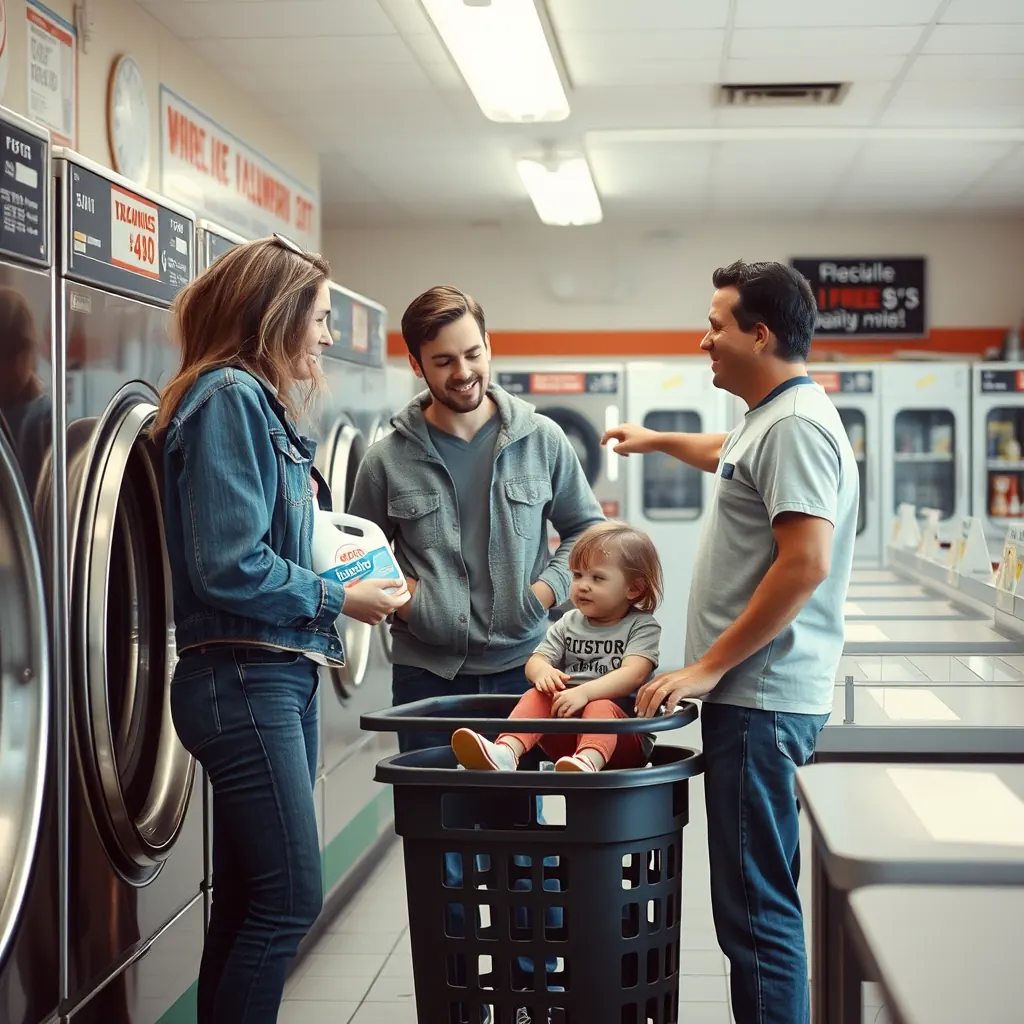
Laundry can eat up hours each week, but the bigger problem for busy households is the mental load of sorting, remembering, folding, and trying to stay ahead of the next pile. These Proctor Laundry Efficiency Tips focus on building a repeatable system, and they pair especially well with the time-saving support available at Fresh Spin Laundry in Independence, MO.
Key Takeaways
- Build a simple system instead of relying on random bursts of motivation.
- Use pre-sorting and central collection to cut extra steps.
- Choose fixed wash days for more consistent results each week.
- Finish the process with fast folding and immediate put-away.
- Fresh Spin Laundry in Independence, MO can help reduce delays and household stress.
Laundry Taking Too Long? Fix It with a Smarter System
Most people think laundry is a time problem. In practice, it is often a system problem. Clothes pile up because there is no clear path from dirty to clean, and every step demands another small decision. That repeated decision-making wears people down, especially in homes with work, school, pets, sports, or changing schedules.
A better approach uses Proctor Laundry Efficiency Tips to reduce effort at every stage. The goal is not to sprint through one huge laundry day and hope for the best. The goal is to make laundry feel predictable, lighter, and easier to repeat week after week.
This is where Fresh Spin Laundry in Independence, MO fits in. A clean local laundromat with accessible machines and time-saving options can support a routine that stays on track. That means less stress, fewer piles, and results you can count on every week.
What Laundry Efficiency Actually Looks Like at Home
Laundry efficiency is easy to misunderstand. It does not mean rushing through a load and throwing clean clothes onto a chair. It means creating a repeatable routine that removes wasted motion, reduces delays, and lowers the number of decisions you have to make.
At home, true efficiency usually looks like this:
- Faster sorting because items are already separated or grouped
- Fewer steps because supplies and hampers are in the right places
- Better load planning so machines are filled correctly
- Less guesswork on which loads to run and when
- Lower stress because there is a routine instead of constant catch-up
There is a big difference between doing laundry faster once and building a system that works every week. One is a quick push. The other is a habit structure. A fast burst can help in an emergency, but consistency is what keeps baskets from overflowing again.
That is why repeatable routines beat one-time productivity tricks. A home that knows where clothes go, when loads run, and how clean items get folded will almost always stay ahead longer than a home that depends on motivation alone.
Why Laundry Piles Keep Coming Back
Laundry piles usually return for the same reasons. Dirty clothes end up in different rooms. Hampers overflow. Whites and darks get mixed. Delicates disappear into regular loads. Someone forgets wet clothes in the machine, and now the cycle has to start over. None of this happens because people are lazy. It happens because the workflow is weak.
Several breakdown points show up again and again in busy homes. These are the most common ones:
- Overflowing hampers that hide what needs washing
- Mixed loads that require extra sorting later
- Forgotten items left sitting in washers or dryers
- No folding area for finishing clean laundry quickly
- Irregular schedules that turn laundry into a reactive task
Each of these issues creates friction. Friction leads to delays, and delays become piles. Once the pile grows, laundry feels bigger than it is. Then people avoid it longer, which adds even more stress.
The fix is not working harder. The fix is better structure. A clear routine tells every load where it starts, how it moves, and where it ends. That kind of structure prevents the same mess from rebuilding every few days.
The Fresh Spin Laundry Workflow: A Simple System That Runs Itself
The easiest laundry routine follows a fixed sequence. Think of it like a simple home process with fewer opportunities for delay. Once each stage has a purpose, the system starts to feel almost automatic.
A strong workflow usually follows these steps:
- Centralize collection so dirty clothes land in one main system
- Sort at the source instead of waiting until wash day
- Schedule wash days so loads happen before baskets overflow
- Wash right-sized loads for better cleaning and less waste
- Fold and return immediately to avoid re-handling clean items
This process works well at home, and it works even better with local support. Fresh Spin Laundry helps by offering clean facilities, accessible machines, and options that save time for both small and bulk loads. That matters because convenience makes routines easier to keep.
Once a household follows a repeatable order, there is less friction at every step. You stop wondering what to do next. You stop losing time to re-sorting or chasing missing socks. Most of all, you stop turning laundry into an all-day event.
Start Strong with a Central Collection System
Scattered laundry creates scattered thinking. A shirt on the bathroom floor, towels in one bedroom, socks in the living room, and gym clothes in a backpack all add hidden work. A central drop zone fixes that problem immediately by giving dirty laundry one home.
There are a few easy ways to set this up. The best system depends on the size of your household and how much space you have. Useful options include:
- One hamper per person for simple ownership and accountability
- Divided bins for lights, darks, and delicates
- A small basket for socks, undergarments, and accessories
This setup saves time because sorting starts before wash day. It also reduces missed items. If everyone knows where clothes go, fewer things get left behind under beds, in sports bags, or in random corners of the house.
Pre-sorted collection also makes trips to Fresh Spin Laundry easier. Loads move faster from home to machine, and that means a quicker turnaround once you arrive. Instead of bringing a mixed pile and sorting on the spot, you can start washing almost right away.
Sort Smarter Before Wash Day Even Starts
Sorting feels small, but it has a huge effect on speed and results. Good sorting prevents dye transfer, protects delicate pieces, and cuts down on rework. If a bright red shirt bleeds into a white load, that mistake costs more time than sorting ever would.
A simple sorting system should cover the main categories first. Most households do well with these groups:
- Colors such as lights, darks, and bright items
- Fabric types like towels, everyday clothing, and activewear
- Delicates that need gentle handling or mesh bags
- Special-care items that require air drying or separate treatment
- Dry-clean-only pieces that should stay out of regular loads
Before each load starts, run a quick pre-wash check. Empty pockets. Close zippers. Check for tissues. Group similar items together. Those small steps prevent damage and cut the risk of having to redo a load.
Better sorting usually leads to fewer loads because items are grouped correctly the first time. It also improves wash quality. A well-planned load cleans more evenly, dries more predictably, and is easier to fold once finished.
Stop Guessing: Right-Sized Loads and Better Scheduling
Machine size matters more than people think. Overloading makes it harder for water and detergent to move through fabrics. Clothes come out less clean, and some items may stay damp longer. Underloading has the opposite problem. It wastes time, water, and energy on tiny batches that could have been combined.
A good rule is to fill the machine enough for efficient washing while leaving room for movement. Clothes should not be packed tight. Items need space to circulate. For dryers, similar logic applies. Air needs room to move through the load for even drying.
Scheduling is just as important as load size. Many households alternate between ignoring laundry and then doing far too much at once. That pattern turns one task into a giant block of work. Smaller, scheduled loads are easier to finish and easier to repeat.
Consider the difference:
- Large, infrequent loads create backlog, fatigue, and long folding sessions
- Smaller weekly loads keep baskets manageable and reduce stress
Weekly routines beat reactive washing because they prevent overflow before it starts. Homes with high laundry volume may need two or three fixed wash windows each week. Smaller households might only need one. The key is staying consistent.
That flexibility is another reason local laundromat access matters. Fresh Spin Laundry can handle both everyday loads and larger catch-up sessions efficiently, which helps households avoid the trap of waiting too long and then facing a mountain of clothes.
Cut Idle Time on Wash Day
Laundry often takes longer because of idle time, not actual washing. People start one load, get distracted, and come back much later. The dryer finishes, but clothes sit inside. Clean items wrinkle. Another cycle runs. Suddenly a simple task stretches across the entire day.
You can trim a lot of wasted time with a few practical habits. Try these strategies:
- Start at a set time so laundry has a clear beginning
- Use phone timers or machine alerts to avoid forgotten loads
- Fold during wash cycles if a previous load is already dry
- Batch similar loads so settings and handling stay simple
Structure matters here. If every wash day begins at the same time, it becomes easier to plan the rest of the routine. That habit reduces the odds of one load turning into five random interruptions spread across the day.
Fast machines also help reduce downtime. Fresh Spin Laundry supports shorter wait times, which can make a major difference for students, families, and workers with packed schedules. Less waiting means a better chance of finishing the entire process in one trip.
Where Most People Lose Time: Folding and Put-Away
Many households treat drying as the finish line. It is not. Laundry is only done when clean items are folded, sorted, and put away. If clothes sit in baskets for days, they create visual clutter, get wrinkled, and often need to be handled again. That extra handling is one of the biggest time drains in any routine.
A better system uses a dedicated folding zone. This can be a table, a bed used only for a short folding session, or a clean open surface near the laundry area. The important part is consistency. If you always fold in the same place, the task feels faster and easier to complete.
It also helps to create clean laundry landing spots. For example, each person can have a section of a table, one basket, or a labeled space for finished clothes. Sorting by person or room right away removes another decision later.
Keep these rules simple:
- Fold immediately after drying whenever possible
- Sort by person or room before items leave the folding area
- Return clothes once instead of moving them from basket to chair to bed
Spacious, clean folding areas can make this step much easier. Fresh Spin Laundry supports a more efficient finish by making it easier to fold and organize before heading home. That reduces the chance that clean clothes become a second pile waiting for attention.
Small Tools That Remove Big Friction
Tools will not fix a broken routine by themselves, but the right ones can remove friction. A household with a clear system can use a few low-cost items to make every step smoother and quicker.
Useful tools include:
- Labeled hampers for each person or category
- Mesh bags for socks, delicates, or baby items
- Shelf dividers that keep folded stacks from collapsing
- Wall hooks for air-dry items
- Rolling carts for transport between rooms or to the car
Each tool serves a simple purpose. Labeled bins reduce confusion. Mesh bags stop small items from disappearing. Hooks and shelf dividers protect the work you already did. Rolling carts reduce the physical effort of moving multiple loads at once.
Still, tools matter most when they support a good system. Buying more baskets will not solve a scheduling problem. Adding organizers will not help if clean clothes sit untouched for three days. Use tools to strengthen your routine, not replace it.
In a streamlined laundromat setting, households may need fewer tools overall. Fresh Spin Laundry can simplify the process by reducing bottlenecks that often happen at home, especially during large wash sessions.
Use Automation to Stay Consistent
Automation should make laundry easier, not more complicated. The best kind is simple and repeatable. It removes the need to remember every step, which is helpful for busy households balancing classes, work shifts, childcare, or changing plans.
Start with basic automation ideas:
- Phone reminders for wash day and load transfers
- Calendar blocks for weekly laundry windows
- Smart notifications from washers or dryers if available
- Shared reminders for roommates, partners, or family members
Clean Mama highlights automation tips for streamlining collection and using a central system. That idea works well because reminders are most useful when the routine itself is simple. An alert cannot save a messy process, but it can keep a good routine on schedule.
One easy example is setting a recurring weekly visit to Fresh Spin Laundry. If the same time is blocked on your calendar every week, laundry becomes a planned task instead of an annoying surprise. That small change reduces procrastination and keeps piles from growing out of control.
Time-Wasting Laundry Habits to Eliminate
Some laundry habits quietly create hours of extra work over time. These habits seem minor in the moment, but they lead to repeat effort, rewashing, and clutter that never fully clears.
Watch for these common mistakes:
- Waiting too long between loads until everything becomes urgent
- Skipping sorting and fixing the mess later
- Ignoring lint traps and slowing dryer performance
- Folding anywhere instead of using one dedicated area
- Letting clean laundry sit for days in baskets or machines
Each habit adds another step. A forgotten load may need rewashing. A mixed pile requires re-sorting. A random folding location means more time carrying clothes around the house. These little inefficiencies stack up fast.
It helps to review your routine every few weeks. Ask a few simple questions. Where do delays happen most often? Which step feels annoying every time? What gets left unfinished? Small adjustments can protect the whole system and keep laundry manageable.
Tailor the System to Your Household
No single laundry routine fits every home. A workable system must reflect the number of people involved, the type of clothes being washed, and how often items are needed. Customizing the process makes it easier to keep over time.
Different households often do better with different strategies:
- Singles and roommates benefit from shared schedules and clear ownership of loads
- Couples can alternate laundry days or combine similar loads
- Families often need pre-sorting and daily micro-loads to stay ahead
- Pet owners should separate fur-heavy blankets and bedding
- Uniform-heavy jobs work best with one dedicated weekly batch
Roommates usually need clear communication more than extra baskets. Families often need visibility, with bins and labels everyone can understand. Pet owners need a plan for hair-heavy items that should not mix with everyday clothing.
The strongest systems feel practical, not perfect. If a plan is too complicated to maintain during a busy week, it will not last. A simple setup that fits your actual life will always beat an ideal routine you cannot keep.
Laundry Life in Independence, MO: Why Local Matters
Laundry habits are shaped by local life. In Independence, MO, many households juggle workdays, school schedules, apartment living, family routines, and limited time during the week. Those factors affect how people wash, dry, and store clothes more than they may realize.
Housing type makes a difference too. Apartment residents may have less room for multiple hampers, folding stations, or large-capacity machines. Homes with several people may have more space, but they often produce much higher laundry volume. Both situations benefit from a routine that is clear and easy to repeat.
That is why a dependable local option matters. Fresh Spin Laundry gives residents of Independence, MO access to reliable machines, time-saving options, and a consistent place to keep their routine moving. For many households, that consistency is the missing piece.
Local convenience also changes behavior. If laundry support is easy to reach and easy to use, people are more likely to stick with a set schedule. That makes the process feel less like a burden and more like a normal weekly task.
How to Build a Laundry Routine That Actually Sticks
A lasting routine begins with one improvement, not ten. Trying to rebuild the whole system in a single day often leads to frustration. The better move is to fix one bottleneck, test it for a week or two, and then add the next upgrade.
Start with these simple actions:
- Pick one laundry day and protect that time
- Create one sorting system that everyone can follow
- Keep supplies visible so detergent, bags, and baskets are easy to grab
- Notice bottlenecks like forgotten loads or delayed folding
- Anchor the routine around a reliable service if needed
Simple systems almost always outperform complicated plans. If your schedule changes often, keep the routine flexible but still fixed enough to repeat. That might mean every Sunday morning, every Wednesday night, or two short sessions each week instead of one long marathon.
Support matters too. Households that use Fresh Spin Laundry as a steady part of the routine may find it easier to stay consistent. A reliable place can remove many of the delays that happen with small machines, limited space, or backlog at home.
Quick Answers: Laundry Efficiency FAQs
What is the fastest way to streamline laundry at home?
Start with a central collection point and pre-sorting. That reduces decision-making later and shortens wash day right away. Add a fixed laundry day for the biggest long-term improvement.
How many loads should a household do each week?
That depends on the number of people, clothing needs, pets, bedding, and work uniforms. Smaller households may manage with one main session each week. Larger families often need several smaller load blocks to stay ahead.
Is it better to sort before or after collecting laundry?
Sorting before wash day is usually more efficient. It saves time, prevents errors, and keeps loads ready to go. Pre-sorting also makes trips to a laundromat much faster.
What tools make the biggest difference?
Labeled hampers, mesh bags, and a dedicated folding surface usually offer the most value. These tools reduce missing items and help the process move in one direction without extra handling.
How can families prevent laundry from piling up?
Use daily collection, visible bins, and smaller scheduled loads. Families often do better with micro-loads than with one giant weekend pile. Clear roles for each person can also help keep the system moving.
Make Laundry Easier Starting This Week
Laundry efficiency comes from structure, consistency, and simple systems that reduce repeated effort. Once collection, sorting, washing, folding, and put-away follow a clear order, the whole process becomes less stressful and far easier to manage.
Take one immediate step this week. Set a laundry day. Create a sorting system. Fix your folding area. Any one of those changes can start building a routine that saves time every single week.
If you want extra support, Fresh Spin Laundry in Independence, MO offers a practical way to keep that routine steady. With the right system and a reliable local partner, busy households can finally stay ahead of the piles and keep laundry from taking over the week.