
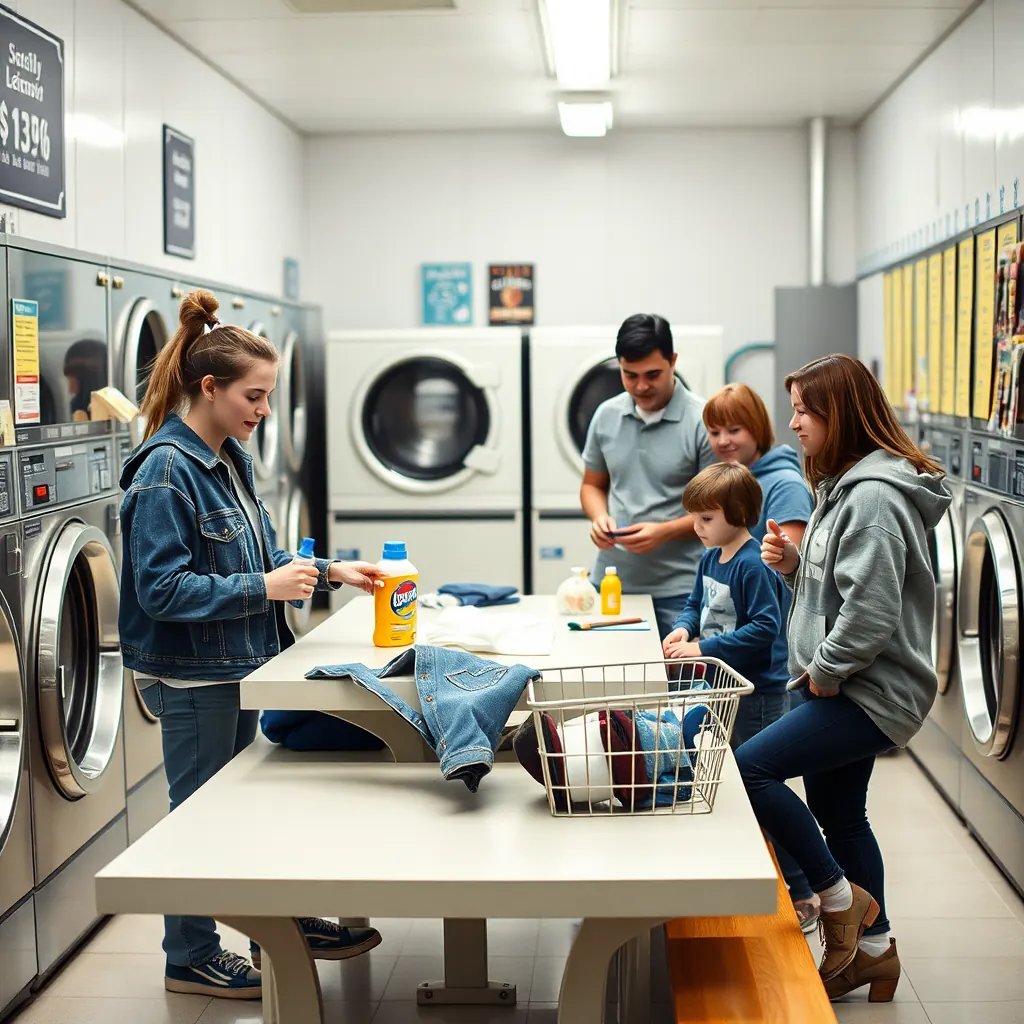
Teaching a child to wash, dry, fold, and put away their own clothes can seem like a small household goal, yet it shapes independence, hygiene, and day-to-day responsibility in lasting ways. With age-appropriate practice at home and flexible backup from Fresh Spin Laundry for bulky loads, overflow weeks, and sports gear, families can turn laundry from a recurring burden into a practical life skill kids carry for years.
Key Takeaways
- Kids build confidence and responsibility when laundry becomes a regular routine.
- Age-based tasks help children learn step by step without feeling overwhelmed.
- Simple systems like personal hampers and posted instructions create lasting ownership.
- Fresh Spin Laundry can support busy families without interrupting kids’ learning.
- Safety, consistency, and fun make laundry habits easier to teach and maintain.
Why Laundry Independence Matters More Than Most Parents Expect
Laundry sits at the center of daily life. Clothes touch skin all day, collect sweat, dirt, food spills, and odors, and then return to closets, drawers, and backpacks. When kids learn how to care for those clothes, they begin to understand that cleanliness is part of taking care of themselves, their space, and the people they live with.
Many parents focus on schoolwork, sports, and screen-time rules while treating laundry as background labor that adults handle automatically. That habit makes sense in the short term, but it can delay a child’s growth in practical self-management. A kid who knows how to sort socks, spot a stain, and run a basic load is learning more than a chore. That child is learning cause and effect, follow-through, and what it means to be responsible for personal belongings.
Laundry also fits naturally beside routines like brushing teeth, making a bed, and cleaning a room. Each of those habits teaches consistency. Each one says, “I use this, so I help care for it.” For children, that message matters. It builds ownership in a simple, visible way. A shirt goes in dirty, comes out clean, gets folded, and returns to a drawer. The cycle is easy to understand, which makes it a strong teaching tool.
Parents benefit too. Shared household work reduces the ongoing mental and physical load that often falls on one adult. Over time, children who take charge of their own clothing can save parents hours every month. More important, they gain a sense of competence that reaches beyond the laundry basket.
Why Kids Often Respond Well to Laundry
Children usually like tasks that feel concrete and hands-on. Laundry offers exactly that. Colors can be grouped. Socks can be matched. Buttons, zippers, soft towels, and tiny shirts invite touch and attention. For younger children, the process feels almost like a game. For older kids, it feels like a visible sign of growing up.
Another reason laundry works so well is that the outcome is immediate. A child can watch a pile shrink, see folded clothes stack up, and feel the reward of opening a drawer filled with clean items. That direct result builds motivation. Chores with clear endings often hold a child’s interest better than vague responsibilities that seem endless.
Laundry also gives families many small entry points. A child does not need to master the whole process on day one. One kid can sort whites and darks. Another can carry washcloths. An older child can measure detergent and choose the correct cycle. Because the job can be broken into simple steps, it becomes easier to teach and easier to repeat.
Fresh Spin Laundry as a Practical Family Support System
Teaching independence does not mean parents must do everything at home every single week. Real family life includes school projects, overtime shifts, travel, illness, sports seasons, weather changes, and surprise messes. During those times, support matters. Fresh Spin Laundry can help families stay consistent without dropping the goal of teaching kids useful skills.
This kind of support works especially well because it does not have to replace home learning. Instead, it can fill the gaps. Kids can still sort their clothes, check pockets, separate uniforms, and prep loads. Then Fresh Spin Laundry can handle the heavy lifting for large bedding, towels, or bigger piles that would strain time and energy at home. That hybrid approach keeps the learning process active while reducing stress.
Families also gain flexibility through self-service, drop-off wash-dry-fold, and large-capacity machines. Bulky comforters, team uniforms, and shared household linens can be washed more efficiently, while children continue practicing ownership of their own daily clothing. During hectic weeks, this balance helps parents protect routines instead of abandoning them.
That consistency matters. Children learn best when responsibilities stay visible even when life gets busy. If laundry disappears from their routine for long stretches, the skill can feel optional. If the family keeps the pattern going, even with outside help, kids still connect dirty clothes with the need for action, planning, and follow-through.
Start Early: Laundry Skills for Ages 3 to 7
Young children learn through repetition, play, and imitation. At this stage, the goal is not perfect folding or machine operation. The goal is familiarity. Kids ages three to seven can begin seeing laundry as part of normal home life instead of an adult-only task hidden behind closed doors.
Sorting is one of the best first lessons. A parent can say, “Find all the dark clothes,” or “Put the white socks in this pile.” These mini-games sharpen observation and help a child notice the difference between light colors, dark colors, and bright items. Matching socks is another strong early task. It feels satisfying, and it strengthens attention to shape, size, and pattern.
Small folding tasks also work well. Washcloths, hand towels, and pajamas are easier for little hands than fitted sheets or jeans. Children can also carry light baskets, place clothes in a hamper, or help move items from one room to another. These simple jobs build routine and ownership without creating pressure.
At this age, parents should focus on participation rather than precision. A washcloth folded unevenly still represents progress. A sock pile sorted with extra enthusiasm and a few mistakes still shows learning. Praise effort, model the next step, and keep the mood light. Children stay engaged when they feel capable.
You can also make laundry language part of daily conversation. Words like “dirty,” “clean,” “fold,” “hamper,” and “pair” become easier to understand when attached to repeated actions. Over time, those terms turn into habits. A child who knows where dirty clothes go is already building a useful system.
Laundry Skills for Ages 8 to 11: From Helper to Doer
Between ages eight and eleven, many children are ready for more structure and more responsibility. They can follow multistep instructions, remember routines, and understand that different clothes need different care. This stage is where a helper starts becoming a doer.
Sorting should expand beyond lights and darks. Children can learn to separate by color intensity, fabric type, and weight. Heavy towels should not always be mixed with light shirts. Delicate pieces should not be tossed in with rougher items. These distinctions teach kids to look closely at clothing instead of treating every load the same way.
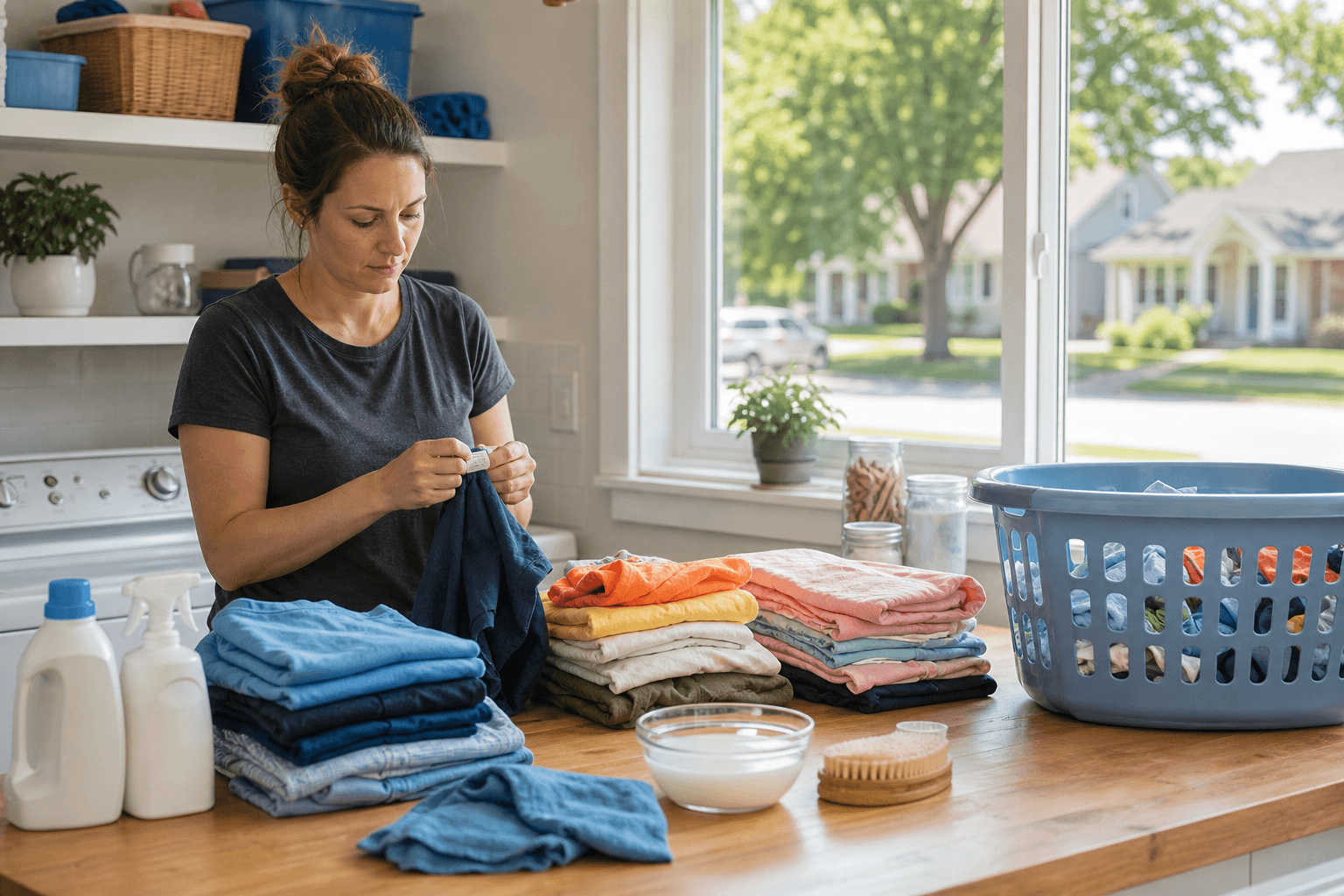
This is also the right age to teach pocket checks. Tissues, coins, wrappers, and crayons can create frustrating messes. Show kids how to turn pockets inside out, look inside hoodies and jacket pockets, and inspect school pants before clothes enter the washer. Spotting stains belongs here too. A child can learn to identify grass marks, food spills, or ink and alert a parent or apply a safe stain treatment with guidance.
Most kids in this age group can begin transferring clothes from washer to dryer, measuring detergent, and pressing simple machine settings. Parents should explain why detergent amount matters. Too little may leave clothes dirty, while too much can leave residue. The lesson should stay clear and practical, with a strong focus on accuracy and safety.
Folding and putting clothes away should become standard expectations by this stage. Kids can organize underwear, socks, shirts, and pants into drawers and shelves. Once children connect laundry with the full cycle of use, cleaning, and storage, the skill becomes more complete. They begin to see that “doing laundry” includes every part, not just pushing a button.
Laundry Skills for Ages 12 and Up: Full Independence
By age twelve and beyond, many kids can manage laundry with limited supervision. That does not mean they will do it perfectly every time. It means they are ready to take charge of the whole process and learn from mistakes. This stage is about building real independence.
Teens should know how to operate the washer and dryer on their own. They need to understand common cycle choices, including normal, delicate, and any basic settings used regularly in the home. They should know how to choose water temperature, how to avoid overloading a machine, and how to dry items in ways that reduce wrinkles and shrinkage.
At this age, stain removal and fabric care matter more. Teens often wear more varied clothing, from athletic wear to dress clothes to favorite items they want to preserve. Parents can teach how to read care labels, when to air dry, and how to handle fabrics that need extra care. Basic ironing or wrinkle-release habits can also be introduced, especially for school events, work clothes, or special occasions.
One effective strategy is to step back and limit the wardrobe enough that regular washing becomes necessary. If a teen has endless backup clothes, it is easier to delay laundry for too long. A more realistic setup encourages routine. Once clean clothes run low, the need for action becomes immediate and memorable.
Older kids can also help with shared household laundry. Towels, family sheets, and kitchen cloths create chances to practice planning larger loads and seeing laundry as part of community living. That broader view prepares them for life beyond childhood, where home care is rarely limited to personal items.
The Laundry Basics Every Kid Should Know
Before a child can handle laundry well, they need a few core ideas that apply at almost every age. These basics form the foundation of good habits. Once they are learned and repeated, the rest of the process becomes much easier.
Start with sorting rules. Kids should understand the difference between lights, darks, brights, and heavier fabrics. This helps protect clothes from color transfer and uneven washing. Explain in plain language why a red shirt can affect pale socks or why thick towels can crowd out lighter items. A clear reason often helps a child remember the rule.
Next comes care labels. Children should learn that the small tag inside a shirt or pair of pants contains useful information. Symbols and simple instructions tell them whether an item can handle heat, needs a gentle cycle, or should be dried differently. Reading labels builds attention and prevents common damage.
Detergent use is another basic skill. Kids need to know that more soap does not always mean cleaner clothes. They should also understand load sizing. Machines need room for water and movement. If clothes are packed too tightly, they may come out still dirty or still damp. Teach children to view space in the drum as part of the cleaning process, not wasted room.
Checking pockets should become automatic. This one habit prevents many laundry disasters. Tissues break apart, gum sticks, pens leak, and forgotten snacks create odors. A quick check saves time and frustration. Drying techniques belong in the same group of essentials. Kids should learn to shake out clothes before drying, remove items promptly, and recognize that some garments do better with lower heat or air drying.
Folding matters more than many people think. A folded shirt stays easier to wear, easier to find, and less likely to wrinkle. Clothes dumped into drawers tend to create mess and repeated rewashing because clean items no longer feel fresh. Teaching folding shows kids that laundry is about care, not just cleaning.
How to Teach Sorting Without Making It Feel Like a Lecture
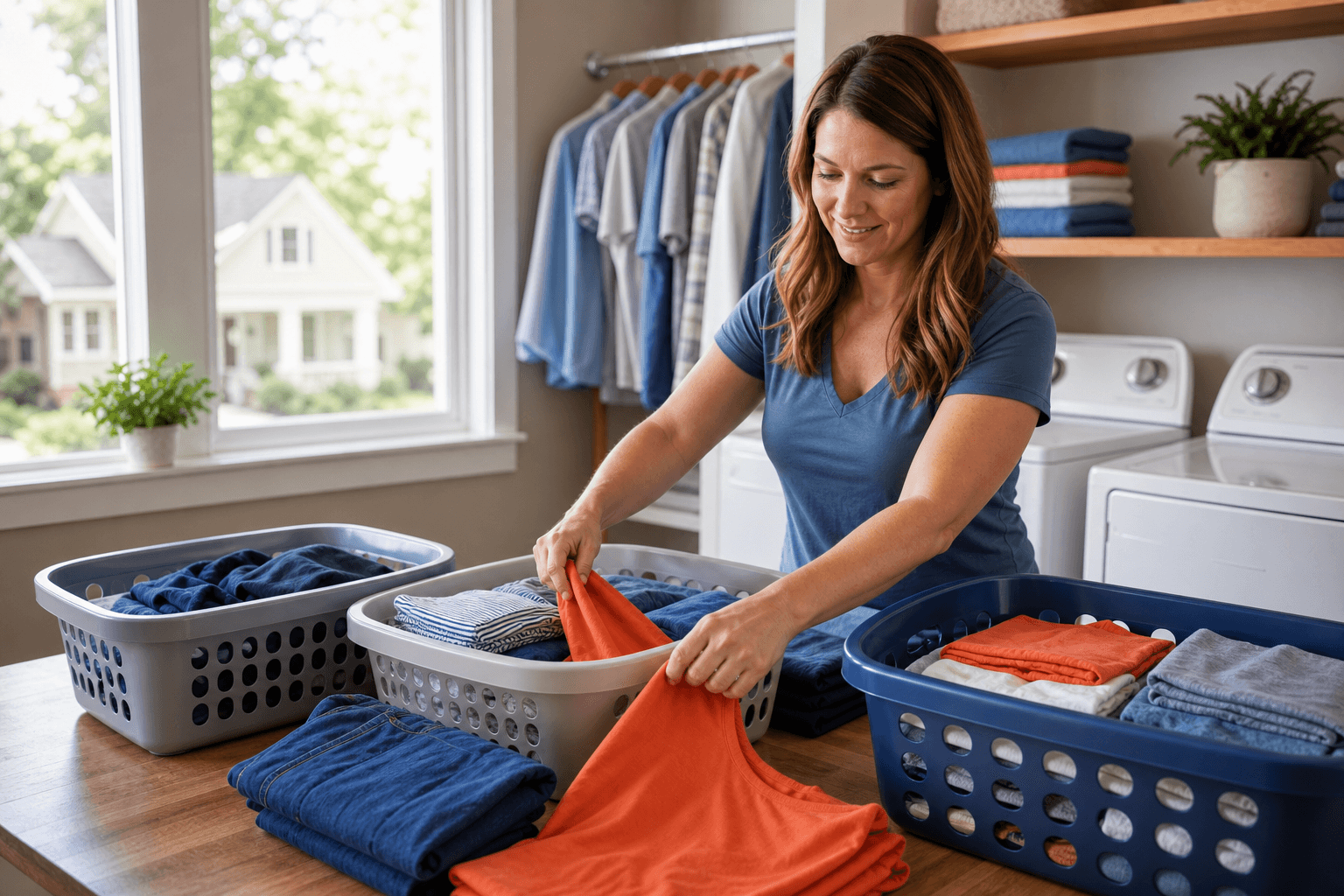
Sorting can become the point where many children lose interest if it is taught in a dry way. Parents can avoid that by keeping the lesson visual and active. Put a few bins or baskets on the floor and label them by category. Then invite the child to place each item where it belongs. This turns a rule into a movement-based task.
Color sorting works best first because it is easy to see. Once a child succeeds with darks, lights, and brights, fabric type can be layered in. You might ask, “Which of these feels thicker?” or “Which item seems more delicate?” These questions encourage observation instead of simple memorization.
Another useful approach is to sort together while speaking your reasoning aloud. Say, “This towel is heavy, so I’ll wash it with other heavy items,” or “This bright red shirt could affect pale clothes.” Hearing the thought process helps kids understand the “why,” which makes long-term learning stronger.
If a mistake happens, keep the response calm. One pink sock or slightly mishandled shirt can become a lesson instead of a family crisis. Children absorb skills better when they feel safe making errors and trying again.
Teaching Care Labels and Washing Symbols in a Simple Way
Care labels can look confusing at first, especially to younger learners. A child may see a row of tiny symbols and tune out right away. The fix is to teach only the most useful symbols first. Start with a few basics that connect to everyday choices, such as wash normally, wash gently, tumble dry low, or do not use high heat.
Parents can keep a small cheat sheet near the washer. Large, easy-to-read reminders help children act with more confidence. After enough repetition, they begin recognizing common symbols on sight. This step is especially useful for older kids learning to protect favorite clothes and athletic wear.
Make the label feel practical rather than academic. Show a child two shirts and ask which one can go in the dryer safely. Then compare the tags. This kind of side-by-side learning often sticks better than abstract explanations. Once children see that labels prevent shrinking, fading, or damage, they treat them with more respect.
Safety First: Smart Laundry Habits for Kids
Laundry independence should grow with age, and safety must guide each step. Younger children need full supervision around machines, detergent, and hot surfaces. Older children can handle more tasks, but they still need clear rules and reminders. Safe habits create the foundation for lasting trust.
Use non-toxic, kid-safe detergents and laundry products whenever possible. Parents should show children where supplies are stored, how much to use, and why products should stay sealed and out of reach of younger siblings. Even older kids should understand that laundry soap is a cleaning product, not something to handle carelessly.
Machine safety matters too. Children need to know that washers and dryers are tools, not play spaces. Lids and doors should be used correctly. Hands should stay clear of moving drums. Overloading should be avoided because it strains the machine and reduces cleaning quality. A calm explanation often works better than a long warning list. Tell kids that giving clothes room helps the machine do its job.
Energy-smart habits fit naturally into laundry safety and responsibility. Washing full loads, using correct settings, and avoiding repeated rewashes save time and power. These habits teach children that efficiency matters. They also reinforce the idea that home care involves choices, not random actions.
Common mistakes deserve special attention. Tissues, gum, markers, and wrong cycle settings can all create avoidable problems. Encourage children to pause before starting a load and do a quick mental checklist. Clothes sorted? Pockets checked? Detergent measured? Correct cycle selected? This short routine supports good judgment.
Make Laundry Fun So Kids Actually Stick With It
Children are more likely to repeat a habit when it feels enjoyable. Laundry does not need to become a big production, but a little creativity can help. Sorting races, sock-matching games, and timer challenges give the task a playful edge without distracting from the real goal.
Rewards can help too, especially at the beginning. A sticker chart, extra choice at movie night, or a small privilege after laundry day can reinforce the routine. The reward should support consistency, not replace internal motivation forever. Over time, the satisfaction of having clean clothes and a completed task should become part of the payoff.
Personal baskets create ownership in a powerful way. When each child has a hamper and a basket for clean clothes, the process feels direct. Dirty clothes go in one place. Clean clothes return to a specific owner. This clear system reduces confusion and arguments about whose shirt is whose.
A weekly laundry day also adds structure. Children often respond well to predictable routines. If Tuesday evening or Saturday morning is laundry time, the task becomes expected instead of surprising. That regular rhythm reduces resistance because the job feels like part of family life rather than a punishment.
When using Fresh Spin Laundry, a family trip can become shared time instead of dead time. Kids can help sort, load, fold, and organize while parents guide the process. Bigger machines and a defined laundry setting can even make the work feel more focused and efficient.
How Fresh Spin Laundry Helps During Busy Weeks
Some weeks are too full for a standard routine to run smoothly. Sports seasons add uniforms, practice gear, and extra towels. Holidays increase bedding and guest laundry. Illness, travel, or school deadlines can push regular chores aside. In those moments, Fresh Spin Laundry can keep the family from falling behind.
Large-capacity machines are especially useful for comforters, towels, and shared household loads that often overwhelm home machines. Instead of trying to force bulky items into small washers, families can clean them more effectively in one go. This saves time and helps clothes and linens come out cleaner and drier.
Wash-dry-fold service also has a clear benefit. Clothes come back ready to wear, which lowers stress during packed schedules. Parents still preserve the learning process by having children sort before drop-off, identify special-care items, and put folded clothes away afterward. That means the child continues practicing key parts of the laundry cycle even when someone else handles the middle steps.
This support works best when families treat it as a tool, not as an escape from responsibility. Kids still need to connect dirty clothes with action and planning. Fresh Spin Laundry simply helps parents avoid burnout while keeping household systems moving.
Comparing Laundry Support Options for Families
Families have several ways to handle laundry support, and each one affects a child’s learning differently. The best option depends on schedule, budget, load size, and how hands-on a parent wants the process to be.
Fresh Spin Laundry offers a strong balance because it can support both learning and convenience. Families can use self-service when they want children involved in sorting, loading, and folding. They can switch to drop-off support when the week becomes too packed. That flexibility helps parents maintain routines without sacrificing all the practical teaching moments.
Pickup and delivery services can be highly convenient, but they often reduce the child’s role in the process. Clothes disappear and return finished. That can solve a time problem, yet it may weaken the hands-on learning that helps kids build independence. For families focused on teaching life skills, this option may work best as an occasional backup rather than the default.
Traditional laundromats can get the job done, but they may vary in comfort, capacity, and family-friendly features. Some spaces support learning well. Others feel more rushed or less inviting for children. Parents should think about whether the environment makes it easier for kids to practice responsibility in a calm, structured way.
For many households, the strongest plan combines at-home learning with occasional professional support. That balanced strategy keeps children involved while giving parents room to manage real-life pressure with more ease.
Setting Up a Kid-Friendly Laundry System at Home
A strong home system makes laundry easier for everyone. Children learn faster when the environment supports the habit. If supplies are hard to reach, steps are unclear, or baskets constantly disappear, the task becomes harder than it needs to be.
Start with a personal hamper or laundry basket for each child. This simple move builds ownership right away. Dirty clothes have a designated place, and clean clothes can return in a clear, organized way. Labeling baskets may help in homes with multiple kids, especially if siblings share rooms.
Keep supplies accessible, but do so safely. Detergent, stain remover, dryer sheets, and a folding area should be easy for older kids to use with guidance. Younger children can still participate with adult supervision. The point is to reduce friction so the routine feels possible every week.
Posted instructions near the machines can make a big difference. A short list with basic settings, detergent amounts, and reminders like “check pockets” or “don’t overload” helps children act more independently. This visual support is useful even for adults during tired or rushed moments.
Families can also plan for backup. If a week includes travel, games, or visitors, schedule support ahead of time. Fresh Spin Laundry can serve as an overflow option for larger items or shared loads, while children continue handling their personal basics. This kind of planning keeps routines from collapsing under pressure.
Common Challenges and How to Handle Them Without Frustration
Even the best laundry system will hit rough patches. Kids resist. Loads get forgotten. Colors bleed. Clothes stay wet too long. These moments are normal. The goal is not a flawless routine. The goal is a repeatable one that keeps getting stronger over time.
Resistance is common, especially when a child is asked to do a task that feels boring or unfamiliar. Start small. One simple job done every week is often better than a full process that triggers battles. Once a child feels successful, add another step. Gradual growth usually works better than a sudden jump in responsibility.
Mistakes should become teaching moments. If a tissue explodes in the washer, show the child how to prevent it next time. If a bright item affects a lighter load, explain what happened and let the child help fix it if possible. Shame rarely teaches well. Calm correction builds skill and resilience.
Time constraints can also disrupt progress. During packed weeks, use support systems so the routine stays visible. Fresh Spin Laundry can help the family stay on track while still giving children age-appropriate jobs before and after service. That way, the skill remains active even if every step is not done at home.
Overwhelm often appears when parents teach too many steps at once. Break the process down. Sort one week. Add pocket checks the next. Then teach detergent. Then folding. Kids usually learn better in pieces. As confidence grows, the whole process starts to feel manageable.
How Parents Can Step Back Without Letting Standards Collapse
One of the hardest parts of teaching household skills is knowing when to release control. Parents often jump in because it is faster, cleaner, and more predictable. That impulse is understandable, but too much intervention can prevent a child from building real confidence.
A better approach is to decide which standards truly matter and which ones can stay flexible during learning. Clean clothes, safe machine use, and proper sorting matter a lot. Perfect folds may matter less at first. If parents protect the essentials and relax around minor imperfections, children get room to improve without feeling micromanaged.
Natural consequences also help. If a teen forgets to wash a favorite hoodie, the lesson lands quickly. If socks are left unfolded, the drawer gets messy and harder to use. These small outcomes teach responsibility in a way that lectures often do not. Parents can guide without rescuing every time.
Check-ins work better than constant oversight. Ask what load is next, whether a stain needs treatment, or if clothes were put away. These questions signal that laundry remains the child’s responsibility while still giving support. Over time, kids begin to self-monitor more effectively.
Building Lifelong Habits, Not Short-Term Compliance
Laundry independence is bigger than one chore chart. It teaches kids how to care for themselves in ordinary, repeatable ways. That matters because adulthood is built on many small habits repeated over years, not on rare moments of dramatic responsibility. A child who can wash school clothes, fold a stack of shirts, and keep a hamper under control is learning practical self-reliance.
This habit also supports personal dignity. Clean clothes affect comfort, readiness, and confidence. Kids who understand how to keep their clothes wearable often feel more in control of school mornings, social plans, and extracurricular routines. The skill becomes part of how they show up in daily life.
Family culture plays a role here. If laundry is treated as shared care rather than punishment, children are more likely to carry that view forward. They learn that homes run because people contribute. They also learn that asking for help during packed seasons is reasonable. That blend of responsibility and support is healthy and realistic.
According to the article brief and the parent guide framework drawn from Fresh Spin Laundry, the strongest results come step by step. Children build habits through repetition, structure, and practice. Parents avoid burnout when they balance home teaching with smart support. That combination creates a system that lasts.
Action Plan: Start This Week
Getting started does not require a full family overhaul. One clear step is enough. Choose a single age-appropriate task for each child and repeat it this week. A younger child can sort darks and lights. A middle-grade child can check pockets and measure detergent with help. A teen can wash and fold a full personal load. Start with clarity, not perfection.
Set a consistent laundry routine next. Pick a day and a general time. Predictability makes action easier. Once the routine exists, children spend less energy arguing about whether they need to help and more energy simply doing the task.
Look at your household load honestly. If towels, bedding, or sports uniforms pile up fast, plan to use Fresh Spin Laundry for bigger or shared items as needed. That support can protect family energy while keeping the learning process active. Children can still sort, prep, and put away clothes even if part of the load is handled elsewhere.
Then add responsibility gradually. Keep tasks steady until they feel normal. After that, increase the child’s role one step at a time. This measured pace prevents burnout for both parents and kids. It also helps the skill stick.
For families who want more context on teaching kids laundry habits, the article brief referenced Heritage Park Laundry in a parent-focused guide format. Use that same spirit here: start simple, stay consistent, and treat every load as another chance to build capable young people.