

In Englewood, laundry mistakes often show up fast: faded blacks, pink-stained whites, and that stubborn musty smell that seems to cling to shirts and towels no matter how often they get washed. Mastering a few core habits—sorting well, reading care labels, using the right detergent amount, and keeping machines clean—can protect your wardrobe, save money, and make Fresh Spin Laundry a smart backup when home routines fall short.
Key Takeaways
- Sort by color, fabric, and soil level to prevent bleeding, lint, and uneven cleaning.
- Use less detergent than you think, and match water temperature and cycle to the fabric label.
- Drying matters as much as washing; the right heat setting helps stop shrinking and wear.
- Keep your washer and dryer clean to avoid odors, mildew, and poor performance.
- For delicate, bulky, or specialty items, Fresh Spin Laundry can save time and reduce costly mistakes.
Why Laundry Care Matters More Than Most People Realize
Laundry feels simple until your favorite hoodie shrinks, your white socks turn gray, or your gym shirts start smelling bad right out of the wash. Those problems are usually caused by small errors that build up over time. Improper sorting, too much detergent, overloaded machines, and skipped maintenance all chip away at your clothes.
Clean clothing also affects more than style. It supports hygiene, helps skin feel better, and gives a quiet boost of confidence when you head to class, work, dinner, or a weekend hangout. A shirt that fits right, smells fresh, and keeps its color does more for your day than most people admit.
Busy Englewood schedules make efficiency important. If you are juggling work, school, family, or a packed social calendar, a solid laundry system can save real time each week. The smartest approach is often a hybrid routine: handle everyday loads at home, then lean on professional help for comforters, delicates, dry-clean-only pieces, or those weeks when time disappears. That balance keeps laundry from taking over your life.
The Non-Negotiables You Should Never Skip
Before you think about stain sprays or dryer sheets, get the basics right. A few essential habits have the biggest impact on how your clothes look, feel, and last. Skip these steps, and even expensive detergent or a newer machine will not fix the results.
Start with labels. Continue with sorting. Then pay attention to detergent, cycle choice, and load size. These are the moves that separate random washing from consistent care. They are simple, but they work.
Crack the Code: Reading Fabric Care Labels Correctly
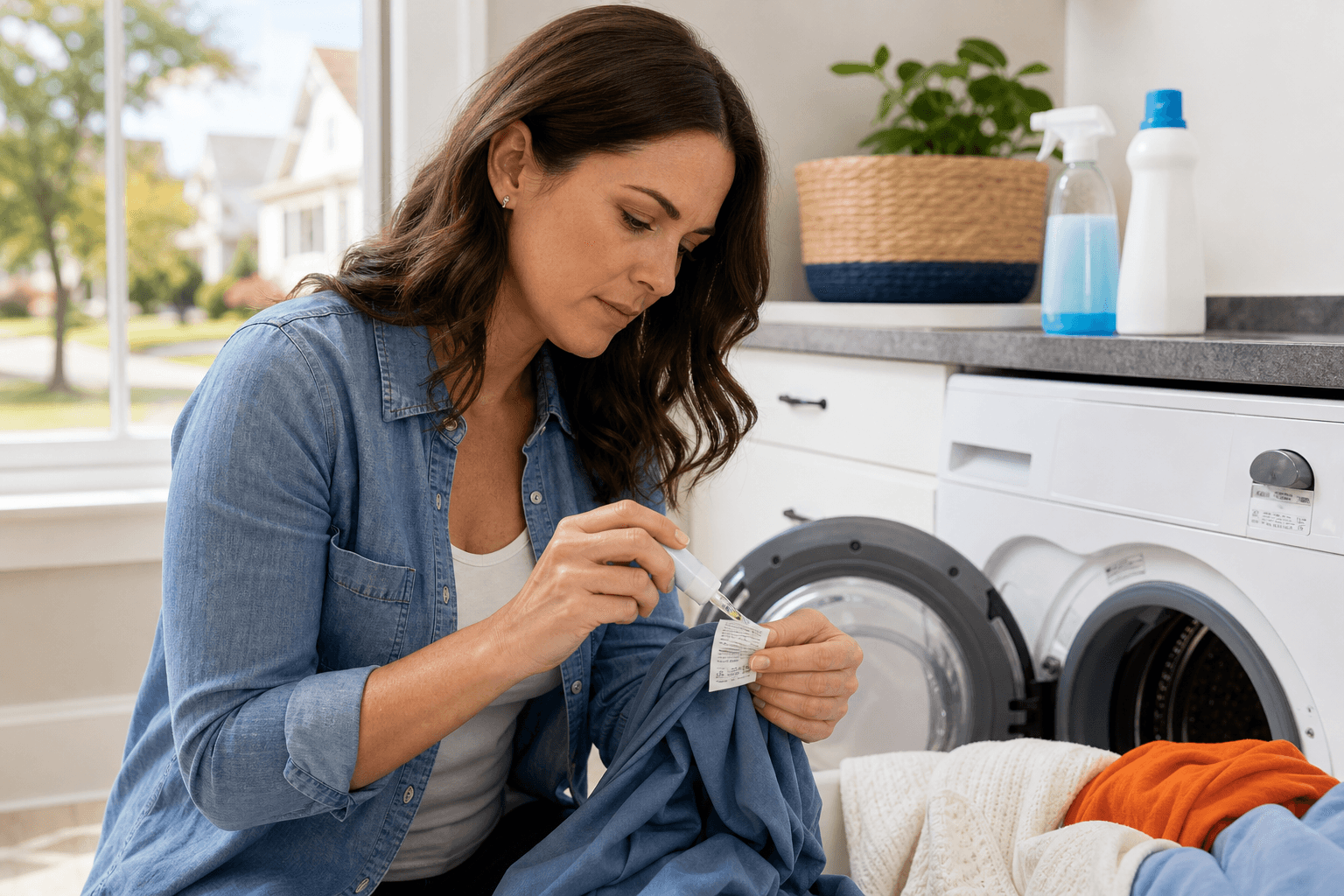
That tiny tag inside your shirt or jacket is there for a reason. Fabric care labels tell you how much heat, water, and agitation a garment can handle. Ignoring them often leads to shrinking, fading, stretched fibers, or warped shapes. One quick label check can prevent a lot of regret.
Most labels use a standard set of symbols. A tub icon tells you how to wash the item. A square often refers to drying. A triangle covers bleach. An iron icon gives ironing directions. Even if you do not know every symbol by memory, learning the common ones can upgrade your laundry routine fast.
Here are the main label instructions worth knowing:
- Cold wash: Best for dark colors, delicates, and many everyday clothes. It helps reduce fading and saves energy.
- Warm wash: Good for synthetics and mixed-fabric items that need a bit more cleaning power.
- Hot wash: Useful for whites, towels, and heavily soiled loads when the label allows it.
- Tumble dry low: Safer for most items than high heat and helps prevent shrinkage.
- Do not bleach: Skip chlorine bleach completely, even if the stain looks bad.
- Line dry or air dry: Best for delicate fabrics and garments that lose shape in the dryer.
Silk, wool, lingerie, and structured garments need extra care because their fibers react badly to rough washing or hot drying. That is where professional support can make a difference. For fabrics that feel risky, Fresh Spin Laundry offers a safer option than guessing at home.
Sorting Smarter for Cleaner Loads and Fewer Laundry Disasters
Sorting is the step people rush, and it causes a huge share of laundry problems. Tossing everything together might feel faster, but it often creates more work later. Whites lose brightness, darks fade, and lint covers clothes that were fine a few minutes earlier. Smart sorting protects color, texture, and fit.
The first split should always be by color. Keep whites and light shades away from darks and bright colors. This helps stop dye transfer, especially during the first few washes of newer garments. If you have ever seen a white tee come out slightly pink, you already know why this matters.
Next, sort by fabric type. Heavy cotton towels and jeans create much more friction than light tops or delicate underwear. If they wash together, the rougher items can wear down softer fabrics. The goal is to group clothes with similar durability and washing needs.
Soil level matters too. A shirt you wore for two hours to dinner should not be washed with muddy sports gear or sweat-soaked gym clothes. Heavily soiled items need stronger cleaning conditions, and cleaner items do better in a gentler load.
A smarter sorting routine looks like this:
- Whites and light colors in one group
- Darks and bold colors in another
- Delicates separated from heavy fabrics
- Towels and fuzzy items kept away from lint-attracting clothes
- Lightly worn pieces separated from heavily soiled loads
There is also a small pro move that helps washing work better: include a mix of item sizes in each load when fabric type allows it. A few smaller pieces moving around larger ones can improve water flow and agitation. Just do not combine items that should clearly be washed apart.
If sorting feels annoying, remember what it prevents. Less color bleeding. Less lint. Better cleaning. Longer fabric life. That is why professional services stand out here too. At Fresh Spin Laundry, proper sorting is built into the process rather than left to chance.
The Perfect Wash Routine Starts Before the Machine Turns On
Strong laundry results come from what you do before pressing start. Check pockets. Zip zippers. Unbutton delicate shirts if needed. Turn graphic tees and dark jeans inside out. Place small items and delicates in mesh bags. These quick actions reduce snags, fading, stretching, and lost socks.
Then inspect for stains. Drying can set many stains deeper into the fabric, which makes them much harder to remove later. Acting early gives you the best shot at a full recovery. A little prep saves a lot of frustration.
Stop Stains Before They Set
Stains are easier to treat when they are fresh. Dirt, sweat, food drips, and spills from daily life in Englewood can cling quickly if left alone in a hamper. Once heat hits them in the dryer, they often become much harder to remove. Fast action matters.
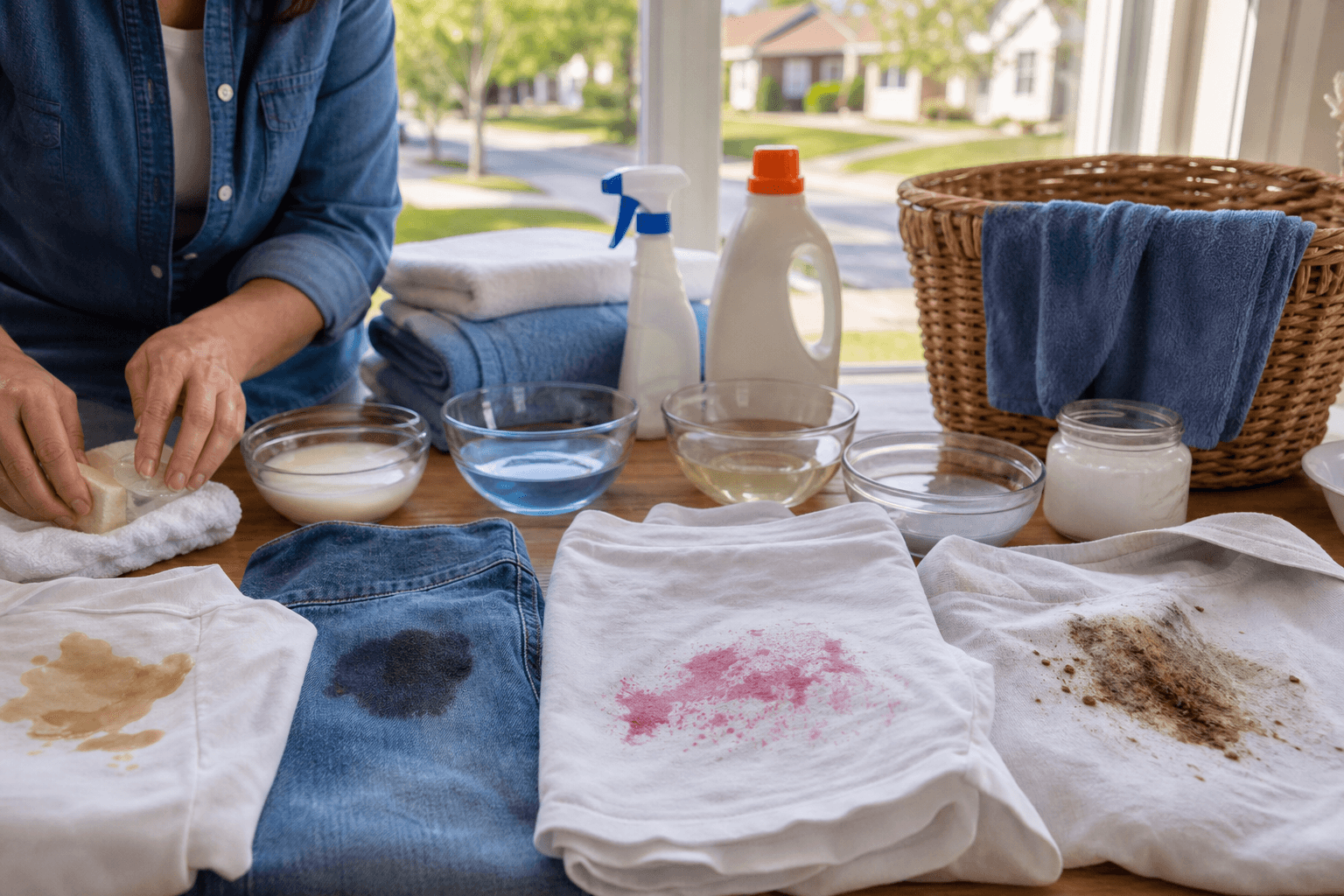
For most everyday stains, start with a simple process. Apply a stain spray or a small amount of detergent to the area. Gently tamp or blot it into the fabric. Do not rub aggressively, because rubbing can push the stain deeper or rough up the fibers. Let the treatment sit for a few minutes before washing.
Here are some common stain examples and how to approach them:
- Dirt: Shake off loose debris first, then pretreat before washing.
- Sweat: Focus on underarm areas with a pretreatment or booster.
- Food stains: Blot quickly, especially oils or sauces, then treat before they dry.
Some marks need extra help. Laundry boosters can be useful for stubborn stains or odor-heavy loads, but they should match the fabric type and care label. If the garment is expensive, delicate, or sentimental, this is one of those times when professional treatment is the safer move. Fresh Spin Laundry brings professional-grade stain care that beats trial and error at home.
Detergent Done Right: Why Less Often Works Better
A lot of people think extra detergent means extra clean clothes. It usually means the opposite. Too much soap can leave a film on fabric, trap odors, and make rinsing harder. That residue is one reason clothes may smell weird even after a full wash cycle. The fix is simple: use less detergent.
For many normal loads in modern machines, about 1 tablespoon of detergent is enough. High-efficiency washers need HE detergent because it creates fewer suds and rinses more effectively. Pouring in a random amount is one of the most common laundry mistakes in homes everywhere.
According to American Cleaning Institute, a good laundry routine starts with using the right products correctly, and detergent amount is part of that equation. If your clothes feel stiff, look dull, or hold onto odors, overuse may be the issue.
Keep these detergent habits in mind:
- Use HE detergent for high-efficiency machines
- Measure instead of guessing
- Add more only for larger or dirtier loads when needed
- Do not stack detergent, booster, and softener without a reason
Fresh Spin Laundry improves results by optimizing each load instead of flooding it with product. That balance helps clothes rinse clean and smell fresh without heavy buildup.
Choosing the Right Cycle and Temperature Every Time
The correct cycle changes how your clothes are washed, spun, and protected. A strong cycle may be perfect for towels but rough on a soft blouse. A gentle cycle can preserve delicates but may leave muddy clothes less clean than you want. Learning a few core settings makes laundry feel much more predictable.
Here is a practical guide to common cycles:
- Normal: Best for whites, towels, and sturdy everyday items. Hot water can help with deeper cleaning if labels allow it.
- Permanent press: Good for synthetics and standard daily wear. Warm or cold water helps with wrinkle control.
- Delicate: Use for silk, wool, lingerie, and soft fabrics that need low agitation and cold water.
- Heavy duty: Best for bedding, work clothes, and heavily soiled loads that need a longer wash.
If you are ever unsure, cold water is a smart default for most loads. It protects colors, reduces fading, and cuts energy use. That makes it great for both your wardrobe and your utility bill. Hot water still has a place, especially for whites, towels, or heavily soiled items, but it should be chosen on purpose.
Cycle choice also affects wrinkles. Synthetic fabrics usually do better on settings that reduce harsh spinning and high heat. Delicates need even more protection. Matching cycle and temperature to the garment is one of the easiest ways to extend fabric life.
Fresh Spin Laundry takes the guesswork out with machines set up for strong, consistent results. That matters most when you have mixed loads, tricky fabrics, or little time to troubleshoot settings.
Loading Machines the Right Way
Even the right detergent and cycle cannot save an overloaded machine. Clothes need room to move so water and detergent can reach every surface. If the washer is packed too tightly, dirt stays trapped and fabric rubs harder against itself. The result is poor cleaning and faster wear.
A good rule is to fill the washer about three-quarters full. That gives items enough movement for proper washing. Dryers need even more breathing room. Keep them around half full so warm air can circulate and moisture can escape. Better airflow means faster drying and less stress on the fabric.
Mesh bags are worth keeping around for small pieces like socks, bras, and underwear. They reduce tangling and protect delicate items from hooks, zippers, and aggressive tumbling. That small habit can save a surprising number of garments over time.
Watch for these loading mistakes:
- Stuffing the washer until clothes cannot move
- Drying giant loads that block airflow
- Washing heavy items with fragile ones
- Forgetting mesh bags for delicates and small items
If you often deal with oversized loads, comforters, or blankets, larger commercial machines can make a huge difference. Fresh Spin Laundry offers a practical option through its self-service laundromat, where oversized items can actually wash and dry the way they should.
Drying Without Damage
Drying is where many clothes get ruined. People spend time sorting and washing properly, then toss everything into high heat and hope for the best. That shortcut causes shrinkage, fading, elastic damage, and rough fabric texture. A careful drying routine protects all the work you already put in.
Heat should match the garment, not your impatience. High settings can be useful for sturdy loads, but many everyday items do better on medium or low. Delicates often need air drying or line drying instead. If the care label suggests low heat, trust it. That instruction is there to prevent damage.
Heat Settings That Protect Your Clothes
Different fabrics respond to heat in different ways. Cotton can shrink. Synthetics can warp or hold onto odors if overheated. Elastic can weaken. Silk and wool can lose shape fast. Using the proper dryer setting is one of the simplest ways to keep clothes fitting and feeling right.
Try this basic heat guide:
- Low heat: Delicates, activewear, lingerie, and anything with stretch
- Medium heat: Most everyday clothing and mixed-fabric basics
- High heat: Towels, sheets, and sturdy cotton items if the label allows it
- Air dry: Silk, wool, or pieces likely to shrink or lose shape
Pull items out as soon as they are dry. Overdrying adds extra wear and sets wrinkles deeper. For shirts, dresses, and work clothes, removing them at the right moment can save you time with folding and ironing later. It is a small change with a big payoff.
The Lint Trap Rule You Cannot Ignore
Cleaning the lint trap every load should be automatic. Lint buildup blocks airflow, makes drying slower, and raises the risk of fire. It also forces the machine to work harder, which wastes energy and puts more stress on the dryer. This is one of the easiest habits in laundry care, and one of the most important.
Take a few seconds before or after each cycle to remove lint by hand. Then check the trap area now and then for stray buildup. If clothes are taking longer to dry than usual, the lint screen or vent system may need attention. Reduced airflow is a warning sign, not a small inconvenience.
Professional laundries have an edge here because commercial equipment is maintained regularly. At Fresh Spin Laundry, routine machine care helps keep drying efficient, safe, and consistent.
After the Wash: Small Habits That Make a Big Difference
The laundry routine does not end when the buzzer sounds. Letting damp clothes sit in the washer or dryer creates wrinkles, stale smells, and even mildew in humid conditions. Prompt removal is one of the fastest ways to improve results without spending more money.
Once items are out, think about how they should be stored. Folding and hanging correctly helps preserve shape and reduce wrinkling. Knits usually do better folded so they do not stretch on hangers. Structured garments like button-down shirts, blazers, and dresses often look better when hung right away.
Bras deserve special treatment too. Give them time to rest between wears so the elastic can recover. That simple rotation helps them keep their shape longer. These little habits seem minor, but they support a more polished wardrobe every day.
How Often Should You Actually Wash Everything?
One of the biggest laundry questions is how often items really need to be washed. Overwashing can fade fabric and wear it out faster. Underwashing can lead to odor, buildup, and hygiene issues. The sweet spot depends on how close the item sits to your skin, how much you sweat, and what the fabric can handle.
Here is a useful guide for common clothing categories:
- Underwear and socks: Every wear
- T-shirts and tanks: Every wear
- Jeans: Every 2 to 3 wears
- Pajamas and bras: Every 3 to 4 wears
- Towels and sheets: Weekly to every two weeks
- Suits and slacks: Every 3 to 5 wears or dry clean as needed
These guidelines work well for most people, but activity level matters. Workout clothes, pieces worn in hot weather, and anything exposed to heavy sweat should be washed sooner. At the same time, jackets, denim, and lightly worn outer layers often do not need immediate washing.
Bulky household items like comforters, duvets, and oversized blankets usually become a hassle at home. So do specialty pieces that need careful treatment. In those cases, a professional laundry stop can be the smarter move. If you want to save time on regular clothing loads too, wash and fold service offers a simple way to stay caught up.
The Secret to Fresh-Smelling Laundry: Machine Maintenance
If your clothes smell musty after washing, the machine may be the real problem. Detergent residue, trapped moisture, and hidden grime inside the washer can transfer odor back onto clean clothes. The same goes for dryers with clogged lint systems or weak airflow. Fresh laundry starts with clean machines.
Machine maintenance does not need to be complicated. A few regular habits can keep washers and dryers running better while protecting every load you wash. Think of it as basic care for the tools that clean your clothes.
Keep Your Washer Clean or It Will Ruin Your Clothes
Washers deal with dirt, body oils, detergent, and damp fabric every single week. Over time, that creates buildup in the drum, gasket, and detergent tray. Once odor starts growing there, your clothes can pick it up too. This is especially common in front-loading machines that stay moist between cycles.
A monthly hot cycle with vinegar or baking soda can help freshen the washer and loosen residue. Wipe the gasket and detergent dispenser after cleaning cycles, and leave the door open for a while after use so moisture can escape. Front-loaders benefit a lot from drying the gasket after each load.
Top-loaders need attention too. A periodic soak-and-scrub routine helps clear grime from the tub and any areas where residue collects. If you notice a sour smell, dull laundry, or visible buildup, your machine is overdue for a deep clean.
Keep this washer checklist simple:
- Run a hot maintenance cycle monthly
- Wipe dispensers and seals
- Let moisture escape after washing
- Clean visible buildup before it spreads
Dryer Care That Prevents Bigger Problems
Dryers need more than just lint trap cleaning. Vents, hoses, and airflow systems should be checked regularly too. A dryer that seems slow is often dealing with a blockage somewhere in the path where hot air should move. That creates longer dry times, higher energy use, and greater safety risks.
Inspect vents and airflow every few months. If the dryer feels hotter than normal, leaves clothes damp after a usual cycle, or creates extra humidity in the laundry area, something may need attention. Prevention beats emergency repairs every time. Good dryer care protects both your clothes and your home safety.
Commercial operations keep up with this maintenance because performance depends on it. Fresh Spin Laundry benefits from regularly maintained equipment, which helps loads finish cleaner, drier, and fresher.
Englewood-Specific Laundry Challenges and How to Beat Them
Englewood weather and day-to-day life can create laundry issues that feel extra annoying. Humid stretches make it easier for damp fabric to pick up odors. Busy schedules increase the odds of leaving a finished load sitting too long. Seasonal changes also affect energy use and drying time. A smart routine should account for these local conditions.
The good news is that a few habits solve most of these issues before they grow. Prompt drying, cold-water washing, and better machine care go a long way. So does knowing when to offload larger or harder jobs to a professional service.
Humidity, Odors, and Mildew Prevention
Humidity makes laundry less forgiving. If damp clothes sit in the washer or hamper, mildew and musty odors can develop quickly. That smell is hard to remove once it settles into towels, workout gear, or thick cotton items. Quick action matters more during humid periods.
Move wet clothes to the dryer or drying rack as soon as the wash cycle ends. If you cannot dry them immediately, at least spread them out rather than leaving them packed together. Airflow is your friend. So is a vinegar rinse for loads that already smell stale. Vinegar can help cut odor without leaving heavy fragrance behind.
Keep these odor-prevention habits in rotation:
- Dry clothes promptly
- Do not leave clean laundry sitting in the machine
- Use vinegar rinses for stubborn smells
- Clean washers regularly during humid weeks
Smart Energy Use in Changing Weather
Laundry choices affect your utility bill more than many people expect. Heating water and running long dryer cycles can add up fast. That is one reason cold-water washing is such a smart habit. It protects color, works for many daily loads, and reduces energy use at the same time.
Air drying is another helpful move when weather and space allow it. Even partial air drying helps reduce machine time and wear on fabric. You can also dry heavier items partway and then hang them to finish. That saves energy while lowering stress on the textile.
Efficient equipment can make this even easier. Fresh Spin Laundry uses machines built for effective cleaning and drying, which can help lower the cost of handling bigger or more demanding loads. If you have questions about machine use, garment care, or service options, the laundry FAQ is a useful place to start.
When to Skip DIY and Use Fresh Spin Laundry Instead
Doing your own laundry makes sense for many everyday loads, but some items are not worth the risk or effort. Delicates can lose shape. Wool can shrink. Comforters can stay damp in the center. Structured garments can come out looking worse than when they went in. Knowing when to step back is part of smart clothing care.
Professional service also helps when life gets busy. There is real value in getting your time back and avoiding repeat loads, rewashing mistakes, or replacing damaged clothing. Home washing is great for basics. Fresh Spin Laundry becomes the better choice when quality, time, or item type tips the balance.
Best Use Cases for Professional Laundry Services
Some garments need a level of care that standard home machines do not always provide. Silk, wool, and lingerie can react badly to rough agitation or heat. Bedding and comforters are often too bulky for smaller home washers and dryers. Suits, leather pieces, and structured clothing require careful handling to preserve their shape and finish.
Professional support is especially useful for:
- Delicates such as wool, silk, and lingerie
- Bulky loads like comforters, duvets, and blankets
- Specialty items such as suits, leather, and structured garments
There is also the simple issue of volume. If laundry piles up after a busy week, a service can turn a stressful chore into an easy handoff. That matters more than ever for students, professionals, parents, and anyone who values a smoother routine.
Home vs Professional: Time, Cost, and Quality
At first glance, washing everything at home may seem cheaper. Yet DIY laundry has hidden costs. Overdosing detergent wastes product. Wrong heat settings ruin clothes. Rewashing loads because of odor or poor sorting uses more water, energy, and time. A single mistake with an expensive sweater or comforter can erase any savings fast.
Professional laundry offers consistency. It also gives back hours you would have spent sorting, washing, drying, folding, and troubleshooting. For many people in Englewood, that time is worth a lot. If you are comparing options honestly, the question is not just money. It is also about convenience, reliability, and garment life.
Fresh Spin Laundry stands out because it covers different needs. You can choose self-service for oversized loads, drop off regular clothing for wash and fold, or use specialty care for sensitive pieces. That flexibility makes professional help feel practical rather than fancy.
Next-Level Laundry Hacks That Actually Work
Once the basics are strong, a few extra habits can make laundry easier and more effective. These upgrades do not require expensive tools or complicated routines. They simply help you wash smarter, protect clothing longer, and avoid common mistakes that sabotage otherwise good results.
Think of these as easy ways to tighten up your process. Start with one or two and build from there. Small improvements often create the biggest long-term gains.
Eco-Friendly Upgrades
If you want a simpler and lower-waste laundry routine, begin with temperature and drying choices. Cold-water washing handles many everyday loads well and cuts the energy used to heat water. Air drying also reduces power use while helping clothes hold their shape and color longer.
Natural boosters like vinegar can support odor control without adding heavy buildup. They are especially useful for towels, gym wear, and loads that need a freshness reset. The goal is not to load every wash with extra products. It is to use fewer things more effectively.
Build a Simple Laundry Toolkit
You do not need a cabinet full of products to do laundry well. A small set of smart tools can handle most problems better than random extras ever will. Keeping these nearby helps you deal with stains fast and protect items that need extra care.
A useful toolkit can include:
- Stain brush for gentle pretreatment
- Color catchers for mixed-color situations
- Fabric-safe sanitizer for special loads that need it
- Mesh bags for delicates and socks
That is enough for most households. Add products only when they solve a real need, not because the bottle promises miracles.
Mistakes to Avoid at All Costs
Even a decent laundry routine can fall apart if a few bad habits keep creeping in. These mistakes are common, easy to overlook, and expensive over time. Avoiding them will protect both your clothes and your machines.
Watch out for the following:
- Overusing fabric softener, which can leave buildup and reduce absorbency
- Ignoring machine instructions and garment labels
- Letting wet laundry sit too long before drying
- Stuffing machines past their ideal capacity
- Using random amounts of detergent instead of measuring
If your loads keep coming out wrong, resist the urge to keep changing five variables at once. Fix the basics first: sort better, use less detergent, choose the right cycle, and maintain your machines.
Your Laundry, Upgraded
Getting laundry right in Englewood does not require a perfect routine. It requires a few reliable habits repeated every week. Read labels. Sort with purpose. Pretreat stains early. Use the right amount of detergent. Do not overload the washer or dryer. Keep machines clean. Those steps protect color, fit, freshness, and fabric life better than any trend or shortcut.
Start with one improvement today. Maybe that means separating towels from clothes, finally cleaning the washer gasket, or switching to lower dryer heat. Small changes can produce noticeably better results after just a few loads. That is how a frustrating chore becomes a smoother part of your routine.
And when home laundry stops making sense, Fresh Spin Laundry is the go-to option in Englewood for easier, better care. Whether you need help with delicates, oversized bedding, or a packed week that leaves no time for folding, the right support can save effort and reduce mistakes. Visit Fresh Spin Laundry, try their wash and fold service, and see how much simpler a spotless wardrobe can be. Share your biggest laundry fail—or your best fix—and turn those lessons into a fresher, smarter routine.