
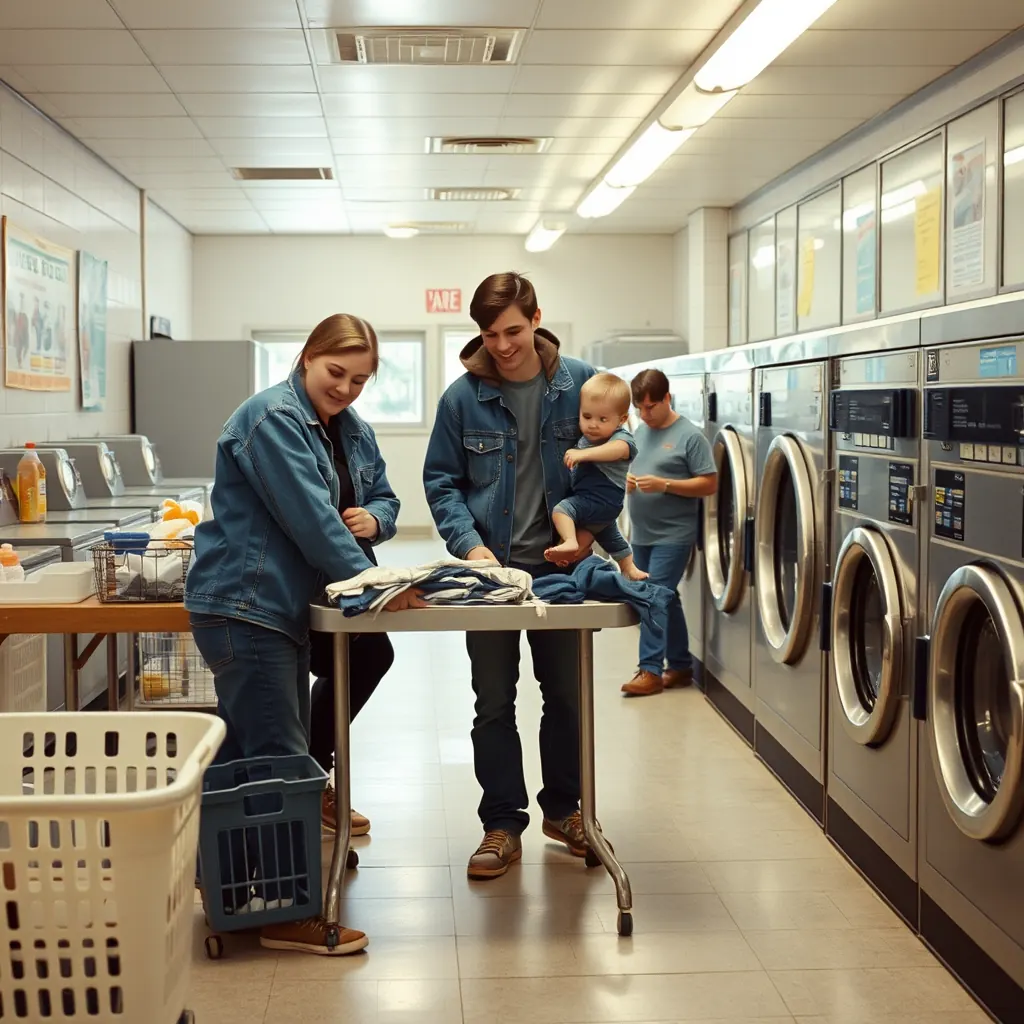
In Fairmount and nearby Independence, MO, laundry efficiency matters because humid summers, cold winters, rising utility costs, and busy schedules can turn a simple chore into a weekly drain on time and money. The good news is that a few smart habits—like using cold water, sizing loads correctly, measuring detergent, and cutting dryer time—can deliver cleaner clothes, lower bills, and less wear on your favorite pieces.
Key Takeaways
- Choose the right load size to improve cleaning and shorten drying time.
- Use cold water for most everyday laundry to save energy without giving up clean results.
- Measure detergent carefully because too much often causes residue and extra rinsing.
- Increase spin speed so clothes leave the washer with less water.
- Keep lint screens and vents clear for faster, safer drying.
Why Laundry Efficiency Matters in Fairmount
Small laundry mistakes feel minor in the moment, yet they build up fast across a month. A little extra detergent, one overloaded washer, or a dryer cycle that runs twenty minutes too long can quietly raise your utility bills and eat into your free time. For Fairmount households that already juggle work, school, errands, and social plans, wasted time at the washer and dryer is hard to ignore.
Clothing wear is another hidden cost. Overdrying, poor sorting, and repeated washing break down fibers much faster than most people realize. Colors fade sooner, elastic weakens, and soft fabrics start to pill. Instead of getting long use from your clothes, you end up replacing staples earlier than expected.
That is why laundry efficiency should mean more than speed alone. True efficiency means getting clothes clean the first time, using less water and energy, and keeping fabrics in better shape for longer. In a place like Fairmount, where weather and budget both affect daily choices, that balance makes a real difference.
The Five Changes That Improve Laundry Results Fast
If you want cleaner loads without turning laundry into a science project, start with a few high-impact habits. These shifts require very little effort, but they change the quality of your results right away. Fresh Spin Laundry builds these best practices into the machine options and layout, which makes it easier to follow them every visit.
The most useful habits are simple:
- Wash full loads that fit the machine properly.
- Use cold water for everyday items.
- Measure detergent instead of pouring freely.
- Choose a high spin option when it fits the load.
- Clean the lint screen and maintain airflow.
Each habit targets a different part of the process. Proper load size helps water and detergent circulate through fabric. Cold water cuts energy use. Measured detergent prevents residue. A stronger spin shortens drying time. Good dryer airflow keeps heat moving where it should. Put together, these changes produce cleaner clothes with less waste.
What Laundry Efficiency Actually Means
Many people hear “efficient laundry” and think it means rushing through the job. In reality, efficient laundry is about avoiding repeat work. If you have to rewash a sour-smelling towel load, dry a hoodie again, or deal with detergent streaks on dark clothes, you did not save time. You just delayed the problem.
A better approach focuses on first-pass success. That means sorting smartly, choosing the right settings, and avoiding habits that create new issues. Efficient laundry also keeps your water use and energy use lower without cutting corners on cleanliness.
There is also a clothing-care side to efficiency. Shrinking, fading, and pilling often come from unnecessary heat, too much agitation, or using stronger cycles than the fabric needs. A good routine protects fabric life while still getting sweat, dirt, and odors out. That is the version of efficiency most households actually need.
How Independence Weather Affects Every Load
Laundry habits do not happen in a vacuum. In Independence, MO, local weather changes how clothes dry and how indoor spaces handle moisture. During humid summers, fabrics hold onto dampness longer, which can stretch out dryer times and make indoor air-drying trickier. If you rely on outdoor drying, sticky air can slow everything down.
Winter creates a different challenge. Cold temperatures often limit line-drying, and bulky items like jeans, blankets, and towels can feel impossible to dry quickly without heat. Indoor drying becomes more common, but poor airflow can leave a room feeling damp. That can slow drying and create a stale smell around clothes.
These local conditions are one reason machine performance matters so much. Home washers and dryers often have smaller capacity, lower spin strength, and longer cycles. By contrast, larger-capacity laundromat machines with stronger extraction can move the process along much faster. For many Fairmount residents, that means less waiting and fewer loads overall.
Home Machines Versus a Better Laundry Setup
Home laundry equipment can work well for light weekly use, but it has limits. Smaller drums force you to split loads more often, which takes more time and raises water and energy use. A weak spin cycle can leave clothes too wet, which shifts the burden to the dryer. Then the dryer runs longer, costs more, and puts added stress on fabric.
Machine variety matters more than many people think. If every load goes into the same washer size, you are bound to waste capacity on small loads or cram large ones into a space that is too tight. Efficient laundry depends on matching load size to machine size.
Fresh Spin Laundry has an advantage here because larger-capacity machines and stronger spin cycles reduce both rewash risk and dry time. A more spacious setup also makes sorting and switching loads easier. That kind of environment supports smarter habits instead of forcing workarounds that lead to inefficient results.
Right-Size Every Load for Better Cleaning
One of the fastest ways to improve laundry is to stop guessing about how full the washer should be. Clothes need room to move. Agitation, rinsing, and detergent distribution all work better when items can circulate freely. If you pack the drum tightly, water cannot reach every area evenly, and soil gets trapped in folds. That often leaves loads looking or smelling less clean.
Half-empty loads can be wasteful too. Running a large machine for a tiny amount of laundry uses more resources than needed. The goal is a balanced load, not the biggest load possible. Think full enough to be worth the cycle, but loose enough for movement.
A useful rule is to avoid pressing clothes down to fit more in. If a load looks compressed, it is probably too full. Towels, hoodies, and jeans take up more working space than thin T-shirts, so the right fill level changes by fabric type. Choosing the proper machine size is often the easiest fix.
Cold Water Does More Than Most People Expect
Many people still assume hot water is the default for clean clothes. That idea lingers from older washing habits, but modern detergents can clean everyday laundry very well in cold water. For shirts, socks, casual wear, gym basics, and lightly soiled items, cold water is usually enough.
Using cold water cuts the energy needed to heat each load. That makes a direct difference on household costs, especially over a full year. It also helps protect color and fabric strength. Darks fade less, prints stay sharper, and many fabrics keep their shape better with lower temperatures.
Hot water still has a place. It can help with sanitizing or heavily soiled items such as certain cleaning cloths or loads exposed to stronger odors and grime. Still, hot should be the exception rather than the automatic choice. For most loads, cold-first washing gives a better balance of clean, cost, and fabric care.
Measure Detergent Instead of Pouring by Feel
Detergent is one of the most common places people waste money. More soap feels like it should mean more cleaning, yet the opposite often happens. Too much detergent creates excess suds, leaves behind residue, and can force the machine to rinse longer or less effectively. Clothes may come out stiff, dull, or still holding onto odor.
Measuring matters on every load. Use only the amount your machine, detergent type, and load size need. If you use high-efficiency machines, choose HE detergent when required because it controls suds better and supports proper rinsing.
Water conditions can affect the amount as well. Hard water sometimes calls for small adjustments, but “more” should still not become the default. The best habit is simple: measure every time. That one step prevents buildup in both clothes and machines, and it helps keep each wash consistent.
Choose the Right Cycle for the Soil Level
A heavy-duty setting can feel like the safest choice, especially if you want certainty that clothes will come out clean. In practice, using the strongest cycle for everyday laundry wastes time, water, and fabric life. Many loads only need a normal cycle or eco setting to get the job done.
Think about what is actually in the basket. Office clothes, lightly worn tops, and regular home textiles usually do not need aggressive washing. Save heavy-duty cycles for workwear, muddy items, or fabrics carrying ground-in dirt. Matching cycle strength to soil level is one of the easiest ways to reduce wear and still get good results.
Quick cycles can also help if the load is small and lightly soiled. They are useful tools, but they should be used with some judgment. A quick cycle cannot fix a packed washer or deeply stained load. Start with realistic expectations, and your machine settings become a way to save time rather than create repeat washes.
Spin More and Dry Less
The dryer is where a lot of laundry waste shows up. Heating wet clothes for long stretches uses plenty of energy, and that cost adds up fast. A higher spin speed in the washer removes more water before the drying stage begins. That makes the dryer’s job much easier.
This is one of the smartest upgrades in any laundry routine because it does not lower cleaning quality. In fact, it often improves the full process by cutting how long fabrics sit damp. Towels, denim, and sweatshirts especially benefit from stronger extraction before drying.
Fresh Spin Laundry’s machines can help here because stronger spin performance shortens dryer time significantly. Less time in the dryer means lower energy use and less heat exposure on fabric. That protects elastic fibers, reduces shrink risk, and keeps clothes looking better over time.
Smarter Sorting Means Less Rewashing
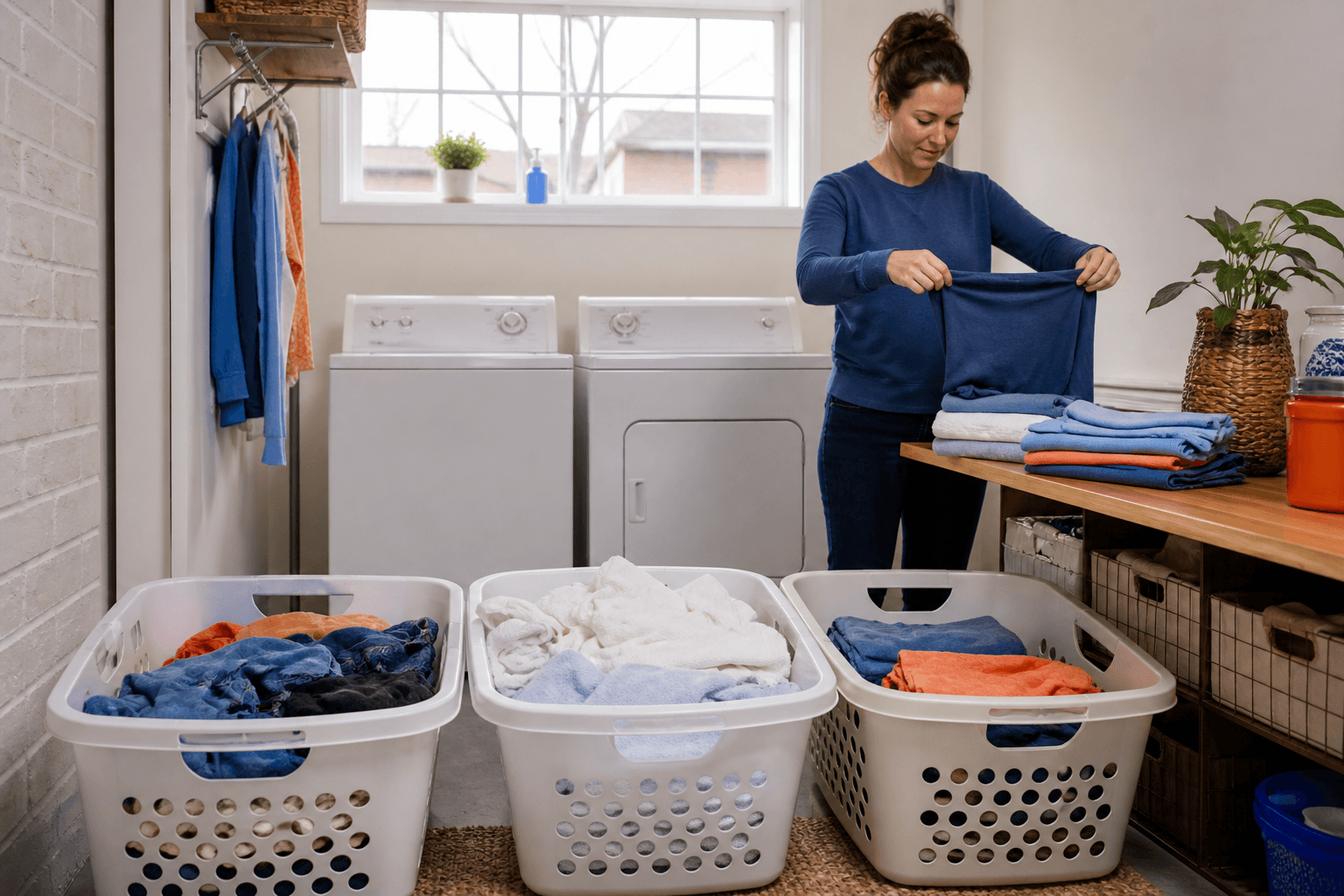
Sorting by color is useful, but it is only the beginning. Better sorting also considers fabric type, weight, and how dirty each item actually is. If you mix lightweight tees with heavy towels, the load dries unevenly and may wash unevenly too. If you throw lightly worn clothes in with stained items, you often end up washing everything harder than necessary.
Good sorting reduces errors before the cycle starts. Group activewear together. Wash towels with towels. Keep delicates away from items with rough textures or hardware. Separate heavily soiled pieces from everyday wear. This approach creates efficient load groups that respond better to the same cycle and drying settings.
Pre-sorting also speeds up laundry day itself. You spend less time making decisions at the machine, and fewer loads need correction later. A little planning upfront prevents a lot of wasted effort after the wash is finished.
Treat Stains Early So They Do Not Come Back
Stains become harder to remove once they set. Waiting until laundry day without doing anything first can turn a small spill into a stubborn repeat-wash situation. A quick pre-treatment as soon as possible improves your odds of getting the stain out in one cycle.
You do not always need a complicated stain routine. Many fresh stains respond well to prompt attention and the right product. The key is acting early and checking the stained item before it goes into high dryer heat. Heat can lock in marks that might have come out with one more targeted wash.
This habit saves time because it avoids redoing full loads over one or two problem garments. It also protects the fabric from aggressive repeat cleaning. If you want a faster laundry routine, handle stains before they become laundry anchors that slow everything else down.
Prevent Damage Before the Washer Starts
Some of the most annoying laundry problems have nothing to do with water temperature or detergent. Open zippers can snag lighter fabrics. Forgotten items in pockets can stain or damage clothes. Delicate pieces can twist around rougher items if they are left unprotected. A thirty-second prep check helps prevent all of this.
Before you load the washer, do a short scan:
- Empty pockets fully.
- Zip zippers and fasten hooks.
- Turn some items inside out if fading is a concern.
- Use protection for delicates when needed.
These steps reduce friction, tears, and surprises. They also help loads finish cleanly the first time. Fewer damaged items means fewer special fixes later and less money spent replacing clothes that could have lasted longer.
Get More From Every Wash Cycle
Efficiency during washing depends on a few machine habits that many people skip. Start with loading for movement, not sheer volume. Clothes should tumble and circulate instead of sitting packed together in a dense block. This improves wash action and rinse quality.
Next, use machine features with a purpose. Eco settings can save energy on standard loads. Quick cycles can shorten time when the basket is small and lightly soiled. Temperature settings should match the fabric and the dirt level, rather than staying on hot out of habit. Taking five extra seconds to verify the settings can save much more time later.
Machine cleanliness also matters. A washer with buildup in the drum or gasket can transfer odors back to clothing. Regular cleaning helps the machine perform at its best and keeps each cycle fresher. Clean machines simply do a better job.
Dryer Efficiency Is Where Many Loads Go Off Track
A lot of good washing habits get undone in the dryer. People often mix every fabric together, run one long hot cycle, and forget about the load until long after it is already dry. That pattern raises costs and increases wear. Dryer efficiency starts with airflow and load matching.
Clean the lint screen every time. This improves circulation, shortens drying time, and lowers fire risk. After that, separate heavy items from lighter ones whenever possible. Towels and jeans simply do not dry at the same pace as T-shirts and athletic tops. Grouping similar weights produces more even drying.
Sensor drying is another easy win. Let the machine stop when clothes are dry instead of guessing with extra time. Overdrying wastes energy and roughs up fibers. If your goal is cleaner loads and a lower bill, the dryer deserves just as much attention as the washer.
Keep Dryer Vents and Ducts Clear
Lint traps are the everyday task, but vents and ducts matter too. Restricted venting slows airflow, keeps moisture trapped in the machine longer, and makes the dryer work harder than it should. The result is longer cycles, higher energy use, and avoidable wear on clothes.
Most people notice vent issues only after the dryer starts acting noticeably slow. A better move is to treat airflow as a regular part of laundry maintenance. If drying times suddenly increase for familiar loads, weak vent performance may be part of the reason.
Good airflow supports every other drying tip in this article. Even a well-sorted load with a clean lint screen can still lag if moist air is not escaping correctly. Clear vents help keep the whole drying system efficient and safer.
Skip the Dryer for the Right Items
Some clothes do better without machine drying at all. Activewear, delicates, and many synthetic pieces often dry quickly with little effort if you hang them properly. Avoiding high heat for these items protects stretch, shape, and finish.
Indoor air-drying works best in spaces with decent ventilation. A drying rack near moving air helps moisture leave the fabric instead of hanging around the room. In Independence, weather plays a role too. Outdoor drying can work well on the right day, but humidity and pollen can interfere, so timing matters.
Skipping the dryer does not have to slow down your routine. The trick is choosing pieces that naturally dry fast. Save dryer space for heavier loads, and let the lighter, heat-sensitive items handle themselves. That reduces energy use and gives your clothes gentler care.
Follow Fabric Labels and Avoid Wasteful Add-Ons
Fabric labels are easy to ignore, especially when laundry piles up. Still, those small instructions can prevent common mistakes. Different materials react differently to agitation, heat, and moisture. Cotton, synthetics, knits, and delicates each have different needs.
Extra rinses, boosters, and specialty add-ons can help in specific situations, but they often get used out of habit rather than necessity. If a normal load is already sorted correctly, washed in the right temperature, and treated with the proper amount of detergent, many extras add cost without adding much benefit.
Use special options with a reason. Otherwise, keep the process simple. Simplicity often leads to fewer mistakes and more predictable results. The best laundry routine is one you can repeat easily without wasting money on unneeded steps.
Build a Faster Laundry Routine for Busy Households
Laundry gets harder when it turns into a mountain. Letting clothes pile up for too long creates decision fatigue and often pushes people into inefficient shortcuts. A steady weekly rhythm keeps the task manageable and improves load quality because you are working with smaller, more logical groups.
Pre-sorting before laundry day saves even more time. You can separate towels, darks, everyday clothes, and delicates as you go through the week. Then, once you arrive at the machines, you are ready to start right away instead of sorting on the spot. This creates a much faster flow.
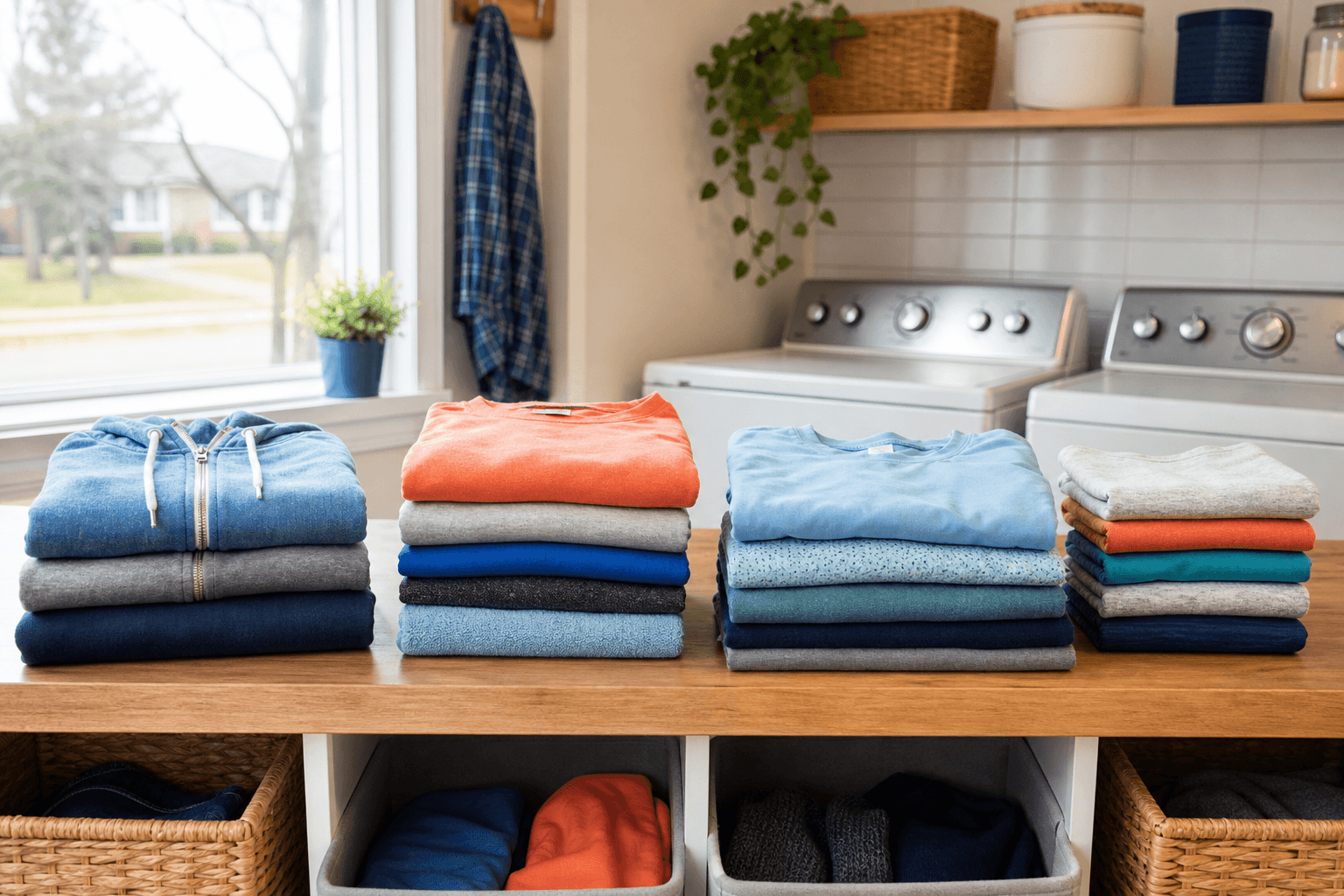
Keeping loads moving matters too. Transfer clothes promptly from washer to dryer, then fold soon after drying. Delays create wrinkles, stale smells, and the temptation to rerun a cycle. Efficiency is often about momentum. Once a load starts, keep it advancing until it is fully done.
The Most Common Laundry Mistakes
Most laundry problems trace back to a few repeat habits. Overloading is one of the biggest. Clothes come out less clean, rinsing suffers, and the dryer has to work harder because packed loads often leave the washer too wet. Another common issue is using too much detergent, which causes buildup and dull finishes.
Overdrying is also extremely common. It raises energy use and beats up fabric for no reason. Skipping maintenance creates another layer of trouble, since dirty machines and blocked airflow reduce performance over time. Mixing incompatible fabrics leads to uneven washing and drying, which can leave part of the load still damp while the rest gets overdone.
These mistakes are avoidable. Better machine choice, good sorting, and a few simple checks fix most of them quickly. Fresh Spin Laundry helps by offering machine variety and a setup that supports efficient habits instead of encouraging rushed guesses.
How to Get More From a Visit to Fresh Spin Laundry
If you are using a laundromat, a little prep can make the whole trip smoother. Start by choosing the right machine size for each load. You do not want to pay for empty space, but you also do not want to cram items into a washer that is too small. The right match improves cleaning performance and helps clothes dry faster later.
Arrive with sorted loads, detergent, and stain treatment ready to go. That lets you start quickly and avoid paying with your time through delays and indecision. Once the cycles are running, use the waiting period well. You can handle errands nearby or take a short break while the machines do the work.
Most importantly, turn loads quickly. Move washed items into the dryer as soon as possible, and remove dry loads promptly for folding. The faster your transitions, the more efficient the full visit becomes. Fresh Spin Laundry’s layout and machine options support that kind of smooth routine.
What Laundry Experts Broadly Agree On
Advice can vary on small details, but there is strong agreement on a few basics. Load balance matters. Cold water works for most daily laundry. Clean machines perform better. Measured detergent prevents waste. Good prep reduces repeat work. These ideas stay consistent because they solve the most common household laundry problems.
Where people differ is in how they rank speed, fabric care, and energy savings. Some prioritize the fastest turnaround. Others care most about preserving clothing. Still others focus on utility costs. The smartest routine balances all three based on the specific load in front of you.
That is the practical takeaway. Laundry does not need rigid rules for every shirt and sock. It needs a few strong principles you can apply daily. If your choices reduce waste, protect clothes, and still deliver clean results, you are doing it right.
Your Laundry Efficiency Checklist
Before starting a load, run through a quick checklist. This helps you avoid the most common mistakes without adding much effort. A short system beats random guessing every time.
Use this sequence before and during your wash:
- Sort loads by color, weight, and soil level.
- Check pockets and secure zippers.
- Pre-treat stains before they set.
- Measure detergent instead of pouring freely.
- Choose the correct cycle for the load.
- Use cold water when possible.
- Load the washer with room for movement.
Then, during drying and after:
- Clean the lint trap every time.
- Separate fabrics by weight for even drying.
- Stop when dry to avoid overdrying.
- Fold immediately to reduce wrinkles.
- Set aside items that need special care.
This kind of checklist keeps laundry efficient without making it feel complicated. It also helps build habits that stick week after week.
Why Rising Utility Costs Make Better Laundry Habits Essential
As water, gas, and electricity costs rise, small load-by-load savings matter more. One shorter dryer cycle may not seem huge. One switch from hot to cold water may not feel dramatic. Yet repeated across dozens of loads, those adjustments can make a clear difference on monthly spending.
The same is true for clothing replacement. If your favorite basics last longer because you avoid unnecessary heat and harsh cycles, that is money saved too. Laundry efficiency works on two fronts: it lowers operating costs and stretches the life of what you already own. That is a strong combination for any household budget.
For Fairmount residents, this is why laundry should be viewed as a system rather than a chore you rush through. Better habits create long-term savings, and those savings become more important as costs keep rising.
The Future of Laundry in Fairmount
Laundry equipment keeps improving. Smarter machines with sensors and optimized cycles reduce guesswork and help users avoid common mistakes. That trend matters because many people want faster results without sacrificing fabric care or spending more than needed. Better machine tech supports better habits instead of replacing them.
As utility prices continue to climb, efficiency will become even more important. Households that learn a few strong routines now will be in a better position later. They will know how to size loads correctly, when to use cold water, how to cut dryer time, and how to keep clothing in good shape for longer.
Fresh Spin Laundry stays ahead by offering modern equipment built for speed, savings, and fabric care. That makes it easier for people in Fairmount to turn smart laundry theory into a routine that actually works week after week.
The Easiest Way to Upgrade Your Laundry Routine
Laundry efficiency is about doing the job smarter, not adding a bunch of extra effort. Focus on a few high-impact habits and let them carry most of the work. Right-size your loads. Use cold water. Measure detergent. Increase spin and cut dryer time. Keep washers and dryers clean.
If you want a practical next step, try three of these strategies on your next trip to Fresh Spin Laundry. Track your time, cost, and results. You will likely notice cleaner loads, shorter drying times, and fewer clothing problems right away. According to ARM & HAMMER, simple laundry habit changes can improve cleaning and reduce waste, and that idea fits perfectly with the everyday routines that work best in Fairmount.
Start small, stay consistent, and let each load teach you what works best. A smarter system turns laundry from a weekly hassle into a quicker, cheaper, and cleaner part of your routine.