
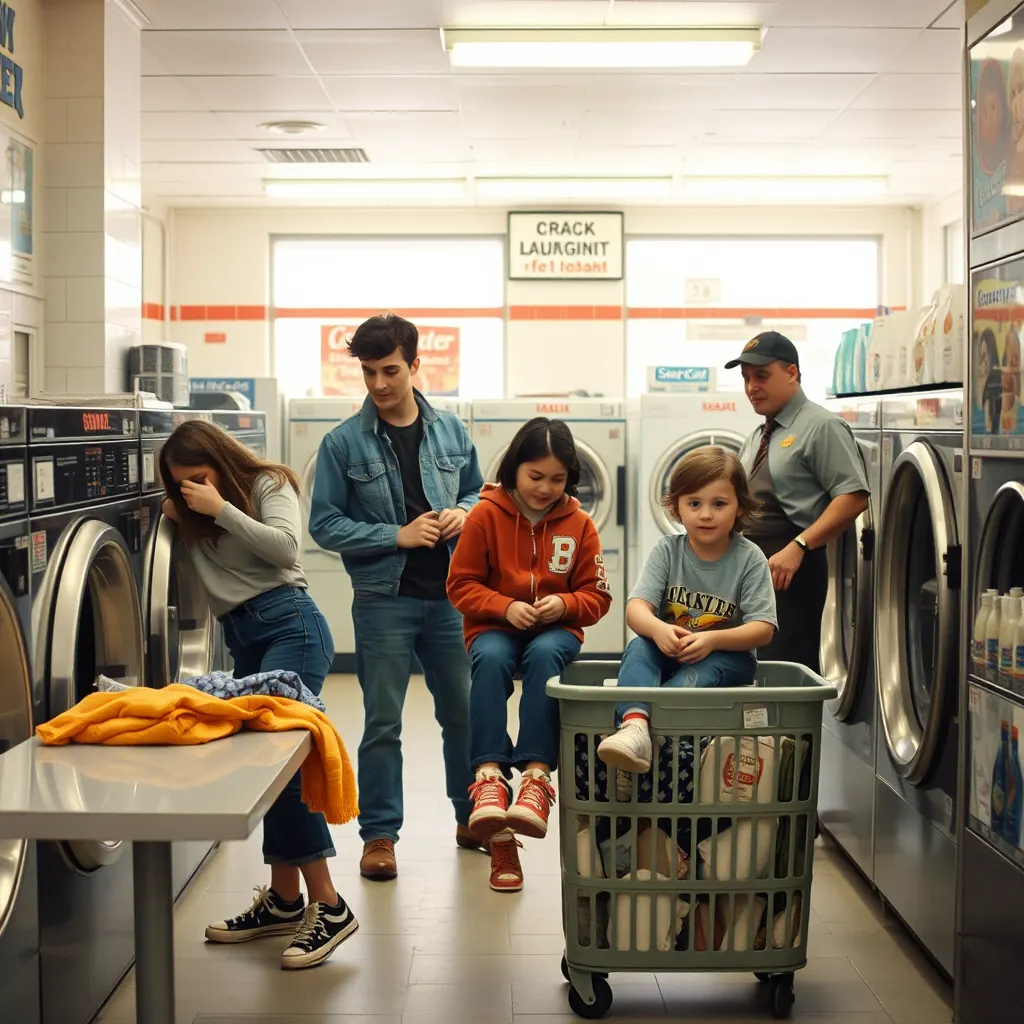
Stubborn stains, surprise shrinkage, musty towels, and rising wash costs can make laundry feel like a weekly money trap, especially for people balancing busy schedules in Fairmount and Independence, MO. This guide breaks down practical, proven laundry hacks that work for apartment residents, students, families, and laundromat users, with Fresh Spin Laundry as a useful local backup when home methods are not enough.
Key Takeaways
- Match the method to the fabric, stain, and machine for better results.
- Use less detergent than you think to prevent residue, odor, and wasted money.
- Treat stains fast and avoid heat until you know the mark is gone.
- Separate loads by soil level, not just color, for more efficient cleaning.
- Build a simple routine to cut stress, protect clothes, and save time.
Why Some Laundry Hacks Work and Others Flop
A real laundry hack is repeatable. It works more than once, on more than one load, and under normal conditions. A good trick also has some logic behind it. If a tip ignores fabric type, water temperature, or machine style, it will probably fail as soon as your laundry changes.
Many viral tips sound great because they promise a one-step answer. Laundry rarely works that way. A coffee stain on a cotton shirt needs a different approach than sweat odor in polyester gym shorts. Add in hard water, machine differences, and care labels, and the idea of one universal fix falls apart fast. The better approach is to use simple methods that match the problem in front of you.
Water temperature is one of the biggest factors. Cold water helps with many stains and protects color. Warm water can improve detergent performance on everyday soil. Hot water can be useful for whites, towels, or heavily soiled loads, but it can also shrink fabrics or set certain stains if used too early. The key is timing. Heat can help after a stain is removed, but it can ruin a garment if used first.
Detergent matters too. The right type and amount can improve cleaning right away. Too little may leave clothes dull or smelly. Too much often causes buildup, traps odor, and makes rinsing harder. That problem is common in homes with hard water or high-efficiency machines. More soap does not mean cleaner clothes. It often means more residue.
Fabric type changes everything. Cotton, polyester, denim, wool, and blends each react in different ways to water, agitation, and heat. Care labels exist for a reason. Ignoring them can lead to stretched knits, faded colors, or a shirt that suddenly fits a child instead of an adult. One of the smartest habits is learning which items can handle a normal cycle and which ones need a gentler touch.
Machine type also shapes results. Front-loaders use less water and usually need less detergent. Top-loaders are often easier for soaking or adding forgotten items. Commercial laundromat machines can clean large loads well, but they may require different timing and dose choices than a small apartment washer. The best hacks work because they fit the actual machine, actual fabric, and actual stain. That is what makes them useful.
The Real Laundry Problems in Fairmount and Independence Homes
Laundry issues in Fairmount and Independence often come down to daily life. People are busy. Loads get left in the washer. Kids come home with grass stains. Work clothes carry sweat and food spills. Apartment residents may share machines or wait for an open washer. Those real-life habits create patterns, and those patterns lead to specific problems.
Odor in activewear is one of the biggest frustrations. Synthetic fabrics hold onto sweat, body oil, and bacteria more than many natural fibers do. A quick wash may make the garment smell fresh at first, but the odor often comes back once the fabric warms up again. That happens because the smell is still trapped in the fibers or buried under detergent buildup.
Hard water can also make laundry feel harder than it should. Minerals in water can interfere with detergent, leaving behind residue on fabric. That can make colors look dull, whites seem gray, and towels feel stiff. A shirt may come out of the wash looking clean but still feel rough or smell slightly off. In those cases, the issue is not always the detergent itself. It may be the water.
Fairmount households also deal with common stain categories that need different treatment. Grease from cooking, food spills from rushed meals, grass from sports, and clay or mud from outdoor activity all show up often. Treating all of those with the same product is a mistake. Grease responds best to direct detergent contact. Mud works better if you let it dry first. Fast action matters, but the right kind of fast action matters even more.
Mildew smell is another familiar issue. It usually starts with a forgotten load, a slow drying cycle, or humidity trapped in towels and workout gear. Once that smell sets in, a regular wash may not fully fix it. The solution usually starts with better drying habits, cleaner machine surfaces, and less crowding in the drum. Musty laundry often reflects a process problem, not just a product problem.
Shared and apartment laundry setups add another layer. Machines are often overloaded to save time or money. People may combine heavy towels with light shirts or wash all colors together because they only have one window to do laundry. These choices are understandable, but they reduce cleaning power and raise the risk of damage. In limited-access setups, good prep before wash day becomes a major advantage.
High-Impact Hacks That Save Time and Money
The best laundry hacks cut waste without adding extra work. They do not require ten special products or a long routine. Instead, they fix the habits that quietly cost money every week. Small changes in sorting, dosing, and machine care can make clothes come out cleaner the first time, which means fewer rewashes and less wear on your favorite items.
One of the smartest upgrades is sorting by soil level, not just by color. A lightly worn T-shirt does not need the same cycle as muddy jeans or a kitchen towel covered in grease. If you wash heavily soiled items with lightly worn clothes, the dirtier pieces can spread odor and grime across the whole load. Separate the dirtiest items into their own batch so detergent and agitation can focus where they are most needed.
Pre-treating stains is another huge money saver. Rewashing an entire load because one stain stayed behind wastes water, detergent, and time. Instead, put a small amount of detergent or stain treatment directly on the spot before washing. Let it sit briefly, then wash as usual. That simple step is one of the most reliable habits in laundry care.
Detergent amount is where many people go wrong. It is easy to pour extra soap and assume it will help. Usually it does the opposite. Excess detergent can cling to fabric, lock in odors, and leave the washer dirtier over time. High-efficiency machines need even less than traditional ones. Start with the recommended amount, then adjust only if your load size, water hardness, or soil level truly calls for it. Accurate dosing protects your clothes and your budget.
Cycle choice matters more than people think. Heavy-duty settings are useful for towels, work clothes, and muddy items, but they are too harsh for many basics. Delicate cycles are better for softer fabrics and anything prone to stretching. Matching the cycle to the load size also helps. A small load on the wrong setting may not rinse well. A huge load on a light cycle may never get fully clean. Better settings lead to better efficiency.
Machine upkeep is one of the least glamorous but most effective hacks around. Clean the lint trap every time you use the dryer. Wipe washer seals and leave the door open on front-loaders after a cycle. Check detergent drawers for buildup. These quick habits help prevent odor, improve airflow, and keep machines working like they should. You do not need fancy products for this. You need consistency.
Some habits work almost every time, while others depend on the situation. Pre-treatment is nearly universal because stains need direct attention. Cycle selection is more situational because fabric and soil levels vary. If you understand that difference, you stop expecting one shortcut to solve everything. That mindset leads to smarter laundry and fewer frustrations.
Stain Removal That Works the First Time
Fast stain treatment beats complicated stain treatment. Many people lose time by trying three different products after the stain has already dried and set. A quicker, simpler response usually works better. The first rule is to identify the stain type. The second rule is to avoid heat until you know the mark is truly gone.
Protein stains include sweat, blood, and some body-fluid marks. These should meet cold water first. Heat can cook protein into the fabric and make removal much harder. Flush the stain with cold water, apply a little detergent or stain treatment, and wash on a cool or cold cycle. Check the area before drying. If it is still there, treat again before any heat enters the process.
Oil-based stains need a different move. Makeup, salad dressing, cooking grease, and lotion all respond well to direct detergent application. Work a small amount into the spot gently with your fingers or a soft brush. Let it sit for a few minutes, then wash. Warm water can help once the detergent has started breaking down the oil, but always check the care label before using higher temperatures.
Tannin stains, such as coffee and tea, are easier to beat if you act quickly. Flush the area with cold water from the back of the stain if possible, so the liquid moves out of the fabric instead of deeper into it. Add detergent or a stain remover after rinsing. Waiting too long gives these stains time to settle, so speed matters a lot.
Mud, grass, and clay need patience first. If the mud is wet, rubbing it right away often spreads the mess. Let the mud dry, brush off the loose material, then treat the stain and wash. Grass usually has a pigment element, so quick treatment helps. Clay can be stubborn, which makes pre-treatment and proper cycle choice especially important. These stains often respond better to one focused wash than two random attempts.
Temperature rules can make or break stain removal. Cold water is safest when the stain type is unknown, especially for proteins and dark colors. Warm water can support detergent on everyday grime and some oily marks. Hot water has a place, but mainly after you know the stain is gone and the fabric can handle it. If you dry a stained shirt on high heat, you may turn a temporary problem into a permanent one.
The goal is not to build a huge stain arsenal. It is to react quickly, use the right approach, and avoid steps that trap the stain in place. One effective treatment used fast is usually better than a shelf full of products used too late. That is how you get clothes clean the first time.
Front-Loader vs. Top-Loader: Use the Right Strategy
Your washer style changes how you should wash. People often copy detergent habits from a friend or family member without realizing they use a different machine. That leads to residue, poor rinsing, or wasted product. A few machine-specific habits can improve your results right away.
Front-loaders use less water, so they usually need less detergent. If you pour in the same amount you used in an older top-loader, you may end up with soap trapped in fabric and inside the machine. Front-loaders also rely on tight seals, and those seals can hold moisture after the cycle ends. Wipe the seal regularly and leave the door open for airflow. That simple step helps prevent mold and stale smells.
Because front-loaders tumble instead of twisting around a central agitator, they are often gentler on clothes. That can help with longevity, especially for softer basics and activewear. Still, they do best when the drum is filled correctly. Pack them too tight and water cannot move well through the load. Leave enough space for motion so the machine can do its job.
Top-loaders have their own strengths. They are often easier for soaking stained items or making mid-cycle adjustments. If you forgot a sock or want to let a heavily soiled item sit longer, a top-loader may give you more flexibility. These machines also tend to handle bulky or very dirty laundry well, which can be helpful for bedding, towels, or outdoor gear.
Laundromat users often switch between machine types depending on availability. That means you need to read the machine directions instead of running on autopilot. Watch load size, detergent instructions, and cycle labels. A commercial front-loader may clean a large comforter better than a home machine, while a sturdy top-loader may be ideal for a week of heavily soiled clothes. The smart move is to adjust your plan to the equipment.
For people who want cleaner machines and a smoother laundry day, Fresh Spin Laundry can help with access to well-maintained washers and dryers in Independence. A cleaner machine gives you a better shot at cleaner clothes, especially when your home setup is limited or unreliable. Sometimes the best hack is using a machine that actually performs the way it should.
Smart Hacks for Shared and Laundromat Laundry Success
Shared laundry spaces reward planning. If you sort, prep, and stain-treat before you leave home, you can move faster and make fewer mistakes once machines are available. This matters a lot in apartment buildings, dorms, and laundromats where your window to wash may be short. Preparation turns a rushed chore into a more controlled routine.
Start by sorting at home. Use separate bags or hampers for lights, darks, delicates, and heavily soiled items. If a stain needs attention, treat it before you leave. Standing in front of a machine while digging through a basket wastes time and raises the chance that you will just toss everything in together. A little prep keeps your loads focused.
A compact stain kit is worth carrying. You do not need a giant caddy. A travel-size detergent, a stain pen, and a small cloth can cover most quick fixes. If you spot a fresh spill on the way out or notice a missed mark while loading the machine, you can handle it fast. These tiny tools help prevent a small problem from becoming a permanent stain.
Mesh bags are another smart move, especially in shared spaces. They protect delicates, reduce tangling, and keep small items together. Socks, underwear, sports bras, and lightweight tops are easy to lose or damage in busy laundry rooms. A mesh bag adds a layer of protection without slowing you down.
Timing can make a major difference. If your schedule allows it, go during off-peak hours. Fewer people means more machine choice, less waiting, and less pressure to rush your folding or sorting. Early mornings, late evenings, or weekdays may work better than crowded weekend blocks. A quieter laundry trip is often a faster one.
Keep your items separated and easy to track. Use distinct bags, stay near your machines, and avoid mixing family members’ loads unless everything is sorted in advance. In shared spaces, confusion leads to lost socks, mixed baskets, or clothes left behind. A little organization protects your time and your stuff.
Fresh Spin Laundry supports this kind of efficiency with clean, reliable machines and an accessible layout that can make laundry feel easier to manage. If your goal is to get in, get clean clothes, and get out, the setup matters. Good flow and dependable equipment can turn a long chore into a much more manageable task.
When to DIY and When to Use Fresh Spin Laundry Services
Doing your own laundry gives you control. You choose the detergent, sort the loads, and decide what gets air-dried or pre-treated. For people on a tighter budget or with specific preferences, self-service makes sense. It works especially well if you have enough time to monitor cycles and fold clothes right after drying. DIY is often best when flexibility and cost control matter most.
Self-service laundromats also work well for big items that are hard to wash at home. Comforters, blankets, and large family loads often fit better in commercial machines than in small apartment washers. If your home machine struggles with volume or leaves clothes damp, using a larger machine can save time and reduce repeated drying. In those cases, self-service offers a clear advantage.
Wash-and-fold services are ideal for people whose main problem is time. Busy households, students during exam weeks, parents juggling work and kids, and anyone dealing with a packed schedule can benefit from handing off standard weekly loads. This option also helps if laundry keeps piling up and causing stress. Paying for consistency can be worth it when the tradeoff is getting back several hours of your week.
Dry cleaning is a different category. Structured garments, delicate fabrics, and pieces with special construction often need professional care. Suits, formalwear, wool coats, and some lined items are poor candidates for a normal washer and dryer. Trying to save money by washing them at home can lead to expensive damage. In this case, the smart choice is to protect the garment.
Fresh Spin Laundry can help people in Independence choose the right level of service based on fabric type, schedule, and budget. If your issue is machine access, self-service may be enough. If your issue is time, wash-and-fold may be the better fit. If your issue is fabric care, professional cleaning is the safer route. The goal is not to outsource everything. It is to use the right option for the job.
Laundry Help Around Fairmount: What to Look for in a Service
Picking a laundry service should be simple, but many people focus only on price and miss other factors that matter just as much. Cheap service is not a good deal if clothes come back late, poorly cleaned, or smelling like someone else’s detergent. A smart comparison looks at the full experience, including cleanliness, reliability, and the range of services.
Start with pricing. Clear pricing builds trust. You should be able to tell what you are paying for and whether fees change by weight, item type, or service speed. Vague pricing can lead to unpleasant surprises. If a provider is direct about costs, it becomes much easier to decide whether the service fits your budget.
Turnaround time is next. Some people need same-day help. Others just want a consistent pickup and return schedule each week. Delays can throw off work clothes, school uniforms, or weekend plans, so this factor matters more than many first-time users expect. Ask how long standard service takes and whether rush options are available.
Service variety is another key point. A good provider may offer self-service, wash-and-fold, and possibly pickup or delivery, depending on location. More options give you room to adjust as your schedule changes. Maybe you usually wash your own clothes but want help during a busy month. A flexible business makes that easier. Convenience has real value.
Cleanliness and machine reliability should never be ignored. A laundry space should look cared for. Machines should seem functional and well maintained. Floors, folding areas, and carts matter too. If the environment feels neglected, there is a good chance the service quality will reflect that. Clean surroundings support better laundry results.
Comparing local providers is always smart. For residents in Fairmount and nearby areas, Fresh Spin Laundry stands out as a dependable local option in Independence with practical services and reliable equipment. If you want a place that supports quick self-service or a smoother weekly routine, local dependability matters as much as any short-term discount. Better laundry starts with a better setup.
Build a Laundry Routine That Prevents Last-Minute Stress
The easiest way to improve laundry is to stop treating it like an emergency. If you wait until every sock is gone and every towel smells bad, even simple loads feel overwhelming. A weekly or biweekly routine keeps laundry smaller, easier, and less frustrating. Good routines save time because they prevent chaos before it starts.
Set a schedule that fits your actual life. A student may need one main wash day and one smaller midweek load. A family may do laundry twice a week to avoid mountain-sized piles. The exact timing matters less than making it consistent. Once laundry has a place on your calendar, it stops taking over your entire weekend.
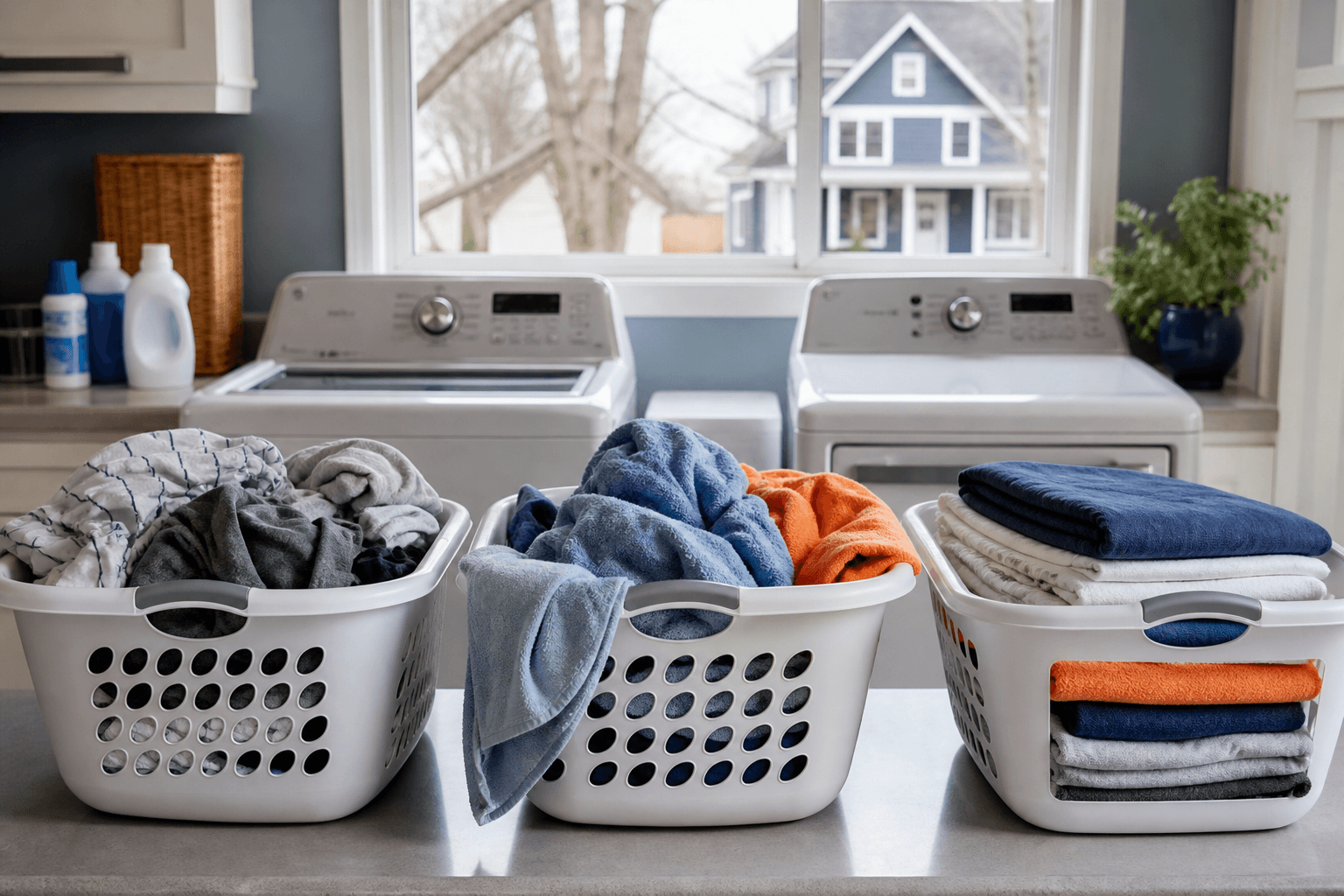
Pre-sorted hampers make this much easier. Keep separate containers for lights, darks, and heavily soiled items. If you have activewear or work uniforms that carry strong odor, give them their own space too. This setup cuts sorting time and helps you avoid mixing items that need different wash settings. A smart hamper system is one of the best low-effort upgrades you can make.
Create a designated stain-treatment area at home. It can be as simple as a shelf near the washer with detergent, stain remover, and a small brush. If the tools are easy to reach, you are more likely to use them as soon as stains happen. Quick treatment beats delayed treatment almost every time.
Wash high-odor items separately whenever possible. Gym clothes, damp towels, and work gear often need stronger attention than office wear or lightly used pajamas. Combining everything can spread odor and lower results across the full load. Separate these categories and your everyday laundry will come out smelling cleaner.
Air-drying sensitive fabrics is another habit worth keeping. Heat is hard on stretchy materials, lightweight tops, bras, and items that shrink easily. A drying rack or hanger can prevent damage and extend garment life. Over time, fewer ruined clothes means less replacement spending. That is a simple, practical savings strategy.
Consistency is what makes routines pay off. You do not need a perfect system. You need a system you can repeat. Once your routine fits your home, your machine, and your schedule, laundry stops feeling random. It becomes more predictable, less expensive, and much easier to manage.
Why Laundry Hacks Fail and How to Avoid It
Most failed laundry hacks are not bad ideas. They are good ideas used in the wrong way. People often assume a tip did not work because the advice was weak, when the real issue was misuse. A small adjustment in timing, quantity, or load setup can completely change the result.
Overusing detergent is one of the biggest reasons hacks fail. If clothes still smell bad after washing, many people add even more soap next time. That usually makes the buildup worse. Extra detergent can trap grime and odor in fabric, especially in synthetic clothes and high-efficiency machines. The fix is often less soap, not more.
Overloading machines causes another common failure. Clothes need room for water and detergent to move through them. If the drum is packed too tightly, the washer cannot clean evenly and the dryer cannot dry well. People overload to save a trip, but that shortcut often leads to rewashing, which defeats the whole point. Give the load some space.
Ignoring care labels is another expensive mistake. A hack that works on cotton may damage rayon or wool. A high-heat dryer setting that is fine for towels can ruin a fitted shirt or pair of leggings. Care labels may seem easy to ignore, but they are one of the fastest ways to avoid shrinkage, fading, and fabric damage.
Applying heat too early is a stain disaster. If you dry a garment before checking the spot, you may lock the stain in for good. This is especially true for protein marks and many mystery stains. Always inspect the item after washing and before machine drying. That habit takes seconds and can save a shirt you actually like.
Mixing incompatible fabrics in one load also leads to weak results. Heavy jeans and soft tees do not need the same treatment. Delicates should not tumble around with rough towels. Even if everything technically survives, the cleaning quality often drops. Better grouping leads to better washing and longer-lasting clothes.
If a laundry hack fails, do not assume hacks are useless. Look at the setup. Was the stain treated fast enough? Was the detergent amount right? Was the machine overloaded? In many cases, the method was fine, but the execution needed work. That is good news because execution is easier to fix than buying a whole new laundry system.
Pro-Level Fabric Care Tips That Extend Clothing Life
Cleaner clothes matter, but longer-lasting clothes matter too. Good laundry habits should remove soil without beating up the fabric. If your shirts fade after a few washes or your leggings lose shape in a month, the wash process needs attention. Smarter fabric care saves money because you replace items less often.
Cold water is one of the easiest ways to protect color and reduce wear. Many modern detergents work well in cold water for everyday loads. Cold settings are gentler on fabric, lower the risk of shrinkage, and help dark colors stay rich. For routine washing, cold is often the safest default.
Oxygen-based cleaners are useful for stain removal and brightening without the harshness of chlorine bleach in many situations. They can help lift dinginess while being safer for a wider range of fabrics and colors. If you want a versatile add-on for tough laundry days, this category is often more flexible than reaching for bleach right away.
Bleach still has a place, but only when the fabric and label allow it. Using bleach on the wrong item can weaken fibers, strip color, or leave uneven marks. Keep it for appropriate whites or specific care cases instead of treating it like a universal fix. Strong products need careful use.
Synthetic fabrics should usually be dried on low heat. High temperatures can wear them out faster, break down stretch, and trap in odor if residue is already present. Activewear, leggings, and many performance tops last longer when washed with attention and dried gently. That matters if you wear these items several times a week.
Good fabric care is a long-term savings habit. Every shirt that keeps its shape, every hoodie that stays soft, and every pair of jeans that holds color reduces the need for replacement. Laundry is not just about getting through this week. It is also about making the clothes you already own stay useful for longer.
Quick Answers to Fairmount Laundry Questions
The fastest way to remove a stain is to act immediately and match the treatment to the stain type. Cold water works best as a safe first step for many marks, especially if you are not sure what caused the stain. Then use a simple treatment that fits the problem instead of throwing multiple products at it. Speed beats complication.
Pods and liquid detergent can both work well. The bigger issue is dose accuracy. If you regularly use too much liquid, pods may help control the amount. If you need more flexibility for tiny or oversized loads, liquid can be easier to adjust. The winner is the one you use correctly.
To stop musty smells, dry clothes promptly and avoid overloading the washer. Mustiness often starts with trapped moisture and poor airflow, then gets worse when clothes sit too long in the drum. Better spacing, faster drying, and a cleaner washer all help. Odor prevention is mostly about timing and airflow.
If the washer smells bad, clean the drum, detergent drawer, and seals regularly. Front-loaders need extra attention around the door seal because moisture can linger there. Leave the door open after a cycle when possible. A smelly machine will eventually affect your clothes, so machine care is part of fabric care.
Wash-and-fold can absolutely be worth it for people who want time savings and consistent results. If laundry keeps piling up or your schedule leaves little room for sorting and folding, handing off weekly loads can be a smart choice. For many households in the area, Fresh Spin Laundry makes that option practical and convenient.
Smarter Laundry Starts with Simple, Repeatable Habits
The best Fairmount laundry hacks are the ones you can actually repeat. Sort by soil level, treat stains fast, use the right detergent amount, choose settings that fit the fabric, and keep your machine clean. These habits are not flashy, but they are effective, and they work across real life in Fairmount and Independence.
Start with one or two changes this week. Maybe that means separating gym clothes from everyday wear, cutting back on detergent, or setting up a stain station at home. Small improvements add up quickly. If your home setup is limited or you want a faster path to cleaner clothes, Fresh Spin Laundry offers a helpful local option in Independence, MO. Better laundry is possible with the right habits and the right support.