
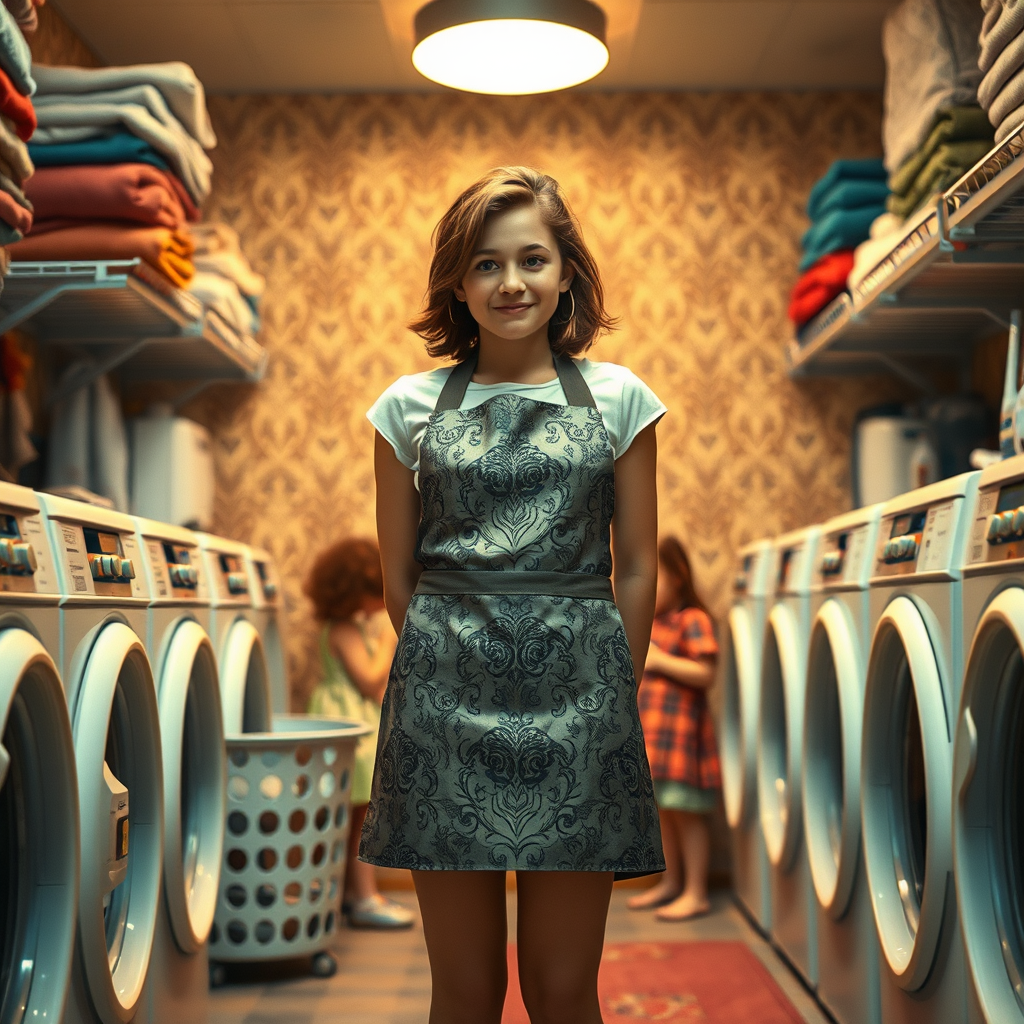
In a household of 10 to 13 people, laundry stops being a background chore and starts acting like a second job, with stained shirts, full hampers, and missing socks piling up faster than any one parent can manage. Independence laundry changes that pattern by turning laundry from a parent-controlled scramble into a shared, daily system where even young kids contribute, and support from Fresh Spin Laundry helps the whole routine stay steady during busy weeks.
Key Takeaways
- Large families do better with daily laundry instead of marathon wash days.
- An independence system gives each family member ownership of their clothes.
- Stopping most folding saves major time and lowers frustration.
- Simple baskets, clear roles, and repeatable routines matter more than fancy products.
- Fresh Spin Laundry can handle overflow, bedding, or burnout weeks without breaking the system.
The Laundry Breaking Point: Why Big Households Need a Smarter System
Big families hit a point where the old method stops working. One parent tries to keep up. Another adult jumps in when they can. Kids toss dirty clothes into random corners. Then a school event, sports practice, or a sick day pushes everything over the edge. Soon there are piles on floors, half-washed loads in machines, and clean clothes mixed with dirty ones. That is the breaking point many large households know too well.
A family with 10, 11, 12, or 13 people produces an intense amount of laundry every day. Shirts get stained at meals. Socks vanish into shared bedrooms. Towels pile up. Bedding needs attention. Sports uniforms come home damp and sour. Baby clothes, postpartum recovery laundry, and bedwetting accidents can add several extra loads in one day. If the household still relies on one adult doing everything, the system starts failing fast.
The hidden cost of “I’ll do it later” laundry is bigger than most people expect. Delayed loads often need re-washing because they sat too long in the washer or got mixed back into dirty piles. Lost items create stress and extra spending. Parents feel burned out because they are carrying a job that never fully ends. Mental clutter grows too. It is hard to feel calm in your own home when every hallway looks like a laundry station gone wrong.
That is why many large families are shifting away from parent-controlled laundry and building self-sufficient systems instead. In these homes, the goal is no longer “Mom keeps everyone in clean clothes somehow.” The new goal is “the household runs a simple system every day.” This shift changes everything. Laundry stops being one person’s never-ending burden and becomes a shared routine that keeps clothes moving.
Fresh Spin Laundry fits into this new approach as a support layer, not a replacement for responsibility. Families still use their own routines and baskets, but they get relief when life spikes. Overflow weeks, bedding backups, sports-heavy seasons, and burnout periods become much easier to handle when there is a dependable extra option. Support matters most when a system is already in place and just needs help staying consistent.
What Independence Laundry Actually Looks Like in Practice
Independence laundry means each family member manages their own laundry lifecycle as early as they reasonably can, often starting around age five for basic tasks. Parents still teach, supervise, and handle special items, but they stop carrying every shirt, sock, and pajama set through each step alone. Instead, each person learns to collect, wash, dry, sort, and put away their own clothing within a simple household routine.
This system does not expect perfection from young kids. It expects participation. A three-year-old can move clothes from a basket to the washer with help. A five-year-old can learn start buttons, soap amounts, and where clean clothes go. Older children can run full loads, keep track of baskets, and mentor younger siblings. Adults move from “doing all the labor” to “overseeing the process.” That difference saves a huge amount of time and mental energy.
Several changes happen right away when a family starts using this method. First, laundry becomes a daily activity instead of a giant weekly event. That means there is less buildup, fewer forgotten items, and lower stress. Second, kids stop being passive mess makers and start becoming contributors. They see how many clothes they use, what happens when they leave wet towels on the floor, and why laundry has to keep moving.
Another immediate benefit is circulation. Clean clothes are available more often because the system keeps loads moving every day. Families stop hitting emergency moments where nobody can find uniforms, pajamas, or matching socks. There is less need to dig through baskets or rewear questionable items because the routine prevents giant bottlenecks.
Support still has a place in a self-sufficient setup. During overloaded weeks, families can use wash and fold service as a backup or even a full-service reset. That option works especially well when the home system is solid but real life gets crowded. Independence does not mean refusing help. It means building a routine that can stand on its own and using outside help strategically when needed.
The 3 Non-Negotiable Rules That Keep Laundry From Exploding
Every successful independence laundry system rests on a few simple rules. These rules matter because large families do not have room for vague expectations. If laundry depends on moods, memory, or random bursts of motivation, the piles come back. A good system stays simple, repeatable, and easy to follow even on chaotic days.
The first rule is this: laundry happens daily, not weekly. For a large household, 1 to 2 or more loads each day is easier than a mountain of laundry every Saturday. Daily washing prevents buildup. It keeps stains from setting. It also keeps kids in the rhythm of handling their own items. Post-meal or evening routines work best because they connect laundry to something the family already does every day.
The second rule is simplified sorting. Many big families use a no-sort approach because modern fabrics can usually handle mixed daily loads. Others keep sorting minimal with just three categories like whites, colors, and delicates. Either option cuts decision fatigue. If every sock requires a conference and every shirt needs a separate hamper, the process slows down and people avoid it.
The third rule is that everyone owns their clothes. Kids wash, dry, and put away their own basics. Older and younger siblings can work in pairs to keep the system moving. Adults focus on specialty loads such as baby items, towels, bedding, or delicate pieces. This rule is the one that truly changes family life because it shifts responsibility to the people creating the laundry in the first place.
During intense weeks, even a strong routine may need support. Overflow does not mean failure. It means the volume outgrew the home setup for a moment. That is where Fresh Spin Laundry helps absorb pressure so the whole system does not collapse under temporary demand.
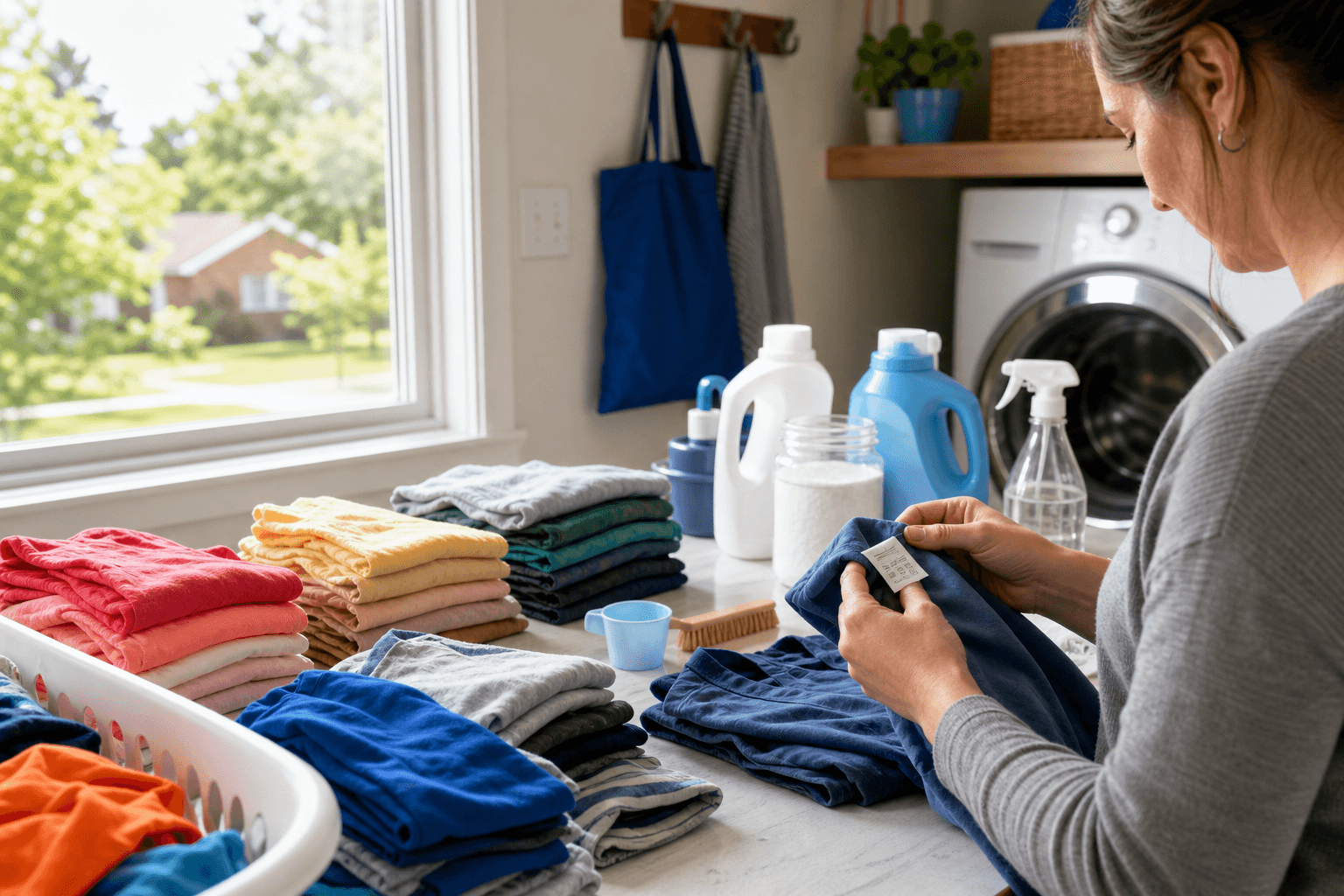
The Daily Independence Laundry Flow: A Real Family Routine
A good laundry system works because it follows the same rhythm every day. Large families do best with a routine that requires very few decisions. If everyone knows what happens in the evening, who starts loads, where baskets go, and when clothes are put away, the process starts to feel automatic instead of exhausting.
Evening is often the easiest time for collection. Clothes come out of bedrooms, bathrooms, or hallway corners and move into central bins. Some homes use room hampers. Others use shared hallway piles. A family with limited space may keep only 2 or 3 large hampers in one central spot. The goal is not perfect appearance. The goal is collection without chaos.
After that, the wash-and-dry rhythm begins. Loads are often started after dinner or once the household settles. One person starts a load. Another switches it. Another clears the dryer. Continuous rotation matters because sitting laundry becomes tomorrow’s problem fast. A daily rhythm works best when it is tied to existing habits like dishes, homework, or bedtime prep.
The sorting stage should take around 10 minutes, not an hour. That speed is possible when the family uses individual baskets for each child. Clean clothes are placed directly into the right basket. Only essentials like underwear and socks may get folded. Everything else goes in as-is. This method sounds almost too simple, but it works because it removes the biggest time drain.
Then comes the put-away habit. Each child grabs their basket and returns items to drawers, bins, or shelves. The best time is during a predictable routine, usually before bed or after daily chores. Repetition turns this into normal life. Parents no longer chase people around the house with stacks of shirts. Instead, they make sure the system itself stays active.
The Secret Weapon: Stop Folding
For many large families, the biggest time loss is not washing or drying. It is folding. Folding turns a manageable laundry system into a long, frustrating session where one adult sits in front of baskets trying to make every item look neat. Then kids undo that effort in five seconds while searching for one shirt. If the goal is function, most folding simply is not worth the labor.
Young kids rarely maintain carefully folded drawers. They dig. They mix. They pull everything apart. That means hours of folding often disappear by the next morning. A large family has to ask a practical question: does this task improve life enough to justify the time? In many homes, the answer is no. A no-fold or low-fold approach creates much more efficiency.
The replacement system is straightforward. Use pre-sorted baskets. Give each child designated drawers or bins by category. For example, one drawer for shirts, one for pants, one for pajamas, and one for underwear and socks. If categories are clear, clothes do not need to be folded beautifully to remain useful. Kids can still find what they need, and the family gets a faster path from dryer to dresser.
There are a few exceptions. Underwear, socks, school uniforms, and some work clothes may still need a little structure. That is fine. The goal is not “never fold anything.” The goal is to stop folding items that do not need it. That single change can cut laundry time dramatically and make the entire system easier to maintain for months instead of days.
Parents often feel guilty the first time they stop folding. Yet clean, sorted, accessible clothes are what matter most. A home that runs smoothly beats a home where one person is buried under neat stacks. In a big family, function wins. Practical systems last longer than ideal-looking ones.
Systems That Actually Work and When to Use Them
There is no single laundry structure that fits every large household. Space, family size, bedroom sharing, age ranges, and machine capacity all affect what works best. The strongest approach is the one your family can actually repeat. Here are the most common systems and the kind of home each one serves best.
First is the per-person hamper system. Each child has their own hamper and their own clean basket. This setup gives clear visual ownership. If a hamper is full, that child knows it is time to run a load or join the family laundry rotation. This method works well for families with enough space for multiple containers and enough maturity among kids to track their own laundry.
Second is the room-based basket system. Instead of one hamper per child, the family keeps one hamper per bedroom or shared space. That is useful when siblings share rooms or square footage is tight. Laundry is gathered by room, then processed and sorted into personal baskets after washing. This lowers the number of bins in the house while still keeping a sense of structure.
Third is the daily all-in system. Everything gets washed together in steady daily loads with little or no sorting. This is often the best match for households with 10 or more people because the volume is high enough that separating every category may create more work than it saves. The key is strong basket sorting at the end. You may mix in the washer, but you still need a clean and reliable distribution step.
A fourth option is the hybrid system. Families use home routines for daily maintenance, then send bulk items like towels, bedding, or overflow loads to Fresh Spin Laundry. This approach shines during sports seasons, newborn months, postpartum recovery, school transitions, or burnout weeks. It protects the home system from collapse and keeps people from returning to total laundry chaos.
Some families also rely on a local self-serve laundromat for heavy-volume catch-up days. That can be a smart move if home machines are small or if several comforters and towel loads need attention at once. The main idea is simple: pick the structure that matches your household, then keep it easy enough that everyone can stick with it.
Tools That Make Independence Laundry Actually Work
A strong system depends more on setup than motivation. If dirty clothes have no clear home, clean clothes have nowhere to land, and supplies are hard to reach, people stop participating. Good tools remove friction. They make laundry feel possible even on low-energy days.
Start with the must-have setup. Most large families benefit from tall central hampers for dirty laundry and smaller personal baskets labeled for each child. A staging shelf or table near the dryer also helps because it gives clean clothes a place to be sorted without taking over the whole room. Labels matter more than fancy design. Kids respond well when the system is visually clear.
Machine capacity also plays a major role. A high-capacity washer and dryer reduce the number of cycles needed each day. Fewer cycles mean fewer chances for forgotten wet loads or unfinished piles. If your family has delicates, sports items, or clothes that shrink easily, keep one air-dry rack nearby. That adds flexibility without making the process harder. The right appliances can lower stress in a big way.
You do not need expensive products to build a functional setup. Dollar-store baskets work fine. Shared hallway piles can replace multiple hampers in a small home. Tape labels, color-coded bins, and simple drawer categories often do more for consistency than premium storage systems. A family should spend money where it saves effort, not where it looks impressive. Affordable tools are usually enough.
There is also a point where upgrading to outside support makes sense. If home machines cannot keep up, if your time is more valuable than the money saved by doing every load yourself, or if daily consistency keeps falling apart, it may be time for Fresh Spin Laundry support. The smartest families do not wait until they are overwhelmed. They notice when the system needs a boost and act early.
If questions come up about service details, turnaround, or what kind of support fits your routine, the laundry FAQ can help clarify options before you commit. Clear expectations make support easier to use well.
Training Kids Without the Power Struggle
Many parents assume laundry independence has to begin later, but young kids can start much earlier than expected. A toddler can help move clothes. A preschooler can match socks or carry a basket. By age five, many kids can learn major steps of the process with supervision. The goal is gradual skill-building, not instant mastery.
One of the best ways to avoid conflict is to make laundry automatic instead of optional. If laundry happens only when someone “feels like it,” kids treat it as negotiable. If it is attached to regular routines, it becomes part of home life. For example, a child may bring their basket after dinner, switch a load before brushing teeth, or put away clean clothes before screen time. Consistency lowers resistance.
Team pairing helps too. Older children can mentor younger ones. That creates accountability without making parents supervise every tiny step. A ten-year-old can teach a six-year-old where detergent goes or how to separate towels from clothes. Mentoring also helps older kids feel capable instead of simply burdened. Shared responsibility builds confidence and keeps the system moving.
Quick wins matter when building cooperation. Group sorting sessions can turn a boring task into a fast team activity. Younger children can take on small jobs like towel duty, sock matching, or carrying dry clothes to the right room. These jobs seem minor, but they teach the pattern of participation. Kids are much more likely to keep helping when they experience regular success.
Language matters as well. Avoid turning laundry into a dramatic speech or constant argument. Keep instructions short. Repeat the same expectations. Praise follow-through more than perfection. A child who learns “I handle my clothes every day” gains a useful life habit that reaches far beyond the laundry room. The process builds real independence.
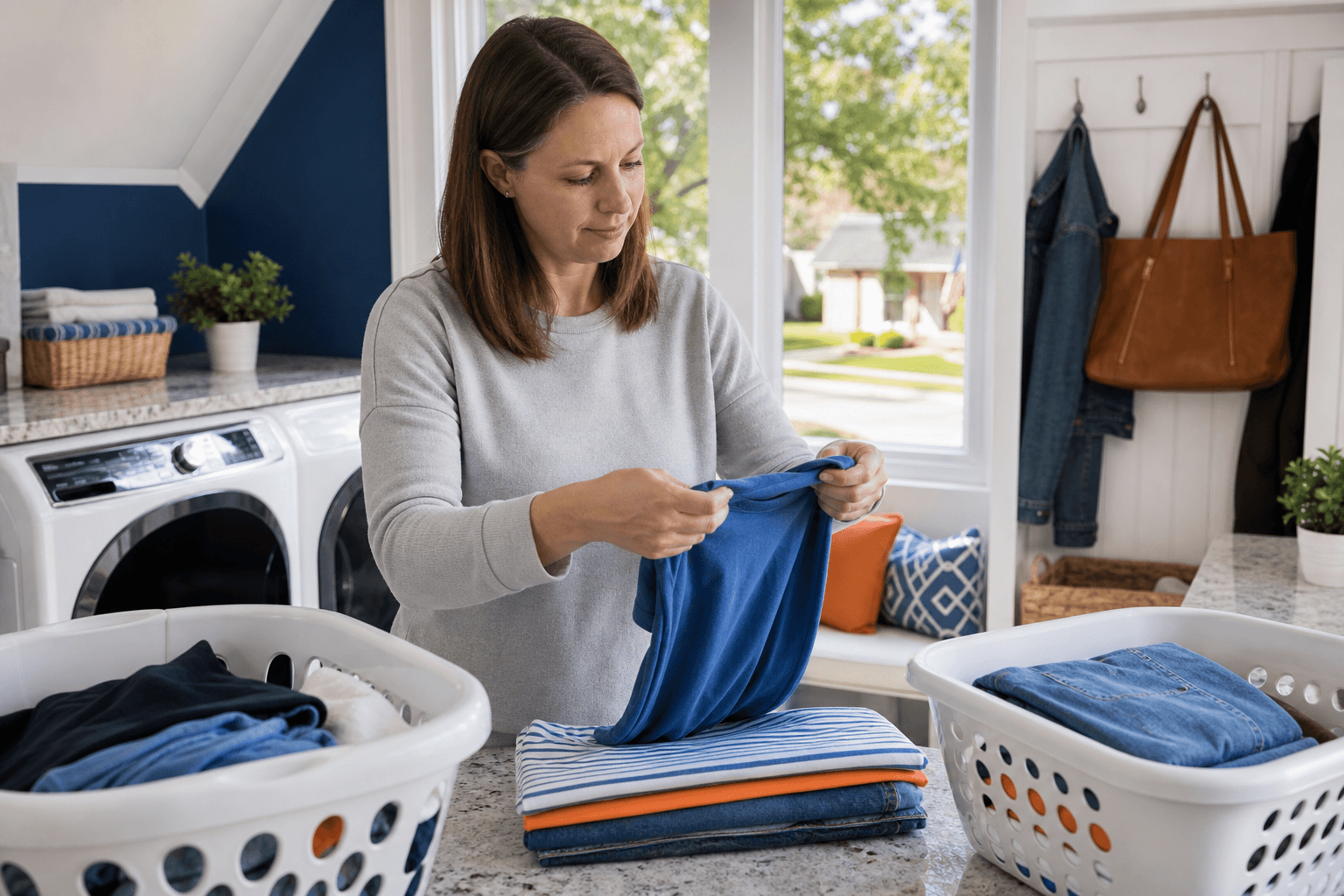
Handling Real-Life Complications Without Breaking the System
No household runs under perfect conditions. Large families deal with sports gear, muddy clothes, bedwetting, sick days, newborn laundry, postpartum recovery, and surprise schedule changes. A good laundry system does not pretend these problems do not exist. It includes simple responses that keep the routine from falling apart.
High-demand situations work best with category-based daily loads. Sports clothes may become their own evening load. Bedding accidents may move straight into the washer instead of waiting. Towels may be assigned to one set day plus one overflow load as needed. This prevents specialty items from swallowing the whole system. Instead of one giant pile, the family handles intense categories with purpose.
Growth in family size often forces a system change. What worked for six people may fail for ten. A room-based method can become too messy as shared bedrooms get fuller. At that point, switching to a centralized daily system often helps. Central bins, repeated cycles, and personal clean baskets create more control when overall volume rises. The system should grow with the family.
Limited space does not mean you cannot run independence laundry. It means your setup has to stay lean. Hallway piles can replace bulky hampers. Shared baskets can do the work of multiple containers. Clean clothes can be sorted on a table, bed, or dryer top if there is no formal laundry station. Tight homes need fewer objects and stronger routines. Space-saving beats clutter every time.
Resistance from kids is common at first. That is where routine consistency and partner systems matter most. Keep expectations simple. Use the same steps every day. Pair a reluctant child with an older sibling who already understands the flow. Avoid adding too many rules at once. People resist systems that feel confusing or random. They adjust much faster to systems that are predictable.
There are also weeks when the volume simply gets too high. A family may be sick, overloaded with events, or mentally drained. In those moments, bringing in Fresh Spin Laundry acts like a pressure-release valve. It protects the household from burnout while keeping the overall structure in place. That kind of support is not an admission of failure. It is a smart way to keep a working system healthy.
Measuring Success: What Changes When the System Is Working
A good laundry system has visible signs of progress. Hampers are rarely overflowing. Clean clothes are usually available. Nobody is digging through mystery piles looking for one clean shirt at 7 a.m. The home feels less clogged by fabric and unfinished chores. These small shifts create a surprising amount of calm.
Time changes too. Instead of losing hours to a giant weekly laundry session, families spend a few minutes each day on predictable tasks. Laundry becomes maintenance rather than crisis control. That difference matters because daily tasks are easier to absorb into regular life. Weekly mountains create dread. Daily motion creates momentum.
Another sign of success is skill growth in children. They learn how clothes move through a home. They begin to connect personal choices with household labor. A teen who can wash, dry, and put away their own clothes is gaining a practical life skill that will matter in college, shared housing, or future family life. Responsibility becomes normal instead of theoretical.
Parents often notice a mental shift as well. They stop carrying every detail in their heads. They no longer feel solely responsible for whether everyone has socks, pajamas, and uniforms. Oversight replaces constant hands-on labor. That creates more time, more energy, and better clarity across the whole household.
According to 7 Sisters Care, laundry support can help people living independently maintain cleanliness and consistency at home. While that source speaks about independent living in a different context, the basic lesson still fits large families: a reliable laundry routine supports daily function, lowers stress, and frees energy for other parts of life. In a busy household, that kind of stability matters a lot.
Your 7-Day Reset Plan to Build an Independence Laundry System
If your current routine feels chaotic, do not try to fix everything in one afternoon. A short reset works better. Seven focused days can build a simple, repeatable structure without overwhelming the family. The point is to create a working baseline, then improve from there.
Day 1 is for gathering baskets and choosing your system. Decide whether you will use per-person hampers, room-based collection, or a centralized daily setup. Do not overthink it. Pick the model that fits your space and family size best. Label baskets clearly so everyone can see where dirty and clean clothes belong. Clarity on day one prevents confusion later.
Day 2 is for assigning roles or partners. Pair older kids with younger ones if needed. Decide who starts loads, who switches machines, who sorts, and who handles special categories like towels. Keep roles simple enough that they can be repeated every day. The system gets stronger when each person has one clear job.
Day 3 is where daily loads begin. No skipping. Even if the first few loads feel messy, keep the rhythm going. Starting daily is more important than perfect execution. This is how the family learns that laundry is now a regular habit rather than a once-a-week emergency. Momentum starts here.
Day 4 is the day to cut folding down to essentials. Fold only what truly needs it. Put the rest directly into baskets or bins by category. This one choice often creates the biggest time savings right away. It also makes the process easier for kids to maintain without adult rescue. Speed matters more than picture-perfect drawers.
Day 5 is training day. Teach children the full cycle at the level they can manage. Show them detergent amounts, machine settings, basket flow, and where clean clothes go. Let them practice instead of just watching. Skill grows faster through action than through repeated lectures. Build confidence through repetition.
Day 6 is for problem areas. Maybe sports uniforms need their own routine. Maybe towels are taking over. Maybe one child keeps forgetting to put away clean clothes. Adjust the system where it breaks. Good routines are flexible enough to handle real family patterns. Focus on the biggest bottlenecks first.
Day 7 is evaluation day. Ask what worked, what felt confusing, and where support would help most. This is the perfect time to decide whether Fresh Spin Laundry should handle overflow, bedding, or heavy-volume weeks. A one-week reset gives you real information about what your family can sustain. From there, you refine the system instead of starting over. That is how lasting change happens.
Independence First, Support When You Need It
Large-family laundry gets easier when the goal shifts from “one parent does everything” to “the household runs a repeatable system.” That shift changes chores into routines, chaos into flow, and dependence into shared responsibility. Independence laundry works because it respects the actual volume of a big household instead of pretending one person can carry it forever.
The strongest systems stay simple. Laundry happens daily. Sorting stays minimal. Everyone owns their own clothes. Folding gets cut back. Baskets do the heavy lifting. Kids learn early. Parents supervise instead of drowning in every step. Those practices keep clothes moving and stop piles from gaining power over the whole home.
Fresh Spin Laundry makes this structure easier to maintain by removing pressure when demand spikes. Overflow, bedding, sports loads, burnout weeks, and machine limitations do not have to destroy the routine. With the right support layer, families can keep their independence system steady without trying to prove they can do every single load alone. That is a smarter kind of self-sufficiency.
Start by auditing your current setup today. Set up baskets. Assign responsibilities. Try a daily routine for one week. If the volume still feels too heavy, bring in Fresh Spin Laundry to help carry the extra load while your family keeps building lasting independence.