
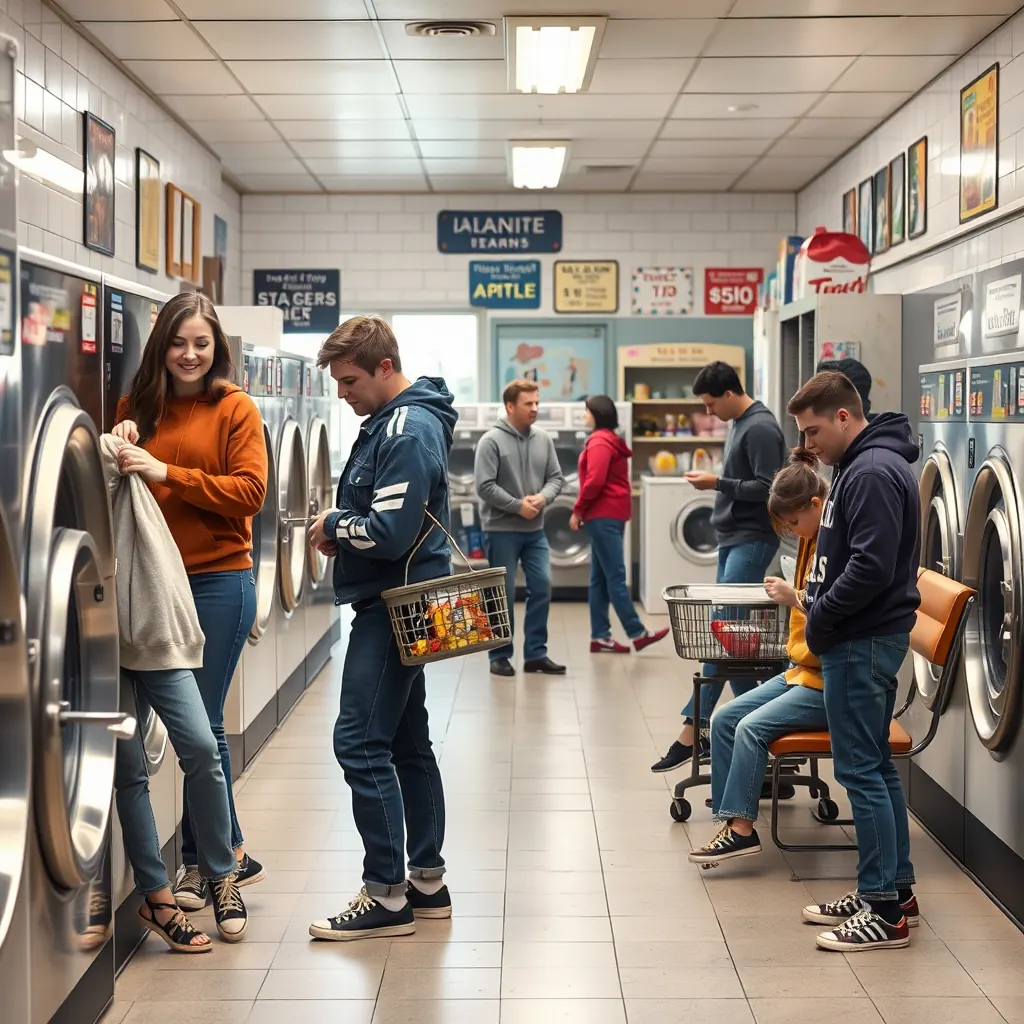
Pink whites, shrunken sweaters, and stiff towels are almost a rite of passage for anyone learning to care for clothes on their own, but they do not have to stay part of your routine. Mastering independent laundry starts with a simple system built on care labels, smart sorting, correct wash settings, and a few pro habits that Fresh Spin Laundry uses to protect fabrics, save money, and take the guesswork out of every load.
Key Takeaways
- Check care labels before every load to avoid fast, preventable damage.
- Sort by color, fabric, and soil level for cleaner clothes and fewer mistakes.
- Use the right cycle, water temperature, and detergent amount every time.
- Dry with care; air-drying and low heat protect fit, color, and elasticity.
- A repeatable routine builds confidence, saves money, and keeps clothes looking better longer.
Why Laundry Skills Matter More Than Most People Realize
Laundry looks simple until a favorite shirt fades, a sweater shrinks, or a white load turns pink. Those mistakes feel small in the moment, but they add up in cost, frustration, and wasted time. Learning to wash clothes well means you replace items less often, spend less on emergency fixes, and stop treating clothing care like a gamble.
Independent laundry is also a real life skill. Students, young professionals, roommates, and anyone living alone benefit from having a repeatable routine they can trust. Good habits create consistency. Better consistency creates cleaner clothes, better-smelling towels, and fewer ruined pieces.
Fresh Spin Laundry frames this the smart way: you can either learn a dependable system or hand the job to professionals when time or fabric type makes home care a poor fit. That idea matters because the goal is not perfection on day one. The goal is control. Once you know what to sort, what to wash, and what to air-dry, laundry stops feeling random.
The core promise of a strong laundry routine is simple. It should be easy to repeat, gentle on fabrics, and clear enough that you do not have to guess every week. If you want a backup option while building those habits, a self-serve laundromat can make larger or more frequent loads easier to manage.
The First Rule: Check the Care Label Before Anything Else
The most skipped step in beginner laundry is also the most important one. Always check the care label first. Before you sort by color, before you choose a cycle, and before you toss something in the dryer, look at the tag.
Care labels tell you the limits of a garment. They show whether an item can be machine washed, whether it needs cold water, whether it should stay out of the dryer, and whether bleach is safe. Ignoring those symbols is the fastest path to shrinkage, fading, warped fabric, and damage that cannot be fixed.
Professional laundry services use label-first sorting as a baseline standard. Fresh Spin Laundry treats this as the starting point, not an extra step. That matters because a dark cotton hoodie and a wool sweater may look equally washable at a glance, but the labels often say otherwise.
Build this habit early. Take five seconds with each unfamiliar item. Once you do it often enough, you will start spotting fabric needs almost automatically. That small pause protects your clothes far better than any expensive detergent ever will.
Decode Before You Load: The Laundry Symbols You Actually Need
Laundry tags can look like tiny puzzles, but you do not need to memorize every symbol to get strong results. A few key icons cover most of what you will wash each week. Learn those first, and the rest becomes much easier.
Start with the washing tub icon. This symbol tells you whether an item is machine washable, hand wash only, or should not be washed at home at all. A hand in the tub means hand wash only. A plain tub usually means machine wash is fine. If the symbol indicates do not wash, stop there and follow the alternative care instructions.
Temperature dots are another must-know detail. They give you quick guidance on safe water heat. Use this simple breakdown:
- 1 dot = cold, 65–85°F
- 2 dots = warm, up to 105°F
- 3 dots = hot, 120–140°F max
Drying symbols matter just as much because many laundry disasters happen after the wash. A square with a circle refers to dryer settings. If a garment shows that symbol, check for added marks that suggest lower heat or other limits. If the label warns against machine drying, air-dry instead.
You may also see a twisted cloth symbol. That means do not wring the item. Wringing can stretch fibers, twist seams, and damage shape, especially on wool, knits, silk, and other fragile materials. Gentle pressing is safer.
Bleach and iron symbols deserve quick attention too. If the label limits bleach, skip it. If the iron icon shows low heat, believe it. High heat can leave shine marks, scorch fabric, or flatten texture in ways that are hard to reverse.
The best way to use labels is to read them in plain language. Ask yourself a few fast questions: Can I machine wash this? What temperature is safe? Can it go in the dryer? Does it need low heat or air-drying? That short label check keeps your routine simple and your wardrobe in better shape.
How Often You Should Really Wash Your Clothes
Many beginners swing between two extremes. They either wash everything after one wear or let laundry pile up until nothing smells clean anymore. A better system is based on fabric, sweat level, and how close an item sits to your skin.
Some clothes should be washed after every wear. These items collect sweat, oil, and odor quickly, so regular washing is basic care. Put these in the every-wear category:
- Socks
- Underwear
- T-shirts
- Workout gear
- Swimsuits
Bras often fit here too, though they benefit from rest days between wears to preserve elasticity. Rotating bras helps the band recover and reduces wear.
Other items can often go 2 to 3 wears before washing, especially if they are not visibly dirty and have no odor. This group usually includes jeans, towels, dress shirts, and sweatpants. Jeans in particular last longer if you spot clean small marks instead of washing after every use.
A few pieces need occasional care rather than frequent washing. Suits often do well with cleaning every 3 to 5 wears, depending on climate and activity. Coats usually need seasonal cleaning. Bed sheets should usually be washed every 2 weeks, or more often if you sweat heavily or have allergies.
Wash timing affects water use, energy use, and fabric wear. Fresh Spin Laundry recommends aiming for full loads whenever possible because that improves efficiency and lowers cost. Full does not mean packed tight. It means enough items to make the cycle worthwhile while still giving clothes room to move.
Sorting Like a Professional Instead of a Beginner
Sorting is where average laundry becomes good laundry. If you throw everything together, you increase the chances of color transfer, lint buildup, uneven washing, and fabric damage. A solid sorting routine does not take long, and it changes your results right away.
The most useful system is a three-way sort. Separate clothes by color, by fabric weight, and by soil level. That sounds like a lot, but it becomes natural after a few loads.
Start with color groups. A practical setup looks like this:
- Whites
- Lights
- Darks
- Brights
This first split helps prevent bleeding. Red socks with white tees are a classic mistake for a reason. Even one highly saturated item can affect a whole load.
Next, sort by fabric type. Delicates should stay away from heavy items like towels and denim. Thick fabrics create more friction, hold more water, and dry differently. Mixing them with lighter items can lead to stretching, snagging, and uneven cleaning. Keep delicates apart from heavy-duty loads whenever you can.
Then separate by soil level. Lightly worn clothing does not need the same treatment as muddy jeans, sweaty gym wear, or kitchen towels. Washing heavily soiled items with cleaner clothes can spread odor and grime around the machine. It can also make you choose a stronger cycle than your lighter items really need.
A few small adjustments make sorting even better. Turn jeans inside out to reduce fading. Zip zippers and button garments so they hold their shape and avoid snagging other pieces. Use mesh bags for delicates. These habits protect fabric and keep loads more predictable.
If your current setup makes sorting annoying, change the setup. Use multiple hampers, divided baskets, or laundry bags so you pre-sort as you go. Fresh Spin Laundry uses a pre-sorting system as part of its process, and you can copy that at home with very little effort. The less sorting you leave for laundry day, the easier it is to stay consistent.
The Fresh Spin Step-by-Step Laundry System
A good laundry routine should feel repeatable, not random. The Fresh Spin approach works because it breaks the task into a few clear actions that protect clothes and improve cleaning. Follow the same order every time, and you remove a lot of common mistakes before they happen.
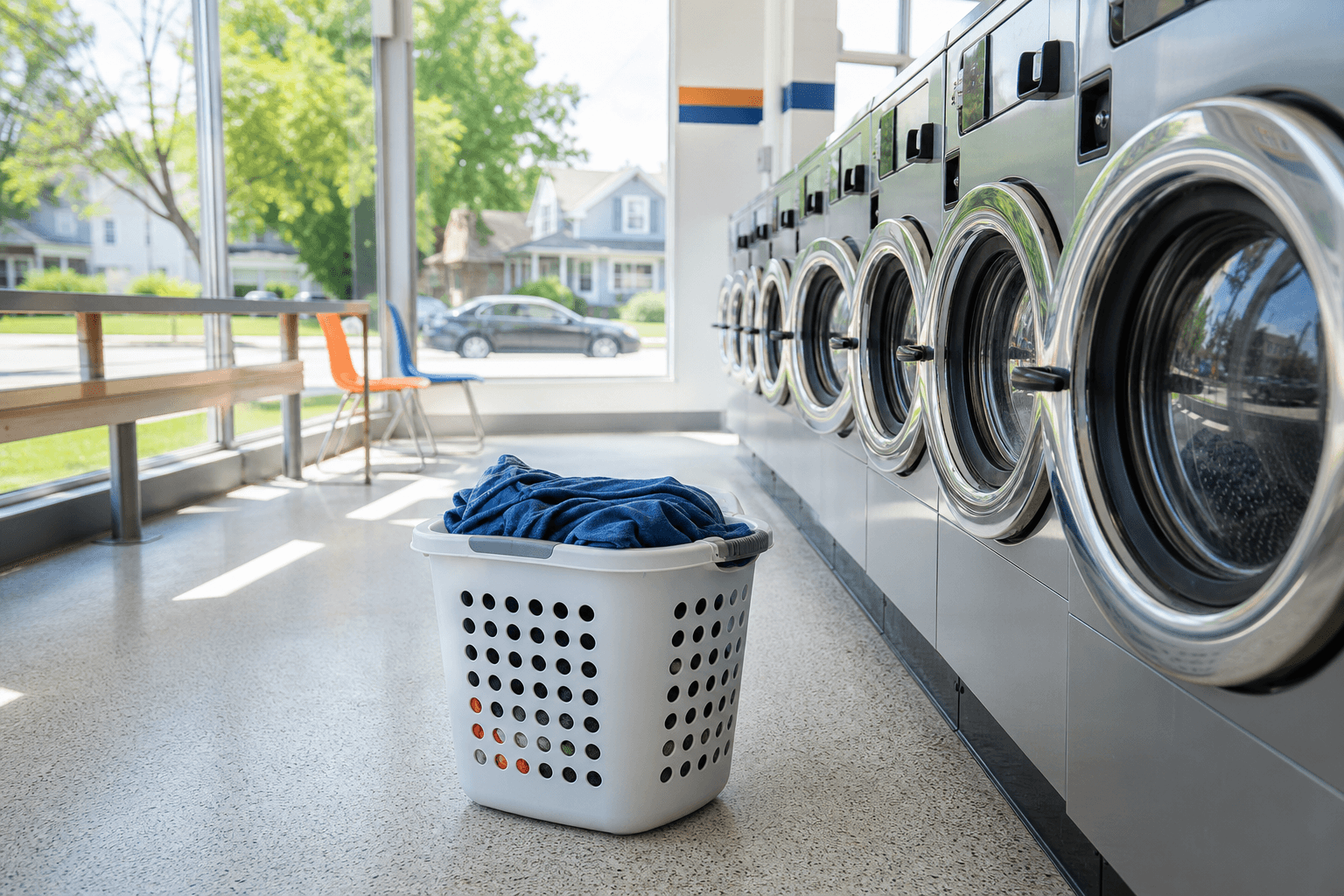
Here is the big picture. You will pre-treat stains, prep garments, load the washer correctly, choose the right cycle and water temperature, and move clothes out quickly once the wash ends. Each step matters because laundry works best as a system, not a series of guesses.
Step 1: Pre-Treat Stains and Prep Every Garment
Stains are easier to remove when you act fast. Letting them sit for days gives them more time to set into the fibers. The best habit is simple: treat stains as soon as you notice them, then let the treatment sit for about 15 minutes before washing.
Different stains respond to different methods. Grease, blood, and grass do not behave the same way, so it helps to match the treatment to the stain type. Even if you do not know the perfect stain formula, doing something early is better than doing nothing. Speed is a huge part of stain care.
Before anything goes into the washer, run through a quick prep checklist:
- Empty pockets
- Zip zippers
- Button garments that need shape support
- Use mesh bags for delicates
- Turn delicate items inside out
Emptying pockets protects both clothes and machines. A tissue can leave lint everywhere. Coins can bang around. Pens can leak. Lip balm can melt. This one-minute check prevents a surprising amount of mess.
Zippers and buttons matter too. Zipping helps clothes hold shape and keeps sharp zipper edges from snagging softer fabrics. Buttoning certain items, especially shirts, can reduce twisting. Mesh bags are a big help for bras, underwear, thin straps, and anything easily stretched.
Step 2: Load Smart, Not Packed Tight
Overloading is one of the most common laundry mistakes. It is tempting because it looks efficient, but a jammed washer cannot clean properly. Clothes need room to move through water and detergent so soil can lift away.
A good load feels full without being stuffed. Leave enough space for movement. If you push clothes down hard just to close the machine, the load is too big. Smaller loads may seem slower, but they usually produce better results and reduce the need for rewashing.
Keep similar fabrics together as you load. Heavy towels and denim absorb more water and create a different wash environment than thin shirts or underwear. Mixing too much variety leads to uneven agitation, longer drying times, and more wear.
Detergent amount is another place where beginners go wrong. More soap does not mean cleaner clothing. Too much detergent can leave residue, trap odor, and make fabrics feel stiff. This issue is especially important with HE machines, which require the correct amount for low-water cleaning. Measure for the load size and machine type. That protects your washer and your clothes.
Step 3: Pick the Right Cycle and Water Temperature
Most people use one cycle for everything, then wonder why results are inconsistent. Cycles exist for a reason. They change agitation, spin speed, and wash rhythm to match different kinds of fabric and soil.
Use this quick guide as your base system:
- Normal: everyday cottons, whites, and heavily soiled basics
- Permanent press: synthetics and items that wrinkle easily
- Delicate: silk, wool, bright colors, and fragile pieces
- Heavy-duty: towels, denim, and thick items that can handle stronger action
Water temperature matters just as much. Cold water protects color, reduces shrinkage risk, and works well for many everyday loads. Warm water is a strong middle ground for general washing. Hot water is best saved for whites and heavily soiled items that can handle higher heat.
Use this simple temperature rule:
- Cold for darks, brights, delicates, and anything likely to shrink
- Warm for typical daily clothing and mixed everyday basics
- Hot for durable whites and heavy soil when the care label allows it
If you are unsure, start colder. Heat causes many laundry disasters, especially for beginners. Shrinkage, fading, and elasticity loss often begin with water or dryer temperatures that were too high. A more cautious temperature choice protects fit and finish.
Step 4: Timing Matters After the Wash Ends
What you do in the ten minutes after a cycle finishes can change how your clothes look and smell. Leaving wet laundry sitting in the washer invites mildew odors and deep wrinkles. Remove clothes immediately after washing whenever possible.
Quick transfer keeps fabric fresher and makes drying easier. It also reduces the chance that you will need extra work later. Wrinkled shirts are harder to fold cleanly. Damp towels left too long can pick up that sour smell people often mistake for poor detergent. In reality, the issue is usually timing.
This is also the right moment to check machine upkeep. Clean lint traps regularly. Keep the washer and dryer in good shape. Basic maintenance helps machines run better, dry faster, and treat fabrics more gently. Good laundry is partly about settings and partly about equipment care.
Drying Without Damage
Many clothes survive the wash and get ruined in the dryer. Heat is useful, but it is also one of the biggest threats to shape, color, and elasticity. If you want clothes to last, drying needs the same attention you give washing.
Air-drying is a secret weapon. It is especially useful for delicates, knits, and anything likely to shrink. Hanging or laying items flat protects fibers from harsh tumble action and high heat. That means better shape retention, less fading, and longer-lasting elastic pieces.
For machine drying, settings matter. Use low heat for synthetics and delicate items. Separate loads if items have very different thicknesses. Thin shirts and athletic wear dry much faster than towels and denim. If they tumble together, some pieces overdry while others stay damp. Uneven drying creates extra wear and wastes energy.
Another smart move is to stop the dryer before clothes become bone dry. Slightly damp items are easier to smooth, hang, or finish air-drying. This approach can reduce wrinkles and lower heat exposure over time.
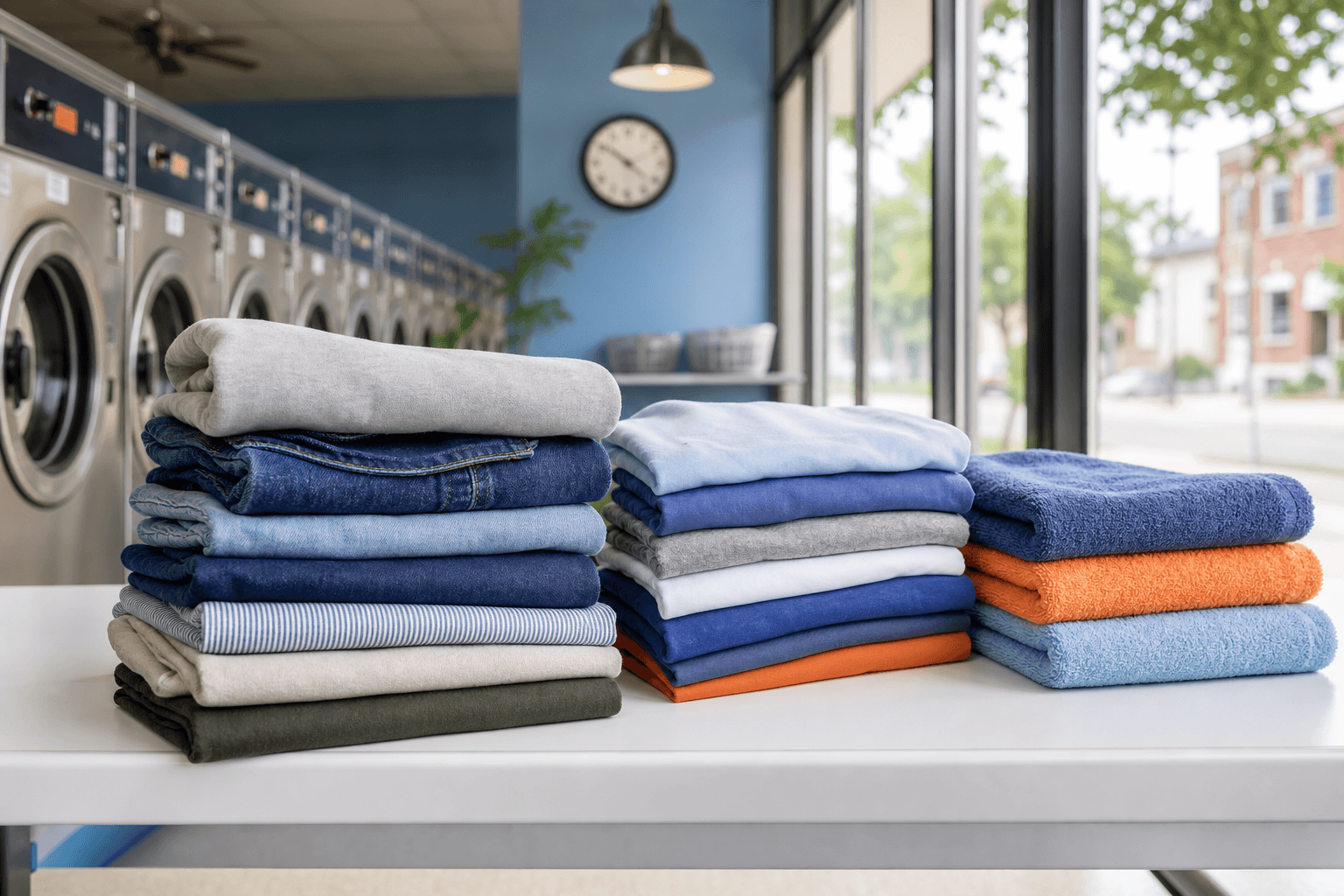
Fresh Spin Laundry points to one of the simplest finishing habits: fold clothes immediately. That one step often removes the need for ironing in most cases. Warm fabric is easier to shape neatly, and quick folding keeps pieces looking fresh without extra work.
Folding, Ironing, and Storage That Keep Clothes in Better Shape
The laundry job is not finished when the dryer stops. Folding, ironing, and storage decide whether clean clothes stay neat or start wearing down before the next use. These last steps are easy to rush, but they have a real effect on garment life.
Fold or hang items right away. Letting clothes sit in a basket leads to wrinkles, crushed collars, and the dreaded clean-laundry chair pile. Proper folding helps pieces keep their shape and makes it easier to see what you own. That matters because clothes last longer when they are stored with a little care.
Iron only when needed. Always follow label instructions for heat. If you do iron, slightly damp fabric usually gives the best result because wrinkles release more easily. This saves time and reduces the need for repeated high heat on the same garment.
Storage conditions matter too. Keep clothes in a cool, dry space. Moisture invites mildew and musty smells. Tight, overcrowded storage can stretch knits and crease fabrics in odd places. Give items enough room so they sit well and stay wearable.
Some garments do better folded than hung. Sweaters, heavy knits, and soft stretch items can lose shape on hangers. Structured shirts, jackets, and dresses often do better hung. Matching the storage style to the garment helps preserve fit over time.
Handwashing Done Right
Some fabrics simply do better outside the machine. Wool, silk, cashmere, and other delicate materials often last longer with handwashing. This does not need to feel complicated. A few simple habits make the process safe and easy.
Start with cold or lukewarm water and a gentle detergent. Hot water can shrink or stress fragile fibers fast. Swish the item lightly instead of scrubbing hard. The goal is to release dirt without rough treatment.
After washing, never wring the garment. Twisting stretches fibers and can leave the item misshapen. Instead, press water out gently. You can also lay the piece flat on a towel, roll it up, and press to remove extra moisture. This is much safer for delicates.
Dry flat whenever shape matters. Sweaters and knits often sag if hung wet. Laying them flat helps maintain the original form and keeps shoulders from stretching. Handwashing takes a little more attention, but it often gives the best result for your most sensitive pieces.
Eco-Friendly Laundry Habits That Also Save Money
Good laundry does not have to mean high utility bills. Many fabric-friendly habits also reduce water use, electricity use, and product waste. That is good for your budget and easier on your clothes.
Wash in cold water whenever possible. Cold water protects color and lowers energy use because heating water takes power. For many everyday loads, cold gives strong results without extra stress on fabrics. This is one of the easiest ways to make laundry more efficient.
Air-dry when you can. Skipping the dryer even part of the time cuts energy costs and reduces heat wear. If you dry indoors, make sure the area is ventilated so moisture does not build up. If you dry outdoors, check pollen and weather conditions first.
Run full loads, but do not overpack the machine. That balance saves water and electricity while still allowing proper movement. It is one of the clearest examples of how smart technique improves both cleaning and cost.
Use only the detergent you need. Excess detergent creates residue, can trigger extra rinse cycles, and often leaves clothes feeling less clean, not more. Smaller, correct amounts usually perform better than oversized pours.
Common Laundry Mistakes and How to Fix Them
Every beginner makes laundry mistakes. The key is learning the pattern behind them so you can fix the problem and avoid a repeat. Most issues come down to four things: overloading, mixing colors, using the wrong temperature, or adding too much detergent.
Overloading leads to poor cleaning because clothes cannot move freely. If your items still smell off or come out with visible dirt, reduce load size. Give the washer more room to do its job. Better circulation usually brings an immediate improvement.
Mixing colors causes bleeding. If a load picks up color, try rewashing it in cold water quickly. Fast action can help reduce transfer before it fully sets. Then separate your color groups more clearly next time.
Wrong temperature often causes shrinkage or fading. If something shrank, switch your future routine to colder washes and more air-drying. Heat is often the hidden issue. Protecting fabric starts with choosing safer temperatures.
Too much detergent creates buildup and can leave residue on fabric. If clothes feel stiff, look dull, or smell strange even after washing, reduce the amount you use. One simple adjustment often solves the problem. The brief even notes this fix directly: reduce detergent quantity.
Keep this quick mistake-to-fix list in mind:
- Overloading = poor cleaning, so wash smaller loads
- Mixing colors = bleeding, so rewash in cold and sort better next time
- Wrong temperature = shrinkage or fading, so lower the heat
- Too much detergent = residue, so use less
Building a Laundry Routine You Can Actually Stick To
The best laundry system is the one you will repeat. If your method feels too complicated, you will skip steps, pile up clothes, and fall back into random washing. A better approach is to build a routine around a few habits that work every week.
Start with a regular laundry day or two fixed time blocks each week. This prevents mountain-sized loads and makes sorting less overwhelming. Smaller, steady batches are easier to manage and easier to dry, fold, and put away. Consistency beats emergency laundry every time.
Next, set up your space to support the routine. Use divided hampers. Keep stain treatment close to where you change clothes. Store mesh bags near the washer. Put detergent where it is easy to measure, not where you are likely to pour carelessly. Your environment should make the right action feel easy.
For people with busy schedules, some tasks are worth outsourcing. Everyday basics may be simple to wash at home, while time-heavy loads can be handed off through a wash and fold service. That kind of support is useful when your week is packed and you still want reliable results.
Track what works. If one shirt always shrinks, stop machine drying it. If towels come out stiff, adjust detergent or drying time. Laundry improves fast when you treat each problem like a clue instead of random bad luck. That mindset builds real confidence.
Laundry Made More Accessible for Everyone
Independent laundry should work for more people, including those with visual, mobility, or processing challenges. A few adaptive tools and setup changes can make the task safer and easier without changing the basics of good clothing care.
Tactile sorting systems help visually impaired users separate loads with confidence. Different textured bags, clips, or hamper sections can mark whites, darks, delicates, or heavy fabrics. Clear physical cues reduce mistakes and make sorting more independent.
Voice-assisted laundry apps can help with timers, label reminders, and step-by-step prompts. These tools are useful for anyone who wants extra support, including beginners still building confidence. Pre-measured detergent packs are another smart option because they remove the guesswork of pouring and reduce the risk of overuse.
Safety matters too. Non-slip floors lower the risk of falls in wet laundry spaces. Easy-access machines are better for people who have trouble bending, lifting, or reaching. Good laundry habits are important, but the physical setup should support the person using it.
If you are helping a friend, family member, or roommate build independent laundry skills, focus on repeatable systems. Label bins, simplify choices, and create a visible checklist. A clear setup can make a big difference in daily success.
When to Do It Yourself and When to Use Fresh Spin Laundry
DIY laundry works best when you have enough time to sort, pre-treat, load carefully, and move clothes along at the right moment. It is a great fit for everyday clothing, regular weekly loads, and people who want full control over each step. Once you know the system, home laundry can be efficient and cost-effective.
There are times, though, when using Fresh Spin Laundry makes more sense. Delicates, oversized loads, heavy linens, or weeks packed with school, work, and errands can make laundry harder to manage well. In those moments, paying for consistency can save money by preventing mistakes that ruin clothes.
Professional support is especially useful if you want more predictable outcomes with less effort. That is true for people dealing with sensitive fabrics, larger households, or limited time. If you want to compare options or understand service details better, the laundry FAQ can answer common questions in a straightforward way.
The choice does not have to be all or nothing. Many people handle standard loads at home and use a service for special items, busy weeks, or backup support. That kind of flexible approach keeps laundry practical and protects your wardrobe from rushed decisions.
Your Go-To Laundry Checklist
If you want one routine to remember, use this checklist every time. It covers the habits that make the biggest difference and helps turn laundry into a repeatable process instead of a guessing game.
- Check care labels
- Sort by color, fabric, and soil level
- Pre-treat stains
- Load the washer correctly
- Select the proper cycle and temperature
- Transfer clothes immediately after washing
- Dry appropriately, by air or machine
- Fold or hang right away
Keep this list near your hamper, washer, or phone notes. The more visible the routine is, the easier it becomes to follow. Repetition turns these steps into habits, and habits create results.
Start Smarter, Not Harder
You do not need a perfect system overnight. Start with one properly sorted, correctly washed load and pay attention to how much better the results feel. Cleaner fabric, fewer wrinkles, less fading, and better fit all come from a process that makes sense.
The main lesson is simple. Great laundry is a system, not guesswork. Check labels first, sort with purpose, choose the right settings, and dry with care. Once those habits click, independent clothing care stops feeling like a chore you survive and starts feeling like a skill you actually own.
And if you want polished results without doing every step yourself, Fresh Spin Laundry is there for the moments when convenience and professional care are the smarter choice. Knowing how to do laundry on your own is powerful. Knowing when to hand it off is smart too.