

Laundry has a way of turning a normal week into a mess of overflowing hampers, outfit emergencies, and wasted weekend hours, especially when every load starts with last-minute sorting and guesswork. The good news is that clean clothes do not require more effort—they require a better system, and with smart routines plus support from Fresh Spin Laundry, laundry day can become fast, predictable, and far less stressful.
Key Takeaways
- Build a simple system with pre-sorting, supply zones, and a clear wash-to-fold flow.
- Use the right settings for each load to avoid shrinking, fading, and repeat washing.
- Keep laundry manageable with small loads done consistently instead of giant weekend catch-ups.
- A tidy laundry area removes friction and makes the habit easier to maintain.
- Fresh Spin Laundry can save time by handling sorting, washing, drying, and folding for you.
The Laundry Day That Finally Works
Most people do not hate laundry because washing clothes is hard. They hate it because the process feels scattered, slow, and easy to ignore until it becomes urgent. One missed load leads to another, and suddenly the hamper is full, your favorite shirt is dirty, and the whole task eats your Saturday.
The real issue is usually management, not the chore itself. Clothes pile up because there is no clear sorting routine. Loads get rewashed because colors, delicates, and towels all get mixed together. Dryers run too long because fabric types were never separated in the first place. A system fixes these weak points before they turn into wasted time.
A better laundry day starts with a simple shift in mindset. Treat laundry like a repeatable workflow instead of a random task you squeeze in whenever possible. That means setting up a clear place for dirty clothes, making quick decisions early, and reducing the number of steps you need to think about later. Once that structure is in place, the process feels lighter almost immediately.
Fresh Spin Laundry fits into this idea by removing the parts that slow people down most. If you want full control, you can build an efficient home routine. If you want less hands-on work, you can use services that handle the washing, drying, and folding. Either way, the goal is the same: less time, fewer mistakes, and cleaner clothes with less effort.
Why Laundry Feels So Overwhelming
Laundry becomes stressful when too many decisions happen at once. You grab a mixed pile, try to separate it quickly, wonder what temperature to use, realize you are out of detergent, and then forget the wet load in the washer. That chain reaction creates friction, and friction is what makes simple chores feel exhausting.
Unsorted clothes are one of the biggest bottlenecks. Whites, darks, delicates, and heavy fabrics all behave differently in the wash. If they sit together in one big pile, you spend extra time sorting right before a load starts. Worse, rushed sorting often causes color bleeding, fabric wear, and the need to wash items again. That means more water, more energy, and more time spent fixing avoidable mistakes.
Inefficient routines create another problem. Overloading the washer might feel productive, but it often leads to poor cleaning because detergent and water cannot move through the fabric properly. Forgotten loads bring odor and wrinkles. Restarted cycles add cost and frustration. A lot of laundry stress comes from trying to do too much at once instead of doing smaller loads more consistently.
The laundry space itself also matters more than people think. A cluttered room with broken hampers, half-empty bottles, no folding surface, and no clear storage setup makes every step harder. When the area feels annoying to use, you delay the task. Delay creates buildup. Buildup creates stress. It is a very predictable cycle.
The fast fix is to simplify every stage. Pre-sort clothes before laundry day. Keep supplies visible and stocked. Choose a load size your machine can handle well. Create an easy flow from hamper to washer to dryer to folding area. If you do not want to manage the process yourself, Fresh Spin Laundry can remove the friction entirely with a hands-off option that keeps clothes moving without taking over your schedule.
The Fresh Spin Laundry Method: Set It Up Once, Benefit for the Long Run
The best laundry systems work because they reduce decisions. Instead of asking yourself what to do every time a hamper fills up, you create a repeatable setup that guides the process automatically. That is the core of the Fresh Spin Laundry method: build a structure once, then let it save you effort every week.
Start with the physical space. Remove broken baskets, empty containers, and products you never use. Keep the room clear enough that you can move from one step to the next without shifting piles around. Even a small corner can work well if it has a clear purpose. A cleaner setup creates momentum, and momentum makes it easier to stay on top of routine tasks.
Storage should help you act quickly. Divided sorters let you separate lights, darks, delicates, and heavy fabrics as clothes come off your body. Labeled bins cut down on confusion in shared homes. A flat surface for folding keeps clean clothes from returning to a chair or bed, where they become tomorrow’s clutter. Good storage is not about looking fancy. It is about making each choice obvious.
Layout matters too. If possible, keep your flow in one line: washer, then dryer, then folding zone. You want a smooth path that does not require carrying damp clothes across the room to clear off a random table first. A simple sequence saves steps and makes laundry feel more controlled.
Of course, there is another option. You can skip the setup work and use wash and fold service from Fresh Spin Laundry. That gives you the same end result—clean, dried, and folded clothes—without needing to manage products, machine timing, or folding at home. For busy weeks, that kind of support can keep your routine from falling apart.
Pre-Sort Like a System, Not a Chore
Sorting is the point where laundry gets won or lost. If you wait until washing day to separate everything, you create a pile of decisions right when you are already short on time. A better move is to sort as you go. That shifts the work from one large session into a few quick seconds each day.
Color-coded hampers make this easy. Use one for lights, one for darks, one for delicates, and one for heavy fabrics like towels or sweatshirts. You can keep the system simple or add categories based on your wardrobe, but the key is consistency. Once every person in the home knows where items go, sorting becomes automatic.
Shared spaces benefit a lot from labels. Kids can learn where socks, school clothes, and sports gear belong. Roommates can avoid mixing loads by using their own marked bins. That kind of structure cuts down on arguments, missing items, and the annoying habit of throwing everything into one basket. A household system works best when each person can follow it without asking for help every week.
Small, regular loads also beat giant marathon sessions. Instead of letting four categories pile up into a weekend crisis, run one or two manageable loads during the week. Smaller loads clean more effectively, dry faster, and are easier to fold. They also reduce the mental weight of feeling “behind” on chores.
If you prefer an even easier route, Fresh Spin Laundry can handle sorting for you. You can drop off clothes already separated, or let the team take care of the whole process. That flexibility is useful for anyone who wants clean clothes without spending extra energy on the setup stage. The system still works; you just remove more of the hands-on labor.
Build a Supply Zone That Prevents Mid-Cycle Chaos
Few things break laundry momentum faster than realizing you are out of detergent after the machine is already loaded. Supply issues create delays, half-finished tasks, and rushed substitutions that may not work well for the fabrics you are washing. A dedicated supply zone solves that problem with very little effort.
Keep your core products together in one visible area. Most setups need detergent, stain remover, dryer balls, mesh bags for delicates, and maybe softener if you use it. Add a small trash bin for lint, tags, and empty packaging. If your laundry area is tight, use a narrow shelf, rolling cart, or wall-mounted basket. The goal is quick access and easy visibility.
A simple checklist can make a huge difference. You do not need an app or fancy tracker. Just note the products you use most and check them once a week. If detergent is low, restock before the next load. If stain remover is nearly empty, replace it now. This prevents that annoying moment where a stain sits too long because the product you need is missing.
Your product choices should match your clothes. Heavy-duty stains may need stronger detergent. Everyday wear often does well with balanced formulas that clean without overdoing it. Eco-conscious households may prefer plant-based options. The key is to use products with intention rather than grabbing whatever bottle happens to be nearby. Fresh Spin Laundry uses optimized products based on the needs of each load, which takes the guesswork out of the process.
Whites are one category where people often struggle. Dull shirts, yellowed socks, and gray-looking towels usually result from buildup, poor sorting, or incorrect wash settings. If you use a whitening product, follow the instructions carefully and pair it with proper sorting so white items are not washed with fabrics that can transfer color. Summit Brands notes through White Brite Laundry Whitener that whitening results depend heavily on using the product as directed and washing whites separately. That detail matters because the best product in the room cannot fix a system that mixes everything together.
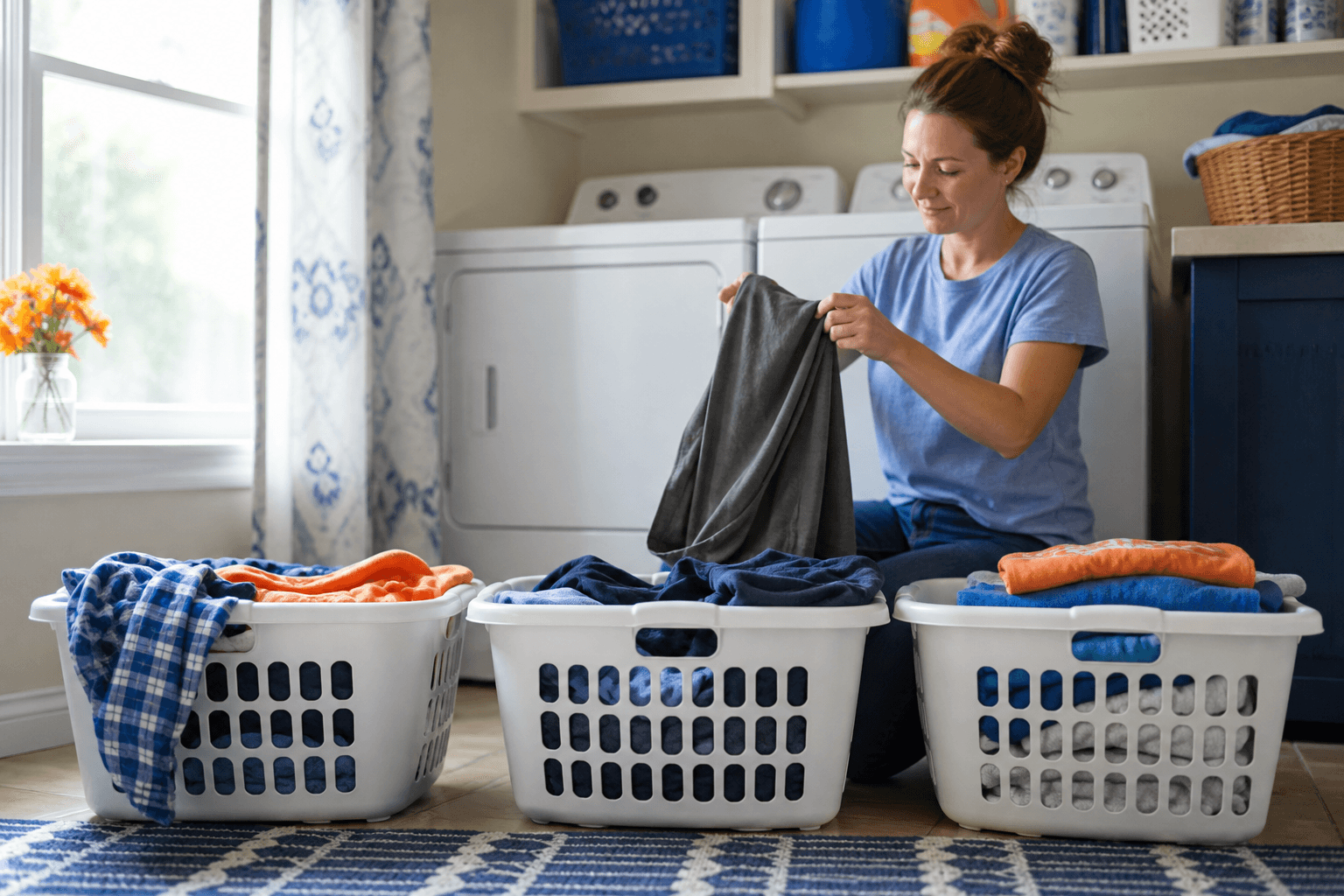
The No-Fail Laundry Process: Sort, Treat, Wash, Dry, Fold
Every reliable laundry routine follows the same core sequence. First you sort. Then you treat stains. Then you wash with the correct settings. After that, you dry based on fabric needs and finish by folding or hanging right away. This order sounds basic, but sticking to it prevents a surprising number of common mistakes.
Sorting should account for more than just color. Fabric type, soil level, and care labels all matter. Jeans and towels can handle more agitation than silky tops or workout gear. Muddy clothes may need a different approach than office wear with light use. Looking at the care label before washing helps protect items from shrinking, fading, or stretching out. This early attention saves money because clothes last longer.
Stain treatment works best when it happens fast. If possible, treat stains within five to ten minutes before washing. This gives the product time to start breaking down the mark without allowing it to sit so long that it sets into the fabric. Blood, grease, coffee, makeup, and grass all respond better to quick action than delayed panic. Once a stain goes through heat, removal often becomes much harder.
Washing should always match the load. Use the right amount of detergent for the load size instead of pouring extra in hopes of cleaner results. Too much detergent can leave residue and trap odor. Too little may fail to lift dirt. Machine settings matter as much as detergent does, so learn the basic cycle types and use them with purpose.
Drying is where many clothes get damaged. High heat feels efficient, but it can shrink, weaken, or wrinkle fabrics that need a gentler finish. Check labels, separate air-dry items, and remove clothes promptly to keep wrinkles under control. Folding right away completes the process before clean laundry turns into another pile. A designated folding spot makes this final step much easier and far more consistent.
Step 1: Sort and Treat Before It Is Too Late
The best time to think about stains and fabric care is before the wash starts. Once clothes are spinning in the machine, your options narrow fast. Taking a few extra minutes upfront prevents lasting damage and saves you from rewashing a load that was never set up correctly.
Begin by checking for problem items. Turn pockets inside out if needed. Remove tissues, receipts, or lip balm before they ruin a full load. Separate rough fabrics from delicate ones. Keep heavily soiled items away from lightly worn clothes so dirt does not spread. These small checks help each load stay focused and effective.
Next, inspect stains under good light. A splash of pasta sauce, a ring of sweat, or a makeup smudge can be easy to miss until the garment comes out of the dryer with the mark fully set. Apply stain treatment directly and give it a short window to work. You do not need to let items sit all day. Even five to ten minutes can improve results a lot.
Fabric labels should guide your choices here. Some items can handle warm water and stronger agitation. Others need cold water, gentle cycles, or hand washing. That tiny tag is often the most useful laundry instruction you will get. Ignoring it may seem faster in the moment, but it often leads to shrinking, fading, or shape loss that cannot be reversed.
Fresh Spin Laundry makes this stage easier because trained handling and clear workflow reduce the chance of common setup mistakes. Whether you are managing laundry at home or outsourcing it, this first step matters because it protects your clothes and cuts down on the need for repeat work. Prevention is almost always the most efficient strategy.
Step 2: Wash Smarter, Not Harder
Washing does not need to be complicated, but it does need to be intentional. The machine can only do its job if the load is built well and the settings make sense for the fabric. A smart wash routine gives you better cleaning while using less time, less water, and less energy.
Start with load size. Resist the urge to pack the drum full. Clothes need room to move so water and detergent can reach every surface. Overloading traps dirt, leaves detergent residue, and often forces you to wash items again. A slightly smaller load usually comes out cleaner, which makes it the better value in the long run.
Detergent amount should match both load size and product instructions. More soap does not mean more clean. In fact, excess detergent can create buildup that makes clothes feel stiff or smell off over time. Measure with care and keep the process simple. If your household uses concentrated formulas, pay even closer attention because a small overpour can go a long way.
Temperature choice matters. Hot water is useful for whites and heavy fabrics when the care label allows it. Cold water is often best for colors, delicates, and energy savings. Warm water sits in the middle for loads that need a bit more help without the full intensity of hot. Pick the lowest effective temperature for the fabric and soil level. That protects garments while still getting them clean.
Cycle settings also deserve more thought than many people give them. Standard cycles work well for everyday clothing. Eco modes can reduce resource use for suitable loads. Quick cycles are helpful when clothes are lightly soiled or when time is tight. The right cycle keeps the process efficient without adding unnecessary wear. Fresh Spin Laundry uses commercial-grade machines that support strong performance and consistent results, which can be a big advantage if your home machine struggles with capacity or reliability.
Step 3: Dry, Fold, and Finish Without Stress
The washing step gets a lot of attention, but the final stage often determines whether laundry feels finished or endlessly incomplete. Drying, folding, and putting clothes in their proper place are what turn clean fabric into a usable wardrobe again. If this part breaks down, clean clothes tend to pile up just like dirty ones.
Begin with the care label. Some items can handle medium or high heat. Others should be dried on low or laid flat to protect shape and texture. Heat is useful, but too much of it can shrink cotton, damage elastic, and make fabrics age faster. Dryer balls are a smart option here because they help keep items moving and can reduce the need for excess softener. That gives you a more efficient dry cycle without extra product buildup.
Timing matters too. Remove clothes as soon as the cycle ends whenever possible. This habit cuts down on wrinkles and reduces the chance that damp items will sit too long and pick up odor. If you cannot fold immediately, at least lay the clothes out or hang the wrinkle-prone pieces first. A fast reset in these first few minutes saves ironing and frustration later.
Folding becomes easier when you have a designated station. It does not need to be large. A clear table, countertop, or even a clean bed can work if you use it with purpose. Group similar items together while folding so putting them away takes less time. Shirts with shirts, socks with socks, towels with towels. That simple category method speeds everything up.
Fresh Spin Laundry removes this final stress point by returning clothes neatly folded and ready to put away. For anyone who regularly gets stuck at the “clean but still in baskets” stage, that service can be the difference between feeling behind and feeling fully caught up. A load is only truly done when the clothes are ready to wear, and that last step deserves attention.
Cut Your Laundry Time in Half With Smart Upgrades
If laundry feels like it takes forever, the answer may not be better discipline. It may be better tools and a better routine. Small upgrades can reduce time dramatically because they remove repeating problems like crowded loads, supply searches, and unnecessary rewashing.
Modern washers and dryers offer real advantages. Larger capacity drums allow efficient loads without squeezing clothes too tightly. Smarter cycle options support fabric-specific care. Energy-efficient performance can lower utility use while still cleaning well. If you have access to newer equipment, use those settings to your advantage instead of defaulting to the same cycle every time. Even one or two learned settings can make your routine more reliable.
That said, you do not need to buy expensive machines to improve results. Fresh Spin Laundry gives customers access to high-performance equipment without the upfront investment. For people who rent, share appliances, or use older machines at home, this can be a practical shortcut to better cleaning and faster turnaround.
Another major upgrade is reducing how much you wash. Many items do not need a full cycle after every single use. Towels can often be reused a few times if they are dried properly between uses. Pajamas and lightly worn outer layers may also have more than one wear in them, depending on your routine and comfort. Washing less often where it makes sense saves energy, protects fabrics, and cuts your workload in a very direct way.
Storage tricks can help here too. Rolled sheets, organized drawer systems, and easy-to-reach clothing zones reduce the chance of grabbing extra items “just in case” and creating unnecessary laundry. Decide whether batch washing or smaller daily loads fit your lifestyle best. The best method is the one you will actually maintain with consistency.
Small Space or Laundromat? Use These Hacks
Laundry gets trickier when space is limited or when you rely on shared machines, but it can still run smoothly with the right habits. A small apartment, dorm setup, or laundromat routine benefits even more from planning because every extra trip and forgotten item costs time.
Go during off-peak hours if you use shared machines. Fewer people means less waiting, faster machine access, and a calmer experience. Pre-measure detergent and bring only what you need so you are not carrying bulky containers. Use separate baskets or bags for sorted loads to avoid mixing things up once you arrive. That little bit of prep makes the whole trip feel lighter.
Stay nearby when your load is running. Switching clothes quickly from washer to dryer saves time and helps you avoid wrinkling or damp smells. It also keeps the process moving for everyone else using the space. If you tend to lose track of time, set alarms on your phone for each cycle. That one habit can save a surprising amount of waiting.
Transport matters too. Use baskets that are easy to carry and stable enough to stack. Keep socks, delicates, and undergarments grouped in mesh bags so small items do not disappear. Have a folding plan before the clothes are dry. If your laundromat has tables, use them right away. If not, fold larger items first and pack smaller ones in organized groups.
For people who want the benefits of a shared laundry setup without the inconvenience, Fresh Spin Laundry offers simpler options. You can explore their self-serve laundromat if you want efficient machines in a cleaner setup, or use drop-off and pickup services to skip the waiting altogether. In small-space living, convenience is often the biggest upgrade.
Make Laundry Feel Less Like a Chore
Laundry becomes easier to repeat when the experience feels less irritating. You do not need to turn your laundry room into a showpiece, but making it more pleasant can change how often you stay consistent. A task you do not dread is a task you are more likely to keep under control.
Start with simple visual improvements. Matching baskets, labeled containers, and a small plant or piece of art can make the space feel cleaner and more welcoming. Good lighting helps too. If your laundry area is dark and cluttered, every load feels harder than it really is. Clean surroundings create a sense of order, and that mood matters more than most people expect.
Think of laundry as a reset ritual instead of a punishment. Running one load can be a quick signal that you are taking care of your space and future self. Put on music, a podcast, or a short video while folding. Pair the task with something enjoyable so it feels less like lost time and more like a productive break from the day.
There is also a strong mental benefit to visible completion. A folded stack of clean clothes gives fast feedback that your effort worked. That sense of payoff encourages consistency. Compare that with a giant mountain of mixed laundry, which feels endless and draining before you even begin. Smaller loads and a cleaner space make success feel closer.
Fresh Spin Laundry can play a role here too. During busy seasons, outsourcing some or all of the work can keep laundry from becoming the task that pushes your week into chaos. Routines are easier to protect when you have backup support.
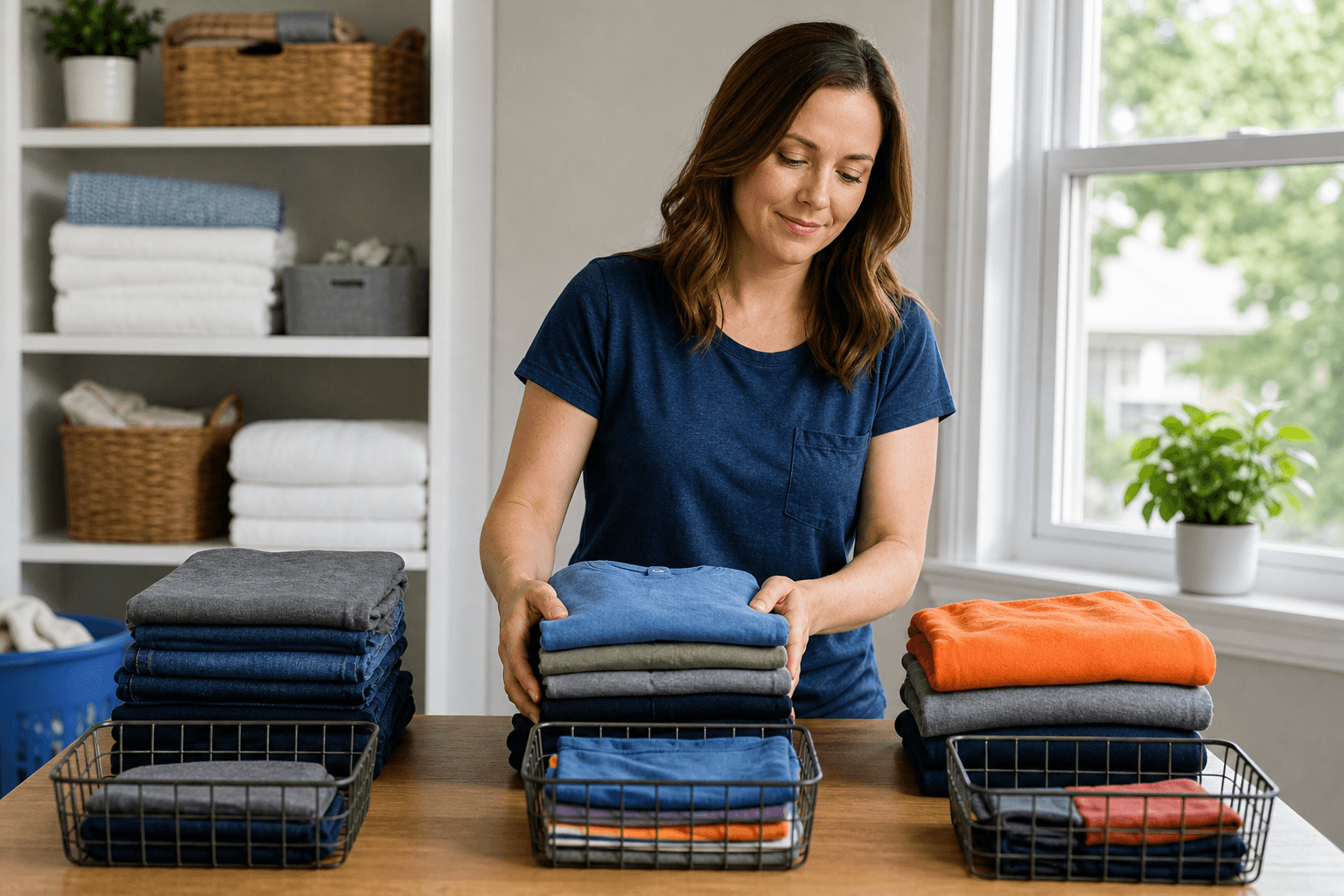
Turn Laundry Into a Household System
If more than one person lives in your home, laundry should not operate as one person’s silent full-time job. Shared responsibility reduces resentment, spreads out the work, and makes the system more sustainable. Even young kids can learn simple sorting rules, and adults should absolutely be able to follow labeled bins.
Set clear expectations first. Decide who sorts, who starts loads, who transfers clothes, and who folds. You can split tasks by day, by person, or by laundry type. The exact structure matters less than making the roles visible. A hidden system usually becomes an inconsistent one. A visible system gives everyone a chance to contribute with clarity.
For families, small reward systems can help. Kids may respond well to sorting challenges or simple goals like getting every sock into the right bin. College roommates may prefer a shared schedule that prevents machine bottlenecks. Couples may choose alternating laundry days. The goal is to turn laundry into a group habit rather than a last-minute rescue mission handled by the most responsible person.
Labeled baskets in bedrooms and bathrooms help a lot because they support sorting at the source. That means less backtracking later. If towels always go in one place and gym clothes always go in another, the system begins before laundry day even starts. These details may seem small, but they create a stronger routine.
Fresh Spin Laundry is also a useful option for households that need breathing room. During exam weeks, work deadlines, vacations, or family events, outsourcing can keep laundry from piling up and throwing off the rest of your home systems. Flexibility is part of an effective routine, not a sign that the routine failed.
Save Money and the Planet While You Wash
Efficient laundry habits help your budget and reduce waste at the same time. You do not need a perfect zero-waste setup to make meaningful changes. A few smarter choices can lower water and energy use while also helping your clothes last longer.
Cold washes are one of the easiest improvements. They use less energy than hot cycles and work well for many everyday loads, especially colors and delicates. Eco modes can support the same goal when the load type is appropriate. These settings are practical because they reduce resource use without asking for much extra effort from you. That makes them easier to keep as a long-term habit.
Natural detergents and plant-based formulas are worth considering if they work well for your household needs. They may reduce environmental impact, and many people appreciate having fewer harsh ingredients in their laundry routine. The bigger point, though, is using the correct amount of any detergent and matching it to the load. Waste often comes from overuse, not just product type.
Efficient sorting matters here as well. The article brief notes that better sorting can reduce rewashes by up to 30%. That is a major gain because every avoided rewash saves water, electricity, detergent, and time. One of the simplest eco-friendly actions is getting the first wash right. Good sorting protects fabrics, prevents color transfer, and keeps your system more effective.
Fresh Spin Laundry supports this approach through optimized loads and energy-efficient machines. That means fewer wasted cycles and better use of resources. Sustainability often starts with efficiency, and efficient systems are usually better for your schedule too.
Avoid These Laundry Mistakes That Cost Time and Money
Most laundry mistakes are repeat mistakes. People overload machines, use random settings, skip labels, or run out of supplies because the system around the task is weak. Once you know the common errors, it becomes much easier to prevent them before they start.
Overloading is one of the biggest offenders. A stuffed washer cannot clean well because water and detergent cannot circulate properly. A packed dryer leaves items damp or wrinkled. The result is often a second cycle, which costs more in both utilities and time. Slightly smaller loads usually deliver better results.
Incorrect water temperature is another common problem. Hot water can fade or shrink certain fabrics, while cold water may not be ideal for some heavy-duty needs. The fix is simple: match the temperature to the fabric and the care label. Guessing may feel faster, but it can shorten the life of your clothes.
Ignoring care labels creates expensive mistakes. Sweaters stretch. Graphic tees crack. Delicates lose shape. One quick look at the tag can stop a lot of damage before it happens. The same goes for poor sorting habits. Mixing rough fabrics with delicate ones or throwing whites in with darks creates wear, fading, and color transfer that should have been avoidable.
Running out of supplies mid-cycle is the final classic issue. It sounds small, but it breaks momentum and often leads to skipped stain treatment or poorly cleaned loads. Keep your laundry zone stocked, simple, and easy to check. Prevention beats correction almost every time, especially in household routines built on consistency.
The 15-Minute Weekly Reset
A good laundry system does not stay effective on its own. It needs light maintenance. The good news is that this maintenance can be very quick. A 15-minute weekly reset is often enough to keep your setup clean, stocked, and ready for the next round of loads.
Start with a supply check. Look at detergent, stain remover, dryer balls, and any specialty products you use regularly. Replace low items before they are gone. Then wipe down machine tops, folding surfaces, and shelves. Removing lint, spills, and dust keeps the area more inviting and reduces the chance that clutter starts creeping back in. Small resets protect order.
Next, straighten sorting bins. Return missing labels, move stray items into the correct basket, and make sure dirty clothes are separated the way your system intends. This is also a good time to clear out empty bottles or random objects that have landed in the laundry zone for no reason. The goal is to keep the space easy to use without extra thinking.
Once a month, clean your washer and dryer more thoroughly. Wipe seals, clean the lint trap area, and check for buildup. The article brief also recommends cleaning the washer and dryer fully on a monthly basis, which helps preserve performance and freshness. Every quarter, do a deeper declutter and adjust the system if your needs have changed. Maybe you need another hamper. Maybe you need fewer products. Keep the routine practical.
If even basic upkeep feels like one task too many, Fresh Spin Laundry can take over the machine maintenance side by handling your laundry externally. That means less equipment care for you and more room to focus on the rest of your week.
Your 7-Day Laundry Reset Challenge
If your current routine feels messy, the fastest way to improve it is to reset one piece at a time. A seven-day plan works well because each day has a single focus. You do not need to transform your laundry life in one afternoon. You just need to build a system steadily and keep it simple.
Day 1 is all about decluttering your laundry area. Toss empty containers, remove broken tools, and clear any surface that has become a catch-all for random stuff. Day 2 is for setting up sorting bins. Pick your categories, label them clearly, and place them where people will actually use them. Those two steps create immediate structure.
Day 3 focuses on supplies. Group everything in one zone and make a small inventory list so you know what needs restocking. Day 4 is the learning day: review your washer and dryer settings and decide which cycles you will use for everyday clothes, delicates, towels, and quick-turnaround loads. This helps you stop defaulting to the same setting for everything.
Day 5 is about drying and folding. Create a folding area, set up hangers nearby, and commit to removing clothes from the dryer promptly. Day 6 is for reducing laundry volume. Review what can be reworn safely, how towels are being used, and whether your clothing storage encourages over-washing. That one review can cut a surprising amount of unnecessary work.
Day 7 is your streamline day. Try Fresh Spin Laundry and experience what a more efficient system feels like when professionals handle the work for you. If you want more ideas to refine your setup after the reset, explore helpful tips on the Fresh Spin blog. A one-week reset will not make laundry disappear forever, but it can replace chaos with a system that feels manageable.
The Bottom Line
Laundry does not have to control your weekends, your room, or your mood. The biggest shift is simple: stop treating it like a random chore and start treating it like a repeatable system. Pre-sort clothes, keep supplies ready, use the right settings, and finish each load with a clear drying and folding routine.
That structure saves time because it removes hesitation and cuts down on avoidable mistakes. It also protects your clothes, lowers waste, and makes your space feel calmer. Even better, you do not have to do every part yourself. Fresh Spin Laundry gives you options, from self-serve efficiency to full wash, dry, and fold support, so your routine can match your actual life.
If you are tired of laundry piles, forgotten loads, and last-minute outfit panic, start with one upgrade today. Set up your bins, simplify your products, or hand the whole process off to Fresh Spin Laundry. Clean clothes should feel easy, and with the right routine, they really can.