
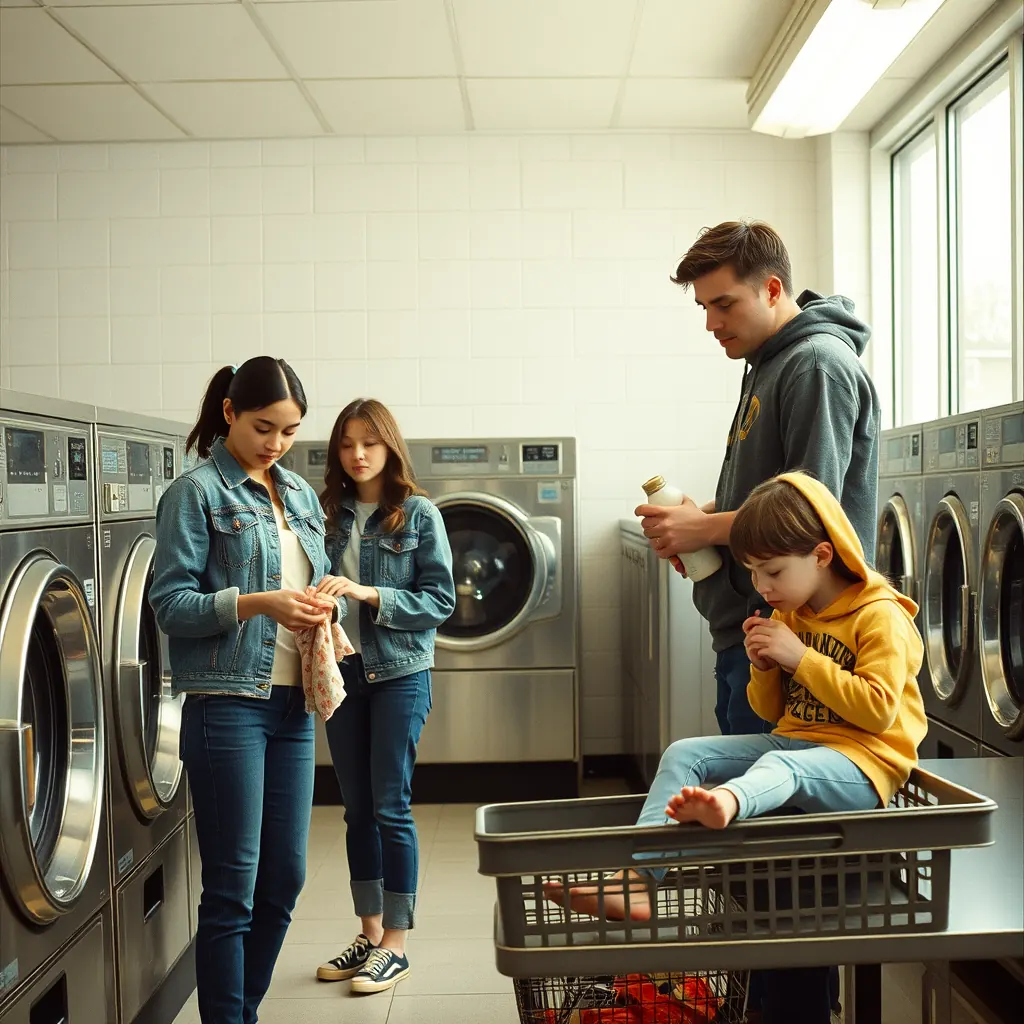
For many parents in Maywood, laundry feels endless because the real problem is often the system, not the size of the pile. Fresh Spin Laundry’s family-first approach shows that if you simplify what gets washed, shorten the decision-making, and share the work, laundry becomes far easier to manage even during packed school, sports, and work weeks.
Key Takeaways
- Cut laundry volume by washing fewer items and re-wearing clean layers.
- Use a simple routine like one load a day to stop backlogs.
- Sort by fabric type, not endless color categories, for faster care.
- Turn laundry into a shared family system instead of one parent’s job.
- Use Fresh Spin Laundry during high-stress weeks to save time and energy.
The Fastest Way to Cut Your Family’s Laundry Load in Half
Most parents assume they have a volume problem. In many homes, the bigger issue is an inefficient routine that creates repeat work, over-washing, and piles that sit too long. A family can wash the same number of clothes each week and still spend very different amounts of time doing it, depending on the system in place.
Fresh Spin Laundry starts with a smart idea: simplify first, then improve the details. That matters because many busy families try to solve laundry stress by buying more products, sorting into more piles, or setting impossible standards. Those moves often add friction. A better plan trims the number of items entering the wash, reduces choices, and builds a routine that fits real life.
This guide focuses on the shortcuts that make the biggest difference for busy households. You will see how to reduce effort without sacrificing cleanliness, how to decide what should be washed at home, and how to tell when it makes sense to hand the job off to Fresh Spin Laundry. The goal is simple: less time lost to laundry and more control over your week.
The “Less Laundry” Philosophy That Saves Time Fast
The fastest way to make laundry easier is to create less of it. That idea sounds obvious, yet many families still wash clothes after one wear even when those items are still clean. Outer layers like hoodies, jeans, cardigans, and school sweatshirts often do not need immediate washing unless they are visibly dirty or hold odor. A quick chair check or hook system can keep re-wearable items out of the hamper.
There is one clear exception. Undergarments should still be washed after each wear. That rule keeps hygiene simple and avoids second-guessing. Once that line is clear, parents can stop treating every item as equal. A pair of lightly worn joggers is not the same as socks after a soccer practice.
Another smart move is removing whole laundry categories that create extra work without adding much value. Some families skip traditional pajamas and use clean lounge clothes or soft athletic wear instead. That cuts one more clothing stream from the weekly cycle. Others replace oversized bath towels with smaller quick-dry towels. These dry faster, take up less machine space, and often reduce mildew smells caused by thick fabrics sitting too long.
Clothing choices matter too. White shirts, white socks, and delicate fabrics often create extra sorting, stain stress, and repeat washing. If you are buying kids’ clothes, choose darker colors, durable knits, and easy-care items that hold up to frequent use. A family does not need a closet full of high-maintenance fabrics to look put together. In fact, a simpler wardrobe usually supports a cleaner routine because every piece can handle regular wear.
Parents who adopt a “less laundry” mindset often notice that the pile shrinks before they change anything about machines, detergent, or folding. That is why this strategy works. It attacks the source of the work, not just the mess that shows up at the end.
The 15-Minute Laundry System Every Parent Can Actually Keep Up With
A system only works if a tired parent can follow it on a busy Tuesday. The one-load-per-day method stays popular because it breaks laundry into a small, repeatable task. One load gets washed, dried, folded, and put away in a single cycle. There is no waiting for a “laundry day” mountain to take over the weekend.
This method works best for families that can build short check-ins into the day. A load can start before work, move to the dryer after dinner, and get put away before bed. The key is to finish the cycle. Washing without folding or putting away just shifts the pile from one room to another. Completion matters more than speed.
Some households prefer a two-day power cycle instead. Day one is for wash and dry. Day two is for folding and distributing. That split can make sense when evenings are crowded with homework, commuting, and activities. The routine is still controlled, but the steps are separated enough to feel manageable.
Sorting by household zones instead of by color can speed things up even more. Shared rooms can share hampers. Kids who sleep in the same room can have one basket for everyday clothes and one for towels or bedding. This cuts decision fatigue because you do not have to stop and create five tiny piles every time a shirt hits the floor.
For example, a practical zone system might look like this:
- Parents’ hamper for daily wear
- Kids’ room hamper for school and play clothes
- Towels and bedding basket
- Delicates bag or small bin
That setup keeps the household moving without overthinking every sock and T-shirt. It also makes it easier for other family members to help because the categories are visible and easy to understand.
Fresh Spin Laundry can replace this routine entirely during high-pressure weeks. Drop-off and pickup services remove the daily management that many parents struggle to maintain during school events, sports tournaments, work deadlines, or illness. Sometimes the best system is knowing when to stop forcing yourself to do everything at home. That choice can protect your time and your energy.
The Laundry Basics That Actually Matter
Parents hear endless laundry advice, but only a few habits have a big impact. The first is to sort smarter. Instead of separating every possible shade, focus on fabric weight and care needs. Towels, heavy sweatshirts, and jeans behave differently from soft tees, leggings, and delicates. Grouping by material helps clothes wash more evenly and reduces damage from rougher items rubbing against lighter ones.
Excessive color sorting is often unnecessary for modern family laundry, especially if you wash in cold water and avoid mixing brand-new dark items with pale favorites. What matters more is protecting delicate fabrics and avoiding loads that are too mixed in texture. A towel can beat up a thin athletic shirt long before color transfer becomes an issue.
Detergent is another place where parents often do too much. More soap does not mean cleaner clothes. In fact, too much detergent can leave residue, trap odors, and make fabrics feel stiff. Use the amount that matches the load size and machine type. If clothes come out looking dull or feeling coated, the soap level may be the problem rather than the solution.
Stains deserve fast action, not panic. A direct dab of detergent or stain remover on the spot before washing can save a favorite shirt or school uniform. Let it sit for a bit before the item goes into the machine. That short wait gives the product time to start lifting the stain instead of asking the full wash cycle to do all the work.
Water temperature can stay simple. Use this quick guide to keep it practical:
- Cold water for colors and delicate items
- Warm water for everyday mixed loads if needed
- Hot water for towels, whites, and heavily soiled pieces
That approach keeps the rules easy to remember. It also lowers the chance of shrinking clothes or fading items that your kids seem to outgrow in a month anyway.
Smart Laundry Hacks Maywood Parents Swear By
One of the boldest laundry hacks is also one of the most useful: stop folding everything. Plenty of family clothing does not need perfect edges and stacked drawers. If you sort clean items directly into baskets for each person, the load is essentially finished. Parents can still hang school uniforms, work clothes, or wrinkle-prone items, but pajamas, play clothes, and underlayers often do just fine in bins or drawers.
A sheet spread on the floor can speed sorting even more. Dump a clean load onto the sheet, pull up each side to reposition the pile if needed, and sort by family member in minutes. This keeps clothes off the floor itself and gives you a defined sorting zone that can be shaken out and stored later.
Socks create far more frustration than they deserve. The easiest fix is to buy uniform socks in matching styles and colors for the whole family or for each child. That way, every sock has a likely partner. Keep a shared bin for singles, and only check it once in a while instead of hunting for pairs during every folding session.
Drying time can also improve with simple changes. Smaller towels, lighter fabrics, and fewer bulky items per load all help clothes dry faster. If your family uses giant plush towels, swapping to quick-dry versions can reduce dryer time and free up machine space for more efficient loads.
Some families also wash more items together by using cold water and dye-preventing sheets. This can reduce sorting without creating major color issues. The trick is to do it strategically. Avoid mixing brand-new dark clothes with pale garments, and keep delicate fabrics separate from rough items even if the colors match.
Budget-conscious homes may also try DIY detergent, especially if someone has sensitive skin. A simple homemade mix can lower cost and reduce exposure to heavily scented formulas. Parents should still test it carefully and make sure it works well with their machine and fabric needs. Saving money matters, but so does making sure clothes come out truly clean.
Turn Laundry Into a Shared Family System
Laundry becomes exhausting when one adult carries the whole load, both physically and mentally. A better approach assigns ownership, not just random chores. Older kids and teens can manage much more than many parents expect. The Houzz article “Another Independence Day: When Kids Can Do Their Laundry” supports the idea that children can learn to take charge of laundry as part of growing independence.
Teenagers, in particular, can often handle their own complete process. That means sorting, starting machines, drying, folding, and putting clothes away. If a teen is old enough to care about what they wear, they are old enough to learn how to keep those clothes ready. Parents do not need to frame this as punishment. It is a life skill that also reduces pressure at home.
Younger kids can help through simple, repeatable steps. The jobs should stay clear and small enough that they can be done with confidence. A family system might divide tasks like this:
- Child 1: gather clothes from bedrooms and bathrooms
- Child 2: move loads from washer to dryer
- Parent: start cycles and handle stain treatment
- Everyone: join a quick sort or fold session
Visual tools make shared routines much easier. Labeled baskets for whites, colors, delicates, towels, or each person remove guesswork. Short instructions taped onto the machine can remind kids which button to push, how much detergent to use, and what temperature works for common loads. The more visible the system is, the less often a parent has to repeat it.
There is also value in making laundry feel social instead of irritating. Folding together while watching a show, listening to music, or chatting after dinner can turn a repetitive task into a small family ritual. That does not mean pretending laundry is fun every time. It means removing some of the stress that comes from doing it alone and resenting the pile.
When to Skip the Hassle and Use Fresh Spin Laundry Services
There are weeks when even the best home routine falls apart. School projects pile up. Work runs late. Someone gets sick. Sports uniforms need fast turnover. During those times, outsourcing laundry can be the smartest choice in the whole household plan.
Fresh Spin Laundry’s drop-off wash and fold service is a strong fit for working parents, large families, and homes that hit seasonal overload. Instead of spending hours catching up, you hand off the bags and get clean, folded laundry back. The time savings can be huge, especially if your family produces several large loads each week.
Pickup and delivery add another layer of convenience. Parents can keep the household running without leaving home to handle hampers, waiting machines, or folding mountains. That level of service matters when your schedule is packed from morning to night and every extra errand feels heavy.
Professional care also brings consistency. Proper sorting, attention to stains, and fabric-appropriate handling can improve results, especially for large mixed family loads. If you regularly struggle with residue, missed stains, or wrinkled clean clothes sitting in baskets, getting outside help can create a better baseline for the week.
The cost-versus-time tradeoff is worth thinking through honestly. Laundry has a price even when you do it yourself. That price includes detergent, water, electricity, machine wear, and your personal time. For some Maywood families, paying Fresh Spin Laundry is less about luxury and more about protecting their limited energy for work, rest, parenting, and home life.
Local Laundry Options Around Maywood and How Fresh Spin Compares
Some families still prefer using laundromats for certain situations. Large comforters, heavy weekly catch-up loads, or machine outages at home can make a public laundry space useful. Clean Laundry in Independence, MO offers features like mobile pay and 24/7 access, along with high-capacity machines that help with oversized loads. For parents who need flexibility or larger machines, that can be convenient.
Service-based alternatives also exist in the area, including app-based pickup and delivery providers. Those options can help if your main issue is time rather than machine access. Still, many parents find that the difference lies in how personal the service feels. A general platform may process laundry efficiently, but family households often need more specific care for kids’ clothing, mixed loads, and routine preferences.
That is one reason many families shift to Fresh Spin Laundry. The appeal is not just convenience. It is the more family-focused service model that fits homes with real routines, changing schedules, and practical needs. Parents often want a solution that feels built around family life instead of a one-size-fits-all laundromat setup. In that context, Fresh Spin Laundry stands out by offering a more personal approach.
Support for Families Who Need Extra Help
For some households, laundry stress is not just about time. It is about access and cost. Families facing financial hardship may need places with washers, dryers, showers, or clean clothing support. These services can make a major difference during periods of housing instability, job loss, or other serious setbacks.
Community programs that help cover laundry costs can also lighten the load. Clean clothes affect school attendance, work readiness, confidence, and basic daily comfort. A family should never feel ashamed for needing practical support with something as essential as laundry. The need is real, and local help matters.
Fresh Spin Laundry can also play a community role by making services more accessible and by supporting local families with realistic solutions. For parents who feel overwhelmed, knowing there are both paid and lower-cost paths to cleaner clothes can reduce some of the pressure. The goal is simple: keep families functioning with as much dignity and ease as possible.
Keep Your Laundry Room Safe, Efficient, and Kid-Friendly
A good laundry setup should be safe as well as efficient. Homes with small children need to store detergent pods and cleaning supplies in sealed containers and out of reach. These products can look harmless or even playful to kids, which makes secure storage a must.
Labels help everyone in the house use products correctly. Clear markings on bins, bottles, and baskets reduce mistakes and support shared responsibility. If children or teens are helping, visual cues matter as much as spoken instructions. A setup that is easy to read is easier to follow.
Machine maintenance also saves time in the long run. Clean filters regularly, wipe seals, and watch for odd smells or weak performance. Small issues can grow into expensive breakdowns if they are ignored. A dryer that takes two cycles to finish a normal load is not just annoying. It is a sign that something may need attention.
Families who use shared laundry spaces should also keep an eye on machine availability, general cleanliness, and service alerts. If a machine is acting up, avoiding it can save a ruined load and another trip back. Efficient laundry is not just about what happens in the drum. It also depends on using tools that are in good working order.
Build a Laundry Routine That Lasts as Your Family Grows
The best laundry routine is the one that keeps working after the first week. Big clean-out days can feel productive, but consistency beats intensity almost every time. Small daily or near-daily habits prevent giant pileups that drain a whole weekend.
Family systems should also change as kids grow. A toddler routine may revolve around frequent outfit changes, soft fabrics, and parent-led sorting. A school-age system may add sports gear, uniforms, and backpack dumps. Teen routines often work better when they include direct responsibility for personal clothing. What worked two years ago may not fit your current household at all.
That is why flexibility matters. Parents do not need to lock into one strict method forever. You can use a hybrid system that combines home laundry for daily basics with Fresh Spin Laundry support during peak times. That kind of backup keeps your routine realistic instead of fragile.
A lasting routine usually includes a few shared traits:
- A clear schedule that fits real life
- Simple categories for sorting
- Defined roles for each family member
- Permission to adjust as needed
Parents often feel pressure to find the perfect system, but perfection is not the point. A working plan is one that reduces stress, keeps clean clothes moving, and leaves room for the chaos that family life always brings.
Practical Weekly Laundry Plan for Busy Maywood Families
If you want a starting point, use a weekly plan that keeps laundry visible without taking over every evening. The goal is to spread out the work, maintain momentum, and stop emergency piles before they happen.
Here is one example of a simple home schedule:
- Monday: school clothes and everyday wear
- Tuesday: towels and bathroom laundry
- Wednesday: kids’ room hamper or sports items
- Thursday: parents’ clothing and workwear
- Friday: bedding or catch-up load
- Weekend: optional overflow or Fresh Spin Laundry handoff
This kind of plan keeps each day focused. It also helps family members know what is coming, which reduces the classic question of why someone’s favorite hoodie is still sitting in a basket. Predictability creates calm in a task that often feels messy.
Another version works well for parents who hate daily laundry. Choose two focused laundry windows each week and make those your family’s standard times. One handles the majority of washing, and the other catches up on towels, bedding, and any surprise loads. If that still feels too tight, Fresh Spin Laundry can step in for the overflow and keep the system from breaking down.
Common Laundry Mistakes Busy Parents Should Stop Making
Some laundry habits waste more time than parents realize. One common mistake is letting clean clothes sit in baskets for days. That creates wrinkles, confusion, and the risk that family members start wearing from the basket instead of putting things away. A load is not truly done until it reaches its home.
Another mistake is buying clothes that fight your routine. If every child owns delicate tops, white socks, and stain-prone outfits, the laundry process becomes harder by default. A simpler wardrobe with easy-care fabrics gives your household a real advantage.
Many parents also rewash items that did not need washing in the first place. A sweatshirt worn for an hour indoors does not always belong in the hamper. Rewashing lightly used clothes adds wear, uses supplies, and fills machines that could be handling truly dirty items.
Ignoring stains until after drying is another costly habit. Heat can set many marks deeper into fabric, which makes them much harder to remove later. Fast treatment is usually easier than trying to rescue a shirt after it has already gone through a full cycle.
Finally, some homes rely on one parent to remember every step. That creates mental overload and turns laundry into a source of resentment. Shared systems work better because they spread the attention, the labor, and the accountability.
How to Decide Between DIY Laundry and Fresh Spin Support
Doing laundry at home makes sense when your machines work well, your family can share the effort, and your weekly flow stays under control. In those cases, a simple routine with fewer loads, better sorting, and realistic folding rules may be all you need. The right DIY system can feel efficient without becoming strict.
Fresh Spin Laundry becomes the better choice when home laundry starts stealing too much time or causing too much stress. If you are constantly behind, using evenings to catch up, or losing full weekends to wash-and-fold cycles, the hidden cost is probably higher than you think. Outsourcing can restore space in your schedule.
Parents can also think seasonally. Back-to-school weeks, holidays, sports seasons, newborn phases, and busy work periods all put extra pressure on home systems. There is no rule that says laundry must be all DIY or all outsourced. A mixed approach often makes the most sense.
Ask yourself a few direct questions:
- Is laundry taking more time than I can spare?
- Are piles causing regular stress in the house?
- Do I need better consistency than I can provide right now?
- Would pickup or drop-off free up energy for more important tasks?
If the answer is yes more often than no, support from Fresh Spin Laundry may be a practical move, not an indulgence.
Make Laundry One Less Thing to Worry About
Laundry gets easier when you reduce what needs washing, create a repeatable system, and share the work across the household. That is the real lesson for busy Maywood parents. You do not need a perfect method. You need one that fits your family, your schedule, and your energy.
Fresh Spin Laundry offers another option for the weeks when home systems are stretched too thin. Whether you simplify your routine, delegate more to your kids, or use wash-and-fold and pickup support, the goal stays the same: cleaner clothes with less friction. Try the strategy that fits this week, keep what works, and let laundry become one less thing pulling at your day.