

Most Americans lose 1–2 hours every week to laundry, and that time disappears even faster when you show up unprepared, wait for open machines, or rewash clothes that should have been handled right the first time. At North Main Laundry, you can cut that drain sharply by pairing smart home prep with high-capacity machines, quick cycles, wash-and-fold service, and off-peak visits that turn a long chore into a short, predictable routine.
Key Takeaways
- Sort clothes at home with a simple system so you can start washing immediately.
- Use off-peak hours and quick cycles to reduce waiting and shorten total laundry time.
- Load washers and dryers for efficiency, not maximum stuffing, to speed up both wash and dry stages.
- Fold items while they are still warm to cut wrinkles and avoid a later pile-up.
- Choose wash-and-fold when your schedule is packed and you need the fastest possible solution.
Why Laundry Eats So Much Time
Laundry rarely feels long because of one single task. It drags because of small delays stacked together. You sort at the last minute. You hunt for detergent. You wait for a machine. You overfill a dryer. Then you bring clean clothes home and let them sit in a basket for two days. Each delay seems minor, yet the total can swallow a big chunk of your week.
That is why the fastest laundry routine is built on systems, not effort. You do not need to work harder. You need fewer decisions, fewer repeat steps, and better timing. North Main Laundry helps with that because high-capacity machines can handle bigger loads the right way, quick cycles shorten wash time, and wash-and-fold can remove the process almost completely when your schedule is full.
The goal is simple. Turn laundry from a weekly burden into a quick errand. The 12 expert tips in this guide focus on every stage: prep, washing, drying, folding, and long-term habits. Some will save you ten minutes at a time. Others can save hours each month.
Tip 1: Build a Grab-and-Go Sorting Setup at Home
The fastest laundromat trip starts before you leave home. If all your clothes land in one giant pile during the week, you create a second job for yourself on laundry day. Sorting becomes a long session of guesswork, and that wasted time often happens right when you want to get in, claim machines, and start fast.
A better setup uses labeled hampers or color-coded baskets. Create simple categories that match how you actually wash clothes. Most people do well with four groups:
- Whites
- Colors
- Delicates
- Heavy fabrics like towels, jeans, and hoodies
This system works because it removes decision-making later. You drop each item into the right basket the moment you change clothes. That habit may sound basic, but it can remove 20–30 minutes of sorting and repacking before every laundromat trip. Over a month, that adds up fast.
If you live with family or roommates, make the system easy to follow. Use picture labels for kids. Put baskets in the same spot every day. Keep the categories few and obvious. People are much more likely to use a system that feels automatic instead of strict.
Another bonus shows up once you arrive at North Main Laundry. Pre-sorted laundry lets you load machines right away instead of spreading clothes across a table and blocking your own progress. That speed matters most during busy periods, because every minute you save at the start improves your chance of finishing sooner.
Tip 2: Treat Stains Right Away Instead of Rewashing Later
One of the biggest time-wasters in laundry is the second wash. A shirt comes out with a stain still there, so you run it again. A towel smells off, so back it goes. That extra cycle doubles your time on one item and often spreads frustration across the whole load.
The fix is simple. Treat stains when they happen, not days later. If you spill coffee, sauce, makeup, or sweat-heavy gym grime on clothing, do a quick pre-treatment right away. You can use stain remover, a bit of diluted detergent, or vinegar if that is already part of your routine. Immediate action keeps stains from settling deep into the fibers.
Create an urgent stains bin or small basket at home. That gives stained items a clear landing spot so they do not disappear into the wrong hamper. Keep your stain supplies nearby. The less effort it takes to act fast, the more likely you are to do it.
This habit saves time in two ways. First, it reduces repeat washing. Second, it prevents the slow process of inspecting every piece during laundry day and trying to remember what happened last Tuesday. Quick action now is far faster than rescue work later.
Stain treatment also helps you choose shorter machine settings with more confidence. If a shirt is lightly soiled and the spot has already been treated, a quick cycle often does the job. That means the minutes you spend early can pay you back twice.
Tip 3: Arrive with Loads Already Separated
Sorting clothes at home is one step. Packing them by actual wash load is the next level. This is where many people still lose time. They use separate hampers but throw everything into one giant bag for the trip, then sort again on-site. That brings the chaos back.
Instead, move from hamper to bag in a way that preserves your system. Pack each load by fabric type and wash needs. Towels and jeans can travel together if they use the same settings. Delicates should stay separate. Athletic wear may need its own cycle. Whites should remain isolated from dark items.
Mesh bags are a huge help here. Use them for socks, underwear, and delicate pieces. They prevent tangling, keep small items from vanishing, and make transfer from washer to dryer much faster. Rather than chasing loose socks around a machine drum, you move one bag in seconds.
Pre-separated loads let you act with zero hesitation once you get to North Main Laundry. You walk in, find open machines, and start. There is no table covered in mixed laundry. There is no internal debate about whether that red shirt is safe with towels. Speed comes from removing choices in the moment.
This method also reduces mistakes. When people rush through sorting on-site, they are more likely to overload a machine with mixed fabrics or use the wrong temperature. That can slow drying, create wrinkles, and lead to rewash situations. Packing smart prevents those setbacks before they start.
Tip 4: Visit During Off-Peak Hours to Beat the Crowds
Timing can change your laundry trip as much as machine settings do. The best routine is not always about doing laundry faster inside the washer. Sometimes it is about waiting less before the washer even starts. A packed laundromat adds delay at every stage: machine access, folding space, dryer availability, and even parking.
The article brief points to afternoons or evenings at North Main Laundry as a smart way to find faster machine access. Less crowding means you can choose machines quickly, run washers and dryers in a more organized flow, and avoid the stop-and-start feeling that makes laundry drag.
Try tracking your own best times for two or three weeks. Notice when machines are open, how long it takes to move loads, and whether folding tables are free. You will often find a window that turns laundry from a stressful event into a quick routine.
North Main Laundry also offers helpful amenities like TVs, which can make cycle time feel less wasted. That may seem small, but mindset matters. If you can watch a show, answer messages, or plan your week while loads run, the chore feels shorter and more manageable.
Off-peak visits also help if you are using multiple machines. High-capacity washers are great, but sometimes two coordinated loads are still the fastest option. That works much better when open equipment is easy to find. Fewer crowds equal smoother sequencing, and smoother sequencing leads to a shorter total visit.
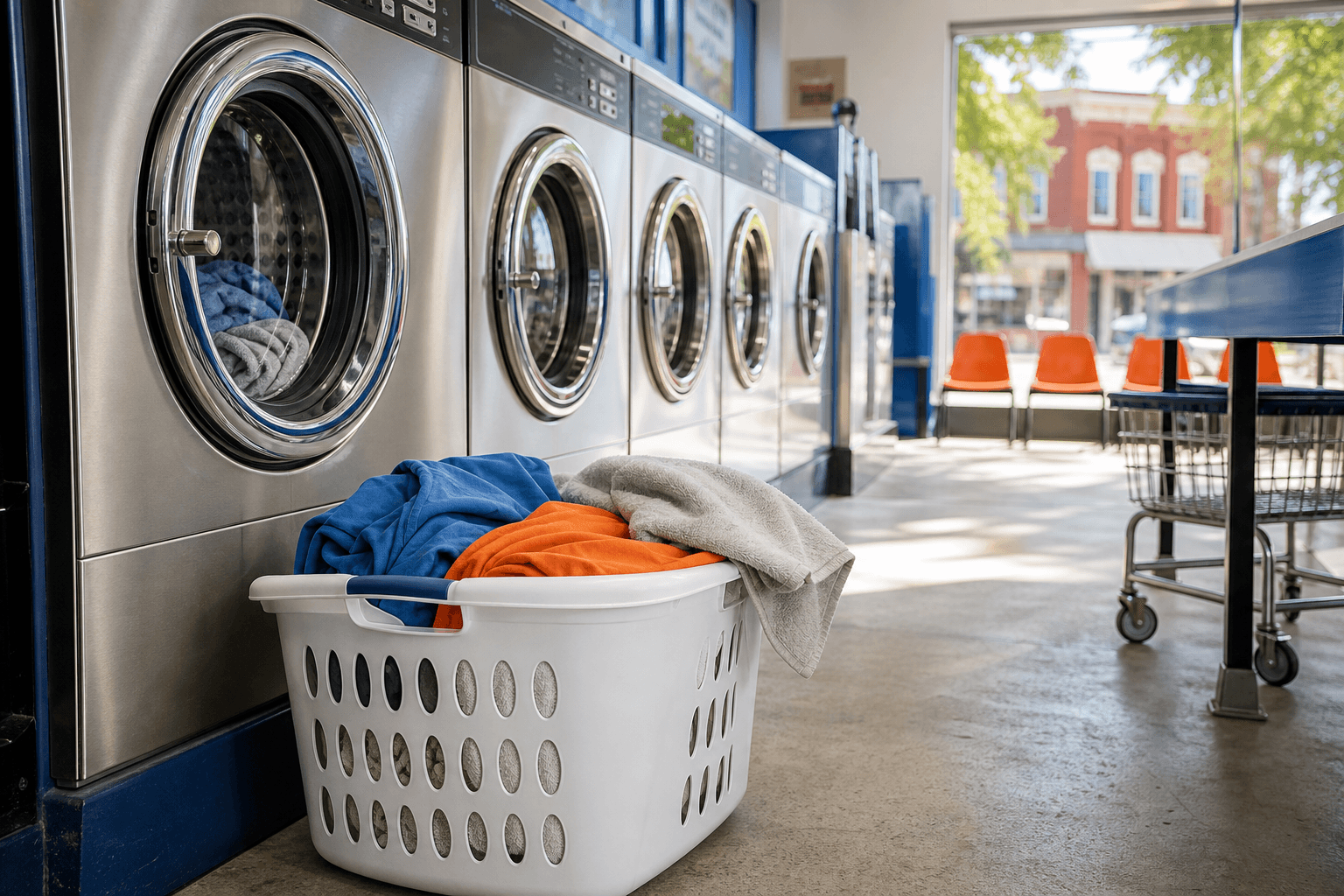
Tip 5: Replace One Giant Laundry Day with Smaller Loads During the Week
A single marathon laundry day feels efficient in theory. In practice, it often creates a traffic jam. You face huge piles, multiple fabric categories, longer folding sessions, and more room for procrastination. By the time you start, the task already feels heavy.
Washing smaller loads 2–3 times per week can be much faster overall. That sounds backward at first, yet smaller loads have several clear benefits:
- They clean better because water and detergent move through the fabric more easily.
- They dry faster because air can circulate more effectively.
- They wrinkle less because clothes have more room to tumble.
Smaller loads also cut the emotional drag. Instead of setting aside a huge block of time, you handle laundry in lighter bursts. That makes it easier to stay consistent and keep baskets from overflowing. Once overflow begins, every step takes longer because you are dealing with backlog instead of routine.
Phone timers are essential here. Set one for each wash and dry cycle so you can switch loads immediately. Delayed transfers let clothes sit damp, which can lead to odor, wrinkles, and sometimes a second rinse or rewash. A simple timer keeps the whole process moving.
This tip works especially well for students, young professionals, and families with busy weeks. Laundry fits into life more easily when it stays small. Instead of losing half a weekend, you handle one or two loads while doing something else nearby, then move on.
Tip 6: Let Machines Work Around Your Schedule
The fastest laundry routine is one that keeps moving even when you are doing something else. Modern washers often include features like delay start or notifications. If those tools are available to you at home, use them. If not, phone alarms and calendar reminders can create a similar effect.
Delay start is especially useful for overnight or off-peak runs. You load the washer, add detergent, choose your settings, and let the cycle begin at a time that fits your day better. That means you are not standing around waiting for the ideal moment to start. The machine handles that part for you.
Smart alerts, if available, can stop loads from sitting too long after they finish. That matters because forgotten laundry slows everything down. Clothes wrinkle, towels lose freshness, and the next cycle gets pushed later than planned. A quick notification protects your momentum.
Even at a laundromat, you can use your phone as a control center. Set one alarm five minutes before the washer ends and another for the dryer. Add notes for which items need low heat or quick fold attention. The less memory you rely on, the easier it is to keep the process clean and fast.
This approach matters for busy schedules because it protects your day from being broken into awkward gaps. Laundry becomes something that runs in the background of your life rather than taking over your whole afternoon. That is a huge shift, and it is one of the keys to cutting your laundry time in half.
Tip 7: Use Quick Wash Cycles for the Right Loads
Many people waste time by treating every load like it is heavily soiled. In reality, a lot of clothing is just lightly worn. Maybe you wore a T-shirt for a few hours, used a sweater indoors, or need to freshen casual clothes without deep grime. That is where the quick cycle earns its place.
A 30-minute quick wash can handle these lighter loads well when you pair it with the right detergent amount and proper sorting. Save heavy-duty settings for items that truly need them, such as muddy clothes, sweaty sports gear, or extra-dirty towels. If you overuse long cycles, you spend more time, more energy, and often more money than needed.
Fabric matching matters here. Use the correct temperature and setting for the type of load in front of you. Delicates need gentler treatment. Heavy cottons may need more spin power. Athletic wear often benefits from cooler water. A smart setting choice avoids damage while preventing unnecessarily long cycles.
This tip becomes especially effective at North Main Laundry because high-capacity machines and quick cycle options can speed up the whole flow when you arrive with clothes already grouped by actual wash need. You do not waste a quick cycle on a mixed load that still needs extra attention, and you do not waste a long cycle on clothes that were barely worn.
Think of quick wash as a tool, not a default. Used the right way, it can remove a huge chunk of time from your routine with no drop in results. Used carelessly, it can create repeat work. The key is simple sorting and honest load assessment.
Tip 8: Load Machines for Efficiency Instead of Stuffing Them Full
People often assume the fastest method is cramming in as much laundry as possible. That instinct makes sense, but it backfires often. An overloaded washer cannot move water and detergent through fabrics properly. An overloaded dryer traps moisture and slows airflow. Both problems stretch your total time.
The better rule is to fill machines fully while leaving about a hand’s width at the top. That gap gives clothes enough room to move. Agitation improves. Spin cycles work better. More water gets extracted before drying begins. The result is a cleaner load that needs less time in the dryer.
North Main Laundry’s high-capacity machines make this easier. Bigger washers let you run larger loads correctly instead of forcing too much into a smaller drum. That is an important distinction. Capacity saves time only when the machine still has room to do its job.
Overloading causes other hidden delays too. Clothes come out twisted together. Sheets wrap around smaller items. Thick fabrics hold more water than expected. Then you need extra drying time, manual untangling, and sometimes another cycle. What looked like a shortcut becomes a slow detour.
Load by fabric weight whenever possible. Towels and jeans can handle similar conditions. Light shirts and workout gear should usually stay separate. Balanced loads spin and dry faster because everything inside behaves more similarly. That means fewer surprises and smoother timing from start to finish.
Tip 9: Bring a Laundry Kit So Nothing Slows You Down
One of the easiest ways to lose momentum is arriving without the basics. Then you need to buy detergent, search for dryer sheets, or improvise a stain solution. Each interruption steals focus and adds minutes you did not plan for.
Create a compact laundry kit that is always ready to go. Keep it in a small tote or container and restock it as soon as you get home. A strong kit might include:
- Pre-measured detergent pods
- Dryer balls to help clothes dry faster
- Vinegar for odor control and softness if that fits your routine
- A small stain remover
- Mesh bags for socks and delicates
- A marker or note card if you like tracking which load uses which setting
Pre-measured supplies are especially helpful. You do not spend time pouring, guessing, or cleaning spills. You simply grab what you need and move on. That keeps the process fast and reduces errors like using too much detergent, which can leave residue and force extra rinsing.
Dryer balls deserve extra attention because they improve air movement inside the dryer. Better circulation often means shorter dry time, especially for medium loads. They can also reduce wrinkles by helping fabrics separate instead of clumping together.
A laundry kit is a small system with a big payoff. It removes friction, keeps your routine consistent, and helps you use every machine more effectively. Once you stop solving the same little supply problems every trip, laundry gets much easier to finish quickly.
Tip 10: Speed Up Drying with Smarter Dryer Use
Drying is where a lot of people lose the time they thought they saved in the wash. A load may clean quickly, but if it sits in one crowded dryer for far too long, the whole visit still feels slow. Better dryer strategy can produce some of the biggest gains in your routine.
Start by avoiding overcrowding. If one heavy load is packed too tightly, split it across multiple dryers instead. That single decision can make a major difference because warm air can circulate through each drum more freely. Faster airflow means faster moisture removal.
Another useful trick is adding a dry towel at the start of the cycle to absorb extra moisture. Remove it after 15 to 20 minutes so it does not keep tumbling once the wet items begin to dry out. This simple method can reduce overall dry time, especially with thicker fabrics.
Before clothes go into the dryer, shake them out. That sounds tiny, but it helps separate layers and reduces bunching. A twisted sweatshirt or rolled-up sheet can trap moisture and slow everything else down. A few seconds of prep saves many more seconds later.
Choose heat carefully. High heat is not always faster if it causes items to ball up, wrinkle deeply, or need more cooling time before folding. Medium heat often works well for mixed everyday fabrics, while delicates need a gentler setting. The best dryer strategy is the one that gets clothes dry and easy to fold in one pass.
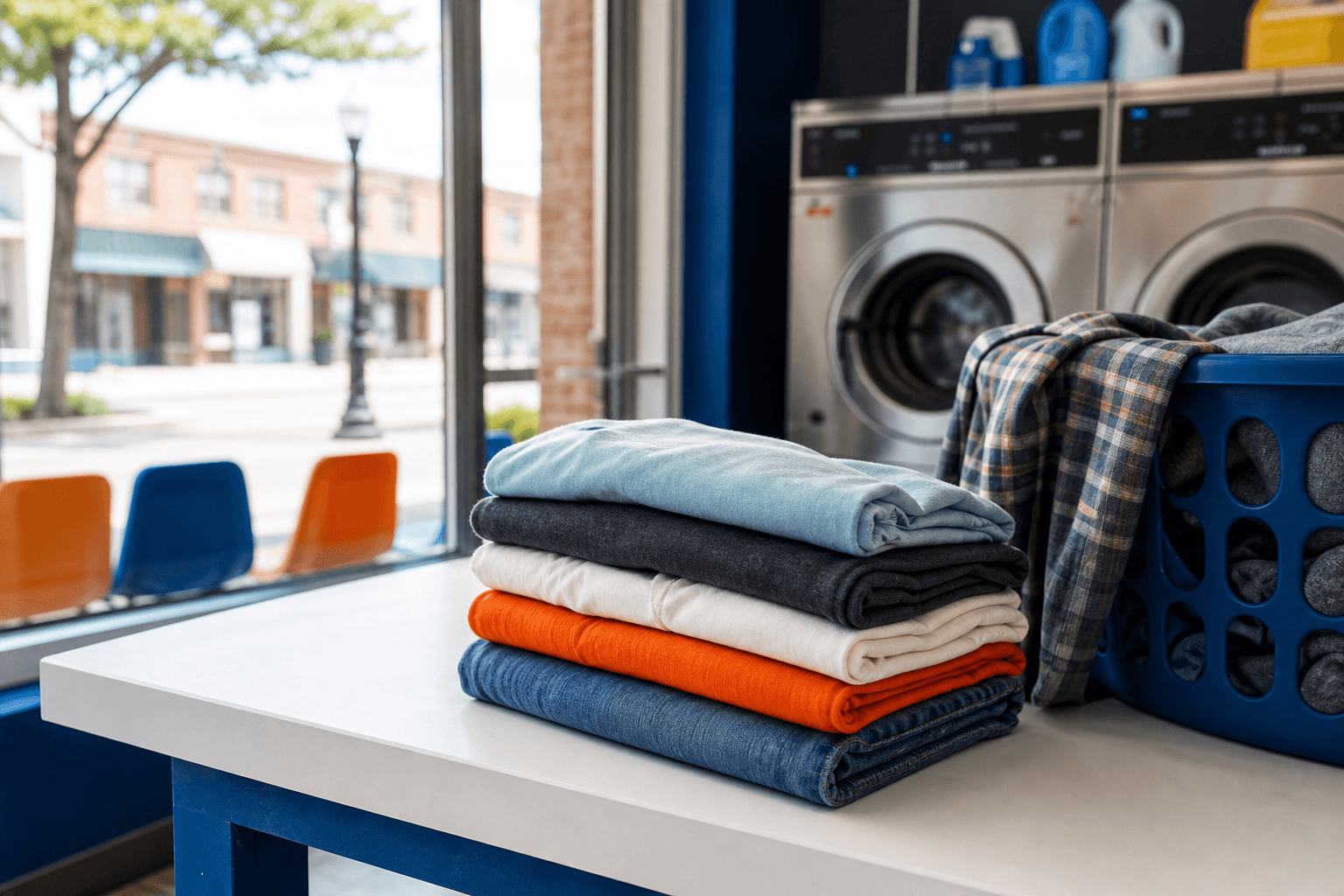
Tip 11: Fold Immediately While Clothes Are Still Warm
The dryer is not the finish line. The real finish line is when clothes are put away or at least fully folded and sorted. Too many loads stall at this stage. Clean items cool off in baskets, wrinkles settle in, and a short laundry trip turns into another task later in the day.
Folding immediately solves several problems at once. Warm clothes are easier to smooth, easier to stack, and less likely to need ironing. That means a five-minute folding session now can save you twenty minutes of wrinkle repair later.
Set up a folding station while the dryer runs. Clear a table, claim a folding surface at North Main Laundry, or use an open section of your laundry area. When the cycle ends, move directly into folding with no pause. This habit removes the temptation to say, “I’ll do it later,” which is where the pile-up begins.
Follow a simple order for maximum speed:
- Fold large items first, like towels and jeans
- Stack similar clothes together
- Pair socks right away
- Group items by person or room if you live with others
Folding right away also helps you notice anything that needs special care, like a damp seam or a delicate top that should air dry a bit longer. Catching that immediately is much easier than rediscovering it hours later at the bottom of a basket.
If you hate folding, make the time feel useful. Watch TV at North Main Laundry, listen to music, or handle a small digital task while you fold. The point is to keep clothes from cooling into wrinkles and turning a completed chore into unfinished business.
Tip 12: Use Wash-and-Fold When Time Matters Most
Sometimes the smartest way to cut your laundry time is to stop doing every step yourself. That is where wash-and-fold becomes the ultimate shortcut. You drop off your laundry, go do something better with your time, and return to clean, folded clothes.
This service is ideal for busy weeks, families, back-to-back workdays, exam periods, travel prep, or any season when your schedule is packed. A task that usually takes several hours becomes a quick errand. That shift can free up a huge part of your week without sacrificing clean clothes or a tidy routine.
Wash-and-fold also helps people stay consistent. Instead of waiting until laundry becomes overwhelming, you can hand it off before the pile gets out of control. That prevents stress and keeps your home more organized.
For many young adults, this option makes sense more often than they think. If you are balancing classes, work, social plans, and rest, your time has value. Spending half a day on laundry every week may not be the best trade. North Main Laundry offers a way to protect that time while still keeping life running smoothly.
If you are trying the service for the first time, mention this guide for a free detergent pod with your first wash-and-fold service. That small incentive makes it even easier to test the fastest option available.
Build a Routine That Keeps Laundry Under Control
Quick laundry is easier to maintain when you have a repeatable routine. Without one, clothes build up, baskets overflow, and every trip starts to feel reactive. You do not need a strict schedule, but you do need a predictable pattern.
Pair your basket system with consistent laundry days or trigger points. Maybe you wash every Tuesday and Saturday. Maybe you do one load whenever the darks hamper fills. Maybe towels always get washed on Sunday night. The exact schedule matters less than the fact that it is clear.
Routine protects you from decision fatigue. You are not waking up each week asking whether today should be laundry day. You already know the answer. That frees up mental energy and reduces the chance of delay.
Keep loads small and predictable. That is the core idea. Once laundry becomes regular, each load is easier to sort, wash, dry, and fold. You stop facing giant piles and start handling manageable batches that fit naturally into your week.
Consistency also helps you refine your method. You notice which settings work best, how long your fabrics actually take to dry, and which times at North Main Laundry are fastest. A routine makes laundry less random, and less random usually means less time.
Maintain Your Machines So They Keep Working Fast
If you wash at home part of the time, machine care matters more than people realize. A washer with buildup, trapped residue, or odor issues can leave clothes less fresh and force you into repeat cycles. That is a direct time loss.
Clean your washer monthly with vinegar if that fits your machine care routine. This helps prevent buildup and odors that can transfer to clothes. Wipe seals, check dispensers, and leave the door open after some cycles if your machine benefits from airing out. Small maintenance steps can keep performance consistent.
Dryers matter too. A clogged lint filter slows airflow and stretches dry time. Clean it every load. If your home dryer still seems slow, check whether deeper vent cleaning is needed. Reduced airflow means your clothes spend longer tumbling for no good reason.
Well-kept machines save time because they do their jobs properly the first time. You get cleaner washes, better spin results, faster drying, and fewer strange odors. That means less troubleshooting, less guesswork, and fewer extra cycles across the month.
Even if you use North Main Laundry often, this tip still applies at home for overflow loads, urgent items, or days when you do not want to leave the house. Fast laundry depends on reliable equipment, and reliable equipment depends on basic care.
The 3 Highest-Impact Changes to Start Today
If you want the fastest results, start with the changes that create the biggest payoff right away. You do not need to overhaul your whole routine in one day. Begin with these high-impact habits and build from there.
First, sort at home before you arrive. This cuts out the most common source of wasted time at the laundromat. You walk in ready to load machines immediately instead of managing a mountain of mixed clothes.
Second, visit during off-peak hours. Faster machine access can shrink your total trip even before the first wash starts. Less waiting gives you more control over the full flow from washing to drying to folding.
Third, use quick cycles whenever possible. Many everyday loads do not need a long wash. If clothes are lightly worn and sorted correctly, the shorter setting can do the job while saving a meaningful amount of time every week.
Those three changes work because they attack the biggest drains: prep chaos, waiting, and overlong cycles. Once those improve, the rest of the routine often gets easier on its own.
Turn Laundry Into a Quick Errand, Not a Weekly Burden
Laundry takes over your week only when the system around it is weak. Once you sort earlier, time your visits better, use the right machine settings, and fold while clothes are still warm, the whole process becomes faster, cleaner, and far less annoying.
North Main Laundry gives you several built-in advantages: high-capacity machines, quick cycles, wash-and-fold service, and a more comfortable wait with amenities like TVs. Add the 12 expert tips in this guide, and you can cut a major chunk of time from one of the most common weekly chores.
Start today with one or two changes. Build your home sorting setup. Pack loads before you leave. Go during a quieter afternoon or evening. Use wash-and-fold when your schedule is packed. Mention this guide for a free detergent pod with your first wash-and-fold service, and see how much easier laundry can feel.
Laundry does not have to be a time drain. With the right routine, it becomes quick, predictable, and close to effortless. That means fewer lost hours and more time for the parts of life you actually care about.