
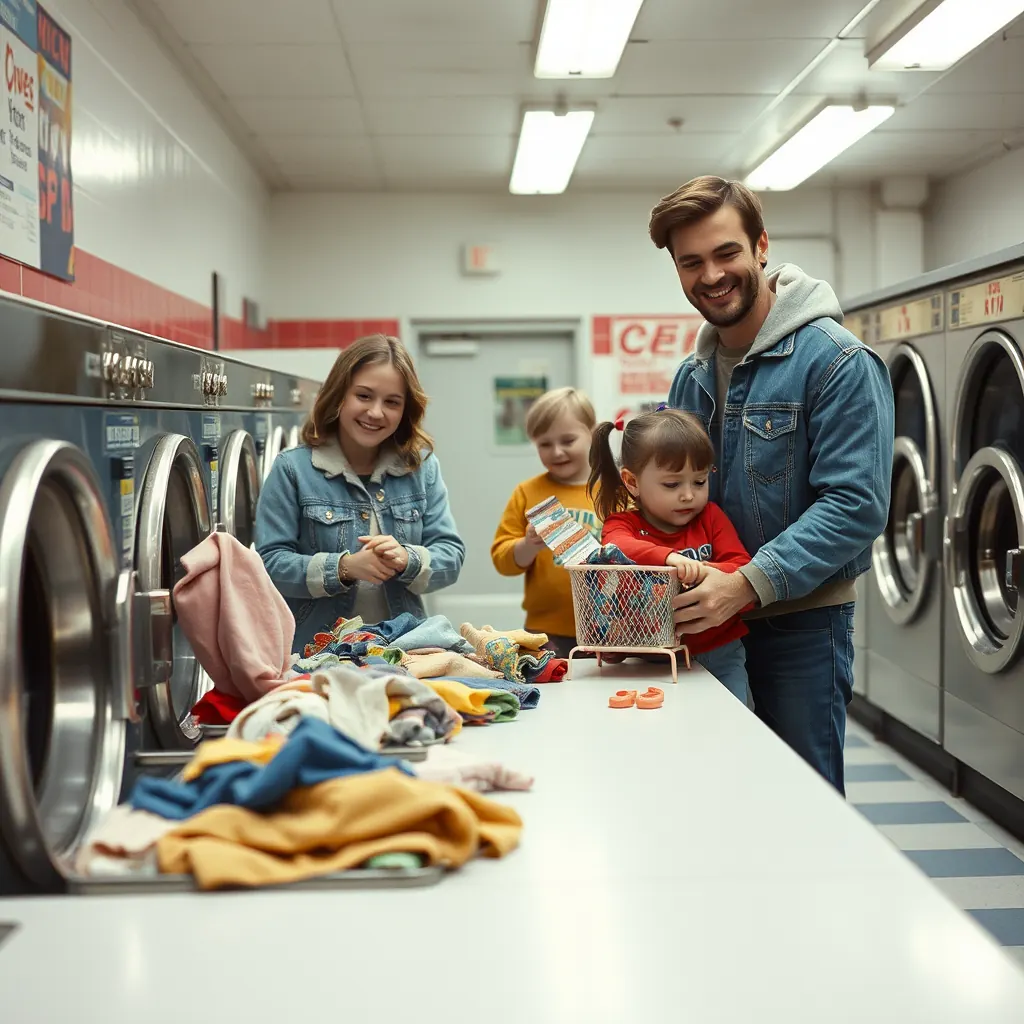
Life gets easier when your laundry routine works the way it should, and that is exactly why many people near North Main in Independence, Missouri look for a laundromat experience that is fast, clean, and easy to repeat. Fresh Spin Laundry stands out as a modern local option for handling everyday clothes, oversized bedding, and busy weekly loads with better results and fewer fabric mistakes.
Key Takeaways
- Choose the right machine size to improve cleaning and avoid extra cost.
- Sort laundry by color, fabric, and soil level for cleaner clothes and less damage.
- Use the proper wash temperature and avoid too much detergent or heat.
- Plan your visit during off-peak hours for a faster, smoother experience.
- Always confirm current hours, pricing, and services before you go.
Why North Main Laundry Basics Matter
Good laundry care starts long before a washer turns on. If you live near North Main and use a laundromat for weekly clothes, towels, bedding, or large household items, knowing the basics can save time, protect fabrics, and make every visit feel more predictable.
Fresh Spin Laundry is presented in the brief as a reliable option for people across the Independence area. That matters for renters without in-unit machines, families managing several loads at once, commuters who need a quick stop, and anyone dealing with comforters or blankets that simply do not fit well in a small home washer. A strong routine gives you faster turnaround, cleaner items, and fewer repeat washes.
Another reason these basics matter is simple: laundromat trips cost money and effort. Every wrong choice, from overloading a machine to drying on too much heat, can lead to dull clothes, shrinking, or the need to wash things again. Learning a few smart habits helps you get more value out of each trip while keeping your clothes looking and feeling better for longer.
What to Expect From Fresh Spin Laundry Near Independence
A good laundromat should make laundry day easier, not more stressful. According to the article brief, Fresh Spin Laundry serves residents, renters, commuters, and families in the Independence area with a setup focused on clean machines, reliable performance, and a straightforward workflow.
Location matters more than people sometimes realize. Easy access near residential areas and commuter routes can cut down on travel time and make it easier to fit laundry into a full day. Parking, lighting, and simple entry also shape the experience. If you are carrying baskets, large bags, or bulky bedding, a convenient setup makes a real difference.
Customers also tend to notice the same things right away. They want a space that feels organized. They want machines that work as expected. They want prices that are clear and easy to understand. They want a place where they can move from wash to dry to folding without confusion. Those details turn a routine errand into a smoother weekly habit.
If you want a look at self-service options before visiting, the self-serve laundromat page is a useful starting point. It can help you picture how a modern laundromat visit may fit into your regular schedule.
Who Benefits Most From a Local Laundromat
People use laundromats for different reasons, and each reason changes what matters most during a visit. Some need a reliable place for every load of laundry each week. Others only visit for oversized items or backup washing when home machines break down. In both cases, understanding laundry care basics improves the result and the experience.
For renters and apartment residents, laundromats often offer more space and faster equipment than shared building machines. That means fewer waits, larger capacities, and a better shot at finishing all your clothes in one trip. If your current setup is limited, a commercial laundromat can feel much more efficient.
Busy households also benefit from using larger washers and dryers. School clothes, workwear, towels, and bedding add up quickly. A local laundromat can cut several home loads into one or two larger cycles. That saves time and reduces the stop-and-start pattern that makes laundry drag on all day.
Then there are bulky items. Comforters, pillows, and heavy blankets can be hard on small home machines. In a commercial setting, these items have more room to move, rinse, and dry evenly. That extra space is one of the biggest reasons laundromats remain such a practical option.
Choosing the Right Washer Size
Machine size affects almost every part of the wash. Pick a machine that is too small, and clothes pack together too tightly to clean well. Pick one that is much larger than needed, and you may spend more than necessary. The goal is to match the load to the machine so fabrics can move freely during the cycle.
Fresh Spin Laundry, according to the brief, offers multiple washer sizes. That gives users flexibility for standard clothing loads and bigger items like blankets or family-sized batches of laundry. This matters because the right size improves cleaning power and helps protect fabric quality.
A useful rule is to leave enough room for items to circulate. Clothes should not be stuffed tightly against the drum. Water and detergent need space to move through the load. If movement is limited, stains may stay in place and detergent may not rinse out fully.
Bulky items need special attention. A comforter may fit physically inside a machine, but that does not mean it has enough room to wash properly. If it fills most of the drum before water is added, go larger. Better circulation leads to a cleaner item and lowers the chance of strain on seams and filling.
How to Prepare Before You Leave Home
Preparation is one of the easiest ways to improve a laundry trip. Sorting clothes, checking labels, and packing supplies ahead of time can turn a long, frustrating visit into a smooth one. It also keeps you from making rushed choices once you are standing in front of a row of machines.
Start by gathering everything in one place. Bring your detergent, stain remover, dryer sheets if you use them, and a payment method. Depending on what the location supports, that may mean coins, a card, or a digital option. Add baskets or laundry bags that are easy to carry and simple to load in and out of the car.
Think about your time, too. If you know you will be waiting through several cycles, pack a phone charger, headphones, or something else to help pass the time. These small additions do not change the washing itself, but they can make the visit feel much more comfortable and organized.
Before heading out, remember the brief’s reminder that hours, pricing, and service availability may change. A quick check can save you from arriving at a busy time, finding different pricing than expected, or learning that a specific service is unavailable that day.
Sort Smarter for Cleaner Laundry
Sorting is one of the most important laundry habits, yet people skip it all the time. Tossing everything together may seem faster, but it often leads to dull whites, color transfer, and uneven cleaning. A few extra minutes of sorting at home can produce much better results.
Begin with the core categories listed in the brief: whites, darks, and delicates. That basic split already lowers the risk of color bleeding and helps you choose better temperatures and drying settings. Then separate towels and bedding from regular clothes when possible. Heavy items wash and dry differently than lightweight shirts or leggings.
Soil level matters as well. Heavily soiled gym clothes, greasy workwear, or muddy items should not go in with lightly worn pieces. Dirt and odors transfer more easily than many people expect. Washing these items together can leave cleaner clothes smelling less fresh or looking dingy.
A more effective system is to sort by three factors at once:
- Color so dyes do not transfer
- Fabric weight so similar items wash evenly
- Use type so towels, clothes, and bedding get the treatment they need
This approach helps clothes come out cleaner and last longer. It also makes it easier to choose the right machine, the right cycle, and the right drying plan without stopping to rethink each load.
Read Care Labels Before Washing
Care labels are easy to ignore, especially when you are in a rush. Still, they provide the clearest instructions for keeping clothes from shrinking, fading, stretching, or breaking down early. A label tells you what the fabric can handle, and that information matters every time you wash.
Check for water temperature guidance first. Some items are best in cold water to protect dye and shape. Others can handle warm water for regular dirt. A few pieces, usually sturdy and heavily soiled, may allow hot water. If the label warns against heat, take that seriously. High temperatures can damage elastic, shrink cotton blends, and wear down printed graphics.
Drying instructions matter just as much. Labels may specify tumble dry low, air dry, or flat dry. Those details are there because dryers can change the texture and fit of a garment faster than the washer does. If you want your favorite hoodie or fitted top to keep its shape, the label is your friend.
Restrictions are especially important for delicates and specialty fabrics. Lace, rayon, wool, and certain athletic materials need extra care. Looking at the label before loading the machine can prevent expensive mistakes and help you build a more confident laundry routine.
Pick the Right Water Temperature
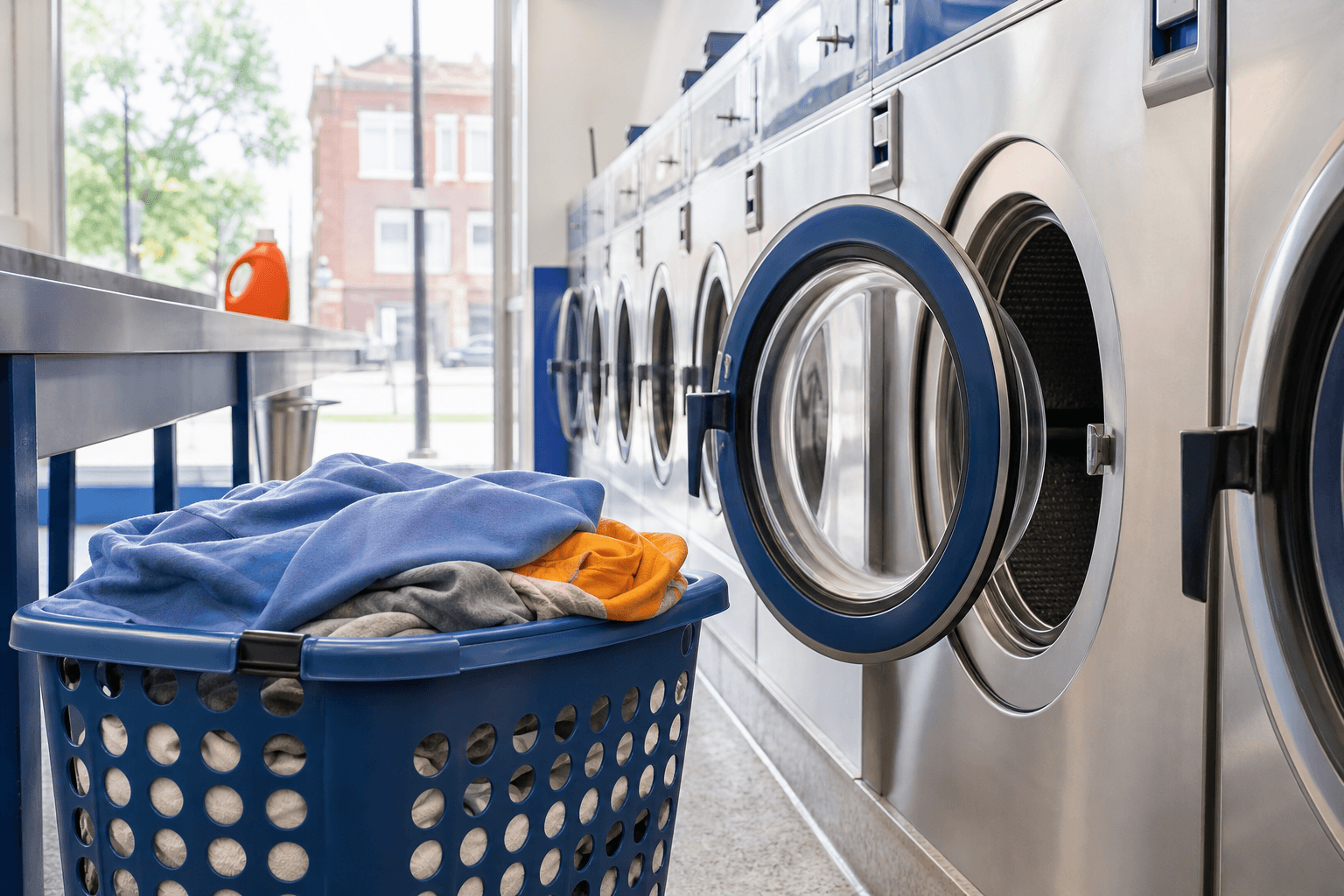
Water temperature affects stain removal, color retention, energy use, and fabric wear. The brief lays out a simple framework that works well for most loads: cold for colors and delicates, warm for everyday clothing, and hot for heavily soiled items when the fabric can handle it.
Cold water is a strong default choice for modern laundry. It is gentler on dark colors, helps reduce fading, and works well for many everyday items when paired with a good detergent. It also supports lower energy use, which makes it a practical pick for frequent loads.
Warm water sits in the middle. It is useful for common clothing loads that need a little more help lifting body oils, light stains, or daily grime. Shirts, socks, casual wear, and mixed basics often do well here, as long as the care labels allow it.
Hot water has a narrower role. It can help with heavily soiled items, towels, or workwear, but only if the material is safe for high heat. Using hot water on the wrong load can lead to shrinking, fading, and fiber stress. If you are unsure, lower heat is usually the safer move.
One smart habit is to decide the temperature while you sort. That way each category already has a likely wash setting before you arrive, which speeds up the process and lowers the chance of a rushed mistake.
Use Detergent the Smart Way
Many people assume more detergent means cleaner clothes. In reality, too much soap can leave residue, trap odors, and make fabrics look dull. The brief puts it plainly: less is more. That is a good rule in both home machines and commercial washers.
Always check how much detergent the product recommends and consider the machine size and load size. Large commercial washers may need more than a home load, but that does not mean filling the cup to the top every time. If the load is lightly soiled, a smaller amount is often enough.
Product choice matters, too. Some people need formulas for sensitive skin. Others wash athletic wear that holds odor in synthetic fibers. Workwear or heavily soiled loads may need a stronger detergent or a pre-treatment step. Matching the detergent to the job helps you clean more effectively without overdoing it.
High-efficiency products are also worth noting. The brief mentions HE detergent as one of the supplies to bring. These formulas are made to produce fewer suds, which helps many modern machines rinse properly. If a machine calls for that type of detergent, follow the guidance so you do not end up with soap left behind in the fabric.
Stain Treatment Basics That Make a Difference
Stains are easiest to remove when you deal with them quickly. Waiting too long gives oils, pigments, and grime time to set deeper into the fibers. Then the dryer can make things worse by locking the stain in with heat.
The brief recommends acting fast, blotting instead of scrubbing hard, and matching the treatment to the stain type. That is solid advice. Aggressive scrubbing can spread a stain or damage the fabric surface. Blotting keeps the affected area more controlled.
Different stains need different approaches. Oil-based spots often respond to a product meant to break down grease. Food and drink stains may need a gentle liquid treatment before washing. Dirt and mud should usually dry first, then be brushed off before laundering. If you know what caused the stain, you can choose a more effective treatment.
Before washing, give the remover a few minutes to work if the product instructions allow it. Then wash the item using the right temperature for the fabric. After the cycle, inspect the stained area before placing it in the dryer. If the mark remains, treat it again and rewash. Heat can turn a removable stain into a permanent one.
Load Washers Correctly Every Time
How you place clothes in a washer changes how well they clean. A machine packed too tightly cannot circulate water and detergent properly. A machine loaded unevenly may spin poorly or leave items wetter than expected at the end of the cycle.
Place clothes loosely in the drum instead of pressing them down. The goal is free movement. That movement helps dirt lift out and rinse away. It also reduces friction that can wear down fibers over time. Proper loading supports both cleanliness and garment life.
Keep very heavy pieces from dominating a mixed load. For example, do not combine several thick towels with lightweight tops and hope for an even wash. The heavier items absorb more water, move differently, and can limit the cleaning action for the rest of the load. Similar weights tend to wash better together.
If a machine has clear posted instructions, follow them. A well-run laundromat often provides guidance on load limits and cycle options. Using those instructions helps you get more reliable results and avoids unnecessary stress on the machine.
Dry Clothes Without Shrinking or Overheating
Drying sounds simple, but it is where many laundry mistakes happen. High heat, overloading, and poor sorting can leave clothes wrinkled, stiff, shrunken, or still damp in the middle. Commercial dryers are fast, which is helpful, but speed works best when you use it wisely.
The brief points to several common errors to avoid: overloading dryers, using too much heat, and removing clothes too early. Each one matters. An overloaded dryer prevents hot air from reaching every item evenly. Excessive heat can shrink fabrics and damage elastic. Pulling clothes out before they are fully dry can leave them musty or force you to pay for extra drying time later.
Separate heavy items from lightweight ones before drying. Towels, jeans, and blankets usually need more time than T-shirts or activewear. Drying them together can leave lighter garments overdried and heavier pieces still damp. A better split improves both speed and fabric care.
Use lower heat for delicates and items that tend to shrink. For many everyday clothes, moderate heat is enough. Once the cycle ends, remove items promptly to reduce wrinkles and free the machine for others. That small habit improves your own routine and shows good shared-space manners.
Handling Comforters, Blankets, and Other Bulky Items
Bulky laundry is one of the biggest reasons people head to a laundromat. Home machines often struggle with oversized items because there is not enough room for proper water flow and movement. Commercial machines solve that by offering more capacity and stronger performance.
Comforters, blankets, and pillows all need space to wash well. If these items are compressed inside the drum, the center may stay dirty or hold onto detergent. A larger machine gives them room to open up during the cycle, which leads to more even cleaning.
Drying bulky pieces also takes planning. Thick filling and layered fabric trap moisture, so even when the surface feels dry, the inside may still be damp. Pause to reposition the item if needed, and allow enough time for a full dry. This helps prevent odors and keeps bedding fresh between uses.
The brief highlights Fresh Spin’s commercial machines as a strong fit for bulky loads because they offer more space, better cleaning power, and faster drying. That combination makes laundromats especially useful for seasonal bedding changes, guest linens, or any item too large for a standard home washer.
Caring for Delicates and Specialty Fabrics
Delicate clothes need a gentler approach from start to finish. That does not always mean hand-washing every item, but it does mean paying closer attention to sorting, bagging, cycle choice, and heat. If you skip those steps, thin fabrics and stretchy pieces can wear out fast.
The brief recommends mesh bags, gentle cycles, and low heat or air drying. Those are smart basics. Mesh bags reduce snagging for bras, underwear, lightweight tops, and other small items. Gentle cycles lower the force of agitation. Low heat helps protect shape and elasticity.
Some specialty items still need extra caution. Wool, silk-like fabrics, embellished garments, and certain formal pieces may need hand-washing or professional cleaning. If the label says not to machine wash, believe it. Saving a few minutes is rarely worth ruining a piece you like.
Another good habit is to wash delicates with similar fabrics rather than tossing them in with heavy basics. Lightweight items can get twisted, stretched, or rubbed down by thicker clothes. Keeping them separate makes your load easier to manage and gives those garments a much better chance of staying in good condition.
Managing Workwear, Gym Clothes, and Heavy-Duty Loads
Some laundry needs more than a standard cycle. Work uniforms, construction gear, food-service clothing, and athletic wear often hold stronger odors, grease, or sweat buildup. These items should be washed with intention instead of mixed into a regular load of casual clothing.
The brief advises separating heavy-duty items from normal laundry, using pre-treatment, and running full wash cycles. That is the right move. Grease and odor can transfer, and heavily soiled clothes may need stronger cleaning action than everyday items.
For workwear, start by checking the label for temperature guidance. Then treat obvious spots before washing. A full cycle gives detergent and water enough time to break through grime. If the fabric allows it, warm or hot water may help more than cold, but always follow label instructions.
Gym clothes need a different kind of care. Synthetic fibers hold onto sweat and odor, so avoid overloading the washer and avoid too much detergent, which can leave buildup in the fabric. Dry on lower heat if possible. High temperatures can wear down stretch materials over time.
Timing Your Visit for a Faster Laundry Day
Timing has a major impact on how smooth a laundromat trip feels. The brief notes that evenings and weekends are often peak periods. That is not surprising. Those are the times when people are off work, catching up on home tasks, or trying to reset for the week ahead.
If your schedule allows it, off-peak visits can make the whole process easier. Fewer people usually means easier parking, more machine choices, and less waiting for washers, dryers, or folding space. That saves time and lowers stress before your first load even starts.
Once your laundry is running, stay close enough to switch loads promptly. Delaying the move from washer to dryer adds dead time to your visit and can create inconvenience for other customers. A simple timer on your phone helps you stay on track and keeps the day moving.
Consistency also helps. If you can pick a regular laundry time each week, the task feels less random and easier to fit into your routine. Laundry tends to pile up when there is no set plan. A stable schedule turns it into a manageable habit instead of a last-minute problem.
What a Clean, Well-Run Laundromat Looks Like
Cleanliness matters in a place built around washing clothes. The brief lists several signs of quality at Fresh Spin Laundry: clean floors and folding areas, functional machines, clear instructions and pricing, and good lighting and ventilation. Those features shape both the feel of the space and the quality of your visit.
Start with the obvious visual checks. Folding tables should look wiped down. Floors should be free of excess lint, spills, and clutter. Machines should appear cared for rather than neglected. A laundromat that keeps up with these visible details often gives more attention to the overall customer experience.
Working equipment is just as important. Reliable washers and dryers save time, reduce frustration, and help ensure your clothes come out the way you expect. Clear signs or instructions also make a difference, especially if you are trying a different machine size or payment option for the first time.
Ventilation and lighting are easy to overlook, but they affect comfort and safety. A bright, well-lit room feels more welcoming and easier to use. Good airflow helps the space stay fresh while multiple dryers are running. Together, these features point to a laundromat that values clean operation and customer comfort.
Safety Habits and Shared-Space Etiquette
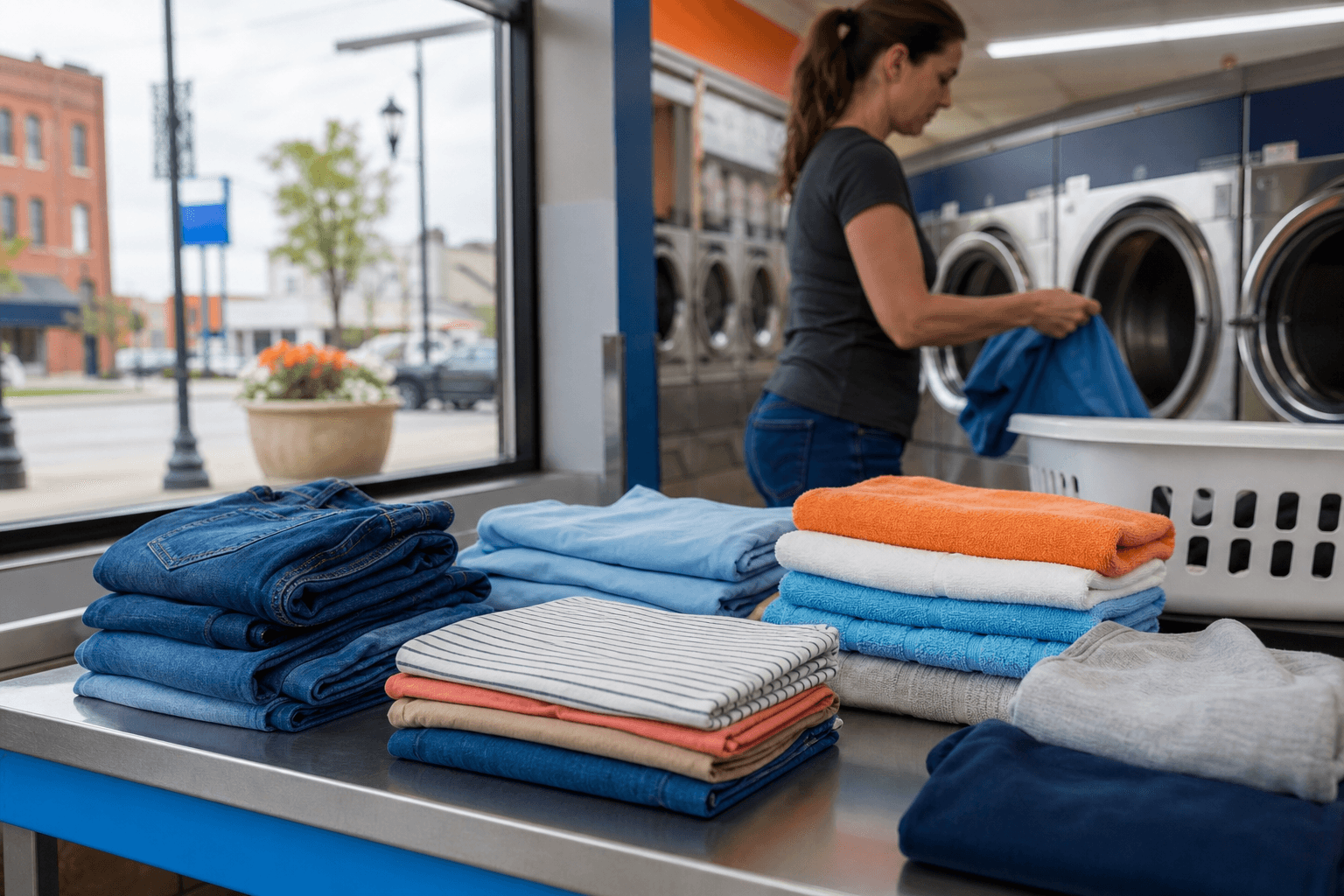
Laundromats are shared spaces, so a few practical habits go a long way. The brief recommends staying aware of your surroundings, keeping valuables with you, and avoiding leaving laundry unattended too long. Those are simple steps, but they matter.
Keep your phone, wallet, keys, and other personal items close. Even in a comfortable setting, it is smart to stay alert. If you step out briefly, take valuables with you and return before your cycle ends. That protects your belongings and prevents delays for the next person waiting on a machine.
Etiquette matters, too. Remove clothes promptly when a cycle finishes. Respect shared folding areas by using only the space you need and wiping up any mess you make. Keep noise at a reasonable level so the environment stays calm and usable for everyone.
These habits create a better laundromat culture. They reduce friction, help people move through their loads more smoothly, and make the space feel more organized. In a busy community setting, basic respect can improve the entire experience.
Cost, Time, and Getting Better Value Per Visit
Laundry costs can add up if you do not plan your loads well. The brief points out that total cost depends on machine size, number of loads, drying time, and any supplies or extra services you use. That means value comes from making smart choices before and during the visit.
Sorting ahead of time is one of the best ways to save time and money. It helps you choose the right machine size quickly and avoids the chaos of rearranging loads after you arrive. Running full loads, without overloading, also improves efficiency. You want each machine to work hard enough to justify the cost without reducing cleaning quality.
Drying is another area where money can slip away. If you mix heavy and light items, you often end up paying for extra dryer time that only a few pieces actually need. Separate them, choose the right heat, and remove clothes as soon as they are done.
Laundromats can still beat home laundry in many cases. Larger machines, faster cycles, and better handling for bulky loads are major advantages. The tradeoff is that you do travel and pay per visit. The smartest approach is to use the laundromat in a way that gives you the most speed, capacity, and convenience for the cost.
Optional Services That Can Save Time
Some people want to do every load themselves. Others would rather hand off the task and use their time elsewhere. The brief mentions optional convenience services like wash-and-fold and possible assistance with large or specialty items, while also reminding readers to confirm availability directly.
Wash-and-fold can be a great fit for busy students, professionals, parents, or anyone trying to free up part of the week. Instead of spending time sorting, washing, drying, and folding at the laundromat, you drop off your clothes and return for them later. That is a strong option when your schedule feels packed.
If you want to explore that route, take a look at the wash and fold service page. It offers a simple way to understand whether drop-off service might suit your routine better than full self-service visits.
Even if you usually prefer doing your own laundry, these services can help during unusually busy weeks, move-in periods, exam weeks, or after travel. They can also be useful for larger household loads that would otherwise take up a big part of your day.
Modern Laundry Trends You May Notice
Laundromats today often feel different from the coin-only spaces many people picture. The brief highlights several trends that shape modern laundry care, including card or app-based payments, more efficient machines, and a stronger focus on eco-friendly habits.
Digital payment systems make the process easier for customers who do not carry coins. Card or app options can speed up transactions and reduce the hassle of finding change before you wash. If a location supports those tools, they can make the visit feel much more convenient.
Machine improvements also matter. Faster cycles, gentler fabric handling, and better water and energy use help customers finish sooner while still getting strong cleaning performance. These upgrades support both practicality and garment care, which is exactly what many people want from a modern laundromat.
Eco-friendly laundry habits are becoming more common as well. Cold water washing, high-efficiency detergents, and smarter machine performance all support lower resource use. For customers, this often means less waste and lower energy use without giving up clean results.
Common Laundry Questions People Ask
A lot of laundry problems come down to a few repeated questions. The brief gives direct answers to some of the most common ones, and those answers are useful for both beginners and regular laundromat users.
What should you bring? At minimum, bring detergent, laundry bags or baskets, dryer sheets if you use them, and a payment method. Stain remover is also a smart addition, especially if you tend to wash workwear, gym clothes, or kids’ clothing.
How do you avoid shrinking clothes? Follow care labels, separate fabrics, and use lower heat. Most shrinking happens because people wash or dry items hotter than the fabric can handle. Slowing down and choosing gentler settings protects fit and shape.
How do you improve stain removal? Pre-treat stains early, use the right product, and avoid drying a stained item until you know the mark is gone. That one habit saves a lot of clothes from becoming permanent problem pieces.
Are laundromats better for large loads? In many cases, yes. Commercial machines handle comforters, blankets, and oversized batches more effectively because they offer the space and power those loads need.
Double-Check Details Before You Head Out
Even a well-planned laundry trip can go sideways if you assume details that have changed. The brief makes a clear point here: always confirm current hours, pricing, and services before you leave. That quick check helps you avoid wasted time and unexpected costs.
Operating hours can shift due to holidays, staffing, maintenance, or other schedule changes. Pricing can vary by machine size or service type. Optional services may be available on some days and not others. Checking first keeps your expectations realistic and your trip more efficient.
It is also worth confirming directions, parking, and entry points if you have not visited recently. Updated map listings can help, especially if traffic patterns or nearby access points have changed. This is extra helpful when you are bringing multiple loads or large bedding items and want the easiest route in.
If you want a quick reference for general details people often ask about, the FAQ page can help. It is a practical stop before you go, especially if you are trying to avoid surprises on a busy day.
Building a Laundry Routine That Fits Your Life
The best laundry routine is one you can actually repeat. That means choosing a system that works with your class schedule, work hours, living space, and the kind of clothes you wear most often. Laundry basics matter because they support consistency, and consistency makes the task feel lighter.
Busy households do well with batching by category. Workwear, school clothes, towels, and bedding can each have a regular slot in the week or every other week. That prevents giant pileups and makes it easier to estimate how much time and money a visit will require.
For people living alone, smaller but regular trips may work better. That approach keeps loads manageable and helps you avoid mixing everything together just to get it done faster. If your life is packed, choosing a less busy time and staying prepared with supplies can make the whole process feel much easier.
Fresh Spin Laundry’s role in the Independence area, as described in the brief, reflects a larger need in the community. Renters, families, and people with large-load needs all depend on accessible laundry options that are clean, fast, and clear to use. A good laundromat supports everyday hygiene and daily life in a very real way.
Get Better Results Every Time
North Main laundry care basics come down to a few smart habits: sort before you go, read labels, choose the right machine size, use detergent carefully, treat stains early, and dry with the right heat. Those steps help you protect your clothes, save time, and get a more reliable result from every laundromat trip.
Fresh Spin Laundry is positioned in the brief as a dependable option for fast, effective laundry care in Independence, Missouri. If you prepare ahead, confirm the latest details before leaving, and use the machines with purpose, laundry day becomes much smoother and a lot less frustrating.