
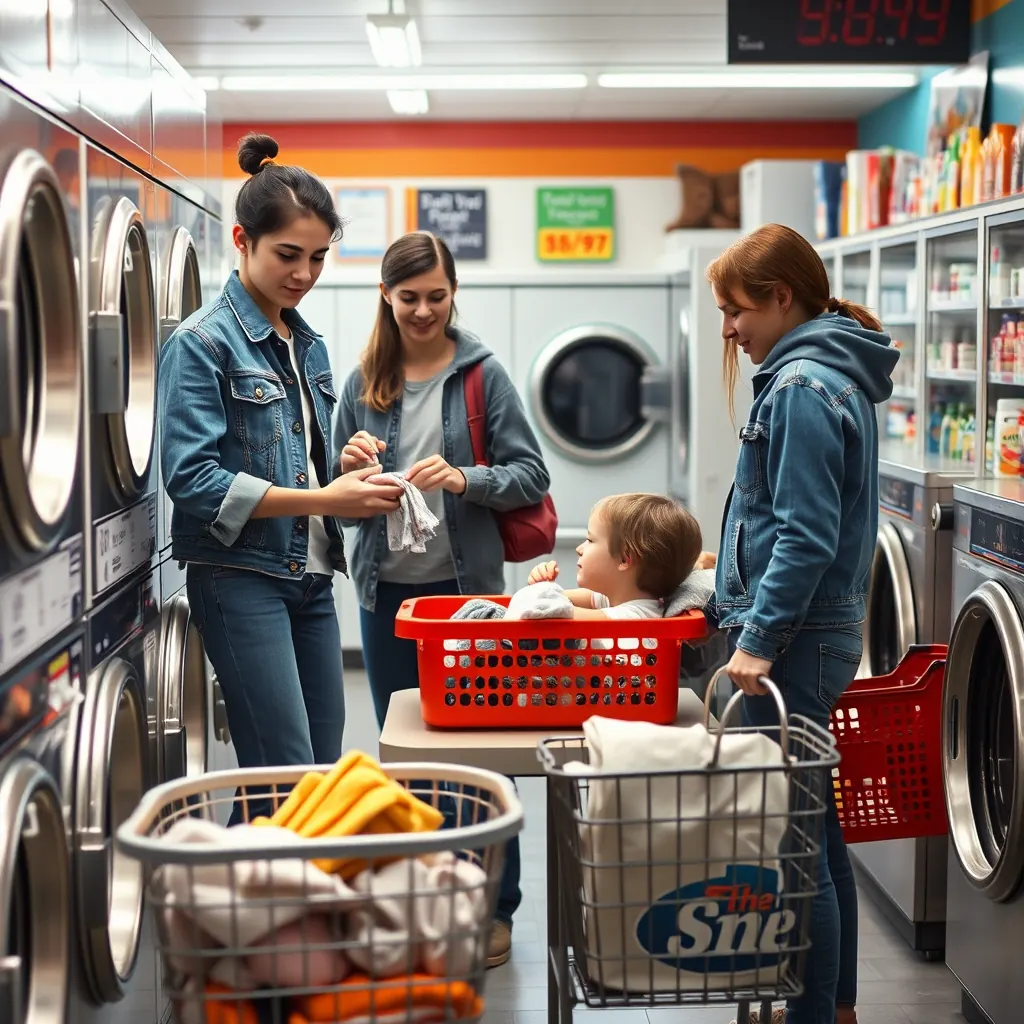
Endless clothing piles, missing socks, and last-minute school uniform hunts can make family laundry feel like a weekly crisis, but the real issue is often system failure, not too many clothes. Fresh Spin Laundry’s Blue Summit System gives busy families a practical way to sort earlier, involve kids, and keep every load moving all the way from hamper to drawer without the usual weekend overload.
Key Takeaways
- Start sorting at the bedroom level so laundry reaches the washer ready to go.
- Use short daily routines because small wins beat long weekend catch-up sessions.
- Get kids involved early to build responsibility and reduce parent workload.
- Follow through after each load so clean clothes reach their final destination.
- Focus on consistency, not perfection, to keep the system easy to maintain.
Stop Letting Laundry Run Your Life
For many families, laundry is never just laundry. It becomes a chain reaction of stress, clutter, rushed mornings, and the nagging feeling that the house is always one load behind. A shirt gets left in a basket, socks disappear into random corners, and suddenly Saturday turns into a full-day recovery mission.
That cycle makes it easy to believe the problem is volume. Parents often assume they simply have too many kids, too many outfits, too many sports uniforms, or too little time. In reality, the bigger issue is often the lack of a clear repeatable system. Without one, every load demands fresh decisions, and even simple tasks feel bigger than they are.
The Blue Summit System from Fresh Spin Laundry changes that pattern. It gives families a method that reduces pileups, simplifies everyday routines, and helps kids take part in real household responsibility. This approach does not ask for perfect folding, spotless laundry rooms, or endless free time. Instead, it aims for smooth flow, useful habits, and fewer points where laundry gets stuck.
That shift matters because a family system has to work on busy school mornings, after late practices, and during weeks when nobody has extra energy. A good setup lowers the number of decisions you need to make. It also makes the next step obvious, which is often the difference between a clean shirt ending up in a drawer or staying in a basket for three days.
Fresh Spin’s approach also fits how real households work. Parents are managing jobs, meals, rides, homework, and constant interruptions. Children are learning routines and responsibility at different ages. A laundry method that depends on one person doing everything perfectly is bound to break down. A system that shares simple tasks and keeps the process visible has a much better chance of lasting.
The Fresh Spin Philosophy: Small Daily Wins Beat Weekend Overload
The Blue Summit System is built on a simple idea: prevent laundry chaos before it starts. Many households fall into reactive habits. They wait until baskets overflow, someone runs out of socks, or a sports jersey is urgently needed. Then they scramble to catch up, usually while feeling annoyed and tired.
Fresh Spin replaces that scramble with a proactive rhythm. Instead of dealing with one giant laundry event at the end of the week, you create smaller steps that happen naturally during daily life. This lowers mental load and keeps each part of the process manageable.
The philosophy rests on three core pillars. First, sort early, not late. Sorting should happen before clothes arrive in a giant mixed pile by the washer. Next, build kid participation early. Laundry should be a household system, not one parent’s private burden. Finally, finish what you start. Clean clothes should move all the way to their final spot instead of lingering in baskets or on furniture.
Those pillars work well because they target the points where laundry usually stalls. Sorting often gets postponed until the last minute. Participation often stays uneven, with one adult doing most of the work. Finishing the load often feels optional, so clean laundry becomes a fresh form of clutter. Once those three weak spots are fixed, laundry becomes far more predictable.
This mindset also reduces emotional friction. Families do better with systems that are clear and easy to repeat. If everyone knows where dirty clothes go, what happens after a cycle ends, and what part they are responsible for, there is less arguing and less confusion. The process becomes routine rather than a constant topic of discussion.
Homes and Gardens highlights parent-approved ways to stay on top of a family’s laundry, and that broad idea aligns with the Blue Summit method. Staying on top of laundry rarely comes from heroic effort. It comes from building small habits that stop the mess from snowballing.
Step One: Set Up a No-Stress Sorting System at Home
The easiest laundry load is the one that arrives already organized. That is why the first step in the Blue Summit System begins long before the washer starts. A smart sorting setup removes guesswork and saves time every single day.
Most households make a common mistake. They treat sorting as something that happens in the laundry room after all the clothes have already piled up together. That approach creates a big mixed heap of lights, darks, towels, school clothes, workout gear, and random small items. By the time a parent faces that pile, the task already feels bigger than it should.
A better plan is to move sorting closer to where clothes come off. That means bedrooms, bathrooms, mudrooms, or any drop zone your family uses every day. Once sorting becomes part of the routine at the source, you cut out a major bottleneck.
To make that happen, start with a few visible tools:
- Labeled hampers for lights, darks, and colors
- Color-coded bins for easy recognition
- Picture labels for younger kids who cannot read well yet
- A simple family rule that clothes go into the right bin right away
This setup helps children participate without needing constant reminders. A preschooler can follow a blue sticker or a shirt icon. An older child can sort by label or by color group. Adults save time because the hard part has already happened before laundry day even begins.
Bedroom-level sorting is especially useful for larger families. If each room has a basic system, you avoid dragging mixed piles from one space to another. It also makes kids more aware of their own clothes and routines, which builds ownership.
Next, create a ready-to-wash zone in the laundry area. Even if bedroom bins are doing most of the sorting, you still need a small staging area near the machines. This zone should include three simple categories: delicates, everyday wear, and heavy-duty items like towels or sports gear.
That setup cuts decision fatigue in a big way. You no longer stand in front of the machine wondering whether this is a towel load, a gym clothes load, or a school clothes load. The answer is already visible. Decision fatigue is one of the hidden reasons laundry feels exhausting. Every time you remove a choice, you make action easier.
Families also benefit from a quick pre-wash habit. Fresh Spin’s 60-second clothing check helps prevent common disasters that waste time and damage clothes. Before items go into the washer, everyone should learn a few checks:
- Empty pockets so tissues, wrappers, and crayons do not ruin a full load
- Zip zippers and fasten buttons
- Close Velcro so it does not snag softer fabrics
- Turn printed or delicate items inside out
- Place socks, undergarments, and small items in mesh bags
That one-minute routine can prevent many household headaches. A forgotten tissue can leave lint everywhere. A crayon can wreck an entire batch. Open hooks or rough closures can pull threads and damage favorite items. Small checks save larger cleanup later.
Smarter separation also improves washing results. Color matters, but it is not the only sorting factor. Fabric type and soil level are just as important. Towels and heavily used sports gear need different treatment from school polos or soft sleepwear. If you wash everything together, some items will not get fully clean while others take extra wear.
For a practical baseline, use hot water for whites and towels, and cold water for colors and darks unless a load is heavily soiled. Add detergent before clothes so it distributes more evenly. Keep the amount moderate. Too much detergent often leaves buildup and residue, which can make fabrics feel less fresh instead of cleaner.
This first step may seem simple, but it changes the entire flow of the household. Once dirty clothes are sorted early and checked quickly, starting a load becomes easy enough to do without procrastination.
Step Two: Wash and Dry Like a Pro Without Wasting Time or Energy
A strong sorting system matters, but the middle phase still needs attention. Families often lose time and energy by overloading machines, using the wrong settings, or letting clean clothes sit too long. The Blue Summit System keeps the wash-and-dry stage efficient and predictable.
Start with the washer itself. Many people assume a fuller drum means better productivity. In practice, overloading usually leads to poorer cleaning and longer drying time. Clothes need room to move so water and detergent can circulate properly. A reliable rule is to fill the drum to about three-quarters capacity.
That limit gives the load enough space to tumble and rinse well. It also helps reduce detergent residue and uneven washing. If uniforms, jeans, or towels come out still looking dull or smelling less than fresh, overloading may be the reason.
Cycle selection matters too. Families often default to one setting for every load because it feels faster. A better approach is to match the cycle to the fabric type and the soil level. Everyday shirts may do well on a normal cycle, while activewear, delicates, and towels each benefit from a setting that suits their material and use.
In most cases, cold water should be the default choice. It helps protect color, reduces energy use, and works well for typical family clothing. Reserve warmer settings for loads that truly need them, such as whites, towels, or heavily soiled items. This simple switch can save money over time while being easier on fabrics.
Machine care is another overlooked step. A washer that smells musty can transfer that odor into clothing, even if the load itself is fresh. Check for unusual smells and run maintenance cycles when needed. Keeping machines clean helps every future load perform better.
Once washing is done, drying should not become a new bottleneck. The first easy win is to shake out clothes before placing them in the dryer. This quick move separates damp items, reduces tangling, and can shorten dry time. It also helps reduce wrinkles before they set in.
Dryer balls are another useful tool. They help improve airflow, reduce static, and can shorten drying time. For many families, they are a better option than heavy use of fabric softener, especially if the goal is speed and simplicity.
Every dryer cycle should also begin with one safety habit: clean the lint trap. This supports better airflow, improves efficiency, and lowers fire risk. It takes seconds and has a major effect over time. Skipping it can make clothes dry slower and can strain the machine.
Perhaps the most important drying rule is also the easiest to ignore: remove clothes promptly. Leaving clean laundry in the dryer creates wrinkles and can lead to a stale smell if the load sits too long. The Blue Summit System treats this moment as part of the process, not an optional final detail.
Predictability is the goal here. When each load is washed at the right size, dried with the right habits, and moved promptly, the laundry process stops feeling random. That reliability matters a lot for busy homes, because each extra minute of delay tends to multiply into a new pile later.
Families who want another layer of convenience can also explore support options like wash and fold service during packed weeks. The key idea is the same either way: keep the system moving and remove avoidable backups.
Step Three: Eliminate the Clean Laundry Pile Forever
Dirty laundry gets most of the attention, but clean laundry is often where family systems truly break down. Clothes get washed and dried correctly, then sit in baskets, pile up on couches, or travel from room to room without ever being put away. That is why Fresh Spin places heavy focus on the final stage.
The first fix is the basket method. Fold clothes directly into a basket instead of laying them across furniture or creating separate little stacks around the house. This keeps every load contained and ready to move. Once the basket is filled, carry it straight to the room where the items belong.
That may sound obvious, but it changes the pace of the task. Furniture creates false stopping points. A bed covered in folded shirts still means the job is unfinished. A destination basket keeps movement built into the process.
Another useful trick is to wash similar items together when possible. Loads made up mostly of socks, undergarments, school basics, or towels are much easier to sort and put away fast. Mixed loads are slower because every few pieces belong in a different room or drawer. Similar loads reduce friction and speed up completion.
Fresh Spin also recommends the 10-minute folding rule. Set a short, non-negotiable window after each load. During that time, fold or organize the contents before they have a chance to become clutter. A small deadline works because it keeps tasks from stretching into the evening or the next day.
Busy parents often avoid folding because it feels like one more major chore. In reality, a single load usually takes far less time than people expect if it is handled right away. The longer it sits, the more annoying it feels. Quick action keeps the task small.
The final destination rule is the real game changer. In the Blue Summit System, clean clothes never sit “temporarily.” They go directly where they belong. That means drawers, closets, hooks, cubbies, or bins. No halfway storage. No waiting until later if later almost never comes.
For children, the setup matters as much as the rule. Use low hooks, open bins, and easy-access drawers so they can put items away on their own. If a child cannot reach the closet rod or open the heavy drawer smoothly, participation drops. A family system should match the age and ability of the people using it.
This stage is also where confidence grows. Kids can often put away clothes before they can fold them well. That is still useful. A shirt placed in the right bin is better than a perfectly folded shirt abandoned in the wrong room. Progress matters more than display-ready results.
If clean laundry piles have been a chronic problem in your home, this is the section to act on first. The true success of laundry is not having washed clothing. It is having usable clothing back in the right place when your family needs it.
Turn Laundry Into a Life Skill Without the Battles
Many parents carry the entire laundry load because teaching kids feels slower in the short term. That is understandable, but it creates long-term imbalance. The Blue Summit System treats laundry as a shared life skill, which means children join early and build confidence step by step.
Young kids can start with very simple jobs. Toddlers can place clothes into the correct bins. This task is visual, repetitive, and easy to turn into a game. A child who can match colors or pictures can help sort laundry in a basic way.
Elementary-age children can take on more. They can sort colors, match socks, and move laundry between washer and dryer with supervision. At this stage, the goal is routine and familiarity. Kids learn that laundry has stages and that each stage has a purpose.
Teenagers are ready for greater independence. They can handle stain treatment, folding, and complete loads from start to finish. This skill matters far beyond the family home. It prepares them for college, work schedules, travel, and everyday adult responsibility.
To keep participation from turning into conflict, parents should avoid perfection traps. Fresh Spin’s “No-Redo Rule” is especially helpful. If a child folds a shirt imperfectly, do not silently redo it later in front of them. That sends the message that their effort did not count. Instead, focus on progress and consistency.
Confidence grows through repetition. If children believe every task will be corrected, they stop trying. If they know their contribution is real, they improve faster. Laundry becomes less of a battle and more of a normal household role.
Games can also make a big difference. Families can use timed sorting rounds, matching challenges, or “beat the buzzer” folding sessions. These methods work well because they add movement and focus without requiring rewards every time. The task feels active rather than boring.
Language matters too. Instead of framing laundry as punishment, present it as part of how the family works together. That small shift changes the mood. Children are more likely to cooperate when they see themselves as contributors rather than as people being assigned random chores.
Parents also benefit from letting go of image-based expectations. A child’s folded towel may look rough. A teen may need reminders at first. That does not mean the system is failing. It means skills are forming. Over time, repeated responsibility tends to create better habits than repeated lectures.
When kids share laundry tasks, parents gain more than help. They gain fewer rushed mornings, fewer misplaced essentials, and a home where responsibility is spread more fairly. That is a meaningful payoff for a skill that starts with something as simple as sorting a T-shirt into the right bin.
Build a Weekly Laundry Rhythm That Runs Itself
Systems work best when they are connected to time. Without a weekly rhythm, even a great sorting setup can fall apart during a busy stretch. The Blue Summit System uses a consistent schedule to keep laundry from building into a crisis.
Start with ownership. One person can be responsible for gathering daily laundry, but everyone should contribute to the system in some way. Shared ownership reduces confusion. It also stops laundry from becoming invisible labor handled by one exhausted adult.
After that, create a visible laundry schedule. Place it somewhere central, such as a kitchen board, laundry area, or family command center. The schedule should reflect real needs. Sports uniforms, school outfits, workwear, towels, and bedding all have different urgency levels, so assign days with purpose.
A weekly structure might look like this:
- Monday: school clothes and basics
- Tuesday: towels and bathroom items
- Wednesday: sports gear and activewear
- Thursday: darks and everyday clothing
- Friday: bedding or catch-up load
The exact plan matters less than its consistency. Once the household knows what happens on which day, laundry stops being a constant question. You do not need to think about whether now is the right moment to wash uniforms. The schedule already answers that.
Micro-routines are another core part of the system. One load on a weekday often beats a huge marathon on the weekend. A quick folding session after dinner is easier to manage than a mountain of baskets on Sunday afternoon. Small routines keep the work distributed.
This approach also lowers the mental burden. Giant laundry sessions demand long blocks of time and energy that many families simply do not have. Smaller routines fit into ordinary life better. They ask less at once, so they are easier to repeat.
Planning ahead makes the rhythm even stronger. At the start of each week, check the calendar for sports events, travel, school activities, or overnight guests. Those details change laundry demand in predictable ways. If a tournament or trip is coming up, add an extra load earlier in the week so essentials are ready.
Families who stay ahead often look less “organized” in the glamorous sense and more prepared in the practical sense. They know what is needed, when it is needed, and who is helping make it happen. That is the true goal of a useful laundry rhythm.
If your household uses outside support for especially busy times, keeping a posted rhythm still helps. It makes it easier to decide what should be handled at home and what should be outsourced. For common questions about timing, load expectations, or service details, a quick visit to the laundry FAQ can help families plan smarter.
Fresh Spin’s Advanced Hacks for Busy Families
Even the best routine gets tested by real life. Travel weeks, sick days, school events, and sports schedules can throw off a household fast. The Blue Summit System includes a few advanced tricks that help families recover quickly without slipping back into chaos.
The first is to wash by priority, not by pile order. Many people automatically grab the fullest basket first. That is not always the smartest choice. Essentials like school uniforms, work clothes, socks, underwear, and sports items should come first. A giant towel load can wait if everyone is about to run out of daily basics.
This shift is simple but powerful. It makes laundry support your actual week instead of following whatever pile looks biggest. Priority washing protects mornings from last-minute panic.
Stains also deserve fast action. Treat them immediately if possible. If you cannot wash the item right away, place it in a designated pre-treat bin so it does not disappear into a mixed load and get forgotten. Stains that sit too long are harder to remove and more likely to become permanent.
Another useful tool is the two-basket method for emergency weeks. Use one basket strictly for dirty items and one strictly for clean items. Keep them separate at all times. This sounds basic, but during hectic periods, mixed baskets are a major source of confusion. Clear separation preserves order when the full routine is under pressure.
Families who rely on laundromat visits can also cut stress by sorting at home first. Arriving with clothes already grouped by color, fabric, or priority saves time and keeps the process focused. Instead of sorting in a public space while managing children and supplies, you can move straight into washing.
If your week requires extra machine capacity, a visit to a self-serve laundromat can be much smoother when clothes are pre-sorted and bagged by load. That one step turns a potentially chaotic outing into a more efficient errand.
Another advanced habit is to keep a small laundry rescue kit near the machines. This can include mesh bags, a stain stick, spare labels, dryer balls, and a small basket for loose items. Having those tools within reach reduces interruptions and helps you act quickly when a problem appears.
Busy families also benefit from keeping a short list of “must-wash” items visible. For example, soccer uniforms by Thursday, work shirts by Tuesday night, and bedding before guests arrive. This keeps the household focused on what matters most when time is limited.
Advanced hacks do not need to be dramatic. Their value comes from keeping momentum during the very weeks when momentum is hardest to hold.
Mistakes That Quietly Make Laundry Harder
Sometimes laundry feels difficult because of hidden habits that work against you. These mistakes seem small in the moment, but they create extra work, poorer results, and more frustration over time. Fresh Spin’s system helps families spot and fix them early.
The most common mistake is overloading the washer. People do this to save time, but it often causes the opposite result. Clothes do not move freely, detergent cannot distribute evenly, and the load may come out less clean. Then items need rewashing or extra drying, which eats up both time and energy.
Another frequent issue is ignoring care labels. Those tags may seem annoying, but they are there for a reason. Certain fabrics need cooler water, gentler cycles, or air-drying to keep their shape and finish. If you skip those instructions regularly, favorite items wear out faster.
Many families also forget the lint trap. Skipping this step lowers dryer efficiency and raises safety risks. A clogged trap restricts airflow, increases dry time, and can create a dangerous buildup. This is one of the easiest habits to fix and one of the most important.
Using too much detergent is another quiet problem. More soap does not always mean cleaner clothes. In many cases, it leaves residue on fabric and inside the machine. That buildup can trap odors and make garments feel stiff or less fresh.
There are also system mistakes that have little to do with the machine itself. Waiting too long to sort, letting clean clothes sit, and treating folding as optional all create delays that ripple into the next day. These choices seem minor, but they add up fast.
A less obvious mistake is making the system too hard for kids to use. If bins are unclear, labels are confusing, or storage spaces are out of reach, participation drops. A family laundry setup should be simple enough that people can follow it even when they are tired or rushed.
Parents may also hurt progress by correcting every imperfect result. If every shirt gets re-folded and every small mistake gets called out, children learn that their help is never good enough. That slows learning and keeps too much responsibility with the parent.
The fix for most of these mistakes is not more effort. It is better structure. Clear bins, moderate detergent, proper load size, quick follow-through, and age-appropriate responsibilities all make laundry easier without asking for extra perfection.
From Laundry Chaos to a System That Runs Itself
Family laundry gets lighter when the process makes sense. The Blue Summit System from Fresh Spin Laundry works because it focuses on flow: sort early, wash with purpose, dry efficiently, and put clothes away right away. Each step supports the next one, which means fewer stalls and fewer giant catch-up sessions.
The payoff is real. Parents deal with less stress, fewer overwhelming piles, and fewer rushed searches for essentials. Kids gain useful responsibility. The household spends less energy reacting to laundry and more energy simply moving through the week.
Most important, this system does not depend on perfection. It depends on consistency. A few simple routines done regularly beat one heroic weekend every single time. That is why the Blue Summit method feels realistic for busy families. It respects the fact that life is full, schedules shift, and energy levels change.
If you want to begin today, start small. Set up sorting bins where clothes actually come off. Add the 60-second clothing check. Choose one daily load routine and stick with it for a week. Then build from there. Small changes create momentum, and momentum is what keeps laundry from taking over.
Fresh Spin Laundry stands out as a go-to resource for families who want smarter systems, cleaner results, and less stress, whether that means improving routines at home or getting help during packed seasons. The goal is simple: make laundry support family life instead of running it.
Helpful Fresh Spin Resources
Keep exploring related Fresh Spin Laundry guides and local service pages.
- Top Kansas City Laundromats For Busy Families Ultimate Guide To Clean Convenient And Kid Friendly Spots
- Ultimate Guide To Kids Laundry Services In Englewood Specialized Care For Little Ones
- Ultimate Guide To Specialized Laundry Services For Kids Clothes Spotlight On North Main Laundry And Top Providers