
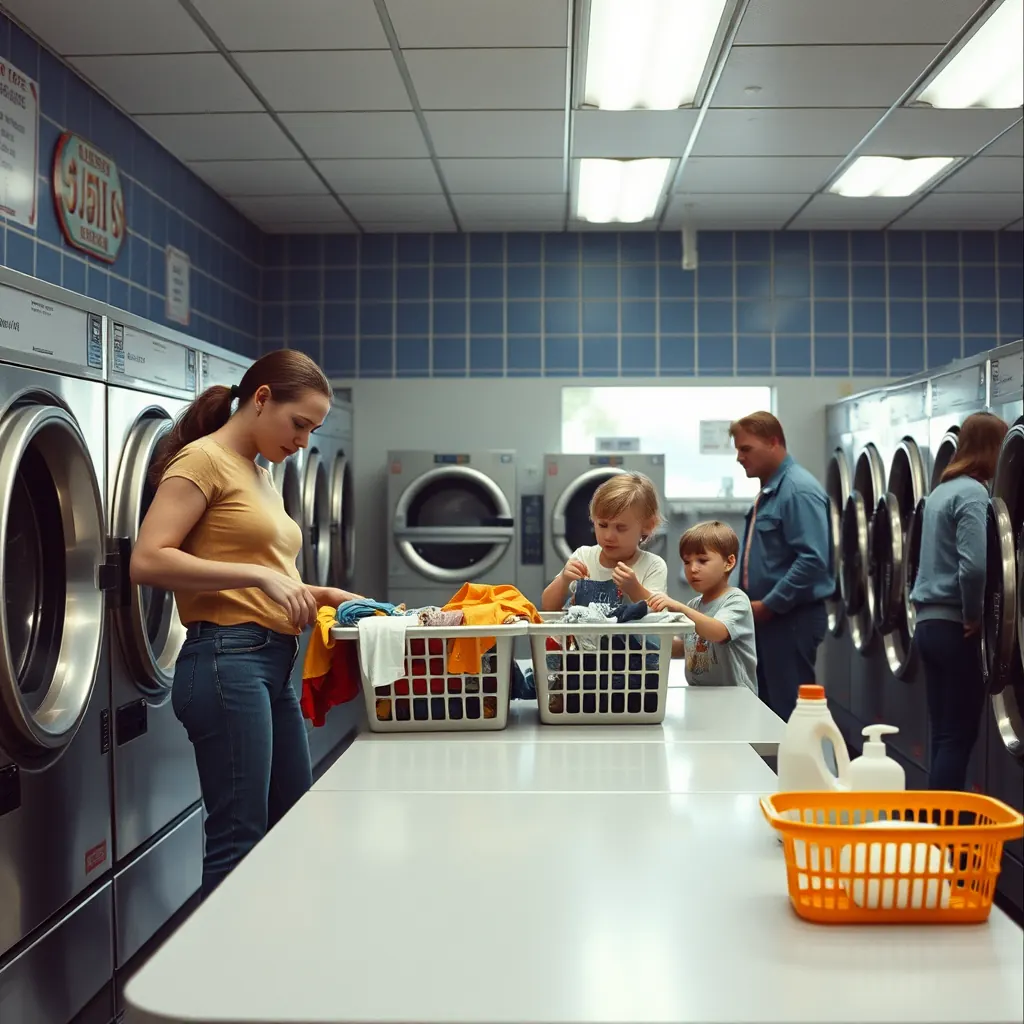
In South Main homes, a stain can go from annoying to permanent in just a few minutes, which is why the first response matters more than the product you grab. From coffee on cotton shirts to red wine on upholstery and grease on kitchen rugs, the fastest path to saving fabric is to blot fast, avoid heat, and use the right treatment for the stain type.
Key Takeaways
- Act fast, blot gently, and keep heat away until the stain is fully gone.
- Match the cleaning method to the stain type and the fabric.
- Most DIY failures happen because people rub, over-wet, or use the wrong chemistry.
- Always air dry and inspect before using a dryer or repeating treatment.
- Call Fresh Spin Laundry for delicate, old, large, or stubborn stains.
The first few minutes decide everything
The biggest factor in stain removal is speed. A fresh spill sits on the surface for a short window, then starts bonding with fibers, sinking into padding, or drying into a harder mess. That applies to clothing, carpet, and upholstered furniture. If you act quickly, you often stop a small accident from becoming a lasting mark.
Start with one simple move: blot. Use a clean white cloth or paper towel and press gently to lift as much liquid or residue as possible. Work carefully and avoid scrubbing. Rubbing pushes the stain deeper and spreads it wider. Heat creates another problem. A hot rinse, hair dryer, or machine dryer can set color and protein into the material, making later treatment much harder.
Quick action also protects the structure of the item. A shirt may survive a spill if treated right away. A sofa cushion may stay salvageable if moisture is controlled before it reaches the filling. A rug may avoid rings or spreading if you work from the outside inward. When fast home treatment does not solve the issue, Fresh Spin Laundry gives South Main households a reliable backup for fabric care, deep stain treatment, and items that need more than basic spot cleaning.
The Fresh Spin Laundry stain-removal formula to remember
You do not need a shelf full of specialty products to fight most stains. You need a repeatable system. The Fresh Spin Laundry method is simple enough to remember under pressure and flexible enough for common home stains.
Here is the formula that works for most situations:
- Identify the stain type
- Blot from the outside inward
- Apply the correct pretreatment
- Allow proper dwell time
- Wash with fabric-safe temperature
- Air dry and inspect before repeating
Each step matters. Identification tells you which cleaning chemistry to use. Blotting limits spread. Pretreatment loosens the material that bonded with the fibers. Dwell time gives the cleaner enough contact to work. Washing removes what the pretreatment lifted. Air drying protects you from setting a stain before you know it is gone.
Technique beats price almost every time. Many expensive products fail because they are used on the wrong stain or rushed through too quickly. A basic detergent, dish soap, white vinegar, peroxide, or alcohol can do a lot when used in the right order and on the right fabric. The key is precision, patience, and stopping before heat locks the problem in place.
Why DIY stain removal often fails
Most stain disasters do not start with the spill. They start with the wrong response. People panic, scrub hard, soak the area, then toss the item into a hot dryer. By the time they check again, the mark looks lighter at first glance but has actually become set deep in the fibers.
The most common mistakes are easy to spot:
- Rubbing instead of blotting
- Using heat too early
- Skipping a hidden-area test
- Choosing the wrong cleaner
- Ignoring fabric care labels
Rubbing causes friction and spread. Early heat changes how some stains behave, especially blood, dairy, sweat, and other protein-based messes. Skipping a fabric test can lead to color loss or damage. The wrong chemistry can make a stain worse, such as using an oily product on grease or harsh treatment on a delicate fabric. Care labels exist for a reason. They tell you what the material can safely handle.
Doing better starts with understanding what kind of stain you are facing. Once you know the category, your choices become much clearer.
The five stain categories every South Main household should know
Stains are easier to remove when you stop thinking of them as random accidents and start seeing them as categories. Different stain types respond to different treatments. That is why one method can erase coffee from a shirt but do almost nothing for grease on a napkin.
The five main categories are worth learning:
- Oily stains: grease, butter, makeup, cooking oil
- Organic stains: coffee, tea, wine, juice
- Protein stains: blood, dairy, sweat
- Pigment stains: ink, marker, dye
- Mixed stains: sauce, cosmetics, many food spills
Oily stains need something that can break up grease, which is why dish soap often works well. Organic stains usually respond to detergent, vinegar solutions, or oxygen-based products. Protein stains need cold water and gentle chemistry because heat can bind them to the fabric. Pigment stains often need transfer-based treatment, such as rubbing alcohol and absorbent layers underneath. Mixed stains are the trickiest because they combine several problems at once and often require layered treatment.
Using the wrong method can push a stain deeper or spread color. For example, hot water on blood is a bad move. Rubbing makeup into upholstery can turn a small smudge into a wider patch. Throwing a greasy shirt straight into the wash can leave a faint shadow that becomes obvious after drying. Fresh Spin Laundry handles these harder cases by identifying both the stain chemistry and the fabric risk before treatment begins.
Build a stain emergency kit for home
A fast response is much easier when your supplies are already together. Instead of running from kitchen to bathroom while a spill spreads, keep a small stain kit in places where accidents happen often. For many South Main homes, that means the laundry room and kitchen at minimum.
Your kit should include these basics:
- White cloths or paper towels
- Mild detergent and dish soap
- White vinegar and baking soda
- Hydrogen peroxide and rubbing alcohol
- A soft brush, dull scraper, gloves, and spray bottle
White cloths matter because colored towels can transfer dye. Dish soap helps with oils and food residue. Mild detergent covers many washable fabric stains. Vinegar works well in some organic stain situations, while baking soda can help with odors and mild abrasive lifting. Hydrogen peroxide can help on certain stains and white fabrics, but it should be tested first. Rubbing alcohol is a common choice for ink and marker transfer.
Add a quick-reference card to the kit. Write down the first response for coffee, grease, blood, ink, wine, and sauce. That saves time and stops guesswork. A simple list on an index card can keep you calm and prevent the panic moves that ruin fabrics.
Step-by-step stain removal that actually works
A solid process beats improvising every time. If you use the same sequence with care, you improve your odds of lifting the stain without harming the item. This step-by-step approach works well for clothing and can be adapted for household fabrics.
Start with this sequence:
- Step 1: Remove excess material carefully
- Step 2: Blot gently with a clean cloth
- Step 3: Apply a targeted pretreatment
- Step 4: Let it sit for 15 to 60 minutes, or longer for enzyme cleaners
- Step 5: Rinse or wash using the correct temperature
- Step 6: Air dry and inspect before repeating
First, lift solids or thick residue with a spoon, dull knife, or scraper. Do not mash it in. Next, blot the area with light pressure. Then apply the treatment that matches the stain type. Letting it sit matters more than many people think. Cleaner needs contact time to loosen the bond between stain and fiber.
Once dwell time is done, rinse or wash according to the fabric label. Always choose temperature with care. Cool or cold water is safer for many fresh stains, especially protein-based ones. After washing, resist the urge to toss the item into the dryer. Let it air dry in good light and inspect closely. If the stain remains, repeat the process. Patience often succeeds where one rushed treatment fails.
How to remove coffee and tea stains
Coffee and tea are classic South Main spills because they show up at breakfast tables, work-from-home desks, and in-car commutes. These stains are usually organic, which means a quick, cool treatment often gives you a strong chance of success.
Blot the spill first with a clean white cloth. Flush the back of the stain with cold water if the fabric allows. This can push some of the liquid out before it dries in place. Then apply a small amount of liquid detergent or a diluted white vinegar solution. Let it sit briefly, then rinse and wash.
If color lingers, try an oxygen-based cleaner that is safe for the item. Check the care label first and test in a hidden spot if needed. Older coffee and tea stains may need a second round because tannins can hold on tightly after drying. Stay patient and skip the dryer until you are sure the discoloration is gone.
How to remove red wine stains
Red wine is famous for dramatic spills and stubborn color. Fast action matters even more here because the pigment can spread quickly through fabric and carpet. The right response can keep a celebration from leaving a long-term reminder.
Begin by blotting immediately. Press down with a white towel and lift as much liquid as possible. Follow with a cold water flush if the item is washable. Some people use salt to absorb moisture in the early stage, while others go straight to a mild detergent pretreatment. Both approaches can help if used quickly and gently.
If the red tone remains after washing, move to hydrogen peroxide on appropriate fabrics or an oxygen bleach product that is safe for the material. Whites can usually handle stronger whitening methods than colors. Colored fabrics need careful testing before peroxide or vinegar use. If the wine has dried into delicate fabric or seeped into upholstery, Fresh Spin Laundry is the safer choice.
How to remove grease, oil, and food residue
Grease stains look simple at first, but they can be stubborn because oil clings to fibers and often turns more visible after washing. Cooking splatter, butter drips, salad dressing, and makeup all fall into this oily category.
Scrape off any excess first. Then apply a few drops of dish soap directly to the stained area and work it in gently with your fingers or a soft brush. Dish soap is useful because it is made to cut grease. Let it sit for a while before rinsing or washing.
For older grease stains, try an absorbent powder first to pull oil from the surface, then follow with a detergent paste or dish soap treatment. Repeat if needed. Avoid heat until the mark is fully gone, since a faint oily shadow can become much harder to remove after machine drying. If grease survives two solid attempts, professional treatment is often the next smart step.
How to remove blood and other protein stains
Blood, dairy, sweat, and similar messes need special care because protein reacts badly to heat. Hot water can make these stains bind more firmly with the fabric. That is why the first rule here is simple: use cold water.
Rinse or blot with cold water as soon as possible. If the stain is on washable fabric, flush from the back when you can. Then apply a small amount of detergent or hydrogen peroxide if the material allows it. Let the pretreatment sit, then rinse and wash cool.
Sweat and deodorant buildup can be trickier because they often combine protein, oil, and mineral residue. A mix of detergent and baking soda can help, and enzyme boosters are often useful for set-in buildup on everyday fabrics. Give the treatment enough dwell time. One quick pass is rarely enough for old underarm stains.
How to remove ink and marker stains
Ink and marker stains spread fast and can look scary, but they often respond well to the right transfer method. The goal is to pull the pigment out gradually instead of pushing it around. Rubbing hard is one of the fastest ways to make an ink spot worse.
Place paper towels or a white cloth under the stained area. Dab rubbing alcohol onto the stain from above, using a fresh section of cloth as color transfers out. Keep switching to clean layers underneath so the pigment does not move back into the fabric.
Repeat until transfer slows or stops. Then rinse and wash according to the care label. Some markers and dyes are more stubborn than standard ink, so you may need more than one cycle. If the fabric is delicate, bright, or valuable, skip home experiments and let a professional handle it.
How to remove sweat, deodorant, and body buildup
These stains often develop slowly, which is why people miss them until yellowing or stiffness appears. Sweat marks are rarely just sweat. They often include deodorant residue, skin oils, and trapped detergent. That makes them a mixed stain problem.
Apply liquid detergent directly to the area and add baking soda if extra lifting power is needed. A gentle brush can help work the cleaner into the fabric. Let it sit before washing. Enzyme boosters can also help with odor and residue on cotton or other everyday washable materials.
Check the item after air drying. If discoloration remains, repeat the treatment rather than escalating too quickly to something harsher. Colors need extra care, especially with peroxide-based products. Delicate dress shirts, performance fabrics, and specialty garments are often better handled professionally if buildup is old or severe.
How to remove food and sauce stains
Food stains vary a lot, but the opening move is almost always the same. Remove solids first. A sauce stain is easier to treat before chunks, oil, and pigment are pushed deeper into the fibers. Think of pasta sauce, curry, gravy, salsa, and barbecue as layered messes with more than one cleaning need.
Lift off residue gently with a dull edge. Then blot the area and apply dish soap or liquid detergent. If the stain contains both grease and color, you may need two stages: first break up the oil, then treat the remaining pigment. This is common with tomato-based sauces and creamy dressings.
If a shadow remains after washing, repeat the pretreatment and give it more dwell time. Oxygen-based products can help on washable fabrics where discoloration lingers. The practical lesson is simple: mixed food stains often need more than one treatment to come fully out.
Fabric matters more than most people think
The same stain can behave very differently on cotton, polyester, linen, wool, silk, or upholstery blends. A method that works fine on a white cotton T-shirt can ruin a delicate blouse or leave water marks on a couch cushion. Before you treat any item, look at the fabric type and the care label.
Everyday fabrics like cotton usually handle stronger treatment and warmer water better than delicate materials. They often do well with repeated washing, enzyme products, and standard detergents. That makes them easier to work on at home, especially for common food, sweat, and drink stains.
Delicates and specialty items need a lighter touch. Use minimal moisture, avoid aggressive chemicals, and test first. Silk, wool, lined garments, embellished pieces, and anything marked dry-clean-only should raise a flag immediately. These are the items most likely to benefit from Fresh Spin Laundry instead of home treatment.
Whites and colors need different choices
Color plays a big role in stain removal. White fabrics allow more freedom with whitening methods, while colored fabrics need more caution to avoid fading or patchy light spots. Many stain removers work well on the stain but create a second problem by affecting the dye.
Whites can often handle stronger peroxide-based or oxygen-based approaches, as long as the care label allows it. That gives you more room to deal with coffee, wine, and food discoloration. Even then, inspection matters. Stronger treatment does not mean careless treatment.
Colors require a hidden-area test before using peroxide, vinegar, alcohol, or any stronger cleaner. Bright shades, dark blacks, and patterned fabrics are especially risky. If you are unsure whether the fabric will hold its color, professional care is the safer path. Saving the garment means protecting both the stain area and the original finish.
When one treatment is not enough
A stain that survives one attempt is not automatically permanent. Many stains need repeat work, longer dwell time, or a different stage in the process. The key is to escalate safely instead of trying random stronger chemicals all at once.
First, repeat the same correct process before switching methods. Sometimes the first round loosens the stain and the second round lifts what remains. If that does not work, increase dwell time or try an enzyme cleaner for protein or organic buildup, or an oxygen-based cleaner for lingering color on washable items.
Older stains often need soaking or multi-step treatment. Grease may require an absorbent stage followed by soap. Sauce may need oil treatment first and pigment treatment second. If two careful attempts fail, it is time to stop experimenting. At that point, more DIY effort often raises the risk of setting the stain or damaging the material.
Carpet stain control for South Main homes
Carpet stains require speed and restraint. People often pour in too much cleaner or water, which spreads the stain and pushes moisture into the padding. That leads to wicking, odor, or a larger ring after drying. The goal is controlled surface treatment, not soaking.
Blot immediately using white towels. Work from the edges inward so the stain does not spread. Use minimal liquid and apply it carefully. After pretreatment, rinse lightly and blot again and again until the area lifts and dries as much as possible.
Patience matters here. A carpet spot may take several blot cycles before it improves. If color stays behind, if odor remains, or if the stain reaches deeper than the surface pile, home treatment may not be enough. Fresh Spin Laundry can step in for deeper carpet cleaning when a simple spot fix does not solve the problem.
Upholstery stain basics
Upholstery looks simple, but it is one of the easiest places to make a stain worse. Fabric blends, backing materials, cushion fill, and cleaning codes all affect what is safe. Too much moisture can leave rings, cause shrinkage, or trap odor inside the furniture. That is why DIY goes wrong so often with sofas and dining chairs.
Check the manufacturer cleaning code before anything else. Test every cleaner in a hidden area. Use as little moisture as possible and blot carefully. Avoid aggressive brushing, especially on textured fabric or velvet-like surfaces.
Embedded stains and lingering smells usually point to deeper contamination below the surface. In those cases, surface spot cleaning may only partly improve the problem. Professional service is the safer route for preserving the furniture while treating both the visible stain and the trapped residue.
When to stop DIY and call Fresh Spin Laundry
There is a point where home treatment stops being smart and starts becoming risky. Knowing that line can save your clothes, your furniture, and your time. Some stains need professional handling from the start because the fabric, size, or age of the stain raises the stakes.
Call for help in situations like these:
- Dry-clean-only or delicate fabrics
- Large, old, or stubborn stains
- Grease stains that will not lift
- Lingering odors or discoloration
- Upholstery and carpet issues beyond surface stains
Fresh Spin Laundry offers South Main homes a dependable option for everyday laundry services, dry cleaning, upholstery care, and deep stain treatment. That matters when an item is valuable, sentimental, expensive, or simply too risky to guess on. Sometimes the best home stain tip is knowing when to hand the problem to someone with the right tools and experience.
South Main’s seasonal stain playbook
Stain patterns shift through the year, and that means your response kit should shift too. In spring and summer, homes see more grass, mud, fruit juice, barbecue sauce, and red wine thanks to outdoor meals, park days, and weekend gatherings.
Fall brings a different mix. Coffee, cocoa, gravy, and cooking oils show up more often as the weather cools and heavier meals come back. These stains usually call for quick blotting, careful grease treatment, and extra attention to mixed food residue.
Winter has its own pattern. Makeup, lotion, indoor spills, and craft stains become more common as people spend more time inside. The practical lesson is simple: keep the basics ready year-round, but expect the most common stain types to change with your habits. Puracy notes practical approaches for common seasonal stains, and that reminder fits South Main life well. What shows up on your clothes and furniture often reflects what is happening in your kitchen, car, and living room that month.
Smart home habits that prevent permanent stains
The best stain removal strategy starts before a spill happens. A few small habits can cut down on permanent damage and make cleanups much easier. Prevention does not mean a spotless home. It means being ready and responding in a way that keeps accidents from becoming long-term problems.
These habits help most:
- Keep stain kits in key areas
- Treat stains where they happen
- Avoid carrying untreated items across the house
- Schedule periodic deep cleaning for carpets and upholstery
- Choose cleaning services based on expertise and turnaround time
Treating stains where they happen is especially important. Carrying a dripping shirt from the kitchen to the laundry room can spread the spill or transfer it to other surfaces. The same goes for a sofa cushion moved while still wet or a rug scrubbed in place with too much liquid. Good habits keep the problem contained and easier to solve.
Quick answers for common stain emergencies
In a real spill, people want fast answers. These short reminders cover the questions that come up most often and help you avoid the biggest mistakes.
What should I do first? Blot immediately and identify the stain if you can. The first few minutes matter most.
Can I use hot water on everything? No. Heat is risky, especially for protein stains like blood, dairy, and sweat.
What if the stain is still there after washing? Air dry, inspect in good light, and repeat treatment if needed. Do not use the dryer yet.
Is dish soap effective? Yes. It works especially well on grease, oil, and many food stains.
When should I call Fresh Spin Laundry? Reach out when stains persist, fabrics are delicate, items are valuable, or the problem involves upholstery or carpet beyond the surface.
The Fresh Spin Laundry approach to stain-free living in South Main
The most useful stain advice is also the simplest: identify, blot, pretreat, wash, inspect, and repeat if needed. That formula works because it respects both stain chemistry and fabric limits. It also keeps you away from the two biggest enemies of successful stain removal: panic and heat.
For everyday accidents, these proven methods can save clothes, carpets, and upholstery before the stain becomes permanent. Match the treatment to the stain type, adjust for the fabric, and give the cleaner enough time to work. Those choices matter more than chasing the latest product trend.
Some stains still need expert help, and that is where Fresh Spin Laundry stands out for South Main homes. For routine spills, use these practical steps with confidence. For everything else, trust Fresh Spin Laundry to restore your items safely and professionally.