

A great blanket can turn a couch, bed, or late-night study session into a comfort zone, but one bad wash can leave it stiff, shrunken, matted, or full of clumps. This Sugar Creek guide follows the same fabric-by-fabric logic highlighted in Fresh Spin Laundry’s blanket care system, so you can wash everything from fleece and wool to weighted and heated blankets without ruining their softness or freshness.
Key Takeaways
- Read the care label first so you choose the right cycle and temperature.
- Cold water and mild liquid detergent protect fibers better than hot water, bleach, or softener.
- Wash blankets alone or with similar items to reduce lint, wear, and uneven cleaning.
- Low heat or air drying helps prevent pilling, shrinkage, and clumping.
- Regular washing every 1–3 months keeps blankets cleaner and more comfortable.
Why Blanket Washing Goes Wrong So Often
People usually damage blankets with good intentions. They want a blanket to smell clean, feel extra soft, and come out fast, so they reach for hot water, a heavy dose of detergent, fabric softener, and high dryer heat. That mix sounds helpful, yet it often creates the exact problems people hate most: shrinkage, pilling, stiffness, fading, and lumpy fill.
Blankets are different from standard T-shirts or towels. Many are made with brushed fibers, lofty synthetic blends, natural wool, knit constructions, faux fur textures, or interior fill that shifts easily. Those materials react quickly to heat, friction, and residue. A washer that is too full can twist the blanket out of shape. A dryer that is too hot can rough up the surface. Too much detergent can cling to fibers and make them feel crunchy instead of clean.
Fresh Spin Laundry sees these blanket problems all the time, and the pattern is clear. Most blanket damage does not happen because a blanket is old. It happens because the washing method does not match the fabric. Once you understand that one idea, blanket care becomes much simpler. You stop guessing and start using a repeatable system that protects texture, color, and overall lifespan.
That matters for comfort, but it also matters for money. Blankets are often more expensive than people expect, especially sherpa throws, weighted blankets, wool layers, oversized comforters, and heated styles. Replacing a blanket every time it loses its soft feel gets expensive fast. A better wash routine keeps your favorite blanket in rotation longer and helps it stay fresh without that worn-out look.
Why Fresh, Clean Blankets Matter More Than You Think
Blankets spend hours against your skin, clothes, pets, and furniture. Over time they collect body oils, sweat, dust, skin cells, and odor. They can also trap allergens and dust mites. That means a blanket may look fine on the surface while holding a lot of buildup deep in the fibers. Washing every 1–3 months is a smart habit for most homes because it keeps blankets truly clean, not just visually neat.
Anyone with allergies should pay even closer attention. A blanket that stays unwashed too long can make a room feel stuffy and uncomfortable. If your nose gets worse at night, if your eyes feel irritated on the couch, or if your blanket has a faint stale smell, there is a good chance buildup is part of the issue. Washing on schedule can improve day-to-day comfort in a very noticeable way.
Regular care also helps fabrics last longer. Dirt and oil create friction between fibers, and that friction can wear down plush surfaces over time. Wool can felt if exposed to heat. Synthetic fibers can pill with rough washing. Down can bunch into cold, uneven clumps. Gentle, fabric-specific care helps prevent those outcomes before they start. It is easier to preserve a blanket’s softness than to try to bring it back after repeated damage.
Cold water is another smart move for both fabric care and energy use. It protects delicate fibers and reduces stress on the blanket during washing. Fresh Spin Laundry emphasizes this because cold water supports better blanket longevity while also cutting energy use compared with hotter cycles. That is one of those rare laundry choices that is good for your blanket and your utility bill at the same time.
The Fresh Spin 5-Step Blanket Washing Method
A simple system works better than random laundry habits. Fresh Spin Laundry’s method is easy to follow because it breaks the process into five decisions: read the label, treat stains, load the machine correctly, use the right settings, and dry with care. Each step protects a different part of the blanket’s structure, from surface fibers to interior fill.
This method works because blanket damage usually starts with one avoidable mistake. Sometimes it is the wrong temperature. Sometimes it is the wrong detergent. Other times it is an overloaded washer or a dryer set too high. A step-by-step process lowers the chance of those errors and gives you more consistent results every time you wash.
The sections below explain each step in practical terms. You do not need special tools or expensive products. In most cases, what matters most is using less heat, less friction, and less residue. That is the formula behind long-lasting softness.
Step 1: Always Read the Care Label First
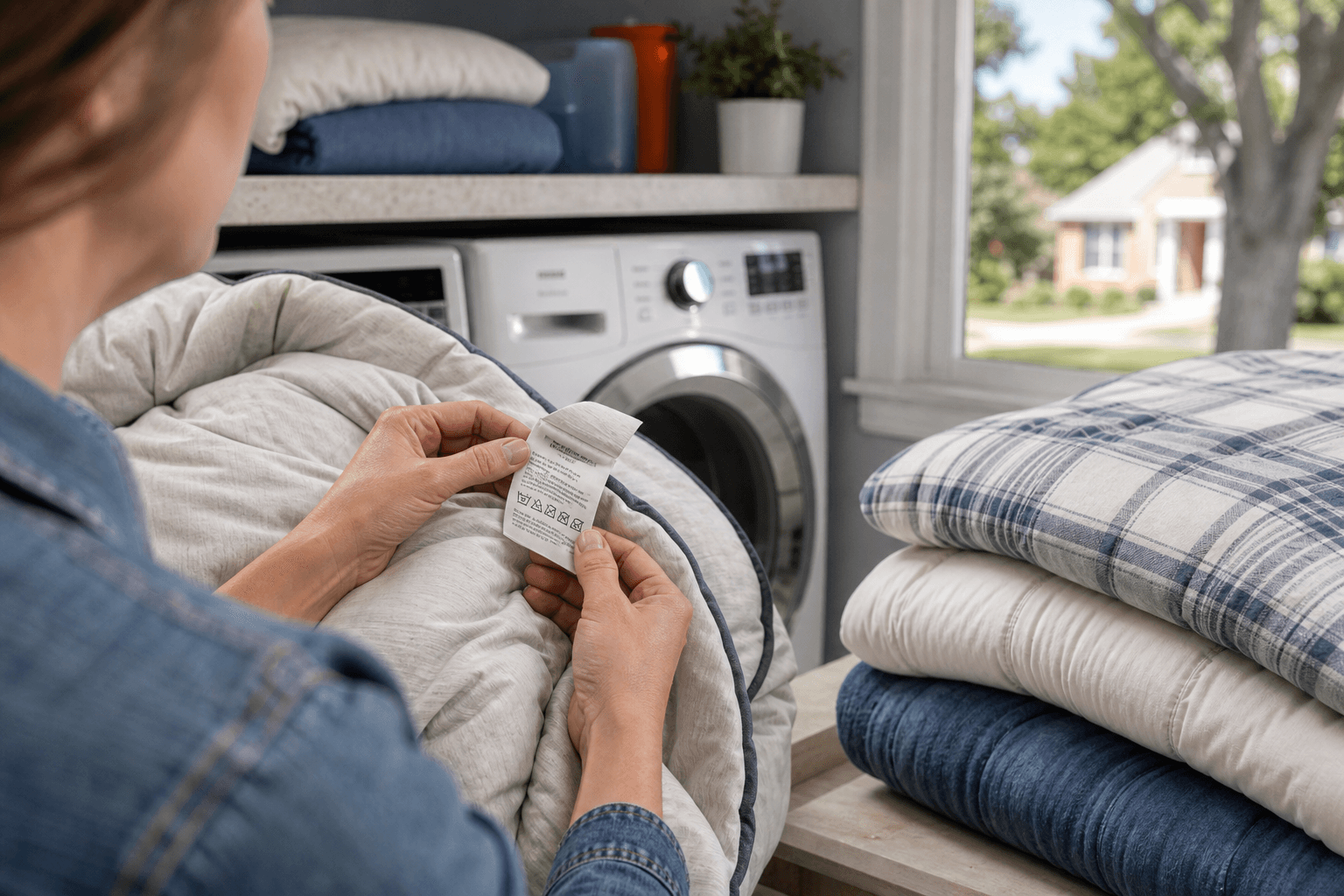
The care label is the fastest way to avoid damage. It tells you whether the blanket can be machine washed, what water temperature to use, which cycle is safest, and whether the blanket needs hand washing or dry cleaning. Many modern blankets are machine washable, but you should still check first because one exception can cost you a favorite blanket.
This step is especially important for wool, heated blankets, knit throws, crocheted pieces, and specialty fabrics. Those items can react badly to a standard wash cycle. Wool can shrink or felt. Electric blankets can become unsafe if washed the wrong way. Knits can stretch, snag, or lose shape. Reading the label takes seconds and prevents a long list of problems.
If the label gives a range of options, choose the gentlest one that will still clean the blanket well. Cold water is usually safest. Delicate or gentle cycles are often a better choice than normal. If the label warns against machine drying, believe it. Air drying may take longer, but it protects fiber structure and avoids irreversible heat damage.
Labels also help you identify blankets that should be washed sparingly. Wool is a good example. It usually does not need frequent full washes, especially if it is aired out and stored properly. A little attention at the label stage prevents over-washing, which can wear out fibers faster than everyday use.
Step 2: Spot-Treat Stains Before the Full Wash
A blanket with one stain does not need aggressive washing from edge to edge. Start by spot-treating the stained area before the blanket goes into the machine. Blot gently with a mild detergent solution rather than rubbing hard. Rubbing pushes the stain deeper and roughs up the surrounding fibers, which is bad news for plush fabrics like fleece and microfiber.
For sweat, skin oil, or food marks with a greasy feel, enzyme-based detergents can help loosen buildup before the wash. That gives the full cycle a better chance of removing the stain without heavy heat or repeated washing. If you have an oil spot from lotion, snacks, or body products, a small amount of dish soap can also help as a pre-treatment. Use a light touch and rinse the area before machine washing if needed.
Bleach is a poor choice for most blankets. It can weaken fibers, fade color, and leave fabrics feeling harsh. Even white blankets are better off with gentler methods unless the care label clearly allows a stronger treatment. Most of the time, stain removal works better with patience and the right product than with chemical force. The goal is to lift the stain while preserving softness and color.
If pet hair covers the blanket, remove as much as you can before washing. A lint roller, a soft brush, or a quick shake outdoors helps reduce the hair load going into the washer. That makes the wash more effective and helps stop wet hair from sticking even more tightly to the fabric.
Step 3: Load the Washer the Right Way
How you place a blanket in the washer affects both cleaning and wear. A blanket should usually be washed alone or with similar fabrics. That limits lint transfer, reduces friction from rougher items, and gives the blanket room to move. Washing a plush microfiber throw with cotton towels, for example, is a fast way to end up with lint stuck all over the surface.
Top-load and front-load machines need slightly different handling. In a top-load washer with an agitator, drape the blanket evenly around the center so the weight stays balanced. In a front-load machine, spread the blanket so one side is not bunched into a heavy mass. Balance matters because a blanket that twists into one dense roll may wash unevenly and stress both the fabric and the machine.
Knits and crochet blankets need extra care. A mesh laundry bag helps reduce snagging and stretching during the cycle. Weighted blankets and oversized comforters deserve caution too. If they are too heavy for your home washer, forcing them in is a bad idea. Overloading prevents proper rinsing, increases wear, and can strain the machine. Fresh Spin Laundry points out that commercial machines are often the safer option for bulky items because they can handle size and weight without grinding the fibers.
Keep this short checklist in mind before you press start:
- Wash the blanket alone if possible.
- Pair only with similar soft fabrics if needed.
- Use a mesh bag for delicate knits or crochet.
- Balance the load based on washer type.
- Avoid stuffing oversized items into a too-small machine.
That simple setup gives the blanket room to get clean while lowering stress on seams, fibers, and interior fill.
Step 4: Pick the Correct Wash Settings
The right settings protect a blanket better than any miracle detergent. In most cases, the safest cycles are gentle, delicate, or bulky, depending on the fabric and the washer. Wool should go on a wool cycle if your machine has one. These cycles reduce agitation, which means less friction and less surface damage. That is key for keeping blankets feeling plush instead of rough.
Water temperature matters just as much. Cold water is best for fleece, wool, sherpa, and many microfiber blends because it helps prevent shrinkage, matting, and fiber stress. Some cotton or cotton-poly blankets can handle warm water if the care label allows it, but warm should stay under 120°F. Hot water is the setting most likely to cause trouble, especially if you care about keeping color and texture intact.
Detergent choice is often overlooked. Mild liquid detergent is usually the best pick because it dissolves well and rinses out more cleanly than heavy powders. Pods can leave residue if they do not fully dissolve, and powder can cling to dense fibers. That residue can make a blanket feel coated rather than soft. Wool and down should get specialty detergents made for those materials whenever possible.
Fabric softener sounds like a shortcut to softness, but it often creates the opposite effect over time. It coats fibers and can reduce the very plush feel people are trying to keep. Dryer sheets can do the same thing. Fresh Spin Laundry avoids those products for fleece and microfiber blends because preserving natural loft works better than masking the fabric with buildup.
For most blankets, this formula is dependable:
- Use a gentle cycle.
- Choose cold water unless the label allows slightly warm.
- Add mild liquid detergent in a modest amount.
- Skip bleach, fabric softener, and dryer sheets.
Step 5: Dry Without Ruining the Texture
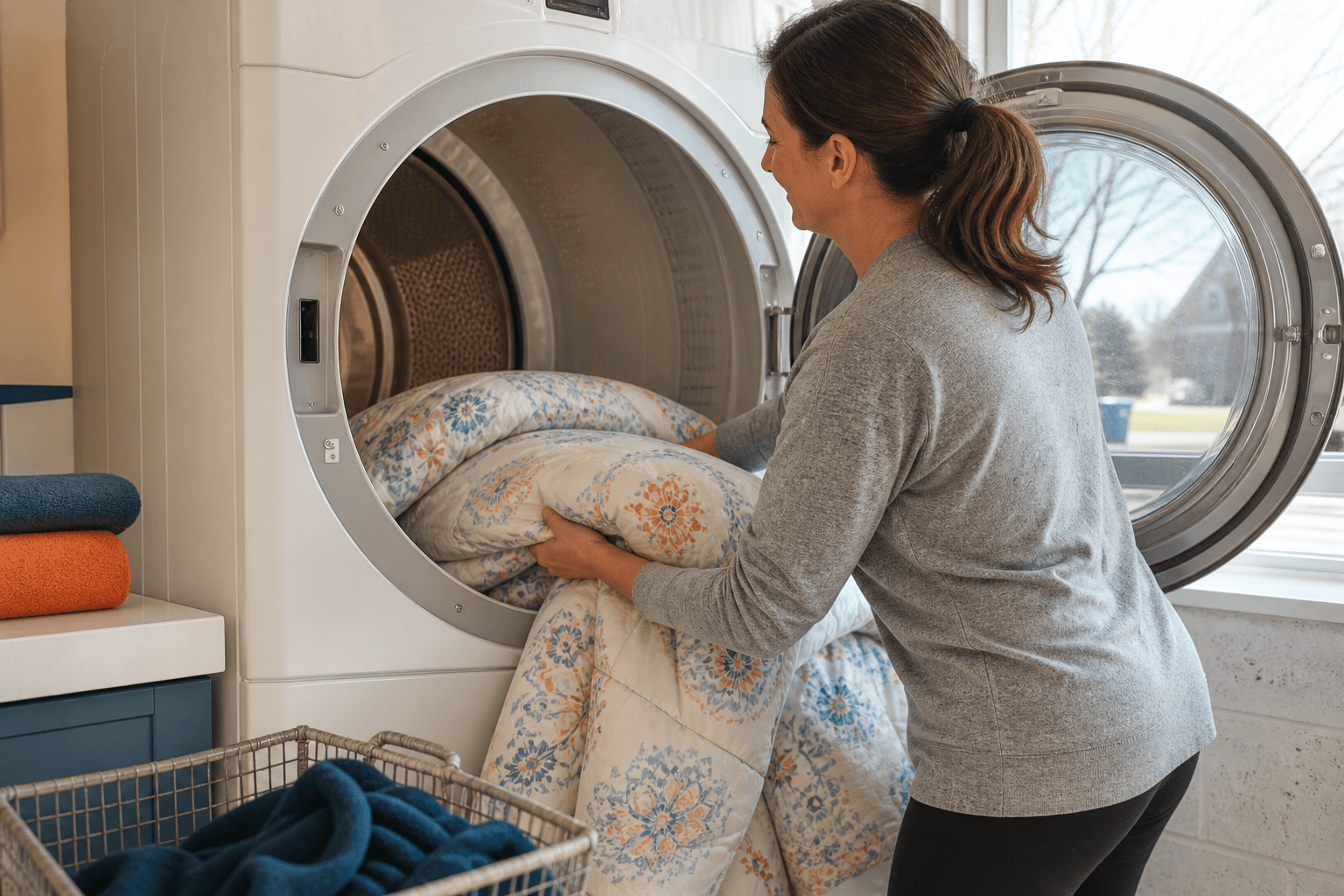
Drying is where many soft blankets lose their magic. Heat can make fibers stiff, flatten plush surfaces, cause pilling, and shrink certain materials. The safest option for many blankets is air drying. Wool, knit, crochet, and many weighted blankets do best when dried flat so they keep their shape and avoid stress from tumbling. That extra time pays off in better texture and less damage.
If machine drying is allowed, keep the heat low or use no heat at all. Remove the blanket while it is still slightly damp rather than baking it until every trace of moisture is gone. Overdrying is hard on fibers and often creates that scratchy, tired feeling people blame on the blanket itself. In many cases, the blanket is fine; the dryer setting was the real problem.
Fluff the blanket during drying if the fabric allows it. Take it out, shake it, and redistribute any bunching before putting it back in. This matters a lot for down-filled items and thicker throws. A short air-fluff cycle at the end can help restore that like-new feel. Fresh Spin Laundry recommends this step because it lifts compressed fibers without adding heat stress.
For blankets with fill, such as down comforters, dryer balls or clean tennis balls on low heat can help break up clumps. Use that trick only if the care label permits machine drying. For sherpa or faux fur, air drying usually gives a better result, and a gentle brush afterward can restore a soft, fluffy surface.
Blanket Care by Material: Fleece, Polyester, and Microfiber
Fleece, polyester, and microfiber are popular because they feel soft, dry fairly quickly, and usually wash well. Still, they are very easy to damage with the wrong routine. These fabrics tend to pill under high friction and can feel oddly waxy or flat if coated with softener or detergent residue. The safest routine is a gentle cycle with cold water and a mild liquid detergent.
Wash these blankets separately if possible. Microfiber in particular loves to hold onto lint from cotton items. One mixed load with towels can leave your blanket looking messy even after it is clean. That is why Fresh Spin Laundry gives extra attention to fleece and microfiber blends. Their plush texture holds up best when they are washed alone and rinsed thoroughly.
Dry on low heat or air dry, then remove the blanket while slightly damp. That keeps the fibers from overdrying and reduces pilling. If the blanket feels a little flat after drying, a short no-heat air-fluff cycle can bring back some loft. Avoid bleach and fabric softener here especially. These fabrics usually stay softest when they are kept free of coating and excess heat.
Blanket Care by Material: Wool
Wool blankets need a gentle approach because wool fibers react strongly to heat, agitation, and sudden temperature changes. If washed too aggressively, wool can felt, shrink, and lose its smooth feel. That damage is hard to reverse, so prevention matters. Use a wool cycle or a very gentle cycle with cold water and a wool-safe detergent.
Wash wool sparingly, usually about two to three times per year unless the blanket gets dirty sooner. Wool often stays fresh with airing out between uses, which is one reason people love it. Frequent washing is unnecessary for many wool blankets and can shorten their life. Spot cleaning small marks is often the better move between full washes.
After washing, air dry flat. Hanging a wet wool blanket can stretch it out of shape, and machine drying is usually too risky unless the label clearly says otherwise. Reshape it gently while it is damp. Patience is part of wool care. The reward is a blanket that keeps its warmth, drape, and natural softness for years.
Blanket Care by Material: Cotton
Cotton blankets are usually more forgiving than wool or faux fur, but they still benefit from a smart wash routine. Gentle cycle and cold water are good default settings, especially if you want to protect color and reduce wear. Durable cotton blankets with stable dyes may tolerate warm water if the label allows it, yet cold is still a strong choice for regular use.
Mild detergent is enough for most cotton throws and bed blankets. You do not need a huge amount to get a good clean. Too much soap can leave the fibers stiff after drying, especially in thicker weaves. Cotton also produces lint, so washing it with microfiber or sherpa can make a mess of both items. Keeping cotton with cotton is often the cleanest strategy.
For drying, a delicate or medium-heat setting is usually acceptable if the care label allows it. Remove the blanket before it is overdried. Cotton can become crisp and rough if it spends too long in high heat. A little moisture left in the fibers, followed by air drying the rest of the way, often helps preserve a softer feel.
Blanket Care by Material: Sherpa and Faux Fur
Sherpa and faux fur blankets look luxurious, but they mat easily if washed rough or dried hot. These fibers depend on loft and separation to feel fluffy. Once they get crushed, fused, or coated, the texture changes fast. A gentle cycle with cold water and mild detergent gives you the best chance of keeping that soft, cloud-like finish.
Wash sherpa and faux fur alone to reduce matting and lint transfer. Heavier fabrics rubbing against them can flatten the pile. Fabric softener is especially unhelpful here because buildup can make the fibers cling together. The cleaner the rinse, the better the blanket will feel afterward.
Air drying is often the best option. Once dry, use a soft brush to gently lift the fibers and restore fluff if needed. If machine drying is permitted, choose the lowest heat possible and watch the blanket closely. High heat is one of the fastest ways to turn faux fur into a matted surface that never fully recovers.
Blanket Care by Material: Down and Comforters
Down blankets and comforters bring a different challenge: the shell fabric may look fine while the interior fill shifts, clumps, or compresses. That is why these items need space in the washer and dryer. Use a delicate cycle with cold or warm water, depending on the label, and a detergent made for down if you have it. An extra rinse helps remove all soap, which keeps the fill from feeling sticky or heavy.
Large machines are the better choice for down comforters. A cramped washer cannot clean or rinse them evenly, and the wet weight can strain the machine. Fresh Spin Laundry notes that commercial machines are often better for heavily soiled or oversized blankets for this exact reason. Space allows water and detergent to move through the item instead of getting trapped in dense folds.
Drying takes time and attention. Use low heat and stop the cycle regularly to fluff and redistribute the fill. Dryer balls or clean tennis balls can help break apart clumps if the care label allows machine drying. The blanket must dry thoroughly before storage or reuse, or trapped moisture can cause odor. Patience here protects both loft and warmth.
Blanket Care by Material: Knit and Crochet
Knit and crochet blankets can be machine washable, but they need a careful setup. The open structure of the fabric makes it easier to stretch, snag, and twist out of shape. A mesh laundry bag helps reduce that movement, and cold water on a gentle cycle is usually the safest machine option. If the blanket is handmade or sentimental, hand washing is often the smarter choice.
Use a mild detergent and avoid rough handling while wet. Water adds weight, and that extra weight can pull on the stitches. Wringing is a bad idea because it distorts the shape. Instead, support the blanket with both hands or roll it in towels to remove excess water. Then lay it flat to dry and reshape it gently.
This kind of blanket rewards patience. Fast methods can leave it stretched and uneven, while slower drying preserves the pattern and shape. If you care about keeping handmade pieces beautiful, focus on support, low agitation, and flat drying.
Blanket Care by Material: Weighted Blankets
Weighted blankets need special attention because the fill and overall mass put extra stress on machines and seams. If the blanket is under 20 pounds and the care label says machine wash is safe, use a gentle cycle with cold water and mild detergent. If it is heavier, check your washer’s capacity carefully. Overloading is risky for the blanket and for the appliance.
Some weighted blankets have removable covers, and those are much easier to wash regularly than the insert itself. If yours does, wash the cover more often and the weighted insert only as needed. Spot cleaning may be the best option for inserts that are not fully machine washable. That keeps wear low while still handling small spills and odors.
Air drying is often safest. If low-heat drying is allowed, pause occasionally to fluff and redistribute the blanket. Weighted stitching and fill should stay evenly spread. High heat can stress seams and affect the blanket’s inner materials. Slow, careful drying helps preserve structure and balance.
Blanket Care by Material: Heated and Electric Blankets
Heated blankets are in a category of their own because safety matters as much as cleanliness. Always read the label first. Many heated or electric blankets require hand washing in lukewarm water with mild detergent. Harsh agitation can damage internal wiring, and machine drying is usually off limits unless the manufacturer clearly allows it.
Never wring out an electric blanket. That can stress the internal components and create long-term problems. Instead, press out excess water gently, reshape the blanket, and air dry it fully before using it again. Make sure all electrical parts and connections are completely dry before reconnecting power.
A heated blanket may feel durable, but the inside is more sensitive than a regular throw. Respect the care instructions and keep the process gentle, cool, and low-stress from start to finish.
How Often You Should Wash Blankets
Many people wait too long to wash blankets because they do not look dirty. A better rule is to think about use, contact, and environment. For everyday blankets that stay on the couch or bed, washing every one to two months is a strong routine. Seasonal blankets that come out only part of the year usually need washing two to four times annually.
You should wash sooner if there is a noticeable odor, visible dirt, pet buildup, spills, or allergy flare-ups. A blanket used daily during snack time, movie nights, or naps will need more frequent cleaning than a decorative layer folded at the end of a guest bed. The more skin contact and household traffic it gets, the more often it should be cleaned.
Fresh Spin Laundry also recommends airing blankets between washes and cleaning them before storage. That step prevents old odors and hidden dirt from setting in over time. A blanket stored unwashed may come out months later smelling stale or feeling less fresh than you remember. Clean before storage, and your blanket starts the next season in much better shape.
The Biggest Blanket Washing Mistakes
Blanket problems often trace back to a few repeat mistakes. Fresh Spin Laundry sees them constantly, and most are easy to avoid once you know what they are. Hot water is one of the biggest. It can shrink fibers, weaken texture, and lock in damage that never fully reverses. High dryer heat causes similar trouble by creating stiffness, pilling, and flattening plush surfaces.
Fabric softener is another common mistake. It may smell nice, but it leaves residue that can reduce softness over time instead of improving it. Overloading the washer also causes issues because the blanket cannot move freely or rinse cleanly. Then there is fabric mixing. Microfiber with cotton is a classic bad match because lint transfer makes one item look dirty and the other wear faster.
Here are the main errors worth avoiding:
- Using hot water on sensitive fabrics.
- Adding fabric softener or dryer sheets.
- Stuffing too much into one load.
- Drying on high heat.
- Mixing lint-heavy and lint-grabbing fabrics.
If you fix those five habits, many blanket care issues disappear. A solo wash in the right-sized machine with gentle settings beats a crowded, high-heat load every time.
Fresh Spin Laundry Tips for Ultra-Soft Results
Soft blankets usually come from consistency, not luxury products. Fresh Spin Laundry’s insider approach is simple: wash blankets alone, use mild liquid detergent, avoid residue, and finish with careful drying. That routine protects the fibers instead of covering them up. If you have ever wondered why some blankets feel amazing after dozens of washes while others feel old after three, the difference is often the routine, not the blanket.
One of the best tricks is a short air-fluff cycle after the blanket is dry or nearly dry. This lifts fibers and loosens flat spots without extra heat. It is especially useful for fleece and microfiber blends. Another smart habit is measuring detergent instead of pouring freely. More soap does not mean more clean. It often means more residue, and residue makes fabrics feel heavier and less soft.
If your water leaves laundry feeling stiff, an occasional vinegar rinse can help with yellowing or buildup, as noted in the brief. Use it lightly and only if it suits the fabric and care instructions. The bigger win, though, is sticking to a cold wash plus gentle cycle routine over time. That long-term consistency keeps blankets feeling like-new without needing expensive fixes later.
How to Revive Common Blanket Problems
Even with good habits, blankets sometimes need a reset. A flat or stiff blanket can often improve with a low-heat tumble or air-fluff cycle. Adding dryer balls or clean tennis balls can help separate compressed fibers in some machine-safe blankets. The key is low heat and short intervals. You are trying to lift the fabric, not bake it.
Oil stains respond well to dish soap as a pre-treatment. Apply a small amount, blot gently, and rinse before washing. Pet hair should be removed before the wash with a lint roller or brush because washing alone often makes wet hair cling harder. For yellowing, a vinegar rinse may help freshen the fabric and reduce dull buildup.
Minor shrinking is sometimes reversible. One quick-answer method mentioned in the brief is soaking the blanket in water with hair conditioner to help relax fibers. That may help slightly shrunken items, though results vary and it will not undo serious heat damage. Move gently and reshape the blanket while damp. For oversized or heavily soiled blankets, using larger commercial machines can improve cleaning and reduce wear because the blanket has enough room to move properly. Sometimes the fix is less about a miracle product and more about giving the blanket space and gentler care.
Quick Answers to Common Blanket Care Questions
People usually ask the same few questions about blanket washing, and the answers are refreshingly straightforward. Bleach? Usually no. It can damage fibers and fade color. Dryer sheets? Best to avoid them because they cause buildup. Machine wash or hand wash? Machine washing works for many blankets, but delicate fabrics like wool, crochet, and electric blankets often need a gentler method.
Another common question is whether softness can be restored after a bad wash. Sometimes yes, especially if the problem is residue or mild flattening rather than severe heat damage. Rinsing thoroughly, using an air-fluff cycle, and avoiding softener next time can make a real difference. If the issue is true shrinkage or matting from high heat, results are more limited.
People also ask whether expensive detergents are necessary. Usually they are not. Specialty detergents help for wool and down, but most blankets do well with a simple mild liquid detergent used in the right amount. Technique matters more than branding. A smart wash routine protects softness better than any flashy product label.
A Simple Routine for Long-Lasting Softness and Freshness
The easiest blanket care formula is also the most effective: check the care label, wash cold on a gentle cycle, use mild liquid detergent, and dry with care. That is the core message behind Fresh Spin Laundry’s system, and it works because it respects what blankets actually need. Heat, overload, and residue are the main enemies. Remove those from your routine, and your blankets usually stay softer much longer.
Consistency matters more than occasional deep-clean panic. Instead of waiting until a blanket smells off or feels grimy, clean it on a regular schedule based on how often you use it. Air it out between washes. Store it clean. Treat stains early. Wash similar fabrics together or, better yet, wash the blanket alone. Those habits keep the blanket fresher all year and reduce the need for harsh cleaning later.
If a blanket is oversized, heavily soiled, or made from a tricky material, using a larger machine or professional-level setup can be the smartest choice. The goal is always the same: a blanket that comes out clean, soft, and ready for everyday use without looking worn out before its time. With the right process, that cozy feel can last for years.