
Stains are part of daily life in Sugar Creek and Independence, whether you are dealing with coffee on carpet, grease in the garage, pet accidents on upholstery, or tracked-in dirt across hard floors. The good news is that better results usually come from three simple things: acting fast, matching the cleaning method to the stain, and treating each surface in a way that avoids extra damage.
Key Takeaways
- Fast action gives you the best shot at full removal.
- Match the cleaner to the stain type, not just the surface look.
- Too much water can cause odor, warping, and deep damage.
- Always test products first on a hidden spot.
- Some stains need professional help before they become permanent.
Why Fast Stain Response Matters
Fresh spills are always easier to remove than old ones. A coffee splash on a rug, a juice spill on a couch, or oil on concrete starts changing the surface almost right away, and that means your first few minutes can shape the final result. In homes and businesses across Sugar Creek and Independence, quick response is often the difference between a simple cleanup and a stain that never fully leaves.
Speed matters because stains do more than sit on top of a material. Liquids move into carpet backing, wood seams, grout lines, mattress foam, and fabric padding fast, especially on porous surfaces. Once that happens, you are no longer cleaning a surface spot alone. You are trying to remove residue, odor, and moisture from layers below.
Fresh Spin Laundry builds its stain-removal approach around a simple idea: no single method works for every stain. Coffee, body oils, pet urine, food grease, ink, rust, and soap scum all behave differently. A smart response looks at the stain type, the material, and the time that has passed before choosing a cleaner or tool.
This is where many DIY efforts go wrong. People scrub hard, grab the strongest product nearby, or soak the area in hopes of forcing the stain out. Those moves can set dye, spread grease, leave rings on upholstery, weaken carpet backing, or warp laminate and hardwood. Better technique usually means less force, less moisture, and better product choice.
Understanding Stain Types Before You Clean
Every successful cleanup starts with one question: what caused the stain? That answer tells you what should break it down and what could make it worse. If you skip that step, you are guessing, and stains rarely respond well to guesswork.
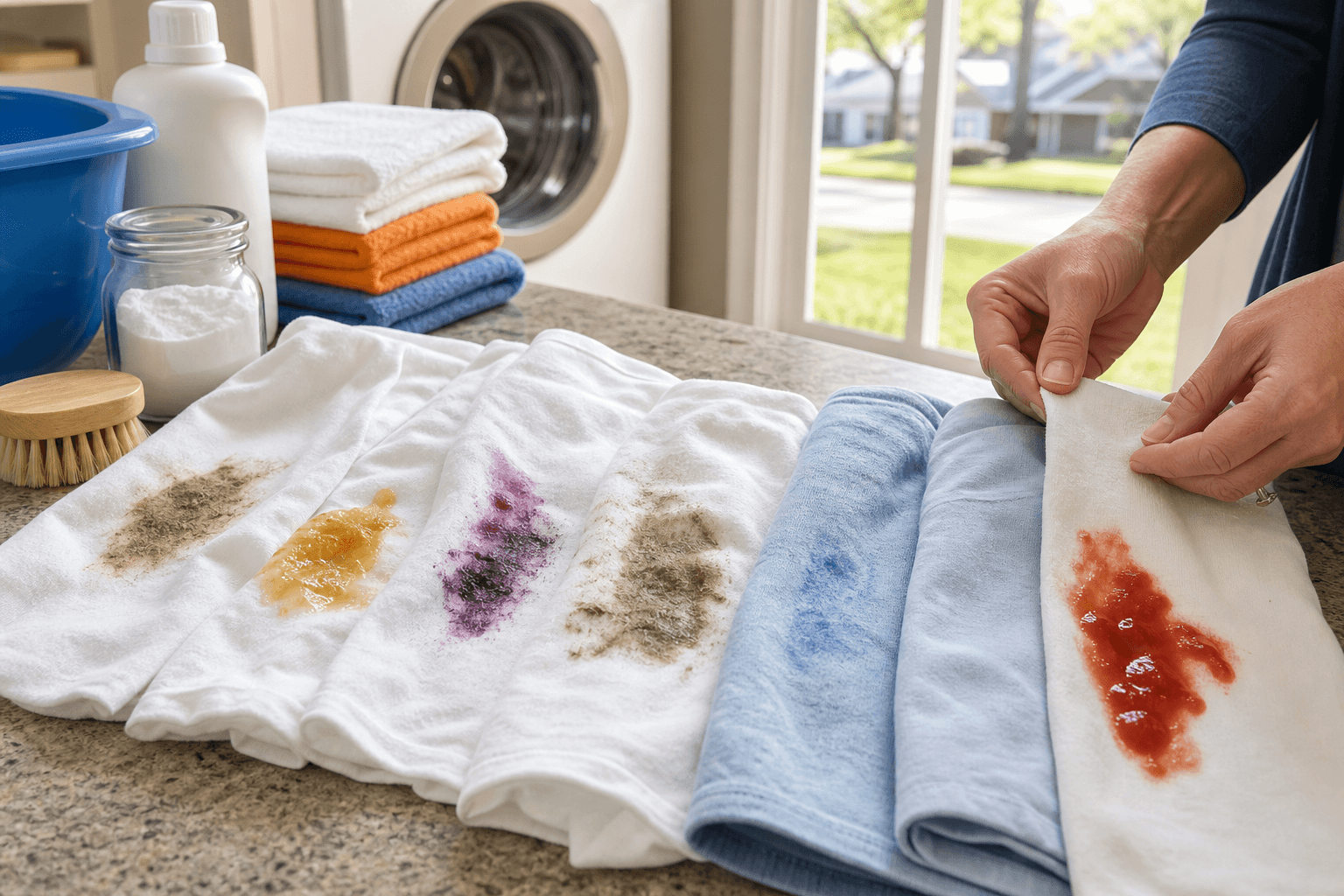
Organic stains include coffee, wine, food spills, sweat, blood, and pet accidents. These stains usually respond best to mild cleaners or enzyme-based products because they come from natural proteins, sugars, tannins, and other biological material. Heat can make some of them harder to remove, so cooler methods are often safer at first.
Grease and oil stains behave in a very different way. Cooking oils, lotions, automotive fluids, and greasy food residue tend to cling to fibers and porous surfaces. Water alone usually will not solve the problem. Instead, you need a degreasing product that can break up oily residue without damaging the material underneath.
Dye stains are especially tricky. Ink, paint, sports drinks, and colored juice can spread quickly the moment liquid is added. In many cases, rubbing makes the problem wider, and random cleaners can push color deeper into the material. A targeted treatment and an early test spot matter a lot here.
Mineral and chemical stains often show up as rust, hard water buildup, soap scum, or residue from harsh products. These stains may need special formulas and a careful hand. A cleaner that works on tile might damage natural wood or fabric, so chemistry and surface safety need to work together.
The Surface Changes Everything
A stain does not act the same way on every material. One spill might wipe off a sealed countertop but sink deep into carpet, soak into an unsealed grout line, or leave a ring on fabric furniture. That is why surface type matters just as much as stain type.
Carpet and rugs absorb quickly. Fibers trap residue, and the padding below can hold moisture and odor long after the top feels dry. A stain that looks gone on day one may come back after drying because material remained underneath.
Upholstery adds another level of risk. Many furniture fabrics have cleaning codes, delicate dyes, and texture that can distort with too much water. Even a successful stain lift can leave a visible ring if the area dries unevenly or if only one patch is cleaned.
Hardwood and laminate need moisture control above all else. These floors can stain from food, pets, or water spots, but they can also suffer from swelling, seam damage, and finish issues if cleaned the wrong way. A very damp cloth may be safe. A soaked floor is asking for trouble.
Tile and grout seem tough, yet grout is highly porous and stains fast. Bathrooms and kitchens see soap scum, grease, mold, mildew, and mineral buildup all collecting in lines that are harder to reach and slower to dry.
Concrete in garages and driveways acts like a sponge for oil, fertilizer, rust, and chemical residue. Once those materials sink into the surface, cleanup usually takes more than a quick rinse. Mattresses and bedding have similar issues with depth. Sweat, urine, beverages, and blood can sink into foam and layers where odor lingers if drying is incomplete.
The Do No Harm Approach
Fresh Spin Laundry promotes a simple rule that saves a lot of surfaces: do no harm. That means starting with the least aggressive safe method and increasing strength only when needed. It also means treating stain removal as part cleaning, part material protection.
First, test every cleaner in a hidden area. Even a common household solution can alter color, weaken fibers, dull a finish, or leave a sticky residue. A quick spot test can prevent a much bigger problem.
Next, avoid overwetting. Too much liquid can push the stain deeper, soak carpet padding, swell laminate seams, create mildew in upholstery, or trap moisture in a mattress. Controlled application almost always beats pouring solution directly onto the stain.
Another basic safety rule is to never mix harsh chemicals such as bleach and ammonia. Strong fumes, surface damage, and unpredictable reactions are serious risks. If a product label warns against mixing, take that warning seriously.
Finally, choose methods that protect the material after the stain lifts. Fast drying, gentle blotting, and limited agitation all matter. Removing the mark is great, but preserving the surface is the real win.
The First Five Minutes: What To Do Right Away
If a stain just happened, slow down and act with purpose. Panic usually leads to rubbing, overspraying, and using the wrong cleaner. A better emergency response is simple and repeatable.
Start by blotting, never rubbing. Press a clean white cloth or paper towel into the spill to absorb as much liquid as possible. Rubbing spreads the stain and can grind it deeper into fibers.
Then remove any solids before adding liquid. Food chunks, pet messes, mud, or thick residue should be lifted off carefully with a spoon, dull scraper, or paper towel. That step prevents smearing and reduces the area you need to treat.
Work from the outside inward. This keeps the stain from spreading into a larger ring. Small, controlled motions are more effective than wide circles across the whole area.
After that, identify what you are dealing with. Ask three quick questions: what caused the stain, how long has it been there, and what surface is affected? Those answers guide every next step. Fresh Spin Laundry puts a lot of focus on stain chemistry because the right match gets better results than random trial and error.
Your At-Home Stain Kit
A small stain kit can save furniture, floors, and fabrics before a spot has time to set. You do not need a huge collection of specialty products. You just need a few dependable basics stored in one place so you are ready when spills happen.
A useful kit should include the following items:
- Clean white cloths or paper towels
- Mild dish soap
- White vinegar
- Baking soda
- A soft brush
- A spray bottle
- Hydrogen peroxide for select stain types
- An enzyme cleaner for organic stains
White cloths matter because colored towels can transfer dye during cleanup. Mild dish soap works well for many light surface stains, especially when diluted. Vinegar and baking soda can help with odor and residue in some situations, but they should still be used with care and tested first.
Hydrogen peroxide can help on some stains, but it can also lighten certain materials. That makes it a spot-treatment option, not a universal fix. Enzyme cleaner is one of the most helpful products to keep around because it can break down pet accidents, sweat, food residue, and other organic messes at the source.
For larger problems, household tools may not be enough. Deep saturation, large carpet spills, widespread upholstery staining, or recurring odor often need extraction equipment or professional support. The goal of your home kit is to improve outcomes fast, not to solve every possible cleaning issue alone.
Carpet Stain Removal Tips That Protect Fibers
Carpet is one of the most common stain trouble spots in Sugar Creek homes. It sees everything from morning coffee to muddy shoes, pet accidents, snack spills, and dropped makeup. Because carpet fibers and padding trap moisture easily, a good method should focus on lifting the stain without pushing it deeper.
A safe general process works well for many carpet stains. Begin by blotting the area dry. Apply a small amount of the chosen solution rather than soaking the spot. Gently agitate with a cloth or soft brush if the carpet type can handle it. Follow with a light rinse or damp cloth pass to remove cleaner residue, then dry the area quickly with fans or airflow.
Drying is a major part of stain removal on carpet. If moisture remains in the carpet or padding, odor and residue can develop even after the visible stain improves. Quick airflow helps stop that cycle and lowers the chance of stains returning after they seem gone.
Coffee and tea stains respond best when treated with cool water first and a mild cleaner after. Heat can set tannins, so skip hot water in the early stage. Wine and juice need very fast absorption, followed by repeated blot-lift treatment until color transfer slows down.
Pet stains need a different plan. If the area smells fine but still contains organic residue, pets may return to the same spot. An enzyme product helps remove both the stain and the odor source rather than covering it up. Grease should be absorbed first with a dry cloth or paper towel, then treated with a controlled amount of degreaser.
Ink and other dye stains are high risk on carpet. If color begins spreading during treatment, stop and reassess. This is one of the clearest examples of when fast escalation can save the material. Specialty rugs and delicate fibers also deserve extra caution because aggressive treatment can affect texture, color, and structure.
When Carpet DIY Stops Being Enough
Some carpet stains look manageable at first but become harder after drying. If a spot returns, that often means residue stayed below the surface and wicked back up later. This is common with spills that soak into the pad or backing.
Large or soaked areas should also raise concern. A gallon of spilled drink, repeated pet accidents, or any unknown chemical spill can do more than stain carpet. It can create odor, sanitation issues, and damage underneath.
Watch for these signs that suggest a home fix may not be enough:
- The stain reappears after drying
- The area is large or deeply soaked
- The substance is unknown or chemical-based
- The rug is specialty, antique, or delicate
- Odor remains after repeated treatment
Fresh Spin Laundry can help coordinate deeper cleaning solutions when basic home methods stop producing safe results. That kind of support matters because repeated DIY attempts can set stains further or create a much larger area of damage than the original spill.
Upholstery and Fabric Furniture Without Water Rings
Furniture stains demand patience. Sofas, chairs, ottomans, and dining seats often use fabrics that absorb unevenly and react badly to excess moisture. Cleaning too aggressively can leave a mark that looks different from the original stain.
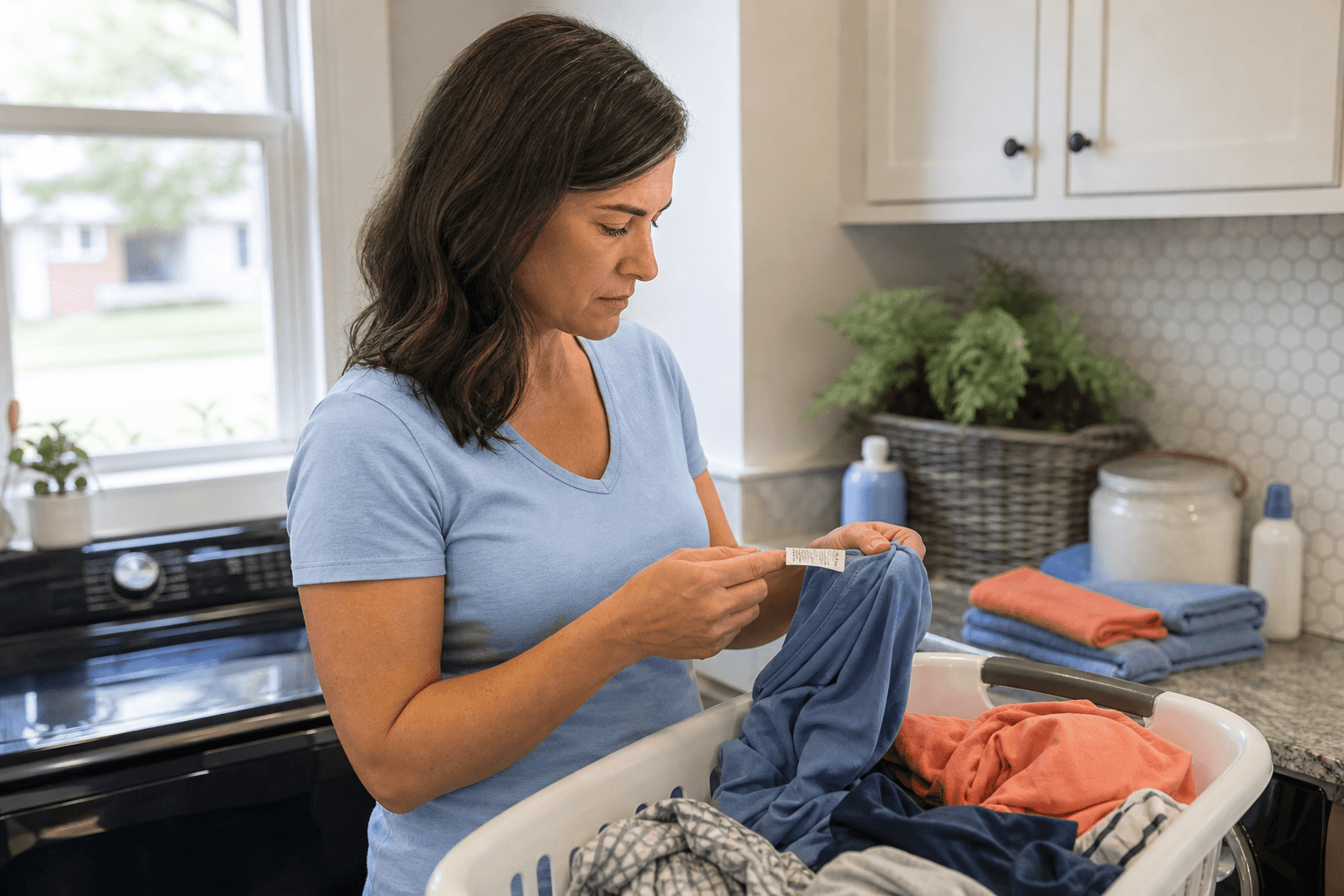
Before doing anything, check the furniture cleaning tag. These labels matter:
- W for water-based cleaning
- S for solvent-based cleaning
- WS for either method
- X for vacuum only
Ignoring that code can permanently damage fabric. A water-safe cleaner on a solvent-only piece can distort texture, spread dyes, or leave rings that never disappear fully.
Common upholstery stains include food and drink spills, body oils, cosmetics, pet accidents, and dirt tracked onto seats. These often build up slowly, which means a couch can look dingy long before there is one obvious stain. Vacuuming first is always smart because loose debris turns into mud the moment moisture hits it.
Use minimal moisture whenever possible. Foam-based products can work well because they limit saturation while still giving some cleaning power. Blot gently, keep the area controlled, and dry thoroughly. If one cushion section looks different from the rest after cleaning, you may need to clean the entire panel so the fabric dries evenly.
Water rings often happen because only the center of a stain is treated while the surrounding area stays dry. To avoid that, feather your cleaning slightly beyond the stain edge and keep drying consistent. The goal is a uniform finish, not just a spot with a lighter center.
Hardwood and Laminate: Clean Stains Without Warping
Wood and laminate floors can look durable, but they are unforgiving about moisture. One of the biggest mistakes people make is treating these surfaces like tile and using too much water. Even a successful stain removal job can end badly if the boards swell, cup, or separate afterward.
For both hardwood and laminate, moisture control is everything. Wipe spills immediately. Use a damp cloth, not a wet mop. Dry the area right away after cleaning, even if it looks fine on the surface.
Common stains include water spots, pet accidents, sticky food residue, and scuff marks. Water spots may respond to gentle wiping and a wood-safe cleaner. Sticky residue usually needs a mild cleaner that loosens buildup without stripping finish. Pet accidents should be cleaned fast because they can stain and seep into seams.
Hardwood needs products made for wood finishes. Strong vinegar mixtures, steam, or harsh all-purpose cleaners can dull the surface or affect the protective layer. Some deeper stains may require refinishing if the discoloration has moved below the finish.
Laminate needs even more caution around seams. Water that slips between planks can cause swelling and edge damage. Avoid steam unless the manufacturer specifically allows it. Use laminate-safe products only, and keep liquid use tightly controlled.
If the stain has changed the board itself, surface cleaning may not fully restore it. That is especially true after long-standing pet accidents or repeated moisture exposure. In those cases, quick cleanup still matters because it can stop the damage from spreading.
Tile and Grout: Where Dirt Hides Deep
Tile usually cleans up fairly well. Grout is the problem. Because grout is porous, it traps dirt, moisture, bacteria, soap residue, and kitchen grease much faster than the tile around it. That is why floors and shower walls can still look dirty even after a basic wipe-down.
Bathrooms often deal with soap scum, hard water buildup, mold, and mildew. Kitchens bring grease, food splatter, and spills that settle into grout lines near sinks and stoves. Rust can also appear near fixtures or metal items that stay damp too long.
A reliable grout cleaning process has four steps. First, pre-treat the stained area with a surface-safe solution. Next, scrub with a grout brush that can reach lines without shredding the grout itself. Then rinse the area well to remove loosened residue. After that, dry thoroughly so moisture does not remain trapped.
Drying matters here too. If shower grout or kitchen tile stays damp all the time, mold, mildew, and mineral buildup return quickly. Better ventilation helps a lot. So does wiping surfaces after use instead of letting water and soap residue sit for hours every day.
For long-term protection, seal grout periodically if the product and installation allow it. Sealing reduces absorption and makes future cleaning easier. In high-use bathrooms and kitchens, that step can save a lot of scrubbing over time.
Concrete, Garage, and Driveway Stains
Concrete looks tough because it is hard and heavy, but it stains easily because it is highly absorbent. Oil, transmission fluid, fertilizer, rust, battery residue, and decaying organic debris can all sink in and leave dark marks that standard soap will not touch.
Fresh spills should be absorbed immediately. Use an absorbent material or cloth to pull up as much liquid as possible before it spreads. Once the stain sets, cleaning becomes more about breaking down what entered the surface rather than just washing the top.
Concrete-safe degreasers are usually the right choice for automotive fluids and oily garage stains. Apply them carefully, give them enough contact time, and scrub where appropriate. Then rinse or extract thoroughly so residue does not remain on the surface.
Rust and fertilizer stains can be especially stubborn. They may need a more specialized product that targets mineral or chemical residue. As always, matching the cleaner to the stain matters more than using the strongest option on the shelf.
Sealing concrete is one of the smartest long-term moves for both homes and businesses. A good seal reduces absorption, makes routine maintenance easier, and gives future stains less opportunity to sink deep. In garages and driveways around Sugar Creek, that one step can dramatically improve how the surface holds up over time.
Mattress and Bedding Stain Removal Without Soaking
Mattresses are tricky because the surface may look simple while the inside holds layers of foam and fill that dry very slowly. That means a stain can become an odor issue fast if too much liquid is used. A better plan is to clean with control and keep the interior as dry as possible.
Start by stripping bedding immediately. Sheets, pillowcases, protectors, and blankets should come off before the spill spreads or gets pushed deeper by pressure. Then blot the mattress surface instead of soaking it.
Common mattress stains include sweat, blood, urine, and beverage spills. Each needs a slightly different product, but the precautions stay the same: use small amounts, avoid saturating foam, and make sure the area dries fully before covering it again.
Fans, open windows, and airflow are very helpful after spot treatment. If the mattress feels cool or damp, it is not ready to be remade. Trapped moisture can lead to odor and lingering discomfort even if the stain lightens.
Protective covers are worth using after cleanup. They reduce future absorption and make accidents easier to manage. Fresh Spin Laundry can help with professional laundering for bedding and linens, along with deeper cleaning support that restores freshness while protecting fabric quality.
Commercial Stain Challenges in Independence, MO
Businesses face stain problems at a different scale. High foot traffic means faster buildup, more frequent spills, and less time to react. In restaurants, offices, medical spaces, retail shops, and service businesses, cleanliness affects customer trust and daily operations.
Common commercial stains include food and beverage spills, entryway dirt and salt, grease and oils, and restroom-related staining. The issue is rarely one isolated mess. More often, businesses deal with repeated stress on the same areas day after day.
A good commercial strategy focuses on maintenance, not occasional rescue cleaning. Daily spot treatment, scheduled deep cleaning, entry mats, and prevention systems all help control long-term damage. Staff should also know basic fast-response steps so small spills do not turn into larger repairs.
Downtime costs money, which means businesses often need quicker turnaround than homes do. Sensitive materials, large floor areas, recurring stains, and sanitation concerns may all justify outside support. Fresh Spin Laundry supports local businesses with dependable fabric and linen care solutions that help keep operations moving without sacrificing presentation.
When To Call for Professional Help
DIY stain removal works best on fresh, limited spills with a clear cause and a safe surface. Once the stain is deep, recurring, widespread, or attached to odor and sanitation concerns, bringing in help can protect both your materials and your time.
Professional support is often worth considering in these situations:
- Move-in or move-out cleaning
- Deep carpet or upholstery staining
- Odor removal and sanitation needs
- Commercial-scale cleaning
- Unknown substances or chemical spills
When evaluating a provider, ask about service range, cleaning methods, safety standards, and experience with your specific material. Transparent pricing matters too. You should know what treatment is planned and why it fits the stain and surface involved.
There are also a few smart questions worth asking before you commit. What stains and materials do they handle most often? Are products safe or fragrance-free if that matters to you? How do they deal with stubborn or recurring spots? Those answers tell you a lot about whether the company is solving problems thoughtfully or using the same routine for every job.
Locals often trust Fresh Spin Laundry because of its fabric-care focus, reliable turnaround times, and ability to support both residential and commercial cleaning needs. That kind of consistency matters when you want dependable results rather than trial and error.
How To Prevent Stains Before They Start
The easiest stain to remove is the one that never sets. Prevention will never eliminate every spill, but it lowers frequency, limits damage, and makes cleanup much simpler.
Start by controlling what enters your space. Entry mats catch dirt, moisture, and salt before they travel across carpet and hard floors. Shoe policies help too, especially during wet or muddy seasons. Boot trays near the door can save a lot of floor cleanup in bad weather.
Then protect high-risk surfaces. Seal grout and other porous materials where appropriate. Use rugs in traffic paths and fabric protectors on furniture that sees heavy daily use. A mattress cover is one of the easiest ways to reduce stress around spills and body oils.
Daily habits make a huge difference. Clean spills immediately, keep supplies nearby, and follow a simple routine rather than waiting for buildup to become visible. Consistent maintenance is what keeps a space looking fresh without constant heavy cleaning.
The Most Common Stain Removal Mistakes
Many stains become permanent because of avoidable mistakes rather than the stain itself. Bad technique can set a spill faster than time alone, so it helps to know what to stop doing right away.
The first common mistake is rubbing instead of blotting. Rubbing spreads liquid, frays fibers, and pushes residue deeper. Blotting lifts it away with less damage.
Another mistake is using the wrong cleaner. A strong product may seem like the fastest answer, but it can set dye, strip finish, or react badly with the material. Matching the treatment to the stain type is always smarter than using the harshest option.
Overwetting is another major problem. Extra liquid can cause mold, odor, seam damage, fabric distortion, and slow drying. It can also pull a stain deeper into padding or foam. More cleaner does not mean better removal.
Skipping proper drying also causes trouble. Damp carpet can wick stains back up. Upholstery can form water rings. Wood can swell. Mattresses can trap odor. Drying is part of the cleaning job, not an optional final touch.
Finally, waiting too long makes removal harder. Once a stain dries, oxidizes, or bonds with the material, your chances of complete removal drop. Fast action remains one of the most reliable stain-fighting tools you have.
Quick Stain Removal Cheat Sheet
If you want a simple framework to remember, use this quick guide as a starting point. Always test first and adjust based on the material.
- Organic stains: blot, apply enzyme or mild cleaner, rinse lightly, dry well
- Grease stains: absorb first, apply degreaser carefully, repeat if needed
- Dye stains: test, use targeted treatment, stop if spreading begins
- Mineral stains: use surface-safe acidic solutions with caution
This kind of cheat sheet works best when paired with basic surface awareness. A safe cleaner for tile may be wrong for upholstery. An enzyme cleaner that works on carpet may need much lighter use on a mattress. The cheat sheet gives direction, but surface rules still come first.
Building Better Long-Term Cleaning Habits
Good stain control is less about one perfect product and more about consistent habits. People who handle stains well usually do the same basic things every time. They respond fast, stay calm, identify the stain, use limited moisture, and make drying part of the plan.
That steady approach protects everything from carpets and couches to grout, garage floors, and bedding. It also saves money because fewer materials end up needing replacement or heavy restoration later. Young renters, first-time homeowners, busy families, and small business owners all benefit from that kind of routine.
Keep your stain supplies in one easy-to-reach place. Learn the cleaning codes on your furniture. Know which floors can handle moisture and which cannot. If you have pets or kids, treat prevention as everyday protection rather than a once-a-year project.
Most of all, remember that stain removal is about judgment as much as effort. The best results often come from doing less, but doing it correctly. Quick action, the right cleaner, and a surface-safe method will beat panic scrubbing almost every time.
The Bottom Line on Sugar Creek Stain Removal Tips for Every Surface
Better stain removal comes down to a few clear rules: act fast, identify the stain, match the treatment to the material, and keep moisture under control. Whether you are cleaning carpet, upholstery, hardwood, laminate, tile, grout, concrete, mattresses, or commercial surfaces, smart technique gives you the best shot at full removal without causing extra damage.
Fresh Spin Laundry brings a practical, results-focused approach to stain care for everyday laundry, linens, household fabrics, and broader cleaning challenges in Sugar Creek and Independence. With the right habits, basic supplies, and a willingness to call for help when needed, you can keep stains from becoming permanent and protect the surfaces you use every day.