
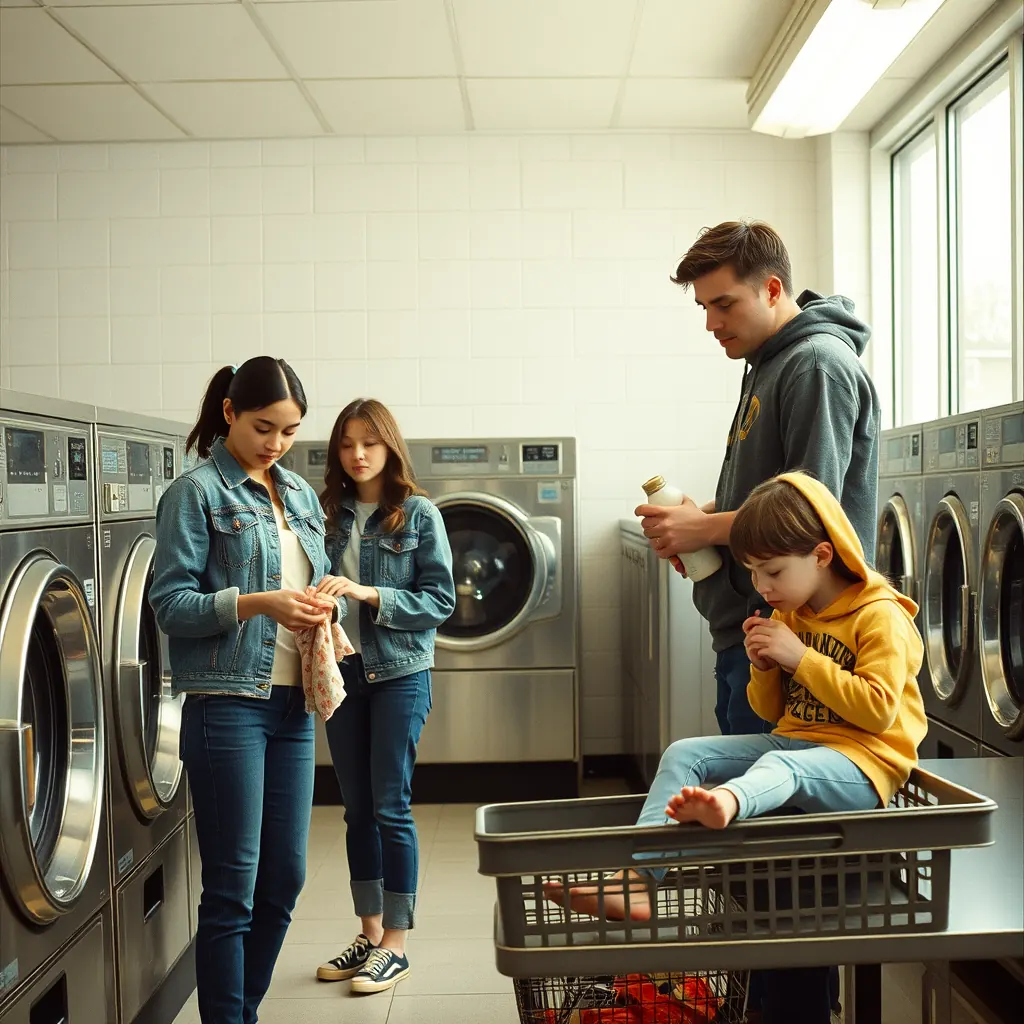
Laundry feels small until it starts stealing chunks of your week, and most of that lost time comes from bad timing, overstuffed loads, and a routine built on last-minute decisions. This guide shows how to fix that with a faster system inspired by the Fresh Spin Laundry approach, so you can cut rewashes, reduce stress, and turn laundry into a low-effort habit instead of a full-day event.
Key Takeaways
- Build a pre-sorted system so every load starts with almost zero decisions.
- Use the right machine settings, lighter loads, and smart timing to save hours each week.
- Treat stains early and use less detergent to avoid rewashes and residue.
- Dry and fold with intention so wrinkles, musty smells, and basket pile-ups do not return.
- Create a repeatable routine or outsource the job if maximum convenience fits your life better.
Why Your Laundry Routine Is Wasting Hours
Most people do not lose time on laundry because washing clothes is inherently slow. They lose time because the whole process is broken into too many friction-filled steps. You hunt for socks, guess which items can go together, realize the washer is overloaded, rewash clothes that still smell off, forget a damp load in the machine, and then face a giant basket that sits untouched for two days. Each mistake looks small on its own, yet together they create a routine that drains hours and energy every week.
Traditional laundry habits often rely on urgency instead of planning. That means you wash because you have no clean gym clothes, no fresh towels, or no shirt for tomorrow. As a result, you rush through decisions and make avoidable mistakes. A last-minute load is more likely to be overstuffed, mixed poorly, and dried badly. Then the process stretches out again because damp cuffs, trapped odors, and wrinkles force you into extra work.
The biggest errors are surprisingly common. People overload machines because they want fewer cycles. They wash everything in one batch because sorting feels annoying. They delay stain treatment until after the wash, which often means an extra cycle. They also leave drying and folding until later, which creates wrinkles and clutter. Those habits do not save time. They create repeat labor.
A smarter setup fixes the waste fast. Fresh Spin Laundry’s approach centers on simplifying decisions before laundry starts, using machine settings with intention, and building a flow that keeps clothes moving from hamper to wardrobe without stalling. That kind of system cuts mental load as much as physical work. You stop wondering what to do next because the next step is already built into your routine.
The payoff is bigger than cleaner clothes. You get faster cycles, fewer rewashes, less ironing, and less stress before work or class. More importantly, you gain independence. Once your laundry system runs smoothly, you stop treating it like a chaotic event and start handling it like background maintenance. That shift is what saves real time.
The 10-Minute Setup That Eliminates Laundry Day Chaos
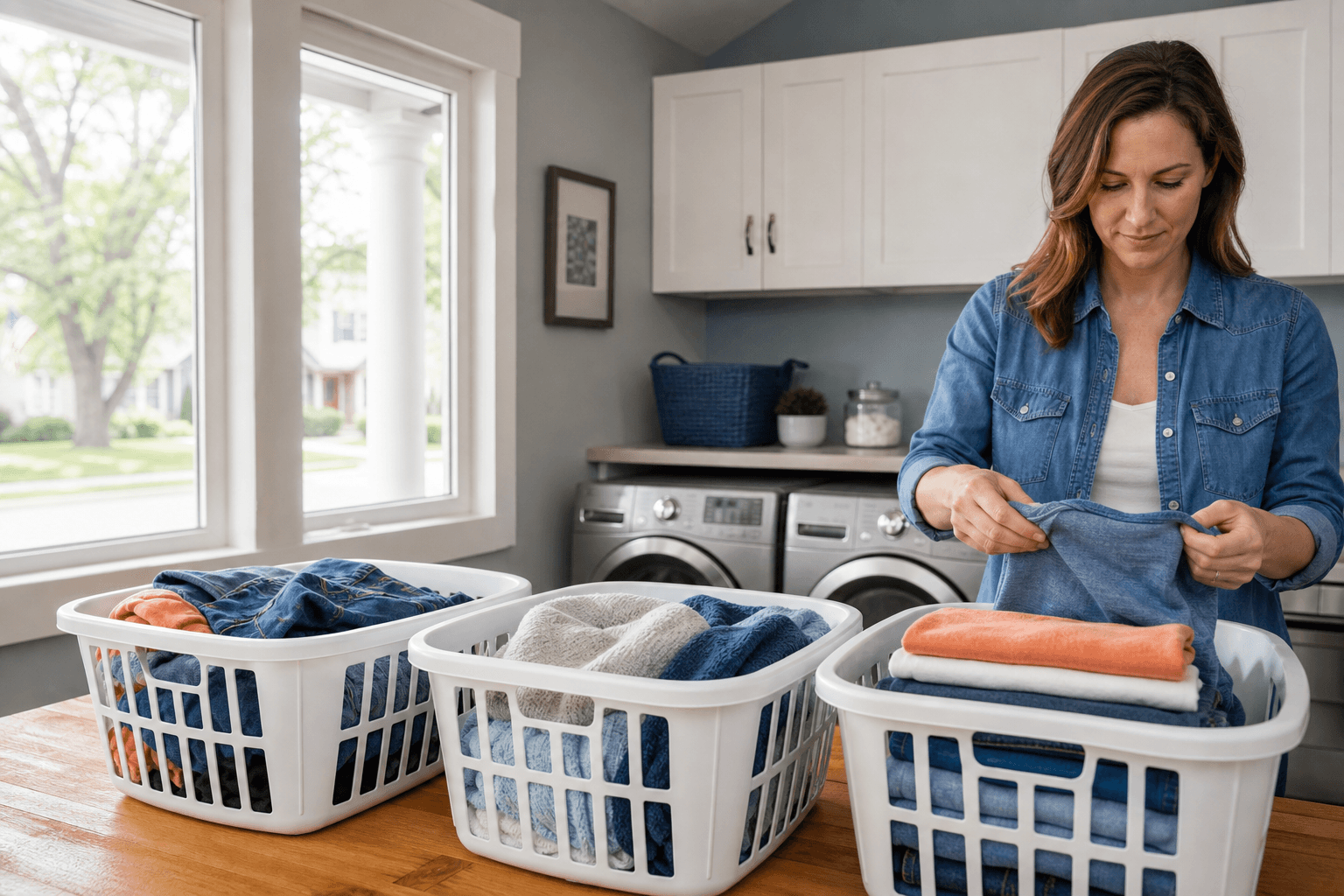
The fastest laundry routine starts before the washer turns on. A simple setup removes the tiny choices that slow you down every time you touch a hamper. If you want laundry to feel easy, build a zero-decision sorting system. Instead of tossing everything into one basket, use separate bins for whites, darks, delicates, and towels. Then each load is already half prepared before wash day even begins.
Pre-sorting works because it cuts friction at the exact moment people usually procrastinate. When clothes are mixed together, starting a load feels like a chore inside another chore. You need to pull pieces apart, check labels, and decide what can go together. With separate bins, that sorting happened naturally during the week. You simply grab one bin and start the machine. That saves time, but it also saves attention, which matters just as much.
Fresh Spin Laundry streamlines this part of the process for customers because sorting is one of the biggest hidden bottlenecks. A smooth system always reduces unnecessary handling. The less often you touch the same shirt, towel, or pair of socks before it is clean and stored, the more efficient the routine becomes. That principle works at home too. Every item should move through the process with as few interruptions as possible.
Another strong move is shrinking your laundry volume. A capsule wardrobe can make a major difference here. If your closet is full of backup outfits, random trend pieces, and low-quality basics you barely wear, you create more clutter, more laundry, and more decisions. Fewer clothes often means fewer loads, but it also means you become more aware of what actually needs washing. That reduces the habit of throwing lightly worn items into the hamper just because it feels automatic.
Simplified clothing choices also clear mental space. When your wardrobe is easier to manage, your laundry routine becomes easier too. Young adults often juggle classes, work shifts, social plans, workouts, and limited living space. A smaller, smarter wardrobe makes those transitions easier because your clothes are visible, usable, and easier to maintain. That kind of clarity has a real practical effect.
To reduce unnecessary washing, start with a few habits:
- Re-wear jeans, hoodies, and jackets when they are still clean.
- Hang clothes after wearing them so they can air out instead of landing in a pile.
- Use undershirts or liners to protect outer layers from sweat and odor.
- Spot-clean small marks before deciding a full wash is needed.
None of this means wearing dirty clothes. It means washing with intention. Once you reduce laundry volume and set up clear sorting bins, your routine stops feeling messy and starts feeling efficient from the first step.
Wash Smarter, Not Longer: Machine Settings That Save Hours
Most washers offer more options than people use, yet many stick to one default cycle for everything. That habit wastes time and can wear out clothes faster. A smarter method is to match the setting to the load. For many everyday items, cold water is the best default. It protects fabric, helps colors last longer, and often reduces energy use. It also removes the guesswork that slows down the start of every wash.
Quick or express cycles are another major time-saver. Lightly worn clothes, gym shorts, T-shirts, and small daily loads often do not need a long wash. If the clothes are not heavily soiled, a shorter cycle gets the job done. The real win is consistency. Once you know which loads can use express mode, you stop over-washing and start using your machine more efficiently.
Load size matters just as much as settings. People often overload the washer because they want to finish in fewer rounds. That usually backfires. Packed loads do not move well, detergent cannot spread evenly, and heavier items trap water. Then clothes emerge less clean and take longer to dry. A slightly smaller load often finishes the full process faster because the wash is better and the dryer does not need extra time.
Separating heavy and lightweight fabrics also helps. Towels, denim, hoodies, and bedding behave very differently from T-shirts, underwear, and athletic wear. If you combine them all, light items can overdry while heavy ones stay damp. During the wash, that mix also creates uneven cleaning. Divide fabrics by weight and you will see smoother cycles, better drying, and less frustration.
For ideal efficiency, think in terms of movement. Clothes should have enough room to circulate. The drum should feel full but not crammed. As a quick rule, if you need to press items down hard to fit them in, the load is too large. Better circulation leads to better cleaning and a shorter drying stage.
One of the easiest upgrades is the delay timer. This feature is perfect for a “set it and forget it” strategy. You can load the machine at night and schedule the cycle to finish close to when you wake up. You can also set it so the load ends right before you return from class or work. That keeps laundry aligned with your actual day instead of demanding attention at a random moment. Timing is often what separates a smooth routine from one that keeps interrupting you.
Off-peak scheduling can help as well. Running loads overnight or during lower-demand hours may reduce energy costs depending on your area and utility setup. Even if your bill stays the same, the timing still matters because it gives you finished laundry at a useful hour. Fresh Spin Laundry builds convenience around this exact principle: align the process with life instead of forcing life to stop for laundry.
If you want better results fast, make these settings your base strategy:
- Use cold for most daily clothing.
- Choose express for lightly worn items.
- Wash towels and heavy fabrics in separate loads.
- Use delay start to match your schedule.
- Avoid stuffing the drum past comfortable movement.
Smart washing is less about doing more and more about choosing better. Once that clicks, laundry gets faster almost immediately.
Detergent Efficiency: Stop Slowing Yourself Down
Detergent seems simple, but it is one of the easiest places to create waste. Many people use too much, buy too many separate products, and turn a basic step into a cluttered routine. A better move is to simplify. Multi-function products can combine cleaning, softening, and stain support in one step. That cuts measuring time, reduces bottle buildup, and makes the process feel much cleaner in every sense.
Using less detergent often improves results. That sounds backwards at first, yet overuse can leave residue on fabric and inside the machine. Residue traps odors, dulls colors, and can trigger extra rinse cycles if your washer senses too many suds. It also makes some clothes feel stiff or heavy after drying. The goal is enough detergent to clean well, not enough to create a cloud of foam.
Fabrics also last longer when you stop overloading them with product. Excess detergent can break down fibers over time and make technical fabrics less breathable. That matters if you wear activewear, fitted basics, or delicate blends. Less product means less buildup, and less buildup means clothes stay comfortable and useful for longer. That is a time-saving move too, because damaged clothes create more shopping, more replacing, and more frustration.
Smarter alternatives such as eco-eggs and similar tools can also speed up your workflow. Their appeal is simple: no measuring, less mess, and easier storage. If you are someone who forgets refills or hates dealing with sticky caps and spills, this kind of option can remove one more barrier between you and a quick load. The best system is one you can repeat easily, and convenience often drives consistency.
If your detergent setup is slowing you down, strip it back. Keep one effective product for daily loads, one stain solution if needed, and skip extras that do not add much value. Laundry gets easier when every product earns its place. The fewer steps you need to think about, the more likely you are to keep the routine moving.
Kill Stains Before They Cost You an Extra Wash
Stains become time-wasters when they are ignored for too long. The fastest way to deal with them is also the simplest: treat them immediately. Once a stain goes through the dryer, heat can set it into the fabric and turn a quick fix into a second wash or permanent damage. Acting early saves effort, protects your clothes, and stops one marked item from delaying an entire load.
You do not need an elaborate routine here. In most cases, a quick treatment right after the spill is enough. Blot instead of rubbing, use a small amount of stain-focused product or a combined detergent-and-stain formula, and let it sit briefly before washing. That method keeps the process fast while still giving the stain a real chance of coming out on the first cycle.
Busy schedules call for streamlined habits. If you cook often, keep stain treatment near the kitchen or laundry area. If you live in a small apartment or share machines, store a compact solution where you can reach it fast. Make stain response part of the moment instead of a separate task for later. That one shift can save multiple rewashes over a month, especially with food, makeup, sweat marks, or coffee spills.
Fresh Spin Laundry minimizes rewash cycles through professional handling, and the lesson applies at home as well: the sooner you identify a problem, the fewer steps you need later. This is one of the clearest examples of efficiency in laundry. A ten-second action now can prevent a full extra wash, another drying round, and a lot of annoyance.
Use these quick stain habits to stay ahead:
- Blot fresh spills right away.
- Do not dry stained items until you check the spot.
- Keep one trusted stain product within easy reach.
- Use combined formulas to cut extra steps.
Small speed matters. In laundry, early stain treatment is one of the highest-value actions you can take.
Dry Faster, Wrinkle Less: High-Impact Drying Hacks
Drying is where laundry often slows to a crawl. Clothes may come out of the washer clean, but if drying drags on, the whole routine still feels inefficient. The first fix is load control. Separate heavy items from lighter ones before drying. Towels, hoodies, and denim hold far more moisture than T-shirts or underwear. If you dry them together, lightweight clothes finish early while heavy pieces keep spinning. That wastes time, energy, and can increase wrinkles.
A simple trick can cut drying time instantly: add a dry towel to a damp load at the beginning. According to the article brief, this can reduce moisture by up to 20%. That is an easy gain, especially for medium-sized loads that are still a little wetter than expected. The towel absorbs early moisture and helps the dryer work more efficiently during the first stage of the cycle.
Modern dryer features can also save a surprising amount of effort. Wrinkle-release and steam settings are worth using if your machine includes them. They help loosen creases and reduce the need for ironing, which is one of the most time-hungry follow-up tasks in any laundry routine. If you usually leave clothes sitting in the dryer for a while, wrinkle-control settings can reduce the penalty of that delay.
Air-drying has a place too, especially for delicates, activewear, and garments that wrinkle easily. A rack or line uses no extra energy and can extend the life of fabrics that do not love high heat. The trick is to air-dry strategically instead of letting it become clutter. Hang items neatly, smooth seams with your hands, and shape collars or waistbands before they dry. Proper hanging can reduce wrinkles enough that you skip ironing entirely.
Never forgetting a load is another major win. Musty smells start when damp clothes sit too long, and wrinkles deepen the longer finished clothes stay compressed. Timers and phone reminders solve this fast. Set one when the wash starts and another when the dryer starts. It sounds basic, but these alerts prevent some of the most common laundry setbacks. The best routine uses external cues so you do not need to rely on memory.
For smoother drying, use this sequence:
- Split heavy and light fabrics into separate batches.
- Add a dry towel at the start if the load feels very damp.
- Use wrinkle-release or steam if your dryer has them.
- Air-dry items that dislike heat or wrinkle fast.
- Set reminders so finished loads are removed promptly.
Drying should finish the job, not create a second round of problems. With a few adjustments, it becomes faster and much less annoying.
Folding Without the Pile-Up: Finish Strong Every Time
The laundry routine is not done when clothes are dry. It is done when they are folded, stored, and easy to wear again. This is where many people lose momentum. A basket full of clean clothes feels harmless for a day, then it turns into a wrinkled mess that gets picked through all week. To avoid that slide, create a dedicated folding zone. It can be a bed, table, bench, or even a clean section of the couch. What matters is having a known place where finishing the load feels immediate and simple.
Folding right away prevents wrinkles and removes the need for extra touch-ups later. It also closes the loop. Once clean clothes are put away, they stop taking up visual and mental space. That matters in small bedrooms, shared apartments, and busy homes where clutter builds fast. Finishing strong is one of the easiest ways to make laundry feel manageable.
Use fast folding methods instead of perfect ones. File folding works especially well for drawers because it keeps items visible and easy to grab. You can see every T-shirt, pair of shorts, or set of pajamas at once instead of stacking everything into hidden layers. That visibility reduces rummaging, keeps drawers neater, and makes future dressing decisions much quicker.
Batch folding with a timer can help if you tend to drift. Set five or ten minutes and treat folding like a short sprint. Most loads take less time than people expect once they actually begin. The timer creates a finish line, which makes the task feel smaller and easier to start. It also stops the common habit of touching one or two items and leaving the rest for later.
To keep momentum from wash to wardrobe, follow a simple chain:
- Move dry clothes straight to your folding spot.
- Fold immediately while the fabrics are still warm.
- Use file folding or another fast, repeatable method.
- Put items away before starting the next task.
This stage may look small, but it decides whether your laundry routine actually feels complete. Clean clothes in a basket are still half-finished work.
Turn Laundry Into a Background Task
The goal is not to become obsessed with laundry. The goal is to make it so smooth that it runs in the background of your week. That starts with planning loads around your schedule instead of saving everything for one giant laundry day. Smaller, more frequent loads are easier to manage, less likely to wrinkle, and gentler on fabrics. They also fit into normal life without taking over your entire weekend.
Think about your routine in advance. If you know you have long work shifts on Thursday and social plans on Friday, wash essentials earlier in the week. If you exercise often, keep your activewear rotation moving with quick midweek loads. If towels pile up fast in your place, assign them a regular day. Laundry becomes easier when it has a rhythm. A rhythm removes surprise, and fewer surprises mean less stress.
Stacking laundry with other tasks is one of the best ways to save time. Start a load while cooking, studying, cleaning your room, or relaxing at home. The machine does the work while you stay productive or unwind. This is a strong move for young adults because laundry rarely needs your full attention; it needs occasional response. Once you accept that, you stop blocking off huge chunks of the day and start fitting loads into natural gaps.
Smaller loads also protect fabric care. Clothes rub against each other less, heavy items are easier to separate, and drying is faster. You avoid the overwhelming basket mountain that usually leads to procrastination. Consistency beats intensity here. One small load every few days is often easier than six large loads waiting for one painful Sunday.
Fresh Spin Laundry removes the need to multitask entirely, which can make sense if your schedule is packed or your access to machines is limited. Still, even if you handle laundry yourself, the same principle applies: the less you let it dominate your day, the more independent and efficient your routine becomes. Laundry should support your life, not keep interrupting it.
When Upgrading Your Equipment Actually Saves Time
New equipment is not always necessary, but sometimes it changes everything. If your washer takes forever, leaves clothes soaking wet, or struggles with basic loads, an upgrade can save real time every week. High-efficiency machines often offer faster cycles, lower water use, and better spin performance. Better spinning matters because the more water removed in the washer, the less time your dryer needs to do the rest.
Long-term savings can justify the investment if you do laundry often. Lower energy and water use add up over time, especially in larger households or homes with frequent towel, bedding, and workout loads. More importantly for daily life, a dependable machine reduces friction. It starts on time, finishes on time, and gives more predictable results. That reliability has its own value.
The front-load versus top-load choice depends on your space and routine. Front-load machines often perform well with water and energy efficiency and can stack with dryers in smaller spaces. Top-load options may feel quicker to load and unload and can suit people who prefer a simpler setup. What works best comes down to your room, your budget, and how often you wash different types of items.
If you are weighing an upgrade, think beyond price. Ask whether your current setup creates repeated delays. Do you need extra drying rounds? Do cycles run much longer than necessary? Do bulky items come out unevenly washed? If the answer is yes, newer equipment may buy back enough time and frustration to make the change worthwhile.
The right machine does not need to be flashy. It just needs to support the system you want: fast starts, efficient cycles, strong spinning, and settings that match your actual laundry habits.

Small Tools That Eliminate Big Annoyances
Some laundry frustrations are tiny but constant. Lost socks, tangled underwear, slow drying, clingy fabrics, and mystery wrinkles all eat away at your patience. Small tools can fix those issues fast. Mesh bags are one of the easiest wins. Use them for socks, underwear, or delicate items that like to disappear into larger loads. Suddenly, sorting becomes faster and fewer items vanish between the washer and drawer.
Dryer balls are another useful upgrade. They help separate items in the dryer, improve airflow, and can reduce drying time while cutting wrinkles. That means smoother loads and lower energy use with very little effort. Moisture-control tools can also help if your dryer tends to leave some areas damp while overdrying others. Little improvements matter because they remove repeated annoyances.
It also helps to know what to skip. Fabric softeners may seem helpful, but they can leave buildup on clothes and machines. Some fabrics, especially activewear and towels, may perform worse after repeated use because residue affects absorbency or breathability. A smarter alternative is to use simpler products and let dryer balls or good drying habits create softness more naturally.
If your laundry area feels cluttered, keep only the tools that solve a real problem. Good systems are lean. Every item should save time, reduce mess, or protect clothes. If it does none of those things, it is just another object taking up space.
Handling Bulky and Delicate Items Without Wasting Time
Bedding, blankets, and other bulky items can derail an efficient routine if you treat them like normal loads. They bunch up, trap water, and often clean unevenly when packed too tightly. One useful trick is simple tying techniques that help prevent sheets or duvet covers from wrapping around everything else. Keeping large items from tangling allows water and air to move more evenly, which improves both washing and drying.
Choosing the correct cycle matters here. Bulky loads usually benefit from settings built for larger items or deeper rinsing. That extra planning is worth it because an unevenly washed comforter often means another full cycle. Since these items take more machine time anyway, your best move is to get it right the first time. Efficiency is not about rushing every load. It is about avoiding repeats.
Delicates need a different strategy. Protect them with mesh bags, gentler cycles, and cooler temperatures where appropriate. You do not need to slow down your entire routine for a few fragile items. Just isolate them, choose the right settings, and let them dry in a way that protects shape and fabric quality. A small adjustment can preserve a garment for far longer, especially if it includes lace, knits, or lightweight blends.
Temperature choice matters for longevity too. Heat is useful, but too much of it can shrink, fade, or weaken certain fabrics. If you want clothes to last, match water and drying temperatures to the item instead of blasting everything on high. This habit saves time in the long run because damaged clothes create replacement costs and frustrating wardrobe gaps.
The simplest rule is to group special-care items with intention. Handle bulky pieces as their own event and delicates as their own protected category. That keeps your standard routine fast while still caring for the items that need extra attention.
Build Your Personal Laundry System
The best laundry routine is the one you can repeat without burnout. That means your system should fit your lifestyle, living space, clothing habits, and schedule. A student with shared machines needs a different plan from someone with in-unit laundry. A person who goes to the gym daily will organize loads differently from someone who mostly washes workwear and bedding. Start by looking at your actual patterns, not your idealized version of productivity.
Build your system from a few core pieces. Decide how you will sort clothes. Pick your standard wash settings. Choose the days or times when laundry fits best. Set reminders that keep loads moving. Then reduce friction wherever you can. Keep detergent close, stain treatment accessible, and folding space ready. If a step keeps breaking, simplify it until it becomes easy to maintain.
Testing and refining matter. Try smaller frequent loads for two weeks. If that works, keep it. If you still forget clothes in the washer, rely more on timers. If your darks pile up too fast, add a second bin. Good systems improve through small adjustments, not through giant resets every few months. The key is staying consistent.
Habit-building helps more than motivation. Link laundry to existing routines: start a load after breakfast, fold during a podcast, run towels on a set weekday, or prep bins every Sunday night. Seasonal adjustments also help. Summer may bring more sweat and lighter fabrics; winter may bring heavier layers and longer drying times. Your system should flex without falling apart.
Sometimes outsourcing makes more sense. If your schedule is packed, your building machines are unreliable, or laundry constantly steals time from work and rest, Fresh Spin Laundry may be the smarter option. Efficiency is not about proving you can do everything yourself. It is about choosing the setup that gives you the best return on your time and energy.
The Real Payoff: Time, Energy, and Independence
Once you optimize your laundry system, the benefits show up everywhere. You spend less time reacting to clothing emergencies. You stop losing energy to clutter and half-finished tasks. Getting dressed becomes easier because clean clothes are available, visible, and in good shape. That kind of order creates real independence, especially if you are balancing work, study, bills, and a social life.
The time savings build week after week. A few minutes saved by pre-sorting, a shorter wash from better settings, fewer rewashes from early stain treatment, faster drying, and immediate folding may seem small in isolation. Combined, those gains can return hours over a month. More importantly, they reduce interruptions. Laundry stops hijacking your attention and starts acting like a routine support system.
That compounded effect is the real advantage. Each strategy strengthens the others. Better sorting leads to faster loading. Better loading leads to more effective washing. Better washing leads to easier drying. Better drying leads to faster folding. The process becomes a chain where every step supports the next. Once the chain is smooth, the work feels much lighter.
Fresh Spin Laundry delivers these results without requiring you to manage the process yourself, which can be a great fit if maximum convenience matters most. Yet even if you keep laundry fully in your own hands, the same lesson stands: systems beat stress. You do not need a perfect home, expensive supplies, or hours of free time. You need a method that reduces decisions and keeps clothes moving.
Your next step is simple. Upgrade one part of your routine today. Set up sorting bins, switch to smaller loads, use the delay timer, or fold immediately after drying. Then build from there. If you want the full convenience route, hand it off. Either way, the result is the same: less wasted time, lower stress, and a laundry routine that finally works for you.