
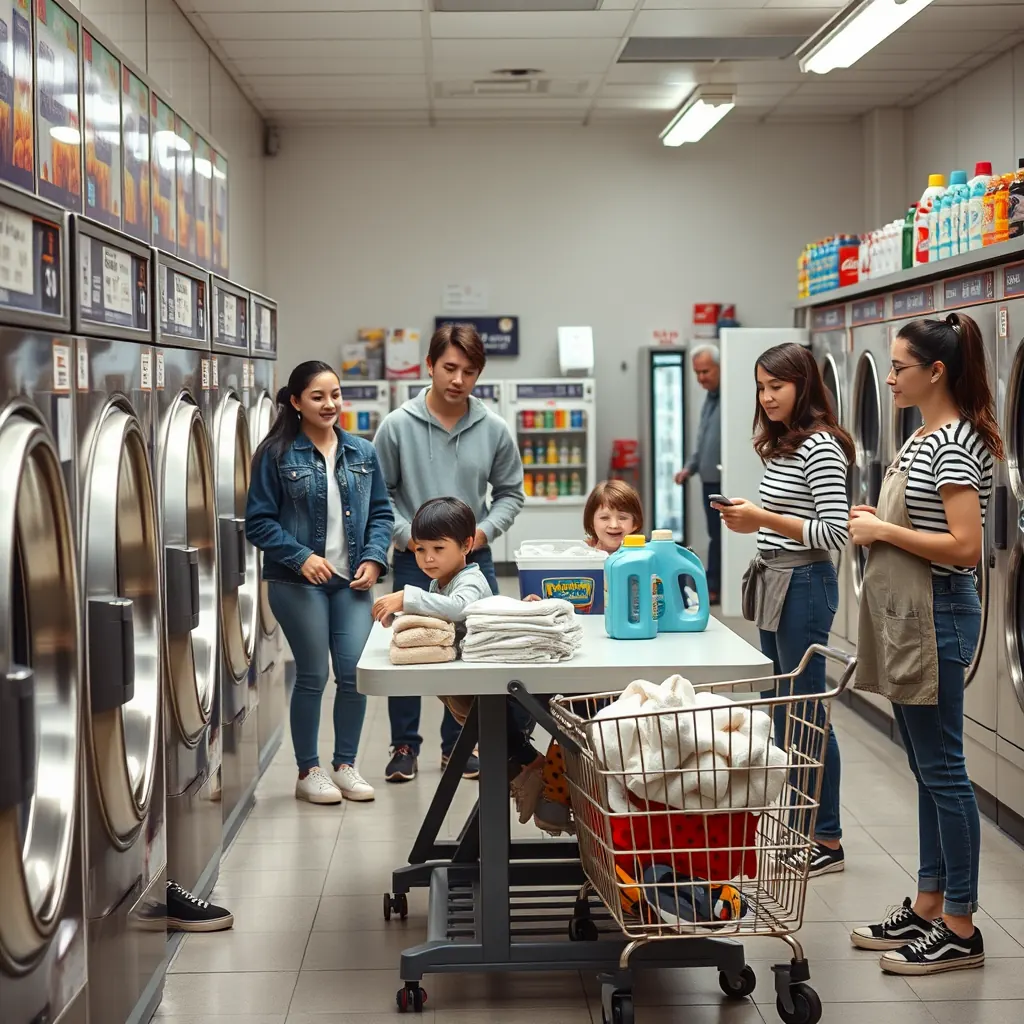
Laundry chaos rarely starts with one huge mistake. It builds quietly through missed loads, overstuffed closets, and a home system that leaves parents carrying the whole burden. For the Truman family and any busy household trying to keep up with school clothes, sports gear, towels, and bedding, the fix is surprisingly practical: a daily rhythm, clear ownership, and smart backup like Fresh Spin Laundry when life gets packed.
Key Takeaways
- A daily load prevents laundry mountain from taking over the week.
- Simple hamper systems create ownership and cut sorting time fast.
- Kids can help early with age-appropriate tasks and steady routines.
- Less clothing in circulation means less mess, less delay, and fewer decisions.
- Strategic help from Fresh Spin Laundry can reset overloaded weeks.
Why Laundry Feels Out of Control So Fast
Most family laundry problems do not come from a lack of effort. They come from a system that breaks down the moment two busy days stack together. A skipped Tuesday load becomes a Thursday pile. By the weekend, that pile turns into a full-blown laundry mountain that drains time, energy, and patience.
Many parents think the issue is volume alone. Volume matters, but it is rarely the only problem. The bigger issues are inconsistent routines, vague responsibility, too many clothes in rotation, and a workflow that makes every load take longer than it should. If everyone tosses laundry wherever they feel like and one person has to sort, wash, dry, fold, and put away everything, the process will keep stalling.
Backlog creates more than clutter. It also creates decision fatigue. Once piles grow, each step demands extra mental effort. Parents have to guess what is urgent, what can wait, what needs special care, and which child is suddenly out of socks. That constant decision-making makes laundry feel bigger than it really is.
A better approach starts with one shift in mindset. Laundry is easier when it becomes a steady household rhythm instead of a rescue mission. Small daily systems work better than occasional marathon sessions. Shared responsibility beats silent resentment. Strategic outsourcing can save a week that is already overloaded. That is why support options like Fresh Spin Laundry fit so well into real family life. They do not replace good habits. They strengthen them.
The Daily Laundry Rhythm That Changes Everything
If one habit can calm family laundry, it is this: do one load a day. That single practice keeps clothing, towels, and school wear from building into an unmanageable mess. It also shrinks the task into something that feels normal instead of overwhelming.
A daily load works because it contains the entire cycle. Washing one load is manageable. Drying one load is manageable. Folding and putting away one load also feel reasonable when they happen the same day. Trouble starts when families wash three loads, leave them in baskets, and then forget who owns what. The real win is to finish the whole cycle before starting another load.
Morning often gives families the strongest start. A simple 7 AM strategy can work well in busy homes. Start a load early, move it to the dryer before lunch or after school, and finish folding in the evening. That timing keeps laundry moving without taking over the day. It also reduces the risk of damp clothes sitting too long in the washer.
Still, no routine works if one parent handles every step alone. Rotate jobs whenever possible. One person can start the washer. Another can switch the load. Kids can fold towels or sort socks. A teen can put away their own clothes and bedding. Shared labor makes consistency much easier to keep.
Larger households may need more than one daily load. Monday through Friday, a family with several children may need one to three loads each day to stay current. That sounds like a lot, but it is far easier than trying to crush ten loads over one exhausted weekend.
Life also changes with the season, and laundry should change too. Sports months bring muddy uniforms and extra socks. School routines create faster turnover for daily outfits. Cold weather often means thicker fabrics and more indoor layers. Summer can bring swimsuits and towels into the mix. A smart system allows for seasonal adjustments without throwing the whole home off track.
Clothing volume matters more than many families realize. Too many clothes create false comfort because there is always one more shirt to wear. Yet extra clothing delays washing, hides shortages, and leaves families drowning in clean laundry that never gets put away. A simpler closet reduces the mess fast. A practical target is 3 to 4 play outfits, 2 nicer outfits, and 1 formal option per child, adjusted for age and school needs.
Less clothing means fewer piles, fewer choices, and fewer chances for laundry to scatter across chairs, floors, and baskets. That kind of volume control often does more for family peace than buying a fancy organizer ever will.
Build Hampers That Sort for You
Sorting laundry twice wastes time. Families often sort once in their heads and then again beside the washer. A smarter system moves that work to the moment clothes come off. Pre-sorting hampers do the heavy lifting before wash day even begins.
Multi-bin hampers are especially useful for busy homes. They can divide laundry by lights, darks, towels, and delicates. Some families prefer color-coded bins by child or room. Both methods can work, but the best system is the one people will actually use every day. Keep it simple, visible, and easy to follow.
Placement matters just as much as the hamper style. Put hampers where clothes naturally collect. Bedrooms are obvious, but bathrooms, mudrooms, and other high-traffic zones often need them too. If a child changes after practice near the back door, that spot may need a basket more than their bedroom does.
No-lid hampers usually beat lidded ones for one reason: kids use them. A lid adds one more tiny barrier, and tiny barriers often kill habits. A no-lid option makes drop-off quick and obvious. Better access leads to better compliance, especially with younger children.
Another smart shift is to sort by fabric type or wash need rather than by person. That means towels with towels, dark everyday clothes together, and delicates in their own protected stream. This kind of zone-based sorting improves efficiency and usually gives better wash results too. Clothes with similar needs should be cleaned together.
Many families also benefit from the one basket per child system. Once clothes are clean, they go straight into that child’s basket. That basket becomes the transfer point for folding and putting away. It cuts confusion fast. Instead of one mixed mountain on the couch, each child sees a defined load that belongs to them.
Ownership starts with visibility. A basket that clearly belongs to one child sends a simple message: these are your clothes, and your next job starts now. That small handoff reduces arguments and keeps clean laundry from drifting back into shared mess.
Get Kids Involved Without Starting a Daily Fight
Children can help with laundry much earlier than many parents think. The trick is to give tasks that match their age, attention span, and physical ability. Laundry becomes less stressful when kids grow up seeing it as a normal household job instead of a punishment that suddenly appears in the teen years.
Toddlers ages 2 to 4 can start with easy jobs. They can sort clothes by color, match socks, place small items into baskets, and put folded washcloths in drawers. They can even help with very simple folding by handing items over or pressing small stacks flat. At that age, the goal is participation, not perfect results.
Children ages 5 to 10 can take on more meaningful work. They can fold towels, carry clean clothes to bedrooms, separate underwear and socks, and help move items from washer to dryer with supervision. Many can learn the steps of a basic load long before they can do it alone. This stage is where routine teaching matters most.
Teens should move into full responsibility. That includes personal clothing, bedding, sports wear, and keeping their hamper system working. They should know how to treat simple stains, choose basic settings, and finish the load from start to finish. A teenager who can use a phone, manage homework, and handle practice schedules can absolutely manage their own laundry.
Family laundry works better when teaching happens through habit rather than repeated speeches. Instead of long lectures about responsibility, build steady cues into the week. If Sunday evening is towel folding time, make that normal. If every child puts away their own basket after dinner, make that expected. Routine beats reminders because it creates muscle memory.
Some families use traditions to make the process feel lighter. A playful folding block like “Suck It Up Sundays” can work because it turns a chore into a known family event. Put baskets on the couch, turn on music, tell stories, or read aloud. Folding does not have to feel formal. It just has to get done. Shared time lowers friction and helps everyone stay present.
Small tools can also reduce conflict. Mesh bags are excellent for socks and underwear. They keep tiny items together and cut down on the classic argument about missing pairs. This simple step saves sorting time and teaches kids a practical way to manage their own essentials. In family systems, small wins create trust.
The big goal is an ownership shift. Parents start by leading each step. Then they model, supervise, and slowly hand over parts of the process. Over time, children learn exactly what they are responsible for and when. Clear instructions and a visible schedule matter more than constant correction. That gradual transfer builds independence without daily drama.
Washing Hacks That Save Time Every Week
Families do not need complicated laundry tricks. They need simple habits that remove delay. The best washing shortcuts are the ones that reduce choices, speed up decisions, and prevent mistakes that create extra work later.
One easy improvement is detergent simplification. Pods or strips remove measuring from the process and make it easier for older kids and teens to help. They are quick, clean, and consistent. Anything that shortens setup time helps the whole household stay on track. In a busy home, simple beats fancy.
For many families, fabric softener is an easy thing to skip. Kids’ clothes often do fine without it, and some households prefer a gentler option. A vinegar rinse can help with softness and may work better for homes dealing with sensitive skin. It is a practical swap that supports comfort without adding much effort.
Stains are easier to handle when treated right away. That matters more than buying a dozen stain products. If a spill sits for days in the hamper, it settles in and becomes harder to remove. Parents can save serious time by creating one rule: treat spots immediately or as soon as the item comes off.
Quick cycles have a place too. Lightly worn gym clothes, school uniforms used for a short day, or practice gear that is sweaty but not heavily soiled may do well on a faster cycle if the fabric allows it. That cuts energy use and saves time without sacrificing cleanliness. The key is using the right cycle, not always the longest one.
A washer cheat sheet can help the whole family. Tape a simple guide near the machine. For example: hot for towels and whites, cold for darks and delicates. Keep it short and visual. That one sheet can remove hesitation for kids, teens, spouses, and anyone else helping with the load. Clear instructions build confidence.
Efficiency also depends on basic rules. Only run full loads when possible, but do not overstuff the machine. Use mesh bags for delicates and socks. Group items with similar needs. Keep products near the washer so no one has to search for supplies halfway through. Laundry moves best when the process is predictable.
Families who need occasional bigger capacity can also mix home laundry with outside support. Some weeks, a household may want access to self-serve machines for larger batches, bulky blankets, or a catch-up session that would take too long at home. That kind of backup can save a packed schedule.
Drying and Folding Without the Usual Backlog
Many loads get washed on time and then stall after the dryer. That is where clean laundry often turns into fresh clutter. A family system works only if the load keeps moving after the wash cycle ends. Drying and folding need just as much structure as sorting and washing.
Start with dryer settings that match fabric groups. If you wash by zones, drying becomes easier too. Towels can handle a different setting than delicates or athletic wear. Matching the heat to the fabric protects clothes and helps loads finish more evenly. It also reduces wrinkling and keeps people from rewashing items that smell scorched or still damp. Smart settings support better results.
Overstuffing the dryer slows everything down. Clothes need space for air to move. If the load is packed too tightly, the center stays damp, towels take forever, and someone ends up restarting the machine. That extra cycle wastes time and energy. A dryer works best with good airflow.
Folding gets easier when it stops feeling like a solo punishment. Shared folding sessions on the couch work surprisingly well. Put on music, talk about the day, or let younger kids help stack towels while older kids sort their own shirts. Perfection is not the target. Completion is. Families need a low-pressure system that still gets clothes into drawers. That is why the done means done rule works.
That rule is simple: every load must be completed all the way. Wash, dry, fold, and put away before another load takes over the house. This creates a natural stop point and prevents five unfinished baskets from spreading across the week. It also protects your effort. A washed load sitting in a basket for three days still creates stress.
Parents can reduce folding volume even more by cutting unnecessary washing. Teach children that not every worn item is dirty. A hoodie worn for an hour indoors may not need a full wash. Pajamas used once for a short night might still be fine. Jeans, jackets, and some layers can often be reworn if they are clean and smell fine. This kind of reasonable judgment lowers laundry volume without lowering hygiene.
That idea matters because over-washing creates extra labor, fades clothes faster, and fills hampers with items that never needed attention in the first place. Less unnecessary washing means fewer loads, fewer folding sessions, and more room for the things that truly need cleaning. Families often gain hours each month through smarter choices alone.
The Hidden Mistakes That Keep Families Stuck
Many homes work hard on laundry but still feel trapped. Usually, the problem is not effort. It is the system itself. A few common mistakes keep laundry stuck in a cycle of backlog, frustration, and repeat mess.
One major issue is over-sorting. Families sometimes create so many categories that every load feels complicated before it even starts. If people need to study a chart to use the hamper, the setup is too hard. A good system should feel obvious. Keep categories simple enough that everyone can follow them without help. Simple systems win.
Lidded hampers are another hidden problem. They look tidy, but they often reduce use. Kids drop clothes on the floor instead of lifting the lid. Damp towels get shoved in and forgotten. Airflow gets worse too. A hamper should invite action, not add resistance. In family routines, easy access creates better follow-through.
Waiting too long between loads is a classic trap. Laundry grows faster than most people expect. One missed day can create enough overflow to push the next load back, and then the whole week starts to slide. Small delays have large effects in busy homes. That is why frequency matters more than intensity.
Too many clothes in circulation causes its own kind of trouble. Overflowing drawers hide what is clean. Closets packed with extras encourage procrastination because no one runs out of options fast enough to force a reset. Parents often think more clothing buys breathing room, but it usually creates more clutter and less urgency.
Airflow gets ignored more than it should. Non-breathable hampers and damp piles can lead to musty laundry, especially in bathrooms or tight bedrooms. Clothes need ventilation before washing, and washers need loads moved out quickly after the cycle ends. Families often blame detergent when the real issue is trapped moisture.
Another quiet mistake is making one parent the laundry manager forever. If one person has to notice every pile, remember every uniform, and finish every basket, resentment builds fast. Laundry should be distributed by ability and age. Shared responsibility is not a nice bonus. It is a practical necessity for busy family life.
When Fresh Spin Laundry Becomes the Secret Weapon
Even the best home system has limits. Some seasons bring more volume than a family can handle smoothly. New babies, sports schedules, back-to-school weeks, illness, travel, and holiday hosting can push laundry beyond what a daily rhythm can absorb. That is when outside help shifts from luxury to smart strategy.
Fresh Spin Laundry fits best as backup inside a working household routine. Think of it as support for overflow, bulk items, or reset weeks. Families do not need to wait until laundry becomes impossible. Using help early can protect time, energy, and home peace before piles spread into every room.
One of the biggest gains is the tradeoff between time and energy. Parents often focus on whether they technically can do every load themselves. A better question is whether doing so costs too much of the week. If a family can reclaim several hours and avoid burnout, that is a valuable exchange. Clean laundry should support life, not swallow it. That is where professional backup can make a clear difference.
Some loads are perfect for outside support. Bedding takes space and time. Towels pile up fast. Sports gear can be constant during peak seasons. Catch-up weeks after travel or illness may require more machine time than most homes can provide. Those are ideal moments to use wash and fold service as part of a practical system.
A hybrid approach often lasts longer than an all-or-nothing plan. Daily home habits handle the regular flow. Professional support handles spikes, bulk items, and moments when the family calendar gets too crowded. That balance keeps the household from falling into rescue mode every few weeks. It is a more sustainable rhythm.
Fresh Spin Laundry also works well as a weekly reset tool. If the house is behind, sending out the heaviest categories can create instant breathing room. Once the backlog is gone, the family can return to one load a day at home. This is especially useful for larger families, homes with multiple athletes, or weeks where everyone is moving in different directions. A reset can restore momentum fast.
Parents who are curious about service details, timing, or what items make the most sense to outsource can check the laundry FAQ and decide how to blend backup support into their current routine. The goal is not perfection. The goal is a household that stays clean without constant stress.
Create a Laundry System That Fits Your Family
No single laundry plan works for every household. A family with one toddler and a baby will need a different rhythm than a house with three teens and two athletes. The best system is the one that fits your actual schedule, space, machine capacity, and energy level. Good laundry habits should feel repeatable, not idealized. Fit matters.
Small households may do well with one load most days and a reset load before the weekend. Large households may need multiple weekday loads, clearer division of labor, and stronger basket systems by child. The point is to scale the process before chaos forces the issue. Size affects volume, but clarity affects success.
Clothing limits should also reflect family size and stage. Younger children often do well with fewer outfits because they outgrow items quickly and need more parent support. School-age children benefit from enough basics to cover the week without creating drawer overload. Teens may need a few extra items for activities, but limits still matter. Fewer clothes often create faster turnover and better habits.
Special household needs should shape the routine too. Families dealing with sensitive skin may prefer a vinegar rinse and simpler detergent choices. Homes with sports gear may need zone washing so muddy items, compression wear, and daily school clothes do not all mix. Babies may need gentle detergents and a separate system for burp cloths, sleepers, and bedding. A smart routine respects real-life needs.
Every family benefits from a short essentials checklist. Start with the basics: breathable hampers, one basket per child if possible, detergent pods or strips, vinegar for rinses if desired, and a washer guide posted nearby. These are small tools, but they create a much smoother workflow. Laundry gets easier when supplies support quick action.
Expect some trial and error. One hamper setup may look great and fail after three days. A folding time that works in summer may flop during school season. That does not mean the family is bad at systems. It means the system needs adjustment. Keep what works, drop what causes friction, and repeat until the process feels automatic.
This flexible mindset matters because laundry is tied to every other part of home life. Sleep schedules, school demands, extracurriculars, weather, and closet size all affect how much clothing moves each week. A system should bend without breaking. The strongest family routines are clear enough to guide daily life and flexible enough to survive real schedules.
Start Small and Win Fast
Parents do not need a full laundry overhaul in one weekend. In fact, trying to change everything at once often leads to another abandoned plan. Small changes work better because they build visible progress fast. Once a family feels that early win, the next improvement gets easier. Momentum matters.
Start with the daily rhythm if your biggest issue is backlog. Commit to one load a day and finish it fully before bedtime. If the bigger issue is scattered clothes and constant sorting, upgrade the hamper system first. Choose the problem that causes the most stress and fix that one piece before adding anything else.
The core ideas are clear. Use a daily load to stop laundry mountain before it starts. Share responsibility across the household. Simplify sorting with better hampers and baskets. Reduce clothing volume so closets stop feeding the chaos. Add practical washing and folding habits that lower friction at each step. These are the habits that create lasting control.
Busy weeks will still happen. A family may fall behind during illness, travel, tournament season, or major school events. That does not mean the system failed. It means the family needs backup, a reset, or a temporary adjustment. Fresh Spin Laundry can be part of that support, especially for bedding, towels, sports gear, or a heavy catch-up week. Asking for help is often the fastest path back to order.
If you want one challenge this week, pick just one: start a daily load or replace your current hamper setup with a simpler one. That small move can shift the whole feel of your home. Laundry does not have to be a constant emergency. With a steady rhythm, shared ownership, and the right support when needed, the Truman family approach can turn a frustrating mess into a manageable routine.