
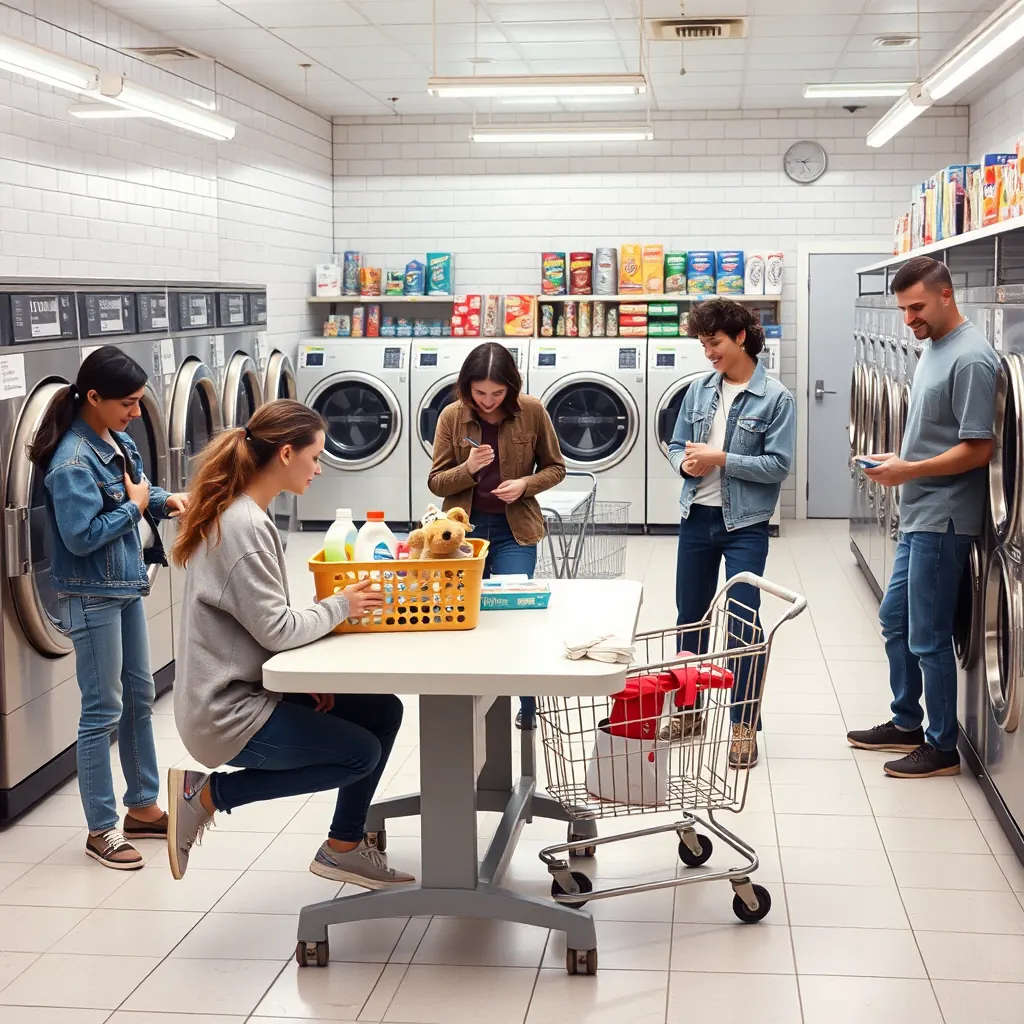
Laundry looks simple until faded shirts, stiff towels, and stubborn odors start showing up load after load. This guide brings the Fresh Spin Laundry system into your home, using the article brief’s core idea that great results come from the right mix of detergent, oxygen bleach, and enzymatic stain removers, plus smart sorting, timing, and machine care.
Key Takeaways
- Better laundry starts with using the right product for the right load, not chasing a fancy brand.
- Dosage matters more than most people think, and too much detergent often creates the very problems people try to fix.
- Sorting by fabric and soil level is just as important as sorting by color.
- Temperature, product placement, and timing shape whether clothes come out fresh or come out with residue and odors.
- Fresh Spin treats laundry like a repeatable system, which makes clothes last longer and look more polished.
Why Most Laundry Routines Fail
Many people grow up with one basic laundry rule: toss everything in, add some soap, press start, and hope for the best. That shortcut creates a cycle of fading, lingering odors, rough fabrics, and clothes that seem old long before they should.
The biggest issue is inconsistency. One week a load gets too much detergent, the next week dark clothes get washed in hot water, and after that towels sit in the washer for hours. Each mistake looks small on its own, but the damage adds up fast.
Fresh Spin Laundry approaches laundry as a system instead of a random chore. The article brief makes the point clearly: most success comes from three core forces working together—detergent, oxygen bleach, and enzyme stain treatment. Add proper sorting, correct temperature, and strong drying habits, and your results improve almost immediately.
This is why some loads look clean but do not feel clean. Dirt may be reduced, but body oils stay trapped in fibers, stains set deeper, and detergent residue hangs on. A shirt can smell fresh right out of the dryer and still develop odor after one hour of wear because the wash process never fully removed what was there.
A stronger routine fixes that. You do not need twenty specialty products or an expensive machine. You need a repeatable process, a few smart supplies, and the discipline to match each item with the right wash conditions.
The Fresh Spin Core System
At the center of this guide is a simple idea: products should have a clear job. Every bottle, pod, powder, and spray should solve a specific problem. Once you understand what each item does, laundry gets easier and much more effective.
Fresh Spin’s system starts by separating products into three roles. First, you need a cleaner that lifts dirt and oils. Second, you need support products that protect fabric, improve feel, or prevent transfer. Third, you need stain fighters that target specific messes before the wash cycle even starts.
That structure keeps you from overusing random products. It also helps you build a home setup that feels practical instead of cluttered. For people who want to simplify the routine even more on busy weeks, Fresh Spin also offers wash and fold service for loads that need professional handling without the extra work at home.
Detergent: The Foundation of Every Load
Detergent does the heavy lifting in laundry. It breaks up soils, lifts oils, suspends dirt in water, and helps rinse those particles away. Yet many people choose detergent based on scent or packaging instead of load type.
Liquid detergent works well for daily laundry and direct stain treatment. It spreads easily in water and can be dabbed right onto problem spots before washing. If your weekly loads include T-shirts, office wear, gym basics, and regular household fabrics, liquid detergent is often the most flexible choice.
Powder detergent is a strong option for heavily soiled items. It can work especially well on work clothes, sports gear, and loads that need deeper cleaning. Many people also like powder for whites and towels because it pairs well with brightening products.
Pods offer convenience and consistency. Since they come pre-measured, they reduce the guesswork that causes overuse. That said, pods only work well when placed correctly in the drum before clothes go in. Tossing them into a packed washer at the top of a load can lead to poor dissolving and streaks.
High-efficiency machines require HE formulas. These create fewer suds and help prevent machine buildup and residue on clothes. If you use standard detergent in an HE machine, you may get extra foam, weaker rinsing, and fabrics that feel dull or sticky.
Fresh Spin’s practical tip is simple: matching detergent type to the load matters more than obsessing over a label. A great product used the wrong way still gives weak results. A solid product used correctly often outperforms a trendier option.
Fabric Finishing Products That Help, Not Hurt
After cleaning comes finishing. This stage affects how clothes feel, smell, and behave after drying. Used well, finishing products add comfort and polish. Used carelessly, they cause buildup, reduce absorbency, and leave fabrics coated.
Fabric softener can reduce static and create a smoother feel, but it should be used with care. Heavy use may leave residue on fabrics, and certain items do better without it. Towels, moisture-wicking activewear, and some delicate fabrics can lose performance if softener coats the fibers.
Dryer sheets are convenient and familiar. They help control static and can add scent quickly. Wool dryer balls offer a different benefit. They help separate clothes in the dryer, improve airflow, and can reduce drying time. They also appeal to people who want a lower-waste option.
Scent boosters are popular, but moderation matters. A small amount can add freshness. Too much can create buildup in fabrics and machines, and strong fragrance may become overpowering instead of clean-smelling. Fresh laundry should smell fresh, not harsh.
Color catcher sheets are one of the easiest protective tools you can buy. They help trap loose dyes during the wash, which is especially helpful with mixed colors or new garments. They are not a free pass to ignore sorting, but they add a useful safety layer.
Stain Removal: Where Home Laundry Often Breaks Down
Most laundry failures begin before the cycle starts. A stain gets ignored, rubbed the wrong way, or blasted with heat too early. Once that happens, even a good detergent may struggle to fully remove it.
Pre-treatment sprays work best when they get time to sit. Timing often matters more than aggressive scrubbing. A light application followed by a few minutes of contact gives the ingredients time to loosen the stain before washing.
Enzyme-based stain removers are especially useful because different enzymes attack different messes. Here is the quick breakdown:
- Protease works on protein-based stains like blood and sweat.
- Lipase helps break down grease and oils.
- Amylase targets starch-based stains.
This is why one general stain product may work great on food spills but fail on deodorant marks or body oil. The chemistry has to match the stain type. Once you know that, stain removal stops feeling random.
Oxygen-based brighteners help maintain whites and revive dingy fabrics without the harsher effects people often associate with stronger bleach products. They are useful for loads that need a cleaner, brighter finish while staying gentler on fibers.
Color-safe bleach adds another layer of cleaning and mild sanitizing without the fading risk linked to harsher alternatives. It can be especially helpful for activewear, family basics, and loads that need extra freshness but still contain colors.
Sorting the Right Way
Most people sort by light and dark, then stop there. That is better than nothing, but it misses two major factors: fabric type and soil level. Ignoring those categories leads to poor cleaning and unnecessary wear.
Heavy fabrics like towels, sweatshirts, and jeans move differently in the washer than thin shirts or delicate tops. If you wash them together, the heavier items create friction that can stretch, twist, or stress lighter fabrics. The whole load also dries unevenly.
Soil level matters just as much. A lightly worn shirt should not share wash water with muddy work clothes or heavily sweaty gym gear. That kind of mix causes what the brief describes as cross-contamination. Dirt, oil, and odor from the dirtiest items spread through the load and lower overall cleaning results.
A smarter sort usually follows these categories:
- Color: lights, darks, reds, and whites
- Fabric: delicates, everyday clothing, towels, bedding, heavy items
- Soil level: lightly worn, moderately dirty, heavily soiled
This sounds like more work at first, but it quickly becomes habit. Once you separate loads with purpose, you waste less detergent, avoid rewash cycles, and keep clothes in better shape.
Protective Tools That Improve Results
Great laundry is not just about liquids and powders. A few simple tools can protect fabrics and improve consistency. These small additions often create a big jump in results.
Mesh laundry bags are one of the best tools for delicates. They reduce stretching, snagging, and twisting during the wash. Bras, knit tops, lightweight sleepwear, and other fragile pieces benefit right away from this extra protection.
Air-drying racks matter more than many people realize. Heat is one of the fastest ways to damage elastic, shrink fibers, and shorten the life of delicate clothing. A drying rack gives you a safer option for pieces that should never face aggressive dryer settings.
Lint rollers seem minor, yet they are part of the finishing difference between average laundry and polished laundry. Pet hair, lint, and stray fibers can make clean clothes look messy. One quick pass can fix that in seconds.
Then there is wrinkle care. Some fabrics respond best to an iron, especially structured cottons and dress shirts. Others do better with a steamer, which is often quicker and gentler on softer garments. Fresh Spin’s approach treats these final touches as part of the job, not an afterthought.
Drying Smarter for Better Fabric Life
Washing gets plenty of attention, but drying often decides how your laundry actually looks and feels. Clothes can come out clean from the washer and still end up wrinkled, shrunken, or rough because of a rushed drying routine.
Start with a simple habit: shake out each item before it goes into the dryer. This helps reduce wrinkles, prevents twisted sleeves and pant legs, and lets warm air move more evenly around the fabric.
Next, avoid overloading. A packed dryer traps moisture, increases wrinkles, and dries clothes unevenly. Some items end up too hot while others stay damp. That forces longer cycles, which means more heat exposure and more wear.
Different fabrics need different drying choices. Towels and bedding often handle stronger heat well, especially when sanitation matters. Delicates, activewear, and shrink-prone pieces usually do better on lower heat or on a drying rack.
If your home setup feels limited, using a clean and reliable self-serve laundromat can make a big difference for larger loads, bulky bedding, and items that need better airflow and machine capacity than many home units can provide.
The Fresh Spin Method: Dosage, Placement, and Timing
People often assume more product means better cleaning. In laundry, that is usually false. Too much detergent can leave residue, trap odors, dull colors, and make fabrics feel stiff.
The article brief gives useful target amounts. A standard load usually needs about 1.5 ounces of detergent. A large or heavily soiled load may need around 3 ounces. Those numbers are far lower than many bottle caps suggest when people eyeball the amount.
Using a real measuring tool is one of the easiest improvements you can make. Guessing leads to waste. It also creates the kind of buildup that makes people think their machine is failing or their detergent is weak, when the true issue is overuse.
Placement matters too. Pods belong directly in the drum before clothes. Powder products should go in before clothing so they can dissolve properly. Scent boosters also go in the drum first rather than on top of a full load.
Fabric softener needs special timing. It should be diluted and added only during the rinse cycle. Adding it too early reduces cleaning performance because it can coat fibers before detergent finishes its job.
These details may seem small, yet they separate clean-looking clothes from genuinely fresh clothes. Laundry improves fast when product amount, product location, and product timing all line up.
Water Temperature Strategy
Water temperature should be a deliberate choice, not a default button you hit every week. The right setting protects color, helps remove soil, and supports the fabric instead of stressing it.
Cold water is best for dark clothes, delicates, and many everyday items. It helps prevent shrinking and fading. It also works well for modern detergents made to clean effectively at lower temperatures.
Warm water fits synthetics and moderately dirty loads. It offers more cleaning power than cold without the intensity of hot water. This makes it a useful middle ground for common household laundry.
Hot water has a clear place too. Towels, bedding, whites, and heavily soiled items often benefit from hotter washes, especially when you want a more sanitary result. That said, using hot water on darks or delicate fabrics can quickly shorten their life.
A lot of laundry problems trace back to the wrong temperature. Faded black shirts, tight cotton tees, weak elastic, and color bleeding often start with heat used carelessly. Choosing water temperature on purpose is one of the fastest ways to improve both cleanliness and fabric life.
Fabric-Specific Care for Delicates
Delicate fabrics need a different approach from standard laundry. Silk, wool, lace, and other fragile items react badly to rough agitation, strong enzymes, and high heat. Treating them like regular basics usually leads to misshaping, thinning, or pilling.
Fresh Spin’s brief recommends enzyme-free detergents for these fibers. That matters because some delicate materials do not respond well to aggressive stain-fighting chemistry meant for stronger everyday fabrics.
Use the gentle cycle and place items inside mesh bags. That step reduces friction and protects shape. Even soft fabrics can twist and stretch if they move freely against zippers, buttons, and heavier garments.
Heat is another major risk. Delicates should usually skip the dryer or use very low heat if the care label allows it. Air-drying preserves structure, softness, and fit much better than rushing the process.
This category rewards patience. A careful wash and dry routine can keep special pieces looking great for years instead of months.
Towels and Bedding: Troubleshoot Odors Before Adding More Products
Why do towels still smell after washing? Possible causes include an unsuitable detergent dose, a tightly packed load, incomplete drying, or a washer that needs cleaning. There is no single cause you can identify from the smell alone. Start with the wash-and-dry process rather than automatically adding more fragrance. Whirlpool’s odor-removal guidance identifies these common contributors.
Locate the problem in your routine
- Smelly immediately after washing: review the load size, cycle and detergent instructions. Check whether the washer itself also smells.
- Musty after waiting in the washer: rewash the affected laundry and move it promptly to drying. Do not treat drying alone as a replacement for rewashing musty items.
- Odor noticed after storage: check whether towels were completely dry before folding and whether the storage space is dry. This is a troubleshooting check, not proof of a particular cause.
Measure detergent and leave room for movement
A stronger smell does not tell you to double the detergent. The American Cleaning Institute recommends following the detergent label: too much or too little can produce poorer cleaning. Use the directions for your load and machine, and follow the towel’s care instructions. A different product concentration may require a different dose, so do not assume an old measuring habit fits a new bottle.
Avoid packing the washer tightly. Laundry needs room for wash action; closing the door is not a load-size test. Choose water temperature and drying heat from the care label rather than using the hottest settings for every towel. Product and machine directions take priority over a generic household recipe.
Check the washer, then finish the drying step
At home, consult your washer manual for its cleaning procedure. Whirlpool’s front-load washer guidance discusses moisture and residue in the drum, seal and dispenser, and recommends prompt transfer of washed laundry. Cleaning procedures vary by model. At a laundromat, tell staff about a machine odor instead of adding washer cleaner, removing parts or trying a maintenance cycle yourself.
Dry towels according to their labels and check them before folding. Do not put a still-damp bundle into a closed bag or cupboard. Keep the final check simple: unfold a towel, check the thicker edges, and confirm it is dry before packing it away. If the odor persists, revisit the process and manufacturer guidance rather than stacking additional products into the next load.
Keep bulky bedding a separate decision
Blankets and comforters need their own care-label and machine-fit check; a towel routine is not automatically suitable for filled bedding. Use our comforter washing guide for that load, and check Fresh Spin’s self-service information when planning your visit.
New Clothes and Dye Management
Brand-new clothes often release extra dye during their first few washes. This is why a fresh red shirt can tint nearby fabrics or why dark denim can leave color traces on lighter items. New does not mean stable.
The safest move is to wash new garments separately the first time or at least group them with similar colors. Color catcher sheets add backup protection, especially when you are unsure how much dye a new item may release.
Sorting by soil level still matters here. A new dark shirt that is lightly worn does not need to be washed with heavily soiled dark workout gear. Separating the two gives a cleaner result and lowers the chance of odor transfer.
This simple habit protects your existing wardrobe. Most dye disasters happen because people assume one wash will not matter. In reality, the first few washes are often the most important period for color control.
Laundry Room Discipline and Product Storage
Good laundry habits start before the machine turns on. A cluttered, poorly organized laundry area leads to rushed choices, inconsistent dosage, and product misuse. A cleaner setup creates better habits almost automatically.
Keep supplies in accessible spots where you can see them easily. If detergent, stain remover, color catchers, and mesh bags all live in separate corners, you are more likely to skip steps. Organization supports consistency.
Check expiration dates and product performance from time to time. If a stain spray stops working well or a powdered product has hardened from moisture, replace it. Old or degraded supplies can waste your time and weaken results.
Containers should stay sealed whenever possible. This helps maintain potency and reduces mess. It also lowers the risk of accidental spills, especially in homes with kids or pets.
One more rule matters a lot: store incompatible chemicals separately. Mixing cleaning agents carelessly is unsafe. Laundry should feel easy, but safety still comes first.
Machine Hygiene Most People Ignore
You can use great products and still get poor results if your washer and dryer are dirty. Machine hygiene affects odor, residue, airflow, and the overall cleanliness of every load.
Start with the dryer. Clean the lint filter before every cycle. This improves airflow, helps clothes dry more evenly, and lowers excess heat stress. It also supports safer operation.
Then focus on timing. Remove clothes from the washer as soon as the cycle ends. Letting wet laundry sit too long is one of the fastest ways to create musty smells. Once that odor sets in, a normal dry cycle will not solve it.
Washers also need regular care. Product buildup, trapped moisture, and leftover grime can all transfer odors back onto your laundry. A simple maintenance routine helps keep the machine fresh and working as intended.
If you notice recurring odor even after improving your wash steps, machine hygiene is one of the first places to check. Clean clothes can only come from a clean system.
Fast Fixes for Common Laundry Problems
Even a strong routine runs into trouble now and then. The good news is that most laundry problems have a clear cause and a simple fix once you know what to look for.
Here are some of the most common issues from the brief:
- Residue or streaks: Usually caused by too much detergent. Reduce the amount and rinse with warm water.
- Dye transfer: Usually caused by poor sorting. Use color catchers and separate loads more carefully.
- Musty odors: Often caused by leaving clothes sitting too long. Rewash with sanitizer and dry right away.
- Fading colors: Commonly caused by hot water on dark fabrics. Switch to cold water for those loads.
Another useful troubleshooting habit is to change one variable at a time. If you change detergent, water temperature, cycle setting, and drying method all at once, you will not know what actually fixed the issue. Small, controlled changes help you build a routine that stays reliable.
How Fresh Spin Raises the Standard in Independence, MO
Fresh Spin Laundry stands out because it brings professional-level habits into everyday laundry care. That matters in a community where people want convenience, but they also want machines, drying quality, and service they can trust.
The brief highlights Fresh Spin’s role clearly: it helps bridge the gap between easy access and strong results. For many households, that means better outcomes than a rushed home routine can provide. For others, it means a dependable place to handle bulky items, weekly loads, or overflow laundry without sacrificing quality.
In any local laundry facility, a few signs matter right away. Look for clean machines, efficient drying, and modern payment options. Those basics shape the user experience more than flashy extras do. A good facility should feel reliable from the moment you walk in.
Fresh Spin also fits into a larger community need. Accessible laundry care supports cleanliness, confidence, and daily dignity. That value goes beyond washed clothes. It affects school, work, routines, and how people feel moving through everyday life.
Build a Repeatable Home Laundry Checklist
The easiest way to improve your laundry is to audit your current system. Most people already own enough supplies to get started. The problem is usually how those supplies are being used.
Ask yourself a few direct questions:
- Do you have the right detergent types for everyday loads, heavier loads, and delicates?
- Are you using proper stain removers before washing?
- Do you measure detergent or just pour by eye?
- Are you sorting by fabric and soil level, or only by color?
- Do you remove laundry quickly after washing?
Then identify quick wins. Start measuring detergent. Add color catchers for risky loads. Separate towels from clothing. Use mesh bags for fragile items. Stop using hot water on darks. Each of these changes is simple, but together they create a much better system.
If you want extra support before adjusting your routine, the Fresh Spin FAQ page can help answer practical questions about services, processes, and what to expect.
Turn Laundry Into a System, Not a Chore
Great laundry does not come from trying harder. It comes from building a repeatable, smart process. Once detergent choice, dosage, temperature, sorting, stain treatment, and drying all work together, your clothes stay fresher, softer, and in better shape.
That is the real lesson behind the Fresh Spin method. Laundry improves when you stop treating every load as random and start treating the whole routine like a home care system. The effort does not have to be extreme. The steps just have to be consistent.
For beginners, that means learning a few key rules and sticking to them. For experienced laundry doers, it means refining weak spots like overusing detergent or skipping fabric-specific care. In both cases, the payoff is easy to see: better smell, better feel, better color, and less wear.
Fresh Spin Laundry’s approach proves that pro-level results are possible in everyday life. Whether you wash at home, use local machines, or mix both, the same truth holds up: once laundry becomes a system, clothes last longer and look better every single week.