
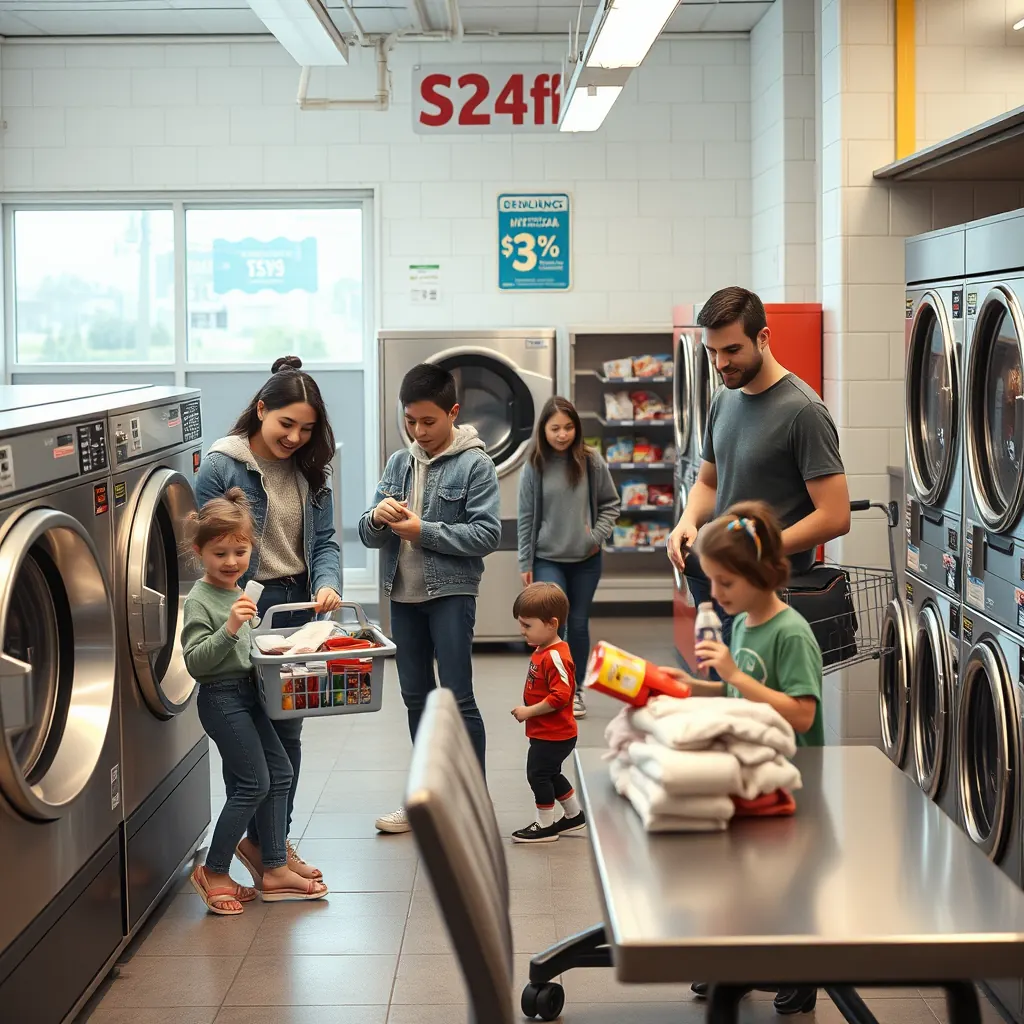
For many families in Independence, MO, laundry feels less like a household chore and more like a loop of uniforms, sports gear, towels, bedding, and surprise outfit changes that starts over every few days. Fresh Spin Laundry approaches that problem with a simpler goal: build a repeatable system that lowers stress, fits real schedules, and gives busy parents backup when the week gets out of hand.
Key Takeaways
- Create a simple system built around your family’s real schedule.
- Use labeled hampers so clothes get pre-sorted automatically.
- Share age-appropriate tasks to reduce parent overload.
- Focus on quick follow-through like folding fast and putting clothes away.
- Use Fresh Spin Laundry as a backup plan during heavy weeks.
The Real Reason Laundry Never Ends
Parents rarely struggle with laundry because they are lazy or disorganized. Most families are simply dealing with a huge amount of constant volume. School clothes, work clothes, pajamas, towels, sheets, practice gear, and last-minute outfit swaps create a cycle that resets before the previous load is even put away.
That is why the best goal is not perfect laundry. A better goal is a low-stress routine you can repeat every week without needing extra motivation. Once laundry becomes a set of small, repeatable steps, it stops feeling like one giant unfinished job hanging over the house.
Fresh Spin Laundry fits into that idea as both a guide and a practical support option for local families. Parents can use smart at-home habits for daily control, then lean on services like wash and fold help when the week turns chaotic. That mix makes laundry feel less like a personal failure and more like a system with built-in support.
Why Family Laundry Feels So Overwhelming
The first issue is simple: too many loads. A single person can often let laundry wait a few days without disaster. A family cannot. One child can create enough clothes, towels, and bedding to fill multiple baskets. Add siblings, adults, and activities, and the pile grows fast.
Another problem is what many parents notice only after they start a load. Laundry is not one category. It is a mix of different fabrics, different colors, and different levels of dirt. A lightly worn T-shirt should not always be handled the same way as muddy soccer socks, white school polos, or delicate items.
Then there is the hidden slowdown. Washing and drying take time, but those steps are often the easiest part because the machine does the work. The real bottleneck is sorting, folding, and putting away. Clean clothes sit in baskets because those final steps require energy right when parents are already tired.
A helpful mindset shift changes everything. Instead of viewing laundry as one endless project, split it into stages: sort, wash, dry, fold, and put away. Breaking the job into small parts makes it easier to keep moving, even on busy days.
Build a Laundry System That Fits Your Actual Schedule
Every strong laundry routine starts with honesty. Before choosing a plan, figure out how many loads your household creates in a normal week. Count clothing, towels, bedding, sports gear, and any special-care items. Once you see the true volume, it becomes easier to build a schedule that works.
Peak days matter too. Some families create most of their dirty laundry after school activities and sports. Others pile up towels midweek or bedding on weekends. Your routine should match your house, not someone else’s social media version of household perfection.
Many parents do well with one of these rhythms:
- Daily loads for steady progress and smaller piles.
- Every-other-day loads for a balanced routine.
- Weekend batching for families with packed weekdays.
Once you choose a rhythm, assign categories to specific days. That one move removes a huge amount of decision fatigue. Monday can be uniforms and work clothes. Wednesday can be towels. Friday can cover casual wear and gym clothes. Saturday can handle delicates or the items you avoid all week.
Memory is not a dependable laundry tool. Use a phone reminder, a shared family calendar, or a dry-erase board in the laundry area. A visible cue creates consistency, and consistency beats willpower every time.
Even a good system can break during a tough week. Illness, schedule changes, travel, and school events can throw everything off. That is where a local backup helps. Parents who need a reset can use Fresh Spin Laundry services or visit a self-service laundromat to catch up fast without spending an entire weekend buried in hampers.
Stop Sorting Later and Start Sorting Automatically
One of the easiest ways to save time is to stop creating a giant sorting session before every wash. If all dirty clothes land in one place, parents have to sort from scratch each time. That step drains energy before the machine even starts.
A better setup uses labeled hampers in the places where laundry happens. Bedrooms, bathrooms, and the laundry area are the key spots. Instead of a single catch-all basket, use separate containers that guide everyone into sorting as they go.
Most families can keep the system simple with these categories:
- Whites
- Darks
- Delicates
- Towels
- Bedding
- Heavily soiled items
This setup cuts down on hesitation. Kids do not need to ask where a muddy uniform goes if the hamper is clearly marked. Adults waste less time guessing what can be washed together. The whole house starts doing a piece of the laundry job before wash day begins.
Add one more bin for items that need stain treatment. A dedicated stain bin keeps problem clothes from disappearing into the pile and then coming out of the wash with the mark still there. That simple change reduces rewashing and frustration.
Teaching children to sort as they drop clothes off is one of the highest-value habits a family can build. It takes a little repetition at first, but the payoff is huge. You remove one of the most annoying pre-wash steps and replace it with automatic progress.
Turn Laundry Into a Shared Family Job
Many parents carry the full laundry load because it seems faster than explaining the process. In the short term, that can be true. Over time, though, doing every step alone creates burnout. Shared responsibility gives parents breathing room and helps kids build everyday life skills.
The trick is to match tasks to age and ability. Young children can help with very simple jobs. Older kids can handle routine machine tasks. Teens can usually take full ownership of their own clothes with a little oversight.
Here is a practical breakdown:
- Young kids: sort colors, pair socks, carry light items, place clothes in the right hamper.
- Older kids: fold towels, load the washer, move clothes to the dryer, measure detergent.
- Teens: complete full cycles, pretreat stains, follow labels, and put everything away.
Perfection should not be the standard. A child may fold a shirt differently than you would. A teen may need reminders about detergent amounts or dryer settings. That is fine. What matters most is consistency and ownership.
Shared laundry work also reduces the emotional pressure on parents. Instead of one person carrying every basket, every family member handles one piece of the process. The result is less resentment, more independence, and a home where laundry feels like a team effort instead of a private crisis.
Use Smarter Washing Habits
Good laundry systems are built on smart habits, not extra effort. A few small changes can save time, lower utility costs, and help clothes last longer. Busy parents do not need fancy tricks. They need habits that work every week.
Cold water is a strong default for most loads. It helps protect color, reduces fading, and cuts down on energy use. Unless clothes are heavily soiled or care labels say otherwise, cold washing is usually the easiest option for family laundry.
Detergent is another area where more is not better. Too much can leave residue, trap odors, and make clothes feel less clean. Machine type matters too, especially with HE washers. Measure based on load size and the washer’s requirements for better results.
Overloading the machine is a common mistake in busy homes. It looks efficient because you fit more in one load, but stuffed machines often clean poorly. Clothes need room to move through water and detergent. A slightly smaller load often finishes faster overall because you do not need to rewash it.
Separate heavily soiled pieces from lightly worn items whenever possible. Muddy practice clothes, greasy kitchen towels, and everyday T-shirts should not always be in the same cycle. Grouping by dirt level improves cleaning and protects items that do not need harsh treatment.
Care labels still matter, even if you are in a hurry. Fabrics react differently to washing and drying. A quick label check can prevent shrinking, fading, and texture damage. Grouping similar fabrics together keeps your loads more predictable and your clothes in better shape.
Stain and Fabric Strategies That Prevent Extra Work
Nothing wastes time like washing a stained shirt, drying it, and realizing the mark is still there. That mistake often means another full cycle and more frustration. Fast stain action saves a lot of effort later.
Pretreat stains as soon as you can. That does not mean launching into a full cleanup ritual. Often, a quick spray or dab is enough to keep the stain from settling in. If you cannot wash it right away, rinse with cold water to reduce the chance of setting.
Heat can make many stains harder to remove. That is why drying a stained item before checking it is risky. Pause for a quick look after washing. If the stain remains, treat it again before the dryer adds unnecessary heat damage to the problem.
Fabric-specific habits help too. Lint-heavy items like some towels, fleece, and certain sweatshirts can coat other clothing if mixed carelessly. Washing those items separately when needed keeps dark clothes cleaner and reduces the time spent picking fuzz off everything later.
Mesh bags are one of the easiest laundry tools to add. They help protect delicates, keep socks from vanishing, and prevent small items from wrapping around larger pieces. A few inexpensive bags can save a surprising amount of time and stress.
Speed Up Drying Without Creating More Wrinkles
Drying seems easy because it is another machine step, yet it can quietly slow down the whole system. Overpacked dryers take longer, leave damp spots, and create clumps that need another cycle. A little space inside the drum improves airflow and shortens drying time.
Matching dryer settings to the load also matters. Heavy towels, delicate tops, and athletic fabrics do better on different settings. Using one high-heat approach for everything may seem faster, but it often leads to shrinking, wear, and more ironing or smoothing later.
Once the dryer stops, act quickly if you can. Clothes left sitting in the machine pick up wrinkles and often end up in a basket where they stay for days. Folding soon after drying is one of the simplest ways to keep the whole laundry chain moving with less rework.
A dedicated spot near the dryer helps a lot. It does not need to be fancy. A cleared table, counter, or even a bed used briefly as a fold zone gives you a stable place to sort and stack. That small setup removes friction and encourages faster follow-through.
Make Folding Less Annoying
Folding is one of the most avoided parts of laundry because it feels endless after the machine work is done. Parents are tired, kids need attention, and a warm basket of clean clothes can wait another hour. Then another day. Then somehow another week.
Instead of treating folding like a major event, shrink it into a short session. Five to ten minutes can be enough to finish one dryer load. Short, timed sessions feel manageable, and they lower the mental resistance that makes folding easy to delay.
Sorting by person while you fold also speeds up the next step. Create separate stacks or baskets for each family member right away. That way, clothes are already grouped for delivery instead of becoming one mixed mountain that has to be handled again.
Many families benefit from giving each person a dedicated basket. One basket per person turns clean laundry into clear destinations. A child can take their own basket to their room. A teen can be told to handle their stack by bedtime. The process becomes more direct and less chaotic.
Perfect folding is optional. Towels do not need hotel corners. Kids’ play clothes do not need sharp retail lines. If a simpler fold gets the load done and put away, that is a win. The real goal is momentum, not display-quality stacks.
Make Putting Clothes Away Easy Enough to Happen
Putting clothes away is where many laundry systems fail. The clothes are clean. The hardest work is done. Yet baskets sit in bedrooms because opening drawers and sorting items feels like one task too many at the end of the day.
Parents can reduce that resistance by making storage simpler. Drawer categories work well, especially for kids. One drawer for pajamas, one for shirts, one for pants, one for socks. You do not need a perfect folding standard if the clothes land in the right general place.
Children should also put away their own laundry as early as they reasonably can. Even if the job is imperfect, that habit builds responsibility and removes one more step from the parent’s list. It also creates a stronger connection between ownership and effort.
Keep your standard realistic. A home with school schedules, sports, meals, errands, and work does not need showroom closets to function well. What matters is that laundry keeps moving and clean items stay usable. Progress beats perfection every single week.
A Weekly Laundry Routine Parents Can Actually Stick To
The strongest routines are small enough to repeat. Parents often fail with laundry because they try to fix everything at once. A packed, highly detailed plan may look impressive, but it usually falls apart under normal family stress.
A simple weekly structure works better. Here is one example that many homes can adapt:
- Monday: uniforms and work clothes
- Wednesday: towels and bedding
- Friday: everyday wear and gym clothes
- Saturday: delicates and special-care items
This kind of schedule keeps categories moving without requiring daily decision-making. If your family prefers a different rhythm, change the days. What matters is that each type of laundry has a known place in the week.
Add a nightly ten-minute reset. That short check-in can mean moving one load to the dryer, folding half a basket, spraying stains, or getting tomorrow’s category ready. Ten minutes does not sound dramatic, but it creates steady motion that prevents pileups.
Small routines are easier to keep during stressful seasons. They also recover faster after interruptions. If you miss one day, you are adjusting a simple plan rather than rebuilding a giant system from scratch. That flexibility is a major reason simple routines last.
Common Laundry Mistakes That Keep Parents Stuck
Many families assume their laundry problem is lack of effort. More often, the issue is a few habits that keep resetting progress. Spotting those habits can make laundry easier almost immediately.
The first mistake is waiting until every hamper is overflowing. That approach turns laundry into an emergency. Huge pileups require more time, more sorting, and more energy than most parents have available on short notice. Starting earlier with smaller loads is far easier to manage.
Another common issue is washing everything together without sorting. Mixed loads can lead to poor cleaning, color transfer, fabric wear, and extra lint. They may seem efficient in the moment, but they often create more cleanup and more second-guessing.
Using too much detergent causes trouble too. Extra soap does not guarantee cleaner clothes. It can leave behind buildup that traps smells and makes fabrics feel stiff or dull. Better measuring leads to better washing with less waste.
Letting clean laundry sit in baskets for days is another trap. Once a clean basket becomes furniture, it usually creates clutter, wrinkles, and confusion about what is still dirty. Fast follow-through matters more than perfect folding.
One more mistake is trying to force an ideal system that does not fit your life. A plan should support your family, not make you feel behind all the time. The best laundry routine is the one you can actually repeat with real-life consistency.
When Life Gets Busy, Outsourcing Makes Sense
Some weeks are too full for even the best laundry routine. A child gets sick. Work runs late. Guests stay over. Sports tournaments stack up. Bedding, towels, and everyday clothes suddenly pile together, and the system that worked last week stops holding.
That is the moment many parents start blaming themselves. They should not. Outsourcing laundry is a practical option, not a sign that you failed. If a service helps you regain time, reduce stress, and reset the household, it is doing exactly what support is supposed to do.
Fresh Spin Laundry can serve as that reset button for overwhelming weeks. Pickup and delivery options can help families who need recurring support or a one-time catch-up. Large household loads, bulky bedding, and time-sensitive needs are often easier to hand off than to keep forcing into a packed weekend.
Different options fit different situations. At-home laundry offers control and routine. A laundromat can speed up large catch-up days with more machine capacity. Pickup service gives the highest level of convenience when your schedule leaves almost no room for laundry work at all.
Parents who want to compare methods can think in simple terms:
- At home: best for routine maintenance and normal weeks.
- Laundromat: useful for bulky loads and faster multi-load washing.
- Pickup service: best for overloaded weeks or ongoing convenience.
If you want more practical household ideas from a local perspective, Fresh Spin also shares advice through its laundry tips blog. That kind of guidance helps families improve their routines even before they need outside help.
Laundry Help in Independence, MO
Parents in Independence, MO, have several ways to handle laundry depending on time, budget, and household size. Some need a quick self-service option to knock out several loads in one trip. Others need pickup laundry, dry cleaning, or help with bulky items and repeat overflow.
The best local choice depends on what kind of pressure you are under. If your washer is working fine and you just need structure, an at-home system may be enough. If your main issue is volume, a laundromat can help you move through more loads faster. If your issue is time, a service option may offer the most relief.
Availability, pricing, and service areas can vary, so checking directly is always smart. What matters most is choosing a solution that matches your actual week instead of adding more friction. Fresh Spin Laundry stands out as a trusted local option because it supports both convenience and consistency for families trying to stay ahead.
Simple Habits That Make the System Stick
A good laundry routine does not stay in place because you had one productive weekend. It lasts because your home builds small habits that keep the process visible and easy. Those habits do not need to be dramatic to work well.
Start by keeping tools where the problems happen. Put stain remover near the hampers or in the laundry area. Store mesh bags where socks and delicates are usually collected. Keep detergent easy to reach, and make sure baskets are in spots that support quick action.
Visibility matters for kids too. If the system is hidden, children are less likely to use it on their own. Labeled bins, clear baskets, and obvious drop zones make participation easier. A child who can see the next step is much more likely to follow it.
Resist the urge to overhaul everything in one day. Pick one improvement and test it. Maybe that means adding labeled hampers. Maybe it means setting one fixed laundry day. Maybe it means creating a folding station. One change at a time is more likely to become a real habit.
After a few weeks, look at what is working and what is still annoying. Then adjust. Systems should bend with your family’s needs. A flexible routine has a much better chance of staying useful over the long term than a rigid one built around ideal conditions.
A Better Laundry Mindset for Busy Parents
Laundry gets easier when parents stop measuring success by whether every single item is washed, folded, and stored perfectly at all times. That standard is unrealistic in homes with active kids, changing schedules, and constant messes. A better standard is whether the system keeps clothes moving without overwhelming the household.
This mindset shift matters because it lowers guilt. If one basket stays unfolded for a day, that does not mean the routine failed. If a week gets messy and you need help, that does not mean you are falling behind in some deeper way. It means you are managing a lot, and the goal is function, not flawless execution.
Parents often see their biggest wins from a few repeatable actions: sorting early, washing on schedule, involving kids, and making fold-and-put-away simpler. Those steps cut friction from the process. They also reduce the number of times you have to start over from scratch.
Fresh Spin Laundry fits naturally into this practical view. It can be a guide when you are building better habits and a support system when life gets too full for your usual routine. That combination helps parents keep their homes running without letting laundry dominate every spare hour.
Try One Change This Week
You do not need a total laundry overhaul to feel a difference. Pick one change from this article and test it for seven days. Choose something small but useful, like labeled hampers, a set laundry day, a ten-minute folding timer, or a rule that kids sort their own clothes every night.
If this is one of those weeks where the pile already feels too big, give yourself permission to simplify faster. Fresh Spin Laundry can help you catch up, reset, and move forward with less pressure. Laundry does not have to control your schedule when you have a workable system and the right local help close by.