
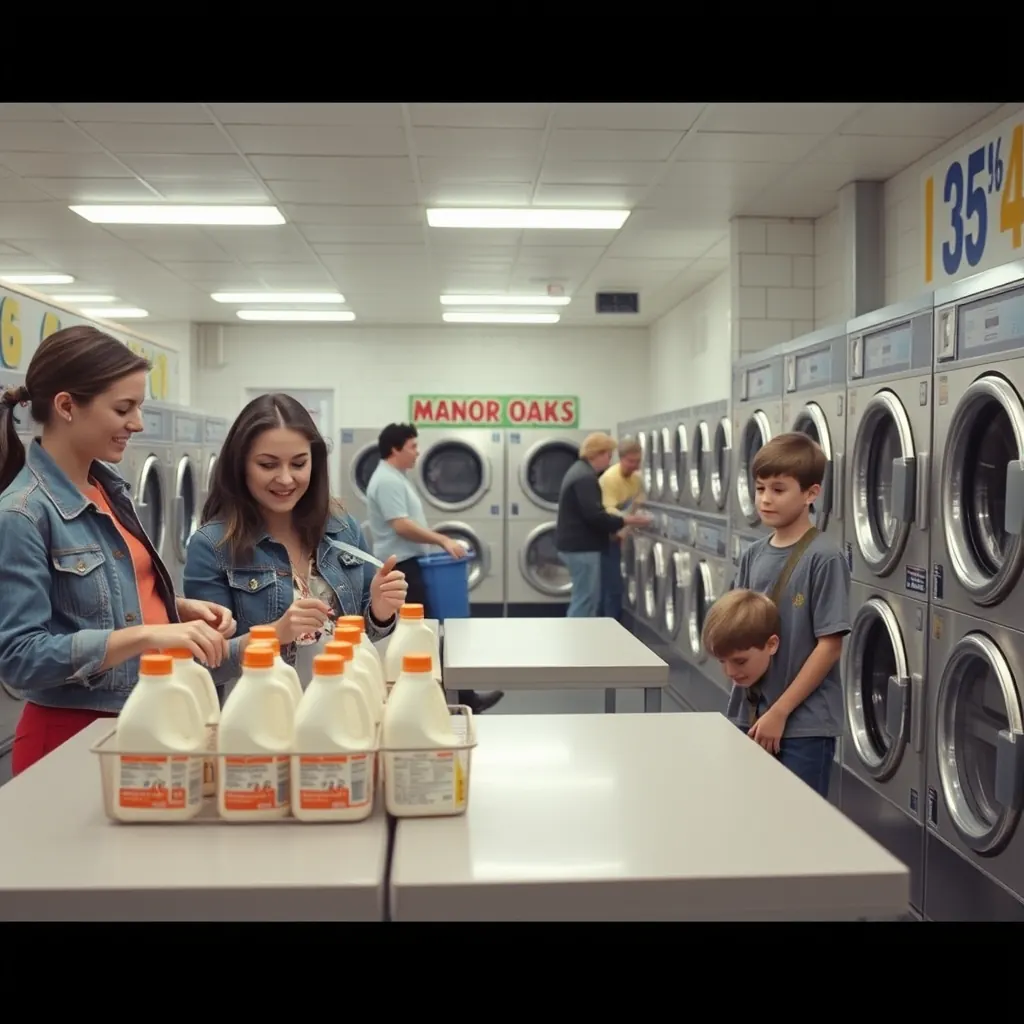
Sugar Creek homes see the same frustrating pattern again and again: grass stains on jeans after a park day, pale water rings on wooden tables after a cold drink, and carpet spills that seem to appear out of nowhere. This guide breaks down exactly how Fresh Spin Laundry approaches stain removal across fabrics, wood, carpets, and upholstery, with fast-response steps, safer cleaning choices, and practical fixes that help stop small messes from becoming permanent damage.
Key Takeaways
- Act fast, blot gently, and avoid heat until the stain is fully gone.
- Match the method to the stain type, especially for protein, grease, wood, and carpet issues.
- Use simple home items like sugar, vinegar, baking soda, and cornstarch before stronger products.
- Protect wood and fabric by testing each solution on a hidden spot first.
- Call Fresh Spin Laundry for delicate, deep-set, or large-area damage.
The “Oh No” Moment Every Sugar Creek Home Knows
Most stain problems start the same way. Someone walks in after a long afternoon outside, drops a bag on the floor, and suddenly there is a green smear on denim, a greasy mark on a shirt, or a dark spot spreading across the carpet. In many Sugar Creek homes, those accidents happen often because life is active, homes stay busy, and daily wear adds up fast.
Humidity also plays a big part. Wood surfaces can trap moisture and develop cloudy rings. Carpets can hold spills longer than expected. Upholstery can absorb oils from skin, food, or pet accidents before anyone notices. That is why the first few minutes after a spill matter so much. A quick response can mean the difference between a simple cleanup and a long-term stain that changes the look of your home.
Fresh Spin Laundry’s approach is simple and smart. Start with the safest effective option. Move quickly. Test first. Keep rubbing to a minimum. And never use heat until the mark is completely gone. That last point matters more than many people realize because a dryer, hot water, or strong heat on wood can turn a removable stain into a permanent one in a very short time.
First Response Matters: The 3 Rules That Prevent Permanent Damage
If you remember only a few rules from this guide, make them these. They apply to clothing, carpets, upholstery, and even many wood issues. Good stain removal is less about panic cleaning and more about using the right move at the right moment.
The first rule is to blot, never rub. Rubbing pushes liquid deeper into fabric and carpet fibers. It can also spread the stain outward, making a small spot much bigger. On upholstery, rubbing can rough up the surface and leave the area looking worn even after the stain is removed. Use a soft cloth or paper towel and press gently to lift the mess upward.
The second rule is cold water first for most stains, especially protein-based ones like grass, blood, and sweat. Heat can set those stains quickly. Once that happens, removal gets much harder. Cool water helps flush the material out while keeping it from bonding more deeply with the fibers. This is one of the most important habits for families dealing with sports clothes, outdoor play gear, and everyday laundry in Sugar Creek.
The third rule is to test any cleaner on a hidden spot before treating the full stain. That applies to dish soap, vinegar mixes, enzyme sprays, peroxide, wood care products, and stronger refinishing materials. A quick patch test can reveal color fading, finish damage, or fiber changes before you make the visible area worse. Fresh Spin Laundry follows this step because even common products can react differently depending on the surface.
Here is the short version to keep in mind:
- Blot instead of rubbing.
- Start with cold water for many stains.
- Test every solution in a hidden area first.
If the stain starts spreading, changes color, or stays put after a careful first attempt, stop and reassess. Acting fast helps, but rushing with the wrong cleaner can leave you with a bigger repair job than the original spill.
Know Your Enemy: Match the Method to the Stain
All stains are not the same. A grass mark on athletic pants behaves differently than cooking oil on a sweatshirt. A cloudy ring on wood needs a different fix than a juice spill on carpet. The fastest path to a clean result is knowing what kind of stain you are dealing with before you start scrubbing or spraying anything.
Protein-based stains include grass, blood, sweat, and some food spills. These react badly to heat and often need cold water plus an enzyme-based treatment. Since Sugar Creek families spend plenty of time outdoors, grass and sweat stains are common repeat offenders. Delay gives them time to settle deeper, so early treatment matters a lot.
Grease and oil stains need a different strategy. Water alone usually will not move them. First, pull out as much oil as possible with an absorbent such as cornstarch or a sugar paste where appropriate. Then use dish soap or another degreasing cleaner to break down the oily residue. Kitchens, garages, takeout spills, and even skin oils on collars or upholstery often fall into this category.
Wood damage often looks like staining, but the cause can be trapped moisture, heat exposure, or finish breakdown. Fresh water marks can respond to low heat and gentle wiping, while older rings may need oil-and-vinegar treatment, a paste, or refinishing. Sugar Creek humidity makes wood surfaces extra vulnerable, especially tables, kitchenware, furniture, and floors that deal with repeated moisture exposure.
Carpet and upholstery stains are tricky because they spread fast and hold moisture deep below the surface. Too much liquid can turn one visible spot into a larger damp area. Controlled moisture, patient blotting, and the right cleaner are key. In these cases, aggressive rubbing usually causes more damage than the stain itself does.
Your At-Home Stain-Fighting Kit
A good home stain kit saves time and prevents bad decisions. Instead of grabbing random cleaners in a rush, keep a few proven supplies in one place so you can react quickly and safely. Fresh Spin Laundry recommends building a kit with simple household basics, a few stronger options, the right tools, and basic safety gear. That setup covers most everyday accidents.
Start with common staples that handle a surprising number of messes. These are often enough for the first round of treatment:
- Sugar
- Vinegar
- Baking soda
- Salt
- Olive oil
- Dish soap
- Cornstarch
Next, keep a few stronger products for stubborn cases. These should be used carefully and tested first:
- Enzymatic stain spray
- Hydrogen peroxide
- Mineral oil
- Wood stripper
Tools matter just as much as cleaners. Using the right cloth or brush often decides whether you lift a stain cleanly or grind it deeper into the surface. Keep these nearby:
- Soft cloths
- Soft brushes
- Scrapers
- Sandpaper in 100–180 grit
- Hairdryer
Safety should stay part of the plan from the start. Wear gloves if you are using peroxide, ammonia-based mixtures, wood treatment products, or stripping agents. Open windows or improve airflow before using stronger cleaners. Store all products away from kids and pets. A successful stain fix should leave your home clean and safe.
Fabric Rescue: Step-by-Step Clothing Fixes
Clothing stains are often the most urgent because people want to toss items straight into the wash and move on. That is where mistakes happen. A rushed laundry cycle can set grass, sweat, grease, and food stains permanently. The better move is to pretreat based on stain type, wash carefully, and inspect the item before it sees any dryer heat.
Always start by checking the fabric. Cotton, denim, and many athletic blends can usually handle standard pretreating. Delicate materials like silk, wool, lace, or structured pieces need more care. If the fabric is expensive, sentimental, or hard to replace, Fresh Spin Laundry is often the safer call. There is no prize for risking a favorite item with a guess-and-hope cleaning routine.
Grass Stains the Sugar Creek Way: The Sugar Paste Method
Grass stains are classic in Sugar Creek. They show up on jeans, kids’ shorts, sports uniforms, and socks after a normal day outside. Because grass contains protein and plant pigments, it can cling stubbornly to fibers. Heat makes the problem worse, so the first rule is simple: keep the item away from hot water and the dryer.
Fresh Spin Laundry’s sugar paste method is a smart first step for fresh grass stains. Mix 1/2 cup of sugar with enough warm water to form a spreadable paste. Apply the paste over the stained area and let it sit for about one hour. The paste helps loosen the stain from the fibers without being too harsh on common fabrics.
After the wait, rinse the garment with cold water. Then wash it with detergent as usual, still using cool or cold water if possible. Before drying, inspect the stain in bright light. If any green tone remains, repeat the process or move to a backup treatment with an enzyme spray plus detergent. That second pass is often enough to remove what the first treatment lifted but did not fully erase.
This method works best when the stain is fresh. Older grass stains may need several rounds. Patience is key. If you dry the item too early, you may seal in what could have been removed with one more attempt.
Protein and Everyday Clothing Stains
Blood, sweat, dairy, and many food stains fall into the protein category. These need quick flushing with cold water. Hold the stained area under running cold water from the back side of the fabric if possible. That pushes the material out rather than driving it deeper into the weave. This one change can improve your odds right away.
Once the area is flushed, apply a small amount of detergent or an enzyme cleaner. Let it sit briefly, then wash according to the care label. Again, avoid heat until you know the stain is gone. A faint mark after washing means the item needs another treatment round, not a trip into the dryer. Many people ruin washable clothes at this point by assuming the remaining mark will disappear later. It usually does the opposite.
For sweat buildup on collars, underarms, or athletic gear, repeat treatment may be necessary because odor and discoloration can build over time. A single wash often is not enough for older set-in residue. Stay consistent, and check each cycle before applying any heat.
Grease on Clothing
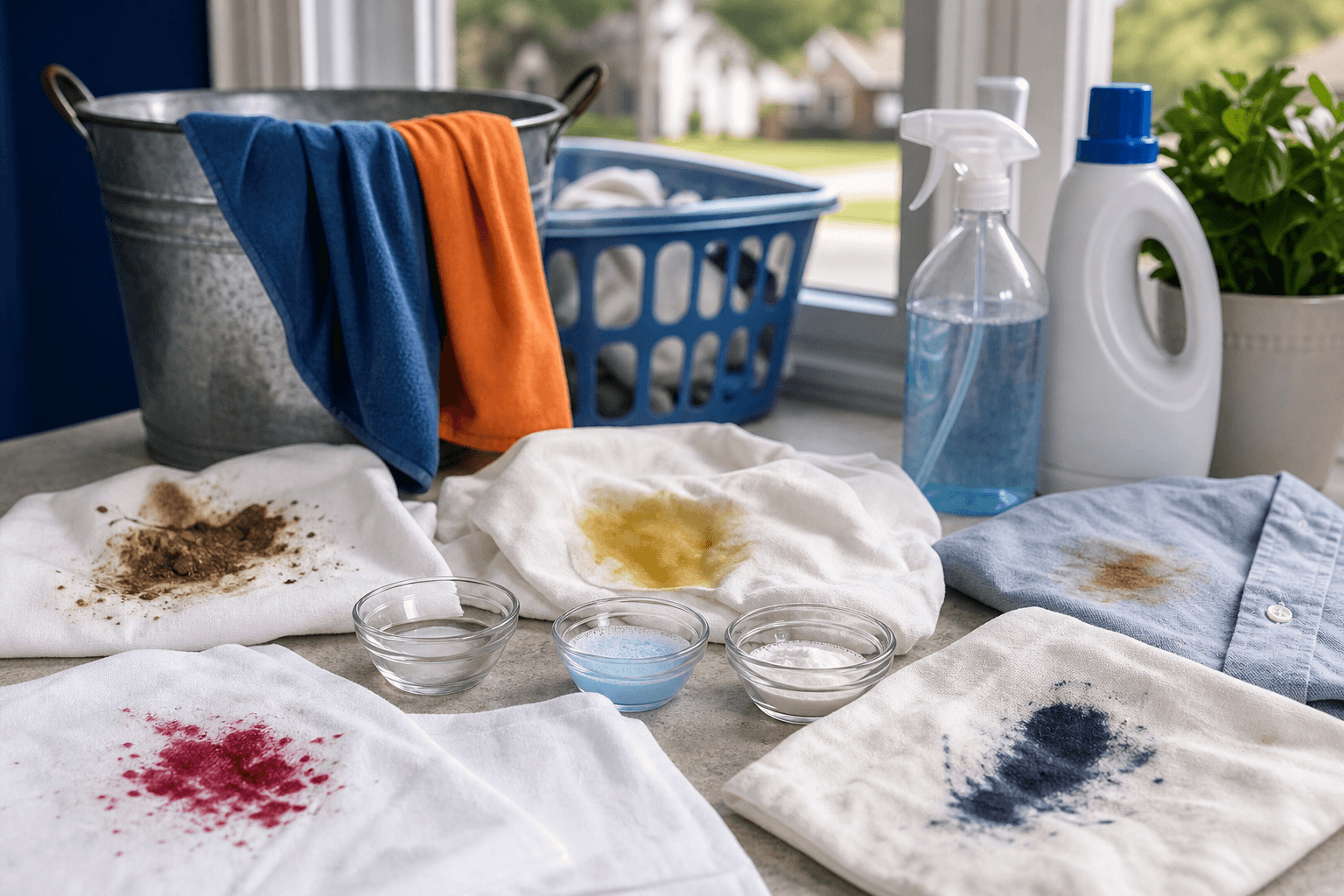
Oil stains look simple at first, then seem to come back after washing. That happens because the grease was never fully absorbed or broken down. Before you add any water, cover the spot with cornstarch and let it sit so it can pull excess oil from the fabric. After that, brush or shake off the powder and apply a few drops of dish soap directly to the spot.
Work the soap in gently with your fingers or a soft brush. Let it sit for a short period, then wash with detergent. If the stain came from heavy grease, you may need a second treatment. Resist the urge to crank up the heat. Warm dryers are great at making grease stains harder to remove.
Kitchen splatters, makeup oils, lotion marks, and garage grease all fit this pattern. The sequence matters: absorb first, degrease second, wash third. Skipping the absorbent stage can leave more oil behind than you realize.
When to Skip DIY on Fabrics
Some items should head straight to a professional. Delicate fabrics, structured clothing, lined garments, vintage pieces, uniforms with specialty treatments, and anything with a stubborn stain after several safe attempts are better handled by Fresh Spin Laundry. The same goes for mixed stains where grease, color, and odor all show up at once. Those take more than a single household cleaner and a quick rinse.
Professional care can also save money. Replacing damaged clothes costs more than cleaning them correctly the first time. If you are unsure about fiber content, colorfastness, or how to remove a mark without creating a bigger one, that is a strong sign to stop and get help.
Wood Revival: Water Marks, Heat Rings, and Older Damage
Wood stains feel especially annoying because they show up on surfaces people use every day. A glass without a coaster leaves a white ring. A warm container creates a pale heat mark. Humidity causes finish issues that slowly appear over time. In Sugar Creek, where moisture can linger in the air, wood tables, kitchenware, furniture, and floors need steady care to stay looking clean and even.
According to Wondrwood, there are several ways to remove stains and surface damage from wood kitchenware, furniture, or floors. That matters because wood problems vary a lot based on how old the mark is, what caused it, and whether the damage is in the finish or deeper in the grain. The best result comes from using the lightest effective method first and stepping up only if needed.
Quick Fixes for Fresh Water Marks
If the ring is fresh and only a few hours old, a hairdryer on low heat can help draw trapped moisture out of the finish. Hold it at a safe distance and move it steadily instead of concentrating heat in one place. At the same time, wipe gently with a soft cloth. This method works because the mark is often moisture trapped near the surface rather than a deep stain in the wood itself.
Be patient and keep the setting low. Too much heat can create a bigger problem or damage the finish. Fresh marks usually respond best to this light-touch approach. If the ring remains after a careful pass, move to a medium-level treatment rather than blasting the area again and again.
Medium-Level Wood Stain Treatments
For marks that do not disappear with low heat, try a vinegar and olive oil mix. Apply it gently with a soft cloth, rubbing with the grain instead of against it. Let the mixture sit overnight if needed, then buff the area clean the next day. The vinegar helps address the mark while the olive oil adds some surface conditioning, making this a useful method for moderate water rings and finish haze. Keep the amount controlled so you treat the surface without soaking the wood in too much liquid.
Another option for minor rings is mayonnaise or petroleum jelly. These are often used for lighter moisture marks because they can help release trapped moisture over time. Apply a small amount, let it rest, and wipe it away. This is one of those low-risk methods worth trying before more aggressive products, especially on light surface issues that are visible but not deeply set.
Light Surface Marks and Deeper Discoloration
Some wood marks need a bit more effort but still do not require full refinishing. A salt paste can help with subtle discoloration. Rub it gently and avoid heavy pressure that could dull the finish. For deeper marks, straight vinegar can be left on the affected area for 30 to 60 minutes before wiping clean, as suggested in the brief. This should always start with a hidden-area test because finish types react differently. Wood can be surprisingly sensitive to products people assume are gentle.
Baking soda paste may also help with stubborn surface spots. Use it sparingly and keep contact time short. Hydrogen peroxide can be tried as a short treatment for select stains, but again, test first and avoid overuse. Mineral oil soaks can help revive dry or uneven areas after stain treatment, especially if the wood looks dull once the visible mark is gone. These methods work best in targeted areas rather than broad, aggressive application.
Heavy Damage and Old Finishes
Some wood damage goes beyond quick home fixes. If the surface has an old finish, dark staining, layered wear, or damage that sits deeper than the top coat, refinishing may be needed. In these cases, apply a wood stripper according to product directions, cover if required, wait the recommended time, and scrub away the loosened material. This is a stronger process and should be done with gloves, ventilation, and care around nearby surfaces.
After stripping, sanding often follows. Start with 100–150 grit to remove remaining finish and level the damaged section, then move to 180 grit for a smoother final pass. Go with the grain and avoid oversanding, which can scar the surface or create uneven patches. It is easy to remove too much wood if you rush. Once the grain changes shape, the repair gets much harder to hide.
If a table, floor area, or valuable wood item has widespread damage, Fresh Spin Laundry may be the smarter option for guidance or referral to surface care support. Heavy refinishing can go wrong fast, and replacing wood furniture or flooring is much more expensive than using the correct repair method from the start.
Carpet and Upholstery Recovery Without Making It Worse
Carpet and upholstery stains create a different kind of stress because they affect larger visible areas and cannot be tossed in the wash. A small spill can spread through fibers and backing. Pressure from shoes, pets, or sitting can push it deeper. That is why a calm first response matters even more on these surfaces. The goal is to lift the spill without over-wetting the area or grinding it farther into the fabric.
The Golden Rule: Blot First
Always start by blotting. Use a clean cloth and press firmly but gently. Switch to a clean part of the cloth as the stain transfers. Keep working from the outer edge inward so the spot does not grow. This simple technique protects fibers and reduces the chance of spreading the mess into a larger ring or damp patch. Rubbing may feel productive, but on carpet it often damages texture and pushes the problem down.
Controlled moisture is also important. Many people pour too much cleaner onto the area. That can soak the padding or backing, creating lingering odor, slow drying, or mildew risk. Use enough solution to treat the stain, then blot again to remove as much liquid as possible.
All-Purpose Carpet and Upholstery Solution
For many common spots, a practical all-purpose mix works well: 4 cups water, 1 tablespoon dish soap, and 1/4 cup vinegar. Apply it lightly to the stained area, let it sit for 5 to 10 minutes, then blot clean. This combination helps break down general grime while keeping the process fairly simple. As always, test on a hidden section before wider use, especially on colored upholstery or textured carpet. Even useful home mixes need a quick safety check.
After blotting, let the area dry fully. If needed, repeat once the first treatment has had time to work. Fast results are great, but carpets often respond better to patient repeated blotting than to one aggressive cleaning attempt.
Grease and Oil in Carpets
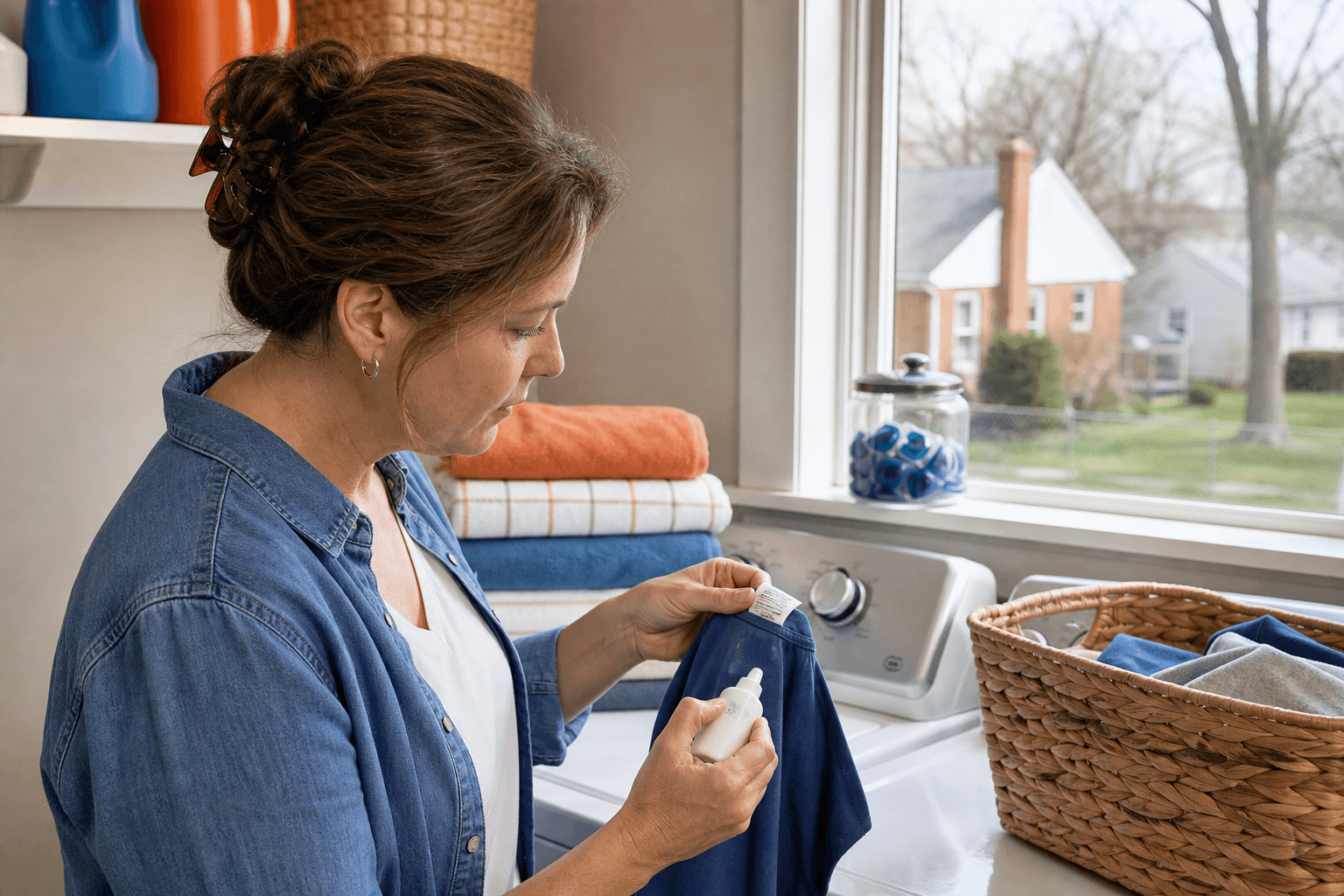
Greasy carpet stains need an absorbent first step just like clothing does. Sprinkle cornstarch over the area and give it time to pull up excess oil. Then remove the powder carefully. After that, use a diluted ammonia solution if appropriate for the carpet type and only after patch testing. This step should be used carefully, with ventilation, and never mixed with incompatible cleaners. The order matters because if oil remains in the fibers, the cleaner has to fight through that residue before it can address the visible spot.
Oily food spills, cosmetic products, and garage transfer stains near entryways often need repeated treatment. Stay patient and avoid saturating the area. If the stain is large or old, a pro-level extraction may be the better answer.
When It Is Time to Call Fresh Spin Laundry for Carpet or Upholstery
Some carpet and upholstery issues are bigger than a home fix. Pet stains can soak deeper than surface cleaning reaches. Deep-set odors may linger even after the visible mark fades. Large spills across a couch cushion or carpeted room usually need more than a cloth and a spray bottle. In those situations, Fresh Spin Laundry can help prevent long-term fiber damage and save you from wasting time on treatments that only partly work.
Professional help also makes sense when the furniture or carpet is expensive, light-colored, or difficult to replace. A wrong cleaner can bleach fibers or leave water rings that look worse than the stain itself. Getting help early is often the cheaper move.
Tackling Stubborn or Mixed Stains Like a Pro
Some stains are not one thing. A burger drip on a shirt can include grease, protein, and colored sauce. A carpet spill may contain sugar, dye, and oil. A wood spot may involve moisture plus finish damage. Mixed stains can confuse people because one cleaner handles one part of the mess but leaves the rest behind. The best method is to treat the non-greasy parts first, then deal with the greasy residue.
That sequence matters because grease can block water-based cleaners from reaching the stain underneath. Once the water-soluble part is reduced, absorbent powders and degreasing products can work more effectively on the oily layer. This approach also helps you see what is really left, rather than guessing at a stain that changes appearance as it dries.
Repeat treatments may be necessary. There is nothing unusual about that. Stains often lift in stages, especially older ones. What matters is using the right order, keeping heat away, and checking progress between rounds. Rushing to force a result can damage fabric, rough up wood, or over-wet a carpet. Slow, controlled cleaning usually beats a dramatic all-at-once approach.
Common Mistakes That Make Stains Permanent
Many permanent stains are not caused by the spill alone. They are caused by the cleanup. A few common mistakes show up again and again in homes, and avoiding them will instantly improve your odds of saving clothes, wood surfaces, and carpets.
The biggest mistake for protein stains is using hot water. Blood, sweat, grass, and similar stains can set fast with heat. Once that happens, removal gets much harder. Start cold and stay cold until the stain is gone.
Another major error is rubbing instead of blotting. Rubbing spreads carpet spills, weakens upholstery fibers, and grinds fabric stains deeper into threads. On wood, aggressive scrubbing can wear through the finish before you have actually removed the mark. Gentle pressure and repetition work better than force.
Putting stained clothes in the dryer too soon is another classic mistake. The item may look better after washing, but even a faint shadow can set with heat. Always inspect first in natural or bright light. If the mark remains, treat again and wash again.
Oversanding wood is a different kind of problem, but it is just as common. Sanding too hard or with the wrong grit can scar the grain and create a visible patch that is harder to repair than the original water ring. Start light, follow the grain, and step up only when needed. Fixing the finish should not mean reshaping the surface.
Smart Prevention for Sugar Creek Homes
The easiest stain to remove is the one that never sets in. Prevention is not flashy, but it saves time and money. In a busy Sugar Creek home, a few habits can cut down on emergency cleaning and help fabrics, carpets, and wood surfaces last much longer. Good prevention is really just quick preparation plus better daily routines.
Use coasters on wood tables and seal wood surfaces against humidity where possible. Water rings often start from one overlooked drink glass. A simple barrier protects the finish and reduces the chance of trapped moisture. On furniture and floors, regular care matters because worn finishes are more vulnerable to staining than protected ones.
Keep a quick-response stain kit in one easy-to-reach spot. Include sugar, vinegar, baking soda, dish soap, cornstarch, soft cloths, and an enzyme spray. If your tools are easy to grab, you are more likely to treat a spill during the important first few minutes rather than after it has dried into the surface.
Pretreat grass stains right after outdoor activities. Do not wait until laundry day if the stain is obvious. A quick rinse and pretreat can save a pair of jeans, uniform pants, or a favorite hoodie from a permanent green tint. This habit is especially useful for active families and anyone who spends time outside on weekends or after school.
Routine care also helps. Fresh Spin Laundry can support long-term fabric life with consistent cleaning that avoids the wear caused by repeated stain-setting mistakes at home. Regular maintenance is often less expensive than replacing shirts, upholstery, or linens that have been slowly damaged by buildup over time.
Eco-Friendly Cleaning That Actually Works
Many people want stain solutions that are safer and simpler, and that is a smart goal. You do not need the harshest product on the shelf for every mess. In fact, some of the most useful first-line options are already in the kitchen. Vinegar, sugar, baking soda, salt, and dish soap can solve a wide range of everyday stain issues without jumping straight to stronger chemicals.
Natural solutions work best when they are matched to the problem. Sugar paste makes sense for grass stains. Vinegar can help on wood marks and general carpet solutions. Baking soda can support spot treatment on wood and help with odor-related cleanup. Cornstarch is excellent for pulling oil out before washing or blotting. These options are practical, affordable, and easier to keep on hand than specialty products for every possible accident.
That said, eco-friendly does not mean careless. Natural cleaners still need patch testing. Vinegar can affect some finishes. Baking soda can be too abrasive if overused. Good cleaning is about using the mildest effective option first, then stepping up only if the stain demands it. Fresh Spin Laundry’s commitment to safe, effective methods fits that exact mindset: use what works, avoid unnecessary damage, and protect the item you are trying to save.
When Fresh Spin Laundry Becomes Your Best Option
DIY methods can solve a lot, but some jobs need expert help. Deep-set stains, delicate fabrics, valuable furniture, and large carpet or upholstery issues often fall into that category. If you are dealing with a stain that has already survived several careful home treatments, more guessing rarely helps. At that point, the risk of damage starts to outweigh the chance of a better result.
Fresh Spin Laundry is a strong option for clothing that cannot handle trial-and-error cleaning. Think delicate fabrics, favorite pieces, and items with unknown stain origins. The same is true for mixed stains where grease, odor, and dye combine into one messy spot. These cases often require the kind of product knowledge and process control that home cleaners do not always have.
Wood refinishing beyond light surface repair is another area where professional input can save you from expensive mistakes. Stripping and sanding are effective, but they also carry real risk if done poorly. Large carpet or upholstery damage, especially with pet odor or deep liquid penetration, also benefits from faster professional care. In many cases, expert treatment saves both time and money.
Bring It All Together: Cleaner Homes, Less Stress in Sugar Creek
The best stain strategy is simple: act fast, match the cleaner to the stain, and avoid heat until you know the problem is gone. For clothing, remember the standout fixes from this guide. Use a sugar paste for fresh grass stains. Flush protein stains with cold water and treat them before washing. Absorb grease with cornstarch before using dish soap or detergent. These steps keep small accidents from turning into permanent laundry losses.
For wood, start gently. Low heat from a hairdryer can help fresh water marks, while vinegar and olive oil can support medium-level ring removal. Salt paste, short vinegar treatments, baking soda paste, peroxide spot work, and mineral oil all have a place when used carefully and tested first. As Wondrwood suggests through its wood stain and scratch removal guidance, lighter interventions often make the most sense before you move into stripping and sanding.
For carpets and upholstery, blotting remains the key move. The all-purpose solution of water, dish soap, and vinegar gives you a practical first response for many common spills. Grease needs cornstarch first, then a carefully chosen follow-up cleaner. Large areas, pet issues, and deep odors are strong signs to bring in Fresh Spin Laundry before the damage settles deeper into the fibers.
Stain removal gets much less stressful once you stop treating every spill the same way. A little speed, a little patience, and the correct method can rescue more surfaces than most people expect. Try one of these proven fixes the next time a mess shows up in your Sugar Creek home, and if the stain pushes back, let Fresh Spin Laundry handle the hard part with the kind of care that helps results last.