

Busy households in Sugar Creek are trading long laundry days for a simple service that can give back several hours every week, often with clean clothes returned in as little as 24–48 hours. This guide breaks down exactly what wash and fold means, how local pickup and drop-off options work, what you can expect to pay in Sugar Creek, MO, and how to start without second-guessing a single step.
Key Takeaways
- Wash and fold saves time by outsourcing sorting, washing, drying, and folding.
- Most Sugar Creek services return laundry within 24–48 hours, with some offering same-day service.
- Local pricing usually follows a per-pound, bag-based, or subscription model.
- Clear care notes help protect delicates and improve your first experience.
- App-based providers make pickup and delivery easy, flexible, and highly convenient.
Why Sugar Creek Residents Are Reclaiming Their Weekends
Laundry has a sneaky way of taking over a day. One load becomes three, then towels need drying, then someone forgets a uniform, and suddenly a big part of your weekend disappears. For many people in Sugar Creek, that routine no longer makes sense. A wash and fold service handles the full cycle for you, so your free time stays free.
That shift matters because modern schedules are packed. Students juggle classes and work. Parents deal with school clothes, sports gear, and bedding. Young professionals want clean outfits without spending their Sunday sorting socks. Wash and fold, sometimes called fluff and fold, solves that pressure with a done-for-you system. You drop off your laundry or schedule pickup, and it comes back washed, dried, folded, and ready to put away.
The appeal goes beyond convenience. Many local users also like the consistency of having trained staff sort items by color and fabric type, choose better wash settings, and dry clothing with more care than the average rushed home routine. That can mean fewer shrinkage disasters, less fading, and a more polished stack of clothes at the end. Instead of making laundry a weekly project, you turn it into a simple service.
Sugar Creek residents also benefit from growing access. App-based scheduling, daily pickup windows, and recurring service options have made professional laundry care much easier to use. What used to feel like something only big-city customers could get is now part of the local routine. If you have ever wished someone else would just handle your laundry for a week, this service is exactly built for that.
What Wash and Fold Really Means
At its core, wash and fold is a full-service laundry option for everyday washable clothing and household linens. Professionals take your items from drop-off or pickup all the way to a clean, folded, packaged return. The process usually includes sorting, washing, drying, folding, and preparing everything for transport or storage. The goal is simple: you hand over dirty laundry and get back something ready to put straight into a dresser, closet, or linen shelf.
Most providers include a standard group of tasks. Staff members sort by color and fabric type so whites, darks, delicates, towels, and regular clothes do not all get treated the same way. Then they use proper machine cycles and detergents based on what the load needs and what you request. Drying is controlled too, which matters more than many people realize. A good provider uses lower heat for most garments, higher heat for towels, and may air-dry delicate items if requested.
After cleaning, your items are folded into neat stacks or hung if that option is available. Shirts are usually stacked flat, pants are folded evenly, and small items are grouped together to make unpacking easier. Once everything is organized, the provider packages your order in bags or wraps so it stays clean during return. That packaging step sounds minor, but it is part of why the service feels much more polished than handling laundry on your own.
Wash and fold does have limits. It usually does not include dry cleaning, formal pressing, or specialty handling for items like silk, suede, or leather. Intensive stain removal often requires a special request as well. If you have a shirt with ink, a dress with fragile trim, or a jacket that says dry clean only, those pieces should be separated before pickup. Knowing these limits helps you use the service the right way from the start.
The biggest value comes from what the service saves you from doing yourself. You avoid separating piles, waiting on cycles, moving clothes between machines, folding endless baskets, and finding space for damp items. In exchange, you get a predictable turnaround that is often between 24 and 48 hours. That kind of reliability is why many first-time customers quickly become repeat users.
What Wash and Fold Usually Includes
Most people want a clear picture of what they are actually paying for. While each provider has its own policies, standard wash and fold service usually covers the core tasks below. These are the steps that transform a chaotic pile of laundry into a clean, organized return.
- Sorting by color, weight, and fabric type
- Washing with appropriate cycles and detergents
- Drying with heat levels based on garment needs
- Folding or optional hanging for certain items
- Packaging for pickup, delivery, or storage
That list may sound straightforward, yet each step makes a difference. Sorting prevents color transfer and keeps heavy items from beating up lighter garments. Choosing the right detergent protects skin sensitivity and fabric feel. Controlled drying reduces shrinkage. Organized folding saves you time again once the clothes are back in your home. The service works because it removes all the small chores that make laundry feel endless.
In many cases, providers also record your preferences for future orders. If you prefer cold wash only, no softener, or hanging for dress shirts, those notes can become part of your regular profile. That level of personal consistency is a major reason wash and fold feels easier each time you use it. The first order teaches the provider what you like, and the next order often runs even more smoothly.
What It Does Not Cover
A great experience starts with realistic expectations. Wash and fold is ideal for everyday laundry, but it is not a catch-all solution for every fabric or every stain. Knowing what is typically excluded keeps you from accidentally sending items that need a different service.
Here are the most common exclusions you should expect:
- Dry cleaning for structured or specialty garments
- Ironing and pressing unless added separately
- Heavy stain treatment unless specifically requested
- Specialty fabrics like silk, leather, or suede
- Non-washables that should never enter standard machines
This does not mean your provider cannot help with unusual items. It simply means you should ask first. A hoodie and a bath towel fit perfectly into wash and fold. A beaded blouse or leather skirt does not. Sending clear instructions makes a huge difference. If a garment has sentimental value, special trim, or an unusual care label, point that out before the order moves into processing.
Many first-time users assume every laundry item will be treated the same way automatically. That is where problems start. Providers are good, but they are not mind readers. A quick note like “air dry these leggings” or “do not use softener on these towels” can help preserve your clothes and make the service feel much more reliable.
From Doorstep to Dresser: How the Process Works Step by Step
One reason wash and fold has become so popular is that the process is easy to follow. Whether you choose drop-off or delivery, the service usually runs through a clean sequence that keeps your laundry organized from start to finish. Once you know those steps, the whole idea feels much less mysterious.
It begins with intake. You either bring your laundry to a location or schedule pickup through an app or website. At this point, you should have already emptied pockets, removed non-washable items, and separated anything that needs special care. Staff then tag and organize your order so it stays linked to your account and preferences. This intake stage is where your instructions matter most.
Next comes sorting and washing. Staff separate lights, darks, towels, delicates, and mixed fabric types. If you requested stain pre-treatment, they may handle that before the wash starts. The detergent and softener used can often match your listed preferences. Some customers ask for hypoallergenic products. Others want no scent or no softener at all. The provider then runs your laundry through the cycles that best fit each group of items.
Drying happens with more strategy than most people use at home. Low to medium heat is common for everyday clothing. Towels can handle higher heat. Delicates may be dried with more care or set aside for air drying depending on instructions. This stage affects the life of your clothes more than many people realize. Too much heat can warp elastic, fade colors, or shrink cotton. Better drying practices help keep your wardrobe in stronger shape.
After that, staff fold or hang the cleaned items. Standard folding usually includes stacked shirts, flat-folded pants, grouped undergarments, and orderly towels. If hanging is available and you asked for it, some garments may be returned on hangers instead. Finally, everything is packed neatly in bags or wraps and either held for pickup or sent back to your address. In many cases, the full cycle takes just 24–48 hours, and some providers offer same-day service for urgent loads.
Step One: Pickup or Drop-Off
The first step sets the tone for the entire order. If you like errands and want same-day flexibility, drop-off may feel easiest. If your schedule is packed, pickup and delivery save more time. App-based providers in Sugar Creek have made that second option especially appealing because you can schedule service in just a few taps.
Before the handoff, do a quick prep check. Empty every pocket. Remove belts, coins, receipts, pens, and headphones. Take out anything that should not be washed. Set aside dry-clean-only pieces. If you are trying a service for the first time, put your laundry in a manageable bag rather than an overstuffed one. A smaller first order helps you evaluate quality without risking everything in your closet at once.
For local help, many customers start with a dedicated wash and fold service that explains the process clearly. This makes it easier to compare pickup and drop-off options, service windows, and care preferences before your first order. A little prep at this stage leads to a much smoother experience.
Step Two: Sorting and Item Tracking
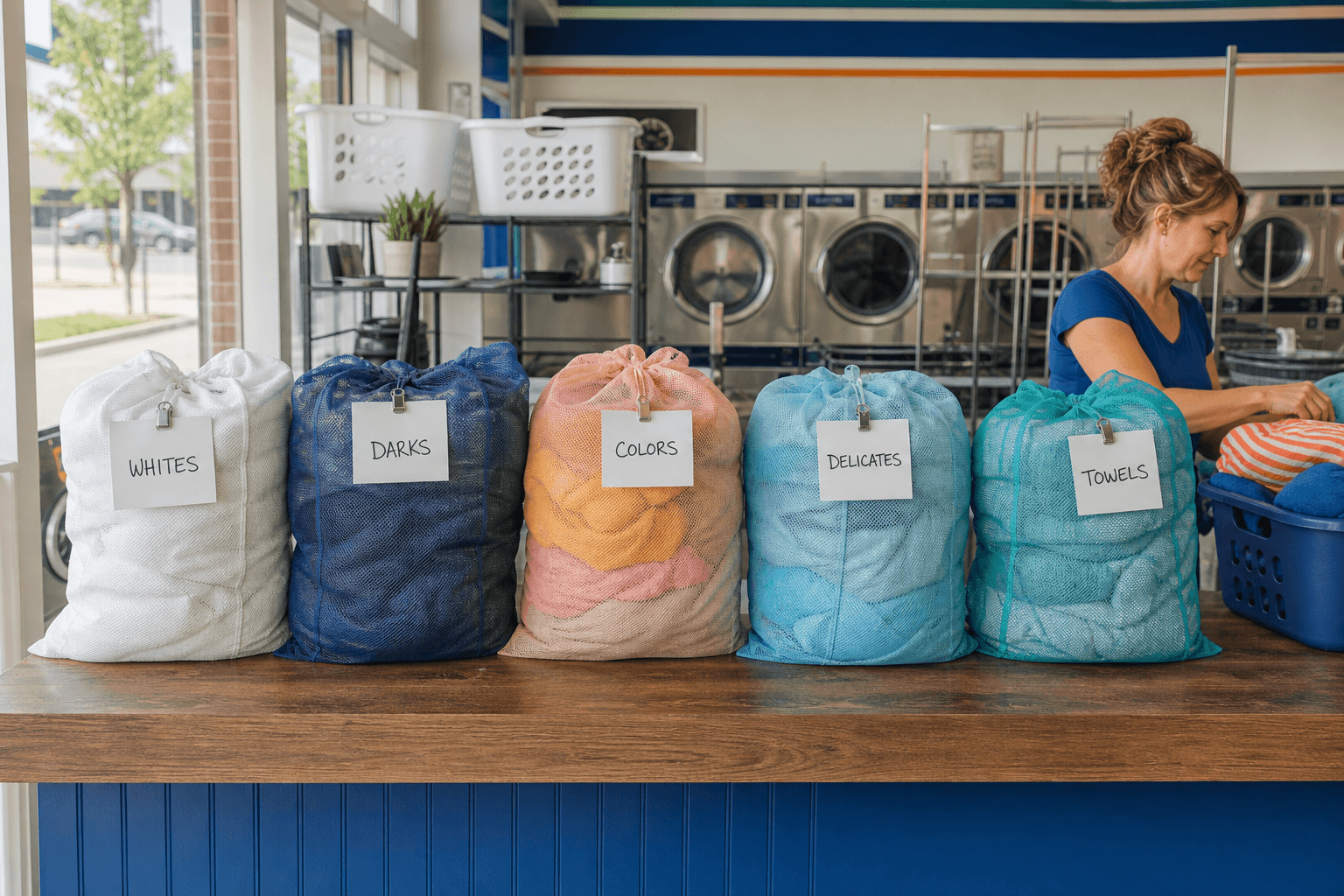
Once your laundry is received, staff sort items into categories that make sense for both cleaning and fabric protection. Colors are separated to prevent bleeding. Fabrics are grouped by care needs. Heavy items like towels are treated differently from athletic wear or everyday shirts. This sorting stage is one of the biggest reasons professional laundry care often beats a rushed home wash.
Providers also log your order for tracking. Laundry is typically weighed and connected to your account. If you have standing preferences, those are attached as well. Some services send status notifications during this process so you know when your order is received, washed, folded, and out for return. That extra visibility adds a sense of control, especially for first-time users who want reassurance that their clothes are moving through the system properly.
Good sorting also reduces wear. Dark jeans rubbing against lightweight tees in high heat can do real damage over time. The same goes for towels tumbling with delicate tops. Professional separation may seem like a small detail, but it is one of the clearest ways wash and fold protects clothing better than throwing everything into one giant mixed load.
Step Three: Washing and Drying with the Right Settings
This stage is where professional laundry care earns its value. Machines matter, of course, but settings matter just as much. Staff choose cycles based on item type, weight, and care instructions. If you have requested fragrance-free detergent or no fabric softener, that is usually applied here. If you asked for stain pre-treatment, this is when it happens.
Drying is handled with equal care. Everyday shirts, leggings, and cotton basics often do better on lower heat than people expect. Towels and thicker items may need more heat to dry fully. Delicates benefit from gentler handling or air drying. These choices help maintain color, fit, and fabric feel over time. The result is a load of laundry that feels cleaner and looks better with less home guesswork.
If you enjoy doing some laundry yourself but need a backup option, a self-serve laundromat can still be useful for oversized or urgent loads. Yet for routine weekly laundry, wash and fold removes the biggest pain points: waiting, transferring, drying, and folding. That shift turns laundry from a chore into a solved problem.
Step Four: Folding, Packaging, and Return
Once garments are dry, the service moves into the part most customers appreciate most: the clean return. Folding is usually standardized, which helps your items come back looking neat and easy to store. Shirts are stacked, pants are folded flat, socks are paired, and towels are grouped. If you requested hanging for certain pieces, those items may be separated from the folded stack.
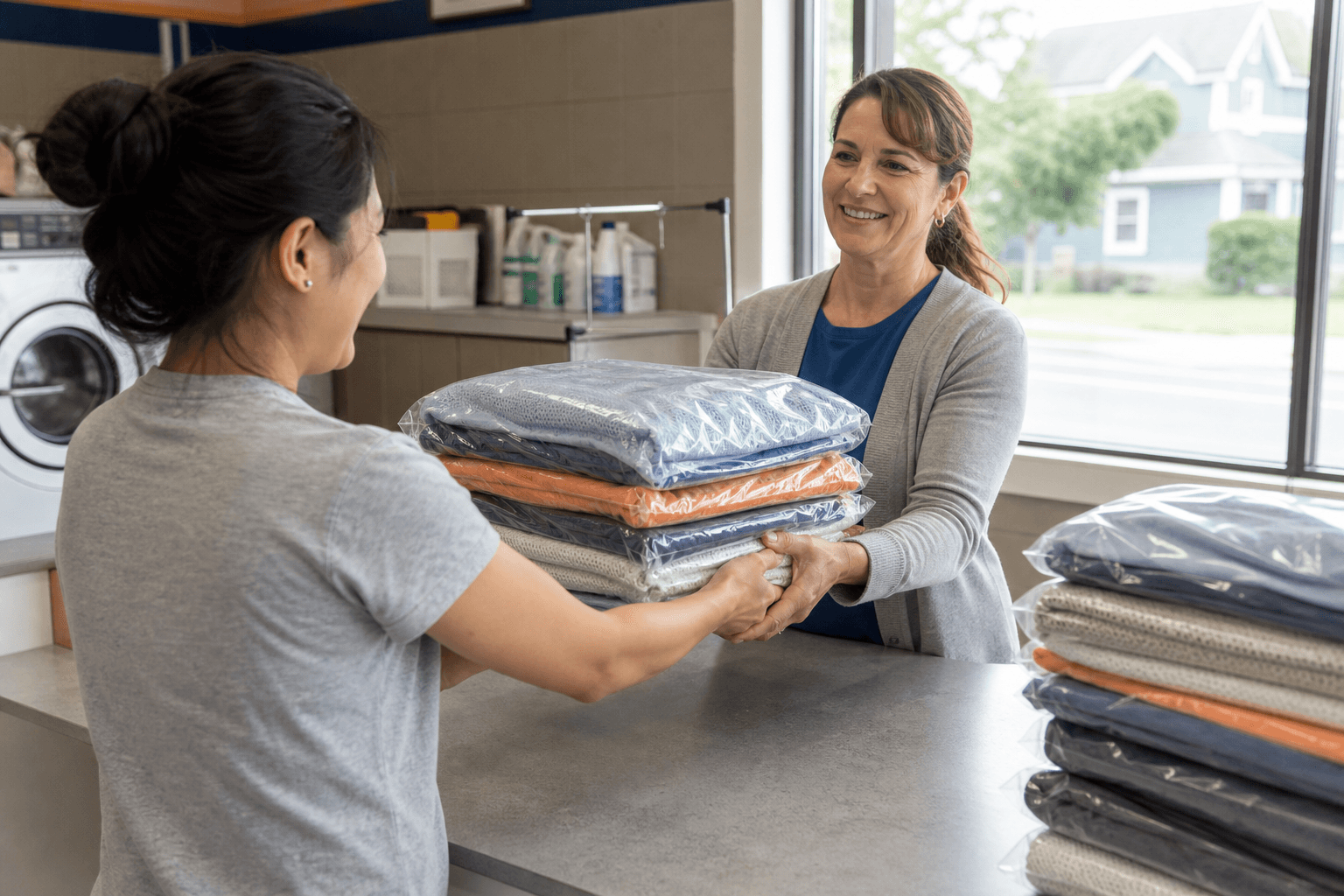
Packaging keeps the order organized and protected. Clean clothes are often sealed in bags or wrapped in a way that prevents mix-ups and keeps everything fresh during transport. That means your laundry can go straight from the delivery bag to a dresser drawer with almost no extra effort. The difference between “clean” and “ready” is big, and packaging is a major part of that final polish.
Return timing is usually fast. Many Sugar Creek-area services finish the process in one to two days. Some offer same-day or express service for an added fee. If your week gets busy fast, this turnaround can be a lifesaver. You get back clothes you actually need, on a predictable schedule, without spending your evening feeding quarters into machines or folding in front of the TV.
Local Convenience: Wash and Fold Options in Sugar Creek, MO
Sugar Creek may be smaller than a major city, but that does not mean residents have limited laundry support. In fact, local access has become more flexible thanks to app-based scheduling and nearby laundromat networks. This mix gives you several ways to use wash and fold depending on your budget, urgency, and preference for drop-off or delivery.
One standout option mentioned in the brief is Hamperapp. The appeal is simple: free pickup and delivery across Sugar Creek, easy account setup, preference tracking, and full-cycle handling from collection to folded return. That kind of system lowers the barrier for first-time users. You do not have to guess how to start, and you do not need to build your week around laundry errands.
Local service also feels different from what many people imagine. In larger cities, laundry pickup can feel impersonal or packed with long service windows. In Sugar Creek, providers often work through a more local network of laundromats and service partners. That can translate into more flexible scheduling and a setup that feels connected to your actual neighborhood. Instead of forcing your routine to fit a giant system, the service can feel more practical for everyday life.
Availability is another plus. Daily pickup windows and recurring schedules make it easier to treat laundry as a regular service rather than a last-minute rescue. You can schedule one-time help after a busy week, or build a weekly pattern that keeps clothes moving without pileups. That consistency is especially useful for households with kids, roommates, or a lot of workwear.
How Local Services Compare to Bigger Markets
People often assume that smaller communities get fewer service options or lower quality. In laundry, that is not always true. Sugar Creek providers often offer the same core benefits as larger metro services: app-based scheduling, recurring pickups, quick turnaround, and clear preference settings. The difference is usually in scale, not usefulness.
Smaller local networks can actually help in a few ways. First, pickup windows may feel more manageable. Second, communication can be more direct. Third, the service may feel less automated and more attentive to repeat customers. If you become a regular, your care preferences are more likely to become part of a familiar routine rather than just another data point in a giant system.
At the same time, bigger-market features are still showing up locally. Same-day service is becoming more common. Preference tracking is improving. Delivery timing is getting tighter. In short, Sugar Creek residents can get many of the same perks without having to live in a dense urban center. That blend of local feel and modern convenience is a big reason usage continues to grow.
What You Will Pay: Pricing Models Explained
Cost is usually the first practical question people ask, and for good reason. Laundry help sounds amazing until you are unsure what the final bill will look like. The good news is that pricing is usually easier to understand than people expect. Most wash and fold services use one of three models: per-pound pricing, flat-rate bags, or subscriptions for recurring customers.
The most common model is per-pound. In Sugar Creek and similar markets, the usual range falls between $1.00 and $3.00 per pound, with a common benchmark around $2.00 per pound. This setup works well if your laundry volume changes from week to week. You pay based on what you send, which feels fair for many households. A smaller load costs less, while a giant week of bedding and towels costs more.
Flat-rate bag pricing is another option. Providers may charge anywhere from $15 to $50 per bag depending on the bag size and the service. This can be a smart choice if you want cost predictability. As long as your items fit within the provider’s limits, you know what the charge will be before pickup. Bag plans can also feel simpler for college students, roommates, or anyone who dislikes weighing every load in their head.
Subscription plans reward consistency. Weekly users may get discounted pricing, with examples in the brief around $1.59 per pound. If you already know you will use the service regularly, a subscription can lower your average cost over time. It also makes laundry feel automatic, which is part of the appeal. Once you set the schedule, the task leaves your mental to-do list.
Common Add-Ons That Change the Price
Base pricing is just the start. A few extras can raise your final total, so it helps to know what providers often charge more for. These add-ons are not bad. They simply reflect extra speed, product choices, or handling requests.
Look out for these common price factors:
- Express or same-day turnaround
- Special detergents or hypoallergenic products
- Hanging garments instead of folding
- Large or bulky items
- Frequent service discounts or subscription savings
Total weight and volume still matter most. A lightweight bag of T-shirts costs much less than a dense batch of towels, jeans, and sweatshirts. Turnaround speed also matters. If you need a clean outfit back tonight, expect to pay more than you would for standard next-day service. The same goes for very specific product preferences. Fragrance-free or hypoallergenic detergents may be worth it, but they can change the cost.
For many customers, the smarter question is not “Is wash and fold cheaper than doing it myself?” but “What is my time worth?” If your weekend regularly disappears into laundry, a service that saves several hours can be easy to justify. The value grows even more if better care helps your clothes last longer.
How to Estimate Your Laundry Cost Before Ordering
If you want to avoid surprises, estimate your order before pickup. Start by thinking in weekly categories rather than individual pieces. One person’s regular clothing load may weigh much less than a family’s towels, uniforms, and bedding. Heavy items increase cost quickly, while light everyday basics may keep the bill lower than expected.
A useful way to think about your first order is by lifestyle. A student with mostly casual clothes may have a modest weekly total. A household with kids, gym wear, and bath linens may have a much heavier one. If your provider charges by the pound, ask whether there is a minimum order amount. That small detail can affect the value of using the service for tiny loads.
Another smart move is to compare one-time pricing with weekly discounts. If you already know your schedule is packed every week, a subscription may lower your monthly spend. If your laundry needs change a lot, flexible one-time service may fit better. Either way, asking these questions early makes your first order feel more transparent.
First-Time User Guide: How to Start Without Surprises
Your first wash and fold order should feel easy, not confusing. The best way to get there is to prepare a little before pickup or drop-off. That prep is less about extra work and more about avoiding simple mistakes that can affect quality. Once you build the habit, the whole routine becomes very low effort.
Start by checking every pocket. Pens, gum, receipts, lip balm, and earbuds are common troublemakers. Next, separate anything you do not want included. Dry-clean-only pieces, highly delicate items, and clothes with sentimental value should be kept aside unless you have confirmed the provider can handle them. Then write down or submit any care instructions. If you want cold wash only, no softener, or hang dry for certain items, say so clearly.
During the process, your laundry is usually weighed and logged, and your preferences are saved for future orders. Many services send notifications so you know what stage your order is in. That means you are not left wondering whether your clothes were picked up or whether they will arrive today. This simple communication makes the service feel more predictable, especially on your first try.
After delivery, expect your clothes to arrive clean, folded, and ready to store within about a day, sometimes two. For your first experience, it is smart to start with a smaller load. That lets you test folding style, scent preference, fabric care, and turnaround time before committing to a larger weekly routine. A trial run gives you confidence and helps you fine-tune your notes for the next order.
Smart Prep Tips Before You Send Laundry Out
A little preparation can dramatically improve your results. These are the habits that make first-time orders smoother and lower the odds of disappointment.
- Empty all pockets completely
- Separate items that need special care
- Label any clear preferences in advance
- Start with a smaller test load
- Avoid overstuffing your bag
Overstuffing is a common mistake because people want to maximize value. In practice, an overpacked bag can delay processing or affect fold quality. Clothes need room to be sorted and handled properly. A more manageable load gives better results and makes the service easier to assess. Once you trust the provider, you can fine-tune how much you send each week.
If you have questions before placing an order, checking a provider’s laundry FAQ can clear up details like turnaround time, product options, and excluded items. That quick review often answers the small questions people forget to ask but later wish they had.
Why Wash and Fold Beats the Laundromat Every Time
Traditional laundromats still have a place, especially for oversized loads or people who prefer to do everything themselves. But for routine laundry, wash and fold wins on time, convenience, and care. The biggest difference is simple: you are no longer tied to machines for hours at a time.
Think about the laundromat routine. You gather clothes, carry them out, drive over, wait for washers, transfer wet loads, wait again, then fold everything before hauling it back home. Even in a good laundromat, that process eats up a huge block of time. Wash and fold removes nearly all of that. You hand off the laundry and get it back finished. That swap gives you hours you can use for school, work, friends, errands, or actual rest.
Results also tend to be better. Professional sorting and more deliberate fabric care lower the odds of damage. Your dark clothes are less likely to fade from careless mixed loads. Your leggings are less likely to be cooked on high heat. Your shirts come back folded evenly instead of wrinkled in a basket for two days. That consistency adds real value over time, especially if you care about how long your clothes last.
Then there is the door-to-door factor. Pickup and delivery remove travel completely. You do not need quarters, spare detergent, or a free afternoon. That convenience alone is enough to change how people feel about laundry. Instead of planning around the chore, you fit the service into your normal week with almost no effort.
How Proper Care Helps Clothes Last Longer
One of the most overlooked benefits of wash and fold is fabric protection. Many clothing problems come from heat, overloading, mixed loads, or harsh products. Home laundry often gets rushed, especially when people are tired or trying to do five things at once. Professional care can reduce that damage because it follows a more thoughtful process.
Sorting by fabric keeps heavy garments from wearing down lighter ones. Better cycle choices reduce stretching and color loss. Lower drying temperatures help preserve elastic and prevent shrinkage. Even folding matters because neat storage reduces deep wrinkles and stress on certain seams. Over months, those differences can keep a wardrobe looking fresher and fitting better.
This matters even more if your clothes are expensive or hard to replace. Workwear, activewear, denim, and favorite basics all benefit from better handling. So while wash and fold is often sold as a convenience service, it can also be a quiet way to protect your clothing budget. A shirt that survives fifty good washes is more valuable than one that gets ruined by ten rushed ones. That long-term care is part of the real payoff.
Mistakes That Can Ruin Your First Experience
Most bad wash and fold stories come from preventable mistakes. The service itself is simple, but a few small errors can lead to confusion, delays, or less-than-great results. If you avoid these common problems, your first order is much more likely to go smoothly.
The first mistake is leaving items in pockets. Pens can leak. Tissues can explode. Receipts can turn into mush. Small electronics can be damaged. Always do a full pocket check before pickup or drop-off. It takes a minute and can save an entire load. This is the single easiest way to protect both your clothes and your provider from avoidable trouble.
Another issue is failing to call out special care items. If you toss delicates, air-dry pieces, or fragrance-sensitive clothing into a standard bag without instructions, staff will usually process them according to standard service rules. That is not their fault. If an item needs cold wash, hanging, or separate handling, say so clearly. Specific requests produce better results.
Overstuffing the bag is another common problem. It can affect processing speed, reduce fold quality, and make it harder to keep categories organized. People also make the mistake of assuming every item will be treated the same way without guidance. Good providers sort carefully, but they still rely on you to identify items that fall outside normal care expectations. If you communicate clearly, most of these issues disappear.
Simple Ways to Avoid Laundry Service Disappointment
If you want the smoothest possible first order, keep your approach simple. Choose a manageable test load. Include clear notes. Ask questions early. Then review the return and update your preferences if needed. This process gives you a realistic sense of service quality without overcommitting.
Use this quick checklist before your first order:
- Check every pocket
- Remove dry-clean-only and specialty items
- Note detergent and temperature preferences
- Flag delicates and hang-dry garments
- Test the service with a smaller batch first
That small amount of effort gives the provider what they need to do a great job. It also gives you a clearer standard to judge against. If you like the results, expanding into recurring service becomes an easy next step. If something needs adjusting, your next order can be even better because your notes are more specific. Wash and fold works best when there is a little teamwork and a lot of clarity.
Where Wash and Fold Is Headed Next
Wash and fold is becoming faster, smarter, and more personalized. One big driver is app-based scheduling and tracking. Customers increasingly expect to book pickups in seconds, store care preferences in their profile, and get updates without making a phone call. That level of convenience is becoming the norm rather than a premium feature.
Speed is changing too. Same-day and express options are expanding, especially as providers build more efficient local routes and processing systems. For customers, that means laundry can fit into even tighter schedules. If you forgot a work outfit or need clean bedding after a busy week, faster service windows make wash and fold feel even more useful.
The business model is shifting as well. What began as a simple add-on for small laundromats is growing into a fuller logistics-style service in many areas. Pickup, tracking, processing, packaging, and delivery are being treated as one connected system. That makes the experience smoother and more reliable. It also gives smaller communities like Sugar Creek access to the same service standards people expect in larger markets.
Personalization will likely grow even more. Customers already want choices in detergent type, folding style, temperature preferences, and delivery timing. Over time, those options will probably become more common and easier to set permanently. For regular users, that means laundry care that feels more consistent and less generic from week to week.
How to Choose the Right Sugar Creek Provider for You
Picking a provider is easier if you focus on your actual routine. If your biggest issue is lack of time, prioritize pickup and delivery. If budget matters most, compare per-pound pricing with bag rates and subscriptions. If fabric care is your top concern, ask how the provider handles delicates, air-dry requests, and special detergents.
Turnaround time is another major factor. Some people are fine with a one- to two-day return. Others need same-day service because their schedule is packed or their wardrobe is small. Frequency matters too. A one-time service may work for travel weeks or stressful stretches. A recurring plan makes more sense if laundry is a constant source of frustration.
Also pay attention to communication. A good provider should make it easy to understand scheduling, costs, and care options before you place an order. Clear messaging builds trust. It also reduces the odds of mismatched expectations. In the end, the right service is the one that fits your life with the least amount of friction and the most value.
Ready to Ditch Laundry Day? Here Is Your Next Move
If laundry keeps stealing your weekends, the fix may be simpler than you think. Sugar Creek residents now have access to wash and fold options that make the whole process easy: schedule pickup or drop-off, set your preferences once, and let professionals take care of the rest. With turnaround often within 24–48 hours, the payoff is immediate.
Start small if you want. Try a local provider like Hamperapp or a nearby drop-off location with one manageable load. See how the folding looks, how the clothes feel, and whether the timing works for your schedule. For many people, that first test is enough to prove how much time and stress they can save every week.
The best part is how little mental effort it takes after setup. Once your preferences are saved, laundry stops being a recurring project and becomes a service that runs in the background. More free time, less hassle, cleaner clothes, and fewer laundry-day headaches make wash and fold one of the easiest upgrades you can make to your weekly routine.