

Fairmount tops look simple on the hanger, yet their soft cotton, poly-cotton, and performance blends can lose shape, fade fast, or pill after a few bad wash days. This guide breaks down the best laundry products and the smartest care routine for washing Fairmount tops, so your favorite pieces stay smooth, bright, and wearable for much longer.
Key Takeaways
- Choose gentle liquid detergents to protect color, softness, and fabric strength.
- Wash Fairmount tops in cold water on a gentle cycle to limit shrinkage and fading.
- Skip heavy softeners on performance fabrics that need breathability and moisture control.
- Air drying gives the best long-term results, with low heat used only when needed.
- Smart habits like sorting, light pre-treatment, and proper storage matter as much as the detergent itself.
Why Product Choice and Technique Matter First
Premium tops can look amazing for months or disappointing after a few laundry loads. The difference often comes down to two things: the products you use and the routine you follow every single time.
Fairmount-style tops are usually made to feel softer, fit better, and present a cleaner silhouette than cheap basics. That also means they can be more sensitive to rough handling. Heat can tighten fibers and cause shrinkage. Harsh detergents can pull out color and leave fabrics looking dull. Too much friction in an overloaded machine can create pilling along the chest, sleeves, and side seams.
Many people treat all shirts the same. They toss darks and lights together, pour in extra detergent, run a hot cycle, and blast everything dry on high heat. That quick method may seem convenient, but it is one of the fastest ways to shorten the life of a Fairmount top. A better approach is simple, consistent, and much gentler on the garment.
The good news is that you do not need a luxury laundry setup to get great results. Small changes make the biggest impact. A mild detergent, cold water, measured dosing, and careful drying can help preserve color, fit, and overall fabric integrity over time. If you care about keeping your tops looking new, these steps matter more than fancy branding or expensive machines.
What Makes Fairmount Tops Different
Fairmount tops often use fabrics chosen for comfort, appearance, and regular wear. You will usually find soft cotton, poly-cotton blends, and performance materials in these garments. Each fabric type has strengths, but each also reacts differently to washing, drying, and stain treatment.
Cotton feels breathable and soft, which makes it a favorite for premium tees. Yet cotton can shrink if exposed to too much heat, especially in the dryer. Poly-cotton blends tend to resist wrinkling better, though rough washing can still cause surface fuzz and pilling. Performance fabrics add stretch, moisture control, or a smoother finish, but many of them react badly to strong softeners and high temperatures. Those products can coat the fibers and reduce the garment’s breathability.
Another issue is that these tops often have a more polished fit. A basic oversized shirt can hide minor damage. A Fairmount top cannot. If the collar twists, the hem tightens, or the body loses shape, you notice it right away. That is why standard wash habits often fail. What works for old gym shirts can easily wear down a better-made top.
Friction is one of the most overlooked threats. During washing, tops rub against jeans, towels, zippers, and heavier fabrics. That rubbing weakens the surface and creates lint balls and pilling. Overloading the washer makes it worse because the pieces cannot move freely in water. Instead of getting gently cleaned, they grind against each other.
Color loss is another common problem. Bright and dark tops are especially vulnerable to aggressive detergent formulas. A shirt that looked rich and clean on day one can start looking flat after repeated exposure to strong cleaners and warm water. Fairmount tops reward a softer approach. If you wash them like premium garments, they usually keep their good looks much longer.
Decode the Care Label Before You Wash
The care label inside your top is not decoration. It gives the fastest and most accurate instructions for that exact garment. Ignoring it can lead to permanent damage that no detergent can fix.
Start with the wash symbol. If the label suggests a gentle cycle, follow that instruction. Gentle cycles use slower agitation, which reduces friction and stress on seams. That matters a lot for tops that are prone to pilling or stretching. A normal cycle might clean a shirt slightly faster, but it also increases wear. For Fairmount tops, gentler movement usually gives the better result.
Temperature matters just as much. A 30°C wash, or a cold wash, is the safe default for most premium tops. Cold water helps protect dyes, keeps fibers calmer, and lowers the risk of shrinkage. It also works well for everyday soil if you use the right detergent. You do not need hot water for a shirt worn to class, work, or a casual dinner unless it has a very unusual stain problem.
Drying icons deserve close attention too. If the label warns against high heat tumble drying, believe it. Dryer heat can stress elastane, tighten cotton, and weaken smooth fabric finishes. Even one high-heat cycle can change the fit of a favorite top. If air drying is suggested, treat that as the best option rather than an inconvenience.
Some labels include special handling warnings. You might see instructions like wash inside out, do not bleach, or do not iron on print. Those details have a direct effect on longevity. Turning a top inside out protects the face of the fabric from friction. Avoiding bleach helps preserve color depth. Following print care warnings prevents cracking, peeling, or shine marks.
If you ever feel unsure, always choose the gentler path. Lower temperature, less agitation, and less heat after washing are usually the safest choices for Fairmount tops.
The Most Effective Detergents for Fairmount Tops
Detergent choice can either support fabric life or slowly wear it down. For Fairmount tops, the best formulas are usually mild, low-residue, and easy to rinse away. That means skipping anything overly harsh, heavily fragranced, or packed with ingredients that may stay trapped in the fibers.
Gentle liquid detergents are often the strongest all-around pick. They dissolve quickly, spread evenly through the wash, and work well in cold water. This matters because undissolved detergent can leave a film that dulls the fabric or causes stiffness. A liquid formula also gives you better control over the amount you use. That is important, since overusing detergent is a common mistake. More soap does not equal cleaner clothes. It often means more buildup and more rinsing stress.
Enzyme-free or hypoallergenic formulas can be especially helpful for delicate or blended fabrics. These options are usually kinder to the material surface and reduce the chance of unwanted residue. If your top is very soft, lightweight, or performance-based, a simpler detergent is often the smarter choice.
Heavily scented formulas can be tempting because they make laundry smell strong and fresh. Still, that fragrance often comes with extra ingredients that can cling to fabric. Over time, those additions may affect softness and breathability. For tops you wear often and want to keep in great shape, clean-rinsing matters more than intense scent.
If you shop for detergent and feel overwhelmed, focus on a few practical signs. Look for these features first:
- Liquid format for easy dissolving
- Gentle or delicate-fabric wording on the label
- Low-residue or free-and-clear style formulas
- Cold-water performance
- Light or minimal fragrance
A great detergent should clean the shirt without making itself the center of attention. You want your Fairmount top to feel soft, look bright, and rinse clean with as little stress on the fabric as possible.
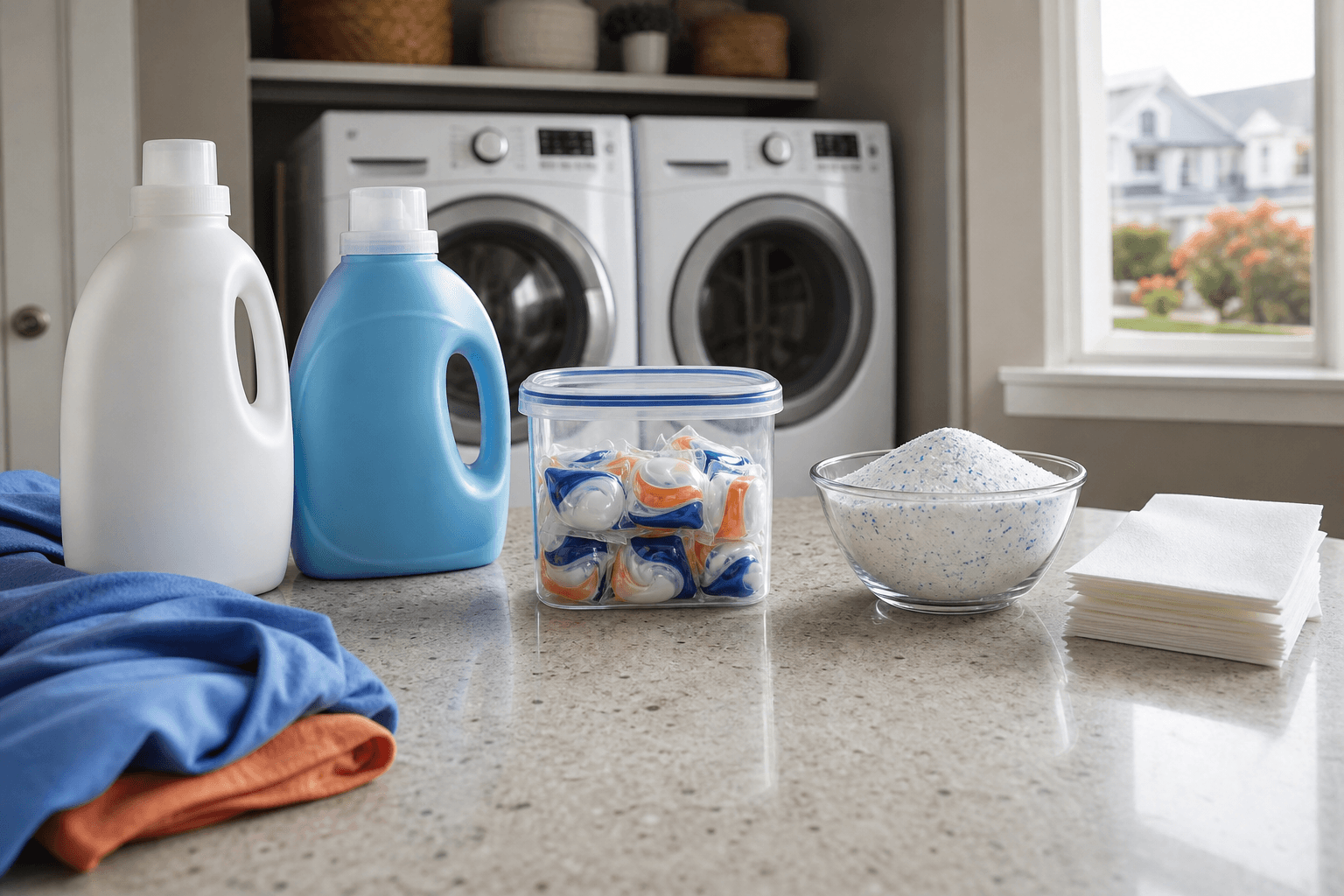
Liquid, Pods, or Powder: Which Format Works Best?
Each detergent format has benefits, but they do not perform the same way on premium tops. The best choice depends on your washer, your water temperature, and how much control you want over dosing.
Liquid detergent is the most reliable option for most people. It works especially well for Fairmount tops because it dissolves quickly in cold water and spreads evenly through smaller loads. You can also use less for lightly soiled shirts, which helps prevent buildup. If you wash premium tops often, liquid gives the most flexibility.
Pods are convenient and fast. You drop one in and move on. That ease is appealing, especially for busy schedules. The downside is that pods can sometimes leave residue if they do not fully dissolve, particularly in very cold water or short cycles. For thicker loads this may be less obvious, but on soft tees and blended tops, leftover detergent can affect the hand feel of the fabric. Pods also remove your ability to adjust the amount for a small load.
Powder detergent can be cost-friendly and strong on general soil. Still, it is usually less ideal for Fairmount tops. Powder may not dissolve fully in cold water, and any leftover granules or buildup can cling to softer fabrics. That can leave tops looking less vibrant and feeling rougher over time. If powder is your only option, use a small amount and make sure your machine rinses thoroughly.
Here is a practical way to match detergent format to your needs:
- Choose liquid for everyday Fairmount tees and blended fabrics.
- Use pods for convenience only if your washer dissolves them fully.
- Pick powder mainly for sturdier laundry, not your most sensitive tops.
For most households, liquid remains the easiest and safest choice. It gives you control, reduces the chance of residue, and supports cold-water washing, which is exactly what Fairmount tops need most.
Eco-Friendly Detergents That Still Perform
Eco-friendly detergent has improved a lot. Today, many plant-based formulas clean well without loading fabric with unnecessary chemical residue. That makes them a smart pick for people who care about both sustainability and garment life.
Plant-based detergents often feel lighter on soft cotton and blended materials. They can rinse cleaner and leave less buildup over time, which helps tops keep their natural drape and softness. For hospitality-grade garments or brand-conscious apparel, that cleaner finish can make a visible difference. A shirt that moves well and keeps its original color will always look more polished.
Another benefit is reduced chemical exposure. Strong detergent ingredients can stress fibers, especially with repeated washing. A gentler formula helps lower that wear. This does not mean every eco detergent is perfect. Some still include stronger scents or ingredients that may not suit performance fabrics. You still need to read the label and choose a formula known for delicate or blended garments.
If your goal is to wash Fairmount tops in a more responsible way, choose products with these qualities:
- Biodegradable ingredients
- Low-residue formula
- Effective cleaning in cold water
- Light fragrance or fragrance-free composition
- Clear use instructions for small loads
Sustainable care is not only about detergent ingredients. It also includes washing less often, using cold water, and keeping tops wearable for more seasons. The longer a shirt lasts, the better that is for both your budget and your closet.
Fabric Softeners, Alternatives, and When to Skip Them
Fabric softener seems like an easy win. Soft clothes, less static, nice scent. Yet for Fairmount tops, softeners can be helpful, pointless, or actively harmful depending on the fabric. The key is knowing when to use them and when to stop.
Traditional softeners work by coating fibers. That can make a cotton tee feel smoother at first, but repeated coating may also weigh down the fabric and reduce its natural breathability. On performance tops, this is an even bigger problem. Moisture-wicking materials rely on open, functional fibers to move sweat away from the skin. Heavy softeners can interfere with that process.
Rinse-based softeners are usually better than thick formulas that leave a stronger coating. If you use a softener at all, use a small amount and reserve it for tops that genuinely benefit from added softness. Keep it away from athletic or moisture-managing materials.
Dryer sheets are popular because they are simple. Still, they can also leave residue. On performance fabrics, that residue may reduce airflow and moisture control. On soft premium tees, the effect may be less dramatic, but over time it can still change the feel of the fabric.
Natural alternatives often work better for Fairmount tops. Two of the best are:
- Wool dryer balls to reduce static and help soften laundry during drying
- Vinegar rinses to cut detergent residue and freshen fabric without heavy coating
Wool dryer balls are especially useful if you must machine dry. They improve air movement and can help reduce drying time, which means less heat exposure. Vinegar in the rinse cycle can break down leftover detergent and leave tops feeling cleaner rather than coated. You do not need much. A small amount goes a long way.
There are times when skipping softener completely is the best move. Avoid it with:
- Performance or moisture-wicking tops
- Stretchy blended fabrics with technical finishes
- Garments that already feel soft and rinse clean
If your Fairmount top feels stiff after washing, the problem may not be a lack of softener. It may be too much detergent, hard water, or too much heat during drying. Fix the cause first before adding more product.
How to Remove Stains Without Damaging Fabric
Stains happen fast. Coffee drips, food spots, deodorant marks, and sweat stains can all hit a favorite top at the worst time. The goal is to remove the stain while protecting the fabric surface. That means patience beats force almost every time.
Start by treating the stain early. Fresh stains are easier to lift than old set-in ones. Use a gentle stain remover made for everyday wear, and apply it directly to the affected area. For oil, sweat, and food marks, a short pre-treatment window often works best. Let the product sit for about 5 to 10 minutes before washing. That gives it time to loosen the stain without soaking the shirt for too long.
Always dab instead of rubbing. Rubbing pushes the stain deeper and roughs up the fibers, which can leave a worn patch even after the stain is gone. A soft cloth, your fingertip, or a gentle brush used lightly is enough for most tops. Aggressive scrubbing is one of the fastest ways to damage a premium tee.
Test any stain remover on a hidden seam first. This small step matters because some products can alter color, especially on darker or brighter garments. If the seam looks unchanged after a few minutes, you can move ahead with more confidence.
Use this simple process for safer stain treatment:
- Blot the stain gently with a clean cloth.
- Apply a gentle remover to the spot.
- Wait 5 to 10 minutes.
- Dab lightly instead of scrubbing hard.
- Wash in cold water on a gentle cycle.
- Check the stain before drying.
That last step is huge. Heat can set a stain permanently. If the mark remains after washing, do not put the top in a hot dryer. Treat it again, then rewash. It takes a little extra time, but it protects both the look and lifespan of the garment.
Specialty Add-Ons That Can Extend Garment Life
Most Fairmount tops do not need a long list of extra products. Still, a few specialty add-ons can help in the right situations. These items are best used with purpose, not added to every load out of habit.
Color-catcher sheets are one of the most useful extras. If you need to wash mixed colors in a pinch, they can help trap loose dye before it transfers onto lighter fabrics. They are especially handy for newer tops that may release excess dye during the first few washes. While separating colors is still the safest move, color catchers add a strong layer of protection.
Waterproofing treatments can make sense for performance or outdoor-inspired tops. If a garment has weather-resistant features or is used in active settings, a fabric-safe treatment may help maintain that function. Still, these products are unnecessary for a regular cotton or poly-cotton tee. Using specialty treatments on everyday tops can add buildup without adding real value.
Mesh laundry bags are another smart add-on, even though they are often overlooked. They reduce friction during machine washing and protect lighter tops from zippers, hooks, and rougher garments. If you wash premium tops with other items, a mesh bag can help preserve the surface finish and shape.
Use specialty items wisely:
- Color-catcher sheets for mixed loads or new dark garments
- Mesh laundry bags for lightweight or especially soft tops
- Waterproofing products only for garments that need weather resistance
The best rule is simple. If an add-on solves a specific problem, keep it. If it does not create a visible improvement, skip it. Simpler laundry routines are often better for both fabric and budget.
The Ideal Laundry Routine for Fairmount Tops
A strong laundry routine keeps things consistent. You do not need to guess each time or hope for good results. Follow a repeatable system, and your Fairmount tops will hold up far better over the long run.
Begin with sorting. Separate tops by color and by fabric weight. Darks should go with darks, lights with lights, and delicate tops should stay away from rough items like denim or heavy towels. This step cuts down on friction, pilling, and dye transfer. Smart sorting is one of the easiest ways to prevent avoidable wear.
Next, pre-treat any visible stains. Use a small amount of stain remover and let it sit briefly. You are not trying to soak the garment for hours. A short treatment is usually enough for everyday marks. Early stain care keeps you from needing stronger products later.
Once the load is ready, wash with cold water, ideally no higher than 30°C. Use the gentle cycle. Measure your detergent instead of pouring freely. Too much detergent can trap residue in the fibers and make tops feel stiff or look dull. For a small load of lightly soiled shirts, less is often plenty.
During washing, turn the tops inside out if possible. That small move helps protect the outer surface from abrasion. It is especially helpful for printed designs, darker colors, and very soft finishes that show wear easily.
After washing, move straight to drying. Air drying should be the default choice. Lay tops flat or hang them carefully in a shape that supports the shoulders and body. If you must use a dryer, use low heat only. High heat is the enemy of premium tops. It can tighten cotton, damage stretch, and speed up fading.
Finish with light garment care. If the top needs a cleaner look, use medium-heat ironing or steaming based on the fabric. Steam often works especially well on softer tops because it removes wrinkles without pressing the fibers too hard. For printed or delicate surfaces, iron inside out or use a pressing cloth.
Here is the full routine in order:
- Sort by color and fabric weight
- Pre-treat stains early
- Turn tops inside out
- Wash cold at 30°C or below
- Use a gentle cycle
- Measure detergent carefully
- Air dry whenever possible
- Use low heat only if machine drying is necessary
- Steam or iron lightly for a crisp finish
That system is simple enough for weekly laundry and effective enough to protect premium tops over time. Consistency is what brings the best results.
Common Laundry Mistakes That Ruin Fairmount Tops
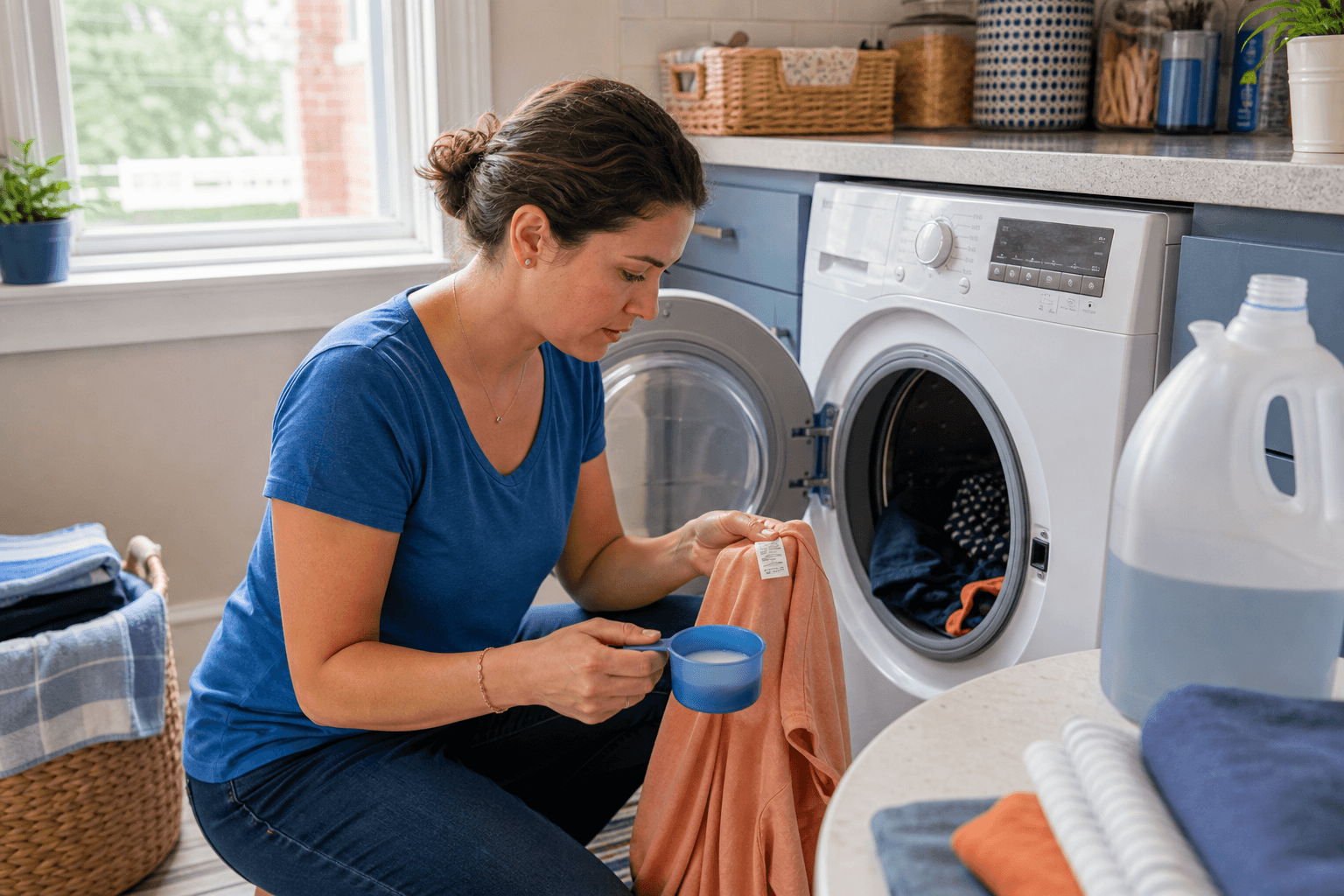
Many laundry mistakes feel small in the moment. Over time, though, they add up fast. If your tops lose shape, fade early, or start pilling, one of these habits is often the cause.
The first mistake is using too much detergent. People often assume extra soap means extra cleaning. In reality, too much detergent can cling to the fabric, attract dirt, and make the rinse cycle work harder. The shirt comes out looking less fresh, not more.
Another common issue is washing with heavy items. Towels, hoodies, and jeans create rough contact that premium tops do not handle well. Even if the water temperature is right, friction alone can wear down the garment surface. Keep lighter tops with lighter loads whenever possible.
Hot water is another major problem. It can shrink cotton, stress blended fabrics, and pull color out faster. For Fairmount tops, cold water handles routine cleaning just fine. Save hotter temperatures for items that truly require them, not everyday premium tees.
Then there is the dryer. A single high-heat cycle may not destroy a shirt, but repeated heat absolutely changes the fabric over time. The fit can tighten, the surface can roughen, and the life of the top can shorten. Low heat is safer. Air drying is best.
Watch out for these habits:
- Overloading the washer
- Using harsh or strong-scented detergents
- Skipping the care label
- Scrubbing stains too hard
- Drying on high heat
- Washing too often without need
If you fix just these errors, you can dramatically improve how long your tops stay in good condition.
When Professional Laundry Makes Sense
Sometimes home care is enough. Other times, professional help is the smarter move. If you have several premium tops, a packed schedule, or a garment with trickier care needs, professional laundry can protect your time and your clothes.
Drop-off laundry services are useful for consistency. A well-run service follows repeatable wash methods, uses proper load sizing, and finishes garments with a cleaner presentation. That can be a major benefit if your home routine is rushed or inconsistent. If you want an easier option for regular clothing care, a wash and fold service can save time while keeping laundry more organized.
Self-service options can help too if your home machine is too rough, too small, or unreliable. Larger commercial machines often allow better load control, which means less stuffing and less friction. If you need a better setup for sorting and washing premium garments carefully, a self-serve laundromat can be a practical solution.
Dry cleaning has its place, especially for delicate or structured garments that do not respond well to standard washing. Still, most Fairmount-style tops do not need routine dry cleaning. Gentle machine washing is usually enough unless the label says otherwise or the fabric has a very specific finish.
Professional laundry also teaches a useful lesson. Hotel-grade laundry standards rely on consistency, proper dosing, correct temperatures, and careful finishing. You can copy much of that approach at home. The goal is not to make laundry fancy. The goal is to make it predictable and gentle.
If you want more clothing-care ideas and routine tips, browse these laundry care articles for extra inspiration.
Sustainability Meets Long-Lasting Care
Good garment care and sustainable habits often work together. The less stress you put on a top, the longer it lasts. The longer it lasts, the less often you need to replace it. That is better for your budget and for the amount of waste your closet creates.
One of the easiest upgrades is washing less often. Fairmount tops usually do not need a full wash after every single wear unless they are visibly dirty or sweaty. Washing every 3 to 5 wears, depending on use, can preserve fibers and reduce fading. Spot cleaning and airing out a top between wears often does enough to keep it fresh.
Biodegradable detergents also support a smarter routine. They reduce environmental impact and can be easier on fibers over time, especially if they rinse clean and work well in cold water. Pair that with full but not overloaded loads, and you use water and energy more wisely too.
Storage matters more than many people realize. Fold Fairmount tops instead of hanging them if you want to maintain shape, especially with softer knits that may stretch at the shoulders. Keep them away from direct sunlight during storage because light exposure can slowly fade colors even while the garment is not being worn.
For a more sustainable routine, focus on these habits:
- Wash less often when possible
- Use cold water by default
- Choose biodegradable or low-residue detergent
- Air dry more often
- Fold tops for storage
- Keep garments out of direct sunlight
Long-lasting care is one of the smartest forms of sustainability. A top that still looks good after many wears is always more useful than one that needed replacing after a season.
Quick Answers to Common Fairmount Top Care Questions
People often have the same few questions about premium tops, and the answers are usually straightforward. Here are the most useful ones to keep your routine simple and effective.
Can you use bleach? Use bleach only if it is color-safe and absolutely necessary. Regular bleach is risky for most Fairmount tops because it can weaken fibers and affect color. For everyday brightening, better washing habits usually help more than bleach does.
How often should you wash these tops? Avoid overwashing. If the top is not stained, sweaty, or carrying odor, you can usually wear it several times before washing. That lighter approach reduces fading and helps preserve shape.
Is machine washing safe? Yes, in most cases. A gentle machine cycle with cold water is usually enough. Hand washing can be useful for extra-sensitive garments, but most Fairmount tops do well in the machine if you sort correctly and avoid rough loads.
Should you turn them inside out? Yes. Turning tops inside out protects the outer surface from friction and helps prints, colors, and smooth finishes last longer.
What is the safest drying method? Air drying is the top choice. If you need the dryer, use low heat and remove the top while slightly damp to reduce stress.
Do expensive laundry products matter? Sometimes, but technique matters more. A fairly priced gentle detergent used correctly is usually better than a premium product used in the wrong way. The biggest wins come from cold washing, careful sorting, and low-heat drying.
Build a Personal Care Routine That Actually Lasts
The best laundry routine is the one you will actually follow week after week. Keep it practical. Choose one good gentle detergent, one stain remover you trust, and one drying method that fits your space and schedule. Then repeat those steps consistently.
If you are new to caring for Fairmount tops, start small. Wash in cold water. Measure detergent. Separate heavy items. Air dry one or two favorite tops first and compare the results. Most people notice the difference quickly. The fabric feels better, the fit stays truer, and the color looks fresher. That kind of progress makes it easier to stick with the habit.
Experienced laundry routines can go a little further. You might keep mesh bags for lighter tops, use vinegar rinses now and then to cut buildup, or reserve special treatments for very specific garments. Still, the basics remain the same. Gentle products and low-stress care protect fabric life better than aggressive cleaning ever will.
Fairmount tops are worth caring for properly because they are built to look and feel better than throwaway basics. Treat them with a little more intention, and they will return the favor with better wear, better comfort, and better style over time. In the end, the real secret is simple: wash less harshly, dry less aggressively, and stay consistent with the products you choose. Those small changes make a big difference.