

From BBQ sauce after a Sweets & Meats run to muddy grass from Valley View Park and that rushed coffee spill before work, stain trouble is a regular part of life in Mount Washington. The good news is simple: most stains come out if you act fast, blot instead of rub, and match the cleaning method to the kind of mess you are dealing with.
Key Takeaways
- Identify the stain type first to choose the right fix.
- Blot quickly and avoid heat until the stain is gone.
- Use cold water first for blood, grass, and other protein stains.
- Keep a simple stain kit with vinegar, dish soap, baking soda, and peroxide.
- If the stain stays put, trust Fresh Spin Laundry for deeper care.
Why Fast Action Matters in Every Mount Washington Home
Stains feel random, but the pattern is easy to spot. A burger night leaves grease on a shirt. A park day tracks dirt and grass onto kids’ clothes. A rushed morning sends coffee down the front of a hoodie. In each case, your first few minutes matter most. Speed gives you the best chance of lifting the mess before it bonds with fabric fibers or sinks deeper into carpet and upholstery.
The first rule is always blot, don’t rub. Rubbing pushes the stain deeper and spreads it outward. Blotting lifts moisture and pigment with less damage. Grab a clean cloth or paper towel, press gently, and switch to a fresh area often. That simple move can keep a small spill from turning into a permanent mark.
Heat is another big problem. A hot dryer can lock in color, oil, or protein and make later cleaning much harder. For that reason, let items air dry after treatment and washing until you know the stain is gone. If any shadow remains, treat it again before using high heat.
One more habit saves a lot of regret: patch test every cleaning mix on a hidden spot. Fabrics, dyes, and finishes react differently. Test under a hem, inside a cushion seam, or on the back of the fabric first. If the material stays stable, move ahead with much more confidence.
Sometimes a stain refuses to move. That does not always mean you did something wrong. Older spills, mixed stains, and delicate fabrics can take more than a home fix. In those cases, Fresh Spin Laundry is the local option to remember when the mark will not budge or the item feels too risky to treat on your own.
The 5 Stain Categories That Change Everything
The fastest way to improve your results is to stop treating every stain the same way. Once you know what kind of stain you have, your next step becomes much clearer. This approach is the backbone of smart stain removal, and it helps both beginners and experienced cleaners avoid common mistakes.
Here are the five categories that make the biggest difference:
- Greasy and oily stains: cooking oil, grease, makeup, lotion, and BBQ sauce.
- Protein-based stains: blood, grass, dairy, eggs, and many food spills.
- Tannin and plant-based stains: coffee, wine, fruit juice, tea, and tomato sauces.
- Dye and ink stains: mustard, pen ink, cosmetics, and colored pigments.
- Combination and set-in stains: older stains or mixed messes that need several steps.
Greasy stains need one strategy, while protein stains need another. A coffee spill reacts differently than a blood spot. Ink often needs alcohol, while oil responds better to absorbent powders and dish soap. Once you understand those patterns, you stop guessing and start making faster, smarter choices.
Consumer Reports makes a similar point in The Ultimate Stain Removal Guide: matching the treatment to the stain type leads to better results than using one random cleaner for everything. That idea applies in every Mount Washington home, whether you are working on a white tee, a couch cushion, or a hallway rug.
The Universal Stain Removal Process You Can Use Every Time
No matter what landed on the fabric, a reliable process helps you stay calm and avoid damage. Think of this as your default stain playbook. It works for clothes, many washable household items, and even some upholstery when used with care.
Start with step one: remove the excess. If the stain has solids, lift them gently with a spoon, dull knife, or edge of a card. If it is liquid, blot it with a clean cloth or paper towel. Do not grind the mess into the fibers. Keep your pressure light and controlled.
Move to step two: pre-treat the area. Apply your chosen solution from the underside of the fabric when possible. That helps push the stain back out the way it entered instead of driving it deeper. Use a soft brush, your fingers, or a tamping motion with a cloth rather than hard scrubbing.
Next comes step three: flush the stain out. Plain water works for some fresh spills. For many others, a simple wet spotter made with dish soap and water helps loosen residue. Rinse or flush until the stain lightens and the cleaning mix is mostly removed.
Then use step four: wash with care. Choose the warmest water that is safe for the fabric, unless you are working with protein stains, which should start with cold water. After washing, inspect the area closely in good light. Let the item air dry first so heat does not set any leftover discoloration.
Every home should keep a small set of stain tools ready to go. You do not need an elaborate setup. A few basics handle a surprising number of messes:
- Vinegar for acidic cleaning and deodorizing.
- Baking soda or absorbent powder for oils and moisture.
- Dish soap for general cleaning and grease cutting.
- Hydrogen peroxide for certain stains on color-safe items after testing.
- Ammonia for select food and carpet treatments, used carefully.
- A spray bottle, soft brush, white cloths, and paper towels.
Safety still matters. Open a window if you are using stronger products. Avoid bleach on colors. Never skip a patch test. If the label says dry clean only, treat the item with extra caution or hand it off to a pro. Those small steps protect both your clothes and your time.
Greasy and Oily Stains: Kitchen Splatter, Makeup, and BBQ Sauce
Oil stains can look harmless at first, but they spread quickly and cling to fibers. Kitchen grease, salad dressing, sunscreen, makeup, and smoky BBQ sauce all belong in this group. The key idea is simple: absorb first, then break down the oil with a cleaner that can cut grease.
For a fresh grease stain, start by blotting away any extra mess. Then cover the spot with baking soda, talc, or another absorbent powder. Let it sit so it can pull oil out of the fabric. Brush it off gently and repeat if the powder keeps clumping or darkening. That means it is still lifting grease.
After the oil has been absorbed, apply dish detergent to both sides of the stained area. Dish soap works because it is made to break up grease. Rub it in lightly with your fingers or a soft brush, give it a few minutes to work, then rinse and wash. This step is often enough for common food stains on washable clothes.
Set-in grease needs a stronger plan. A light application of WD-40 can help loosen old oily residue, but only after a careful spot test. Let it sit briefly, then follow with dish soap to remove both the original grease and the product itself. Wash the item and air dry so you can inspect it before using heat.
BBQ sauce is especially tricky because it is often a combination stain. It can contain oil, tomato, sugar, and spices all at once. Begin with absorbent powder if the stain looks greasy. Follow with dish soap, then treat any remaining red or brown color as a plant-based stain using vinegar or another mild acidic method.
For upholstery or carpet, use much less liquid. Mix water, vinegar, and a drop of dish soap. Blot the area gently instead of soaking it. Once the stain lightens, place a clean dry towel over the spot and weigh it down so moisture transfers upward as it dries. This method works well for post-BBQ cleanup in busy Mount Washington homes.
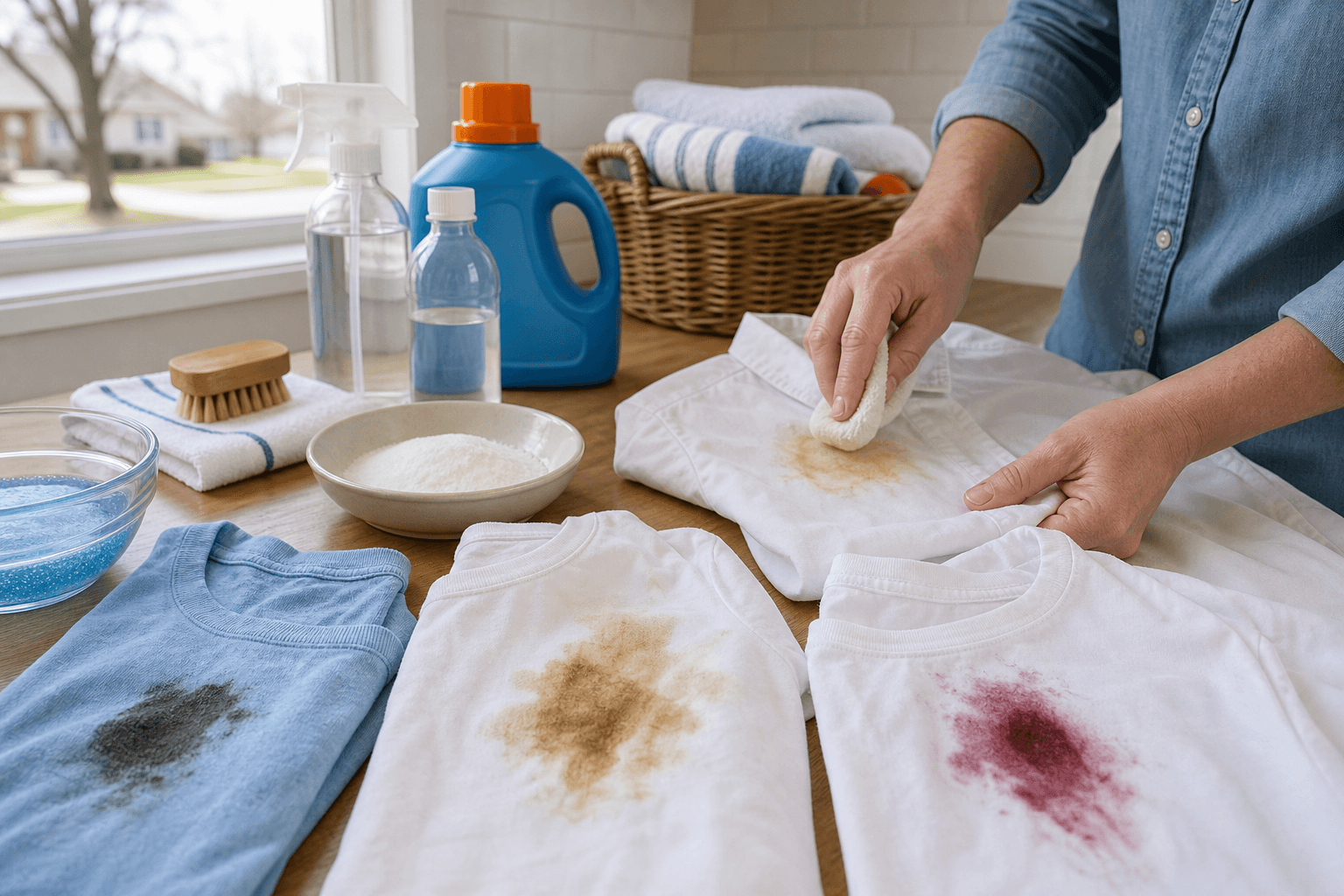
Protein-Based Stains: Blood, Grass, and Food Messes
Protein stains need a different response from oily ones. Blood, grass, dairy, eggs, and many food spills contain compounds that react badly to heat. That is why the cold water rule matters so much. If you start with hot water, you can lock the stain in and make it much harder to remove.
For blood, rinse or soak the area in cold water as soon as possible. Let the water push the stain back out of the fibers. Then use an enzyme detergent if you have one. Enzymes are great for breaking down protein residue. Wash again in cool or cold water and inspect before drying.
Grass stains can be stubborn because they often combine plant material with protein and dirt. Begin with a cool soak and detergent. If the mark remains, a small amount of ammonia mixed with water can help on washable items after a patch test. Work gently, rinse well, and wash again.
Food stains in this category can vary. For chocolate and certain food spills, an ammonia and water solution may help after you remove any solids. Follow with your standard cleaning solution and wash. Keep the pressure gentle so you do not spread the stain wider than it already is.
Urine on washable items also responds well to a cool soak with detergent and a little ammonia, again only after testing the fabric first. On upholstery, use very little moisture and repeat the blotting cycle several times. Too much liquid can drive odor deeper into padding and make cleanup harder.
These stains often improve in stages rather than all at once. That is normal. A cold rinse, enzyme treatment, and second wash may be what finally clears the area. Patience matters here. The goal is steady lift, not one harsh move that damages the fabric.
Tannin and Plant-Based Stains: Wine, Coffee, Fruit, and Tomato Sauce
Coffee on a cream sweatshirt. Red wine on a table runner. Tomato sauce on a favorite tee. These stains are everywhere because they come from foods and drinks people use all the time. They respond best to acidic help, which is why vinegar shows up so often in plant-based stain treatment.
For red wine, blot immediately and avoid rubbing. Cover the area with salt or baking soda to absorb moisture and color. On sturdy cotton items, boiling water can sometimes help flush the stain through the fabric, but reserve that method for fabrics that can safely handle it. Another option is a vinegar and baking soda paste applied with a light hand.
Coffee stains usually improve if you act quickly. Blot first, then use isopropyl alcohol or rinse with vinegar depending on the fabric and stain strength. Start mild, especially on colored garments. Many coffee stains lighten a lot with quick blotting and a simple rinse before they ever reach the washer.
Tomato sauce can be a mix of tannin, oil, and pigment, which is why it can be stubborn. A soak with vinegar and dish soap often works well. If the stain stays behind, a carefully tested touch of WD-40 may help loosen the oily part before another round of dish soap and washing.
Mustard deserves special respect because of its strong yellow pigment. It often behaves like a dye stain more than a food stain. Still, vinegar and detergent can help with fresh marks. If the yellow remains, move to a pigment-focused method such as glycerin or alcohol-based treatment after testing.
On carpet, plant-based stains need a lighter touch. A fine ammonia spray followed by repeated blotting can help, especially for coffee and sauce spots. Dry the area with a weighted towel to pull moisture out of the fibers. This reduces water marks and helps the carpet dry more evenly.
Dye and Ink Stains: Pigment Problems That Need Precision
Ink, cosmetics, mustard, and other colorful stains are hard because their pigments cling tightly to fabric. Water alone often does very little. These stains usually need alcohol, solvents, or targeted products that can loosen color without damaging the material.
For ink, place a paper towel or cloth underneath the stained area first. That layer catches ink as it transfers out. Then blot from the top with isopropyl alcohol. Keep switching to a clean part of the towel below so the lifted pigment does not move back into the fabric.
Do not scrub ink. Scrubbing spreads the mark into a wider blur. Instead, use repeated blotting and controlled pressure. Once the ink lightens, rinse and wash the item. Air dry and inspect carefully. Pen stains often need several cycles, especially on thick fabrics.
Makeup stains can contain oil, wax, and dye at the same time. A degreaser mix made with vinegar, water, and detergent works well for many fresh spots. Apply the mix gently and tamp instead of scrubbing. If you attack mascara or foundation too aggressively, you can grind pigment deeper into the weave.
Mustard stains are famous for sticking around. Glycerin can help loosen the yellow pigment. A vinegar and detergent mix is another useful option, especially for fresh stains. Since mustard varies by brand and ingredients, a method that works on one stain may need a second round on another.
Any time you work with dye-heavy stains, think in layers. Lift some color, rinse, assess, and repeat. A single fast treatment rarely removes every trace. Slow, controlled steps are much safer than a harsh cleaner that leaves the fabric lighter than the stain itself.
Combination and Set-In Stains: The Multi-Step Challenge
Some stains are easy to identify. Others are a mystery. Maybe it is an old mark on a hoodie from last week, or maybe it is a couch stain made from food, grease, and drink all at once. These cases need a multi-step approach because one cleaner usually cannot handle every part of the problem.
Start with the basics. Absorb anything oily with baking soda or another powder. Pre-treat the area with a gentle cleaner. Then move to an enzyme detergent or oxygen booster if the fabric allows it. Wash, inspect, and repeat. The order matters because you are peeling the stain away in layers.
Older stains are harder because they have had time to settle into fibers and oxidize. That does not mean they are permanent. It just means you should expect more than one round of treatment. Success often comes from patience, not force.
Detergent residue stains can fool people into thinking something oily or dirty remains on the fabric. In reality, leftover soap can create dull patches or marks. A warm soak followed by an enzyme rub may help clear the buildup and return the item to an even finish.
Mystery stains on upholstery are trickier because you cannot always wash the whole item. Use low moisture, careful blotting, and small-area testing. Work from the outside of the stain inward so it does not spread. Drying the spot properly is just as important as cleaning it.
If you have already tried several cycles and the stain still looks the same, stop before you damage the item. This is the point where Fresh Spin Laundry makes sense. Professional care can save pieces that are too delicate, too large, or too stubborn for another round of DIY treatment.
DIY Cleaning Formulas That Work in Real Homes
You do not need a cabinet full of specialty products to handle most stains. A few simple mixes cover a lot of ground. The trick is knowing what each formula does and where it fits best. Keep your ingredients labeled and your spray bottles simple so you can act quickly.
Here are several useful home formulas to keep nearby:
- General cleaner: dish soap plus warm water.
- Degreaser: dish soap, vinegar, and water.
- Protein remover: ammonia, peroxide, and detergent.
- Wet spotter: dish soap and water.
The general cleaner is your everyday starter. It works for many fresh spills, light marks, and surface messes. The degreaser is better for oily food, makeup, and residue from cooking. The protein remover can help with blood and certain food stains, but it needs extra care and a patch test because stronger formulas can affect some fabrics.
Keep your application controlled. Mist lightly instead of soaking. Use white cloths so you can see what is lifting and avoid dye transfer from colored towels. Work in small sections, especially on furniture and carpet. That gives you more control over both the stain and the moisture level.
For leather, avoid heavy liquid methods. Use foam or minimal-moisture application so the material does not become waterlogged. Delicates do best with mild soap and a lighter hand. Every fabric has limits, and knowing them is part of smart stain care.
Common Mistakes That Make Stains Worse
A lot of stain damage happens after the spill, not during it. One wrong move can turn a fixable spot into a permanent mark. If you avoid a few common mistakes, your odds improve right away.
The biggest mistake is using hot water on protein stains. Blood, grass, dairy, and similar messes should start cold. Heat can set the stain and leave you with a shadow that will not lift easily later.
Another common problem is scrubbing instead of blotting. Scrubbing pushes the stain deeper, frays fibers, and spreads the mess. It feels active, but it often works against you. Controlled blotting and tamping are slower and far more effective.
People also toss items into the dryer too soon. This is a major issue because dryer heat can lock in whatever remains. Always inspect the stained area before drying. If you still see a hint of color or a faint outline, treat it again first.
Using too much product is another mistake. More cleaner does not always mean more lift. In fact, extra soap can leave residue that attracts dirt or creates its own stain. Start small, rinse well, and build up only if needed.
Finally, some people skip the hidden-area test because they are in a rush. That shortcut can lead to fading, texture changes, or ring marks. A 30-second patch test is much better than damaging a favorite item.
Fabric-Specific Care Tips for Clothes, Upholstery, Carpet, and Leather
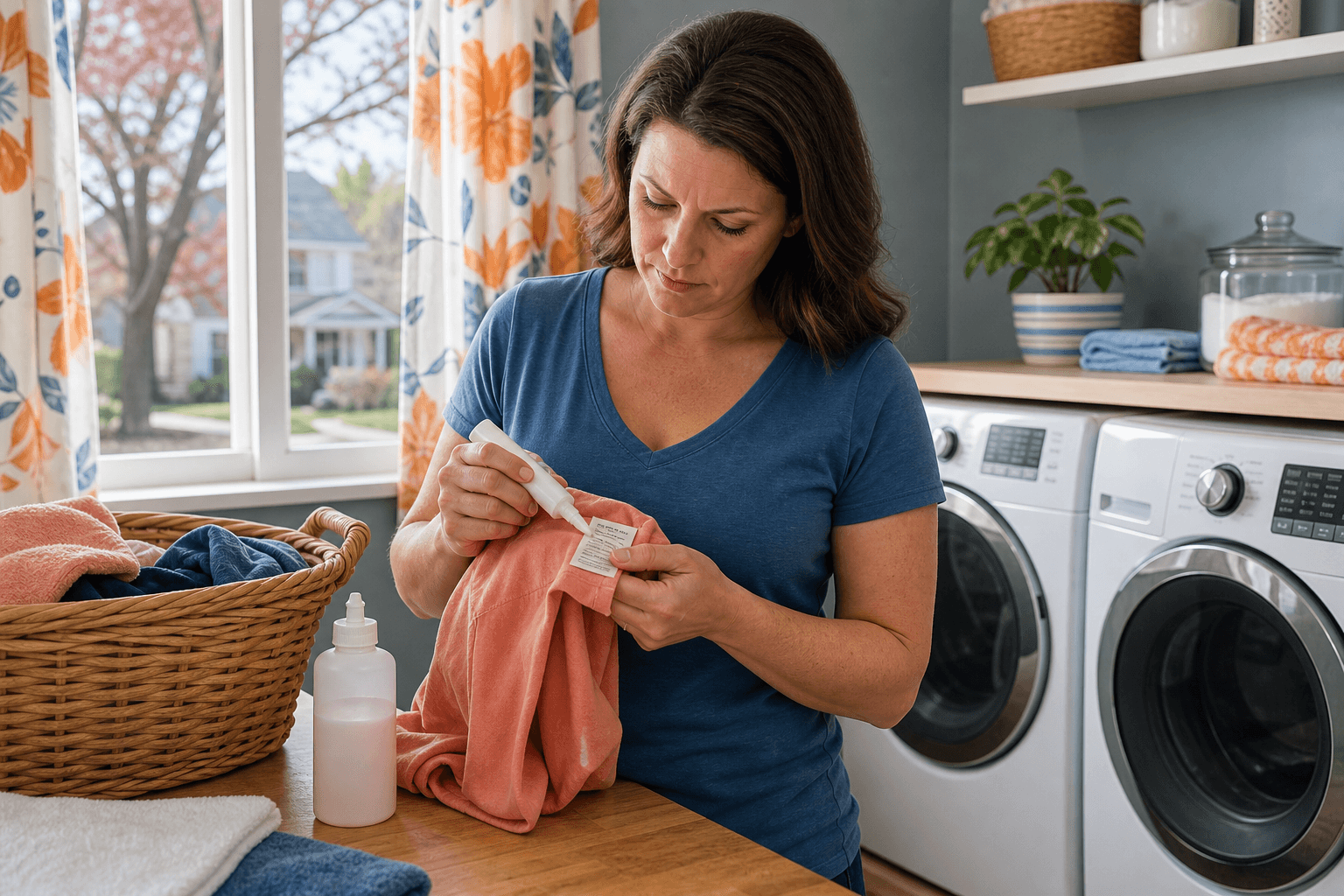
Different materials react in different ways, so your stain method should match the surface. What works on a cotton tee may be a bad idea for a couch cushion or leather chair. This is where careful adjustments matter.
For everyday clothing, washable fabrics usually handle pre-treatment, rinsing, and a second wash fairly well. Still, read the care label first. A hotter wash is fine only if the fabric allows it and the stain type makes sense for it.
Delicates need a gentler plan. Stick to mild soap, cool water, and light blotting. Avoid strong solvents unless you know the fabric can handle them. Lace, silk-like materials, and soft blends can distort or fade more easily than standard cotton.
Upholstery should stay on the dry side. Too much moisture can sink into padding and create odor, mildew, or drying rings. Use repeat blotting cycles, small amounts of cleaner, and weighted drying with clean towels to pull moisture upward.
Carpet also benefits from low-moisture cleaning. Work from the outside edge of the stain inward. That keeps the spot from spreading. Blot patiently, refresh your cloth often, and avoid pouring solution directly onto the carpet unless the stain is very small and controlled.
Leather needs the most caution. Use foam or minimal liquid and never soak the surface. Test hidden areas carefully. Once leather absorbs too much moisture, the finish can change or stiffen. If the item is valuable, professional care is often the safer call.
Mount Washington Living: Local Stains and Smart Everyday Solutions
Life in Mount Washington creates its own stain pattern. Outdoor time often means grass, dirt, and muddy shoes. Family meals bring sauce, grease, and drink spills. Busy schedules make it easy to forget a stain until laundry day, which is exactly how small messes become set-in problems.
Valley View Park days can leave knees green and socks brown. A quick cold pre-soak with detergent makes a huge difference for those outdoor stains. The sooner you do it, the less work you will need later. Letting muddy clothes sit in a basket for two days gives dirt and plant matter more time to bind to the fabric.
High-traffic homes benefit from a simple quick-response kit. Keep it in the kitchen or laundry area so it is easy to reach. Include paper towels, a small bottle of vinegar, dish soap, baking soda, a spray bottle, and a soft brush. If supplies are close by, you are much more likely to treat a spill right away.
There is also a practical eco-friendly side to all of this. Vinegar and baking soda reduce the need for harsher chemicals in many routine stain situations. They are versatile, easy to store, and useful on clothes, counters, and some soft surfaces. While they do not solve every stain, they cover a lot of daily messes.
Of course, real life gets busy. Some weeks leave no time for soaking, blotting, and repeat washing. That is where local convenience matters. Fresh Spin Laundry can help with wash-dry-fold needs when your schedule gets packed and your stain pile starts growing.
Prevention: The Secret to Easier Laundry and Cleaner Surfaces
The easiest stain to remove is the one that never gets time to settle. Prevention sounds basic, but it saves more clothes and surfaces than any miracle cleaner. A few small habits reduce both the number of stains you get and the work needed to fix them.
First, build a stain kit and keep it visible. If your vinegar, dish soap, and baking soda are buried in different cabinets, quick treatment becomes much less likely. Put the basics together in one container and restock it before you run out.
Next, make pre-treatment part of your laundry routine. If you notice a spot before washing, handle it then rather than hoping the machine will fix it. A two-minute treatment before the wash can save a shirt that a normal cycle would miss.
Sorting can help too. Separate laundry by fabric type and stain level when possible. Heavily stained play clothes may need soaking or different treatment than lightly worn office wear. This kind of sorting helps you choose the right method instead of giving every item the same wash.
Furniture and rugs also deserve preventive care. Consider protective sprays for surfaces that see regular use, especially in homes with kids, pets, or frequent guests. In high-use areas, wipe or blot spills immediately instead of waiting until later. Fast action prevents a lot of stress.
Keep in mind that prevention is really about reducing friction. If cleanup is easy to start, you will do it more often. That means fewer set-in stains, less repeat washing, and a cleaner home with far less hassle.
When to Use Commercial Products and When to Call Fresh Spin Laundry
Home remedies handle many common stains, but some cases need stronger support. Commercial products can be the right choice when the stain type is clear and the fabric can handle the formula. The key is using the right product for the right problem.
Enzyme detergents are especially useful for protein stains like blood and some food residue. Oxygen bleach can help on whites when you need more brightening power without the harshness of chlorine bleach. For deep carpet marks, a dedicated carpet cleaner may do better than a general spray bottle mix.
Even then, stronger products are not always enough. If the stain has survived multiple treatments, if the item is delicate, or if the fabric is specialty material, it may be smarter to stop experimenting. Repeated trial and error can wear down fabric, fade color, and waste time.
Call in Fresh Spin Laundry if you are facing any of these situations:
- A stain that stays after several careful treatments.
- Delicate fabrics or specialty items that feel risky to clean at home.
- Large loads that make stain treatment and washing hard to keep up with.
- Carpet or upholstery that needs deeper care and controlled drying.
A professional touch is often the best move for valuable clothing, household textiles, and larger soft surfaces. It saves guesswork and lowers the chance of accidental damage. Sometimes the smartest cleaning decision is knowing when to stop and hand it off.
Your Step-by-Step Stain Game Plan for Spotless Results
If you want a simple system to remember, keep it short. Identify the stain type. Blot fast. Choose the right treatment. Wash with care and avoid heat until the area is clear. That sequence works across most common household stain problems.
Grease needs absorption and dish soap. Blood and grass need cold water and enzyme support. Coffee, wine, and tomato stains often respond to acidic help like vinegar. Ink and dye stains do better with alcohol or pigment-focused treatment. Older stains usually need more than one pass.
Most important, do not panic when you see a stain. A calm response beats a harsh one. Good stain removal is usually about timing, matching, and patience, not brute force. With the right method, many ugly spills become temporary problems instead of permanent damage.
Try these techniques the next time a spill hits your clothes, couch, or carpet. And if the stain still refuses to leave, let Fresh Spin Laundry take over. A cleaner home, fresher fabrics, and a lot less stress can start with one quick blot and the right next step.