

Laundry steals 1–2 hours from the average household every week, and most of that time disappears into avoidable friction like re-sorting, rewashing, waiting on oversized loads, and staring at a clean pile that never seems to get folded. The Ultimate Winner’s Guide to Laundry Efficiency: Proven Tips for 2026 Mastery shows how the “Winner Laundry Efficiency” system uses tri-sort organization, small-load scheduling, quick-cycle defaults, and low-effort habits to cut total laundry time by up to 50%.
Key Takeaways
- Sort at the source with a tri-sort hamper to prevent rewashes and save time.
- Use small daily loads or fixed laundry days to stop pileups before they start.
- Choose quick wash and cold water for most loads to save energy and minutes.
- Dry smarter with sensor drying, fabric grouping, and immediate folding.
- Build simple habit triggers and reminders so laundry runs on autopilot.
Why Laundry Feels Like It Never Ends
Laundry gets annoying fast because the real problem is rarely the washer itself. The trouble usually starts with delay, pileup, and too many small decisions repeated every week.
A shirt lands on a chair instead of in a hamper. Socks get mixed with towels. A dark hoodie slips into a hot load. Then laundry day arrives, and what should be simple turns into a long chain of sorting, checking labels, changing settings, drying uneven items, and putting off folding. That is where hours disappear.
The “Winner Laundry Efficiency” system fixes that by removing friction before it grows. It treats laundry like a repeatable system instead of a random chore. You do less thinking, fewer corrections, and far less rewashing. The goal is simple: make each step faster, cleaner, and easier to repeat next week.
That approach works for students, roommates, couples, and families because it focuses on habits that scale. If you live alone, you reduce procrastination. If you share space, you reduce chaos. If your week already feels packed, this system helps laundry fade into the background instead of taking over your day.
The Winner Laundry Efficiency System at a Glance
This system has four parts: sorting, scheduling, machine optimization, and finish-line habits. Each part removes one common bottleneck, and together they create a smoother routine with less wasted effort.
Start with sorting at the source. That means clothes get separated the moment they come off your body, not later when the basket is overflowing. Next comes scheduling. Small daily loads or fixed wash days beat marathon laundry sessions because they prevent backlog and keep each load manageable.
Then comes machine optimization. Most people lose time here by overloading the drum, choosing long cycles for normal clothes, or using the wrong temperature. A better load formula and a quick-wash default can save major time every week. Finally, you need a reliable finish. Laundry is not done when it is dry. It is done when it is folded and put away.
If you ever use outside help to stay on track, a simple backup option like wash and fold service can also fit into an efficiency plan during busy weeks. The point is consistency, not perfection.
The 60-Second Sorting System That Prevents Re-Washes
Sorting is the highest-value laundry habit because it prevents mistakes before they happen. A good sorting system protects color, helps detergent work better, and keeps fabrics from getting beaten up in the wrong cycle. Better still, it cuts down on the biggest hidden time drain of all: the re-wash.
Rewashing eats time in three ways. First, you run the machine again. Second, you wait through another dry cycle. Third, you still have to fold the load after all that. One sorting habit can wipe out all three losses.
The easiest fix is the “Winner Tri-Sort” setup. Use a hamper with three compartments or three removable bags. Assign one section for lights, one for colors, and one for darks. This setup works because it eliminates sorting on laundry day. You sort while undressing, which takes almost no extra effort if the hamper is within reach.
That small setup shift creates a big payoff. Instead of dumping everything on the floor and making decisions from scratch, you already have loads ready to go. The machine can start sooner, and your chances of color bleed drop immediately. That means fewer mistakes and less stress.
How to Upgrade Sorting Beyond Just Color
Color sorting is the base layer, but 2026-level efficiency goes a step further. You also want to sort by fabric weight and soil level when needed. This improves wash performance and helps loads dry evenly.
Heavy items like jeans, hoodies, and towels should usually stay together. Lighter pieces like shirts, underwear, gym wear, and sleepwear clean better in their own load. Mixing very heavy and very light fabrics can reduce effective agitation, increase wrinkling, and leave some items overdried while others stay damp. Better grouping leads to better cleaning and faster drying.
Soil level matters too. Clothes with light daily wear do not need the same cycle as muddy sports gear or kitchen towels. If you separate truly dirty items from regular clothing, you avoid over-washing the whole load. That saves wear on fabric and keeps your default routine simple.
Mesh bags are another smart move. Use them for socks, underwear, and delicates. They stop sock loss, protect thinner fabrics, and make transfer from washer to dryer easier. They also speed up the final stage because grouped items are easier to fold and store.
Before a load starts, add two quick prep steps: turn dark clothing inside out and zip zippers. Also empty pockets. These habits reduce fading, prevent snags, and stop tissues or receipts from exploding into a lint disaster. The best part is that this prep takes less than a minute when you build it into your routine.
The Habit Trigger That Makes Sorting Automatic
The strongest laundry habit is immediate sorting. Put clothes in the right compartment as soon as you change. That single action removes the biggest bottleneck before it forms.
Habit triggers work because they attach a task to something you already do. In this case, undressing becomes the cue. You do not need motivation or memory if the hamper is right there and each section is obvious. Your brain stops treating laundry as a separate project and starts treating it as a default action.
For shared homes, make the system visible and easy. Label compartments. Give each person a quick explanation. If needed, assign individual hampers in bedrooms and one shared basket for towels. The easier the system looks, the more likely people are to follow it.
Families can connect sorting to routines that already happen daily. Post-shower sorting works well. Changing after work or after the gym works too. Students in apartments can place a tri-sort setup near the closet to make it almost automatic. Efficient laundry starts before wash day, and habit triggers are what keep the whole system consistent.
Why Small Daily Loads Beat Marathon Laundry Days
A giant laundry day feels productive at first, but it usually creates delay at the end. One huge session means multiple loads, constant switching, a crowded folding zone, and that familiar clean pile that sits around for two days. Smaller loads avoid that crash.
The one-load-a-day rule is simple. Run one small load each day, or at least on your busiest clothing-use days. Most small loads take around 30–40 minutes to wash, which makes them easier to start and finish. Because the load is smaller, you are also more likely to fold and put it away immediately. That means completion, not half-finished laundry scattered around the room.
Psychology matters here. A small load feels manageable. A mountain of laundry feels like punishment. People finish manageable tasks. They postpone overwhelming ones. If your goal is consistency, you want your laundry routine to feel easy enough that you almost do it without thinking.
Small loads also prevent category mixing. If one day is activewear and another is towels, your settings stay simple. Your drying times become more predictable. Folding goes faster because the items belong in fewer places. Less mixing leads to less friction at every stage.
Create a Weekly Rhythm That Runs Without Drama
If daily laundry does not fit your life, use fixed laundry days. A simple rhythm works better than relying on memory. Pick days that match your schedule and your clothing use. Wednesday and Saturday work well for many people because they break the week into two manageable halves.
Phone alarms make this routine much easier. Set one reminder to start a load and another to switch it. This keeps wet clothes from sitting too long and cuts the chance that you forget a load in the washer. A reminder is a tiny tool, but it protects your momentum.
You can also stack laundry into routines you already have. Start a wash load before cooking dinner. Move it during a study break. Fold while watching one episode of a show. Pairing laundry with existing downtime makes it feel less intrusive and easier to finish.
If you use a shared facility, planning matters even more. Choosing quieter hours at a self-serve laundromat can cut waiting time and make the whole routine smoother. Efficiency is often about timing as much as technique.
The Family and Roommate Version of the System
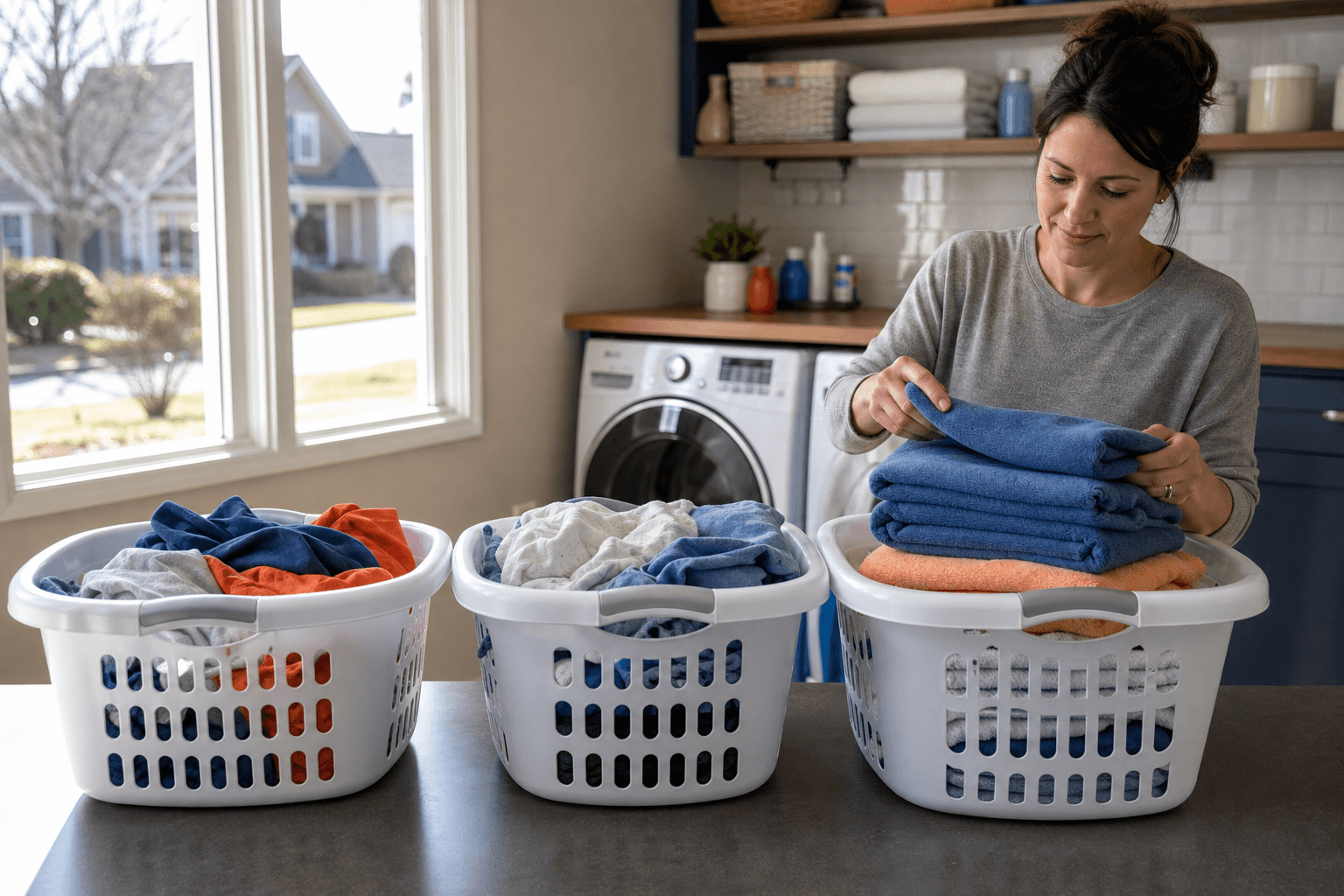
Shared homes need clear ownership. Without it, laundry becomes a mix of misplaced items, unclear responsibility, and wasted time. The fastest solution is to give each person an individual hamper or clearly assigned bag.
Separate hampers make it obvious whose clothes are whose. That cuts sorting time and avoids the common issue of one person delaying everyone else. Kids can learn a basic color system. Roommates can each choose one wash day. Couples can divide by person or by category, depending on closet setup.
Visual cues help shared systems stick. Try color-coded bags, labels, or simple signs. Place detergent and mesh bags in one easy-to-reach container. Keep stain treatment nearby. If everything has a place, fewer excuses show up when it is time to start a load.
The best shared rule is this: if you start it, you finish it. That means washing, drying, folding, and putting away. This rule prevents abandoned loads and keeps laundry from becoming a chain of handoffs. Shared systems work best when the expectations are clear and simple.
How to Maximize Every Wash Cycle
Efficiency is not about cramming as much as possible into one load. In fact, overloading is one of the fastest ways to get worse results and create extra work. A packed drum reduces agitation, blocks water flow, and leaves detergent less able to reach every item.
The ideal load leaves about a hand’s width at the top of the drum. That space gives clothes room to move. Agitation is what helps remove soil, so movement matters. If your clothes come out looking dull or still smelling off, the load may be too full.
Mixing large and small items also helps. A balanced load improves movement inside the drum. Towels paired with a few smaller items often wash better than a huge wad of only large pieces. The goal is even circulation and contact with water and detergent.
People often think bigger loads mean fewer total loads and therefore less time. That only works if the load actually gets clean and dries evenly. If one oversized batch turns into rewashing, redrying, and extra wrinkle removal, your time savings disappear. Smart loading wins because it gets the result right the first time.
Use the Right Water Temperature for Speed, Fabric Care, and Savings
Cold water should be your default for most everyday laundry. It works well for regular clothing, brights, and delicates, and it helps reduce fading and shrinkage. It also cuts energy use in a big way, which makes it one of the easiest efficiency upgrades you can make.
The article brief notes that cold washing plus optimized loads can reduce energy use by up to 70%, and that idea also appears in Columbia Pike Laundry. That is a major reason many efficient routines now start with a cold-first mindset.
Hot water still has a place. Towels, heavily soiled items, and certain sanitation-focused loads can benefit from it. The key is to reserve hot cycles for clothes that truly need them. If you run hot water on everything, you spend more energy, increase wear on fabrics, and often gain little in return.
Warm water can serve as a middle ground, but most people will do best with cold as the standard choice. This one switch reduces guesswork. It also protects your wardrobe, especially darker items and newer pieces that you want to keep looking good longer.
The Quick-Wash Default That Saves Serious Time
One of the biggest time wins in modern laundry is using the quick-wash setting for most loads. The brief states that quick wash, usually around 30 minutes, can handle about 90% of laundry needs. That is huge.
Many households still default to normal or heavy-duty cycles even for clothes that are barely dirty. That habit burns time without delivering better results. If the load is made up of everyday wear and is sorted properly, quick wash is often the smarter option. You get clean clothes in less time and with fewer interruptions to your day.
Reserve heavy-duty or long cycles for genuinely dirty items. Think muddy clothes, heavily used towels, or work gear with real grime. Long cycles are tools, not defaults. Using them on everything just stretches your routine and adds wear.
The efficiency gain adds up fast. If you save around 40 minutes per load and run several loads a week, you recover hours over a month. That is why cycle selection matters so much. It is one of the easiest ways to create a visible, repeatable time cut.
Detergent Rules That Prevent Waste and Improve Results
Detergent looks simple, but bad dosing slows everything down. Too little can leave clothes dull or smelly. Too much can create buildup, trap residue, and force you into extra rinse cycles or rewashing. Efficiency depends on getting the amount right.
If you have a high-efficiency machine, use HE detergent. That formula is made for lower water levels and proper rinsing in those machines. Using the wrong detergent can create excess suds and weaker results. Good laundry starts with correct product use, not just more product.
Dosage should match load size and soil level. A full load may need more detergent than a half load. Pod users may occasionally need two pods for larger or dirtier loads, depending on the product directions. Hard water can also interfere with cleaning, so a booster may help if clothes never seem fully fresh.
Multi-function detergents save time because they reduce extra decisions. If one product includes stain-fighting support or softening benefits, you remove extra steps from your routine. That matters because every additional choice creates drag. Simpler systems are easier to maintain.
Dry Faster With Smarter Settings and Better Load Design
Drying is where a lot of people quietly waste both time and money. Clothes stay in too long, lighter items overdry, and heavy pieces still come out damp. A few changes can tighten this stage quickly.
Start with moisture-sensor drying if your machine has it. Sensor settings detect when clothes are dry enough and stop the cycle automatically. That prevents over-drying, which protects fabric and saves energy. It also cuts the common habit of running a full timed cycle “just in case.” Better sensors mean less guessing.
Grouping items by fabric weight helps too. Heavy towels and jeans dry at a different pace than T-shirts or underwear. Drying them separately gives you more even results and fewer damp surprises at the end. It also helps prevent the annoying situation where some items need more time and others come out too wrinkled.
One fast trick from the brief is adding a dry towel to the dryer for the first 15–20 minutes. The towel absorbs moisture and can reduce drying time by about 20%. Remove it after the early phase so it does not interfere with the rest of the cycle. This hack is easy, cheap, and very effective.
Skip Ironing With Better Wrinkle Prevention
Ironing often becomes necessary because drying and post-drying habits were sloppy. A few preventive steps can keep wrinkles low enough that many everyday items never need an iron at all.
Before clothes go in the dryer, shake or snap them out. This simple motion loosens folds and reduces deep creases. It takes seconds, but it creates better airflow and a cleaner finish. Small actions like this are the essence of the Winner system: tiny effort, strong payoff.
Then remove clothes promptly and fold them while they are still warm. Heat relaxes wrinkles, so this is the easiest moment to shape garments neatly. If you leave everything sitting in the dryer for an hour, the wrinkles set and the folding task feels more annoying. Fast action after drying is one of the strongest anti-clutter moves you can make.
Delicates should often be air-dried. This protects fabric, reduces wear, and keeps thin items from getting twisted or misshapen. A simple drying rack or hanger setup can save those items from early damage and keeps your main dryer focused on the loads that benefit most from machine drying.
The 30-Minute Finish Line: Fold, Store, Reset
Laundry is unfinished until it is put away. That sounds obvious, yet this is where many routines break down. The load gets clean, then dry, then abandoned on a bed or chair. The next day it becomes visual clutter, and by the end of the week it blends into the next round of laundry.
The fix is the “Done Means Done” rule. Block 30 minutes after drying to fold and store immediately. This works because it creates a true finish line. You stop carrying laundry mentally once it is fully complete. The space feels better, and next week starts from zero instead of from a half-finished mess.
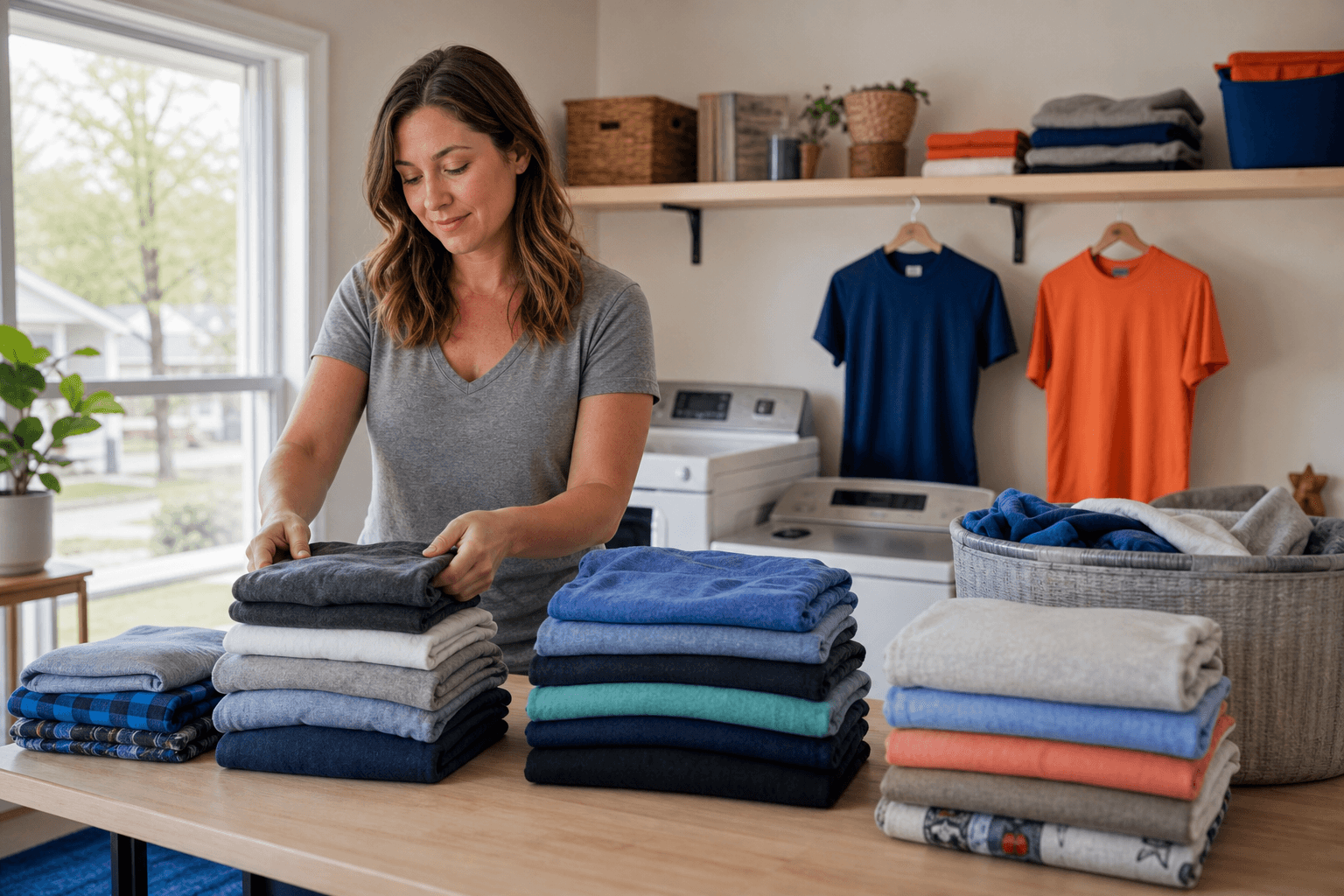
Folding directly from the dryer while clothes are warm makes the whole step faster. Garments are easier to flatten, match, and stack. Mesh bags also help here because grouped items can move straight to their storage zones. Socks, underwear, and delicates already stay contained, which speeds up sorting at the final stage.
If your folding area tends to collect junk, clear it now. A dedicated finish zone makes follow-through easier. Efficiency depends on friction removal, and visual clutter is a major source of resistance. A clear bed, table, or counter helps you finish without excuses.
Keep Your Washer Working Like New
An efficient routine also depends on the machine itself. If your washer smells musty or leaves residue on clothes, your system will slow down no matter how organized you are. Maintenance is part of laundry mastery, and it does not need to be complicated.
A monthly hot cycle with vinegar helps remove buildup and keep the machine fresh. This habit can improve cleaning results, reduce odor, and support a longer machine life. Better machine health means fewer mystery smells and less need for repeat washes.
Wipe seals and detergent drawers if your machine has them. Leave the door open after cycles when possible so moisture can escape. Clean the lint trap in the dryer regularly as well. These steps take very little time, but they support performance and airflow.
If your clothes suddenly stop feeling clean, do not assume you need stronger products right away. Check the machine first. A dirty washer or clogged dryer vent can quietly wreck an otherwise good system. Maintenance keeps your routine dependable.
The 2026 Edge: Smart Tech and Sustainable Habits
Laundry efficiency in 2026 is not just about speed. It is also about lower waste, smarter automation, and routines that save money over time. The best systems now combine practical habits with useful tech instead of relying on effort alone.
App-based reminders are one easy upgrade. They help you start, switch, and finish loads without holding the whole process in your head. Smart washers go further by sensing load size and adjusting cycle settings automatically. That means less over-washing, less water waste, and better consistency.
Sustainability matters here because efficient laundry naturally uses fewer resources. Cold washing and optimized loads can reduce energy use by up to 70%, according to the brief and supported by Columbia Pike Laundry. Efficient routines also lower water and detergent waste because you avoid reruns and oversized cycles.
This is why the best laundry systems feel modern. They reduce decision fatigue, preserve clothes longer, and cut utility costs at the same time. The win is bigger than a cleaner basket. It is a smarter routine that fits real life.
What Actually Saves the Most Time
If you want the shortest route to better results, focus on the few changes with the biggest return. You do not need ten new products or a complete laundry room makeover. You need the highest-impact habits.
These actions save the most time:
- Small daily loads or a fixed weekly rhythm that prevents backlog
- Tri-sort hampers that remove sorting time on laundry day
- Quick-wash cycles for most everyday clothing
- Cold-water defaults for normal loads and energy savings
- Immediate folding to stop clean-pile clutter
Each one works because it attacks a major delay point. Small loads reduce overwhelm. Sorting reduces mistakes. Quick cycles reduce waiting. Cold water lowers cost and fabric damage. Immediate folding prevents a chore from stretching into tomorrow. Together, these shifts can cut your total laundry time by up to 50%.
Your 7-Day Laundry Reset Plan
If your current routine feels messy, do a one-week reset. The goal is not perfection. The goal is proof that a better system feels easier and saves time.
Day 1 starts with setup. Get a tri-compartment hamper or create three separate bags. Label them lights, colors, and darks. Place them where clothes naturally come off. Add a mesh bag nearby for socks and delicates.
Day 2 is about your default load strategy. Decide whether you will do one small load daily or use two fixed days this week. Set phone reminders now. Keep the schedule visible.
Day 3 changes your machine habits. Choose quick wash as your standard cycle for regular clothes. Set cold water as your default unless the load truly needs something hotter. These two shifts create immediate time savings.
Day 4 upgrades your drying step. Use sensor drying if available. Group similar fabric weights. Try the towel trick for one damp-heavy load and compare the drying time.
Day 5 focuses on finishing. As soon as the dryer stops, fold and put away the load within 30 minutes. Notice how different your room feels when there is no clean pile hanging around.
Day 6 is for maintenance. Run a hot cleaning cycle with vinegar. Wipe the machine. Clean the dryer lint trap and check your laundry supplies so next week starts smoothly.
Day 7 is your review day. Compare how much time you spent this week with a normal week. Count how many loads were rewashes. Look at whether piles stayed smaller and whether finishing got easier. Small evidence builds long-term confidence.
How to Make the System Stick for Good
A good laundry system fails if it depends on constant motivation. Real consistency comes from low-friction habits that fit your actual life. That means your plan should be easy on busy days, not just on ideal ones.
Start by attaching laundry to existing routines. Sort after showering. Start a load before cooking. Switch it during a break. Fold while listening to music or watching a short show. Habit stacking works because you borrow structure from routines that already happen.
Next, simplify decisions. Keep your detergent choice simple. Use one default cycle for most loads. Keep supplies in one place. The fewer choices you face, the easier it is to act fast. This is how you reduce decision fatigue.
Finally, allow backup options. During intense weeks, use a service, a shared facility, or a reduced load strategy instead of abandoning the whole system. If you want more practical home-care ideas beyond laundry, you can browse helpful laundry tips for added support. Systems stick when they bend without breaking.
The Winner Laundry Routine Checklist
Use this as your weekly mental checklist. It keeps the process simple and repeatable.
- Pre-sort clothes daily into lights, colors, and darks
- Use mesh bags for socks and delicates
- Run one small load or follow your fixed wash days
- Choose quick wash and cold water for most loads
- Leave space at the top of the drum
- Use proper detergent and correct dosage
- Dry with sensor settings when possible
- Try the towel trick for faster drying
- Fold immediately while clothes are warm
- Clean your machine monthly
This checklist works because each step reduces one common source of waste. Together, they create a routine that feels lighter, faster, and easier to repeat.
Make Laundry a Background Habit, Not a Weekly Battle
Laundry does not need to dominate your week. A better system can turn it into a low-effort background habit that runs with far less stress. The winning formula is simple: sort early, wash smaller loads, use faster settings, dry smarter, and finish right away.
That is the real lesson behind the Winner Laundry Efficiency system. You do not need to work harder. You need fewer bottlenecks, fewer corrections, and fewer unfinished loads hanging over your day. Once those friction points are gone, laundry becomes easier to start, easier to finish, and much easier to keep under control.
Try the system for seven days. Track your time. Watch the pileups shrink. By the end of the week, you will likely see that laundry mastery in 2026 is less about effort and more about smart habits that keep your routine moving.