
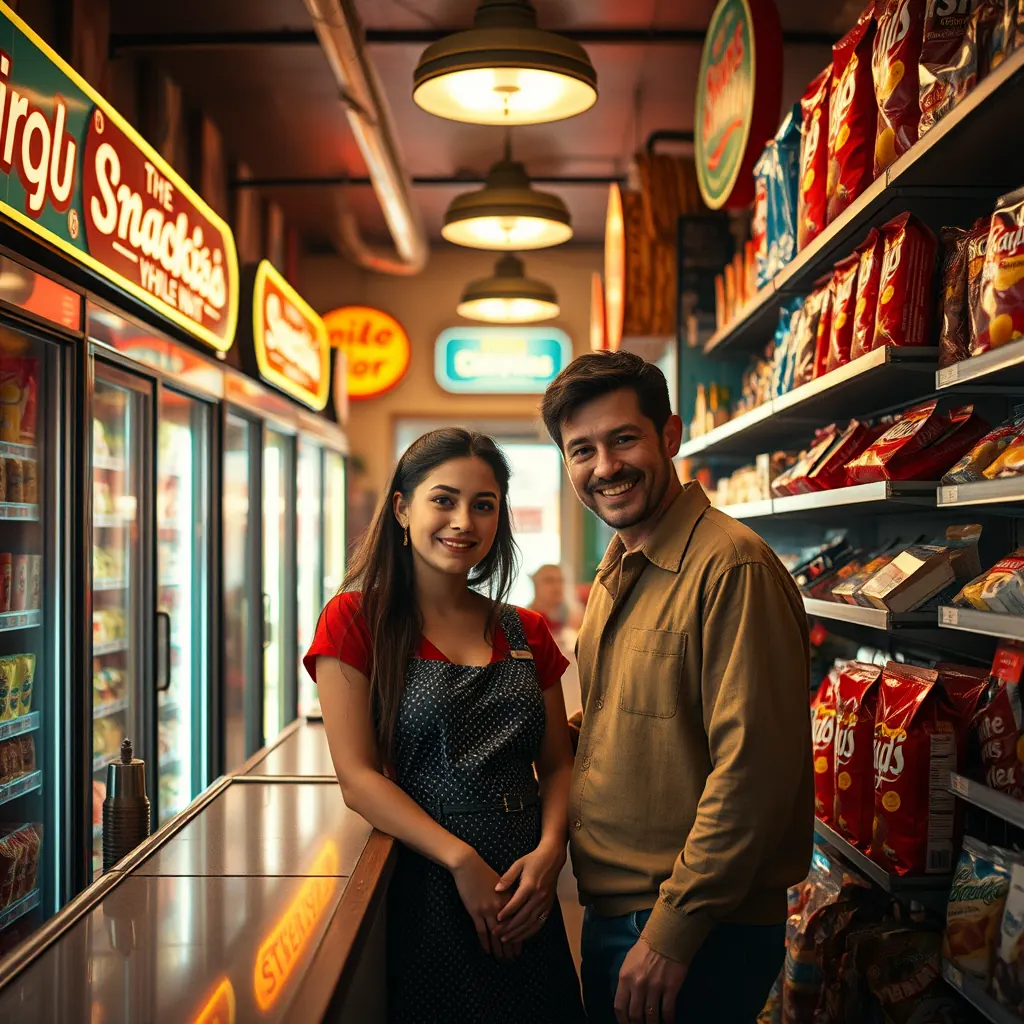
Kansas City mini marts tell a story that starts long before fluorescent coolers and pizza warmers, stretching back to the fast-trade energy of Westport Landing in the 1850s and carrying forward into today’s gas-and-snack ritual. Across the metro, the habit remains familiar and oddly comforting: pull up, fill the tank, grab a drink or a hot slice, and move on, even as Casey’s acquisitions and River Market history reshape what these quick stops look like.
Key Takeaways
- Kansas City mini marts blend speed, food, and neighborhood identity.
- The “snacks while you wait” habit echoes trade patterns from the River Market era.
- Minit Mart helped define the local convenience scene before recent ownership changes.
- Casey’s and independent operators are reshaping the metro’s mini mart map.
- Quick-stop food still drives loyalty, from pizza slices to chips and fountain drinks.
Why “Snacks While You Wait” Still Defines Kansas City Mini Marts
The phrase “snacks while you wait” sounds simple, but it captures a huge part of how people actually use mini marts in Kansas City. Drivers pull in for gas, glance at the window posters, and head inside for something quick. A cold soda, a bag of chips, a candy bar, or a hot pizza slice can turn a routine stop into a small reward that breaks up the day.
That pattern matters because these stores do far more than sell fuel. Kansas City mini marts act as daily touchpoints for commuters, delivery drivers, students, parents, and night-shift workers. People use them in motion. They stop for five minutes, maybe ten, yet those short visits build powerful habits. A neighborhood store becomes familiar because it is there at the right hour with the right mix of speed, food, and convenience.
Local mini marts also carry a strong sense of nostalgia. Many residents remember favorite stops by the smell of pizza near the register, the hum of fountain drink machines, or the way a cashier knew their usual order. Even as ownership changes and branding shifts, the basic experience stays surprisingly stable. The sign outside may change, the coffee setup may improve, and the menu may expand, but the reason people pull in stays the same.
That is the main idea running through Kansas City’s convenience culture. From old riverfront trade habits to modern chain conversions, the format keeps changing while the impulse-driven charm stays alive. People still want essentials fast. They still like turning waiting time into snack time. They still appreciate a quick stop done right.
From Fur Trading Posts to Fountain Drinks: KC’s Convenience DNA
Long before modern mini marts lined Kansas City streets, the area already had a strong culture of quick exchange. In the 1850s, Westport Landing served as a major hub for trade near the riverfront. Goods moved in and out quickly. People came to buy, sell, unload, restock, and move again. That rhythm set an early pattern for what convenience would come to mean in the city.
Trade centers create more than commerce. They create habits. When people gather in a place where shipments arrive, wagons load, and merchants wait for deals to close, they naturally look for food, drink, and easy access to daily basics. Waiting has always invited consumption. A pause in movement becomes a chance to grab something small and useful, whether that meant food on-site in the nineteenth century or a fountain drink beside a gas pump today.
Kansas City’s River Market area still reflects that exchange-first identity. It developed around movement, goods, and practical needs. That background helps explain why convenience retail feels so natural here. The city’s mini marts did not appear from nowhere. They fit into a long local pattern built on speed, accessibility, and the constant demand for one more item before heading out again.
Modern convenience stores are different from frontier trading posts in obvious ways, yet the instinct behind both is similar. People want quick access to what they need without disrupting the rest of the day. Fuel has replaced feed. Fountain drinks have replaced simple refreshment stands. Chips and hot sandwiches have replaced other forms of portable food. The setting changed, but the idea survived.
That continuity gives Kansas City mini marts a stronger local meaning than outsiders might expect. They are tied to the city’s riverfront history, its trade routes, and its practical character. A mini mart is a place of short transactions, yes, but it is also part of a much older local habit: stop, refuel, grab what you need, and keep moving.
The Rise of Minit Mart: How a National Chain Became a Local Staple
Minit Mart began far from Kansas City. According to Wikipedia, Fred and Ralph Higgins founded the chain in 1967 in Kentucky. That origin story matters because it shows how a regional convenience idea grew into a broader retail model. The chain expanded during a period when American driving culture, suburban growth, and demand for quick service all pushed convenience stores into everyday life.
During the 1970s, Minit Mart built momentum by adding features that made stores more than simple counters with packaged goods. Fuel partnerships helped connect the brand to the rising gas-and-go routine. Delis gave customers a stronger reason to step inside. Arcade machines added a small layer of entertainment, turning some locations into social spaces instead of pure transaction points. Those choices helped define what many people came to expect from a mini mart.
Growth accelerated in the 1980s, especially across the South, and the company reached a scale that made it a serious force in convenience retail. Wikipedia notes that the chain eventually operated hundreds of stores and supported a major workforce footprint. That kind of expansion gave Minit Mart visibility and operational reach, but it also gave the brand something less measurable: familiarity. Convenience chains thrive when they become part of a person’s routine, and Minit Mart achieved that in many communities.
In Kansas City, the chain gained traction by embedding itself in neighborhood life. Its stores appeared in areas where people needed speed and accessibility more than polished presentation. For many residents, Minit Mart was never a destination in the glamorous sense. It was something better for daily use: dependable, close by, open early, and stocked with fuel, drinks, snacks, and a few hot food options that could rescue a rushed morning or a late night.
Food helped make the brand memorable. Signature offerings such as Godfather’s Pizza and O’Deli’s subs gave Minit Mart a stronger identity than chains that focused only on packaged products. The combination of gas pumps and recognizable food made the stores useful across several situations. Someone could stop for fuel, grab lunch, pick up a soda, and leave with dessert or candy without making a second stop.
That hybrid model fit Kansas City very well. The metro has long supported practical food retail that sits between full dining and pure grocery shopping. Minit Mart lived in that middle space. It served workers on short breaks, families on the move, students with limited time, and drivers who wanted something warm without waiting for a table service meal. In that sense, the chain became local by doing the same thing over and over with enough consistency to become part of the background of city life.
Decoding “Snacks While You Wait”: More Than a Throwaway Phrase
At a literal level, “snacks while you wait” means exactly what it says. You are fueling up, standing in line, or making a quick payment, and you add something edible to the trip. Yet the phrase carries deeper weight because it describes one of the most reliable patterns in convenience retail: impulse buying during idle moments.
Fueling creates a pause. Checkout creates a pause. Even deciding which pump to use creates a pause. These tiny gaps are perfect for low-stakes purchases. A person who had no plan to buy food suddenly wants a drink because the cooler is right there. A bag of chips feels easy because the stop already happened. The purchase seems small, but it adds pleasure to an otherwise routine errand. That is why the phrase has lasted. It captures a real habit in plain language.
Kansas City offers many examples of this behavior in action. Consider a neighborhood location such as the NE Antioch store mentioned in the brief. Early opening hours matter because they line up with commuter routines and workday urgency. Fuel pricing matters because it gets drivers onto the lot in the first place. Snack accessibility matters because once someone is there, the path from pump to counter becomes a path to extra spending. The store works best when those pieces connect smoothly.
Employee experiences add another layer to the story. Reviews from workers often reveal what customers do not always see: the rush periods, restocking pressure, food prep demands, and front-counter pace that make the convenience experience possible. Behind every fast transaction sits labor that keeps coffee fresh, pizza hot, shelves full, and registers moving. A mini mart succeeds when waiting feels short, but that effect comes from constant effort on the other side of the counter.
There is also a historical echo here that feels very Kansas City. The River Market and Westport Landing culture turned waiting time into consumption time long before modern convenience stores existed. Traders, workers, and travelers have always used pauses in movement to grab a bite, buy supplies, or make one last purchase before moving on. Today’s candy rack and hot case are updated versions of that old habit.
The phrase works because it is humble and accurate. It does not promise a luxury experience. It promises a quick reward in the middle of something else. That small promise still drives traffic, shapes store layout, and explains why so many mini mart purchases happen on instinct rather than planning.
The 2023 Shakeup That Redefined KC’s Mini Mart Map
Kansas City’s convenience landscape changed sharply in 2023. The biggest headline was Casey’s acquisition of 26 locations, a move that expanded the company’s local footprint in a major way. For customers, the change was visible at street level. Familiar stores began shifting signs, product assortments, and food programs. For the market as a whole, the deal signaled a larger trend: convenience retail was entering another phase of consolidation.
Casey’s tends to bring a more defined food identity than many older mini mart setups. Its pizza program has strong recognition and sets expectations for hot food quality. As conversions took place, shoppers saw a gradual change in branding, interior presentation, and menu emphasis. Remodels did not happen all at once, but the direction was clear. These stores were moving away from one style of neighborhood mini mart and into a more unified chain experience.
That shift matters because food is one of the clearest ways customers judge convenience stores now. Gas can get people onto the property, but prepared food helps determine whether they return. Casey’s understands this. By bringing its own pizza identity into converted locations, it aimed to turn routine stops into repeat visits anchored by a specific menu item rather than simple habit alone.
At the same time, the story was not only about one chain getting bigger. A parallel sell-off moved 19 stores into independent ownership. Some of those locations were rebranded as liquor stores or Phillips 66 gas stations. This created a more fragmented local map, where one set of former stores joined a stronger chain system while another group moved in a more independent direction.
That split reveals a lot about the current retail climate. Large chains chase efficiency, stronger branding, and food-led growth. Independents often focus on flexibility, local demand, and category specialization such as beverages or fuel-first service. Both models can work, but they create different customer experiences. One leans on consistency. The other leans on location, local knowledge, and practical adaptation.
For Kansas City residents, the result is a mini mart scene that feels familiar and disrupted at the same time. Some long-known stops now carry a different logo and a different pizza standard. Others have become more independent and more narrowly focused. The old map did not disappear, but it did get redrawn.
What’s Left Today: A Fragmented but Thriving Mini Mart Ecosystem
After acquisitions and rebranding, Kansas City still has a lively convenience scene. Some Minit Mart locations remain in operation, often with a fuel-first identity that serves drivers who prioritize speed over expanded food programs. These stores continue to meet a basic need and still matter in neighborhoods where accessibility and habit carry more weight than polished upgrades.
Independent operators also play a major role. Stores such as Short Stop Mini Mart stand out because they offer local charm, strong neighborhood familiarity, and a style that can feel more personal than a chain conversion. A good independent mini mart often succeeds by reading its immediate customer base closely. It knows when workers need hot coffee, when students want cheap snacks, and when nearby residents rely on quick evening stops for essentials.
Beyond traditional gas station formats, the convenience model is spreading into other spaces. Office micro-markets and vending services now extend mini mart logic beyond the forecourt. Workers can grab drinks, sandwiches, and snacks in unattended retail setups that mimic the impulse and speed of a convenience store without requiring pumps or a cashier. This matters because it shows that the mini mart idea is bigger than the classic gas station box.
Customer and employee experiences are still mixed, and that is part of the truth of this sector. Some locations earn loyalty through clean stores, reliable stock, and friendly service. Others struggle with staffing, maintenance, or uneven food quality. Convenience retail operates on thin margins and constant repetition, so a store’s reputation can rise or drop based on details that customers notice immediately: cold drinks, clean counters, quick checkout, and whether the hot food actually looks worth buying.
Even with those differences, the ecosystem remains active. Kansas City supports chains, independents, specialty operators, and newer unattended formats at the same time. That diversity keeps the culture alive. It also gives customers more ways to define what a “good” mini mart means, whether they care most about pizza, prices, speed, location, or neighborhood vibe.
What Keeps People Coming Back: The Food That Defines KC Mini Marts
Food is the emotional center of the mini mart experience. Fuel may bring people in, but snacks and hot items create memory and loyalty. Across Kansas City, the foods that define these stores are usually simple, portable, and satisfying: pizza slices under heat lamps, wrapped subs, ice cream novelties, fountain drinks, chips, candy, and refrigerated bottles of soda that feel extra appealing on a rushed or stressful day.
Legacy staples still carry real power. A hot slice of pizza works because it is fast, cheap enough for an impulse purchase, and more filling than candy. Subs and deli sandwiches offer the feeling of a real meal without the delay of ordering at a restaurant. Fountain drinks remain central because they combine value, customization, and ritual. People have favorite cup sizes, favorite ice levels, and favorite mixes that turn a simple purchase into something personal.
Casey’s has raised expectations in many converted locations by emphasizing its made-from-scratch pizza identity. That matters in a market where prepared food can separate one store from another. Once customers start viewing a convenience store as a valid place to get decent pizza, the visit changes. The stop is no longer only reactive. It can become intentional.
Still, the backbone of mini mart retail remains the classic grab-and-go lineup. Chips, candy bars, gum, bottled water, energy drinks, and packaged pastries dominate because they fit the pace of the visit. These are easy decisions. They require almost no planning. They live in the exact space where boredom, hunger, and convenience overlap.
Kansas City adds another layer through its local food culture. River Market produce, multicultural groceries, and the city’s broader appetite for casual food all influence what feels normal and appealing in a quick-stop setting. A mini mart may not compete directly with specialty grocers, but it benefits from existing in a city where people already value variety, portability, and flavor.
The psychology behind this is straightforward. Routine errands are boring. A quick snack acts as a small reward. That reward can be salty, sweet, cold, caffeinated, or hot and cheesy, but the effect is similar. The customer feels a little better and a little more satisfied before getting back into traffic. That is why food keeps the mini mart business alive even as ownership structures shift.
More Than Convenience: The Neighborhood Role of Mini Marts
Mini marts matter because they serve neighborhoods in ways that larger retail formats often cannot. A grocery store trip requires planning. A big-box stop takes time. A mini mart fits into ordinary life with almost no friction. It is there for the forgotten drink, the emergency gallon of milk, the fast breakfast, the late-night snack, or the tank of gas that gets someone to work. That accessibility gives these stores a community role beyond pure retail.
Across Kansas City’s diverse neighborhoods, mini marts act as small anchors. People stop at the same places on the way to school, work, practice, or home. Cashiers learn faces. Morning regulars appear at the same hour. Delivery drivers know which stores are quickest. These repeated interactions create low-key social familiarity that many young adults and longtime residents both recognize, even if they do not think of it in grand terms.
These stores have also shown real resilience. Kansas City has gone through economic shifts, urban redevelopment, changing traffic patterns, and major retail competition. Through all of that, convenience stores remained useful because they answer immediate needs. Their format is flexible enough to survive change. If one food program fades, another can appear. If branding changes, the location can still hold value. If a chain leaves, an independent may step in.
Mini marts also function as informal meeting points. Friends waiting on a ride, coworkers grabbing drinks, and neighbors making quick evening stops all share the same compact space. People may chat near the register, compare gas prices, or ask about local happenings. The interaction is casual, but it contributes to neighborhood texture in a real way.
Economically, these stores have long mattered too. Chains such as Minit Mart once represented major revenue and employment footprints, as noted by Wikipedia. Even today, convenience stores support local micro-economies through jobs, supplier relationships, fuel sales, and food purchases. A single location may seem small, but multiplied across the city, mini marts contribute meaningful commercial activity.
That mix of social utility and economic value helps explain why the format sticks around. A good mini mart is fast, but it is also familiar. It belongs to the practical side of neighborhood life, where convenience and routine become part of community identity.
The Future of KC Mini Marts: Consolidation, Competition, and Reinvention
The next chapter for Kansas City mini marts will likely be shaped by pressure from several directions at once. One major force is continued consolidation. As chains like Casey’s grow, they bring scale, stronger branding, and more advanced food programs. That gives them advantages in purchasing, marketing, and customer loyalty systems. Smaller operators must answer with local strengths, sharper pricing, or a more distinctive neighborhood feel.
Competition is also expanding beyond the traditional mini mart. Large-format travel centers such as Buc-ee’s entering the region could shift customer expectations around selection, cleanliness, and prepared food. Even if these giant stores do not replace neighborhood stops, they influence what people think a convenience store can offer. Customers who experience bigger and flashier formats may start expecting more from smaller stores close to home.
Another major force is innovation in unattended and hybrid retail. Micro-markets, smart coolers, and office snack setups are changing how convenience works. People can now access grab-and-go products in workplaces, apartment buildings, and other controlled spaces without a classic cashier setup. That means the mini mart concept is becoming more portable and less tied to a single building type.
Hybrid models will likely grow as well. Some locations may lean harder into foodservice, almost becoming quick kitchens with gas pumps attached. Others may focus on beverages, liquor, tobacco, or fuel while reducing broader grocery categories. A few may develop stronger local identities through specialty products, regional snacks, or neighborhood-specific service.
The likely outcome is a market with fewer traditional chains carrying older formats and more diversified approaches to convenience. That does not mean the classic mini mart disappears. It means the category keeps adapting, just as it has from riverfront trade stops to chain conversions. Kansas City’s convenience culture is too rooted in daily movement to vanish. It will simply keep taking new shapes.
How to Experience the Best of KC Mini Mart Culture Today
If you want to understand Kansas City mini marts as more than generic gas stations, start by visiting different types of locations. Try a Casey’s-converted store if you want to see how chain upgrades and pizza-forward branding are changing the experience. Then compare that with an independent favorite such as Short Stop Mini Mart, where the appeal may come from local personality, speed, and neighborhood regulars rather than corporate consistency.
Next, spend time in the River Market area for historical context. The modern mini mart and the old trade-stop culture are separated by time and technology, but they share the same quick-exchange energy. Seeing the area where Kansas City’s early commercial life grew can make the current convenience landscape feel more connected and less random.
Timing changes the experience, so choose your visit with intention. Early morning runs reveal the commuter side of mini mart culture: coffee, breakfast snacks, first-shift urgency, and the rush for fuel before work. Late-night stops show a different side: quieter aisles, comfort food cravings, and the weirdly satisfying feeling of buying chips and a cold drink after dark.
To make the most of the stop, keep a few smart spending habits in mind. These strategies help a lot:
- Use fuel rewards programs when available.
- Check cashback apps before paying.
- Look for combo deals on drinks and hot food.
- Compare snack prices between chains and independents.
- Watch for pizza or fountain drink specials during off-peak hours.
A great way to build the full experience is to pair a mini mart stop with a broader local outing. Grab a drink or slice at a nearby convenience store, then head into River Market for produce, specialty groceries, or a walk through one of Kansas City’s oldest commercial zones. That pairing makes the city’s past and present feel connected through something as ordinary as a snack run.
Most of all, pay attention to the details. Notice which stores feel fast, which feel friendly, which smell like fresh pizza, and which seem built purely for fuel-and-go efficiency. Those differences are what make Kansas City’s mini mart culture interesting. The category may look simple from the outside, but up close it reveals a lot about how the city moves.
The Enduring Appeal of a Quick Stop Done Right
Kansas City mini marts have changed shape many times, from the quick-exchange rhythm of nineteenth-century trade hubs to the branded gas-and-food hybrids of today. Minit Mart helped define one era. Casey’s acquisitions have pushed the market into another. Independent stores continue to hold their place. Through every shift, the core behavior remains strikingly stable: people stop because they need something fast, useful, and satisfying.
That is why “snacks while you wait” still works as the best shorthand for this culture. It captures speed, impulse, comfort, and routine in four words. A person does not need a grand reason to walk inside. They just need a small opening in the day, a little hunger, and a familiar store nearby.
Kansas City’s mini marts matter because they blend history, neighborhood identity, and practical service in a compact form. They reflect the city’s trade roots, its street-level food habits, and its ability to absorb change without losing everyday character. The signs may switch, the owners may change, and the pizza may get better, but the habit stays strong.
So the next time you pull up to the pump, lean into the ritual. Take the extra minute. Grab something salty, sweet, cold, or hot while you wait. In Kansas City, that quick stop still carries a legacy much bigger than it seems.